
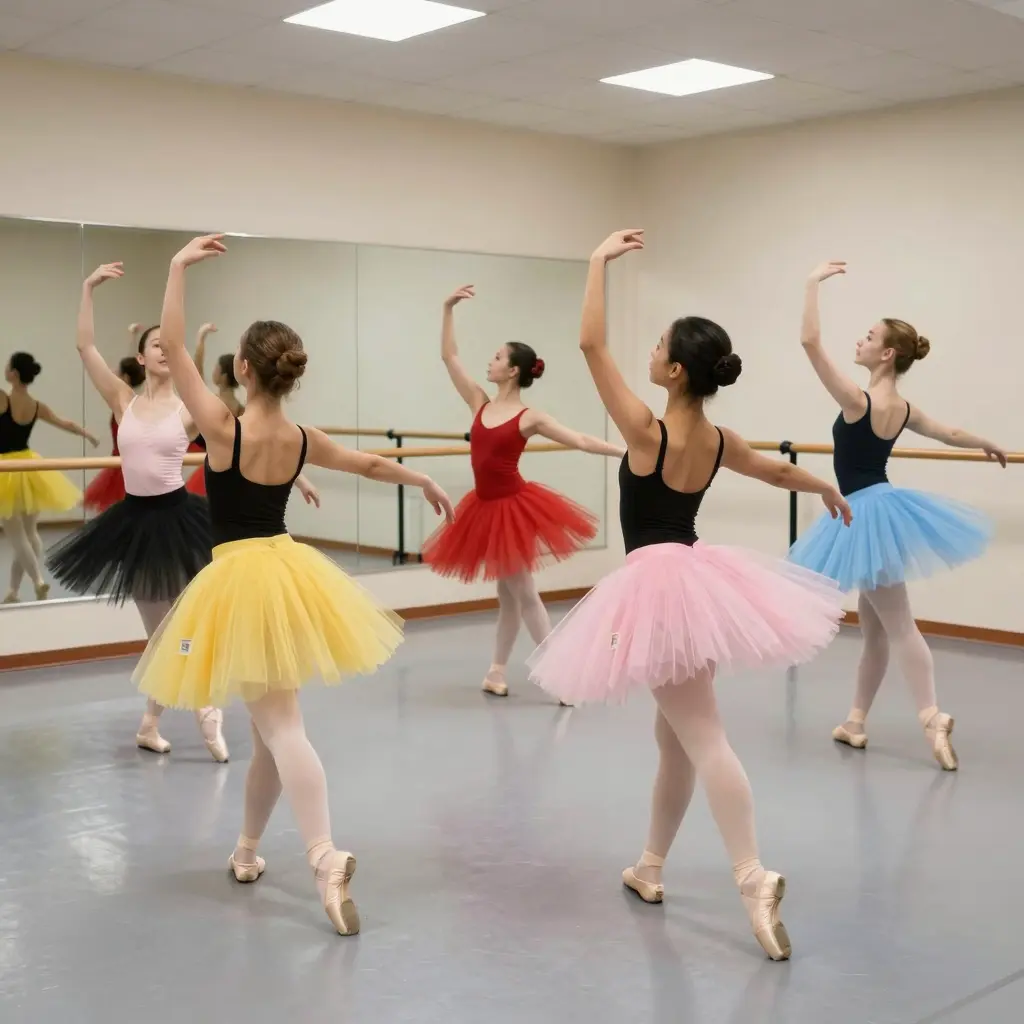
A tutu class is more than just an introduction to ballet; it’s a vibrant and engaging experience that embodies artistry, discipline, and joy. Ideal for dancers of all ages and skill levels, these classes focus on the essentials of ballet technique while providing dancers with an opportunity to express themselves through movement. The allure of a tutu class extends beyond the dance floor; it also captures the interest of business owners aiming to diversify their dance programs. By incorporating tutu classes into their offerings, studios can attract a wider audience, enhance their brand’s appeal, and increase enrollment.
The benefits of participating in a tutu class are numerous. Dancers not only improve their physical abilities but also gain confidence, creativity, and a sense of community. For business owners, providing tutu classes opens the door to hosting themed events and performances, which can create additional revenue streams. Classes centered around popular ballet themes, such as those from The Nutcracker and Swan Lake, can draw in students excited to immerse themselves in the rich traditions of ballet, making tutu classes a win-win for both dancers and dance institutions.
Historical Overview of Tutu Classes in Ballet
Tutus are an iconic element of ballet, serving both functional and aesthetic purposes within the dance form. The history of tutu classes can be traced back to the early 19th century, marking a significant evolution in dance attire and education.
The first tutus emerged in the 1830s during the Romantic Era of ballet, notably worn by ballerina Marie Taglioni in her performance of La Sylphide. This initial design featured layers of tulle that created a dreamy silhouette, enhancing the ethereal aspects of the dance. The Romantic tutu design gradually morphed into what we now recognize as the Classical tutu in the late 19th century, which is characterized by its shorter, stiffer construction. This new design revolutionized ballet performances, allowing for better visibility of the dancers’ leg movements and footwork, which are integral to classical ballet technique. The Classical tutu became a staple in iconic ballets such as Swan Lake and has remained central to ballet education ever since.
Key Milestones in Tutu Evolution
- 1830s: Introduction of the Romantic tutu, enhancing the portrayal of femininity in ballet.
- 1880s: Evolution to the Classical tutu, allowing dancers to showcase technical proficiency.
- Modern Era: Introduction of various styles, including the short, stiff tutu and the more flowing versions used in contemporary ballet.
As ballet techniques advanced, so did the design and significance of the tutu. This evolution reflects broader societal changes and the growing status of women in the arts. Tutu classes not only teach dancers the technical skills necessary to perform but also play an essential role in cultivating an appreciation for ballet history and craftsmanship. Today, Lune Ballet continues this legacy by offering a range of professional-quality tutus that embody both tradition and modernity, essential for serious ballet students and educators alike.
In conclusion, tutu classes hold a rich historical significance that is intertwined with the evolution of ballet itself, marking a journey that is both artistic and educational.
Comparison of Tutu Styles for Ballet Classes
Choosing the right tutu for your ballet class can significantly impact performance and comfort. Below is a table comparing different tutu styles based on fabric, fit, and performance characteristics. This guide is tailored to help business owners select the best tutus for their classes.
| Tutu Style | Fabric | Fit | Performance Characteristics |
|---|---|---|---|
| Classical Tutu | Stiff tulle | Structured, bell-shaped | Ideal for classical ballet, enhances movement and control. |
| Romantic Tutu | Soft tulle, chiffon | Flowing fit | Allows more freedom in movement; suitable for softer styles. |
| Professional Tutu | Layered tulle with boning | Customized fit | Designed for competition; provides support and creates an explosive visual effect. |
| Basic Tutu | Lightweight tulle | Loose fit | Great for beginners; ideal for practice and comfort without compromising style. |
| Character Tutu | Velvet, cotton | Comfortable and relaxed | Often themed for performances; suitable for character dances. |
This comparison highlights the importance of choosing the right tutu for various ballet classes. For more insights on professional options, check out our professional tutus collection. For more romantic styles, visit our romantic tutus collection.
Benefits of Tutu Classes for Young Dancers
Tutu classes offer a multitude of benefits for young dancers, enhancing their experience both on and off the stage. Here are some key advantages:
- Physical Fitness: Tutu classes promote strength, flexibility, and coordination, providing a solid foundation for physical health.
- Creativity and Expression: Wearing tutus allows dancers to express their artistic side and explore creativity through movement.
- Confidence Building: Mastering new skills in classe increases self-esteem and confidence in young dancers.
- Social Skills: Classes foster teamwork and friendships, enhancing social interactions among peers.
- Discipline and Focus: Ballet training requires dedication and discipline, skills that benefit children in other areas of life, including academics.
Engaging in tutu classes not only develops technical skills but also nurtures a well-rounded individual. To explore beautiful tutu options, check out our professional tutus and romantic tutus.
Tutu classes have shown to be profoundly impactful for dancers of all ages, fostering not only technical skills but also enhancing confidence. Several testimonials highlight the positive changes experienced by students, showcasing their personal growth and artistic development. Below are a few success stories from dancers who have taken tutu classes:
Angela R., Student, 16
“Before joining the tutu class, I struggled with my self-confidence. I was always too shy to participate in class. However, the supportive environment of the tutu class helped me gain my voice. It has not only improved my ballet technique but also taught me to be proud of my efforts. I once thought I couldn’t perform on stage, but now I relish every opportunity to dance!”
This sentiment is echoed by many students, underscoring how tutu classes can indeed serve as a confidence booster.
Michael T., Parent of Student, 8
“My daughter joined the tutu class last year, and the change has been remarkable. The instructors are incredibly encouraging and provide personalized attention. I’ve seen her progress in not just her ballet skills but also her ability to express herself through dance. She confidently performed in the recital wearing her beautiful tutu, which she now cherishes.”
The experience of wearing a tutu and performing can be a milestone, particularly for younger dancers like Michael’s daughter. The joy of wearing a tutu often enhances their enthusiasm for dance.
Sarah L., Professional Dancer, 24
“I returned to ballet after several years and enrolled in a tutu class. The structure of the classes helped me refine my technique significantly. The other dancers were inspiring, and the class atmosphere was both professional and friendly. Through this, I rediscovered my passion for ballet. Tutu classes are not just about learning to dance; they are about building perseverance and community.”
Sarah’s journey emphasizes that tutu classes appeal to dancers of all experience levels, fostering a sense of community and shared passion for dance.
Summary
The positive experiences shared by dancers who partake in tutu classes reflect a broader trend in dance education. These classes not only equip students with essential ballet skills but also create an environment that nurtures confidence, resilience, and creative expression.
For those interested in exploring more about professional and themed tutus suited for these classes, Lune Ballet offers a variety of tutus to enhance your dance experience. Dancers can also find unique designs that match their artistic vision through custom options available at Lune Ballet.
These testimonials illustrate the transformative power of tutu classes, making them an essential part of many dancers’ journeys.
Strategies for Marketing Tutu Classes
Marketing tutu classes effectively requires a combination of digital presence, community outreach, and engaging events. Here are some targeted strategies business owners can implement to attract students:
Social Media Promotion
- Engaging Content: Share visually appealing content that showcases students in action. High-quality photos and videos of classes, performances, and student testimonials can engage potential customers. Platforms like Instagram and TikTok are ideal for such visual storytelling.
- For example, post short clips of students practicing ballet techniques or performing in tutus. This not only attracts interest but also builds a community around your class.
- Reference resource: How to Promote Dance Classes With Social Media
-
Community Interaction: Utilize social media tools to interact with your audience. Respond to comments, conduct polls, and host Q&A sessions to foster a sense of belonging and encourage inquiries about your classes. Engaging with followers helps solidify your school’s presence in the community.
-
Promotional Offers: Run social media campaigns offering discounts or free trial classes for new students. This can create urgency and encourage sign-ups.
- Share posts about limited-time offers to create buzz and drive registrations.
Local Community Outreach
- Partnerships with Schools: Reach out to local schools and community centers to offer free or discounted workshops. This not only helps introduce your classes but also builds relationships within the local community.
- Consider hosting a demonstration class that schools can share with their students.
- Reference resource: 5 Unconventional Marketing Ideas for Your Dance Studio
- Participating in Local Events: Join community fairs, parades, or sports days to set up a booth. Providing free mini-lessons or tutu fittings can engage families directly, allowing them to envision their children participating in your classes.
Special Events
- Open House Events: Organize open houses where potential students can meet instructors, tour the studio, and try out a class for free. The opportunity to interact personally can significantly increase enrollment.
- Use these events to showcase different tutu styles available, creating excitement about class participation.
- Showcase Performances: Host a ballet performance featuring students wearing tutus. This can serve both to highlight your class quality and provide a platform for students to shine. Invite local media to cover the event to increase visibility.
By leveraging these marketing strategies, business owners can effectively attract students to their tutu classes, fostering a thriving and engaged community.

Tips for Choosing the Right Balletwear for Tutu Classes
Choosing the right balletwear, especially for tutu classes, plays a vital role in enhancing both performance and enjoyment for young dancers. Here are some expert tips that business owners can share with their students or customers to help them make the best choices:
1. Prioritize Comfort and Fit
- Breathable Fabrics: Look for materials such as cotton blends or breathable spandex. These fabrics allow for flexibility and help regulate body temperature during dance classes, ensuring that young dancers remain comfortable.
- Snug Fit: It’s essential that balletwear fits snugly but not too tightly. A leotard and tutu that fits correctly helps dancers to move freely without restrictions while maintaining proper form.
2. Choose the Right Style
- Tutu Types: Explore different styles of tutus like the basic tutu, professional tutu, or romantic tutu. Each style can cater to different performance needs and personal preferences. Check our collection of professional tutus to find suitable options.
- Personal Interests: Incorporate themed tutus (like Spider-Man tutus) that resonate with children’s interests, enhancing their motivation and excitement for dance. This can greatly help in engagement during classes. Learn more about fun tutu themes here.
3. Assess Quality
- Fabric Durability: Invest in balletwear made from high-quality materials that can withstand regular wear and tear during practice. This ensures longevity and maintains the tutu’s exquisite appearance.
- Construction Details: Pay attention to the stitching and layers in the tutu. Higher quality tutus generally have more intricate designs that help in achieving the classic ballet silhouette.
4. Consider Functionality
- Movement Range: Ensure that the balletwear allows for unrestricted movement. The right attire should enable dancers to perform various ballet techniques without compromise.
- Look for Guidance: If unsure about selecting the right balletwear, consult with instructors or experienced dancers for recommendations based on functionality and style. They can provide invaluable insights on what works best for their dance environment.
In summary, when selecting balletwear for tutu classes, prioritize comfort, style, quality, and functionality to support young dancers in their ballet journey. By communicating these tips, business owners can greatly assist upcoming dancers in making informed choices that will enhance their overall learning experience at Lune Ballet.
Growth of Ballet Participation
The chart below illustrates the growth of ballet participation over the past decade, specifically showcasing trends in tutu class enrollment. As evidenced, there has been a significant increase in enrollment during the years 2017, 2020, and 2022, indicating a growing interest in dance classes.

This trend is not only reflective of increased interest from children but also among adults redefining ballet for themselves. For more information on professional tutus suitable for your classes, check our collection of professional tutus!
In conclusion, tutu classes play a pivotal role in nurturing the art of ballet and enhancing the skills of dancers at all levels. For business owners in the dance industry, offering these specialized classes can not only elevate the quality of instruction provided but also attract more students eager to learn the graceful craft of ballet. Tutu classes combine technique with creativity, giving dancers the opportunity to express themselves while developing critical skills. Furthermore, by incorporating a range of beautiful and professional tutu designs available through Lune Ballet’s collection, studios can enhance the experience and performance quality of their students. Embrace the transformative power of ballet education; consider integrating tutu classes into your offerings and witness the positive impact it has on your students and studio’s growth. Ready to take the next step? Explore dadatutu.com today for premium balletwear that complements your tutu classes and inspires every dancer to reach their full potential.