
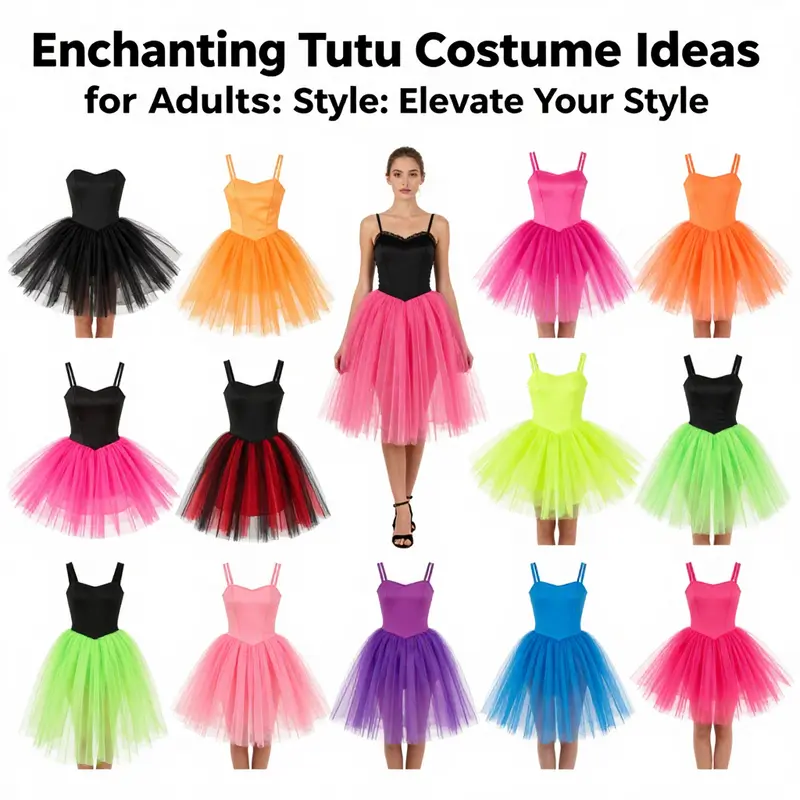
Tutu costumes, traditionally associated with ballet, have evolved to become versatile fashion statements for adults. Whether you’re in search of a playful outfit for a themed party or a chic ensemble for a formal event, tutus can be tailored to fit. This article explores different styles, including classic ballet-inspired designs, festive themed outfits, character cosplay options, and contemporary urban looks. Each chapter presents unique ideas that cater to various preferences and occasions, reinforcing the notion that with some creativity, adult tutu attire can be fashionable, functional, and fun.
The Classical Ballet Tutu: Design Essence, Craft, and Modern Adaptations for Adult Costume Ideas
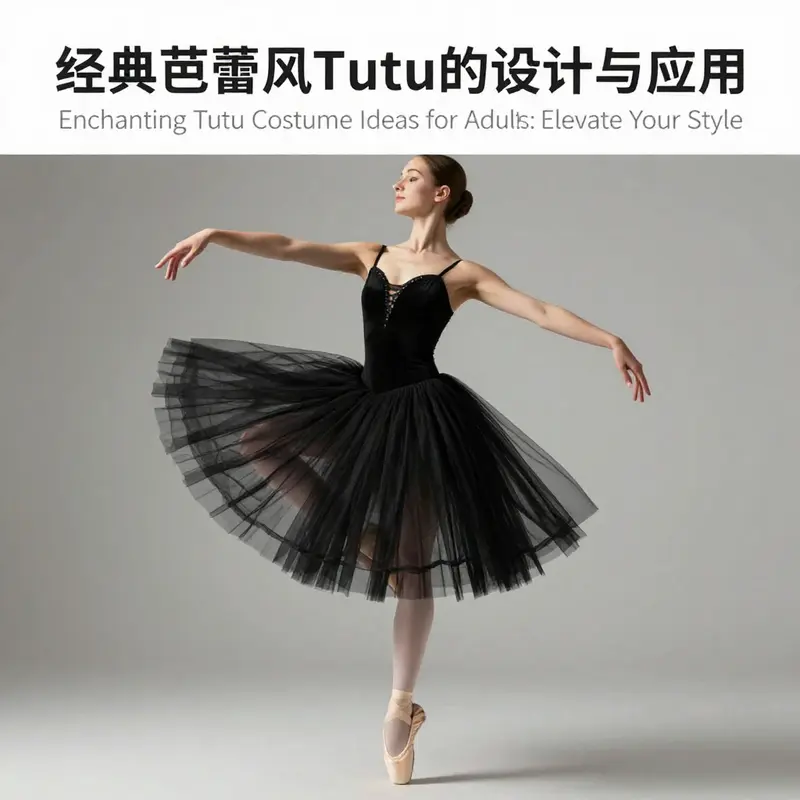
The classical ballet tutu has long stood as more than a costume; it is a language spoken in tulle and rigid silhouette, a visual vocabulary that communicates motion, discipline, and a certain poised theater of the body. For adults exploring tutu-inspired looks, the history embedded in the tutu’s design offers a blueprint not just for performance, but for wearable artistry that can bridge stagecraft and street style. The lineage begins with a restless pursuit of freedom on stage. In the late 18th century, designers and dancers sought to free the leg from restraint, a pursuit that led to simpler, lighter forms that could ride higher and allow the feet to read every nuance of a foot, a relevé, a pointe turn. The shift accelerated in the Romantic era when the long romantic tutu, with its soft, ankle-baring drape, allowed the illusion of weightlessness to become the star of the stage. Then, as classical ballet crystallized, the short pancake tutu emerged, a technical marvel built from multiple stiff layers of sheer fabric. When laid flat, the skirt resembles a disk—hence the practical nickname “pancake”—yet in motion it blooms into a precise, circular halo around the dancer, a silhouette that frames legwork and spins with an almost architectural clarity. The construction of these layers is meticulous and expressive: six or more layers of stiffened tulle, meticulously gathered, stitched, and sewn together, each layer contributing lift and a firm shape that resists collapse during rapid rotations. The waistline is carefully positioned to maximize abdominal support and to situate the chest and arms for clean lines, allowing the dancer to project lines across the stage while the skirt remains a constant, almost obstinately controlled, companion to the body’s movement. The top, often integrated with the skirt, works as a single, harmonious garment that emphasizes the torso’s lines while accommodating the dancer’s range of motion, sometimes complemented by tights or stockings that elongate the leg and contribute to that iconic, uninterrupted leg line that audiences expect from the ballet. For adults who are curious about how such a shape translates into contemporary wear, the essential lesson lies in balancing silhouette, fabric, and comfort. The classic tutu is an instrument of illusion as much as it is a piece of clothing. Its circular, buoyant form arises from a careful interplay of materials: a stiff backbone in the form of a hoop or a structured net that holds the shape, and soft, feather-light tulle that catches light and sways with the dancer’s every turn. Modern designers who draw inspiration from this silhouette often reinterpret the same core ideas—heightened volume, a clearly defined waist, and a crisp edge to the hem—without prescribing the same constrained function. In fashion shows and editorial styling, the tutu morphs into a fiber of creative possibility, where color, texture, and finish transform the familiar circle into something that can be worn away from the stage. Romantic white and ivory tones still echo the tutu’s origins, but new palettes—milky blushes, pale lavenders, or even electric chromatic gradients—can sit beside the original silhouette, inviting adults to play with balance rather than lean into nostalgia. This is where the practical designer’s eye becomes central to the adult costume project: the tutu’s gravity-defying circle teaches restraint as much as boldness. For anyone aiming to translate a stage-ready form into everyday dress or party wear, the transition begins with the scale of the piece and the proportion of the wearer. The full pancake tutu, with six or more stacked layers, can be overwhelming if not scaled to the body and context. A compact version—one to three layers, cut for a shorter rise or a mid-thigh length—retains the tutu’s signature bounce while staying comfortable for a social event or a photo shoot. Here, form meets function: the base is still supportive, perhaps with a soft-lined elastic waist or a light corded inner lining, offering ease of wear for longer evenings. The top remains a counterpoint to the skirt’s drama; a structured bodice or a clean blouse tucked into the waist becomes the anchor that keeps the look polished rather than performative. Color plays a crucial role in this transformation. While white and ivory carry timeless ballet associations, adults can explore the full alphabet of hues, especially those that suit the occasion or the wearer’s complexion. A pale pink or champagne tone softens the appetite for drama, while a bold cobalt or emerald announces a confident, fashion-forward stance. A gradient—from near-white at the waist to a saturated hue at the hem—can energize the silhouette without overwhelming the eye, letting the eye trace the dancer’s lines as the skirt spins. Texture matters as well. If the classic tutu is a study in uniformity—a grid of stiff layers that hold their shape—then contemporary interpretations benefit from introducing a touch of tactile contrast. A sheer chiffon overlay, a lace panel at the hem, or embroidery along the bodice can add depth and sophistication, ensuring that the adult wearer feels both elegant and distinct. In the realm of materials, the tutu invites experimentation without sacrificing core movement. The stiff tulle remains the backbone of the original silhouette, but the outer layers can be swapped for lighter or more luxurious textures, depending on the intended use. For a wedding party or formal affair, a satin or silk lining beneath the tulle can lend an unexpected sheen and a more wearable feel against the skin. For a performance or club-ready event, metallic threads or subtle sequins stitched along the outermost layer can catch light as the wearer moves, creating an illusion of constellations in motion. The body’s comfort remains a non-negotiable factor in any adult interpretation. A tutu that looks spectacular on a rack will lose its magic if it restricts breathing, shifts during a pose, or rubs uncomfortably against the hip. Thoughtful tailoring becomes the choreographer here: a slightly wider waistband to avoid pinching, a breathable lining to wick moisture, and a fit that respects the natural swing of the hips. In this sense, the modern adult tutu becomes less a rigid costume and more a wearable sculpture, designed to move with the wearer rather than force a posture. Alongside construction and comfort, the context of wear guides choices about style and length. A party or photo shoot might welcome the dramatic, floor-skimming edge of a longer, fuller shape, paired with a fitted top and a dramatic accessory—perhaps a velvet cape, a metallic belt, or a statement headpiece that punctuates the silhouette. A casual or fashion-forward event, on the other hand, benefits from a shorter, pared-down version that hints at the tutu’s magic rather than shouting it. In either case, the tutu invites a dialogue between control and abandon: the wearer holds a center of gravity that stabilizes the look, while the skirt’s orbit around the body signifies movement and possibility. The role of accessories cannot be overstated. Shoes, for instance, are a crucial element of the finished effect. For stage-ready outfits, pointe or character shoes provide authenticity; for more everyday wear or a non-dance setting, stylish flats, ankle boots, or even clean, minimalist sneakers can carry the costume into daily life with a grounded, contemporary vibe. Tights or legwear also matter—sheer nude tones elongate the leg, while black or patterned stockings can anchor a darker, more dramatic look. Headpieces and jewelry are the final punctuation marks. A simple tiara or a velvet headband can nod to classical heritage, while a modern metallic or geometric piece can push the ensemble into a fashion-forward orbit. The result is not a mere replication of a stage costume, but a nuanced reimagining of an enduring silhouette that honors its origins while inviting personal expression. This approach aligns with broader fashion conversations about “Balletcore,” a trend that celebrates the discipline, lightness, and elegance intrinsic to the tutu’s silhouette while flexibly translating it into contemporary wardrobes. The cultural resonance of the tutu extends beyond performance halls. It has traversed weddings, parties, and exhibitions, functioning as a portable emblem of grace and dreamlike movement. The modern adult wearer can borrow the tutu’s story to craft moments of ritual or whimsy in everyday life, transforming a routine event into something that feels celebratory and artistically charged. The chapter’s trajectory from the technical demands of six or more stiff tulle layers to the freer, stylized variants available to adults underscores a broader design principle: elegant form comes from an intimate dialogue between structure and spontaneity. The tutu’s history teaches restraint and precision, while contemporary practice invites experimentation with color, texture, and proportion. For readers tasked with building outfits around the classic ballet silhouette, the path forward is both practical and poetic. Begin with a precise silhouette—understand how many layers, what length, and how the waistband sits on the body. Then layer in texture and color to echo personal taste and occasion. Finally, select accessories that harmonize with the look while maintaining comfort and ease of movement. A well-curated adult tutu outfit becomes more than a costume; it becomes a narrative in fabric, a conversation between historical craft and modern identity. For those who wish to explore a tangible example aligned with the described aesthetics, a refined option that embodies the classic white tutu’s integrity can be found here: high-quality-white-ballet-costume-tutu-swan-lake-t0596. This link offers a glimpse into the craft that informs contemporary adult interpretations, and it serves as a reminder that the elegant constraints of traditional design can coexist with individual style and modern sensibilities. As the chapter closes on the classical tutu’s design logic, the reader is invited to carry forward the core ideas—durable construction, decisive silhouette, and adaptable modes of expression—and to apply them to a spectrum of adult costume ideas that honor both dance’s discipline and fashion’s freedom. The tutu, after all, is not a relic but a living instrument: a circle of possibility that continues to spin with new meanings in every era. External resource: https://www.bbc.com/culture/article/20240517-the-enduring-legacy-of-the-tutu
Spooky Silhouettes and Storytelling Threads: Halloween Tutu Ideas for Adults
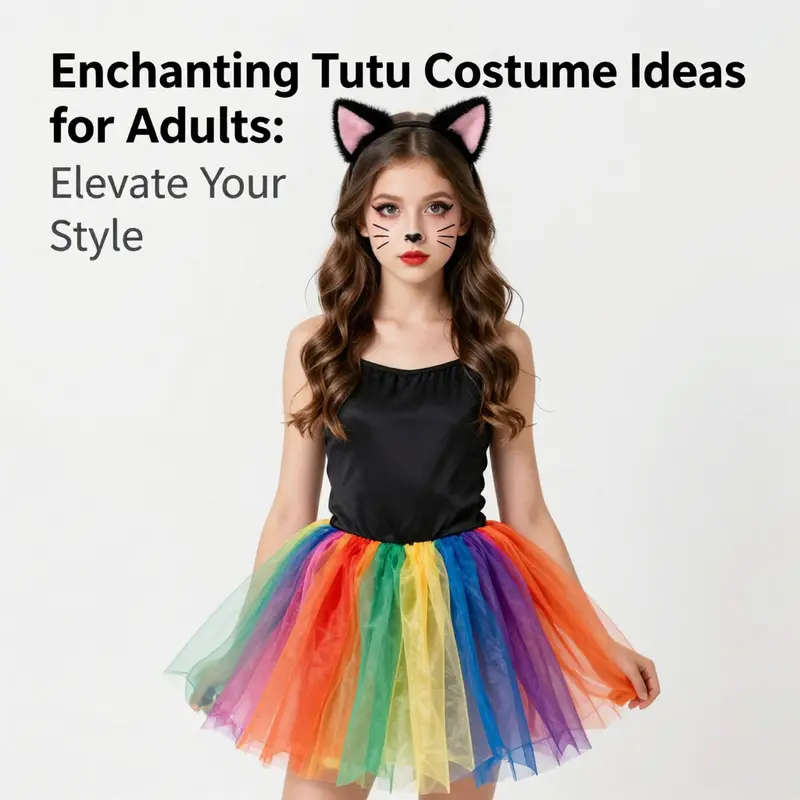
When adults reach for a tutu at a Halloween party, they do more than dress up. They weave a small theatre of their own, a portable stage where color, texture, and narrative collide. The tutu becomes not just a skirt, but a canvas on which mood, era, and whimsy can be painted with fabric and flair. In this chapter, we explore Halloween tutu ideas for adults as a single, cohesive thread that invites both playful experiments and performance-ready ensembles. The ideas aren’t merely about novelty; they’re about storytelling through movement, about turning a festive costume into something you can wear with confidence through late-night parties, masquerade balls, or themed showcases. They blend technique with imagination, honoring the lineage of the tutu while bending it toward the season’s most atmospheric moments.
One of the timeless appeals of the Halloween tutu is its potential for transformation. You can lean toward the classic, drawing on silhouettes that echo grand ballets, or you can push toward the eerie, the spectral, or the whimsical. The tutu becomes a costume that can swing between elegance and camp, depending on how you balance fabric weight, bodice fit, and the rhythm you bring to the dance floor. The spectrum is broad, but the thread that holds it together is fabric in motion. Layered tulle creates a living surface that catches light and sways with every step. A soft, high-waisted silhouette can accommodate long coats or capes, making the tutu an adaptable core for a multi-piece costume. In practice, adults gravitate toward designs that feel cinematic: a black velvet overlay, a white ghostly glow, a rustling orange cascade like a bonfire in a forest, or metallic threads that glint as if tied to a spell. The goal is to create a silhouette that photographs beautifully, moves gracefully, and tells a story at a single glance.
The core palette for adult Halloween tutu ideas often falls into a few reliable families. First, the dark romance of black, wine red, and deep purple, which can be punctuated with metallic accents or pale lace for contrast. Then the playful, seasonally appropriate oranges, pulps, and emeralds that read as festive, not juvenile, when paired with a tailored bodice. White and ivory garments carry a ghostly elegance that can be tempered with charcoal wedges of makeup and shadow, making the look both chic and a touch spectral. The beauty of the tutu lies in its texture—the way multiple layers of tulle, organza, or chiffon catch the light and create volume without weight. A well-chosen underskirt or satin lining helps the garment keep its shape while remaining comfortable for prolonged wear, a practical detail that separates party costumes from show-ready outfits.
To anchor these ideas in usable practicality, imagine the tutu as a rotating wardrobe piece rather than a single-use novelty. A detachable waist panel, for instance, can convert one base tutu into several moods. You can attach a pumpkin-orange panel for the Halloween night, swap it out for a ghost-white panel for a midnight stroll afterwards, then switch to a deep burgundy panel for a cabaret-styled after party. The concept of interchangeability extends to accessories as well. A slim belt that carries a tiny prop or symbol—a faux key, a wand, a bat emblem—lets you pivot your story without rummaging through a closet full of layers. The most effective designs lean on simple, repeatable construction. Think a sturdy elastic waist, lightweight layers that prevent overheating, and easy-to-care-for fabrics that survive multiple wears and perhaps even a damp outdoor breeze. In this sense, the tutu becomes a performance tool rather than a single costume piece.
Among the most evocative Halloween tutu ideas for adults are those that integrate recognizable motifs with a sense of theater. The pumpkin idea, for example, invites a playful silhouette built from alternating layers of orange and black netting, each layer trimmed with leaf-shaped scallops or tiny pumpkin silhouettes. The magic is in the motion: as you move, the little shapes flutter, giving the impression that the wearer has sprouted a tiny, rustling harvest of light and shadow. This concept scales with the wearer’s confidence. A taller person can wear longer panels that brush the floor with an autumnal rustle, while someone shorter might opt for a shorter, more mischievous version that pops with color when they skip or twirl. The key is to keep the shapes lightweight and easy to attach so the effect remains kinetic rather than fussy. For a cohesive look, pair the tutu with a tight bodice in a coordinating hue, and add a headpiece that echoes the sculpture of the shapes on the skirt—an orange ribbon crown or leaf-inspired fascinator can complete the scene without overwhelming the wearer.
The spectral ghost, another perennial favorite, reinterprets the tutu as an ethereal veil rather than a garment alone. A white or pale gray base, layered with sheer, tulle-like fabrics, allows light to pass through and cast a soft glow. Edge the hem with a contrasting black thread to evoke the subtle outline of a drifting spirit, or scatter small, hand-cut silhouettes along the skirt to simulate the idea of a ghost parade. Ghost-inspired outfits thrive when the makeup is as important as the garment. The eyes can be carved in charcoal tones, with a pale, almost translucent lip, so the face mirrors the costume’s pale, luminous quality. The challenge is to keep the effect polished rather than piecemeal. A well-fitted corset or bodice in a cool tone can anchor the look while the skirt does the talking, ensuring the silhouette stays clean and the movement remains unencumbered by fabric snag or clumping.
Spiderweb motifs offer another level of visual drama that feels both elegant and slightly uncanny. A base black or midnight-blue tutu serves as the canvas for metallic thread embroidery or sequined web patterns. The spiderweb design reads well from a distance and rewards close inspection with its delicate craftsmanship. The important design choice here is restraint: a few well-placed webs on the outer layers can gleam under stage lighting, while heavier embroidery risks looking heavy or stiff. Lace trim along the hem adds a subtle sophistication that can ground the look in a gothic romance rather than pure camp. This idea benefits from a structured bodice; a fitted top with high neckline can offset the airiness of the skirt and keep the overall line refined. When it comes to accessories, think about a delicate pendant or a choker that reflects the coppery or pearlescent tones of the web—small touches that whisper rather than shout the theme.
For a more royal or vampire-inspired effect, think of the velvet cape, the pewter buckle, and a blood-red accent that peeks from under the layered skirts. A vampire noble look can be surprisingly modern when paired with sharp tailoring and clean lines. The cape can be lined with a lighter shade to reveal a subtle two-tone effect as you move. The skirt can incorporate a few layers of stiff tulle to hold its shape while a velvet bodice offers a matte, luxe texture. Finishing touches matter; consider dramatic earrings, a narrow belt in antique gold, and a tall, velveteen top hat or a bat-wing accessory perched at the back of the head for drama without bulk. The goal is to evoke a sense of aristocratic decay rather than cartoonish horror, a look that can slide from a gala to a late-night party with ease.
Other Halloween-inspired threads offer opportunities to fuse fantasy with folklore. A wizard or witch motif often benefits from a cape-like overlay that sweeps behind you as you walk, paired with a multi-layered tutu in deep midnight blue or forest green. The top can be a simple black or matching color, so the focus remains on the drama of the outer layer and the skirt’s movement. A wand or a small spell kit can hang from the waist, reinforcing the storytelling without adding length or weight to the garment. For an even more immersive effect, consider a hooded cape that can be worn over the tutu for cold venues or dimly lit venues where a longer silhouette helps maintain presence on stage or dance floor.
Zombie and skeletal themes, when done with sensitivity and artistry, can be particularly striking in adult contexts. A pale base with subtle, textured distressing in the fabric creates a worn and haunted look without veering into costume-shop predictability. Decorate with appliqués that resemble bone structures or shreds of fabric for a “transformed” effect. Glow-in-the-dark paint or small LED accents can be tucked into hems to reveal otherworldly cues in a dark room. The tactile element matters here; smooth velvet contrasts with rougher textures, and the combination can evoke an atmosphere that feels ancient and alive at once. The care in construction matters again: ensure that the layers are balanced so the glow and the distressing don’t overwhelm the movement.
Beyond specific characters, the notion of versatility remains central. A detachable panel concept deserves a closer look. Imagine a tutu with Velcro tabs that attach and detach different skirt panels. One night you can be pumpkin, another night a ghost, and the next a simple black ball gown silhouette with a touch of cobweb shimmer. This approach makes the costume more sustainable and financially practical, allowing you to repurpose the same base piece for multiple events. The panels can be color-blocked for an abstract interpretation of Halloween themes, or decorated with embroidery, printed motifs, or hand painting for a more artisanal finish. Such a design also invites experimentation with fabric weight. Lighter panels prevent overheating in crowded venues, while slightly heavier panels retain shape outdoors. Pair these panels with a slender bodice to keep the upper line elegant, and finish with tights or boots depending on the venue. The result is a legible story from afar and a closer, tactile delight up close—an effect many performers prize for a party that might mix dance, cosplay, and theatre.
In considering these ideas, it’s useful to anchor creativity in tangible choices: fabrics that breathe, colors that read on a crowded dance floor, and silhouettes that flatter a wide range of body shapes. Tulle remains a friend because its lightness allows for multiple layers without bulk. Organza can be used for a more radiant sheen; lace can add a whisper of elegance to an otherwise punk or Gothic-inspired ensemble. The waistband is the unsung hero of comfort; a wide elastic that’s reinforced with a soft lining ensures that you can dance, spin, and interact with guests without the skirt slipping or constraining movement. For adults who want to lean into performance, a light but secure inner lining adds structure and ensures modesty while twirling. And because this topic intersects with costume-making, a quick reminder: quality construction matters as much as design. A few well-placed stitches, a neat edge finish, and careful seam alignment will keep your look from wobbling apart during a dramatic twirl.
If you’re seeking a touchstone for traditional ballet craftsmanship within the broader Halloween theme, you can explore resources that expand on classic tutu silhouettes and finishing touches. For a visual and technical reference that complements these ideas, see the related gallery page linked here. It offers insights into the balance between structure and ornament, a reminder that even the most fantastical looks benefit from a disciplined approach to tailoring. This is not a call to mimic a studio scene but an invitation to borrow precision from classical technique to elevate a Halloween fantasy into a wearable performance piece. The link is intentionally framed to be a jumping-off point for readers who want to connect modern festival styling with time-honored tutu discipline. You can explore that reference here: high-quality-white-ballet-costume-tutu-swan-lake-t0596.
As you compose your Halloween tutu story, remember that it’s the tempo of your body and the rhythm of your fabric that sell the illusion. A slow, deliberate walk can make a pumpkin-orange panel look like a living flame, while a quick spin can reveal a ghostly haze across several layers of pale fabric. The best designs become interactive narratives: the audience sees the character before they hear the explanation. That is the power of a well-considered tutu—its texture, its weight, its movement, and its capacity to tell a single, coherent story as you move through a room or a stage. The result should feel effortless, even when it’s built from multiple ideas stitched together with care. When the audience realizes you’ve created not just a costume but a character, you’ve succeeded in translating a festival motif into a wearable performance piece. In that moment, the tutu ceases to be mere fabric and becomes an extension of your presence, the wardrobe’s most faithful storyteller.
To support these explorations, it helps to view seasonal inspirations broadly as design prompts rather than fixed patterns. The magic lies in translating a mood—mischievous harvest, moonlit gothic romance, or radiantly spectral illusion—into textures, silhouettes, and color assessments that suit your body, the venue, and the time you’ll be on view. If you keep the emphasis on movement and comfort, your Halloween tutu can remain a flexible, repeatable outfit. It becomes a way to seasonally remix your wardrobe with a few strategic additions—color-blocked panels, detachable skirts, or a velvet-accented bodice—while preserving the joy and spontaneity of the holiday. When this balance is achieved, the tutu becomes a signature piece in a performer’s repertoire, a costume that travels well, cues conversation, and invites admiration for the craft that sits behind the drama.
External resource: https://www.pinterest.com/search/pins/?q=halloween%20tutu&rs=typed&term_meta[]=halloween%E2%80%93tutu%E2%80%93diy
成人舞台的蓬松叙事:角色扮演Tutu的多样化选择
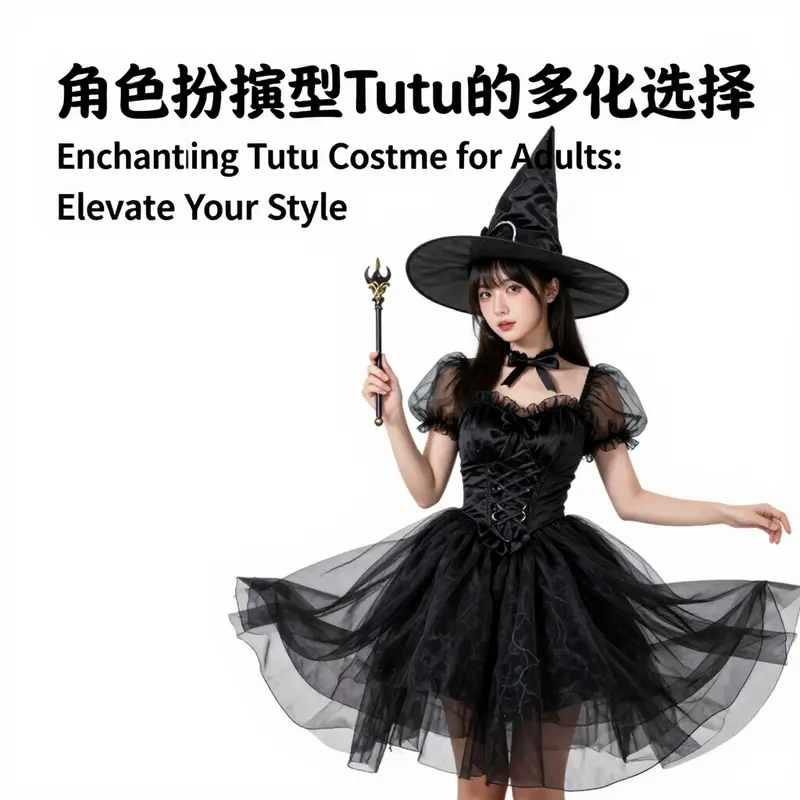
A tutu is not merely a skirt in fluffy tulle; it is a narrative scaffold you wear. For adults, the appeal of a role-play tutu lies not only in its visual impact but in how it supports movement, mood, and moment. When the goal is self-expression at a party, a performance, or a cosplay event, the tutu becomes a vehicle for storytelling. It invites you to step into a character, to borrow their poise, their drama, and perhaps a hint of mischief, while retaining the comfort and practicality you expect from adult clothing. This chapter explores how adults can approach role-play tutus with purpose, balancing aesthetics, fit, and function so that the costume enhances, never hinders, the moment you step into the spotlight or the street parade.
The shift from children’s fantasy to adult role-play is not a rejection of whimsy but a recalibration. Adult life often demands freedom of movement, compatibility with streetwear, and ease of care after a long day. A well-chosen tutu aligns with these requirements by incorporating modern materials, thoughtful linings, and adaptable silhouettes. In practice, the most compelling adult role-play tutu doesn’t simply sit on the body; it moves with the body. It should feel almost invisible when you’re walking, dancing, or delivering a line in a small theatre space. Yet when you angle your hips or lift your arms, its layers reveal your character’s arc with confidence and clarity.
At its core, the choice of a role-play tutu starts with intent. Are you aiming for a dramatic stage presence, a casual cosplay moment at a convention, or a themed party where the look should read from across the room? The answer guides everything from fabric to length. For stage performances, many adults prefer tutus with a slightly longer, layered silhouette and a structured waist that anchors the torso. A high-waisted leotard or bodysuit offers a clean line and a secure base, enabling the tutu to float freely above while keeping the wearer comfortably supported. The choreographic needs matter here: a tutu that flares too aggressively can snag on choreography or breath control mid-barre, while a too-stiff construction can freeze joint movement. A balanced option blends a modest degree of stiffness with pliable layers to create a soft, buoyant motion that remains controllable.
Color and texture are the next conversation. The palette you choose communicates character before any accessory does. A classic approach uses black or ivory tones for a modern ballet illusion—elegant, restrained, and highly adaptable to different scenes. But role-play invites color as a storytelling device. A deep emerald can become a forest spirit; a metallic silver might evoke a space explorer; a hot pink can signal a retro cabaret persona. Layering is where texture earns its keep. Multi-tiered tulle with a delicate overlay of lace, or a satin underlayer peeking through pale sheers, adds depth that catches the light at every turn. For those who want a bold, contemporary look, a short tutu paired with a slim leather or denim jacket can juxtapose the whimsy of tulle with the edge of urban style, a trend that has gained traction among festival-goers and fashion-forward performers alike.
The materials themselves tell a story. Traditional tutus rely on multiple layers of netting to achieve volume, but modern adult-focused designs often blend tulle with chiffon or organza to soften edges and create a luminous haze as the dancer moves. A breathable lining matters more than ever; a satin or cotton lining reduces friction and prevents chafing during hours of wear. For performers who anticipate long production days or outdoor rehearsals, a tutu with a moisture-wicking interior and a washable outer layer offers practical peace of mind. Elastic or adjustable waistbands, reinforced seams, and modest inner linings become unsung heroes in the narrative of performance, letting the wearer forget the costume and focus on the moment.
Accessible customization is a game changer for adults who want a tutu that reads uniquely to them. The world of bespoke or semi-custom tutus allows the dancer or cosplayer to select the overall silhouette, color family, and the density of the skirt’s layers. Some designers offer options to add embroidery, subtle appliqués, or printed motifs along the hem or waist. This is not about ostentation; it is about meaningful detail that hints at a backstory or character without overpowering the ensemble. When customization is well executed, it feels like a tailored instrument that plays in harmony with the wearer’s movements and voice.
In the realm of character-driven role-play, the tutu becomes a bridge to narrative. Think of a witch with a velvet-lined cape and a pointed wand, where the tutu’s dark, teeming layers echo the nocturnal mood. Picture a princess who pairs a pale, sun-kissed tulle with a soft gold belt and a simple crown, letting the skirt’s shimmer do the talking while the wearer retains regal ease of motion. Or imagine a space explorer: a tutu made from metallic or iridescent fabrics that catches light as the wearer spins, paired with a headpiece that hints at a visor or antennae. The goal is not to replicate a film costume but to echo its essence with restraint and polished taste, creating an ensemble that reads clearly from a distance and rewards close-up appreciation.
For adults who want to push beyond conventional fairy-tale concepts, the modern urban approach offers a compelling alternative. A mini tutu or cropped skirt version can be styled with a biker jacket, a crisp white shirt, or a sleek blazer, transforming the tutu into a statement piece rather than a costume. In this context, the tutu becomes a wearable sculpture that communicates confidence and artistry. The silhouette is key here: shorter skirts with higher movement freedom can be paired with opaque tights and ankle boots for a street-ready effect, while longer, layered versions may work better with heeled ankle boots or minimalist footwear for a theatre or gallery setting. The essence is balance—between whimsy and refinement, between drama and ease, between fantasy and everyday life.
Shopping for adult role-play tutus is a journey of discovery as much as a purchase. It helps to begin with a clear sense of scale. How dramatic should the volume be? How easy should it be to wash? Is the look meant to be read as retro, futuristic, or timelessly elegant? The search terms you use will steer you toward the right corners of the market—whether you’re browsing for ready-made options or exploring customization services. Some retailers specialize in adult silhouettes that maintain theatricality while offering practical care instructions and longer wearability. Others focus on fashion-forward interpretations that borrow the tutu’s buoyant silhouette for party wear or runway-inspired visuals. It is not necessary to choose one extreme; the most successful arrangements blend elements from several sources to craft a look that is distinctly yours.
The narrative of the adult role-play tutu also extends to accessories, which are essential but should not overwhelm. A simple, well-chosen headpiece can anchor a character, while gloves, tights, and footwear can tune the overall tone from playful to polished. A cat-ear headpiece with a detachable tail, for instance, can transform the same tutu into a playful Halloween option or a whimsically chic street-ready look, depending on how you pair it with other pieces and accessories. The goal is cohesion: every piece should speak the same language and reinforce the character you intend to embody. The headpiece’s scale matters; delicate pieces suit intimate settings, while larger, more dramatic accents are better for stage or festival environments where the costume must translate at a distance.
Within this spectrum of ideas, one practical yet powerful trend stands out: the intelligent use of color-blocking and textile layering to maximize impact without sacrificing comfort. A tutu with a darker, grounding color at the waistband and lighter, translucent layers toward the hem can elongate the leg line and create a sense of movement that reads beautifully under stage lights. The color story you choose has a direct bearing on how the character is perceived and how confident you feel delivering a performance or greeting a crowd. This is where personal taste and stagecraft align; the tutu becomes less a costume and more a language of gesture.
For those who seek breadth without complexity, there are ready-made paths that still honor individuality. A versatile option is a tutu designed with modular elements—detachable layers, removable waistbands, or interchangeable accessories—so the same base piece can be worn in multiple ways across different events. This flexibility is particularly valuable for cosplayers who attend multiple conventions in a year, or for performers who rotate characters across a single production. The ability to adapt your tutu for a waltz, an aerial performance, or a close-quarters cabaret is a practical portmanteau of artistry and practicality. It allows the wearer to transition smoothly from rehearsal to performance, from backstage to the audience, without compromising the illusion or the comfort of the wearer.
In reading the evolution of adult role-play tutus, it is important to acknowledge how the market responds to those who crave authenticity with flair. Some designers lean into references that evoke classic stagecraft, paying homage to traditional ballet silhouettes while subtly adjusting proportions to suit adult bodies and tastes. Others push toward the future, experimenting with reflective threads, holographic overlays, or lightweight, weather-friendly fabrics for outdoor events. The best choices tend to be those that acknowledge both heritage and innovation—pieces that can hold up under bright spotlight or camera flash, while still feeling like a personal statement that someone could wear in a gallery or at a themed party.
An essential reminder is that the tutu is a tool for storytelling, not a prop for confusion. When you wear a role-play tutu, you are inviting your audience to see you first as a character and then as yourself—the person who chose the character with care, who prepared for the moment, and who moves with intention. The addition of a tutu should amplify your presence without overshadowing your voice or your mobility. It should encourage you to speak with your body, to let your hands describe the story, and to let your feet discover pathways across a room or stage. In this light, even the most exuberant color or the most dramatic tiering becomes a whisper of character rather than a shout.
To illustrate how these principles translate into real-world choices, consider a few consolidated guidelines you can apply when shopping or assembling a look. Start with the waist and length: a high waist provides structure for a more formal look, while a flexible waistband supports comfort during long wear. Layer density matters: a dense, multi-layer skirt creates a bold silhouette for a stage, while a lighter, airy stack reads more ethereal and intimate for photos or small gatherings. Fabric mix matters too: a base layer of tulle with chiffon overlays can offer both volume and movement; a satin underlayer adds a touch of luxury and a smoother surface for the bodice to rest against. Accessories should echo, not overwhelm; choose one or two expressive pieces—such as a crown, a wand, or a set of metallic gloves—to tell the character’s story without turning into a cluttered display.
For readers who want a seamless bridge from historical inspirations to contemporary wear, the domain of adult role-play tutus can be both comforting and exhilarating. You do not need to abandon practicality to indulge in fantasy; you can, instead, invite fantasy to live in a well-made garment designed for adult bodies and adult schedules. In fact, the most memorable looks often combine practicality with a pinch of audacity: a tutu that choreographs well, a jacket that can be removed in a backstage moment, or a color palette that photographs beautifully in flash and natural light alike. The resulting ensemble feels timeless, a modern artifact that celebrates personal storytelling and the craft of costume design as a shared, social practice.
In closing, the chapter you are reading is not meant to prescribe a single path. It aims to illuminate possibilities and to inspire experimentation. The role-play tutu can be as intimate as a private performance in a rehearsal space or as public as a fashion-forward costume at a convention or gala. Whether you are drawn to the timeless grace of a classic ballet influence or the electric edge of a contemporary, urban interpretation, there is a tutu that can carry your character with dignity and delight. The key is to start with intention, choose quality and comfort, and allow your imagination to guide the rest. As you step into the next chapter, you will see how to curate color palettes, coordinate textures, and align your overall styling with the mood of the event, ensuring that your tutu remains the heart of your narrative rather than an afterthought.
Internal resource for inspiration: pink-gradient-color-ballet-costumes-for-sale-golden-trims-t0391
External resource for additional background and inspiration: https://www.alibaba.com/product-detail/Black-White-Disney-Cruella-De-Vil-Cosplay-Dress_1600325785895.html
在城市光影中起舞:成人Tutu的现代搭配与自我表达
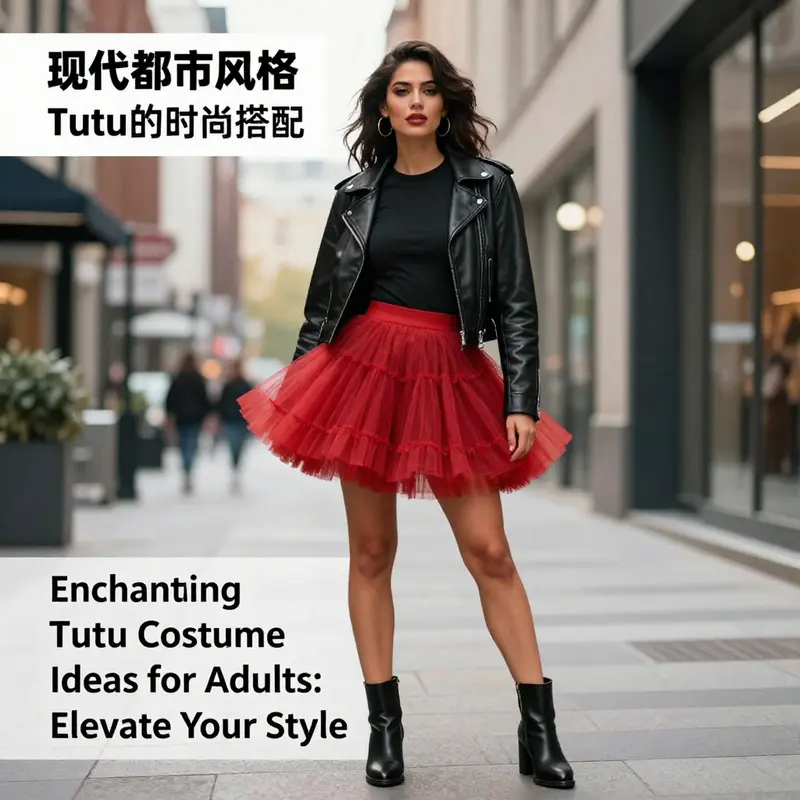
在城市的霓虹与晨光之间,成人的 Tutu 裙不再只是舞台道具,而成为日常自我表达的一部分。现代都市风格的 tutu,用轻盈的层层纱裙传递甜美与力量并存的态度,让穿着成为对自我情感的即时注解。它不需要华丽的舞台就能在街头巷尾呼应心情的起伏;它愿意在地铁站台、咖啡店门口、艺术展的开幕边缘,留下一道动人的轮廓,仿佛城市的心跳被柔软的纱裙捕捉。这样的搭配并非为了傍晚的聚光灯,而是为了让日常的每一个瞬间都带有一丝戏剧性和自我创造的余韵。
进入现代都市风格的 tutu,最关键的还是“柔中带刚”的平衡。颜色上,浅灰、米白、以及温柔的粉色系成为最易于日常混搭的底色,既有亲和力又不失清新利落的气质。选择剪裁利落、线条简洁的裙身比叠层过多的裙摆更易在日常穿着中保持轮廓的清晰。若裙摆的层数过多,想要在白天的工作与晚间的聚会之间转换就需更多调整;而适度的层叠与蓬度能让步伐自信、动作更有存在感。正如流行语中所强调的“悦己穿搭”,让裙子的浪漫以一种不会喧宾夺主的方式,为整身造型提供一个温柔的起点。
在搭配思路上,一条迷你或短款的 tutu 往往更适合日常穿搭。它既保留了裙装的浪漫,又不会压过整体的视觉焦点。最经典的组合,是将 tutu 与基础款的白色或米色棉质 T 恤并置,营造出干净、清爽的视觉基调。这种搭配的灵感,源自于都市影视中的经典街头叙事——在繁忙的城市生活里,以简单的单品完成对“华丽与日常”的并置,从而呈现出一种看似随意却极具审美张力的气质。将 tutu 与短款牛仔夹克叠穿,或以高腰牛仔裤作为下装,便能在裙装的浪漫之上加入一抹街头羽气。你会发现,这样的叠穿并非硬性规则,而是一种对场域的适应与创作:白日的通勤、夜晚的聚会、甚至周末的城市漫游,都能以同一件 tutu 展现不同的情绪。
鞋履在这一搭配体系中扮演着决定性的角色。选择一双简约的白色网眼运动鞋,可以让整身造型在行走中保持轻盈与舒适。透气、透光的鞋面会在视觉上减轻裙摆的蓬松感,使整体更显灵动。若你想增添一点成熟的街头感,低帮的中性风靴或纯色乐福鞋也是理想的选择。注意避免过高的高跟鞋或过于繁复的靴子,以免打破“柔中带刚”的平衡。配饰方面,米色渔夫帽、细细的银色项链、以及小巧的珍珠耳钉,都能在不喧宾夺主的前提下提升造型的细致度。这样的配饰组合,像是给 tutu 增添了城市便携式的格调,让整身装扮显得更有层次,也更容易在日常场合中自然穿着。
发型也应随之呼应整体风格。简单的低马尾、散乱的发髻或用丝巾系在头顶,均能保持头部线条的轻盈与裙摆的柔美呼应。不要忽视发饰的力量:一条素色头巾、一个简约的发夹,或在午后的阳光下绕成一圈轻盈的光环,都会让你在不经意间多出一分镜头感。城市的光影愿意记录那些看似不经意的细节,正是这些细节让 tutu 不再只是舞台道具,而成为你个人风格的核心表达。
趋势角度也值得关注。2026 年春季的潮流强调“法式慵懒”与“都市活力”的融合,成为主流语汇。设想这样一个场景:白粉条纹的法式 T 恤搭配高腰小脚牛仔裤,再配上一条同色系的 mini tutu——仿佛从南法小镇走出的人物,带着轻盈的法式浪漫与现代都市的实用性。这样的搭配在通勤、艺术展览、以及朋友聚会中都能游刃有余,既提供了舒适度,也保留了层次感。它强调以简为美,用基础款演绎高级感,用线条与材质的对比讲述情绪的变化。对于这一点,主流媒体也在不断强调,一切以“柔与刚”的对比来塑造现代女性的自信与独立。外部参考资源对这一点提供了有力的论证,读者可以通过链接了解更多在城市中如何优雅地将 tutu 融入日常穿搭的思路。
在购物与定制方面,现代 tutu 的消费者往往重视的并不仅是外观,而是穿着的舒适度与易打理性。如今的成人 tutu 设计越来越强调可穿着性:弹力腰带、内衬加厚、可机洗等功能性细节,让长时间穿着也不会牺牲美感。对于追求独特风格的你来说,定制化也是一个重要选项。通过选用不同材质如丝绸、雪纺、蕾丝,甚至加入刺绣、印花或手工装饰,你可以获得一件真正属于自己的作品。品牌层面的个性化服务在这类需求中扮演着重要角色,确保舒适度与美观并重。
挑选时的实用建议并非空谈。通过电商平台筛选“成人尺寸”、“免烫材质”、“支持免费退换”等选项,可以让购物过程更顺畅,减少试错成本。而在搭配选择上,建议以“简洁的底色”做主线,再通过一两件亮点单品来增加情绪点。若你希望为 tutu 增添更多个性,可以考虑在裙摆的内侧加入微小的刺绣或绣花,或在腰部设计一个可拆卸的饰带,这样在不同场合就能迅速切换风格。
在本章中,关于“现代都市风格 tutu 的时尚搭配”并非孤立的设计表述。它与上一章关于经典芭蕾风 tutu 的结构美形成对照,同时又与下一章关于节日、角色扮演等场景的灵感互相呼应。正因为 tutu 的柔美与舞感具有高度的可塑性,成人用户可以在不牺牲舒适度的前提下探索自我表达的边界。你可以在城市的舞台自如地切换角色——从街头的自信女性到舞台上的艺术演绎, tutu 为这一路径提供了一种统一而自由的美学语言。
如果你需要一个具体的参考点来理解这一搭配的落地性,可以参考以下页面,它将你带入一个更清晰的购物与搭配框架,同时保持成人穿着的舒适与实用性: t0596 页面。通过该链接,可以直观了解如何在保持裙装浪漫的同时,兼顾日常穿着的可穿性与打理便利性。
此外,关于现代都市 tutu 的时尚观念与趋势,读者还可参考外部权威媒体对城市时尚如何重新解读 tutu 的讨论。外部资源指出,在当下的都市环境中,柔美与实用并非二选一,而是通过精心的材质选择、简明的轮廓和恰到好处的配饰来实现协同进化。城市穿搭的美学,正在以一种更包容的方式将“裙装的浪漫”带入日常生活的每一个角落。相关阅读可以在下方的外部链接中找到更具体的案例与分析。
外部参考资源: https://www.nytimes.com/2026/01/28/fashion/tutu-urban-style.html
Final thoughts
Tutu costumes for adults offer a festive and fashionable wardrobe option that transcends conventional styles, making a statement at any event. From the classic elegance of ballet-inspired outfits to the whimsical flair of themed attire and the edgy looks of urban fashion, there’s a tutu style for everyone. As you explore these creative inspirations, consider how one of these costumes can enhance your next event or performance. With innovative design and ample opportunities for customization, the tutu is not just a costume; it’s a canvas for personal expression and creativity.