
Introduction
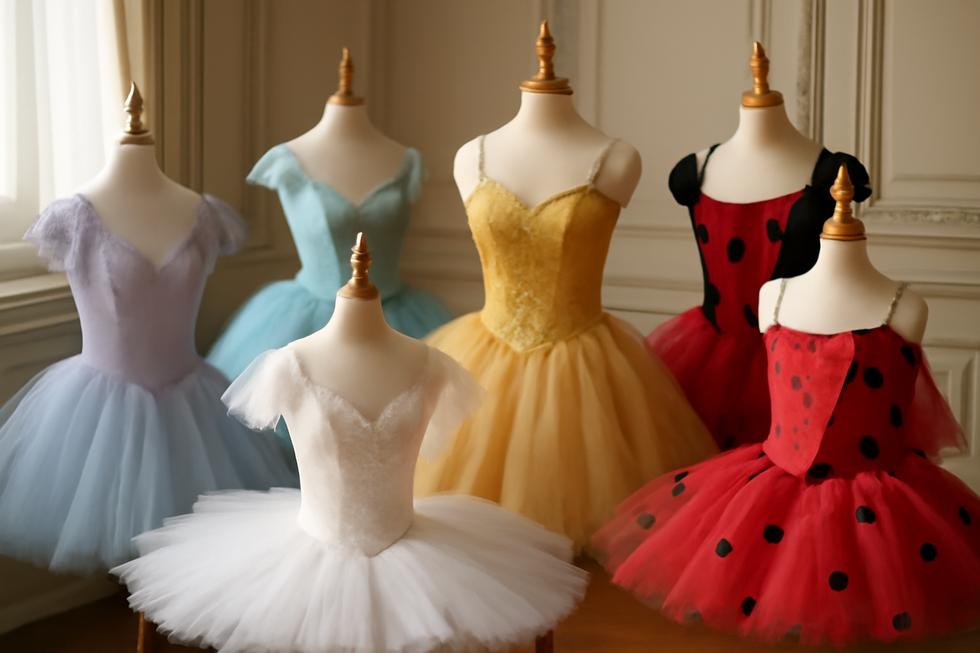
Tutu costumes are not just garments; they embody grace and creativity across various settings, from the refined world of ballet to the vibrant energy of celebrations. As business owners, understanding the market for these costumes can open doors to numerous opportunities. This article delves into the multifaceted realm of tutu costumes, with insights on their role in ballet and performance art, themed designs for celebrations, the allure of custom and designer options, and the evolution of trends within this space. These insights will equip you with a comprehensive understanding of how to cater to diverse customer needs and preferences in the tutu costume industry.
Tables of Contents
Chapter 1: The Dance of Time: Tracing Tutu Designs Through History
- From Romantic Elegance to Modern Expression: The Evolution of Tutu Costumes
- The Cultural Significance and Iconography of Tutu Costumes within Performance Art
- Craftsmanship and Structural Integrity of Tutu Costumes
Chapter 1: The Dance of Time: Tracing Tutu Designs Through History
1. From Romantic Elegance to Modern Expression: The Evolution of Tutu Costumes
The evolution of tutu costumes is a fascinating journey through ballet’s changing aesthetics and techniques, beginning in the early 19th century. The Romantic tutu, characterized by its soft, bell-like shape, emerged with productions like La Sylphide and Giselle, which emphasized a dancer’s grace while obscuring leg movements. As ballet techniques advanced, a demand for showcasing virtuosity led to the development of the classical tutu, a short, structured garment that allowed for greater visibility of footwork and leg lines. By the late 19th century, the classical tutu adopted layers of stiffened tulle, projecting outward from the hips. In the 20th century, visionaries like George Balanchine redefined the tutu silhouette; opting for sleek, minimal designs that highlighted movement. This marriage of art and functionality continues in contemporary dance, where tutus are adapted or transformed to resonate with new narratives and evolving performance styles, reflecting their rich historical tapestry. For more on stylish tutu selections, visit Dada Tutu.
2. The Cultural Significance and Iconography of Tutu Costumes within Performance Art
Tutu costumes are not just garments; they embody complex cultural narratives within the realm of performance art. Historically, these costumes were meticulously designed to showcase a dancer’s technique and grace, projecting an ethereal aesthetic that audiences have come to associate with classic ballets like Swan Lake and The Nutcracker. The form of the tutu itself has become a gendered symbol, steeped in ideals of femininity and delicate beauty, which can shape roles and audience perceptions in performance.
Additionally, the craftsmanship behind tutus—often hand-made and requiring specialized knowledge—reflects an artisanal tradition crucial to ballet’s institutional memory. In contemporary contexts, artists have repurposed tutus to critique and challenge established norms by blending them with street or drag aesthetics. This evolution redefines the tutu’s cultural charge, allowing it to serve as both a tribute to tradition and a medium for innovation. The tutu thus bridges history, technical prowess, and socio-political commentary, enriching its role in the spectrum of performance art.
3. Craftsmanship and Structural Integrity of Tutu Costumes
Tutu costumes are masterpieces of craftsmanship, designed to enhance performance while embodying grace and style. Central to their allure is the multi-layered construction featuring stiff tulle, often comprising up to ten layers for professional ballet. This layered approach ensures the tutu maintains its shape, offering the necessary volume and elegance for intricate lifts and movements in performances such as La Bayadère.
The bodices of these tutus incorporate adjustable hook-and-eye closures and shoulder straps, ensuring a secure fit regardless of the dancer’s physique. High-quality materials like velvet may adorn select designs for a touch of luxury. The meticulous stitching employed is not just aesthetic; it provides durability essential for the rigors of dance. As ballet companies often place bulk orders, discounts incentivize high-quality tutus, aiding the sustenance of this critical artistic form. For more on professional ballet tutus, explore various designs available for performance needs here.
Final thoughts
Tutu costumes are a vibrant segment of both the arts and celebrations, seamlessly blending tradition with creative expression. As business owners, recognizing the distinct categories, from ballet essentials to designer pieces and festive themes, allows not only for targeted marketing but also for enhancing customer experiences. Staying attuned to trends and evolving customer demands can turn tutu costumes from simple garments into treasured memories. By embracing this dynamic industry, you open your business to a broader clientele looking for both elegance and fun in their special occasions.
Elevate your dance with premium, comfortable balletwear from luneballet.com! Designed for grace and performance, our pieces blend quality fabrics and timeless style. Whether you’re a beginner or a pro, shop now to find your perfect fit—step into confidence, express your art, and shine on stage. Explore our collection today!
About us
At luneballet.com, we’re passionate about crafting exceptional balletwear for dancers of all levels. With a focus on quality, comfort, and elegant design, we produce pieces that support movement and inspire confidence. Our mission is to provide reliable, stylish dancewear that helps you embrace your passion and perform at your best.