
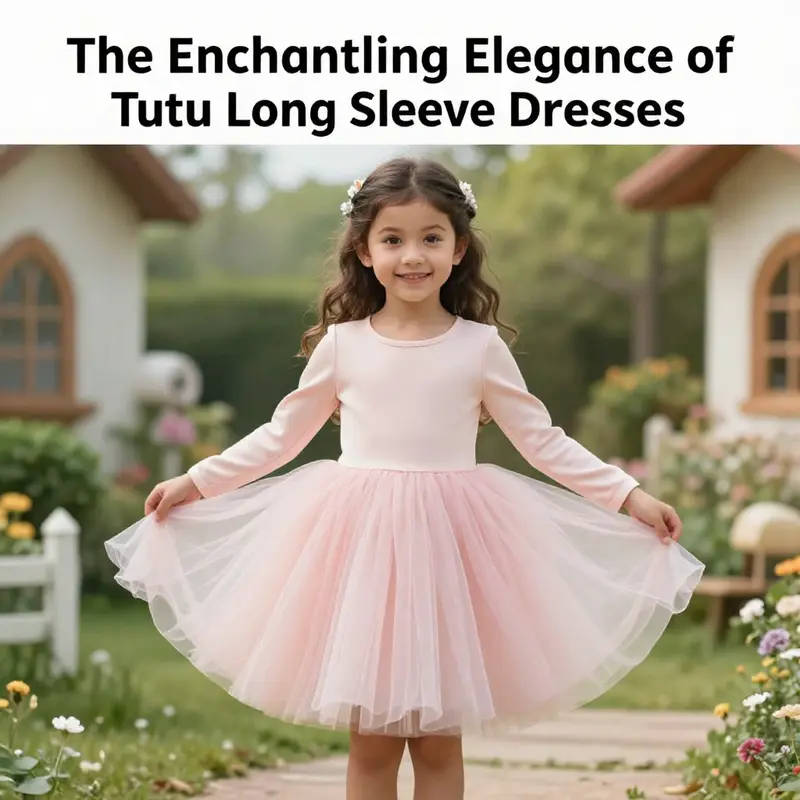
Tutu long sleeve dresses have emerged as a fashionable choice, capturing the charm of traditional tutus while offering the warmth and elegance of long sleeves. As business owners, understanding the key features, versatility, and market trends surrounding these garments is essential for making informed decisions in the retail landscape. This exploration encompasses the unique design elements that set these dresses apart, styling options for diverse occasions, and current market trends that highlight their growing popularity.
A Dance of Tulle and Warmth: The Key Features of the Tutu Long Sleeve Dress
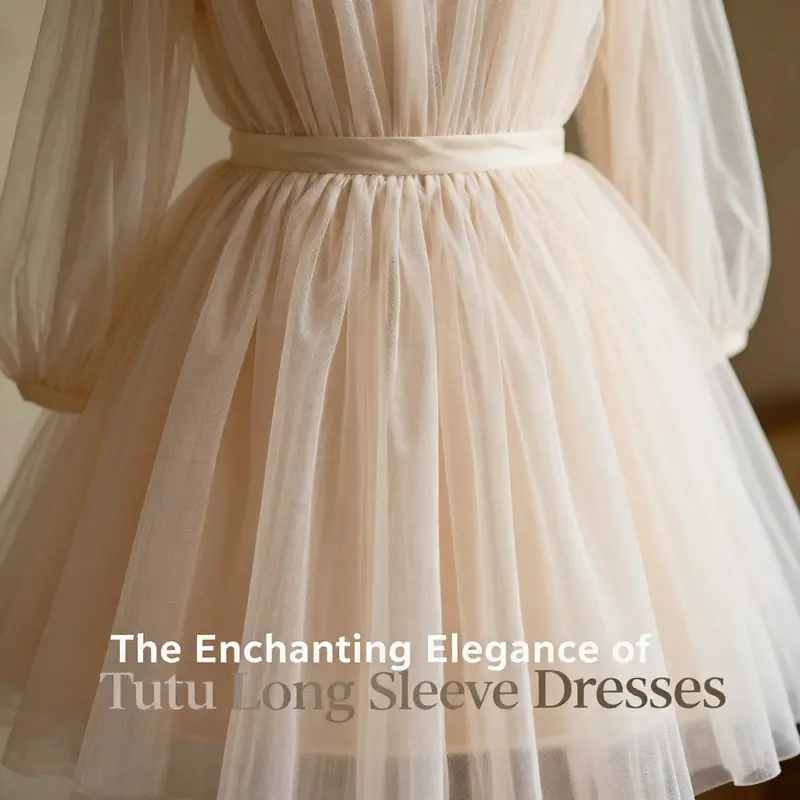
The tutu long sleeve dress embodies a rare union of whimsy and practicality, a garment that can feel like a celebration in motion while still honoring the comfort of everyday wear. Its essence rests on a poised contrast: the sculpted puff of a tutu skirt that commands attention and the quiet, enduring presence of long sleeves that shield and soothe. When you see a dress that folds together a ballooning, ballerina-inspired silhouette with sleeves that envelope the arms in soft fabric, you are witnessing a study in balance. The design invites movement, and movement invites a sense of story. A child stepping into such a dress feels as if she has stepped into a scene from a storybook, where every twirl is a page turn, every spin a chorus. Yet the same dress remains grounded in wearability, with fabric choices and construction that respect the comfort needs of growing bodies and the practical realities of busy days, photoshoots, or staged performances. It is this synthesis—the drama of the skirt and the warmth of the sleeves—that makes the tutu long sleeve dress a perennial favorite for special occasions and for moments when a child’s personality deserves a stage light moment, no matter the setting.
The skirt is the heart of the gown’s visual drama. The defining tutu silhouette arises from multiple layers of tulle, each layer catching and refracting light as the wearer moves. The result is a voluminous, buoyant halo of fabric that seems to float with every step. This effect is not merely decorative; it is a motion-enhancing design feature. The movement of the skirt exaggerates the twirl, turning a simple turn into a visible celebration of buoyancy. The layers are usually reinforced at the seams to hold their shape through play, dancing, and repeated wear. The aim is a consistent display of volume that remains sturdy whether the dress is worn for a quick spin during a party or for a staged recital where every gesture must read clearly from the back of a crowded room. When fabric technology meets skewed gravity in the right way, the tutu holds its poise, offering a dramatic but controlled silhouette that complements a child’s natural gait rather than fighting it.
The long sleeves are more than a mere counterpoint to the tutu’s volume. They anchor the dress in a sense of seasonality and comfort, offering coverage in cooler months while maintaining flexibility and ease of movement. The sleeves are often crafted from soft, stretchy textures such as jersey, cotton blends, or knit, allowing for unrestricted arm motion during dancing or posing for photographs. Some designs favor a touch of whimsy with ruffled cuffs or gentle puffing at the shoulder, providing a delicate echo to the fullness of the skirt. In practice, the sleeve choice influences the dress’s overall feel: a leaner sleeve can skew the look toward sleek formality, while a fuller, more decorative sleeve nudges the ensemble toward a playful, fairy-tale mood. Either choice can harmonize with the bodice’s neckline and the waist’s shaping, producing a unified aesthetic that reads cleanly from a distance and rewards close inspection with nuanced details.
Fabric and comfort sit at the core of a tutu long sleeve dress’s practical design. The bodice is typically built with breathable, skin-friendly materials that resist irritation and support a gentle, comfortable fit for long wear. Cotton-mesh blends, silk-like fabrics, and breathable jerseys are common choices, offering a soft touch against the skin while allowing air to circulate. The tulle layers, while visually dramatic, are selected with a sensitivity to movement and wearability in mind. Quality-grade tulle provides enough stiffness to create volume without becoming scratchy against the skin. The result is a dress that breathes well during dance rehearsals or sunny photo sessions and remains forgiving if the wearer grows restless and spins or plays from hour to hour. In designing for children, safety and comfort are non-negotiable: fabrics are chosen for smooth seams, non-irritating textures, and careful edge finishing so that even the most active child can enjoy the dress without discomfort.
The silhouette of the tutu long sleeve dress offers versatility in fit and shape. While the classic image is a full, flaring A-line skirt that skims outward from a defined waist, contemporary versions may experiment with different cuts to accommodate diverse body types and preferences. An A-line cut tends to be flattering on a wide range of figures, balancing the waist’s definition with generous movement in the skirt. Bodycon or fitted bodices paired with a voluminous tutu can create a striking contrast, emphasizing a child’s slender midsection while still presenting the skirt as the dress’s star. The bodice itself often features a structured yet flexible build—elasticized panels, gentle gathering, or waist ties that can adapt to varying torso lengths and provide a comfortable, secure fit. The combination of a flexible bodice and a voluminous skirt encourages confidence in the wearer, allowing a dancer to perform with the sense that the dress is guided by her own energy rather than by rigid seams that constrict.
From a styling perspective, the tutu long sleeve dress is designed to be adaptable. Because the alchemy of the piece rests on the interplay between fabric and movement, it lends itself to a range of decorative and practical pairings. Seasonally, you can layer the dress with a cardigan or a lightweight cape to add warmth without sacrificing the line of the silhouette. For footwear, ankle boots or dressy flats can complete the look for a formal event, while a clean pair of sneakers can transform the dress into everyday wear that still reads as special. Accessories, too, are easy to integrate: a simple headband, delicate jewelry, or a subtle belt can refine the waistline and add a touch of polish without overpowering the dress’s intrinsic drama. The goal is to preserve the balance between the tutu’s flamboyance and the sleeve’s quiet sophistication, ensuring the wearer can perform, pose for photographs, and enjoy seasonal celebrations with ease.
The concept of a long sleeve tutu dress also finds helpful exemplars in the broader world of design, where the tutu’s voluminous skirt has become a versatile foundation rather than a single-use novelty. In the design lexicon, an archetype tutu silhouette is often used as a reference point, illustrating how a pristine bodice paired with a full, airy skirt can communicate grace without sacrificing practicality. A notable reference point in this design conversation is a high-quality white ballet costume tutu that showcases a timeless balance of stiffness and softness, structure and fluidity, which helps designers imagine how to harmonize a dramatic skirt with a long-sleeve bodice. High-Quality White Ballet Costume Tutu Swan Lake serves as a concrete example of how fabric integrity, seam finishing, and proportion contribute to a timeless silhouette that remains fair to the eye even as the wearer moves with exuberant energy. This reference is not a product endorsement but a design touchstone—a reminder that the tutu’s power lies not only in its dramatic exterior but also in the careful craft that makes it comfortable, durable, and ready for motion.
In practice, the tutu long sleeve dress thrives across a spectrum of occasions. Its formal potential is clear: the skirt can sweep the floor in a ceremonial manner when paired with the right accessories, and the long sleeves add an element of polish that stands up to a ballroom or a church ceremony. At the same time, the dress adapts to more casual or performative environments. A family photo session, a birthday party, or a school recital becomes a stage whenever the dress is worn, because the combination of tulle volume and sleeve coverage invites a sense of momentousness without requiring elaborate styling. The dress’s layered fabric structure supports a range of weather conditions. In spring and autumn, it can be worn with tights and a light cardigan to ensure warmth without adding bulk around the waist. In cooler indoor environments, the sleeves alone provide a buffering layer that enables longer wear without resorting to heavy outerwear that could smother the movement the tutu is designed to celebrate.
The design language of the tutu long sleeve dress also makes room for personal expression within a shared aesthetic. Adjustable waist ties or subtle waistbands allow for minor tailoring that respects a growing child’s form while maintaining the dress’s silhouette. A tiered construction—multiple layers of tulle in varying densities or hues—can intensify the dress’s visual rhythm, creating a sense of depth as the wearer moves. Even the color story plays a crucial role. While white and pale pastels are common for formal or recital contexts, bolder tones bring a sense of character and playfulness to the garment, provided the hues are balanced with a complementary bodice and sleeve. The result is a piece that can feel timeless in a wedding setting or contemporary in a party atmosphere, depending on how it is styled and what mood the wearer wishes to convey.
In sum, the tutu long sleeve dress is a study in dualities—volume and coverage, drama and comfort, fantasy and function. Its distinctive tutu skirt creates a focal point of movement, while the long sleeves anchor the design in practicality. Throughout the garment’s construction, attention to fabric choice, seam integrity, and fit ensures that the dress remains wearable across a range of settings and seasons. When you consider the dress in terms of its core features—the voluminous, multi-layered tutu; the soft, stretch-friendly long sleeves; the versatile silhouette; and the capacity for easy styling across occasions—you begin to glimpse why this piece endures in both fashion and function. It is a celebration of motion, a nod to classic ballet-inspired silhouettes, and a testament to how thoughtful design can translate whimsy into everyday experience. The tutu long sleeve dress does not just clothe a child for a moment of delight; it invites that moment to stretch out through the day, through the camera flash, and through the shared memory of a party or performance.
External considerations, such as care and maintenance, round out the practical picture. Tulle, while light and airy, requires gentle handling to prevent snagging and fraying. Typically, delicate fabrics are best washed using cold water on a gentle cycle or simply hand-washed with a mild detergent, followed by laying flat to dry to preserve the skirt’s shape. The bodice, especially if it includes any decorative trims or embroidery, benefits from a careful touch and avoidance of high heat. If a dress is part of a recurring wardrobe rotation, storage considerations matter as well: keeping the tutu skirt suspended or carefully folded with tissue paper between layers helps minimize creasing and maintain the fabric’s bounce for future wear. The long sleeves, though often forgiving, benefit from smooth, folded storage that protects the seam lines and any decorative elements along the cuffs. The more value a family places on longevity, the more essential it becomes to treat the dress as a structured garment with gentle care rather than a disposable costume. This approach not only extends the life of the dress but also preserves its ability to spark delight in future occasions, allowing the wearer to reach for it again and again with confidence.
The tutu long sleeve dress, with its blend of charm and practicality, offers a design language that can adapt to evolving tastes and needs. It is not a single-use garment but a versatile platform for creative expression. Whether the wearer steps into a formal moment, a casual celebration, or a playful dance, the dress responds with a dance of fabric that feels both lavish and approachable. Its longevity lies in the craft—the careful choice of materials, the thoughtful arrangement of layers, and the intention behind every seam. This is how a tutu long sleeve dress sustains its appeal across generations: by remaining faithful to a core idea—the beauty of movement enhanced by a comforting, protective sleeve—while embracing new textures, colors, and silhouettes that keep it relevant in our ever-changing wardrobes. The result is clothing that does more than cover; it narrates, it supports, and it invites its wearer to move with a grace that is as much about being present as it is about looking the part on a special day.
In the broader landscape of children’s formal wear, the tutu long sleeve dress stands as a reminder of how design can honor tradition while embracing modern convenience. It invites designers to experiment with layer density, sleeve volume, and bodice shaping without losing sight of the wearer’s comfort. It invites families to imagine a wardrobe that balances memory and practicality, a garment that can be cherished for its beauty and reused for its durability. And it invites young dancers and wishful dreamers to feel at home on a stage—whether that stage is a literal recital hall or the magical space between birthday candles and photographs—because the dress offers both the drama of a tutu and the reliability of long sleeves. In that balance lies the essence of the tutu long sleeve dress: a fabric-bound invitation to motion, warmth, and wonder that lasts beyond a single moment and grows with every twirl.
Layered Drama and Everyday Grace: The Versatile World of Tutu Long Sleeve Dresses
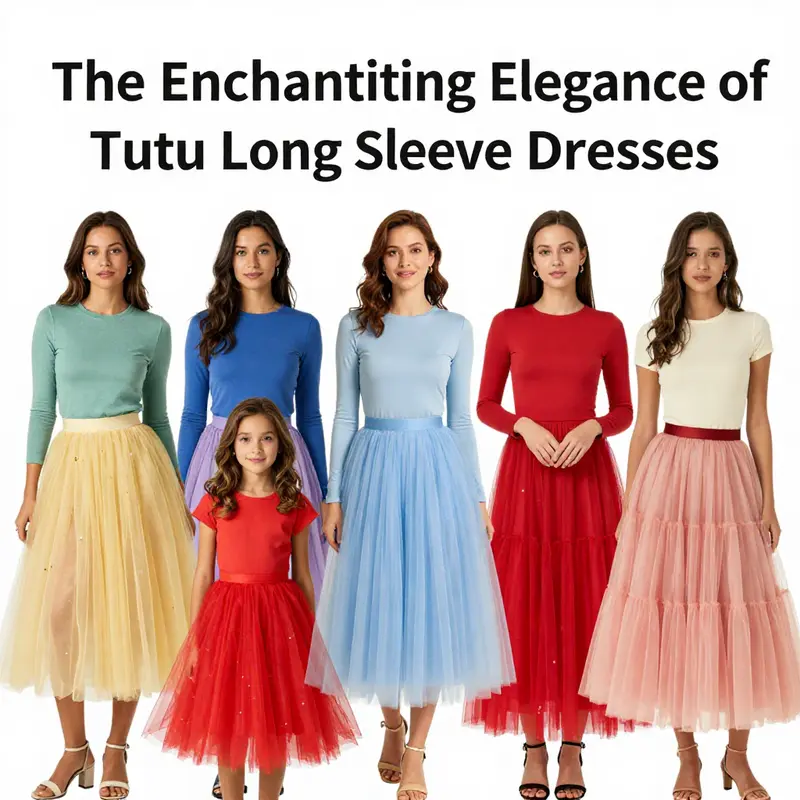
A tutu long sleeve dress is more than a novelty silhouette; it is a thoughtfully engineered wardrobe piece that invites movement, storytelling, and season-spanning styling. The dress brings together the buoyant poise of a tutu skirt with the practical coverage of long sleeves, offering a silhouette that reads as both whimsical and grounded. It is the kind of garment that can glide from a garden party to a formal ceremony, from a family photo session to a casual afternoon gathering, if the styling around it is done with intention. What makes this design particularly compelling is not merely its dramatic flare or its soft, skin-friendly fabrics, but the way it invites a creative approach to layering, accessorizing, and adapting to changing weather and social expectations. In its best iterations, the tutu long sleeve dress becomes a canvas for personal expression, a garment that can be softened with a cardigan or sharpened with a tailored belt, and—crucially—remains comfortable and functional for extended wear.
The fabric choices lie at the heart of the dress’s versatility. Lightweight options such as cotton-mesh blends provide a breathable base that keeps the wearer comfortable through longer events or outdoor activities. The same fabric, when used for the bodice or sleeves, allows for gentle stretch, which translates to easy dressing and un-dressing without compromising shape. When a dress leans toward more refined occasions, designers often introduce silk-like fabrics for the bodice or underlayers that lend a subtle sheen and a smooth touch against the skin. The result is a garment that can feel luxurious without sacrificing practicality. The skin-friendliness of these fabrics is not an afterthought; it is a core design principle that aligns with safety standards for childwear while still delivering a refined, adult-appropriate polish for older wearers who choose this silhouette for formal events.
The tutu portion of the dress contributes its own set of design considerations. A multi-layered tulle skirt creates that quintessential fairy-tale volume, a silhouette that catches light with every movement and creates a dramatic, camera-ready profile. The challenge lies in maintaining that buoyant shape through hours of activity—from twirls to table-hopping at receptions—without the layers collapsing into a flat, lifeless form. To address this, many tutu long sleeve dresses incorporate reinforced layers or slip-stitch techniques that preserve the skirt’s outward flare while allowing for fluid, unrestricted movement. This careful construction ensures resilience, so the dress remains voluminous even after repeated bending, kneeling, or playful spins. The result is a look that reads as effortless and timeless, a modern homage to classic fairytale attire.
Beyond the fabric and silhouette, the design’s sleeve treatment plays a critical role in the dress’s adaptability. Long sleeves, especially when crafted from soft jersey or spandex blends, provide a comfortable stretch and a neat, streamlined line that balances the volume of the tutu skirt. Some iterations feature subtle ruffles or puffed accents at the shoulder or cuff, adding a touch of romantic whimsy without overwhelming the overall composition. The sleeve choice can also influence the perceived formality of the dress. A streamlined long sleeve with a clean cuff reads contemporary and versatile, while a sleeve finished with delicate gathers or lace trim channels vintage romance. In this way, a single off-the-rack silhouette can be tuned toward a daytime garden party or a formal evening affair merely by adjusting the styling around it.
Adjustability is another core tenet of the tutu long sleeve dress family. Adjustable belts and waist ties allow the garment to adapt to different body types and growth spurts, a practical feature for families shopping for children or for occasions where the dress may be worn by multiple individuals of varying sizes. A waist that can cinch or loosen helps shape the dress more distinctly, creating a flattering hourglass look even when the wearer is still growing. Puff sleeves, when included, can introduce a soft vintage charm while also offering extra surface area to accommodate seasonal layering. A lightweight knit cardigan tucked over the shoulders or a cropped denim jacket paired over a tutu dress changes the entire mood of the outfit, moving it from pristine ceremonial to casually chic in a matter of minutes.
Color, embroidery, and print choices further expand the styling playground. The tutu dress can be found in a spectrum ranging from pale pastels to deeper jewel tones, with embroidery that runs along the bodice, sleeves, or hem to add texture and focal points. Floral motifs, gentle appliqués, or subtle geometric embroidery all contribute to a composition that reads as sophisticated rather than juvenile. Prints, when used, are typically restrained to keep the silhouette readable; a repeating motif on the tulle or a delicate pattern on the bodice can tie the whole look together without overwhelming the eye. This balance between ornament and restraint makes the tutu long sleeve dress remarkably adaptable across different event contexts and age groups. It is a garment that can be dressed up for formal occasions or dressed down for more casual celebrations, with only minor tweaks to footwear, outerwear, or accessories.
From a styling perspective, the key to preserving the dress’s charm lies in strategic layering and thoughtful accessorizing. For daytime wear, the goal is to keep the look light and approachable. A woven belt can introduce definition at the waist, helping to break up the silhouette and add a touch of grown-up polish. A denim jacket or a lightweight cardigan can soften the formality of the tutu and create a more relaxed mood suitable for brunches, garden parties, or daytime family photos. Flat sandals or simple ballet flats maintain a comfortable, practical line, ensuring the dress remains comfortable for an event that involves a lot of standing, walking, and potential running around. Layering in this context also serves a functional purpose: it allows the wearer to adapt to fluctuating temperatures, which is especially important for spring and fall events where breezes or shifting weather can alter comfort levels quickly.
As evening light deepens or the venue grows more formal, the styling shift becomes more deliberate. The shoes move to heels to elevate the silhouette and elongate the legs, while a clutch or a streamlined small bag adds a refined finishing touch. Jewelry can be chosen to complement the dress’s embroidery or the color story of the fabrics; a delicate necklace, small stud earrings, or a bracelet can punctuate the look without overpowering the dress’s own drama. In this realm, the tutu long sleeve dress serves as a flexible foundation for personal expression. A bold lipstick or a statement pair of earrings can provide a focal point for a more maximalist approach, while a clean, minimal aesthetic can let the dress shine on its own.
Seasonal adaptability is another compelling dimension of versatility. Spring and summer benefit from the dress’s breathable layers and the movement-friendly skirt, which remains airy and comfortable even in warmer afternoons. Autumn and winter versions typically incorporate slightly heavier fabrics for the bodice or the underlayers, enabling the dress to hold its shape while paired with tights or leggings for added warmth. This seasonal flexibility makes the tutu long sleeve dress a compelling option for families who want a single piece that can feel fresh across several months, rather than a different outfit for each season. The layered construction that supports the tutu’s structure also helps the dress resist wear and sag over time, maintaining the drama of the silhouette even after repeated dances and celebrations.
From a design philosophy standpoint, the tutu long sleeve dress embodies a balancing act between theatrical fantasy and everyday practicality. The tutu’s voluminous aesthetic invites movement and expressive posing, a natural fit for weddings, parties, and photo shoots. Yet the long sleeves and carefully chosen fabrics ensure that the garment remains wearable for hours, without undue bulk or discomfort. The result is a garment that does not require elaborate styling to feel complete; rather, it benefits from thoughtful, simple enhancements that bring out its inherent charm. A belt, a cardigan, or a pair of tights can all serve as the right finishing touches, turning a single dress into multiple looks across events and seasons. Designers who approach this silhouette with restraint—emphasizing fit, fabric quality, and precise tailoring—tend to produce pieces that endure as favorites in a child’s wardrobe or a party-going adult’s collection.
The practical considerations of wearability and durability deserve close attention. Reinforced tutu structures—where the layers are supported by interleaved fabrics or detaily engineered petticoats—help the dress retain its dramatic flare during active moments. This matters not only for aesthetic reasons but for comfort and confidence; a skirt that loses its shape can ride up or settle awkwardly, distracting from the wearer’s experience. When a dress holds its silhouette, it also reduces the need for constant adjustment, which can be both uncomfortable and impractical in social settings. Fabrics that breathe, stretch, and glide with movement allow the wearer to dance, twirl, and walk with ease, avoiding overheating and restriction. The best designs achieve a quiet sophistication, inviting compliments not for their bold statement alone, but for their effortless utility and lasting appeal.
For those seeking to explore the possibilities of this silhouette further, the styling ethos comes into sharper focus when one looks at how this dress translates across different cultural expectations of dress and ceremony. The tutu long sleeve dress can be perceived as both playful and formal, a paradox that is resolved by context and pairing. In festive settings such as weddings or school ceremonies, the dress can be a central, camera-ready piece that aligns with a broader theme while still standing out in its own right. In more intimate family portraits, its fairy-tale aura lends a moment of tenderness and whimsy that can be decidedly timeless. The garment’s ability to adapt without losing its core identity makes it a compelling study in contemporary fashion for both adults and children who seek to honor tradition while embracing modern comfort and versatility.
In the realm of shopping and curation, the tutu long sleeve dress is often presented as part of a broader family of dress options that emphasize movement, layering, and texture. The most successful items in this category offer more than a single look; they present a spectrum of styling possibilities, encouraging wearers to mix and match with outerwear, footwear, and accessories in ways that reflect personal taste. One practical approach is to think of the dress as a two-piece idea in disguise: the tutu skirt acts as a separate component that can be layered with different bodices or sleeve configurations. This modular concept makes it easier to repurpose the same dress across multiple occasions by simply changing the top layer, adjusting belt placement, or adding a light cardigan. In practice, this means a dress that can grow with a wearer and evolve in its styling narrative rather than becoming obsolete after a single event.
An anchor of the chapter’s discussion comes from a practical example that captures the spirit of this versatility without pulling focus from the core topic. Consider the option of a pink ballet-inspired tutu costume with gilded edge detailing, a design that embodies the same spirit of whimsy and refined finish that characterizes long sleeve tutu dresses. This kind of piece demonstrates how decorative details—whether a gilded trim or a floral embroidery motif—can elevate a simple base construction into a look with meaning and presence. For readers who want to explore a related category while staying anchored in the same design language, a curated link to a relevant product line can offer a tangible reference point. See here: Pink ballet costumes for sale Sleep Beauty gilded edge. This internal link serves as a practical touchstone, illustrating how similar silhouettes and embellishments translate into real-world styling choices and wardrobe planning.
The discussion would not be complete without acknowledging how external resources influence the way designers think about long sleeves and tutu volumes. Industry writing often emphasizes the importance of layering strategies, such as adding a cropped cardigan or pairing with a structured blazer to create different degrees of formality. It is useful to consult styling guides that address transitions from day to night, particularly for garments that inherently skew toward drama. In this respect, external styling references can illuminate how small changes in footwear, jewelry, or outerwear dramatically alter a single piece’s perceived function. For instance, footwear swaps—from flat sandals to heels—can redefine proportion and balance, while a sleek clutch can anchor a look that might otherwise feel overly whimsical. The underlying principle is simple: the right accessories can transform the same dress into multiple outfits, each appropriate for a distinct moment, audience, or venue.
In sum, the tutu long sleeve dress is a rare garment that marries fantasy with practicality. Its voluminous skirt invites movement and storytelling, while long sleeves provide warmth, coverage, and a clean, contemporary line. The fabric choices support comfort and durability, and the design invites a broad spectrum of styling techniques that can be adapted across ages, occasions, and climates. The result is a garment that does not simply occupy a closet shelf as a seasonal favorite; it becomes a reliable partner for milestones, daily life, and everything in between. When approached with thoughtful layering, careful fabric selection, and a willingness to experiment with belts, outerwear, and accessories, the tutu long sleeve dress reveals itself as a modern classic—one that honors the past while embracing the possibilities of today. For readers seeking further inspiration on how to translate this silhouette into everyday style or a formal event, a wealth of practical guidance exists in contemporary styling resources, which emphasize the value of deliberate pairing and seasonal adaptability. External references such as current fashion-writing on long-sleeve tutu styling offer concrete strategies for transitioning a look from daytime ease to evening elegance, including footwear choices, layering techniques, and accessory orientation. To explore one of these guiding perspectives, refer to the external resource: https://www.byrdie.com/long-sleeve-tutu-dress-styling-tips-5119437.
Whimsy in Winter: tutu long sleeve dresses—market trends, craft, and sourcing
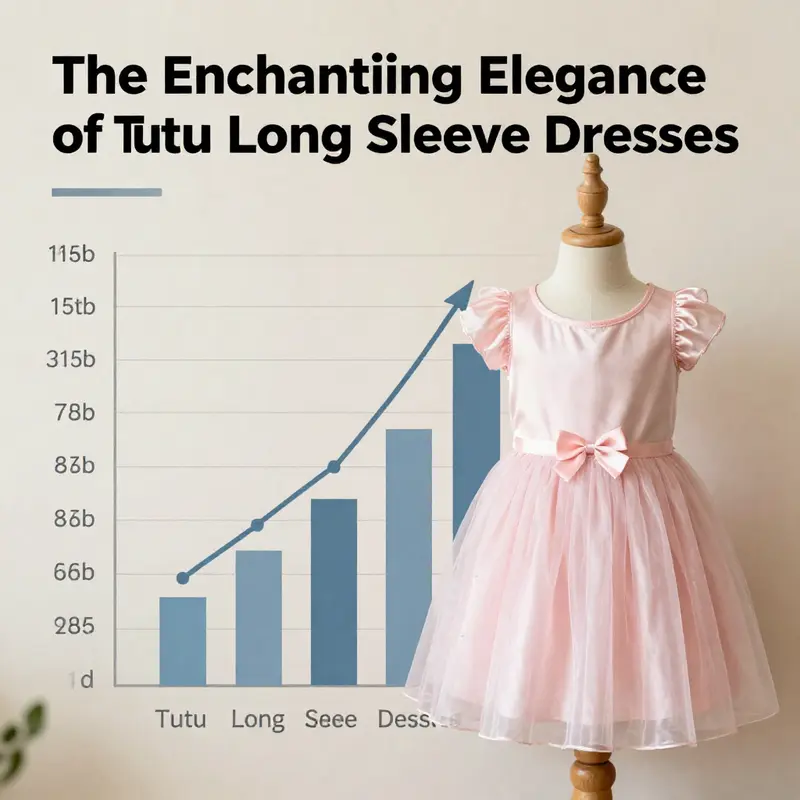
The tutu long sleeve dress sits at an intriguing crossroads where whimsy meets practicality, offering a look that invites a child to twirl while keeping warmth and coverage in cooler weather. In markets that crave novelty and enduring appeal, this garment tends to perform as a reliable classic rather than a passing trend. As of early 2026, long sleeve versions have seen steady interest, favored by families attending school events, family celebrations, and festive photoshoots where movement and comfort matter most. The full-bodied tulle skirt remains the theatrical centerpiece, with long sleeves anchoring the silhouette and contributing a refined polish.
Seasonality shapes design expectations. Spring and autumn are opportunities for lighter layers, breathable fabrics, and clever layering that maintains drama without bulk. In colder months, tights, cardigan layering, and insulated tights extend wearability. Sleeve details such as lace trims, subtle ruffles, or pintucked cuffs add texture without sacrificing comfort. The combination creates a garment that reads as both stage-ready and kid-friendly, suitable for active play.
Customization has become central. Families seek adjustability in fit, color family, and event-appropriate embellishments. Multi-layer tulle structures hold their shape during dance or photos, while embroidery, beadwork, and sequins elevate special looks for weddings or pageants. Themed designs—princess motifs, character accents—speak to storytelling desires but are balanced by quality materials and durable construction that can withstand repeat wear.
Fabric innovation and safety remain important. Satin-like finishes, breathable blends, and soft jersey appear alongside durable, easy-care fabrics that resist pilling and shrinking. Buyers expect fabrics that are gentle on skin, easy to launder, and robust enough for daily play and family events. Sourcing platforms offer access to suppliers offering small-batch runs, color customization, and scalable production.
A broader licensing conversation explores licensed versus designer-inspired options. Licensed lines offer recognizable aesthetics and cohesive wardrobes but can carry a premium; non-licensed designs focusing on meticulous detailing and high-quality materials offer flexibility and lasting value. The market rewards both paths when they deliver comfort, durability, and a sense of magic for children. In practice, design language treats the long sleeve tutu as a storytelling instrument: layered tulle, reinforced waists, and thoughtful sleeve treatments create a silhouette that moves with the child and endures across seasons.
Looking ahead, buyers and retailers are guided by a balance of aesthetics, comfort, and durability. Easy-care maintenance, adjustable fittings, and reliable supply chains shorten decision times for busy families. The market remains vibrant as more creators offer story-driven options and as retailers explore curated assortments that pair a tutu skirt with a long-sleeved bodice for cohesive wardrobes.
Internal and external references can enrich the conversation by illustrating how colorways, trims, and sleeve treatments converge to deliver a dress that feels personal and timeless rather than ephemeral.
Final thoughts
In conclusion, tutu long sleeve dresses represent a perfect merger of functionality and elegance, catering to both comfort and style for children. By understanding their unique features, versatile styling options, and current market trends, business owners can tailor their offerings to meet growing customer demand while capitalizing on this charming fashion trend. Whether it’s for special occasions or everyday style, these dresses are set to remain a staple in children’s wardrobes.