
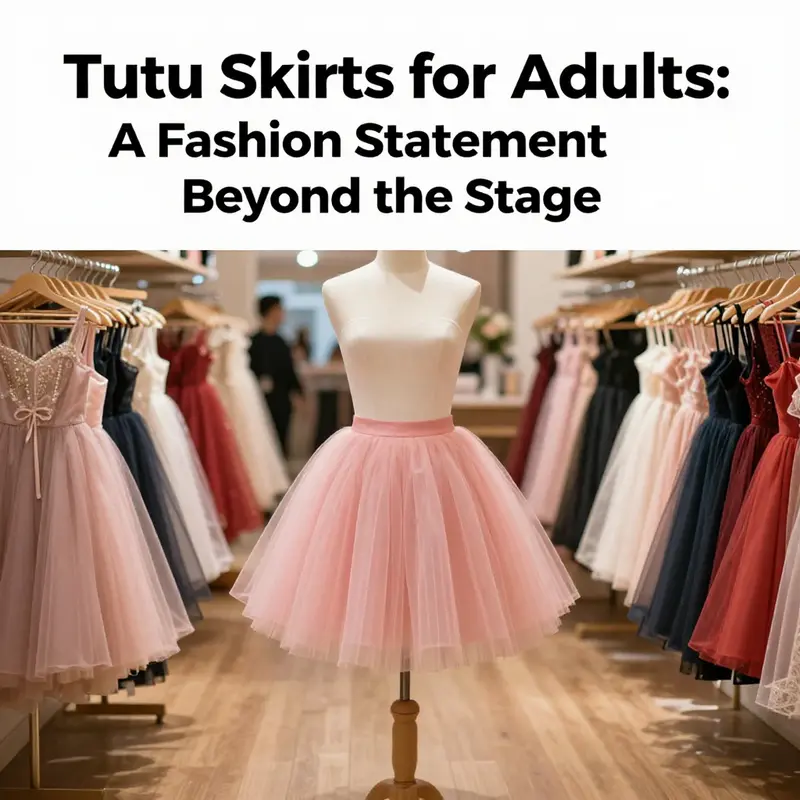
Tutu skirts have burst from the confines of ballet studios into the realm of adult fashion, creating a vibrant crossroad where tradition meets modern flair. This article explores the multifaceted nature of adult tutu skirts, offering business owners insight into their diverse styles, materials, purchasing practices, and cultural significance. Chapter one delves into the various styles and materials available, from classic ballet designs to bold statement pieces. Chapter two guides you through best practices for online shopping to ensure quality and fit. In chapter three, we examine the cultural impact of tutu skirts and their evolution within the fashion landscape. Finally, chapter four highlights creative uses and special occasions where these playful garments shine, empowering entrepreneurs to tap into a unique niche in their product offerings.
Whimsy in Motion: The Modern Evolution of Adult Tutu Skirts—Style, Fabric, and Trend-Driven Versatility
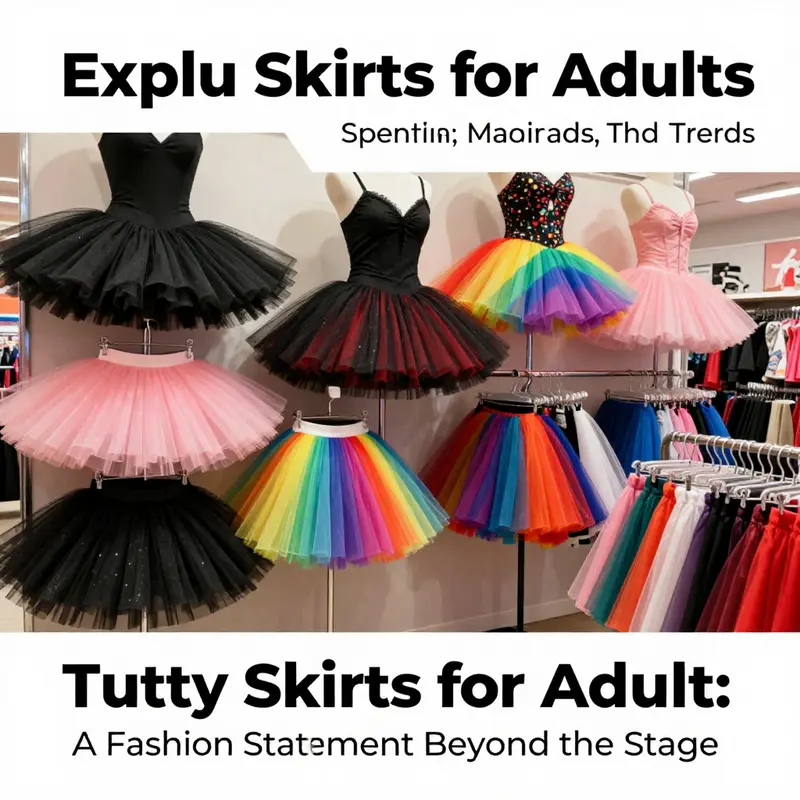
Tutu skirts for adults have left the barre and the recital hall behind, slipping into a broader orbit where whimsy and practicality coexist. They now inhabit stages beyond the studio, brighten party tables, punctuate cosplay scenes, and even anchor bold street-style moments. The modern adult tutu is less a specialized tool and more a flexible wardrobe signifier—an accessory that can flip from formal drama to carefree charm with little more than a change of top, shoes, and mood. This evolution mirrors a larger fashion instinct: the desire to blend performance-ready drama with everyday wearability. When a person slides into a tutu, there is an instant translation from technique to attitude, from disciplined repetition to spontaneous expression. The result is a garment that embraces both artistry and approachability, inviting wearers to experiment with silhouette, color, and texture while preserving the performance-ready integrity that makes this piece enduringly compelling.
At its core, the adult tutu remains a silhouette built on volume. The familiar fluted shape comes from layers of tulle or chiffon that rise in soft, buoyant waves, creating a halo of motion that seems to ripple with the wearer’s every step. Yet beneath that outward bluster lies a design logic tuned for comfort and longevity. Modern tutu construction often pairs two or more layers of tulle with a gentle lining that rests close to the skin. This combination cushions movement, reduces wrinkling, and keeps the skirt from sticking to underlayers during spins and leaps. The design is not merely decorative; it’s practical, ensuring freedom of movement while preserving the fullness that gives the tutu its signature lift.
For many adults, the primary concern is not only the look but the feel. A well-made tutu settles softly at the waist and remains stable during activity, thanks to thoughtfully engineered features like reinforced seams and inner linings. The elastic waistband—often wide and gently contoured—offers a forgiving fit that accommodates a range of body types. This is especially important for dancers who practice for hours, cosplayers who blend the tutu with accessories, or party-goers who want a piece that can endure the evening’s merriment without losing its shape. The approachable nature of these garments is precisely why they have traveled from specialized studios into living rooms, lounges, and event spaces where a touch of theatricality can elevate the mood without overpowering the ensemble.
The material story behind adult tutus is equally telling. Polyester tulle remains a staple across many designs thanks to its durability, colorfastness, and relatively straightforward care. Polyester’s resilience makes it a practical choice for frequent wear and washing, which suits both those who rehearse regularly and party enthusiasts who want a tutu they can toss in the laundry after a celebration. Where comfort is prioritized, blends that soften the hand—such as cotton-polyester mixes—add a gentler feel against the skin while preserving the tutu’s loft. In some higher-end or costume-focused lines, designers experiment with finishes that catch light in unique ways, from subtle iridescence to a muted satin sheen, allowing a tutu to perform differently under stage lighting or the glow of a festival atmosphere. The result is a spectrum of options that can read as classic ballet, festive cosplay, or couture-inspired whimsy depending on how they are styled.
One practical reality of modern tutu shopping is the balance between number of layers and the desired effect. Three to five layers is a common range that offers ample volume without becoming unwieldy for all-day wear. In more ceremonial or performance contexts, some outfits push toward seven layers or more, producing a density that captures light in a way that is almost sculptural. The choice is rarely about chasing an absolute standard; rather, it’s about matching the silhouette to the occasion and to the wearer’s comfort threshold. Layering also plays into care considerations. Heavier, multi-layer tutus require a bit more attention during washing and drying to avoid stiffness or distortion. Yet even with more layers, the modern variant often prioritizes a soft, breathable underlayer that helps prevent overheating during longer events.
If one philosophy governs today’s tutu market, it is customization. Designers acknowledge that body types, personal modes of expression, and event contexts vary widely. The result is a broadened palette: a spectrum of color—from pale pastels to jewel tones and even metallics—paired with a range of lengths and finishes. A contemporary tutu might be a playful festival accent in a single scene, a stage-appropriate costume in another, or a refined accessory paired with a chic blouse for a themed party. The trend toward customization also means more adjustable features, such as elasticized waists that can accommodate different silhouettes or subtle alterations that allow the same skirt to transition between casual wear and performance wear with minimal fuss. This flexibility makes the tutu increasingly viable as an everyday novelty rather than a strictly event-specific item.
Styling continues to be an important thread in the tutu’s evolution. The garment invites experimentation, and that openness is perhaps what has broadened its appeal beyond ballet enthusiasts. For a contemporary take, many wearers pair a tutu with a crisp T-shirt or a sleek bodysuit, letting the voluminous skirt punch up the focal point of the outfit while the top remains streamlined. Layering a cropped jacket or a soft cardigan nearby can temper the volume for daytime wear or balance the look for a more refined evening appearance. Footwear habits tell a similar story: sneakers or flat boots can ground a tutu’s fantasy in a playful streetwear context, while heeled sandals or ankle boots can render it more polished for themed events. Jewelry, belts, or even delicate sashes offer quick, pageant-like declarations of personality without altering the fundamental silhouette.
To those exploring the look, a practical starting point is the basic tutu category, which offers foundational silhouettes that are easy to style. For an accessible entry, the basic tutu category provides options that let wearers test the waters without committing to elaborate constructions. This entry point is especially valuable for individuals curious about the aesthetic but wary of fit or fabric concerns. The goal is not to trap a wearer in a single mode of use but to empower experimentation, letting the tutu stand up to daily activities and celebratory moments alike. The closet becomes a toolkit for personal narrative, where a single garment can morph through different contexts simply by changing accessories and pairing choices. The capacity to tell new stories with a familiar shape is, in many ways, the tutu’s quiet revolution: it invites imagination without demanding immersion in a new wardrobe entirely.
Quality, fit, and care are practical considerations that help transform a costume element into a lasting wardrobe companion. When evaluating options, prospective buyers often consider the number of layers, the fabric composition, and the care instructions. A tutu that uses durable, color-fast materials will hold its brightness wash after wash, spin after spin. A soft, smooth lining matters for comfort during extended wear, reducing friction and preventing the fabric from catching on tights or skin. Reinforced seams are a mark of durability, especially for those who practice dance or perform on stage. The care label—whether the fabric is machine washable on a gentle cycle or requires hand washing and air drying—significantly influences long-term satisfaction. Buyers who read reviews and compare seller policies are more likely to secure a garment that not only reads well in photos but performs well in real life. A fair return policy and transparent sizing charts further remove the guesswork from online purchases, transforming an online transaction into a reliable, low-risk experience that encourages more experimentation with the form.
Beyond the technical and stylistic considerations lies a cultural logic: whimsy as a form of personal courage. The adult tutu embodies a refusal to shrink from attention, a choice to celebrate playfulness at any age. In social settings, the tutu becomes a conversational spark—a signal that style can be joyful, bold, and unafraid to stand out. The aesthetic is equal parts nostalgia and modernity, bridging classical dance heritage with contemporary fashion energy. The result is not merely a novelty item but a versatile statement piece that invites different identities to bloom. The wearer can rehearse in private and perform in public, or party quietly with friends while still feeling the lift of a dramatic silhouette. In this sense, the tutu offers a bridge between discipline and delight, two poles that have long defined dance and fashion, now fused into a single garment that travels across scenes, seasons, and social rituals.
As the tutu’s narrative expands, so too does its relevance for a wider audience. Its appeal lies not only in the spectacle of fabric and form but in the ease with which it can be integrated into a modern, diverse wardrobe. For cosplayers, it delivers an instantly recognizable silhouette that can anchor a character’s look with minimal additional pieces. For party-goers and event attendees, it provides a memorable, photo-ready garnish that elevates the mood and makes personal style more legible in crowded rooms. For dancers, it remains a tool—evolving with fabric technology and construction methods to support new movements, longer sessions, and more inclusive sizing. The tutu’s adaptability is a testament to design that respects motion, comfort, and the human desire to narrate a moment through dress.
In close, the adult tutu’s trajectory is not a simple trend line but a reflection of how fashion can celebrate movement and imagination without sacrificing practicality. It has grown into a category defined by variety, accessibility, and durability, with options that welcome first-time wearers and seasoned performers alike. The fabric choices, layering strategies, and fit innovations all work together to create a garment that remains legible as a costume while fully integrating into a modern, everyday wardrobe. Whether you seek a classic, stage-ready silhouette or a playful, day-to-night piece that sparks conversation, the adult tutu offers a durable, expressive, and surprisingly versatile path forward. And for those starting out, the existing range makes it possible to experience the joy of tulle without overcommitting to a single look, inviting a gradual, personal exploration of shape, hue, and movement. For further inspiration and a broader guide to contemporary tutu fashion, readers can consult broader style resources, including dedicated lifestyle perspectives that explore material comparisons, styling tips, and top product recommendations. A reputable overview can broaden understanding of how these fabrics behave under various conditions and how they can be integrated into different personal aesthetics. See a comprehensive external guide on modern adult tutu fashion for more context and ideas about styling, care, and longevity: https://www.thespruce.com/adult-tutu-skirts-styles-materials-and-trends
Dancing with Details: Mastering Online Purchases for Adult Tutu Skirts with Confidence
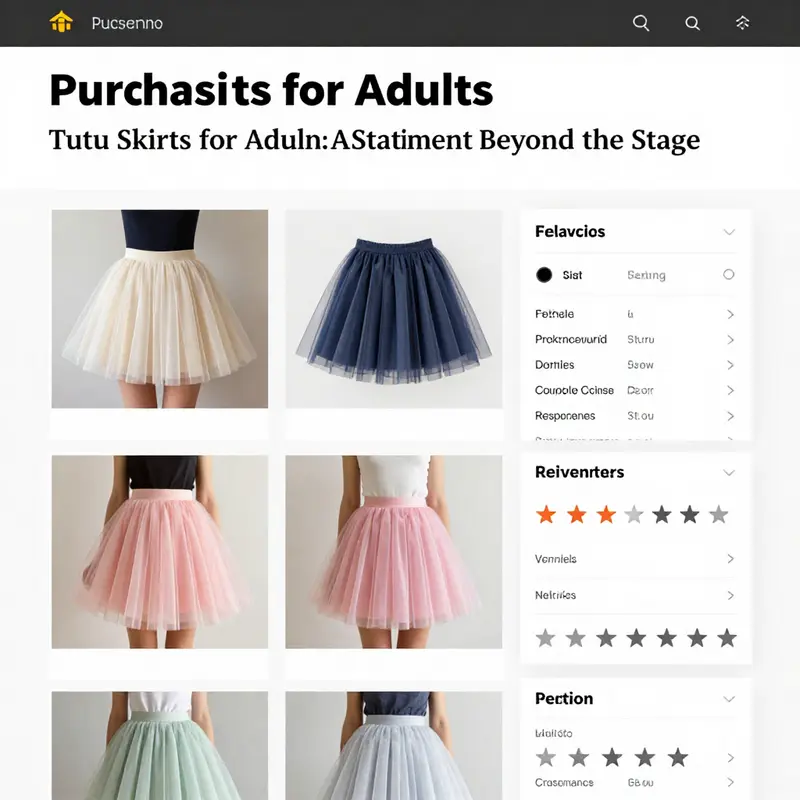
Adult tutu skirts have shed their studio-only reputation, blossoming into a charming, versatile costume and fashion accessory that suits dancers, cosplayers, party-goers, and whimsy seekers alike. The online market mirrors that evolution, offering a spectrum that ranges from performance-grade pieces designed to endure vigorous movement to playful, party-ready silhouettes built for photo opportunities and carefree celebration. To find a skirt that not only looks right but feels right in the moment, shoppers need to move beyond aesthetics and into a mindset that prioritizes fit, fabric, and long-term wear. This approach turns a possibly capricious online purchase into a dependable addition to a wardrobe or performance kit. The experience hinges on a careful reading of product details, a tactile imagination for how a skirt will perform in real life, and a willingness to compare options across materials, constructions, and price points. In short, the best online buys come from balancing style with substance, a harmony that lets the wearer glide through rehearsals, events, and stage moments with poise rather than compromise.
The first conversation with a tutu begins with material. Tulle is the backbone of these skirts, but not all tulles are created equal. High-quality tulle should feel soft to the touch and yet possess enough structure to hold its shape when flung into a spin or a dramatic sway under stage lights. It should drape gracefully rather than droop, and it should resist snagging and tearing after multiple use. The stiffness of the fabric matters, too. A tutu that is too stiff can impede movement and over-stiffen a line, producing a look that reads as cardboard instead of floaty air. Conversely, a fabric so limber it collapses at the first bend won’t provide the iconic silhouette that defines the style. The sweet spot lies in a fabric that maintains voluminous tiers while remaining comfortable against skin, especially at the waistband, where repeated flexing can wear down inferior constructions. When evaluating a listing, consider whether the waistband and seams are reinforced. Reinforcement is not a luxury; it’s a practical safeguard, enabling the tutu to hold its shape through repeated wear and rough handling during travel, setup, and breakdown.
Comfort in dressing is as essential as performance length. A wide elastic waistband is a recurring favorite because it distributes pressure more evenly around the midsection. A narrow band can pinch and shift, especially during vigorous movement or long events. The elasticity should be resilient enough to recover after stretches, maintaining its grip without digging in. In a well-made piece, the waistband is not an afterthought but a carefully engineered element that anchors the entire silhouette. From a user’s standpoint, machine-washable fabric becomes a practical criterion for extended use. A tutu that accepts machine washing simplifies care, reduces maintenance anxiety, and makes repeated wear feasible for both casual social events and more formal engagements. When buyers flip to care and maintenance details, they are not just checking an instruction; they are assessing the life cycle of the garment and its value proposition over time.
Closely related to fabric, the fiber content and the clarity of labeling matter. Specific percentages for polyester, nylon, cotton, or blends convey much more than dry numbers. They hint at how the fabric will feel against skin, how it breathes during movement, and how it behaves through washing cycles. Ambiguity—like vague terms such as “polyester blend” without percentages—can mask qualities that have a real impact on comfort and durability. Clear labeling helps buyers make informed choices about poly content, natural fiber presence, and overall performance. The practical upshot is straightforward: better labeling correlates with more predictable wear and less buyer’s remorse after a trial spin, a photoshoot, or a family party where a tutu becomes a centerpiece.
The intended use of the tutu shapes the design philosophy behind a given piece. For serious dance practice or stage performances, adult tutus often lean toward elegant tailoring, with length decisions that typically range from midi to knee-length. These constraints aren’t arbitrary; they influence how the skirt behaves during turns, leaps, and transitions. A performance-ready tutu usually features multiple layers—commonly five or fewer—so the structure remains buoyant yet manageable. Fitted underlayers, sometimes with a soft lining, help stabilize the waist and prevent shifting during movement. The aesthetic goals differ when the same garment is deployed for weddings, fantasy fairs, or cosplay. In those contexts, designers experiment with color, embellishment, and silhouette to achieve a look that harmonizes with the wearer’s character and the scene’s lighting. For someone shopping online, it’s crucial to align personal goals—whether precision in technique or expressive flair—with the garment’s tailoring and trim. The right choice can elevate a moment from merely wearing a costume to owning it.
Another pillar in the decision-making process is the practical reality of online commerce: how listings present information, the reliability of the seller, and the assurances the platform offers. Product details can be the difference between a confident purchase and a costly misstep. In the best cases, listings provide a clear breakdown of the product’s fiber content, layer count, and care instructions. They may also offer measurements or a sizing guide that helps a buyer translate a waist measurement into a usable fit. The presence of measurements is especially important for adult tutus, where an exact fit around the hips and waist supports not only comfort but the silhouette’s integrity. It is worth noting that for many online shoppers, a dependable return policy is as critical as quality itself. The ability to try on a skirt at home, assess how it sits with the wearer’s body and movement, and then return or exchange if needed creates a safety net that reduces the anxiety of a long-distance purchase.
In parallel with product details, customer feedback becomes a practical compass. Reviews from verified buyers shed light on how the tutu wears in real life: how it breathes during long rehearsals, how the color holds after repeated wash cycles, and whether the waistband maintains its elasticity after multiple stretches. This front-line information can reveal subtle patterns—such as a particular construct’s tendency to lose shape after a humid outdoor event, or how certain finishes resist pilling after a dozen spins. While a single review can be idiosyncratic, a consistent chorus across multiple reviews builds a pattern of reliability. For online shoppers, this means dedicating time to read a range of reviews, noting comments about fit, fabric feel, and care outcomes. It also means aligning expectations: a tutu designed primarily for display and occasional wear will differ from a piece intended for daily practice or a demanding performance.
The decision-making map broadens when considering how a tutu fits into a larger ensemble. Some buyers seek versatility—tutus that can pair with different leotards, accessories, and footwear—while others want a specific look tied to a character or theme. The ability to reinterpret a stained-glass rainbow of color through layering or accessorizing adds to the piece’s value. A tutu with multiple, distinct styling possibilities invites creative experimentation, allowing the wearer to transform a single garment into countless looks for different events. In this sense, the online market becomes a workshop: a digital space where crafts, performance, and fashion meet. To cultivate a smart, satisfying purchase, buyers can translate their plan into a few essential checks—fit guidance, fabric comfort, and care compatibility—before tapping the buy button.
As a practical anchor, consider a scenario where a shopper is seeking something reliable for both casual wear and occasional performances. They scan listings for a five-layer construction, a modest but sculpted silhouette, and a waistband that promises durability without compromising comfort. They compare these attributes across several options, weighing the visual impact against the real-world wearability. The more transparent the listing is about the fabric, the layers, and the wash instructions, the more confident the shopper becomes in predicting how the piece will behave after the first spin and the tenth wash. In this way, online shopping for adult tutu skirts becomes less about chasing a single wow moment and more about curating a dependable, expressive tool that supports movement, confidence, and celebration.
For buyers who want to ensure they are exploring a well-rounded collection, a practical starting point is to browse through a category that centralizes fundamental tutu options. This provides a baseline from which a shopper can evaluate how added features—such as color variety, embellishments, or themed motifs—may alter the fit or care requirements. If you’re curious about the very basics, you may want to look at a dedicated tutu category that emphasizes foundational pieces. The internal marketplace resource below can serve as a doorway to such a collection, especially if you’re planning to build a rotating wardrobe of left-brain practicality and right-brain whimsy. Basic tutu category. This link is a convenient waypoint for those who want to start with a dependable, uncomplicated option before layering in more elaborate designs.
The balancing act between budget and value often dominates the online purchasing journey. Budget-conscious shoppers may be drawn to lower-price listings that promise bewitching looks, but those items require careful scrutiny. A low price can coincide with a thinner fabric, less robust stitching, or a narrower waistband, which may translate into higher replacement costs or more frequent repairs. On the other hand, higher-priced pieces typically come with improved construction, more precise tailoring, and longer-lasting materials. Yet price alone does not guarantee quality; the key is to verify the structural details, such as the number of layers, the strength of the seams, and the stability of the waistband. The most prudent shoppers frame their decision around a composite of criteria: the material’s feel, the clarity of fiber content, the presence of care instructions, the reported fit by buyers, and the seller’s return and shipping policies. In this way, the online shopping experience mirrors the choreography of a well-executed routine—every element must flow to support the performance, not hinder it.
Beyond the practicalities, there is an element of storytelling in choosing an adult tutu. A skirt can carry the color palette of a favorite character, the shimmer of a festival night, or the subtle black-and-white elegance of a classical ballet reference. The right piece becomes more than fabric; it becomes a cue, a memory anchor, a prop that invites a wearer to slip into a moment. The vividness of color, the drift of layers, and the way light catches the glitter or sheen can coax a smile and spark a sense of whimsy. In this sense, online shopping for tutu skirts becomes a creative act, one that respects the wearer’s body and the event’s atmosphere while honoring the craft of costume construction. The best purchases emerge when technical diligence and imaginative intent walk hand in hand, enabling a wearer to step into the moment with both ease and presence.
As you plan your next online purchase, keep in mind that the market rewards clarity. Clear product details, precise fiber information, and transparent care guidance serve as a map through a forest of options. This clarity reduces ambiguity and helps you forecast how a skirt will perform under specific conditions—whether it’s a long rehearsal, a bright stage light, a windy outdoor setting, or a crowded party room. It also makes it easier to compare options without being distracted by flashy photography or eloquent copy that glosses over the realities of fabric and fit. The more you align the listing with your actual needs—level of movement, duration of wear, washing habits, and the look you want—the more likely you are to find a tutu that brings harmony to both the body and the moment it is worn. In other words, the path to a satisfying online tutu purchase is paved with precise measurements, thoughtful fabric choice, and a readiness to invest time in reading reviews, studying details, and weighing outcomes against your own performance and style goals.
If this sounds like a disciplined approach, that is because it is. Yet after you cross the threshold of careful evaluation, the experience can feel liberating. A well-chosen adult tutu skirt becomes more than a costume; it becomes a trusted collaborator that supports movement, celebrates color, and amplifies expression. It is not merely about the moment of purchase but about what happens after—the way a skirt shines in photos, how it holds up across multiple events, and how it fits into a broader practice of performance readiness and personal style. When you select with care, you gain a piece that can transition from rehearsal to stage to celebration, adapting to different contexts without demanding constant replacement. The final decision rests on a few sturdy pillars: fabric quality and care, a clear and honest listing, a fit that honors your waist and hips, and a willingness to choose a piece that matches both your budget and your performance or style needs.
For readers who want to continue exploring options in a structured way, a basic reference point can help anchor decisions without steering toward a narrow set of styles. The linked category above offers a straightforward entry into the world of foundational tutus, which can then be layered with color, texture, and accessories to create the precise look desired for a particular event or routine. This approach keeps the process grounded while still allowing space for creative experimentation. The decision to move forward with an online purchase should feel like a well-planned choreography: a sequence of small, informed steps that lead to a confident, comfortable result rather than a hurried, uncertain grab for an impulsive choice.
External resources can also illuminate practical considerations that arise in real-life use. A reputable external guide provides broader context on fabric behavior, care practices, and the long-term performance of tulle garments. Such resources can complement the specifics of a product listing and help you interpret what you see in a photo or read in a description. For further detail, an external resource offers insights into similar items and care expectations that can inform your decision once you pinpoint a few viable options. External resource: https://www.amazon.com/dp/B0CZ8QY1VJ.
Beyond the Curtain: The Cultural Renaissance and Everyday Rise of Adult Tutu Skirts
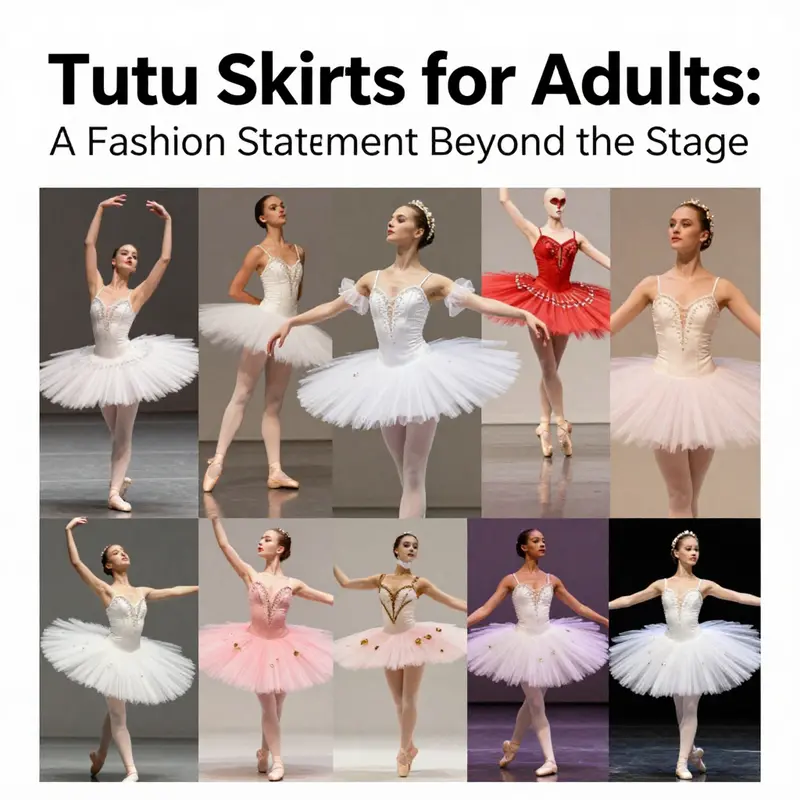
The tutu, once a symbol of pure theater, has traveled a remarkable arc from the spotlight of classical ballet to the vibrant, everyday streets where personal style meets performance. For adults, the layered skirt of tulle no longer serves solely as a prop for a pristine pointe routine. It has become a flexible, expressive silhouette—one that can be worn with confidence for dance practice, party nights, or simply to infuse ordinary moments with a sense of whimsy. This trajectory reveals more than a fashion trend; it marks a cultural shift toward embracing playfulness as a mode of self-expression, a willingness to experiment with form, and a renewed respect for garments that celebrate movement and joy. In the current landscape, the adult tutu stands at the intersection of art, identity, and craft, reminding us that clothing can be a deliberate act of storytelling as much as a shield against the expectations of everyday life.
Among the enduring appeals of adult tutu skirts is their distinctive silhouette. The bell-shaped version, born from Romantic-era aesthetics, expands outward with a graceful flare that enhances line and breath. Its generous circumference allows for expansive movement and a dramatic visual when the dancer or wearer spins or walks, yet it remains surprisingly adaptable for stage performances and social occasions alike. Another beloved variation, the pancake tutu, is flatter and more compact, built from orderly, layered ruffles that keep volume at a manageable level while delivering a contemporary, whimsical vibe. Pancake tutus lend themselves to bold color palettes and themed events, providing a playful counterpoint to more restrained outfits. In both cases, designers have learned to balance drama with practicality, crafting structures that hold their shape without compromising comfort. For adults who want to explore these aesthetics, the key often lies in understanding how layers, fabric weight, and interior construction work together to support sustained wear and expressive movement.
The modern approach to adult tutus goes well beyond mere appearance. The layers—commonly three to five—are more than decorative; they contribute to airflow, weight distribution, and ease of motion. Quality construction matters as much as the look: reinforced seams, comfortable inner linings, and elastic or adjustably fitted waistbands help a wearer transition from rehearsals to performances or social events without distraction. The result is a garment that can perform two roles at once: a tool for movement and a canvas for self-presentation. When a person slides into a tutu, the experience is not just about donning fabric; it is about adopting a mindset that values curiosity, play, and a certain audacity to be seen in a way that defies conventional expectations. This is not about dressing down to meet norms but about elevating personal style with a garment historically tied to discipline and dream.
As tutu skirts step into mainstream wardrobes, their meaning expands. They appear at weddings that celebrate whimsy as a theme, at festivals where color and rhythm are the language of community, and at cosplay gatherings where narratives are woven through fabric and form. The adaptability of the tutu makes it an invitation to remix how we present ourselves. A black or white classical cut can embody timeless elegance on a stage or in a photo shoot, while a glittering, rainbow-hued version can channel the exuberance of a dance-floor moment or a festive parade. In this sense, the tutu becomes a collaborative piece of fashion—one that invites others to interpret it through their own experiences and aspirations. It is a garment that welcomes experimentation, whether paired with a tailored blazer for a formal event or with sneakers and a graphic tee for a street-inspired look. The result is a style that is equal parts homage to tradition and rebellion against staleness, a public declaration that joy can be a serious fashion strategy.
Cultural shifts around body positivity and individuality have also shaped how adults approach tutu skirts. No longer relegated to the wings of a theater, tutus are now embraced as vehicles for confidence, self-definition, and even political expression. Wearing a tutu can feel like an assertion that the body can move freely and still command attention, that age is not a gatekeeper to whimsy, and that joy can be a purposeful, everyday choice. This broader acceptance has encouraged people to explore a wider range of fabrics and fits. Designers respond with fabrics that feel breathable and comfortable across long wear, so the garment suits hyperactive routines as well as leisurely, social moments. The conversation surrounding sustainability has further influenced design decisions, nudging brands toward responsible production and materials that minimize environmental impact without sacrificing the sense of magic that tutus communicate.
Sustainability has become a practical as well as ethical concern in the tutu market. Modern adult designs increasingly favor fabrics that balance aesthetics with ecological responsibility. Organic cotton blends, recycled polyester, and biodegradable tulle appear in thoughtful collections that aim to reduce waste and extend the life of the garment. Even when budgets favor more affordable options, conscious shoppers are seeking pieces whose production aligns with humane labor practices and lower ecological footprints. In some instances, the industry has incorporated natural fibers into subtle linings or accents to improve comfort and reduce static, while maintaining the characteristic lightness of tulle. These choices reflect a growing shopper mindset that values style alongside stewardship, a pairing that makes the tutu a symbol not only of playful creativity but of responsible consumption.
The romance of color and form in adult tutu skirts remains central to their appeal. Classic palettes—soft blacks and whites—sustain an air of elegance, while bold hues and shimmering finishes offer stage-worthy drama or festival-worthy flair. The palette invites wearers to consider mood, occasion, and the setting in which they will move. For ceremonial moments such as weddings or milestone celebrations, a tutu can provide a visual narrative of transformation—a reminder of beginnings and possibilities. At community events, it becomes a shared costume that fosters connection, inviting individuals to choreograph group dances or group poses that celebrate collective energy. The evolution of color—from muted ends of the spectrum to radiant, electric combinations—mirrors the broader fashion world’s embrace of expressive, personal storytelling through fabric.
If you are new to the world of adult tutus, the simplest path toward experimentation begins with a versatile, easily styled piece. Think of a design that keeps the layers manageable while allowing movement to read clearly from the audience or from a camera. It helps to start with a piece that offers a forgiving fit and gentle support, a garment that can be worn for long sessions of practice or multiple hours at an event without requiring constant adjustment. A practical approach is to consider how the tutu will pair with other wardrobe elements. A tucked-in shirt or a fitted bodice, a cropped knit, or a tailored blazer can transform the tutu’s tone from theatrical to contemporary chic. Accessories—belts, leggings, or tights—can modulate the silhouette, enabling the wearer to modulate volume and balance.”
For those curious about where to begin in a practical sense, the journey can start with a broad, openly accessible category that emphasizes versatility and ease of use. If you want to explore foundational options, a quick exploration of the basic tutu category offers a gateway to simple, stylish pieces designed for comfort and longevity. This entry point helps new buyers learn how layers interact with movement, how fabric weight affects wear in different climates, and how careful layering can create a range of looks without overwhelming the frame. basic tutu catalog
The broader market for adult tutus also reveals how shopping dynamics shape our choices. Online marketplaces and dedicated dancewear outlets provide a spectrum of price points, from budget-friendly options to premium, performance-oriented designs. The diversity of options invites careful evaluation of fabric quality, the number of layers, and the presence of inner linings or built-in underwear that contribute to comfort and fit. Budget-friendly pieces often appeal to newcomers or casual wearers who want playful flair without a heavy investment. Yet, even at lower prices, a careful read of reviews, product specifications, and return policies is essential. A reliable seller will typically offer clear details about materials, care instructions, and the garment’s structure, enabling shoppers to weigh value against their specific needs—whether it is rehearsal time, a costume event, or a social gathering.
Care and maintenance form a quiet but important part of the tutu’s ongoing charm. To keep the fabric looking buoyant and the silhouette crisp, experts emphasize gentle handling and proper storage. Tulle is delicate, and creasing can obscure the tutu’s intended shape. A breathable garment bag, careful folding, and avoiding heavy weights on top are simple steps that preserve the layers and prevent permanent wrinkles. When washing is required, a gentle detergent and cold water typically protect the fabric’s integrity, while air-drying helps the skirt reclaim its airy, light quality. The right care routine makes the tutu a durable companion, capable of standing up to frequent wear at rehearsals, performances, or festive gatherings. The sense of durability behind a well-made tutu encourages wearers to lean into opportunity—whether that means learning a new routine, collaborating on a themed performance, or simply introducing a touch of theater into daily life.
As cultural norms evolve, the tutu’s place in fashion continues to diversify. It no longer belongs solely to studios or theaters but belongs, in varying degrees, to wardrobes across urban and community spaces. The act of wearing a tutu can be an invitation to celebrate one’s chosen identity and to participate in collective storytelling through movement and color. In this way, the tutu threads together theater, streetwear, and personal ritual, becoming a garment of transformation rather than a mere costume. Its presence at weddings, parades, and private celebrations reflects a broader appetite for fashion that is at once sophisticated, approachable, and exuberant. The result is a rhythm of style where artistry meets practicality, and where adults are free to interpret the tutu’s ruffles, layers, and sparkle in ways that honor their own experiences and aspirations.
In looking toward the future, designers and wearers alike are likely to continue embracing sustainability as a cornerstone of the tutu’s evolution. Innovations in fabric technology, breathable linings, and ethically sourced materials will shape products that feel as good on the skin as they look on the body. The appeal of the tutu’s versatility—its capacity to be both performance-ready and everyday-friendly—ensures that it remains a compelling option for those seeking a garment with personality and purpose. The cultural impact of adult tutu skirts rests on their ability to invite imagination without demanding the surrender of practicality. They offer a reminder that fashion can be a joyful, functional form of expression—one that invites movement, sparks conversation, and makes ordinary moments feel extraordinary.
For readers who want to explore more about how to choose a tutu dress that fits personal style while remaining mindful of sustainability and fit, a recent guide from the broader fashion innovation community provides practical insight into style, materials, and cultural significance. This resource helps connect the dots between design intent, wearer comfort, and environmental considerations, reinforcing the tutu’s place in a thoughtful, contemporary wardrobe. https://www.fashioninnovation.com/tutu-dress-buying-guide
Whimsy in Motion: The Modern Adult Tutu
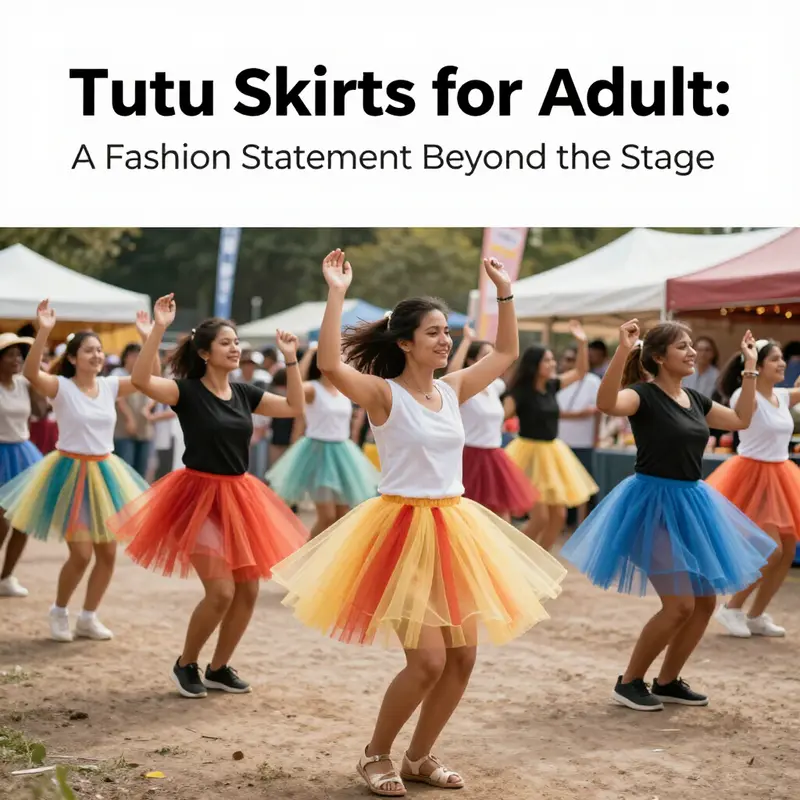
Adult tutu skirts have evolved from stage costumes to versatile expressions of movement and mood. They invite playfulness and practicality in daily wear, turning casual outfits into subtle performances. This chapter explores how fashion, comfort, and imagination converge in the modern adult tutu, from workplace-friendly silhouettes to festival-ready spins.
The design emphasizes comfortable construction—soft linings, reinforced seams, and waistbands that adapt to different bodies—while maintaining volume through multiple tulle layers. The result is a garment that can anchor a look, spark conversation, and accompany moments of celebration, still feeling appropriate in a variety of settings. In short, the adult tutu redefines both style and daily attitude by balancing whimsy with function.
Final thoughts
Adult tutu skirts have transcended their traditional roles, integrating seamlessly into diverse fashion contexts and personal expression. They offer business owners a unique opportunity to tap into a fun, whimsical market that caters to various demographics, from dancers to festival-goers. The insights shared in this article—from understanding styles and materials to navigating the challenges of online retail—serve as a foundation for making informed choices. By embracing the versatility and creativity that tutu skirts afford, entrepreneurs can position themselves to meet the burgeoning demand for this unique apparel. Remember that the key to success lies in balancing quality, style, and consumer expectations.