
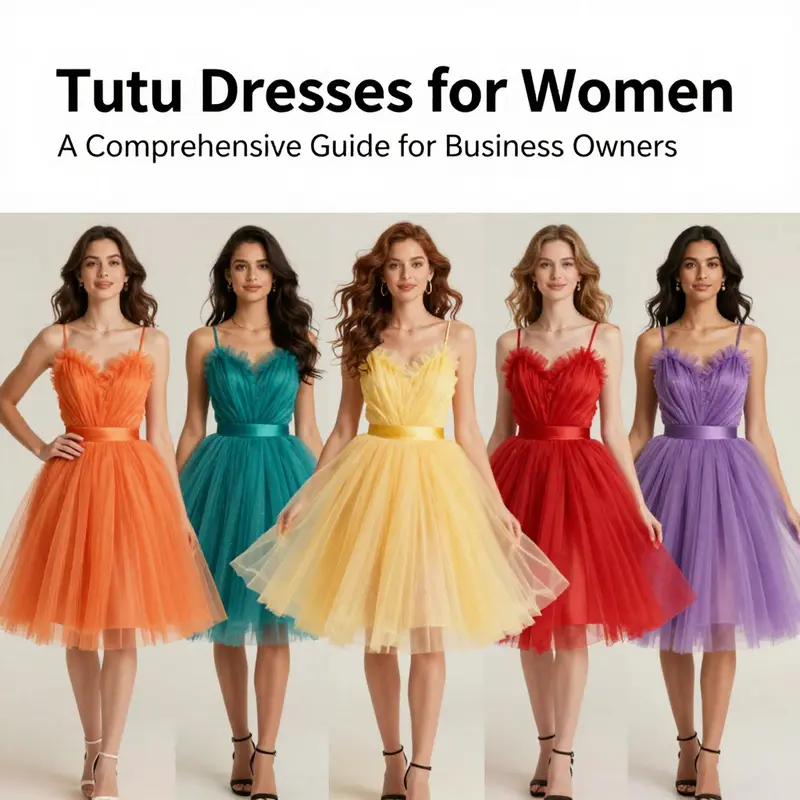
Tutu dresses for women have become a staple in modern fashion, appealing to a broad range of styles and occasions. This trend presents significant opportunities for business owners in the fashion industry. Understanding the diverse styles available, the best sources for procurement, and effective styling inspirations can enhance your product offerings and attract a wider customer base. As we delve into these aspects, business owners will discover how to leverage tutu dresses to meet evolving consumer demands and make their mark in the competitive fashion landscape.
From Pointe to Parade: The Rich Tapestry of Tutu-Women’s Dresses Across Styles
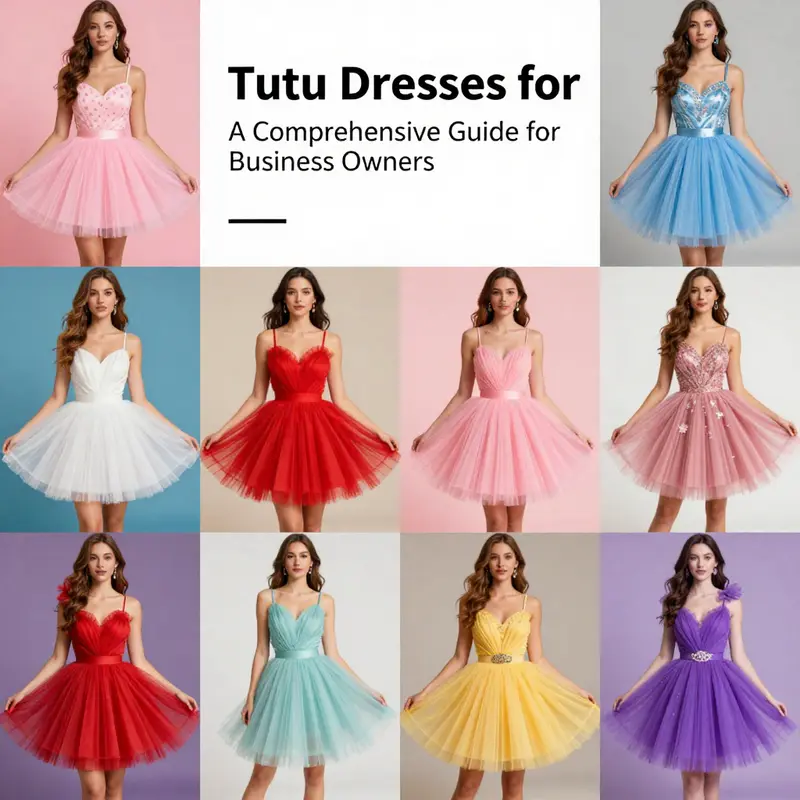
Tutu women’s dresses occupy a curious space where performance costume, fashion fantasy, and everyday whimsy intersect. They began as practical, sculpted skirts designed to reveal the movement of dancers, yet over time they expanded into a language of celebration, romance, and self-expression. The modern tutu dress is not a single silhouette but a spectrum. Some pieces look like portable fairy tales, others adopt a sharper, more contemporary line, and still others wander into playful, party-ready territory. What unites them is their core idea: a voluminous, fluttering skirt built from layers of tulle that catches the air and tricks the eye into seeing grace in motion. This chapter surveys that spectrum, tracing how length, fabric, construction, embellishment, neckline, color, and purpose cohere into a family of garments that can be worn for performance, ceremony, or casual revelry, while still nodding to their ballet origins and their couture ambitions.
The most obvious axis of variation in tutu dresses is length, and with length comes a shift in formality and intent. Classical short tutus tend to emphasize structure. They present a crisp, almost architectural silhouette that flares outward from the waist and holds its shape with stiffness, often created by stiffened layers or a crinoline scaffold beneath the tulle. This kind of tutu communicates kinetic energy; it is a dancer’s tool as much as a fashion statement. In modern fashion, shorter tutus have been reimagined to suit social occasions where movement remains central—dance-inspired parties, stage-ready performances, or even bold streetwear moments where the wearer wants to project playfulness and confidence. Long tutu dresses, by contrast, drift toward softness and drama. They rely on many light layers of tulle that cascade in a dreamy, ethereal way. The effect is less about a single crisp flare and more about a continuous, almost comet-like sweep as the wearer glides or walks. These longer versions are favored for weddings, galas, and formal events where a sense of fairy-tale spectacle feels appropriate or desired. They transform a person into a walking sculpture, inviting the eye to follow the swirl of fabric as a narrative of romance and grace unfolds with each step.
Beyond length lies the conversation about fabrics and construction. Traditional tutus favored stiffer, crisper tulle that could hold a defined shape. Yet the repertoire has broadened dramatically. Contemporary tutu dresses might pair stiff tulle with softer, draped fabrics such as lace overlays, satin sashes, chiffon layers, or even netting for texture. These combinations enable designers to balance structure with comfort, subtle movement with stunning silhouette. Embellishments often play a starring role. Embroidery, sequins, beads, and appliqués—sometimes floral, sometimes geometric—add sparkle, depth, and a sense of refinement to a piece that could otherwise feel solely whimsical. A couture approach may feature hand-stitched details, delicate beadwork that catches the light with every micro-motion, or lace insertions that soften the geometry of a tutu while amplifying its romance. The result is a spectrum of tactility: the eye perceives dimension in three planes—the outer skirt, the bodice, and the way the fabric catches light and air as the body moves. Those who curate a more relaxed or street-ready style often opt for simpler embellishments or even a solid color with a subtle sheen, letting the silhouette speak first and the decor speak second.
The neckline and bodice shape are equally important in defining the character of a tutu dress. Off-the-shoulder silhouettes can evoke a retro-glam or modern-romantic aura, depending on the fabric and the length. Sweetheart and square necklines tend to soften the neckline while creating a flattering frame for the collarbone and shoulders. corset-inspired bodices with boning or lace-up details heighten the waistline and contribute a sense of gothic-fairytale structure. In more contemporary takes, the bodice might be streamlined with minimal seams, emphasizing the drama of the skirt while keeping the upper body sleek and simple. Some designers push the boundaries by pairing a cropped top with a high-waisted tutu skirt, a fusion that nods to streetwear and club culture while preserving the tutu’s sense of buoyant gravity. The choice of bodice affects not only aesthetics but also comfort and wearability, changing how a tutu dress anchors itself to the body during movement and over the course of a long event.
Color and pattern are perhaps the most expansive frontier. Traditional tutu palettes—pastels, ivory, pale pinks, and icy blues—still hold ceremonial and bridal appeal, translating innocence and lightness into formal or intimate moments. Yet contemporary designers push bold, saturated hues, metallic sheens, and complex patterns that read almost like textiles from a painter’s palette. A tutu dress in a rich emerald or sapphire can feel regal and modern, while one in a metallic bronze or gunmetal can skew toward avant-garde fêtewear. Patterns can range from delicate florals to abstract prints or even tonal ombré fades that heighten the sense of movement. The response of the wearer to color is both personal and social: certain shades convey mood and intention, while others signal a playful reflection of fashion’s more exuberant side. The patterns and textures—sequins catching the light, lace darkening at the hem, or a sheer overlay that reveals glimpses of color beneath—further expand the dress’s storytelling potential, allowing it to function as both costume and couture depending on the context.
Occasion defines the styling and the scale of the tutu dress’s impact. In performance contexts, the tutu is widely recognized as a facilitator of flawless, legible movement. The stiffness or volume must support the dancer’s leap and tiptoe—yet in fashion editorials, the same silhouette can be amplified with heavy jewelry, dramatic makeup, and the interplay of light and shadow on the fabric. For bridal and formal events, designers often emphasize romance and enchantment, using long layers, gentle color palettes, and delicate detailing to evoke a fairy-tale moment. In the realm of parties and themed events, tutu dresses become engines of whimsy, inviting playful footwear, bright nail colors, and bold accessories that celebrate the wearer’s mood and the occasion’s tone. The versatility of the tutu dress emerges most clearly when it appears in combinations that feel both fresh and timeless: a wedding guest might choose a long, softly shimmering tutu with a sleek satin bodice for formal elegance, while a dancer on a festival stage could select a short, sculpted version with a vivid color to intensify the performance’s sensory impact.
Styling ideas flow naturally from the tutu’s ecology of options. For everyday wear, a short tutu skirt can be paired with a simple knit sweater or a fitted crop top, balancing volume with restraint. Layering becomes a practical art: a sheer cardigan, a leather jacket, or a tailored blazer can anchor the playful silhouette in a more grounded wardrobe, transforming the tutu into a statement piece rather than a costume. Shoes are not afterthoughts but essential to the effect; low heels or ankle boots can ground a mid-length tutu, while delicate ballet flats or strappy sandals can elevate a longer silhouette into a formal or ceremony-ready look. Hair and makeup can echo the dress’s mood—the retro glamour of an off-the-shoulder top matched with a classic chignon and red lip, or the modern fantasy of a cropped top with a high-waisted tutu, paired with a loose, ethereal updo and luminous skin. Accessories serve as punctuation marks: a single strand of pearls or a minimalist choker for a refined, classic moment, or a burst of color through oversized earrings and a metallic clutch to signal celebration and bold self-expression.
From a consumer perspective, tutu dresses divide into lightly edited, ready-to-wear options and more bespoke or semi-custom pieces. The ready-to-wear path prioritizes convenience and accessibility, offering a range of sizes and color options designed for quick purchase. The bespoke or semi-custom path invites a dialogue with designers or tailors about length, color, embellishments, and fit. In today’s market, both paths compete with the same core promise: to deliver a silhouette that captures movement, lightness, and a sense of storytelling. The growth of online platforms has made it possible to source a variety of textures, tones, and silhouettes while also enabling buyers to seek out bulk or wholesale arrangements for events, productions, or themed parties. When considering wholesale possibilities, it is helpful to think in terms of fabric families, construction techniques, and embellishment options, so that a tutu dress can be scaled up for a wedding party with consistent quality or customized for a themed gala with coordinated colors and motifs. The ability to customize, whether by length, color, or beadwork, remains a compelling part of the tutu’s modern appeal, allowing the wearer to translate personal narrative into cloth and movement.
The historical arc of the tutu also informs its contemporary aura. Born in a ballet studio, trained by dancers who learned to ride air and space with each plié, the tutu evolved into a symbol of grace and discipline. As fashion culture absorbed this symbol, designers explored how far the tutu’s fantasy could travel. The result is a wardrobe continuum that can be as refined as a couture suite, as playful as a carnival, and as intimate as a personal ritual of dressing. In a sense, the tutu is a portable stage set—its layers create a small theater around the wearer, who becomes both actor and audience in one fluid motion. The fashion conversation around tutus thus circles back to performance and possibility: how to choreograph a look so that the movement of fabric amplifies the wearer’s presence, rather than merely covering it.
To those who are drawn to the tutu’s romantic spirit, the options can feel endless. For a feminine, dreamlike effect, a long, multi-layered skirt in a pale ivory or blush can evoke brides and fairytales, especially when understated bodices or delicate lace overlays are used. If the aim is bold whimsy, a color-saturated short tutu with metallic accents and sequined trim can transform a dance floor into a canvas of sparkling motion. For thematic events, such as seasonal celebrations or storytelling parties, designers often craft ensembles that reference folkloric or mythic motifs, weaving textures like floral lace, starry appliqués, or celestial embroidery into the bodice or hem to conjure mood and place. In all cases, the tutu’s essential recipe remains recognizable: a waistline that anchors volume, layers of fabric that flicker with movement, and an awareness of how light, color, and texture interact as the wearer engages the space around them. The result is not simply clothing but a narrative device that invites others to watch, imagine, and participate in the moment of transformation.
The practicalities of sourcing tutu dresses today also reflect the broader shifts in fashion commerce. Consumers can explore wholesale avenues for bulk orders, taking advantage of customization options that enable them to select fabrics, lengths, and embellishments in line with event needs, branding, or personal taste. Meanwhile, mainstream retailers continue to offer compact options suitable for casual wear, dance classes, and party outfits. Buyers who seek the best of both worlds often look for versatile pieces that can transition from daytime wear to evening festivity with minimal styling changes. Such versatility is at once practical and aspirational, echoing the tutu’s ability to traverse contexts—from studio rehearsal to a grand evening, from a child’s party to an adult’s celebration of self-expression. The enduring appeal lies in the tutu’s capacity to transform an ordinary moment into something luminous and memorable, to turn attention toward the wearer’s movement, and to invite a shared sense of playful elegance.
For readers seeking deeper inspiration or curating ideas, one especially helpful resource is an online hub that aggregates styles under a romantic tutu umbrella. There, a curated collection highlights how fabrics, lengths, and trims collaborate to convey romance, whimsy, and sophistication in equal measure. This kind of reference helps bridge personal taste with practical decisions about length, color, and embellishment, guiding shoppers toward looks that harmonize with their own bodies and events. The broader principle is simple: the tutu dress is a versatile instrument for storytelling through fabric. It invites experimentation, yet rewards thoughtful execution. When approached with a sense of purpose—whether celebrating a milestone, starring in a stage piece, or simply enjoying a fashion moment with friends—the tutu becomes more than attire. It becomes a mood, a memory in motion, and a reminder that fashion can honor heritage while exploring new forms of beauty.
If you are curious to explore a specific subset of romantic silhouettes, you can discover a curated selection in the romantic tutu category of a major retailer’s blog. This collection showcases how texture, color, and proportion collaborate to produce looks that feel both tender and modern. It offers a practical starting point for anyone planning an event or wardrobe with a tutu as a centerpiece. romantic tutu category. For further inspiration, keep in mind a broader aesthetic vocabulary: light weight, layered tulle, soft color harmonies, and a bodice that supports rather than overwhelms the wearer’s natural posture. These elements, when combined with a careful choice of accessories and footwear, create an ensemble that respects the tutu’s ballet roots while embracing fashion’s broader possibilities. The conversation about tutu dresses is ongoing, and its richness comes from the way individuals interpret the silhouette through personal taste, cultural moment, and the occasion’s demands.
External reference: https://anping.1688.com/shop/www/pic/-C0F1C8B9C5EEC5EECDBCC6AC.html
null
null
Whimsy with Purpose: Styling Tutu Women’s Dresses for Modern Glamour
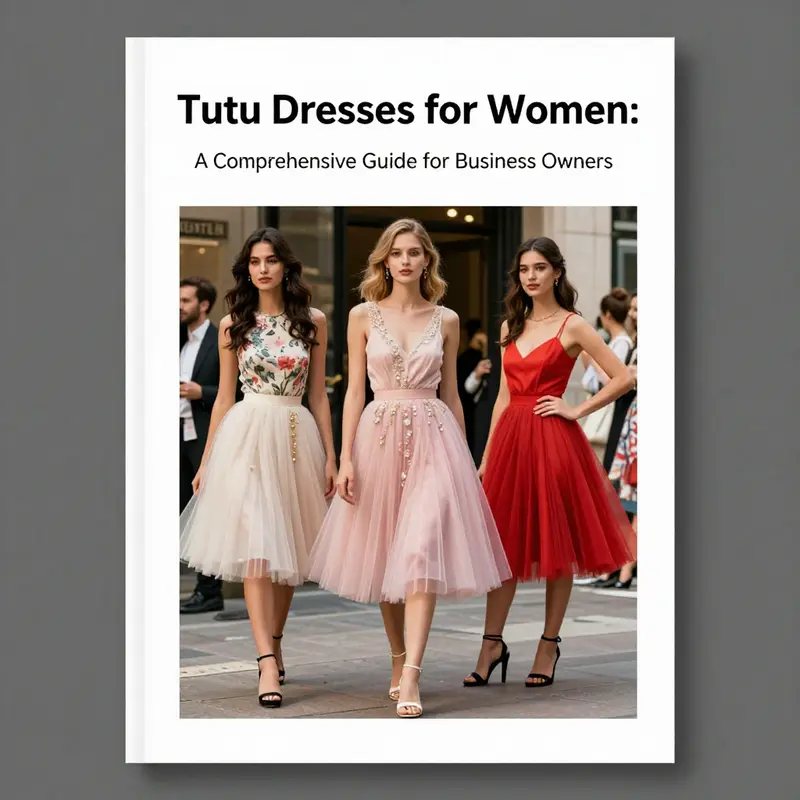
The tutu dress for women sits at a delightful crossroads where whimsy meets intentional design. It offers more than a playful silhouette; it invites a narrative of style that can be tailored to different moments, from quiet celebrations to more conspicuous gatherings. The key to translating that playful volume into a contemporary, grown-up wardrobe lies in how you manage silhouette, fabric, and the smaller details that hold the whole look together. A tutu’s strength is its movement and its volume, but its charm is in the way you frame it. The moment you add a belt, a carefully chosen top, and a handful of considered accessories, the dress becomes a refined statement rather than a costume. Silhouette becomes a story, and your body becomes the thread through which that story travels.
Defining the silhouette is the first practical act of styling a tutu dress with purpose. A cinched waist is more than an aesthetic preference; it creates structure where the skirt wants to billow. A slim leather belt, or a decorative sash, can anchor the ensemble and emphasize the natural waist, transforming a potential floaty effect into a deliberate line. This small intervention—just a touch of geometry in an otherwise airy shape—offers balance. It also helps when you’re wearing the dress in environments that demand a certain level of poise, such as a church service or a semi-formal reception, where a rigidly voluminous look might feel adrift without a defined midsection. The belt acts like a punctuation mark, signaling that this is a cohesively designed outfit rather than a playful one-off.
Fit and fabric play a parallel but equally crucial role. Comfort is not merely a matter of ease; it’s a decision about how the dress behaves on a real body over time. Look for tutu dresses with elastic waistbands or adjustable straps to secure the fit without constricting movement. The choice of fabric matters too. High-quality tulle or layered mesh can drape and hold shape in a way that maintains movement without losing form. The goal is a fabric that relaxes and revives with each step, rather than one that wrinkles into tension points or digs into the skin. A practical test is to check for horizontal wrinkles across the bust or back—this can hint at a fit that is too tight or poorly structured. The most flattering tutu wears like a second skin, and that ease often translates into confidence.
Accessorizing thoughtfully is where the look can either sing or sputter. The tutu dress thrives on restraint around the neckline and ears, with the jewelry box opened only to a few well-chosen pieces. A delicate necklace, sparkling earrings, or a dainty clutch can complement the dress without competing with its volume. For occasions that call for a little drama—perhaps a princess-inspired photo shoot or a festive ceremony—a tiara or a floral hair accessory can elevate the aesthetic, turning a party piece into something that reads as polished and intentional. The trick is to let the accessories support the silhouette rather than redefine it. In this sense, the tutu becomes a framework within which a personal style can reveal itself, rather than a costume that dictates style choices for the wearer.
Yet the tutu dress is never only about formal wear. The modern approach embraces a thoughtful blend of casual elegance, where you can pair a tutu skirt with more everyday pieces. Imagine pairing a voluminous tutu with a crisp button-down shirt, or layering it with a tailored blazer for a look that sits comfortably between office attire and evening flair. A turtleneck sweater tucked into a shorter, structured tutu piece can create an unexpected twist on casual weekend wear. This kind of mixing and matching blurs the lines between costume and wardrobe, inviting experimentation while staying anchored in present-day sensibilities. The aim is to keep the volume intact while smoothing the rest of the silhouette into pieces that are familiar and wearable.
Inspiration remains a powerful compass. Pinterest, in particular, functions as a vast visual repository where newly minted looks emerge from collective experimentation. The platform’s boards offer a chance to see how others layer color, texture, and proportion—how a delicate lace inset might pair with a bold, glossy clutch, or how a sequined accent can punctuate a otherwise understated outfit. The search for “tutu dress for women classy” or “tutu outfits for women” yields a spectrum of ideas, from bridal-showcase whispers to festival-ready statements. For many, this visual ecosystem provides not just ideas but a set of questions to ask of one’s own wardrobe: Which silhouettes feel flattering on my body type? Which fabrics hold their shape when I move? What color stories feel coherent with the event I’m attending or the mood I want to convey? The answers, once found, become a personal styling language rather than a longer shopping list.
Within that language, a sense of color and texture plays a central role. Dark greens with subtle sequins can lend an air of sophistication to a formal event, while soft pastels keep the mood light and approachable for daytime celebrations. Jewel tones—rubies, sapphires, emeralds—bring a depth that reads well in photographs and under different lighting conditions. For day-to-evening versatility, it can be helpful to think in layers: a base color that feels grounded, a secondary color that acts as an accent, and a texture that adds depth without competing with the dress’s own volume. A sculpted belt in a satin or matte finish, combined with a textured top or lace sleeves, can transform a tutu from a party piece to a wardrobe cornerstone.
As you translate ideas from plateaus of inspiration into a real outfit, consider how you present the look in different contexts. A wedding party, for example, may invite a more restrained palette and refined silhouettes, while a birthday gathering could invite bolder color play and more dramatic accessories. The key is to preserve the tutu’s inherent playfulness while ensuring that your overall appearance communicates intention and elegance. The way you carry yourself—your posture, your stride, the ease with which you move—contributes as much to the impression as the garments themselves. The habit of moving with intention makes even the lightest fabric feel like part of a curated narrative rather than a costumed flourish.
If you want to explore a curated range that leans into romance and softness, you can browse a collection dedicated to that mood. For a curated take on romantic silhouettes, explore the romantic tutu collection. The page offers a sense of how delicate materials, soft color families, and gentle volume can come together in a coherent aesthetic. While you browse, take mental notes about what elements feel practical for your lifestyle. A romantic tutu need not be solely ceremonial; with the right tailoring and accessory choices, it can become a daily invitation to feel a touch more imaginative during the workweek.
The story you tell with a tutu dress is also a story about movement. The skirt’s layers catch light and air as you walk, sit, or greet friends, creating a visual tempo that photography often captures more faithfully than other fabrics can. That tempo should align with your comfort level and the event’s duration. If you anticipate long hours on your feet, consider choosing a slightly longer skirt length that still preserves volume but provides ease around the hips and calves. Conversely, for a cocktail-hour moment or a party with a dance floor, a shorter hem might allow you to move more freely and confidently. The intent is not rigidity but rather a careful negotiation between what the dress can do and what you are prepared to do in it.
Bringing all these strands together requires a calm, measured approach to shopping and styling. Begin with a clear idea of the occasion and the mood you want to convey. Then translate that mood into tangible decisions about waist treatment, fabric quality, and accessory balance. If you keep the silhouette anchored with a belt, you maintain a stable line that supports the tutu’s volume. If you select fabrics that drape well and retain shape, you ensure longevity in wear. And if you pace your decorations—no more than a few well-chosen elements—you preserve the dress’s ability to speak for itself. The end result is less about chasing the latest trend and more about cultivating a personal, versatile approach to a garment that was born from celebration and imagination.
In the end, styling a tutu dress for women becomes less about distance from a costume and more about bridging whimsy with everyday practicality. It is possible to wear a piece that feels as if it belongs on a stage while still being appropriate for a boardroom or a brunch. The secret lies in how you choreograph every detail—the waistline, the fabric’s breath, the cadence of your accessories, and the quiet confidence that comes with knowing you have chosen each element with care. When these choices harmonize, the tutu ceases to be a single garment and becomes a wardrobe strategy—an invitation to bring a touch of theater into the daily rhythm of life.
For those who are curious about how this translates into real wardrobes, the idea is not to recreate a costume every time but to pick motifs from the tutu’s language. A hint of volume, a controlled palette, a light touch of sparkle, and, above all, a sense of balance. That balance—between whimsy and refinement—defines modern tutu styling. It makes the look accessible for a range of occasions, from casual gatherings to formally staged events. It makes a tutu dress not a novelty, but a considered choice that can extend your personal style rather than replace it. As you experiment, you’ll notice that your best looks emerge when you treat the tutu as a canvas that supports your voice rather than a loud instrument that demands attention. The conversation then becomes less about the dress and more about how you want to be seen, how you wish to move, and how you want others to feel in your presence.
If you would like to see how color, line, and texture interact on other people wearing tutu-inspired silhouettes, consider collecting some ideas from the broader visual world. The mammoth library of inspiration on Pinterest, and similar platforms, often features people pairing tutu-inspired skirts with everything from crisp denim jackets to sleek satin blazers. These combinations demonstrate that the tutu is not a fixed genre but a flexible element you can layer into many looks. The most successful executions are those that harmonize the dress’s expressive form with your personal style and the context in which you wear it. A few tried-and-true practices can keep your styling fresh without ever making the look feel gimmicky. Always test movement, evaluate fit after a full day of wear, and let comfort guide color and texture decisions as much as aesthetics do. When you allow practicality to lead, whimsy follows naturally, and the tutu dress earns a place in your regular rotation rather than a single moment of celebration.
External resource: https://www.pinterest.com/pin/versatile-ways-to-wear-long-dresses-styling-tips-for-every-occasion-693425887830754379/
Final thoughts
Tutu dresses for women encapsulate a blend of playfulness and elegance that can enhance any fashion line. By understanding the variety of styles available and sourcing options, business owners can effectively cater to diverse customer preferences. Additionally, staying updated on styling trends can further enhance product appeal and marketability. Embrace the tutu dress trend to elevate your business offerings and create memorable fashion experiences for your clients.