
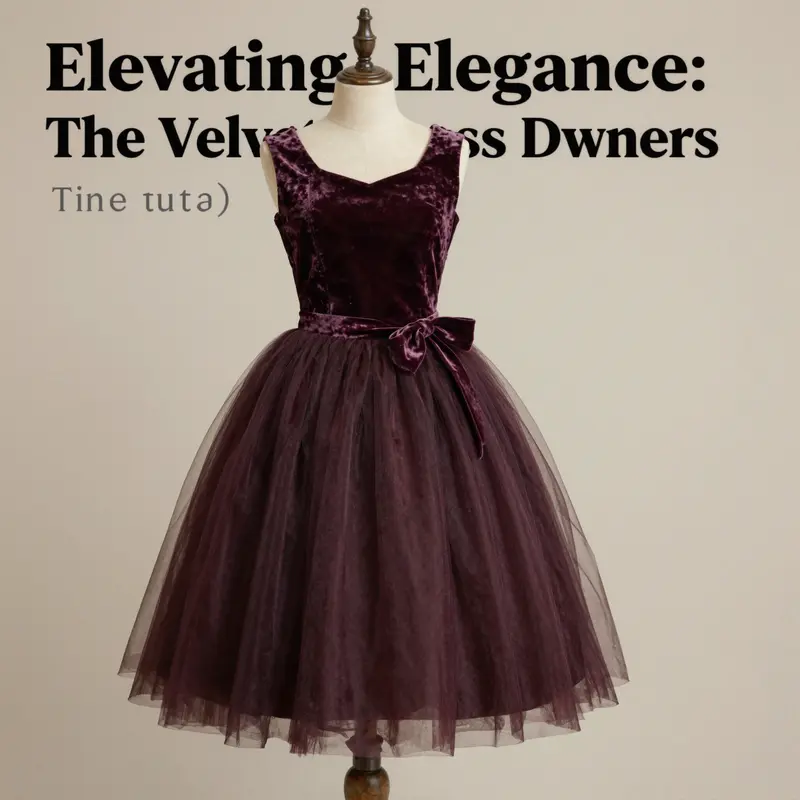
The velvet tutu dress merges luxurious texture with sophisticated design, making it a high-demand garment for various occasions ranging from formal events to ballet performances. This article aims to provide business owners with an in-depth understanding of the velvet tutu dress. Each chapter explores essential aspects—from its design features and practical applications to the construction materials that enhance performance and appeal. Furthermore, we’ll discuss current market trends and the dress’s cultural significance, equipping entrepreneurs with valuable insights on how to integrate this versatile garment into their collections or offerings, thereby meeting consumer needs and capitalizing on market opportunities.
Velvet and Veil: A Velvet Tutu Dress as Winter Gown and Stage Moment

Velvet has a way of turning room light into a soft, burnished glow. When the luxurious nap of velvet meets the airy buoyancy of a tutu, the garment becomes a quiet drama on the wearer. The velvet tutu dress marries two paradoxes: weight and lightness, warmth and movement, solidity and flutter. In winter celebrations, warmth and radiance walk hand in hand, and this silhouette offers both comfort and spectacle. The velvet bodice provides grounding color and structure, while the tulle skirt catches air and reveals the wearer’s steps with a shimmer of motion. Color palettes in jewel tones deepen the sense of ceremony, while a satin lining ensures a smooth, graceful drape that never sticks or stiffens. The layers of tulle are cut and stacked to balance fullness with ease of movement, so a spin feels effortless rather than encumbered.
The silhouette emphasizes a regal yet approachable line: a fitted bodice transitions to a layered skirt that sways with each gesture. The bodice may feature delicate darts or gentle boning to support posture, but the design keeps room for breath and the freedom to dance. A slight waist cinch or elasticized solution preserves comfort while maintaining the dress’s elegant silhouette. Ruffle trims or subtle piping can echo the movement of the skirt, catching light as the wearer turns, while embellishments—bows, crystals, or discreet embroidery—invite personalization without overwhelming the garment’s balance. In performance contexts, the velvet’s weight anchors the look, while the tutu’s air creates a halo of motion that reads beautifully from stage to audience.
The craft of the velvet tutu dress rests on thoughtful material choices and careful construction. Velvet holds warmth close to the body during chilly evenings, and its depth of color deepens as light shifts. The skirt’s tulle remains light, responsive to air, and shaped into a cascade of soft volume. Interaction between fabric and wearer becomes choreographic: small steps ripple the hem, spins lift the skirt into sweeping arcs, and pauses reveal the satin underlayer’s sheen. The result is a garment that feels timelessly romantic yet purposely modern, suitable for formal weddings, gala nights, or intimate holiday performances.
To reference a broader wardrobe, the velvet tutu dress can be paired with a refined cape for extra warmth, or with a delicate shawl to soften the neckline. The design invites a wearer to inhabit a character – perhaps a winter princess or a poised dancer – without losing comfort or ease of movement. In this way, the velvet tutu dress offers a balanced narrative of texture, silhouette, and motion that endures beyond a single event. It is a piece designed to glow under lights while remaining wearable day after day, season after season.
Velvet in Motion: The Velvet Tutu Dress as Ceremony, Stage, and Winter Glamour

In the hush of a winter evening, the velvet tutu dress occupies a space between ceremony and spectacle. It is a garment that seems to carry the resonance of formal occasions and the drama of the stage in a single, coherent silhouette. Velvet, with its dense pile and subtle directional sheen, catches light differently from the translucent dancewear that often accompanies a tutu. The result is a dress that remains visually intimate up close yet expansive from a distance, its velvet warmth a counterpoint to the cold air of a crowded ballroom or a proscenium-lit stage. This is not merely a costume; it is a crafted experience designed to honor a moment, to transform a wearer into a moving portrait of celebration and artistry. The velvet tutu dress embodies a generous contrast: the plush, grounded weight of velvet anchors the pastime of performance, while the tutu’s airy fullness lifts the spirit of the wearer toward the performance’s higher aims. It is a garment that respects tradition while welcoming contemporary elegance, a sartorial bridge that makes formal occasions feel both grand and approachable.
The practical appeal of this dress rests on a runway of design choices that respond to both aesthetics and lived experience. The velvet’s luxe texture brings a quiet radiance, a soft sheen that shifts with the wearer’s movement and the room’s light. In dimmed lighting, the fabric glows with warmth; under bright chandeliers, it gleams with a controlled luster that never looks garish. This is crucial for events where photographs will capture not just the dress but the mood of the room. Black-tie galas, winter weddings, and holiday festivities become stages where the velvet tutu dress performs as both costume and garment. It communicates refinement without appearing ostentatious, a balance that is particularly valued when the wearer will be seen in close family portraits as well as on a public red carpet of sorts. Layered materials often pair with velvet to tune both texture and movement. A lightweight satin lining ensures the dress glides against the skin, while a delicate layer of tulle can add necessary volume without compromising breathability. In many well-made versions, the designer integrates subtle reinforcement—soft interlinings in strategic places and carefully stitched seams that preserve the velvet’s nap as the wearer moves. The overall effect is a dress that reads as heirloom-like in photographs yet remains practical enough for hours of stage presence.
When we consider the practical applications of a velvet tutu dress, the picture broadens beyond the formal floor and the stage’s edge. For weddings, it can serve as a bridesmaid or flower girl option that elevates the ceremony’s mood with a regal, winter-appropriate aesthetic. The dress suits roles that require a poised, contemplative grace—moments when a young attendant steps into a memory-making scene and the velvet’s depth provides a sense of gravity that complements the ceremony’s solemnity. In gala or black-tie settings, the velvet tutu becomes a statement piece that signals both tradition and modernity. Its silhouette—full at the skirt, tailored at the bodice—offers a commanding presence that photographs well from every angle. The fullness of the tutu, in particular, can serve as a stage-friendly feature, enhancing the impact of choreographed entrances or slow, deliberate motions during a formal toast. The sense of drama is not about excess; it is about a controlled volume that frames the wearer with a soft, sculptural halo of velvet and tulle.
Performance spaces naturally draw a stronger case for the velvet tutu dress. The fabric’s weight helps anchor the costume during dynamic movement, reducing the risk of the skirt underperforming mid-routine. The dress can be built with performance considerations in mind: an adjustable lace-up front or elasticized waistbands, providing a customizable fit that respects a dancer’s changing needs during rehearsal and performance alike. Such features reduce distraction and help the wearer stay focused on expression and technique. Layering choices—black velvet with a contrasting red satin lining or nuanced combinations with pale tulle—offer the same balance of opulence and fluidity that keeps the dress from feeling heavy or restrictive. This is particularly important for younger performers who must balance the demands of choreography with the desire to maintain a sense of comfort and mobility. The design philosophy here prioritizes support without sacrificing the aesthetic—an alignment that makes the velvet tutu dress a practical instrument in the dancer’s wardrobe as well as a fashion statement.
The garment’s versatility also extends to more intimate settings, such as photo shoots and family celebrations. Photographers often seek outfits that tell a story with texture, light, and composition. The velvet tutu dress presents an ideal subject, imparting a mood of timeless elegance while staying visually striking in holiday portraits or milestone celebrations. The textural richness of velvet translates beautifully through lenses, while the tutu’s volume can be used to frame a subject’s posture, creating dynamic lines that lead the eye through the frame. In mother-daughter portraits, for instance, the pairing of velvet and tutu can evoke a sense of continuity and shared ceremony, a look that feels both contemporary and nostalgic. Styling for these moments tends toward clean, minimal accessories that allow the dress to speak for itself. Simple satin slippers or velvet flats, understated jewelry, and a neat hairstyle can all complement the dress without overpowering its inherent drama. The emphasis remains on balance: the goal is a cohesive image that feels deliberate and serene rather than crowded or chaotic.
Beyond weddings and portraits, the velvet tutu dress has a place in cultural and religious celebrations, especially in winter months when velvet’s warmth seems almost seasonally appropriate. Eid, Diwali, and Christmas gatherings benefit from attire that acknowledges the festive atmosphere with a sense of ceremony. In these contexts, the dress’s color palette—often rich jewel tones, deep blacks, or warm ambers—offers a versatile canvas for coordinating outerwear, accessories, and footwear. The dress’s warmth can be a practical blessing in cooler climates, where evenings outside or in cooled venues demand more substantial fabrics that still move with ease when indoors. In such settings, maintaining comfort is as important as maintaining appearance. Velvet’s insulating properties contribute to a comfortable experience, allowing the wearer to participate in long evenings without feeling chilled or overburdened by the fabric’s weight. Yet designers remain mindful of climate, avoiding overly dense combinations that could overwhelm the wearer in warmer venues or outdoor events during bright daylight.
Care and maintenance are the practical shadows that must accompany any piece of velvet couture. Velvet demands gentle handling to preserve its pile and the integrity of the color. Dry cleaning is commonly advised to prevent crushing the nap and to maintain the fabric’s luster over time. The ploof of the tutu—its most defining feature—must also be treated with care to keep its silhouette within the intended proportions. A properly stored velvet tutu dress should hang or lie flat with the skirt suspended around a form that supports the fullness without creating creases that are hard to remove. When traveling with such a gown, garment bags and careful packing help maintain the silhouette and ensure the nap remains plush rather than flattened. In the realm of care, the practical rules are simple but essential: keep the velvet clean, dry, and lightly pressed to resist crushing, and always handle the fabric with respect to its delicate pile. This approach ensures that the garment remains a source of confidence and elegance for many events, rather than a difficult piece to maintain.
As with any statement garment, styling remains crucial. The velvet tutu dress invites a minimalistic approach to accessories; the silhouette and texture carry most of the visual weight. Footwear, in particular, benefits from restraint. Satin or velvet flats align with the dress’s material language and preserve the line of the leg and the skirt’s movement. Jewelry tends toward simplicity—pearl studs, a slender pendant, or a small bracelet that echoes the dress’s color story without competing with the fabric’s natural drama. The overall effect is one of elegance that feels both grown-up and approachable, allowing the wearer to inhabit the moment fully rather than becoming overwhelmed by the ensemble.
For those seeking to explore more options in this category, a look at a broader professional range can illuminate how designers approach fit, durability, and performance-ready features. If you are a designer or a purchaser aiming to compare builds and silhouettes, consider perusing the professional tutu collection to observe how adjustable elements and layered fabrics translate into wearability across sizes and activities. Professional tutu collection offers a window into how professionals translate the velvet tutu’s dramatic potential into garments capable of withstanding repeated use on stage and in formal settings.
In sum, the velvet tutu dress stands as a rare synthesis of warmth, luxury, and movement. Its practical applications span the most ceremonial moments to the most choreographed performances, all while offering a visual richness that photographs and memories can hold onto long after the event ends. It is a garment that asks for attentive care, considered styling, and a respect for its own scale and texture. Yet when those elements align, the velvet tutu dress does more than clothe a wearer; it elevates the moment, turning an ordinary occasion into a remembered chapter—one that feels intimate yet expansive, traditional yet alive with contemporary grace. This is the essence of velvet in motion: a dress that delivers both warmth for winter and the luminous drama that makes every appearance feel rare and worth cherishing. External reference: Vogue’s velvet tutu dress style guide offers further perspectives on styling, fit, and the enduring appeal of this storied silhouette: https://www.vogue.com/article/velvet-tutu-dress-style-guide
Velvet in Motion: The Craft, Materials, and Precision Behind the Velvet Tutu Dress

A velvet tutu dress sits at a precise intersection of luxury and kinetic purpose. It is not merely a gown but a carefully choreographed balance of surface beauty, tactile comfort, and reliable performance. The velvet bodice catches light with a plush, buoyant glow that reads warm and regal, while the tutu skirt delivers the emphatic sculptural presence that makes a stage, a season, or a ceremony feel momentous. In winter settings its warmth becomes part of the design narrative, a practical feature that does not sacrifice movement or silhouette. The construction that yields this effect is a blend of material science, craft technique, and an understanding of how a young performer breathes, stretches, and dances through time. The result is a garment that performs as gracefully as it photographs, and it owes its success to every layer and seam that readers and wearers rarely notice at first glance.
At the heart of the velvet tutu dress is the velvet bodice. This is typically a high-quality velvet that blends at least 95 percent polyester with a touch of spandex or elastane. The stretch in this mix is not incidental. It supports a snug yet forgiving fit that moves with a child’s torso without pinching or restricting breathing. For cool venues or chilly winter performances, designers often add thermal linings or offer long sleeves and high necklines. The aim is to snow-proof warmth without dulling the garment’s ability to flex with leaps, twirls, and quick footwork. The fabric’s plush surface remains the visual anchor, but inside the bodice the structure is engineered to hold its shape under repeated motion. Breathable blends, such as a polyester-cotton mix in the lining, ensure air can circulate during extended wear. This combination is deliberate: it stabilizes the silhouette while mitigating overheating during vigorous activity. In performance-grade designs these considerations are not afterthoughts but foundational choices that determine how a child feels when she wears the piece for hours on end.
The tutu’s skirt is where lightness meets canopy. Constructed from multiple layers of tulle—often nylon or polyester-based—the skirt arrives as a volume that commands the eye while remaining surprisingly forgiving in motion. Layer count is a primary lever: four or more layers are common to achieve the desired buoyancy without creating stiffness. The use of fire-resistant tulle is not merely a compliance checkbox; it is a functional safety feature in dance or stage environments where materials are exposed to heat sources or friction. The interplay between the dense, velvet bodice and the airy drift of tulle creates a visual rhythm: a grounded torso anchored by a cloudlike skirt that sways with every extension. This tension between heft and airiness is where the garment earns its theatrical credibility. The choice of tulle color and finish—whether a soft, satin-tinted layer peeking through or a more modern treatment such as patterned tulle—can subtly alter how the silhouette reads under stage lighting. Designers often experiment with contrasts, such as a deep velvet bodice paired with lighter, translucent layers that catch light at different angles, creating a dynamic shimmer as the dancer enters and exits the space.
Fit and wearability are the daily realities behind the velvet tutu dress. Smocked or elasticized bodices provide a snug yet adaptable fit, embracing growth and the unpredictability of a child’s movements. This flexibility is quantified in practice as roughly twenty percent greater adaptability than rigid, non-stretch styles. The waistline is often reinforced with a practical waistband that secures the tutu’s fullness while allowing for adjustments. Some designs feature an adjustable lace-up front or a flexible elastic band, enabling a customizable fit that remains comfortable through hours of rehearsal and performance. The objective is a silhouette that flatters as the body shifts and extends, without creating pressure points that would distract from the dance or drama of a moment on stage. In addition to fit, attention to finish elevates the overall impression. Satin linings provide a smooth inner surface that reduces friction against the skin, while decorative touches—long puff sleeves, delicate ruffles, or star and snowflake motifs—offer festive personality without compromising movement.
Color and texture also serve performance logic. Velvet’s depth is enhanced when paired with tulle in complementary or contrasting hues. A deep navy velvet with charcoal or ivory tiers reads stately and modern, while black velvet shot through with red tulle can produce a striking ceremonial accent. For younger performers, designers balance drama with accessibility, choosing palettes and motifs that read clearly from the wings to the front row. The design can also incorporate practical features such as a breathable bodice lining that keeps the garment comfortable during extended wear, and a durable seam finish that withstands repeated laundering and the rough, dynamic life of a stage rehearsal. In practice, the most effective velvet tutu dresses are constructed with attention to seam integrity, edge finishing, and secure stitching that does not abrade the skin during high-energy movements. The result is a garment that holds its shape through performance, while still feeling soft and welcoming against the body.
From safety to sustainability, the technical specifications extend beyond aesthetics. Certified quality control systems such as CE, BV, and ISO are common in professional-grade tutu dresses, especially those designed for children and for use in demanding environments like ballet studios and theaters. Certifications signal that materials meet established safety and durability standards, giving guardians and instructors confidence in long-wear performance. The integration of fire-resistant tulle and heat-stable dyes further anchors the garment in the realm of reliability, ensuring colorfastness and structural integrity over time. These are not mere selling points but essential assurances for parents and educators selecting attire that will be worn during choreography, performances, and formal events. In environments with bright stage lighting and rapid motion, fabrics must respond predictably to heat, moisture, and physical stress; velvet’s resilience and the layered tutu’s buoyancy work in harmony to meet that expectation.
The technical design also embraces the practical realities of care and maintenance. Velvet can be delicate, so the inside-out approach to finishing helps preserve the exterior nap. The satin inner lining not only adds comfort but also helps contain the skirt’s volume during cleaning cycles. When washing is necessary, designers typically advocate gentle handling and air drying, preserving both the fabric’s luster and the tutu’s structure. The layering system—velvet bodice, satin lining, and multi-layer tulle—tolerates careful care routines that extend the garment’s lifespan. This attention to durability reflects a broader understanding of how young performers learn their craft: a dependable costume can boost confidence, encouraging focus on technique rather than on worries about wardrobe malfunctions.
The velvet tutu dress thus becomes a study in controlled opulence. Its material choices intersect with ergonomic thinking, ensuring warmth without overheating, fit that gracefully expands with growth, and a silhouette that reads on stage as both regal and athletic. It is no coincidence that such garments find homes across formal events and professional performances alike. The same principles that guide a dancer’s movement—balance, flexibility, and timing—inform the garment’s construction. When a dancer spins, the velvet absorbs and reflects light in a way that amplifies the choreography; when she lands from a leap, the layered tulle cushions the visual impact while sustaining the dress’s dramatic line. The result is a piece that respects the body’s needs and the audience’s expectations, creating a bridge between sculpture and choreography.
For designers and performers who seek a blend of performance-ready engineering with ceremonial elegance, the professional tutu category offers a useful reference point. It is less about a fixed template and more about a shared vocabulary of materials, finishes, and fit strategies that translate across productions and stages. To readers who want to explore how such projects translate into real garments, a practical sense of the options available in this milieu can be gained through curated design collections that emphasize versatility and endure. This approach makes the velvet tutu dress not a single seasonal statement but a durable tool for storytelling through movement. As the chapters of this article unfold, the thread that ties them together remains simple: a garment that respects the body, honors light and shadow, and stands up to the choreography of time.
External resource: https://www.alibaba.com/product-detail/BLL085-Dark-Blue-Velvet-Bodice-Tutu_1601753584523.html?spm=a2700.1.wiss-apisearch.1.1a7d4c5fGKpXJH&src=api-search-result
Velvet Tutu Dresses in 2026: Navigating the Duality of Luxury Texture and Dynamic Silhouette

A velvet tutu dress sits at a curious crossroads in contemporary couture. It is not merely a garment but a statement of texture and motion: the plush, light-reflecting depth of velvet tethered to the buoyant, choreographed volume of a tutu. In 2026, this fusion has moved from a theatrical exception to a considered option for formal events, stage performances, and elevated party wear. The appeal rests on a seamless dialogue between fabric and form, where velvet’s warmth and sheen counterpoint the tutu’s kinetic, centrifugal energy. This dialogue is not incidental; it mirrors a broader mood in fashion that prizes both strength and softness, structure and freedom, restraint and exuberance. The velvet tutu dress thus becomes a specimen of modernity—an embodiment of a new order that POP Trends describe as balancing opposites to enable multifaceted self-expression across varied settings and moments.
At first glance, velvet provides a natural gravitas. Its light-catching surface carries a depth that reads as regal, but the fabric’s performance is anything but rigid. Velvet holds shape with purposeful stiffness, yet it grants the wearer a surprising freedom of movement once the silhouette is designed with care. The tutu’s layers play a crucial counterpoint here. The skirt’s architecture creates volume and drama without sacrificing rhythm or legibility of line. The result is a garment that can anchor a formal event with a sense of ceremony while still allowing the wearer to move with ease, whether on a dance floor, a stage, or a grand stair at a wedding reception. This balance—between a plush, grounded texture and a light, animated silhouette—anchors the velvet tutu dress in contemporary wardrobes and performance wardrobes alike.
Designers are advancing this category through thoughtful material choices and construction details that respond to real-life needs. Velvet remains the focal point, but its success increasingly depends on how it integrates with supporting fabrics and structuring techniques. Layering remains pivotal: a black velvet shell may be paired with a lighter tulle or satin lining to balance opacity, breathability, and movement. In some lines, designers experiment with contrast trimming or subtle sheen through micro-weave fabrics, creating a tactile chessboard that emphasizes both durability and fluidity. Functional design elements—such as an adjustable lace-up front or an elasticized waist—allow for a customizable fit that keeps the look flattering through dynamic activities, whether a live performance or a ceremonial entrance. These features translate couture illusion into practical performance parameters, a bridging of high fashion and real-world wearability.
The silhouette itself also tells a story of modernity. Some velvet tutu dresses embrace a sculpted corset-inspired bodice that defines the waist with precision, while the skirt remains free enough to swirl and spin. This deliberate fusion—rigidity on top, pliable buoyancy below—echoes the season’s broader appetite for dualities. The wearer is invited to project strength and grace simultaneously, a resonance with the era’s insistence on diverse coexistence. In practice, such a look can be both commanding on a stage and enchanting at a formal gathering, making it adaptable to a spectrum of occasions that demand presence without compromising comfort.
Quality and safety continue to shape market expectations, especially for children’s wear and performance apparel. Certified products are increasingly highlighted across the supply chain, signaling adherence to safety standards and reliable construction. For anyone sourcing velvet tutu dresses for events that include young performers or guests, this emphasis on durable materials, appropriate weight distribution, and secure fastenings matters as much as style. The presence of robust inner linings, reinforced seams, and breathable layers helps ensure that a garment can withstand multiple wears without losing its silhouette or comfort. In a market driven by experience, longevity and reliability become integral to perceived value, not mere aftercare considerations.
Availability and access to velvet tutu dresses have evolved alongside consumer expectations. The past few seasons have underscored a shift toward more nuanced distribution strategies that blend traditional retail with digital discovery. Fashion hubs remain critical for sourcing and building a broad, cohesive assortment, while online platforms increasingly function as trend accelerators. Consumers now expect to see velvet tutu dresses presented as part of a complete look—an ensemble that pairs the gown with coordinated accessories, makeup concepts, and styling ideas—rather than as standalone pieces. This shift elevates the role of fashion storytelling in driving both desire and practical purchase decisions. A growing emphasis on “scene-specific” styling has made velvet tutu dresses appealing for events like formal galas and stage performances, where the total look matters as much as the fabric itself.
For buyers seeking depth in selection, a robust catalog exists that spans formal and performance-oriented variants. The professional tier of tutu dresses, designed with heavier wear in mind and built for consistent stage use, offers durable options that can stand up to repeated choreography and long wear. Those exploring such options can find dedicated offerings in the professional tutu category, where performance-grade construction, better moisture management, and reinforced fit are prioritized. Professional tutu category demonstrates how designers translate stage-ready requirements into wearable, elegant costumes that still honor the velvet’s luxe aesthetic. This approach helps bridge the needs of professional dancers, theater collectives, and serious event-goers who demand longevity without sacrificing style.
The market’s current vitality is inseparable from its channels of distribution. Large-scale trade events and venue markets continue to shape product availability, enabling brands to showcase performance-oriented features alongside couture-inspired finishes. At the same time, the growth of digital commerce, particularly on platforms that curate trend-driven content, has accelerated the speed with which velvet tutu dresses move from concept to consumer. Shoppers encounter these garments through story-driven imagery, styling videos, and live demonstrations that illustrate how the ensemble works in motion. In this context, a velvet tutu dress becomes less about static appearance and more about how the fabric, cut, and layers perform in real life — how light catches the velvet as a dancer pirouettes, or how the skirt maintains fullness without overwhelming small frames during a long ceremony.
The global appeal of velvet tutu dresses continues to expand. The aesthetic aligns with late-2020s sensibilities that favor bold, yet refined, statements. A future-inspired, retro-futuristic vocabulary—think metallic accents, sequining, and architectural lines—offers designers an expansive playground. This direction supports a broader market narrative: velvet can be both nostalgic and forward-looking, a garment that respects tradition while pushing the boundaries of contemporary dress codes for parties, performances, and red-carpet moments. It is a versatile language that speaks across regions, translating a shared appetite for drama and warmth into tangible products that can be produced and distributed worldwide. Production teams increasingly emphasize sustainable choices, with blends that balance the opulence of velvet with more responsible materials such as recycled textiles, helping to preserve the look and feel of luxury while addressing growing environmental concerns.
The market’s resilience and adaptability are reinforced by the enduring demand for festive, winter-appropriate attire. Velvet’s insulating properties make it especially suitable for colder seasons, turning winter events into opportunities to showcase both elegance and practicality. Worn properly, velvet tutu dresses can flatter a range of body types, presenting a silhouette that feels tailored and ceremonial without compromising comfort during long evenings or extended performances. The result is a garment that can function as a centerpiece for a formal wardrobe one season and as a standout stage costume the next, offering exceptional value for buyers who seek versatility and longevity in their investments.
As buyers look ahead, the strategy for velvet tutu dresses will hinge on curated assortments, transparent sizing, and a responsive supply chain. The emphasis on premium materials—velvet, microfiber, and responsibly sourced trims—will persist, while modular design ideas will help maintain fit integrity across sizes and activity levels. Consumers appreciate visibility into sizing charts, fabric composition, and care guidance, which in turn reduces returns and builds loyalty. The narrative around these dresses is shifting from mere aesthetics to a holistic consumer journey: ethical sourcing, quality assurance, and a clear sense of how a garment performs both on and off the stage.
External resource: trend and consumer insights for 2026 provide a complementary perspective on how this category fits into larger fashion movements. For a broader view of the current season’s consumer consumption patterns and scene-building practices, see the recent trend report from a leading short-video commerce platform: https://www.tiktok.com/@tiktokshop/trend-report-2026-spring-summer. This resource helps contextualize how velvet tutu dresses are positioned within complete styling narratives and how retailers and creators leverage integrated makeup and styling to drive interest and purchase intent.
Velvet, Performance, and Ceremony: The Velvet Tutu Dress as a Cultural Emblem of Celebration
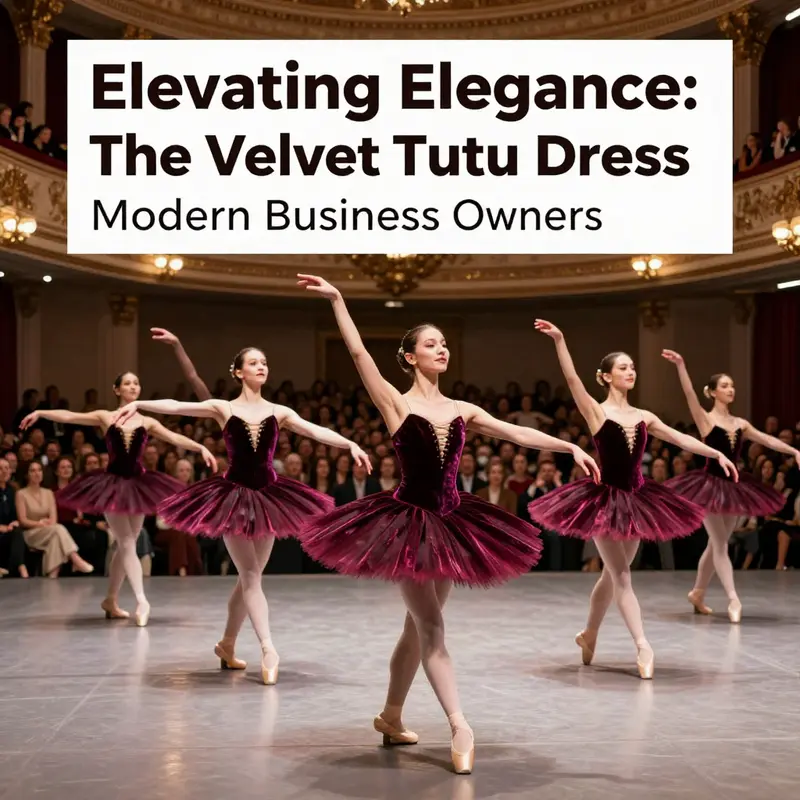
The velvet tutu dress sits at a curious crossroads where luxury fabric, performative movement, and social ritual meet. It is more than a garment; it is a statement that signals belonging to a tradition of celebration while inviting personal expression within that tradition. In winter light, the plush pile of velvet catches and refracts glow, inviting a gaze that lingers a moment longer on the silhouette—an elevated balance between warmth and transparency, substance and air. This balance is not accidental. It is the result of a long cultural conversation about dress as a language—a language that velvet has spoken for centuries, and the tutu has spoken with its iconic, buoyant volume. When these two elements converge in a velvet tutu dress, the wearer is negotiating a role: refined, festive, and mobile, capable of a poised stillness for a portrait and a clear, unimpeded line for a leap, a spin, or a stage bow.
That opposition between opulence and ease is at the heart of the garment’s social meaning. Velvet’s aura of wealth is not merely about shine; it is about the way the fabric seems to archive memory in its own fibers. From ancient civilizations where textiles signaled status to Renaissance courts where velvet gowns proclaimed dynastic prestige, the fabric has been a visual shorthand for ceremonial gravity. The tutu, with its layered circumference, carries kinetic poetry—the skirt that can swirl into a galaxy of black, red, or ivory, depending on the chosen lining. Together, velvet and tutu confer a sense of ceremony that is at once timeless and deliberately contemporary. The result is a dress that can anchor a formal photograph, embellish a winter gala, or serve as the center of a recital where music and movement reveal a narrative of growth, discipline, and grace.
In the modern lexicon of fashion, the velvet tutu dress often travels beyond ballrooms and catwalks into the intimate arena of personal identity and familial rituals. Its presence at birthday parties, recitals, or holiday gatherings marks these occasions with a heightened sense of importance. Velvet’s texture—a tactile invitation to linger—enhances the social aura of the moment. The dress is photogenic not only because of the light-catching surface but because its silhouette is a familiar emblem of control and elegance: a high waist that elongates the torso, a structured bodice that suggests formality, and a skirt that translates motion into a choreographed sculpture. This visual grammar supports a wearer’s confidence, allowing them to meet a room’s gaze with poise and a smile that acknowledges the importance of the occasion without surrendering spontaneity.
The social significance travels through generations. In family albums, a velvet tutu dress can become a keepsake that marks a milestone—an early recital, a kindergarten graduation, a first formal photo shoot. The choice of color in velvet compounds the emotion: a deep, mysterious black for a sense of grown-up glamour; or a rich, festive burgundy or midnight blue that aligns with winter festivities or a formal wedding guest ensemble. Layering materials—velvet with lightweight tulle, or velvet with satin lining—creates a balance of warmth and breathability that makes the dress suitable for long ceremonies and intricate choreography. The result is a piece that remains comfortable under performance lights and in cool venues, yet always visually commanding enough to be a memorable frame in a family album.
This cultural resonance is not limited to one geography or one era. The aesthetic of the velvet tutu dress echoes through what fashion historians might describe as a French haute sensibility: the elegance of a high-waisted, slender silhouette married to meticulous craft. In contemporary wardrobes, this fusion resonates with the broader cultural longing for garments that marry tradition and individuality. The wearer is invited to honor the past while presenting a present-tense version of themselves—an act of self-definition performed through fabric, cut, and movement. That resonance is precisely why the velvet tutu dress appears in performance settings and social ceremonies alike: it makes visible the inner life of the wearer as much as the event surrounding them.
When education and ceremony intersect, the velvet tutu dress takes on an especially poignant role. In contexts such as kindergarten graduations or school recitals, the garment becomes a ritual garment that signals transition rather than arrival. It marks the moment one chapter closes and another opens, all within the same swirl of fabric. The dress’s layered skirt duration mirrors the passage of time—its fullness gradually revealing the wearer’s development, its color or lining choices hinting at evolving taste. The act of wearing velvet in these settings shifts perception: the child or young performer moves from being seen as a student to being recognized as a rising performer with a defined presence. The velvet’s warmth also offers practical value in cool school auditoriums, where comfort supports longer moments of performance and photographs that families will revisit again and again.
From a design perspective, the velvet tutu dress is crafted to honor movement as much as form. Adjustable lace-up fronts or elasticized waists allow for a customizable fit, ensuring that the garment accommodates dynamic activities without sacrificing line. The interplay of black velvet with subtle accents—perhaps a hint of red tulle edging or satin linings—creates contrast without competing with the wearer’s expressions. The sum effect is a garment that performs as gracefully as a dancer and photographs as confidently as a portrait. This careful engineering reflects a broader cultural expectation: that ceremonial fashion should honor both beauty and practicality, offering a sense of ceremony without compromising ease of motion on stage or on the dance floor.
It is also essential to acknowledge the social ecology that surrounds velvet as a garment of distinction. Its association with ceremonial life dovetails with contemporary fashion’s interest in “couture for the everyday,” where a formal silhouette is capable of translating into social events such as red-carpet appearances or formal weddings. Yet within families and communities, the velvet tutu dress often travels with a different script—the script of a rite of passage that is personal rather than purely public. Theatrical and social contexts alike reward a balance of classic form and personal charm. The velvet tutu dress becomes a canvas for identity, allowing wearers to express their tastes through subtle embellishments or through the choice of color and trim that align with a particular celebration or family tradition. In this sense, the garment is not simply clothing; it is a cultural instrument, shaping how a person presents themselves to the world and how the world recognizes them in moments that matter.
For those exploring ceremonial options within a family or school setting, deeper exploration into related themes can be found in contexts such as the Graduation Ball category, which groups pieces designed for milestone events and formal photos. Graduation Ball category offers a sense of how similar silhouettes translate across different ceremonial occasions while preserving the velvet tutu dress’s essential balance of grandeur and practicality. This interconnection demonstrates how a single garment can anchor a family’s visual memory across a sequence of moments, from first performances to final graduation photos.
Viewed through this cultural lens, the velvet tutu dress becomes more than an item of clothing. It is a cultural artifact that carries stories of celebration, discipline, and belonging. It embodies a social contract: to honor the occasion with elegance while staying true to personal expression. The velvet’s glow, the skirt’s generous sweep, and the thoughtful construction together transform ordinary events into rituals worth remembering. And as fashion discourse continues to thread classic craft with modern freedom, the velvet tutu dress remains a steadfast symbol of how beauty, craft, and ceremony cohere to mark the milestones that define a life in performance, learning, and shared joy. For a broader sense of velvet’s enduring appeal in fashion, see this external reflection on velvet’s place in contemporary style: Vogue article.
Final thoughts
The velvet tutu dress stands as an embodiment of elegance and versatility in the fashion industry. Its combination of luxurious materials, practical usage across domains, and deep cultural significance makes it a worthy addition to any retailer’s inventory. As trends continue to evolve, understanding these key aspects becomes crucial for business owners looking to capitalize on consumer demand. By incorporating high-quality velvet tutu dresses into your offerings, you can not only cater to a diverse clientele but also embrace and promote the art of garment-making rooted in tradition and sophistication.