
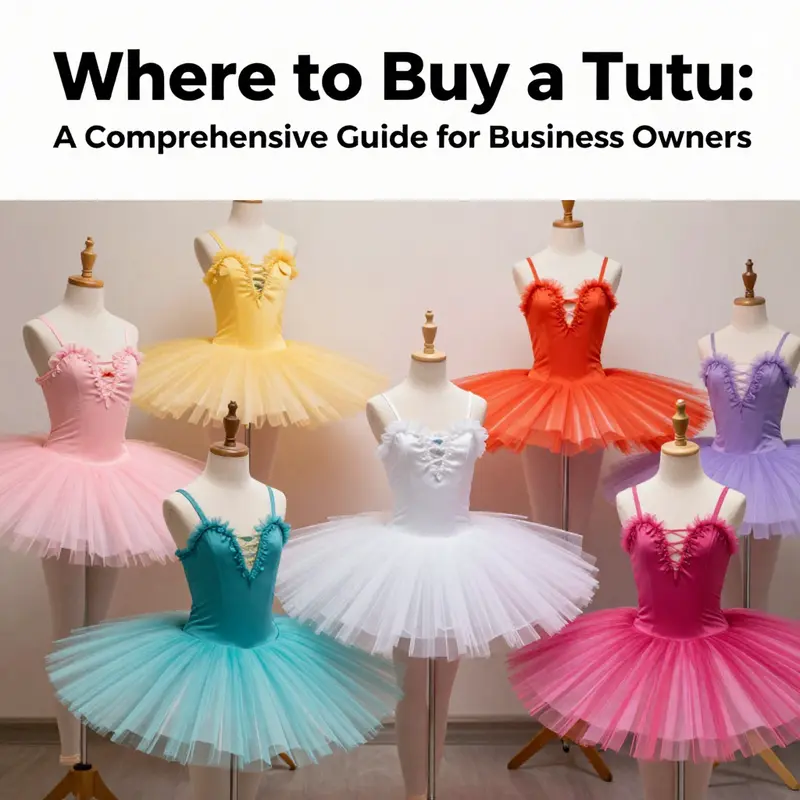
In the fashion and dance industry, the demand for tutus is perpetually high, spanning various markets from children’s ballet classes to themed party supplies. For business owners seeking to stock up on this versatile garment, knowing where to purchase tutus is crucial. This article details three key areas: popular retailers and marketplaces, options for custom and handmade designs, and wholesale opportunities for bulk orders. Each section is tailored to offer insights into maximizing your procurement strategy, ensuring you can acquire tutus that suit both your budget and your customers’ preferences.
null
null
Choosing Custom and Handmade Tutus: Where to Find Tailored Craftsmanship
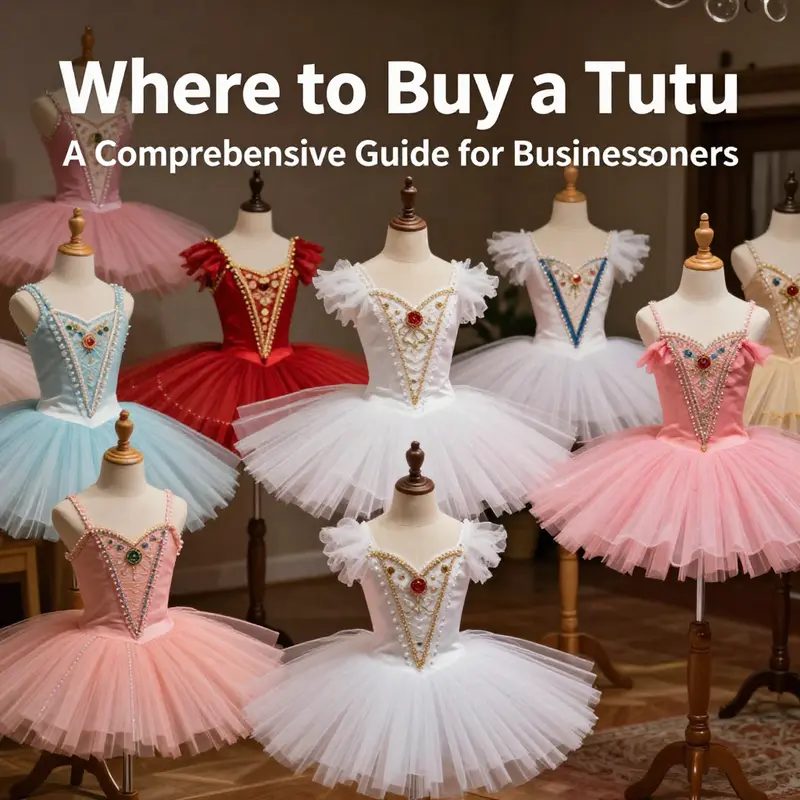
When you set out to buy a tutu with a clear idea of fit, finish, or a custom flourish, your search shifts from mass-market racks to places where hands, small teams, and specialized factories shape fabric and tulle into something personal. There are distinct channels that serve different needs: scalable custom production that can handle technical additions and private labels, and artisanal makers who craft single, one-of-a-kind pieces. Understanding how each channel operates helps you choose the right source for your stage, wedding, cosplay, or keepsake piece.
Start by picturing the outcome you want. Do you need dozens of identical tutus for a dance company, a handful of matched costumes for a wedding party, or a single statement piece with hand-stitched embellishment? The answer directs you toward either a manufacturing partner or an independent maker. Custom production channels excel when you require repeatable quality across multiple items, precise technical specifications, and options for branding. Independent artisans shine when fit, unique detailing, and the tactile character of handwork matter most.
One practical path to bespoke tutus is connecting with manufacturers who specialize in custom apparel. These partners can adapt patterns, source materials at scale, and integrate features you might not find elsewhere. For example, a factory accustomed to performance wear can produce a tutu with stretch panels, reinforced waistbands, and secure attachment points for lighting or accessories. They can also offer finishes that withstand repeated laundering and rigorous stage use. These suppliers typically accept requests for material swaps, color-matching, and pattern adjustments. If you want LED-illuminated skirts or integrated performance wiring, a manufacturing partner is more likely to have the technical experience to embed those systems reliably.
When working with production partners, set expectations early around minimum order quantities. Factories often require a number of units to make a run cost-effective. If you plan to order in larger quantities, ask about private-label options, packaging, and quality control procedures. Requesting a sample before full production prevents costly mistakes. A prototype gives you the chance to test fit, color fidelity, and construction details under real conditions. If adjustments are needed, iterate with the maker and confirm changes in writing. Clear communication about timelines is crucial, since custom runs may involve lead times for sourcing materials, cutting, sewing, and finishing.
On the other end of the spectrum, independent makers and small studios offer a different value proposition. Many artisans start from a place of deep craft knowledge. They understand how weight, stiffness, and layering affect a tutu’s shape and movement. They often cut and assemble pieces by hand, which allows for custom fits tailored to unique body measurements. This talent is particularly valuable when a tutu must complement bespoke tailoring or when the wearer requires an exact fit for comfort and confidence on stage.
Handmade tutus tend to emphasize fabrics and finishes that feel luxurious up close. Makers can recommend the best types of tulle, netting, and lining for your purpose. They can also propose construction choices—like hand-stitched hems, reinforced seams, or hidden elastic channels—that improve durability without compromising aesthetic. If your event calls for subtle hand-beading, embroidery, or applique, a studio or independent seamstress can incorporate those details with care. Because they work in smaller batches, artisans are also more likely to offer flexible sizing adjustments and last-minute tweaks that larger suppliers cannot accommodate.
A key advantage of buying handmade is the direct relationship with your maker. Conversations about fabric weight, waistband comfort, and silhouette become collaborative. You can share reference images and receive professional advice on how those elements translate into a functioning costume. Makers often document the process, giving you insight into timelines and allowing you to approve materials before construction. This transparency reduces surprises and builds confidence in the final product.
Where should you look first? Marketplaces geared toward crafted and design-focused goods remain a reliable source of artisans. They let you filter by location, maker reviews, and product type. Through a well-curated platform you can compare styles, see completed projects, and read buyer feedback. When browsing, prioritize listings that show multiple photos, close-up details, and descriptions of materials and construction methods. Reviews that mention fit, responsiveness, and shipping reliability offer real-world evidence of the maker’s consistency.
If your aim is a blend of both worlds—unique design with reliable production—a hybrid approach works well. Start by developing a detailed brief: specify measurements, desired fullness, approximate weight, and any technical requirements such as pockets or lighting. Share reference images that show front, back, and side silhouettes. Then, seek a maker or small studio capable of producing a high-quality sample. Once the prototype meets your expectations, you can scale up with a manufacturing partner who replicates the approved pattern. This path ensures the artistry of a handmade sample translates into consistent results across a larger run.
Always factor in lead time and shipping. Handmade items typically require more time because of their labor-intensive processes. Discuss deadlines with your maker early. If your timeline is tight, ask whether expedited options exist and what additional costs apply. Custom production suppliers also require planning; sourcing specific fabrics, manufacturing LED components, or producing unique trims can add weeks to the schedule.
Quality control is non-negotiable, regardless of the channel you choose. For custom factories, request a pre-production sample or small pilot run. Inspect stitching, seam allowances, and material consistency. Verify that special features—if present—operate under performance conditions. For handmade pieces, examine photos of the maker’s previous work and ask for a progress update during construction. If possible, arrange a fit session, either in person or via a video call, so the maker can advise on posture and how the tutu moves during critical steps.
Cost expectations differ between channels. Custom manufacturing benefits from economies of scale; larger orders reduce per-unit costs but raise the initial investment. Handmade tutus command higher per-piece prices because of labor intensity and bespoke finishes. Set a realistic budget that accounts not only for the tutu itself but also for alterations, shipping, customs duties, and any additional fittings.
Material choices influence both look and wear. Stiff tulle creates a classic, pancake silhouette suited to classical ballet or formal photography. Softer, layered tulle produces movement and a romantic feel, ideal for contemporary dance or casual wear. Consider lining and waistband materials for comfort. A well-chosen lining prevents itch and abrasion under bright stage lights. Elastic bands with gentle recovery maintain fit without pinching. Discuss fiber content and fabric care with sellers—some tulle compositions withstand rigorous cleaning better than others.
If your tutu must perform under stage conditions, test costume visibility, breathability, and comfort under lights. LED or light-up features require additional planning. Ensure wiring is contained and insulated. Confirm battery packs are secure and easy to access for quick changes. Discuss the safety of integrated electronics before committing to a purchase. Whether you commission a maker or a factory, insist on clear documentation about how to operate and maintain electrical components.
Shipping and customs can shape your provider choice. Buying from local artisans reduces shipping time and avoids import complexities. If you work with international manufacturers, be ready for customs declarations, potential tariffs, and longer delivery windows. Clarify who handles duties and taxes. For urgent events, local suppliers and makers often provide the fastest solution.
Proof of credibility matters. Ask for references or portfolios. Reputable makers welcome questions and offer detailed answers about materials and process. For factories, request certifications or factory photos and ask about compliance with worker and safety standards. If you can, request a factory audit or choose partners recommended by other buyers in your community.
When you find a good maker or production partner, document every choice. Create a design brief that covers measurements, fabric swatches, color codes, acceptable tolerances, and finish photographs. Include a sign-off process for samples and a clear contract that spells out delivery dates, payment terms, and returns policies. This documentation becomes your protection if anything goes wrong and helps ensure the final product matches your vision.
There are practical details that often get overlooked. Measure carefully, and do so at the end of the day when your body is at typical size. Bring the shoes or undergarments you will wear with the tutu to any fitting. If the tutu must match other garments, send swatches or reference items to the maker for color matching. For performance teams, create a single spec sheet to distribute to designers to ensure uniformity across all costumes.
Finally, think about longevity. If the tutu will see repeated wear, request reinforced seams, sturdy waistbands, and construction techniques that allow for repairs. Ask your maker or manufacturer whether additional layers can be replaced without reconstructing the whole piece. For heirloom pieces, consider preservation techniques and proper storage.
Whether you choose a scale-minded factory or a hands-on artisan, buying a custom or handmade tutu should feel like a partnership. Transparency, clear briefs, and active communication turn ideas into garments that look and perform as intended. If you want to browse professional-grade designs to compare styles and construction before you commit to a custom maker, review the professional tutu collection maintained by a specialist studio here: https://luneballet.com/product-category/professional-tutu/. And for sourcing custom production with advanced features and scalable runs, consider reviewing options on this supplier platform: https://www.alibaba.com/product-detail/2025-New-Style-Europe-Style-Rainbow_1600493277712.html
Choose the path that matches your priorities. If uniqueness and handcrafting matter most, prioritize an artisan who listens and iterates. If you need consistent reproductions with technical features, partner with a factory that provides samples and clear quality control. In both cases, invest time in measuring, specifying, and reviewing samples. A well-planned process delivers a tutu that meets your aesthetic needs and withstands the demands of the occasion.
Sourcing Tutus in Bulk: Navigating Wholesale Pathways for Retailers, Events, and Custom Creations
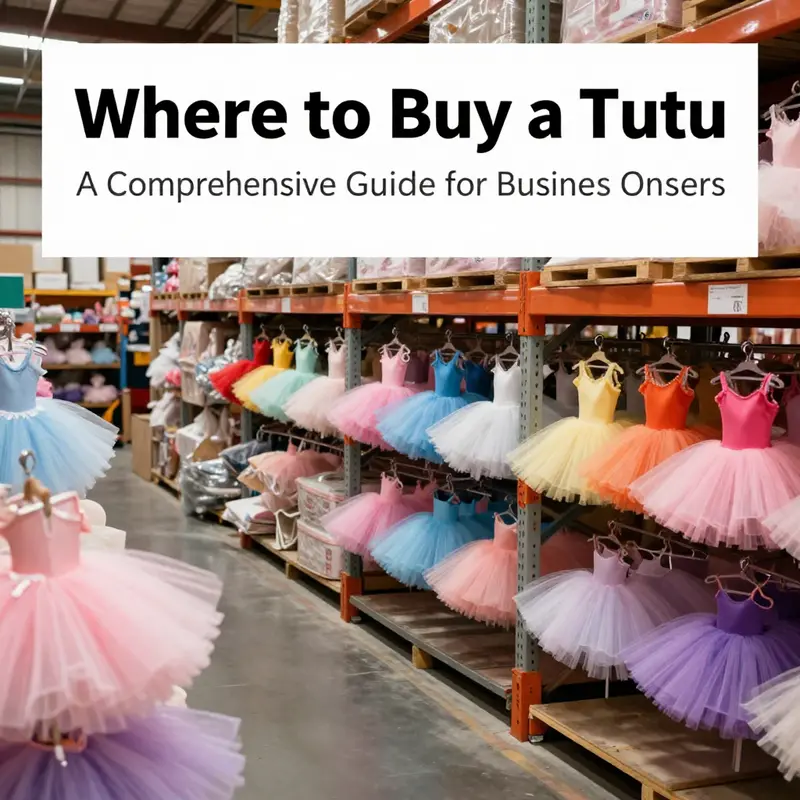
Buying a tutu in bulk is less about impulse shopping and more about aligning a supplier’s capabilities with your exact needs. The journey from a single, showroom-ready piece to a reliable stream of wholesale skirts, sets, and costumes is shaped by how you assess quality, size, customization, and logistics. When you step into wholesale channels, you’re not just acquiring fabric and tulle; you’re curating a consistent experience for your customers, or for the event calendar you support, whether that calendar runs every weekend for a dance studio, a school theater program, or a boutique that dresses cosplayers and party-goers. The process benefits from clarity, patience, and a willingness to pilot a few pieces before expanding the order. In this chapter, we map a practical path through wholesale avenues, emphasizing the questions to ask, the signals that separate dependable partners from riskier options, and the ways to balance cost with performance so you can plan for seasonality, branding, and customer satisfaction without sacrificing speed or reliability.
Wholesale is, at its core, negotiation with a purpose. You’re negotiating on price per unit, minimum order quantities, customization options, and the terms that govern delivery and after-sales support. Yet wholesale is also a negotiation with expectations. A bulk order isn’t merely a larger version of a single purchase; it’s a commitment to a certain standard of fabric, finish, sizing, and consistency across many units. The first step is to translate what you need into a set of concrete, testable criteria. Size ranges matter. Tutus destined for dance studios often require precise waist measurements and a controlled distribution of layers to maintain fullness without sacrificing comfort. For party or event use, you may prioritize vivid color options, easy care, and reliable labeling for safety or branding. For cosplay or themed productions, customization—such as color palettes, layer counts, and even LED features—becomes a decisive factor. When you create a clear brief, you unlock a wider range of wholesale sources that can meet those briefs with greater predictability.
A robust wholesale path usually begins with a broad survey of marketplaces and manufacturers that specialize in bulk orders. These platforms vary in how they present options, the kinds of guarantees they offer, and the level of support you can expect in the early stages of your relationship. Some suppliers list a handful of standard tutu styles that are well-suited to mass production—multi-layer tulle designs with elastic waists for quick sizing, lightweight skirts that move gracefully for performances, and child-friendly palettes that photograph well under stage lighting. Others entice buyers with more specialized lines, including character-inspired motifs, color-block sets, or themes that align with seasonal events. The common thread across these options is the ability to reach out for samples, request a production run, and negotiate MOQs that fit your business scale. Importantly, wholesale sources often offer a range of fabrics—from classic, breathable polyester tulle to blends that emphasize sheen and drape. The choice of fabric is more than a matter of cost; it influences wearability, ease of cleaning, and how the tutu holds its shape during hours of rehearsal or a long event.
Lead times are a practical reality you’ll encounter in bulk purchasing. A factory audit, a preproduction sample, and then full-scale production can stretch across days, weeks, or even months, depending on the complexity of your order and the supplier’s capacity. If your calendar is tight, look for suppliers that can accommodate rush production, while understanding that rush orders often incur premiums or higher MOQs. For those who operate with seasonal bursts—back-to-school dance programs, recital seasons, or festival periods—building a small, recurring order system with your supplier can smooth demand and simplify reordering. A reliable partner will offer transparent timelines, provide updates on progress, and proactively communicate any potential delays. It’s also wise to discuss packaging standards. Uniform, protective packaging preserves the tutu’s silhouette and color during transit. Clear labeling, care instructions, and size markers inside each package help avoid confusion for buyers and end users alike. The practical details, saved in advance, can spare you from returns, mis-shipments, or customer dissatisfaction after the fact.
With bulk supply, a key advantage is the potential to tailor the offering to your audience. Customization is more accessible in wholesale settings than many buyers expect. You can often negotiate color options, the number of tulle layers, and the waist measurement range you want to cover. Some suppliers offer options for custom packaging or branding—an attractive feature if you’re building a studio’s identity or a retail display that showcases a consistent look across all your tutu products. The most common customization leverages sizing, color, and layer counts. For a bulk order, you might specify a 5-layer tutu in a given color family for a school recital, or a 3-layer version with a particular waist size distribution for a classroom rotation. Custom sizing is not always a non-starter; many factories will accommodate a range of measurements with a single SKU, which helps you manage inventory without inflating MOQs. In practice, you’ll often hear about “one size fits most” waists with elastic bands, but for bulk orders—especially when you’re serving a varied group of performers or customers—having a few explicit size categories helps keep fulfillment precise.
Quality is the touchstone of wholesale success. The scale of a wholesale operation means that defects can impact more lives quickly. To manage this, discuss pre-production samples, inspection standards, and return policies upfront. A responsible supplier will typically offer a pre-production sample for approval and provide a clear path for testing fabric sturdiness, stitching integrity, and the overall silhouette. In many cases, a 7-day sample support window is a practical benchmark; it offers a chance to examine fit, color consistency, and fabric behavior under motion. If you’re buying for performances, you’ll want to test the tutu in motion, not just as a rigid flat artifact. A well-made tutu should hold its shape when the dancer spins or leaps, maintain fullness without becoming bulky, and stay comfortable for hours of wear. Look for stitching that is even, seams that lie flat, and waistbands that do not roll or pinch. These details—though small—have outsized effects on the performance or display quality of your end product.
Beyond the fabric and construction, the business terms you negotiate shape the long-term viability of wholesale purchases. Consider MOQs carefully. Some suppliers offer surprisingly low MOQs for entry orders, sometimes as small as a couple of pieces, which is ideal for boutique shops testing the market or for small studios evaluating a recital program. Others may require larger commitments to justify production runs or to access certain colors or customization features. A thoughtful approach is to start small, gauge demand, and then scale up as your forecasting and inventory control improve. In addition to MOQs, payment terms can influence cash flow. Net terms, partial payments, or escrow protections can ease the financial stress of larger buys. It’s prudent to discuss these terms at the outset and to document them in a simple, mutually understood agreement. A supplier that offers clear, fair terms and provides a straightforward mechanism for order modifications, cancellations, and returns is a partner you’ll want to keep.
The logistics of bulk orders are rarely glamorous, but they are essential. Shipping arrangements, whether by air, sea, or courier, carry cost and risk in proportion to the order size. For international orders, duties, taxes, and customs clearance can become a web of complexity. A responsible wholesale partner will help you estimate landed costs, offer packaging that minimizes damage in transit, and provide tracking at multiple points in the journey. You might also consider warehousing options if you manage a large inventory. Some suppliers support drop-shipping or consignment arrangements for studios or events that require a steady rotation of tutus without tying up capital in stock. If branding is part of your strategy, discuss whether you want the option to apply your own labels or packaging as part of the wholesale program. The confluence of packaging, branding, and efficient delivery can elevate a bulk purchase from a basic cost item to a genuine competitive advantage for your business.
Amid all the practicalities, you should always assess the supplier’s reliability and safety credentials. Safety standards matter, particularly for children’s wear that may be worn during vigorous activity. You’ll want to confirm that the materials meet basic safety guidelines, that the construction avoids small choking hazards in trim or accessories, and that care labels are accurate and durable. A strong wholesale partner will also provide a path for post-purchase support, whether that’s guidance on cleaning and maintenance, a straightforward process for returns or exchanges, or a channel for reporting issues with a batch. The peace of mind that comes with dependable after-sales support can save time and tension as you scale your orders. The right partner makes it possible to balance cost with confidence, so you can promise consistent performance to performers and consistent value to customers.
If you’re building a long-run sourcing strategy, think about the broader ecosystem of your business. Wholesale sourcing isn’t only about the tutu you place in a cart; it’s about the relationships you cultivate with suppliers who can grow with you. A steady supply of well-made tutus helps a studio maintain calendars, a retailer maintain shelves, and an event organizer deliver on a theme with less friction. This alignment is particularly important when you’re coordinating multiple color stories, sizes, or performance dates. You might discover that some suppliers excel at plain, high-volume basics, while others are adept at corner-case colors, special layer configurations, or branded packaging. Your job is to curate a mix that covers your anticipated demand while preserving the flexibility to adapt to unexpected orders or last-minute shifts in your calendar. In practice, that means drafting a simple, scalable purchasing plan and building a portfolio of supplier relationships that you can stagger by season, color family, or design intent.
To keep this narrative grounded in practical steps, imagine you’re preparing to place a first bulk order for a recital season. You begin by listing target colors and sizes, prioritizing a core set that covers most of your performers while identifying a couple of accent hues for variety. You request pre-production samples in the core combinations, evaluate motion with dancers, and assess how the color holds under stage lighting. You compare the estimates for a few potential suppliers, accounting for MOQs, unit costs, and landed costs. You also request a clear outline of the return policy and what happens if a lot arrives with minor defects. You might negotiate a modest lead-time buffer in exchange for better pricing or more favorable terms. As you proceed, you document every decision: the fabric profile, the exact layer count, the waist adjustability method, the sample outcomes, and the final pricing and terms. When the order is confirmed, you monitor production milestones with regular updates and maintain open lines of communication for any deviations, such as a color variation or a sizing adjustment. Over time, this disciplined approach pays dividends: fewer surprises, steadier inventory, and more predictable revenue.
If you’re exploring wholesale sources in a broader sense, you’ll encounter platforms that specialize in bulk orders across many garment categories. While these marketplaces can be a valuable starting point to gauge what’s possible, the true value emerges when you align a supplier’s capabilities with your specific tutu requirements—color families, layer counts, sizes, and branding needs—then verify these commitments through samples and small pilots before ramping up. The relationship here matters as much as the product. A reliable partner will keep you informed, honor your agreed terms, and treat quality as a non-negotiable aspect of every transaction. In that sense, wholesale sourcing becomes less about chasing the lowest price and more about cultivating a dependable supply chain that can respond to workshops, performances, and celebrations with equal reliability.
For readers seeking an additional lens on wholesale options, it can help to view the compartmentalized world of tutu categories as a living catalog rather than a static inventory. A well-curated line can include basic tutus that form the backbone of many wardrobes, romantic or romantic-inspired interpretations that suit formal recital scenes, or more theatrical designs for storytelling performances. The ongoing conversation with your supplier should focus on how to maintain a cohesive line while preserving the ability to adapt to new themes, seasons, and client expectations. This dynamic approach makes wholesale sourcing an ongoing collaboration rather than a one-off transaction. If you want to explore a practical entry point that centers on foundational tutu styles, you can browse the basic tutu category for a sense of the standard silhouette and construction that many wholesalers use as the kernel of larger lines.
For convenience, think of a basic tutu as the starting point and the wholesale channel as the extended runway. The basic tutu provides a dependable baseline—versatile, easy to tailor, and widely compatible with different bodices, costumes, and accessories. When you add wholesale capacity, you unlock the possibility of expanding your assortment, offering more colors, more sizes, and more theme-driven options without sacrificing the efficiency that bulk orders demand. Remember that wholesale is a long game. It rewards thorough planning, rigorous testing, and steady communication more than it rewards a single big purchase. The payoff is a resilient supply chain: a predictable product that performers can rely on, event planners can count on, and customers can enjoy with confidence.
In closing, the wholesale route for tutus is a landscape of opportunity tempered by prudence. The right partner can reduce your total cost of ownership while elevating the end-user experience through quality, consistency, and dependable delivery. From MOQs and customization to samples and after-sales support, every element plays a role in shaping how smoothly you can execute a season’s worth of performances or a year’s worth of fashion moments. When you prepare with a clear brief, a willingness to pilot, and a strategy for scaling, wholesale sourcing becomes less about risk management and more about growth enablement. And as you build your catalog, keep a single guiding principle in view: every tutu you place into a client’s hands should feel as confident as the dancer who will wear it, both on stage and in celebration. To help ground this exploration in a concrete starting point, consider exploring the basic tutu category as a practical reference for standard silhouettes, sizing, and finishes that frequently underpin wholesale offerings. basic tutu collection.
External resource: For a broad survey of wholesale tutu suppliers and options across regions, a leading global marketplace for bulk apparel offers extensive listings and buyer protections that can accelerate your initial vetting and negotiation process. You can explore it here: https://www.alibaba.com
Final thoughts
Understanding where to buy tutus is pivotal for business owners in the fashion and dance sectors. By exploring popular retailers, unique custom options, and wholesale suppliers, you can effectively source the products that best meet your customers’ needs. Whether you’re aiming to provide affordable tutus for young dancers or seeking high-quality handmade pieces for special occasions, each avenue offers valuable opportunities. Equip your business with the right stock and keep up with the demands of this ever-evolving market.