
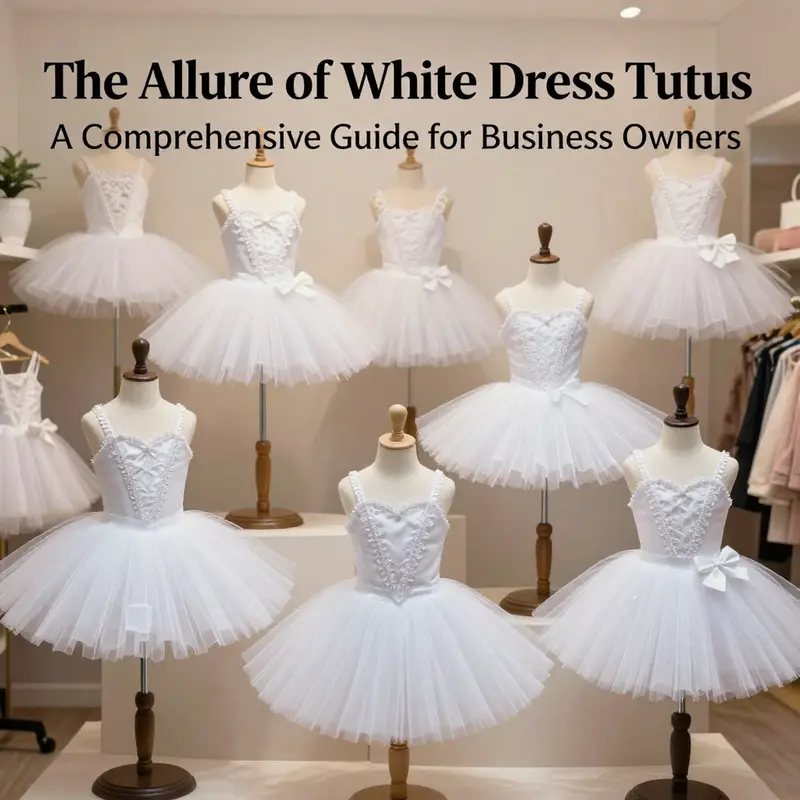
The white dress tutu is a timeless garment that transcends age and occasion, making it a staple in the fashion industry. Its availability ranges from styles designed for children and teenagers to specialized offerings for professional dance and adult events. As business owners, understanding the market scope and practical applications of these versatile dresses can help you better cater to your clientele. This guide will delve into the children’s and teenagers’ styles, professional ballet options, creative adult applications, the rising trend of DIY customization, and a robust market analysis, equipping you with the insights needed to make informed decisions.
null
null
null
null
Adult White Tutu Dresses: Creative Pairings and All-Occasion Styling
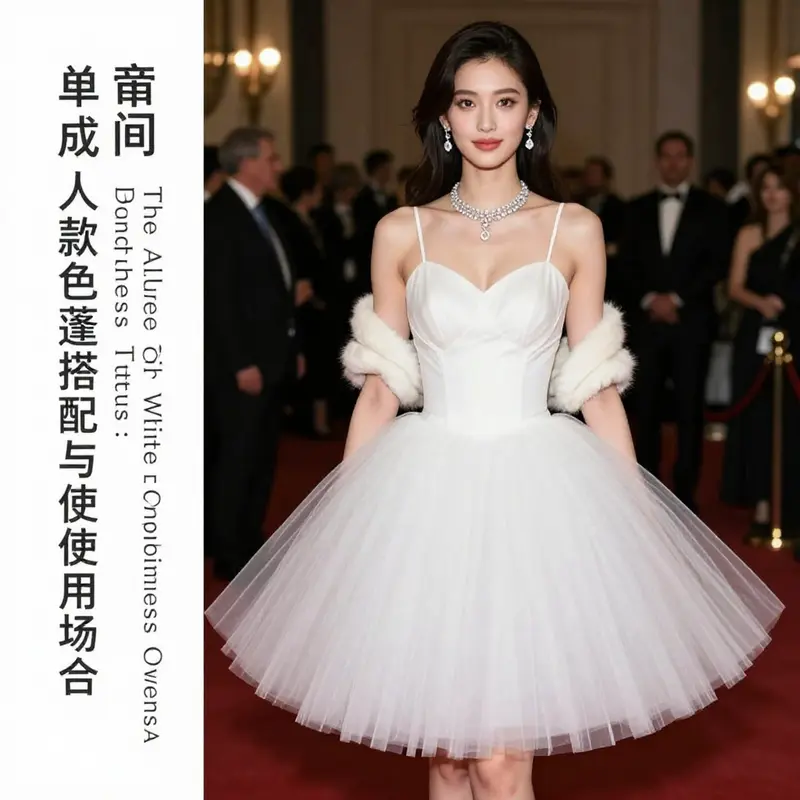
The adult white tutu dress has shed its image of a singular, fairy-tale symbol and emerged as a flexible canvas for contemporary self-expression. Its light, buoyant movement catches the eye, yet it remains poised for sophistication when treated with the right balance of fabric, fit, and accessories. In practice, the white tutu becomes a chameleon—elevating a daily moment, sharpening a business-casual look, or transforming into a spotlight-ready ensemble. The key is not in chasing novelty for novelty’s sake, but in reading the rhythm of a occasion, the season, and personal mood, then choosing a pairing that respects the skirt’s airy charm while letting the rest of the outfit speak with intention. This chapter explores integrated styling ideas, aiming to move beyond the cliché of the “princess” look while honoring the tutu’s ethereal essence. It draws from current fashion sensibilities that favor contrast, texture, and clean lines, all anchored by the timeless appeal of white.
One way to redefine the sweet-sweet stereotype is to lean into a Sweet & Cool juxtaposition. Imagine a crisp, waist-defining black blazer with the white tutu. The blazer’s architectural lines ground the softness of the tulle, creating a deliberate tension that reads as modern and chic rather than childish. The most effective approach keeps the blazer’s silhouette streamlined—select a fabric with a natural drape and a fit that skimps at the waist and hints at movement when you walk. The length of the skirt matters too; aim for a hem that sits just above the knee by about five to seven inches. This length visually elongates the legs, particularly when paired with footwear that has some heft, like a chunky-heeled boot. The accessories should be restrained: a delicate necklace or a minimalist metal bracelet, perhaps a belt that echoes a brushed-gold/steel tone. The shoes—think a pair of sturdy loafers in matte black or a square-toe pump with a modest heel—add a grounded counterpoint to the float of the skirt. The result is a look that feels purposeful rather than delicate for delicate’s sake.
Autumn and winter invite a different discipline of balance. A high-neck knit dress or sweater in a warm ivory or cream can be layered with a white tutu that’s tailored to maintain a gentle silhouette rather than full, theatrical volume. The trick is to ensure the knit and the tutu share a similar weight category so one does not overwhelm the other. Choose knit textures with a subtle sheen or soft heathering to catch light, and keep the tutu length modest—mid-thigh to above the knee—to prevent the ensemble from appearing bulky. Footwear moves toward ankle boots in taupe or soft gray with a modest heel; these anchors keep the look grounded while still allowing the tutu to glide with the airiness of the fabric. To protect against wind or chill, a long wool coat or a tailored cape in a neutral shade can drape over the shoulders without swallowing the line of the tutu. Finally, jewelry should be kept to quiet accents—tiny pearl studs or a slim bracelet in muted gold—so the ensemble remains refined rather than showy.
A French-inflected, “pulled-together without trying too hard” vibe blooms with a boat-neck design and a white, structured tote. The boat neckline flatters the collarbone and shoulders, steering the overall effect toward Parisian elegance rather than a sugary sweetness. The tutu here acts as the soft counterbalance to architectural pieces—think a taut, clean-cut blazer or a cropped leather jacket for a sharp, gender-fluid vibe. White or cream handbags with clean lines and restrained hardware convey sophistication, while a light scarf in a pale pastel can soften the look on cooler days. This combination works well for a gallery opening, an upscale lunch, or a conference with a creative edge, where the wearer seeks to express individuality without shouting for attention.
For the heat of summer, a one-shoulder or boat-neck white tutu can offer a breezy, resort-ready silhouette. The goal is to preserve the tutu’s sense of lightness while letting skin and color interplay with the fabric’s translucence. Off-white or ivory shades in the tutu preserve that ethereal glow, especially when paired with minimalistic sandals in a glossy black or tan. A single, striking accessory—such as a slim metallic belt, a delicate chain anklet, or a slim leather bracelet—can provide a focal point without breaking the sea of white. A soft, woven clutch adds a touch of texture, while hair remains loose or gathered in a loose low bun to maintain effortless movement. In this setting, the tutu becomes a festive, dreamlike choice for a seaside wedding, a chic rooftop party, or a summer music festival that calls for buoyant, expressive dressing.
The broader plan for styling adult white tutus lives in a one-part practical, one-part creative approach. Begin with a strong underneath layer—one that remains invisible yet smooths and supports the tutu’s silhouette. A well-chosen leotard or fitted bodysuit can provide a clean base; for those who prefer a more everyday look, a slender top with a well-tailored cardigan offers a comfortable alternative. The fabric of the tutu itself matters. Lightweight tulle or soft mesh creates that characteristic feminine float, while heavier or stiffer fabrics risk creating an awkward bulk when paired with bulky outerwear. In any season, the outfit’s color story should remain cohesive. A monochrome palette around whites, ivories, creams, and soft beiges is inherently chic, while introducing a single darker anchor—black, charcoal, or navy—can sharpen the look without breaking the airy soul of the tutu.
Readers may wonder how to translate these ideas into real-world occasions. A casual, chic day at work could be approached with a tailored black blazer, white tutu, and low-heeled ankle boots. For a date or a night out, elevate the mood with a structured bodice or a sleek, off-white silk top, paired with delicate jewelry and a metallic clutch. At a friend’s party or a formal dinner, a boat-neck tutu with pale gold accents, a slim belt, and a pair of nude or pearl-tinish heels can land a refined, glamorous effect. Travel lends itself to flexible adaptations: wrap a soft gray cape over a white tutu and finish with comfortable sandals or espadrilles, allowing movement and ease for photos along a scenic route.
To bind these suggestions to a tangible example while keeping the discussion anchored in current styling conversations, consider this pointer: a refined white tutu ensemble with subtle gold trimming or metallic accents can illustrate how heritage-inspired details remain potent without overpowering the overall simplicity of the silhouette. For reference on how gold trimming can elevate a pure white tutu, see the White Gold Classical Ballet Costume product page. It demonstrates a poised balance between tradition and modern polish, with white fabric elevated by tasteful, restrained embellishment. White Gold Classical Ballet Costume product page.
In addition to the physical styling, there is a broader cultural thread worth noting. The white tutu has become a vehicle for personal storytelling in contemporary fashion, where the wearer negotiates between innocence and authority, fantasy and pragmatism. It is less a single, static symbol and more a mutable layer in an outfit that can pivot with mood and setting. The modern approach treats the tutu as a core component of a capsule wardrobe—versatile, durable, and adaptable—so the wearer can craft dozens of looks from a single piece by swapping outerwear, footwear, and accessories. The result is not a costume but a deliberate, assembled persona that communicates through texture, line, and restraint.
What makes this chapter possible is not the menace of novelty but the quiet science of proportion and texture. The tutu’s volume must be thoughtfully managed against the garment’s top and footwear choices. The length should be carefully tuned to the wearer’s leg line and the occasion’s formality. The balance of color is crucial; when white is paired with warm neutrals, the skin’s undertone reads more radiantly, while stark white against black or navy creates a sharper, more editorial effect. The tactile contrast—soft tulle against smooth leather, or a knit fabric’s tiny fuzz against a crisp, clean hem—adds depth and keeps the eye moving along the outfit instead of sticking at one point.
At the end of the day, one garment can perform many roles. The adult white tutu is not a relic of childhood play; it is a sophisticated tool for building modern, expressive wardrobes. It can be a quiet, dignified choice for a formal moment or a playful, fashion-forward statement on a casual day. What matters most is listening to the fabric’s voice and letting the rest of the ensemble respond with restraint and intent. The result is a wardrobe that breathes with you—graceful, confident, and unafraid to rewrite a traditional image into something newly personal.
External reference: https://www.jin18.com/news/202601/12345.html
Wings of White: DIY Customization and Market Currents Behind the Modern White Dress Tutu
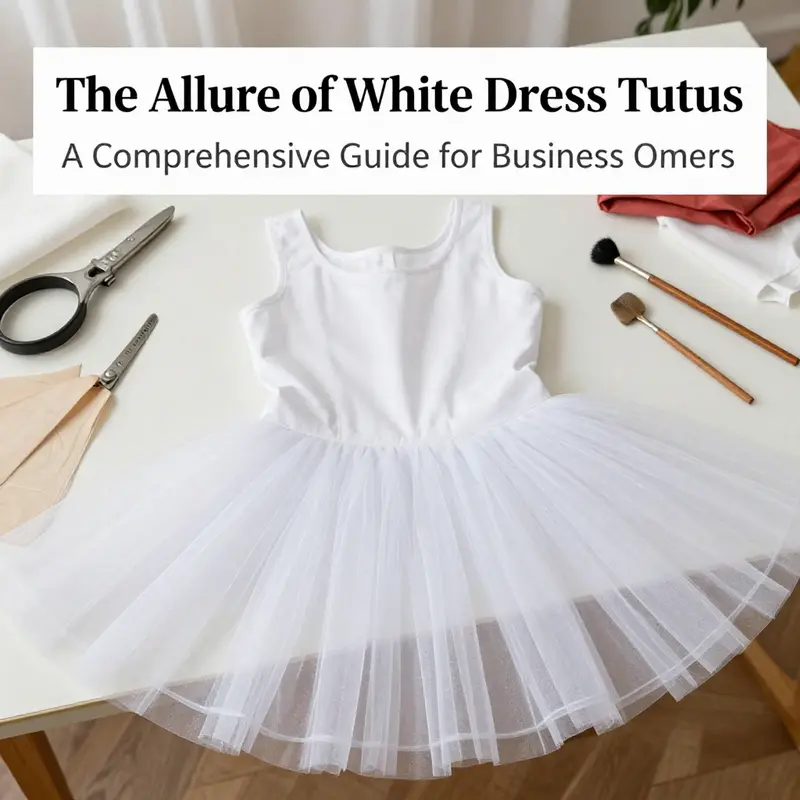
The white dress tutu occupies a rare place in contemporary wardrobes. It carries the sheen of stage lights and the softness of a cloud, yet it can anchor a look from a children’s celebration to a sophisticated evening moment. This chapter follows that paradox by tracing how DIY pathways—rooted in hands-on craft and evolving fabrics—hook into a broader market that is reshaping what a white tutu can be. The narrative moves from simple, family-friendly projects to advanced design ideas, then to technology, trends, and consumer diversity. It is not merely about making a skirt; it is about participating in a living culture where white, airy layers become vehicles for personality, performance, and personal storytelling. As in the broader field of white-dress fashion, the tutu is increasingly interpreted as a versatile canvas rather than a single, ceremonial artifact.
At the simplest level, the DIY approach to a white tutu starts with accessibility and comfort. A basic handmade version, suitable for families and children, depends on a handful of core materials and a straightforward sequence. The 2019 tutorials suggest pairing a white chiffon-like fabric with a contrasting netting or tulle in a hue that reads pure and bright. The typical assembly relies on a waistband created from elastic, a length accommodating growth or performance needs, and a skirt made by cascading layers of fabric to achieve that familiar, buoyant silhouette. The practical steps—measure the waist with extra margin, fold and align fabrics, finish the long edges, insert the elastic, and seal the side seams—are intentionally simple. Decorative touches such as small pompoms or sugar-white trims can introduce whimsy without complicating the base pattern. This approach makes the tutu a family project, one that invites participation from young designers and offers a tangible sense of achievement.
Yet the charm of the white tutu invites exploration beyond the basics. In more advanced design, the choice of fabrics matters as much as the cut. Modern preferences lean toward high-twist, high-resilience fabrics like 75D chiffon, which balance a luxurious drape with practical resilience. A double-layer construction—outer, semi-opaque chiffon over a soft, stretch-backed lining—can deliver both opacity and a refined silhouette. Hidden waist details, such as a concealed 3-centimeter elastic band within the pleats, help prevent waistband marks and ensure comfort during longer wear. Designers experiment with details that soften the edge of formality: a delicate bow here, a fluttering ruffle there, a slim, clean neckline, or a discreet shoulder feature. Such nuances transform a basic tutu into a garment that can pair with contemporary pieces—a cropped sweater for daytime events or a structured blazer for a more refined evening look. The aim is to retain the tutu’s characteristic fluff while elevating the fit and finish to a modern, wearable standard.
Pairing these construction choices with careful styling broadens the tutu’s scope. A muted, leather-strap sandal or nude-heel can ground the airy skirt and push the balance toward urban chic. A belt in warm tones—think taupe or caramel—visually tightens the waist and elongates the legs, creating a proportion that reads well in photographs and real life alike. For those seeking a more romantic or French-inspired vibe, the addition of a delicate lace underlayer or a soft, tucked-back blouse can evoke Parisian charm without sacrificing practicality. It is in these subtle combinations that the tutu transcends its identity as a children’s party costume and becomes a versatile piece in a cross-generational wardrobe. If the goal is to demonstrate how a high-quality option remains centered on comfort and movement, one can turn to established exemplars like high-quality white ballet costumes that blend timeless silhouette with stage-ready finishes. See, for inspiration, this refined example high-quality-white-ballet-costume-tutu-swan-lake-t0596.
Innovation is not limited to fabrics and seams. The frontier of customization is increasingly digital, even if not yet ubiquitous. While the current landscape offers bespoke tailoring through traditional channels, some brands are beginning to explore digital tooling that can tailor a tutu to individual measurements. The idea of 3D body scanning and digital patterning holds the promise of a one-person-one-version workflow, where a customer uploads measurements and receives a cut and fold plan optimized for their shape. In practice, this could translate into better weight distribution across the layers, a more stable waistline, and a tutu that holds its intended silhouette through intricate movements. Even without fully realized smart tooling, the concept pushes designers toward a more personalized mindset: the garment becomes a serviceable, adaptable canvas rather than a single, static piece. The future could feature modular components—interchangeable skirt panels that can be added or swapped to change length, fullness, or texture—allowing a single purchase to morph with seasons or events.
Market currents reinforce this shift toward customization and versatility. The latest development across the fashion landscape is a move away from purely “sweet princess” aesthetics toward a more nuanced, adaptable sensibility. White, in particular, has evolved beyond a symbol of innocence to a canvas for contrast, texture, and mood. Designers and wearers alike seek pieces that can anchor formal moments while also reading as appropriate for casual or creative settings. The material story supports this, as innovations in anti-wrinkle treatments and lightweight, crisp textures reduce the friction of travel and shoot days. A double-layer system with a dense outer shell and a supple inner lining offers modesty without bulk, while the ultra-thin yet structured chiffon maintains movement and breathability. These technical refinements empower wearers to choose white for multiple occasions with greater confidence, a trend that expands both market reach and personal expression.
The consumer landscape for white tutus is also diversifying in notable ways. Younger shoppers, particularly those in the 18–25 bracket, chase looks that read as both theatrical and wearable, favoring flourishes like subtle lace, clean lines, and photogenic textures. Working professionals, including those in creative or performance-adjacent fields, gravitate toward pieces that pair well with smart-casual elements—think tailored jackets, crisp blouses, and understated jewelry. Mothers and caregivers increasingly seek comfort without sacrificing elegance, leaning toward affordable yet visually polished options that still perform under active play or school-stage performances. The children’s segment remains robust, with strong demand for party-ready designs and performance costumes that are easy to clean and durable enough to handle repeated use. On the supply side, platforms that connect manufacturers with buyers—capable of handling customization orders—continue to grow. The supplier ecosystem in regions known for textile production offers direct-from-factory experiences and the possibility of small-batch orders, enabling experimentation with colorways, trims, and embellishments at a lower risk and faster turnaround.
Sustainability is entering the discussion in meaningful ways. While the data here does not explicitly catalog green certifications, the industry is trending toward recycled or recycled-blend fibers, organic finishes, and fabrics designed for longevity rather than short, single-use cycles. Reusable, interchangeable panel systems or detachable components offer a practical avenue to extend the garment’s life. This aligns with consumer expectations that a modern white tutu should not be disposable; it should be adaptable to multiple events, seasons, and personal styles. In this sense, the tutu becomes a vehicle for sustainable, conscious fashion—a white garment that survives through changing tastes by evolving rather than endangering its usefulness.
From a shopping and storytelling perspective, the market supports a blended approach: DIY projects for families and hobbyists, professional lines for stage work, and modular, customization-forward concepts for a broader audience. The path forward appears to be less about a single, iconic moment in a child’s life and more about ongoing participation in an evolving wardrobe. The white tutu stands as a small but telling exemplar of this shift: a garment that can be remade, refreshed, and reinterpreted to suit the wearer’s growing confidence and changing world. For those who want a deeper dive into the broader fashion ecosystem around white silhouettes and how it plays with texture, form, and trend cycles, one can consult contemporary fashion analysis such as Vogue’s exploration of white dress trends and their seasonal reimaginations.
External reference: https://www.vogue.com/fashion/article/white-puff-sleeve-dress-trend-2026
White Tulle, Digital Aisles: Market Currents for the White Dress Tutu
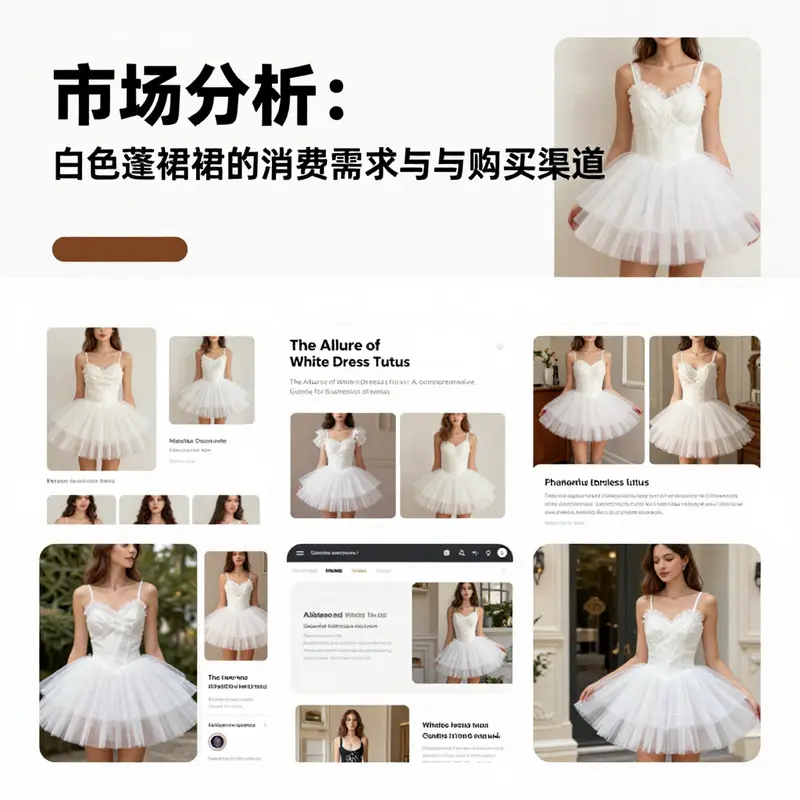
The white dress tutu sits at a crossroads of romance and practicality. Its pale surface suggests elegance and memory, while the garment also speaks to modern commerce and digital discovery. In recent market observations, this piece is valued not only as costume or stagewear but as a versatile layer in daily life—from playful party attire to refined event wear. The appeal lies in a balance of ethereal lightness and everyday usability.
As fabric technology advances and online shopping becomes more sophisticated, buyers expect a tutu that drapes well, breathes in warm weather, and fits into a busy schedule. Designers who blend beauty with comfort and care for ease of care win favor with a wide range of customers. The result is a market that rewards flexibility, quality, and dependable fit.
A deeper look at demand shows interest in different lengths, waist options, and subtle trim choices that keep the silhouette flattering across ages and body types. Lightweight, breathable textures with a touch of sheen are favored for their photogenic quality, while durable materials support repeated wear. The trend toward sustainable fabrics and responsible production has grown, making the white tutu more than a fashion statement—it becomes a signal of values.
The demographic map highlights younger buyers who view fashion as self-expression and practical investment. Adults roughly in the 18–35 range often seek items that make a visual impact and deliver lasting value. They look for silhouettes that elongate the body, fabrics that stay cool, and designs suitable for a spectrum of occasions. Digital channels, streaming inspiration, and instant purchasing shape their shopping journey, with reviews, influencer guidance, and try-on tools shaping what feels worth buying.
Online ecosystems now dominate how white tutus are discovered and purchased. Direct-to-consumer stores, marketplace iterations, and design platforms offer a range of options from minimalist basics to couture-inspired pieces. Size inclusivity, generous return policies, and fast delivery reduce friction and encourage experimentation—how a plain white base can be styled with accessories to suit different events.
Rental and resale models add another layer to market dynamics. For weddings, performances, or themed parties, renting a high-quality piece can provide access to elaborate designs at lower upfront cost. This experience-over-ownership mindset aligns with broader consumer trends and supports wardrobe flexibility across a season.
Design language in this space leans toward refined, wearable elegance. Clean lines, neat hems, secure fastenings, and thoughtful pockets or storage elevate everyday use. The white tutu becomes a canvas for personal storytelling, blending dreamlike aesthetic with practical function. Brands that communicate a clear vision while delivering dependable fit are likely to lead the market.
Finally, supply chains and production capabilities have grown more adaptable. Flexible sizing, scalable customization, and rapid fulfillment meet rising expectations for a seamless shopping experience. Digital tools enable faster prototyping and precise customization, helping designers align product attributes with individual preferences while preserving efficiency. The result is a market that rewards speed, clarity, and customer care.
In short, the white tutu stands as a microcosm of contemporary fashion: a delicate balance of romance and pragmatism, marketed as an experience that fits the digital, connected lives of today’s shoppers.
Final thoughts
The white dress tutu is more than just a garment; it embodies versatility, creativity, and elegance across various demographics and events. As a business owner, tapping into the different styles of white tutus—from children’s playful outfits to professional dancewear and adult formal dresses—can significantly broaden your product offerings. Understanding customization trends and consumer preferences will further enhance your market strategy, ensuring your business remains competitive and consumer-driven. The insights provided in this guide are essential for navigating the expanding tutu market, positioning you to meet the diverse needs of your customers effectively.