
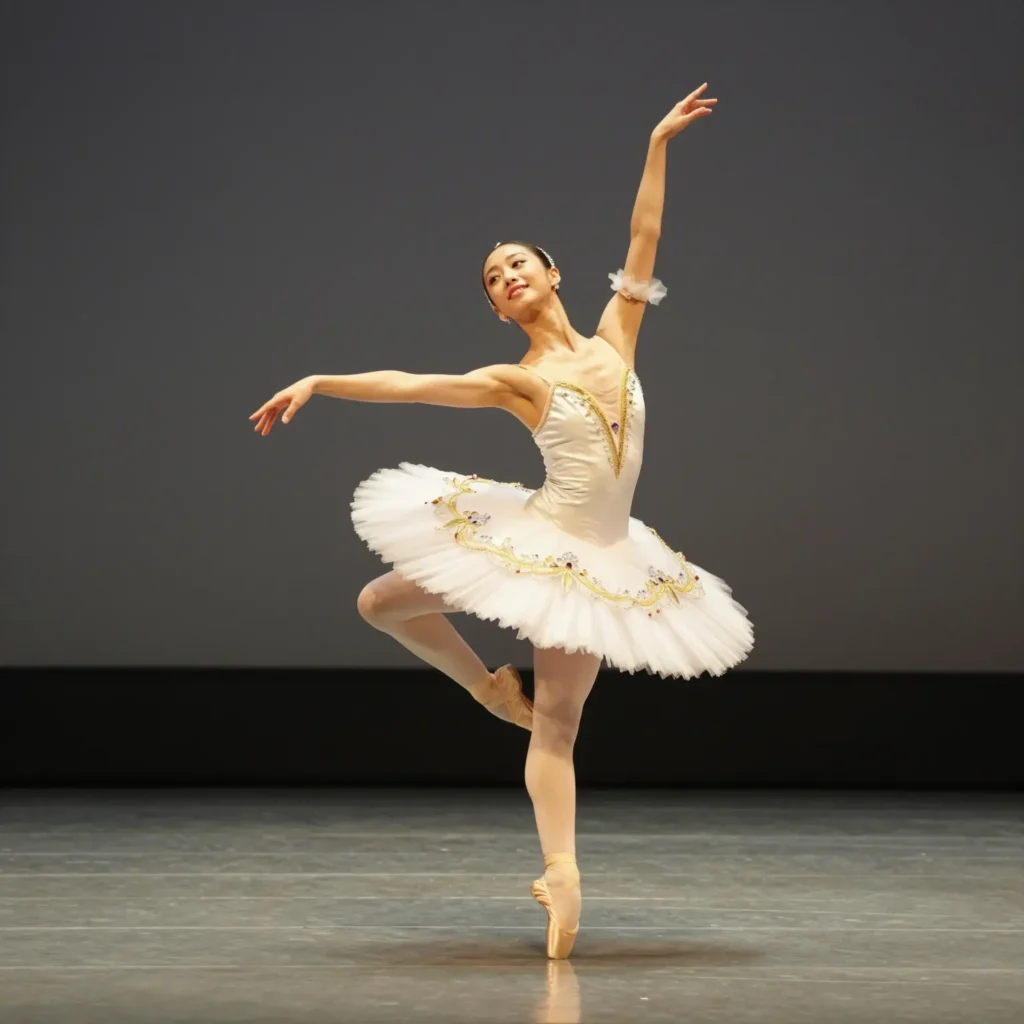
Ballet is not just a dance form; it’s a radiant expression of artistry that tells a story through movement. At the heart of this art lies impeccable balletwear, particularly the tutu, which plays a pivotal role in the dancer’s performance and confidence. The right tutu not only enhances a dancer’s lines and grace but also serves as a canvas, illuminating their commitment and passion during each performance. For business owners in the ballet industry, understanding the importance of quality tutus can significantly impact the overall quality of productions and the satisfaction of dancers and audiences alike.
In this article, we delve into the beauty and intricacies of tutus, exploring different styles and materials that not only meet performance needs but also boost a dancer’s confidence on stage. You’ll gain insights into various types of tutus available, like those featured in our collection of professional tutus and romantic tutus, that perfectly balance aesthetics and functionality. Join us as we unravel what makes a tutu a fundamental piece of ballet attire, ensuring each dancer can shine brightly in their performance.
The Evolution and History of the Tutu in Ballet
The tutu, an iconic garment in ballet, has a storied history that reflects both the evolution of dance and the changing societal roles of women. This elegant costume traces its roots back to the early 19th century when ballet itself was undergoing significant transformations.
Origins
Initially, ballet originated in the courts of the Renaissance, with performers donning flamboyant costumes. However, as ballet shifted towards theatre and performance art, the need for more practical and expressive attire emerged. The modern tutu we recognize today began to take shape around the 1830s, particularly with the advent of classical ballet in France. Early versions of the tutu were long, flared skirts, often reaching the ankles. They were designed to obscure the dancer’s legs, enhancing the elegance of their movements. Eventually, as the art form and performance styles evolved, so too did the tutu.
Around the mid-19th century, the tutu evolved into what is now called the “Romantic tutu.” This version, characterized by its soft, flowing layers, was popularized in productions such as “La Sylphide”, where it played a vital role in depicting ethereal characters. By contrast, the “Classical tutu,” which is shorter and more structured, emerged in the late 19th century. This style allowed for enhanced visibility of technique and form, showcasing the impressive technical skills of dancers during performances.
Significance
The tutu is not just a wardrobe choice; it is an essential symbol in the world of ballet. It represents grace, discipline, and the technical prowess expected of dancers. Renowned dancers like Anna Pavlova further solidified the tutu’s importance through their performances, which showcased the beauty and artistry of the costume in motion. The tutu’s evolution reflects broader changes in ballet, including the transition from romantic to classical styles, which embraced more technically demanding movements.
Today, tutus can vary significantly in design and fabric, influenced by modern theatrical requirements and innovations in costume technology. The materials have progressed from traditional fabrics to more breathable and stretchable textiles, which prioritize comfort and mobility for contemporary dancers.
For businesses interested in ballet costumes, Lune Ballet offers a range of professional tutus that reflect this rich history while integrating modern design sensibilities. Whether your focus is on classic pieces or contemporary aesthetics, understanding the tutu’s evolution can enrich your offerings and appeal to ballet enthusiasts.
| Tutu Type | Style | Materials | Suitable Occasions |
|---|---|---|---|
| Classical | Stiff, short | Tulle, satin | Classical ballet performances, competitions |
| Romantic | Long, flowing | Multiple layers of tulle | Romantic ballets (e.g., Giselle, La Sylphide) |
| Pancake | Very short | Tulle, muslin | Performance ballet, contemporary pieces |
For more insights on various styles, check out the professional tutus available for ballet performances, or explore styles like romantic tutus for classic pieces.
Materials Used in Tutus: Exploring Fabrics and Their Impact on Performance
The choice of materials in tutu construction is vital not only for aesthetics but also for the performance capabilities of ballet dancers. Here, we delve into some of the most common fabrics used, particularly tulle and silk, and discuss their unique properties and implications for performance.
Tulle
Tulle is perhaps the most iconic fabric associated with tutus. Renowned for its lightweight, net-like structure, it creates the characteristic volume and shape of classical tutus. Here are key features of tulle that impact its use in ballet:
- Airflow and Movement: Tulle allows for excellent airflow, which is crucial during intense performances. This breathability helps keep dancers cool while they execute demanding routines.
- Dramatic Volume: The structure of tulle contributes to the dramatic flair of tutus, giving dancers a striking silhouette. This volume enhances visual performance, drawing the audience’s attention as the dancers move.
- Durability: While tulle can be made of various materials such as nylon or polyester, high-quality tulle maintains its shape and integrity throughout performances, making it a reliable choice for professional tutus.
For detailed insights into the selection of professional tutus made with tulle, check out this collection.
Silk
Silk adds a touch of luxury and elegance to tutus. While less common than tulle for the primary structure, silk can be used for overlays and embellishments. Its properties include:
- Softness and Comfort: Silk is smooth against the skin, reducing irritation for dancers. This fabric allows for freedom of movement, essential for executing complex choreography.
- Visual Appeal: Silk’s natural sheen can create an exquisite visual impact, especially under stage lights. However, it is more fragile than tulle and may not withstand the rigorous demands of performance as effectively.
Other Fabrics
In addition to tulle and silk, other materials such as organza, satin, and cotton blends are also popular in tutu construction. Each has its unique characteristics:
- Organza: Similar to tulle, but with a stiffer structure that holds its shape well, organza can be used to create additional layers for added volume.
- Satin: Adds a glossy finish and luxurious feel but is not typically relied upon for the main body of the tutu due to its heavier weight.
- Cotton Blends: Often used for more modern or themed tutus, these fabrics can offer comfort and flexibility, catering to different ballet styles.
The interplay of these materials is paramount in helping dancers perform effectively. Choosing the right fabric affects not just the appearance of the tutu but also the dancer’s overall experience. For more insights into themed tutus and their construction details, consider browsing through our costume themes.
In summary, understanding the materials used in tutus allows ballet business owners to make informed choices about their products, enhancing both performance and customer satisfaction in the competitive dancewear market.
The Importance of Fit and Comfort in Tutus
In the world of ballet, the tutu is not just a costume; it’s a vital component of a dancer’s toolkit. The importance of fit and comfort in balletwear, particularly tutus, cannot be overstated as it directly influences performance and dancer confidence.
Enhancing Performance
A well-fitted tutu enables dancers to execute complex movements with grace and precision. When the fit is right, it allows for a greater range of motion without the constraints of excess fabric. According to research, a properly constructed tutu can enhance a dancer’s ability to move fluidly, allowing for more expressive performances (Ballet Arizona Blog). This fluidity is critical during challenging routines, where split-second movements can dictate the success of the performance.
Furthermore, comfort plays a crucial role in how a dancer performs. For instance, balletwear crafted from soft, breathable materials conforms to the body, reducing distractions during performances. Many dancers prefer tutus made with high-quality, dance-specific fabrics because they wick moisture and keep them cool and collected on stage (Lune Ballet). Ultimately, a tutu that fits well and feels comfortable empowers the dancer to focus solely on their art rather than any discomfort caused by poor-fitting attire.
Boosting Dancer Confidence
Fit and comfort also greatly impact a dancer’s self-esteem and confidence. Wearing a tutu that accentuates their physique and allows freedom of movement can elevate a dancer’s stage presence. When dancers feel good in what they wear, it reflects in their performance. A confident dancer projects more charisma, engages better with the audience, and delivers a compelling performance. For many, the right fit instills a sense of security, allowing them to dance freely without the fear of wardrobe malfunctions or discomfort (KMZ Vehicle Center).
Conclusion
In conclusion, the significance of fit and comfort in tutus goes beyond aesthetics; it is essential for maximizing performance and enhancing confidence. As business owners in the dancewear industry, prioritizing these aspects in your product offerings not only supports the dancers but can also lead to improved customer loyalty and satisfaction. Offering a range of professionally crafted tutus, such as those found in our professional tutu collection, can cater to the unique needs of dancers and help them excel in their craft.
By understanding and embracing the importance of fit and comfort in balletwear, we can contribute positively to the art of dance and the experiences of dancers everywhere.
The Significance of the Tutu in Ballet
The tutu is far more than just a costume piece; it plays a vital role in a ballet dancer’s performance and is a crucial part of ballet’s artistic expression. A well-designed tutu can enhance a dancer’s movements, amplify grace, and contribute to the overall visual spectacle of a ballet performance.
“A tutu breathes life into our movements; it translates the music into visuals and allows us to express the nuances of our performance. Without a well-crafted tutu, a ballet dancer cannot convey the full depth of their artistry.”
For further reading, you can explore more about tutus at Lune Ballet’s collection of professional tutus or check out our romantic tutu options.
Key Factors for Choosing the Right Tutu
Selecting the perfect tutu is not only vital for dancers but also for business owners in the dance industry. Here are some essential factors to consider when making this choice:
-
Size: Ensure the tutu fits well; consider heights and waist measurements. Refer to size charts for accuracy, as proper fit enhances performance and comfort.
-
Style: Different styles, such as professional tutu or romantic tutu, serve various performance needs. Select a style appropriate for the choreography and visual appeal. For example, check out professional and romantic tutu options on Lune Ballet and Lune Ballet Romantic Tutu.
-
Budget: Tutu prices range widely. Assess your budget against quality and durability. Remember, investing in a high-quality tutu can pay off in longevity and performance.
-
Material: Consider the fabric used. High-quality materials like tulle and satin offer different aesthetics and comfort levels. Synthetic materials may be less expensive but can impact comfort during performances.
-
Performance Needs: Think about the specific demands of routines. A tutu for ballet performances may have different structure and stiffness than one used in contemporary dance.
-
Maintenance: Some fabrics require more care than others. Make sure you choose a tutu that is easy to clean and maintain to keep it looking fresh for performances.
-
Aesthetics and Design: Evaluate colors, embellishments, and overall design. Matching the tutu with performance themes enhances visual impact, so plan accordingly.
Incorporating these factors in your decision-making can lead to a successful purchase, ensuring that dancers look and feel their best on stage. Whether you’re a business owner looking to stock tutus or a dancer choosing your next outfit, careful consideration will yield the best results.
Current Trends in Ballet Tutus: Designs, Materials, and Colors in 2023
Ballet tutu designs in 2023 are evolving to blend tradition with modern aesthetics, reflecting a wave of creativity, customization, and innovative material use.
Design Styles
- Customization and Thematic Styling: Many ballet companies and costume designers now offer customized tutus that tell a story or embody a specific theme related to a ballet performance. This trend caters to dancers’ desires for tutus that convey emotion and narrative visually, enhancing the overall thematic impact of productions.
- Classical and Romantic Styles: Both traditional styles maintain strong popularity, but with refreshed details. Classical tutus often feature sharper silhouettes and more structured layers, while romantic tutus maintain their ethereal, flowing quality but incorporate subtle modern flourishes for enhanced grace.
- Ballet Core Influence: The “ballet core” aesthetic influences fabric choices and design elements, favoring refined textures, and layering that respect the ballet form while permitting slight contemporary reinterpretation.
Emerging Materials
- Lightweight and Durable Fabrics: New lightweight materials are being used that maintain tutu structure without adding bulk, allowing dancers greater mobility and comfort.
- Eco-friendly Fabrics: Some designers incorporate sustainable textiles, aligning with global trends toward eco-conscious production.
- Enhanced Embellishments: Innovations in materials include integrated embellishments like crystals and subtle metallic threads that add sparkle while remaining delicate.
Popular Colors
- Soft Pastels and Neutral Tones: Soft pinks, blush, ivory, and other neutrals continue to be a favorite, offering a timeless elegance.
- Bold Accent Colors: Some modern tutus feature accents in deeper hues such as burgundy, midnight blue, or emerald green to add visual drama.
- Custom Color Palettes: Customized color combinations linked to performances help set unique moods and highlight choreography nuances.
For business owners in the ballet costume market, staying updated with these trends can help tailor your inventory and design offerings to meet the evolving demands of dancers and ballet companies. Incorporating customization capabilities, exploring new materials, and expanding color selections could provide a competitive edge.
Explore a curated selection of professional and romantic tutus that reflect these design evolutions at professional tutu collection and romantic tutu collection.
In conclusion, selecting the right tutu for ballet is crucial for both performance and presentation. As we have explored, the choice of tutu can significantly influence a dancer’s movements and how the audience perceives their artistry. With options ranging from professional tutus that provide optimal support and fit to delightful romantic tutus that evoke elegance and grace, balletwear can enhance every performance. Additionally, visiting Lune Ballet opens up a world of high-quality options that cater specifically to the needs of dancers and business owners alike. Don’t miss the opportunity to elevate your ballet wardrobe with tutus designed to inspire and perform. Explore our curated collection and experience the difference in quality and craftsmanship for yourself. Dive into the world of exquisite balletwear at Lune Ballet today and ensure your dancers are dressed to impress!