
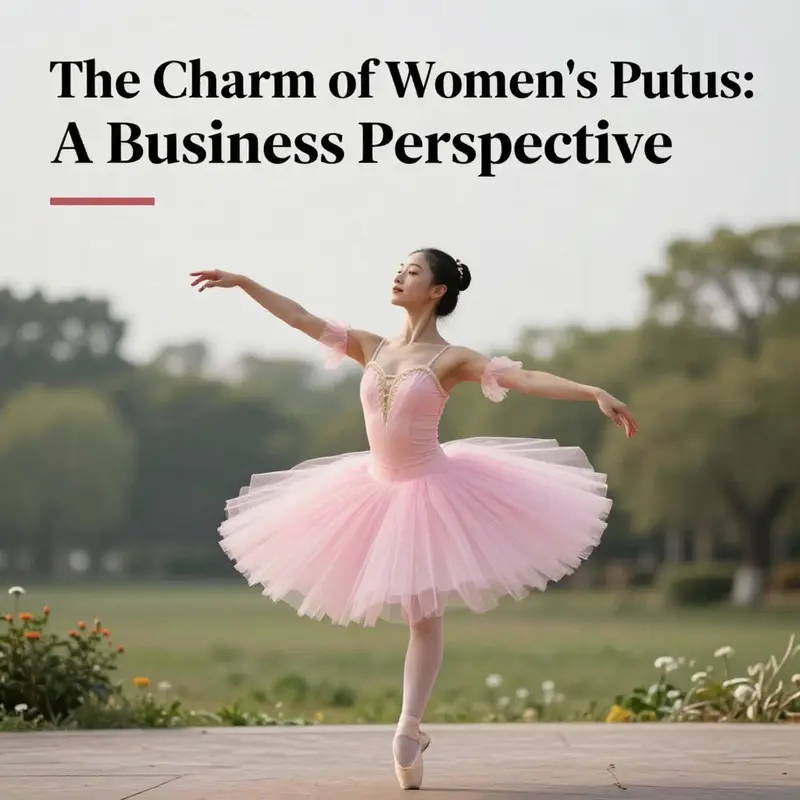
Women’s pink tutus have transcended their origins in ballet to become a versatile fashion statement, appealing to various demographics. This article delves into the intricate details of their material and design, examining the current market landscape and brand offerings. Additionally, it highlights their cultural significance across celebrations and occasions, providing valuable insights for business owners seeking to tap into this enduring trend.
轻灵材质,甜美轮廓:粉色蓬蓬裙的材质与设计解码
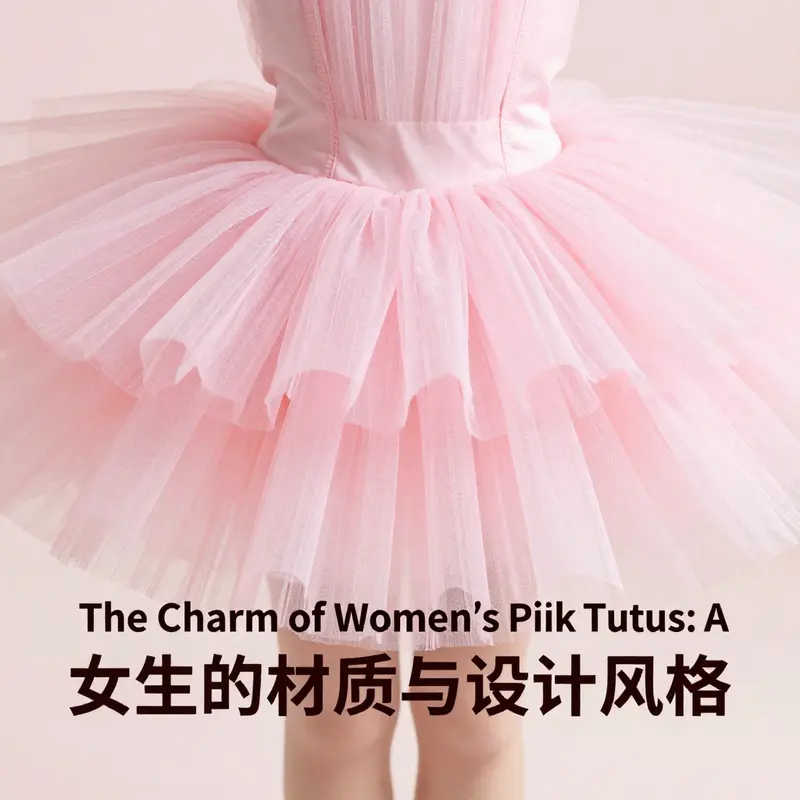
在时尚与舞蹈的交汇点,粉色蓬蓬裙不仅是一件衣物,更是一种气质的表达。它通过柔软的触感、丰盈的裙摆与梦幻的视觉效果,在舞台与日常之间传递从甜美到优雅的情感。本文从材质与设计两方面梳理其风格要点,帮助读者理解不同场景中的可穿性与美学。
在材料层面,涤纶或聚酯纤维通常是粉色蓬蓬裙的主力。其占比通常在90%以上,甚至更高,这并非偶然。聚酯纤维的垂坠感与挺括度,恰好能支撑起多层薄纱的蓬松裙摆,使裙身在运动与静态之间保持稳定的轮廓。它的耐磨、易打理特性,也使得这类裙装更符合日常穿着的需求——无论是在舞蹈练习室中,还是在聚会与节日场景下,练习与表演之间的边界都被拉得更短。
然而,单一材质并不能彻底解释粉色蓬蓬裙的魅力。棉混纺布的出现,为追求舒适的穿着体验提供了另一种可能。棉质的柔软触感让肌肤在亲密接触中获得温和的反馈,而聚酯的定型能力则帮助保留裙摆的结构与线条。这种混纺在日常穿搭中尤为受欢迎,既能保持裙子的形态,又不过于生硬,给人一种低调而温暖的存在感。与此同时,网纱或薄纱的运用,是实现梦幻轻灵视觉效果的关键。它们的轻盈透气,使裙摆在光线下像云层般漂浮,带来典型的芭蕾气质。对于希望获得更显眼舞台效果的设计,薄纱的层叠、以及 pancake tutu 等多层结构,能营造出更强的体积感。
绸缎则常出现在更高端的礼服造型中。它所散发的温润光泽,能在灯光下柔和地映衬肌肤,提升整体造型的高级感。像在某些公众场合中出现的粉色绸缎蓬蓬裙,便是通过光泽与色调的双重作用,达成从可爱向成熟过渡的转变。不同材质的叠加,使得粉色蓬蓬裙不仅仅是颜色的叠加,更是质地与光感的互动。
在设计层面,版型与廓形的选择直接关系到裙子的美学表达与穿着便利性。高腰设计几乎成为常态,因为它能够拉长腿部线条,优化身材比例。这种设计不仅在视觉上延展身形,还让腰部成为焦点,强调锁骨线条与颈部曲线,使整体看起来更精致。A字伞裙或蓬蓬裙的结构,是经典的美学符号。它的裙摆从腰部向下逐渐展开,形成丰富层次的堆叠感,既能修饰身材又增强造型的甜美气质。若以连衣裙一体式设计呈现,则更强调整体性,省去了搭配的步骤,给人以统一而优雅的观感。这些版型变化,决定了裙装在不同场合的表现力:生日聚会、舞台演出、节日装扮,仍然能保持一种连贯的甜美基调,而不过分自我炫耀。
领口与上身设计则是情感表达的另一处要穴。一字肩、吊带、甚至挂脖或抹胸设计,在粉色的柔和基调中,能展现颈肩线条的优雅与性感的张力。一字肩往往成为光影与轮廓的交汇点,令锁骨和肩颈线条在镜头前呈现柔和的立体感。细吊带的干净利落,能让肩颈线条更为清晰,突出女性的柔美气质。抹胸或挂脖的设计则偏向甜美与复古风格,强调胸前轮廓的精致。
细节与装饰的处理,也是区分同色系裙装的重要方式。褶皱工艺通过折叠与层叠,给裙摆带来更强的动感与立体感,使整件衣服看起来灵动而富有呼吸。纯色设计则将焦点放在材质本身的质感与剪裁的匠心,适合日常通勤场景中的优雅转化。刺绣与图案则为童趣或梦幻增添更多叙事性,例如蕴含童话元素的刺绣,能把粉色蓬蓬裙从单纯的甜美提升为一个有故事的造型。
从风格定位的角度看,粉色蓬蓬裙可以在甜美少女、简约通勤和优雅礼服三端之间取得成功的平衡。甜美少女风以纯色、薄纱和蓬松裙摆为核心,传达青春活力。简约通勤风则通过高质量面料的剪裁与简洁廓形,将甜美元素融入低调的职业形象。优雅礼服风则结合高腰线、一字肩与绸缎等元素,营造成熟迷人的宴会或红毯造型。不同的材质选择与设计组合,使得同一个色系在不同场景下都能传递出不同的情感内涵。
颜色方面,粉色在色彩学中常被视为温暖、柔和与亲和的象征。柔和的亮度与低饱和度让肌肤看起来更亮泽,裙摆在光照下既透明又有存在感。示例色值如 #f9e4e9,对应 RGB 为 (249, 228, 233),有助于理解在不同光线条件下的暖意与柔和感。这种色彩的微妙优势,使粉色蓬蓬裙成为舞蹈室、舞台、聚会与日常之间的桥梁。
将材质与设计合并考量,便能理解为什么同一颜色的裙装在不同场景中会呈现出截然不同的气质。对于舞蹈练习,蓬松的裙摆提供了足够的垂感与层次,让动作的转身在空气中留下痕迹;而日常穿搭中,合适的材质与修身的上身设计可以让粉色蓬蓬裙成为不张扬的亮点,既表达少女感,又兼具职场可接受的优雅。
若读者希望从材料出发理解具体款式,可以参考一个代表性案例页面,以获取对比与灵感。该页面展示了粉色芭蕾裙在成人与儿童之间的多样化搭配,帮助理解同色系在不同体型与场景中的适配逻辑。
在全球化的时尚语境中,粉色蓬蓬裙的魅力也体现为一种跨年龄、跨场景的语言。它能让舞蹈与时尚在日常生活中对话,不仅是舞台背后的技术指标,更是一种文化记忆的延续。材质的选择、结构的设计、色彩的搭配以及对舒适度的关注,共同塑造了一个既易于穿搭又耐看、可以长久保留在衣橱中的单品。
(外部参考资源也能为读者提供更广阔的理解路径。关于色彩在服装设计中如何影响情感与视觉优先级的理论,可以查阅相关的色彩理论与应用资源,以获得更系统的知识框架。)
(外部参考资源链接:https://www.colormatters.com/color-information/color-theory)
通过这一章对材质与设计风格的梳理,读者应能在脑海中构建一个关于粉色蓬蓬裙的全面画像:柔软的触感、丰盈的裙摆、以及在不同光线下所呈现出的温柔光泽。接下来,我们将继续探讨这类裙装在不同舞台与日常场景中的搭配策略,以及如何通过配饰与层次感来强化其美学表达,使粉色蓬蓬裙不仅成为视觉焦点,也成为情感叙事中的关键道具。
粉色蓬蓬裙的市场脉动:从舞台到日常的柔光叙事与品牌路径
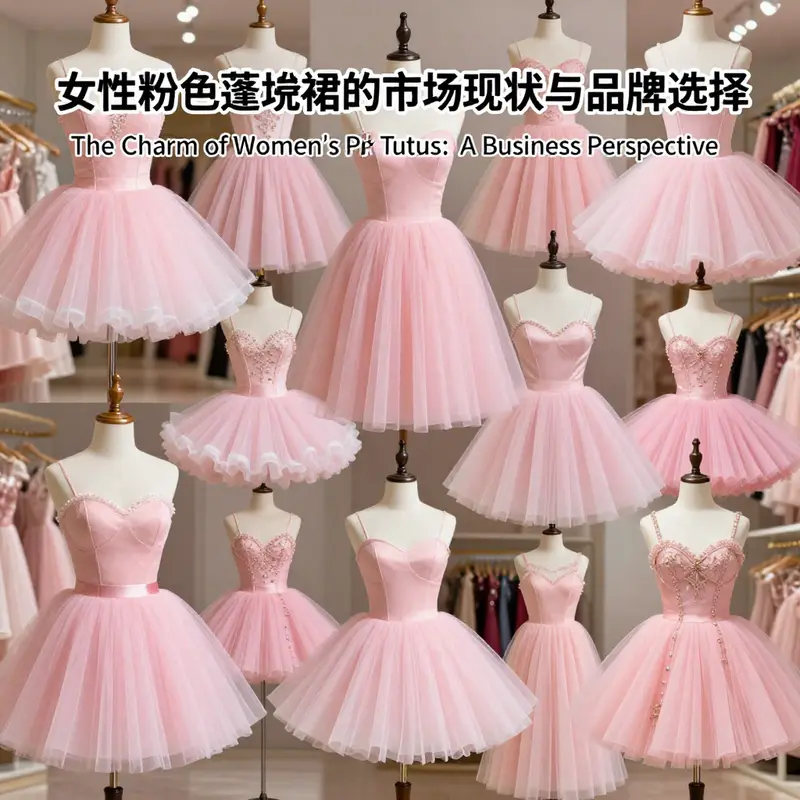
在舞台的灯光与镜头背后,粉色蓬蓬裙并非单纯的服装:它是一种叙事,一种对温柔与自我表达的持续探索。粉色蓬蓬裙以其柔软的薄纱层层叠叠,仿佛把梦境从观众的注视中拉回现实的衣橱。它的存在跨越了专业舞蹈的训练场,也进入了日常穿搭和社交场景。这样的转变并非偶然,而是市场、文化与技术共同作用的结果。材料的轻盈、色彩的柔和、层次的蓬松,以及设计的可塑性,让粉色蓬蓬裙成为多重身份的载体:它在芭蕾舞台上是技艺的象征,在派对与节日场景中成了情感表达的道具,在网红潮流的推动下则变成了自我风格的标记。随着时间推移,粉色蓬蓬裙已经从一个细分的舞蹈用品,成长为覆盖更广泛消费群体的时尚单品。其市场脉动背后的逻辑,是对场景适配性、个性化需求与可持续议题的综合回应。可以说,粉色蓬蓬裙的热度并非短暂的潮流,而是在多层次消费结构中不断巩固的一件“日常舞台装”。在这条演化线上,颜色、结构与功能的结合点不断被重新定义,带来新的商业潜能和文化含义。粉色系的审美价值正在被重新赋予,成为表达独立浪漫、柔软力量和多元身份的一种语言。它既能讲述童趣与纯真,也能诠释成年人的社交自信与情感细腻。正是在这种多元化的叙事结构中,市场对粉色蓬蓬裙的需求呈现出持续攀升的势头。市场数据和消费者行为研究表明,粉色系女装在核心年龄段的吸引力正在超过其他暖色系,购买偏好往往与场景需求和情感表达紧密相关。这种偏好并非单纯的颜色喜好,而是对“柔和、温暖、可塑性强”的设计语言的认同。更重要的是,粉色蓬蓬裙的购买并非一次性行为。调查显示,18至35岁消费群体在不同设计之间进行季节性替换的趋势明显,平均每季会选购2至3件不同风格的粉色裙子来应对从日常通勤、社交聚会到特殊场合的穿搭需求。这种高复购率对品牌和零售商来说意义重大,因为它鼓励了更稳定的库存管理、快速迭代的设计更新,以及更灵活的定价与促销策略。在此背景下,个性化定制的比例也在逐步上升,预计在2026年达到一个显著水平。消费者对独特设计的追求不仅仅局限于颜色本身,还包括裙长、褶皱密度、腰部弹性、花边与绣饰等元素的定制化组合。定制化的兴起,既是对“同质化竞争”的自然回应,也是对“专业化服务”需求的体现。它让粉色蓬蓬裙从批量生产的同类产品中凸显出来,成为能够体现个人风格与场景个性的作品。与此同时,粉色蓬蓬裙的市场细分也在不断细化。对于舞蹈练习与儿童到成年人的多层次需求,设计师与品牌方在材料选择、结构设计和可持续性之间寻找平衡点。薄纱的叠层、拉伸腰带的舒适性、以及对轻盈感、透气性和耐穿性的关注,成为设计师们关注的核心要素。以往以往仅在舞台上使用的道具,如今被正向引入日常服饰的生活场景,这需要在材料与工艺上实现更高的耐磨性与易清洗性,同时保留蓬松的体积感。环保材料的应用成为行业共识。生物基纤维、再生涤纶等替代传统化纤的趋势,正逐步改变裙身的可持续性画像。消费者对这种转变的认可在社媒与评论区被放大,形成对品牌的信任和对新材料的好奇。技术因素同样推动了市场的发展。AI辅助设计正被用于色彩搭配、版型优化与流行趋势预测,缩短了从创意到成品的时间,并帮助设计师在保持粉色系柔美基调的同时,探索更具实验性的剪裁和结构。数字化试衣、模块化定制与虚拟试衣系统的兴起,也让粉色蓬蓬裙的购买过程更具互动性和参与感。消费者通过线上平台进行视觉化的预览和搭配试错,进而对线下购买形成最终决策。这种线上线下的协同,提升了整体的购买转化率,同时也加速了供应链的响应速度。粉色与柔光的关系在市场传播中被放大。色彩科学研究显示,典型粉色的十六进制表示往往落在较高亮度与较低饱和度的区间,近似值为 #f9e4e9,对应的RGB是 (249, 228, 233)。这类颜色带来温柔、梦幻与亲和的视觉效果,适合强调女性化主题与童趣元素的服装设计。这样的色彩选择让粉色蓬蓬裙在不同肤色、不同场景下都能呈现出温柔而不刺眼的视觉体验,有利于扩大消费群体和应用场景的覆盖范围。舞台与生活的界线逐渐模糊。传统观念中,蓬蓬裙是舞蹈的专属,但如今的购物者更愿意在派对、化妆舞会、主题活动、甚至日常出街时选择这类裙装来表达情绪与态度。社交媒体的视觉叙事能力让粉色蓬蓬裙成为“可分享的美学单品”,它既能作为舞蹈训练的专业装备,也能作为短视频中的道具与表情包的载体,提升了品牌与消费者之间的情感连接。与此同时,市场仍然对价格结构与渠道策略保持敏感。以行业示例为参考,低价区的粉色蓬蓬裙凭借价格优势快速覆盖广泛的日常消费人群,而中高端市场则以材质、做工、花纹和定制化服务来稳固利润空间。一个稳健的商业闭环需要在成本控制与体验提升之间取得平衡,设计出既具备舞台质感又适合日常穿着的产品。这就要求供应链的灵活性与规模化生产的效率相互支撑。对创业者而言,这意味着从初期就要建立能够覆盖多元渠道的产品线,同时通过加盟体系或直销模式实现规模效应。垂直供应链的加盟体系或同类系统,借助集中采购、统一的质量控制与物流协同,能够降低单件成本并提高终端利润率。这类商业模式为创业者提供了进入市场的低门槛,同时也带来了对品牌叙事的挑战:如何在同质化的市场中通过故事性与情感化的表达,提升差异化并建立消费者忠诚度。就这一点而言,粉色蓬蓬裙的品牌路径需要更多以用户体验为核心的策略。品牌故事不仅要强调舞蹈的技艺与美学,也要传达关于自我表达、友谊、庆祝与包容的情感价值。通过讲述舞台背后的练习日常、排练的坚持、裙摆间的细微变化,品牌可以让消费者感受到穿着这类裙装所带来的自信与快乐。这种情感联结在社媒传播中具有放大效应,促成更高的参与度和更强的口碑传递。未来的粉色蓬蓬裙市场,除了继续扩展在舞蹈、派对、万圣节等场景的应用,还将通过协作设计、跨界品牌联名以及主题化的整套服装搭配,拓展更多的情境空间。对设计师而言,核心仍然是以舞蹈与时尚的语言,建立“轻盈、蓬松、柔和、可塑”的美学体系,同时在材料、裁剪和可持续性方面持续创新。对于消费者而言,选择粉色蓬蓬裙已不仅仅是挑选一件衣服,更是在通过颜色、层次与线条讲述一个关于自我、情感与梦境的故事。随着行业对绿色生产与循环利用的关注加强,粉色蓬蓬裙将逐步呈现更清晰的生命周期管理。从选材、裁片、缝制、运输到售后回收,每一个环节都可能成为消费者选择的衡量标准。对市场参与者来说,这既是挑战也是机遇:挑战在于需要在竞争激烈的市场中持续保持创新与质量;机遇在于,粉色蓬蓬裙作为情感与场景的载体,具备跨区跨文化传播的潜力。无论是在城市的时尚圈还是在乡村的社区活动中,它都能以不同的语气出现在人们的生活里,成为一种被广泛认可的美学语言。为了更好地把握这一趋势,企业在产品开发阶段应加强对色彩偏好、材质耐用性、穿着舒适性与维护便利性的综合评估,同时通过数字化工具实现更精准的目标市场定位。对消费者而言,理解粉色蓬蓬裙的多功能属性,能够帮助他们在不同场景中做出更符合自身气质与情感需求的选择。正因如此,这一品类的未来不仅仅在数量的增长,更在于质量、体验与故事的协同提升。作为读者,你或许会在下一次派对、一个社媒热点的镜头前,看到一件粉色蓬蓬裙轻轻摆动,也许它不会改变你的生活,但它会让你在某个瞬间相信,颜色与布料背后藏着的,是对美好瞬间的持续追问。你可以将更多的注意力放在与朋友共同创造的美好记忆上,而这份记忆也会通过裙摆传递的光泽,一点一点地改变你对时尚的理解。为了方便读者进一步了解相关选品与灵感来源,以下链接提供了一个选购与灵感参考的入口:pink-girls-women-performance-ballet-tutu。更多的设计灵感与场景搭配,可以通过该页面获取到具体的款式与细节信息,并在需要时进行个性化的调整与探索。若你愿意从更宏观的角度把握行业趋势,可以查阅外部研究资源,以了解全球与区域市场在材料、供应链、消费者行为等方面的最新动态。外部参考资料链接将放在文末,供深入阅读时使用。外部资源的参考能帮助你建立对粉色蓬蓬裙生态的系统性理解,帮助品牌与个人在设计、采购、营销与传播上形成更清晰的策略。通过跨渠道的叙事与跨场景的应用,粉色蓬蓬裙有望在未来几年继续保持稳健的增长势头,同时也会在可持续性、技术赋能和个性化服务方面迎来更多创新。最后,值得强调的是,这一领域的成功并非单靠风格刻画或价格竞争来实现,而是在于对消费者情感需求的精准把握、对材料与工艺的持续优化,以及对市场动态的快速响应。粉色蓬蓬裙所承载的不仅是裙摆的美丽,更是对自我表达边界的扩展。它在舞台、社区与社交网络之间架起了一座桥梁,让更多人可以在日常生活中体验到舞台艺术的温柔光影与自由灵魂的表达。这种连贯的叙事,正是粉色蓬蓬裙在未来市场中占据一席之地的核心。若你对这一路径的具体实现有更深入的兴趣,可以从上述入口处开始,结合个人风格与场景需求,逐步探索属于自己的粉色蓬蓬裙宇宙。外部参考资源在章节末尾列出,以便读者进行扩展性的研究与比较分析。 https://www.example.com/2026-puff-skirt-report
Pink Tulle Across Festivities: The Cultural Life of the Women’s Pink Tutu
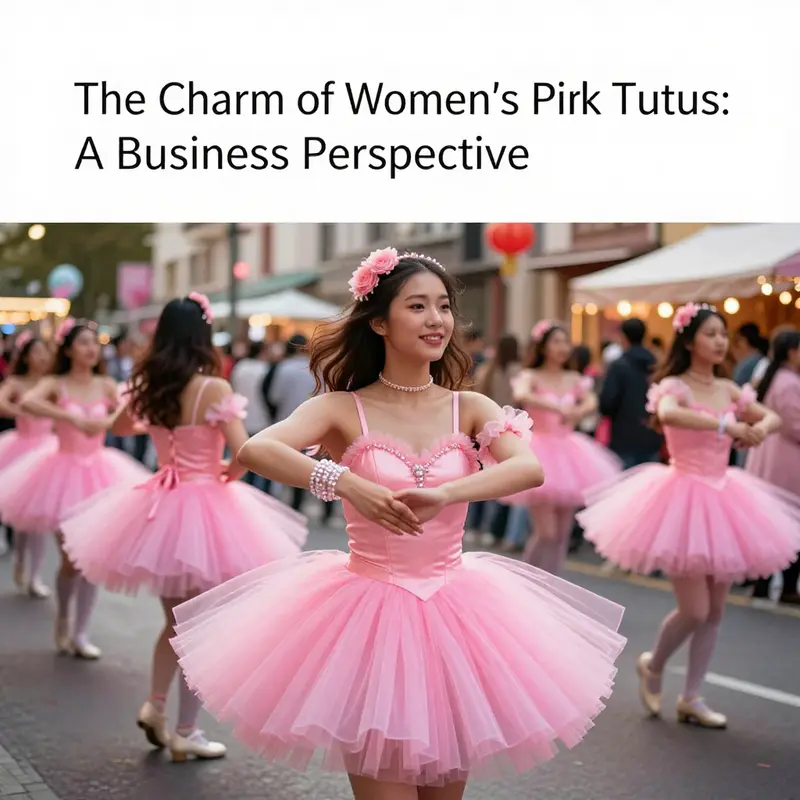
The women’s pink tutu is more than a costume or a fashion staple; it is a motif that travels through ceremonies, performances, and ordinary days to carry rituals, memories, and a sense of possibility. Its delicate layers of tulle catch light and air in a way that seems to suspend time, inviting both viewer and wearer to lean into moments of anticipation, celebration, and gentle rebellion. In many cultures, a tutu in this pale, buoyant pink acts as a bridge between tradition and modern self-expression, a soft platform on which romance, blessing, and personal meaning can be negotiated and shared. Its cultural life is not confined to the stage or the party—though the stage remains a powerful arena where its symbolism is rehearsed and reinforced. It spills into weddings, festive parades, charitable events, and everyday streetwear, taking on meanings that reflect the wearer’s mood, social moment, and community narratives. The result is a textile story that speaks with a quiet, almost whispering confidence about femininity, vulnerability, strength, and the joy of movement.
Historically, ceremony and dress have walked hand in hand, but the pink tutu crystallizes a contemporary conversation about how we dress for ritual. In traditional contexts, a wedding or rite of passage often demands garments that honor lineage while allowing the present moment to glow with new possibilities. In parts of East Asia, for example, pink-inflected ensembles that fuse classic silhouettes with a soft, fluffy hemline have appeared as modern adaptations of formal wear. A pink interpretation of the familiar gown or robe can preserve the dignity and grace of the occasion while threading in a sense of play and dream. The visual vocabulary of such outfits—soft pink hues, layered tulle, gentle volume—transforms the ceremony into a multi-sensory experience that resonates with warmth and blessing. The pink tulle skirt here serves as a visual cue for tenderness and hope, a signal that the wearer stands at the threshold between memory and the future. The ritual energy is subtly reinforced, not by ostentation, but by a choreography of fabric that moves with the breath of the room and the tempo of the celebration.
In the broader cultural imagination, the pink tutu’s appeal stretches beyond formal gatherings. It has become a familiar emblem of childhood enchantment and the lingering possibility of adulthood that refuses to give up wonder. Psychologists often point to the appeal of frill and ruffle—sometimes labeled the “Pink Frilly Dresses”—as a moment of learning how people relate to gender, power, and emotion. The tutu, with its multiple flattened layers of tulle, offers a tactile metaphor for complexity: it looks simple at a distance, yet invites close attention as its layers unfold with every step. This is not a mere aesthetic preference; it is a language that communicates a stance toward life—delicate on the surface, robust in motion, capable of powering a smile even under the weight of ordinary responsibility. When public figures reveal a penchant for pink tulle in more mature contexts, the conversation shifts from cuteness to capability. A widely discussed moment in contemporary fashion involved a Korean screen icon whose appearance in a saturated pink lace tutu was celebrated as both serene and assertive. The look challenged the old associations of pink with girlish gentleness alone, presenting a refined statement about agency, creativity, and the capacity to hold space for both softness and strength. In narrative terms, the pink tutu becomes a narrative instrument—an object that translates inner states into outward form, offering a safe gate through which people can experiment with identity while remaining anchored to a shared cultural grammar.
Beyond the gaze of fashion or cinema, the pink tutu has acquired another, more widely recognized role: it is a vehicle for care and solidarity. There are stories of times when a tutu is deployed not as a costume but as a symbol of courage and compassion. A courageous figure who wore a pink tutu for more than a decade, turning the garment into a beacon of resilience, catalyzed a charitable initiative that uses the tutu’s visibility to support breast cancer patients. This is perhaps the most compelling part of the tutu’s cultural life: the way it can be deployed to carry intention, to mobilize communities, and to translate aesthetic delight into practical aid. The garment, begun as a personal or performative choice, becomes a social instrument, a sign that beauty and care can coexist and amplify each other. The tutu thus participates in a broader public conversation about gender norms, vulnerability, and the common good, showing that fashion can be a medium for advocacy when it aligns with lived experience and collective empathy.
If one looks closely at the aesthetics of the pink tutu, the dance of color and material reveals another layer of meaning. The specific pink—the pale, almost ivory-tinged shade that designers describe as a soft blush—plays a crucial role in how the garment reads in different light, settings, and skin tones. It is not a single color so much as a tonal spectrum of gentleness and warmth. The high-key lightness of the shade, combined with the translucent layers of tulle, creates a spectral effect: the skirt seems to shimmer with its own luminescence, catching highlights and turning ordinary daylight into something almost ceremonial. In sensory terms, the fabric breathes and sways; the lightness invites movement, and movement invites more light. This reciprocity between fabric and atmosphere makes the pink tutu a natural partner for dance, parade, or ritual where the goal is to evoke grace without rigidity. The color choice matters, too, because pink has a social resonance that can soften a room, invite conversation, and set a tone of inclusivity. It is as if the color itself extends a gentle invitation to audience and wearer alike to look closer, to listen, and to celebrate small, luminous acts of togetherness.
The tutu’s performative power is often most visible in public celebrations and community events. In festive environments, the tutu becomes a sign of participation—an accessible costume that signals belonging and a shared mood without demanding a specific identity. It invites spectators to suspend disbelief, to suspend the ordinary and step into the theatrical. Yet the tutu is not merely theatrical; it is communicative in a very everyday sense. When a grandmother or a teen adorns herself with a pink tutu to attend a street festival or to join a charity walk, she communicates a stance that participation and playfulness can coexist with seriousness of purpose. The layered skirt translates intention into visibility; it makes a collective moment feel lighter, more inclusive, and more hopeful. The girl next door and the performer on a festival stage share a thread of common experience: a momentary surrender to the joy of wearing something that makes the world seem a little kinder and more magical.
Elegance and audacity coexist in the cultural life of the pink tutu, and this duality helps explain its enduring appeal. A tutu is not merely a doll-like accessory; it is a garment that can carry a spectrum of emotional states—from nostalgia and romance to courage and defiance. In contemporary fashion consciousness, the pink tutu is a reminder that femininity can be both delicate and dynamic, that a statement can be quiet and loud at the same time. The tutu’s fabric—soft, airy, and historically linked to ballet—has become a canvas on which people can project personal myths and social messages. The multi-layered silhouette gives the wearer permission to move in ways that reveal character and intention, whether that movement is part of a carefully choreographed dance, a spontaneous improvised shimmy at a parade, or a slow, contemplative walk through a holiday market. The choreography of fabric thus mirrors the choreography of life: layers fall into place as the wearer moves toward a moment of meaning, and lightness becomes a form of resilience.
In terms of contemporary aesthetics, designers continually reframe the pink tutu to suit different contexts. For stage performances, a tutu may be embellished with subtle metallic threads or lace, but the core remains the same: a balance of volume and air, a reminder that beauty can be economical and expressive at once. For street-style looks, a pale pink tutu can be paired with pared-down pieces—soft knits, tailored jackets, or clean lines—that keep the look mature while preserving the sense of whimsy. The result is a spectrum of possibilities that can adapt to varying climates, cultures, and occasions without losing the garment’s essential language: lightness, celebration, and open-hearted invitation. The same garment, in different hands, becomes a mirror for the wearer’s inner weather, a tangible way to offer others a mood to borrow for a moment—if only for a stroll through a sunlit plaza or a midnight-lit boulevard during a festive season.
The chapter of pink tutu culture does not end with fashion or ritual alone. It also intersects with media, storytelling, and the politics of color. When a public figure selects such a silhouette in a setting that demands seriousness—awards, commemorations, or film premieres—the pink tutu can project a nuanced stance: it can assert identity while embracing communal warmth, it can demand attention and invite empathy at once. This is part of the tutu’s cultural power: it is highly legible, but not reducible to a single meaning. Its significance shifts with context, with the wearer’s intention, and with the audience’s reception. In festive cultures that place emphasis on collective joy and intergenerational continuity, the tutu serves as a living archive of shared memories—the kind that family gatherings, cultural performances, and national holidays accumulate over time. A pink tutu worn in a public square during a festival carries not only the wearer’s mood but also the mood of the crowd: a soft chorus of nodding heads, a rise in laughter, a sense of communal blessing. The fabric’s flutter becomes a small civic gesture, a reminder that beauty and belonging can coexist with effort, endurance, and generosity.
This broad cultural life invites readers to acknowledge the pink tutu as more than a garment. It is a cultural artifact, an emissary of emotion, a vehicle for solidarity, and a mutable signifier of how people choose to dream together. The garment’s journey from private delight to public symbol speaks to a universal impulse: the desire to carry lightness into moments that matter. It is a reminder that ceremony does not require solemnity alone; it also requires space for play, tenderness, and hope. In that sense, the pink tutu acts as a cultural compass, guiding participants toward moments where the ordinary becomes something memorable and the memorable becomes part of everyday life.
For readers who wish to explore further how such symbolic garments translate into lived experience, a broader conversation about the tutu’s cultural trajectory is essential. The piece in a venerable cultural outlet illuminates how a simple skirt has grown into a symbol of empowerment, resistance, and community care. It is worth noting that the tutu’s trajectory—from a traditional stage costume to a versatile symbol of self-determination—maps onto shifting conversations about gender, performance, and public life. The tutu’s lightness becomes a strength when used to carry serious messages about love, care, and courage. In festivals and ceremonies around the world, the pink tutu remains a gentle, resilient canvas on which people can paint their most cherished stories. It invites both participants and observers into a shared space where beauty does not retreat from injustice or sorrow; instead, beauty becomes a beacon that helps illuminate paths toward healing and joy.
As the cultural life of the pink tutu continues to unfold, it remains an invitation to see clothing as a language—the language of textures, colors, and motion that communicates openness, inclusivity, and a willingness to celebrate life in all its imperfect brightness. The tutu’s story is a reminder that fashion, at its best, does more than decorate the body; it reassembles community, reframes memory, and offers a moment of pause in which the world might feel kinder, more generous, and a touch more magical. To those who wear it, the pink tutu becomes a small ceremony in itself—an occasion to breathe, to smile, and to move with intention through the many seasons of celebration and care that define human living. The journey of this simple garment continues, and with each new festival, charity event, or family gathering, it writes another line in a living, participatory chronicle of culture, identity, and shared delight.
External resource for further reading: The Power of the Tutu: How a Simple Skirt Became a Symbol of Empowerment.
Internal link for related exploration: pink-tutu-ballet-costume-sleep-beauty-high-end. This link offers a window into how the pink tutu adapts for diverse ceremonial and festive contexts, from intimate gatherings to larger public performances, while maintaining a sense of refined elegance that aligns with the chapter’s exploration of cultural meaning and ritual function.
Final thoughts
Women’s pink tutus continue to captivate a wide audience through their tasteful design, affordability, and significant versatility across various settings. They represent an ever-evolving fusion of fashion, dance, and culture. As a business owner, understanding these elements can help you better cater to consumer desires and capitalize on the growing interest in stylish tutus. This knowledge not only enhances your product offerings but also positions your brand within this fashionable niche.