
Introduction
Ballet tutu skirts are essential garments in the dance industry, crafted not only for aesthetic appeal but also for performance functionality. These skirts are designed to enhance the graceful movements of dancers, making an understanding of their features crucial for business owners in the ballet wear market. This article delves into the specific construction features of ballet tutu skirts, explores the various aesthetic options available, examines comfort and fit considerations, and analyzes current market trends. Each chapter will provide insights that can inform product offerings, marketing strategies, and customer engagement in the competitive realm of ballet fashion.
Tables of Contents
Chapter 1: The Artistry of Fabric Layers in Ballet Tutu Construction
- The Role of Layered Tulle in Shaping Ballet Tutu Skirts
- Elastic Waistbands and Structural Fit: The Key Elements of Ballet Tutu Skirt Construction
- Exploring the Fabric Choices That Shape Ballet Tutu Skirts
Chapter 1: The Artistry of Fabric Layers in Ballet Tutu Construction
1. The Role of Layered Tulle in Shaping Ballet Tutu Skirts
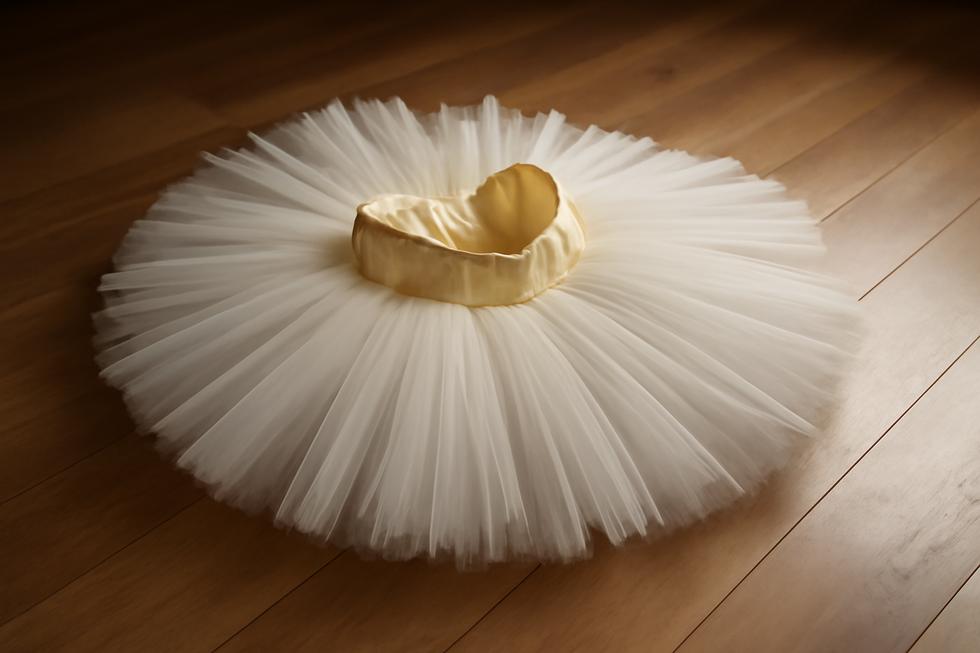
A ballet tutu skirt is more than just a garment; it is a carefully engineered piece of art where layered tulle plays a foundational role. In many classic designs, particularly the pancake style, these layers create a distinct silhouette that elevates the dancer’s performance both visually and functionally. The construction begins with a collection of stiff, lightweight tulle sheets, often made from materials like nylon net, meticulously stacked and gathered to produce an airy, voluminous effect. This not only bestows the tutu with its iconic flared shape but also ensures that it maintains its structure throughout the rigors of performance, effectively achieving a standard diameter of approximately ten inches (25.4 cm).
The assembly process is equally thoughtful. Each layer of tulle is connected to a fitted basque or waistband, which serves as the anchor of the tutu’s design. For added sophistication and realism, designers often incorporate separate tutu plates crafted from silk organza or muslin. These plates are skillfully hidden underneath the basque piping in traditional pancake tutus and adapt seamlessly into romantic styles featuring cinched waists. This allows for an exquisite interplay of structure and flexibility, crucial for both aesthetic appeal and dancer comfort.
Moreover, the fastening mechanisms of ballet tutus add another level of functionality to their design. Popularly, these skirts are equipped with ribbons, Velcro, or hooks, which allow for swift changes during performances, catering to the dynamic nature of ballet. While these techniques support the primary layered aesthetic, they also enhance the ability of each dancer to transition smoothly from one costume to another without a hitch.
Soft details such as sleeve puffs and ruffles, typically created from delicate tulle or mesh, are also incorporated to augment the visual dimensions of the skirt without compromising its overall form. Elastic gathers on these elements not only enhance the skirt’s texture but also provide the necessary support for the layered look. This precise crafting lends a dreamlike quality to the tutu, allowing it to flutter gracefully with every movement.
The layered tulle structure transcends its practical usage, embodying a dancer’s passion and artistry on stage. Each skirt tells a story, a combination of materials and design meticulously chosen to ensure the garment is as enchanting as the performance itself. For those searching for high-quality options, a vast array of styles and colors are available at specialized shops. Whether for performances, recitals, or casual play, the ballet tutu remains a timeless piece that marries functionality with aesthetic beauty in the world of dance. The elegance of a tutu lies not just in its appearance but in the thoughtfulness of its layered construction, perfecting every pirouette and leap with grace and style.
2. Elastic Waistbands and Structural Fit: The Key Elements of Ballet Tutu Skirt Construction
The construction of a ballet tutu skirt is heavily influenced by its waist and fit elements, which play a pivotal role in ensuring both comfort and function during performances. Central to this design is the elastic waistband, a feature that caters specifically to the dynamic needs of dancers. This elasticized feature not only provides the adaptability required for various body shapes and sizes but also allows for ease in putting on and removing the skirt. Designed to snugly hold the garment securely in place, it prevents any shifting during movement. This is particularly crucial in ballet, where seamless motion and precision are imperative.
Each tutu is crafted to capitalize on the dancer’s ability to execute fluid transitions and intricate movements. The fit of these skirts is tailored to allow substantial freedom of movement, offering either midi or shorter lengths, which are complemented by an A-line silhouette. This design not only flatters the figure but also ensures that the dancer can move gracefully without impediment. Given the intensive physical demands of dance, the incorporation of linings serves an essential function—providing a soft barrier against the skin to minimize irritation. This thoughtful detail enhances the overall comfort of the skirt, allowing performers to focus on their dance rather than potential discomfort.
When considering the aesthetic dimension, the layered construction of tulle also plays a significant role in the tutu’s profile, contributing to its distinct flared appearance. While the elastic waistband supports the structure, the buoyancy of the layered tulle offers the visual impact that is synonymous with ballet performance attire. For the skirts often designed with four to five layers of material, softer inner layers create comfort against the skin, while the outer layers remain lightweight and airy. This juxtaposition not only produces a dramatic halo effect as the dancer moves but also lends the skirt durability.
Incorporating bodices into tutu designs typically involves using semi-stretch fabrics with linings that skillfully meld comfort with style. These bodices are integral to further enhancing the skirt’s fit by providing additional support while minimizing friction against the skin, which is crucial for extended wear.
Dancers and parents alike should take care when choosing sizes, as many manufacturers recommend sizing up for those in between sizes, ensuring that dancers can enjoy the flexibility necessary for their craft without compromising on style. Each element of the tutu, from the elastic waistband to the layered design and A-line cut, embodies a marriage of function and beauty—the hallmarks of professional ballet attire. For further inspiration and options, explore a range of tulle midi skirts that highlight these construction principles in practical dancewear.
Shop for Tulle Midi Skirts with Elastic Waist and experience the ideal blend of comfort and performance-enhanced design.
3. Exploring the Fabric Choices That Shape Ballet Tutu Skirts
The ballet tutu skirt is a dance essential that not only enhances a dancer’s aesthetic but also plays a crucial role in the performance itself. The choice of fabric significantly influences the construction features of these skirts, lending them their characteristic look and feel. Ballet tutus primarily utilize tulle, chiffon, nylon, polyester, and Lycra. Each of these fabrics imbues the skirt with unique properties that cater to performance demands.
Tulle is arguably the most iconic fabric associated with tutus, often forming the core of a dancer’s stage ensemble. Its stiffness creates the desired volume and structure fundamental to classical silhouettes such as pancake or platter tutus. In many cases, these skirts feature multiple layers—typically ranging from four to six—to maintain the iconic flared shape during both rehearsals and performances. Well-crafted tulle is designed to be gentle against the skin, with softer variants ensuring that it doesn’t cause itching, thereby allowing for maximum comfort while dancing.
Conversely, chiffon offers a lightweight, ethereal quality often favored in softer, wrap-style tutus. This fabric enhances fluid movement, making it a preferred choice for dances that emphasize grace and flow, such as pliés and pirouettes. Being a sheer fabric, chiffon provides a delicate visual appeal, while its non-stretch polyester varieties ensure durability when treated properly. A typical chiffon skirt requires around 100 cm x 150 cm of the fabric, traditionally finished with rolled hems for a neat edge that withstands the rigors of active dance.
In younger dancers’ practice wear, nylon-polyester blends come into play. These blends—often composed of 80% nylon and 20% polyester—yield fluffy pettiskirts that offer both durability and lift, crucial for playful twirling and spinning. Such fabrics are vital for young dancers who are learning the basics while enjoying the buoyancy provided by such designs.
To address the need for flexibility in movement, Lycra is increasingly included in tutu designs, especially in hybrids. The addition of Lycra enhances the versatility of the garment through its stretch and recovery properties, enabling dancers to execute intricate movements with ease. As a result, these tutus accommodate both the technical and emotional aspects of dance performances, empowering dancers to express their artistry wholeheartedly.
Attention also needs to be paid to the care of these materials; moisture can compromise the stiffer structures, diminishing the tutu’s overall lifespan and performance quality. Thus, while fabric choice is paramount, proper maintenance cannot be overlooked in a dancer’s pursuit of excellence. This combination of fabric types and careful construction ensures that ballet tutu skirts meet the high standards required on stage and in classrooms.
For those interested in exploring the varieties of ballet tutus available, visit DadaTutu for a collection of elegant tutus that showcases these features remarkably.
Final thoughts
The ballet tutu skirt represents a critical component in the ballet market, balancing functionality with aesthetic appeal. Business owners must leverage insights from its construction, diverse styles, comfort aspects, and market dynamics to optimize their offerings. Understanding these elements not only helps in better product development but also enhances customer satisfaction and loyalty. As the ballet fashion landscape evolves, staying informed about trends will position your brand for success in a competitive industry.
Elevate your dance with premium, comfortable balletwear from luneballet.com! Designed for grace and performance, our pieces blend quality fabrics and timeless style. Whether you’re a beginner or a pro, shop now to find your perfect fit—step into confidence, express your art, and shine on stage. Explore our collection today!
About us
At luneballet.com, we’re passionate about crafting exceptional balletwear for dancers of all levels. With a focus on quality, comfort, and elegant design, we produce pieces that support movement and inspire confidence. Our mission is to provide reliable, stylish dancewear that helps you embrace your passion and perform at your best.