
Introduction
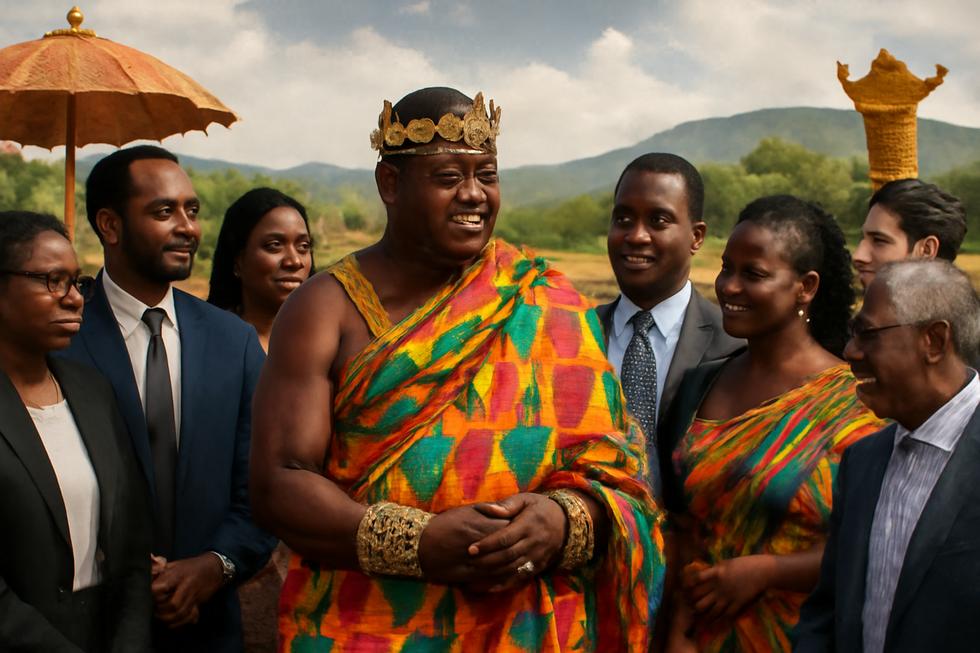
Dr. Osei Tutu II, the Asantehene, embodies a fusion of tradition and modern governance, rendering him a pivotal figure for business owners in Ghana. His multifaceted leadership extends beyond ceremonial roles, addressing pressing issues such as peace, education, healthcare, and youth development through the Otumfuo Osei Tutu II Foundation. Each chapter unveils his profound contributions, demonstrating how his leadership principles can inspire entrepreneurs to drive social and economic growth.
Tables of Contents
Chapter 1: Navigating Tradition and Modernity: Dr. Osei Tutu’s Role as a Mediator in Conflict Resolution
- Artisan of Peace: Dr. Osei Tutu’s Innovative Approach to Conflict Resolution in Traditional Governance
- The Leadership of Dr Osei Tutu: Asantehene’s Role in Advancing Development through Traditional Governance
Chapter 1: Navigating Tradition and Modernity: Dr. Osei Tutu’s Role as a Mediator in Conflict Resolution
1. Artisan of Peace: Dr. Osei Tutu’s Innovative Approach to Conflict Resolution in Traditional Governance
Dr. Osei Tutu II, the Asantehene of the Ashanti Kingdom, embodies a striking balance between honoring centuries-old traditions and addressing the pressing conflicts of modern society. His reign, which commenced in 1999, has been marked by a profound dedication to conflict resolution, an essential aspect of traditional governance within Ghana. As a mediator, he leverages both indigenous practices and contemporary methods to foster dialogue and restore peace among diverse communities that often find themselves at odds due to various disputes.
Central to his leadership is the philosophy that disputes can be resolved through understanding rather than division. Dr. Osei Tutu employs a charismatic leadership style, which fosters a strong relationship with his constituents and enhances the trust essential for effective mediation. His ability to listen empathetically allows him to engage conflicting parties in open dialogue, often facilitating community forums where grievances can be aired. This collaborative approach is a cornerstone of his method, allowing for genuine participation and ensuring that all voices, especially those of the marginalized, are heard.
Mediation forms the heart of Dr. Osei Tutu’s conflict resolution strategy. He emphasizes that mediation should create an environment where there are “no winners or losers,” and he meticulously structures his processes to reflect this ideal. For instance, his recent intervention in the ongoing inter-ethnic conflict surrounding the land disputes in the Ashanti region showcases his ingenious blend of traditional reconciliation practices and innovative mediation techniques. In 2022, his engagement in a critical land ownership conflict resulted in a balanced resolution that reinstated trust among feuding parties, demonstrating the effectiveness of inclusive discourse.
The Asantehene’s methodology extends beyond mere negotiation; he integrates traditional rites that resonate deeply with the cultural values of the Ashanti people. During his conflict resolution initiatives, he incorporates customary reconciliation practices, which serve to reinforce social bonds and restore community unity. A prominent example is his mediation in the notorious Bawku chieftaincy conflict, where he was pivotal in declaring a rightful chief through a process steeped in traditional customs. His work not only mediates conflicts but also revitalizes local governance structures, consequently urging the state to reinforce legal frameworks that uphold these resolutions.
One noteworthy study of Dr. Osei Tutu’s mediation impact can be seen in his interventions regarding the Bawku dispute. After extensive dialogue, he produced findings advocating for legal enforcement of these traditional rulings, significantly contributing to calm in a region previously marred by violence. Such actions reflect the profound interconnectedness between customary authority and state structures, affirming that traditional leaders like Dr. Osei Tutu can play vital roles in contemporary governance.
Dr. Osei Tutu’s leadership does not exist in isolation; it thrives through a broader recognition of the importance of cultural heritage. His work emphasizes the continuity of Ashanti traditions, demonstrating how they can coexist with and complement modern governance practices. By championing cultural narratives and resolving conflicts effectively, he not only strengthens communal ties but also fosters broader social development initiatives through the Otumfuo Osei Tutu II Foundation.
Thus, Dr. Osei Tutu’s commitment to peacebuilding is not merely about resolving disputes; it encapsulates a vision for a unified Ashanti Kingdom. His innovative approaches to conflict resolution exemplify how traditional governance can adapt to modern challenges while maintaining a strong cultural identity. In leveraging both dialogue and traditional practices, he carves a path toward sustainable conflict resolution, echoing a profound truth that the strength of a kingdom lies not just in authority, but in the hearts of its people working together towards harmony.
2. The Leadership of Dr Osei Tutu: Asantehene’s Role in Advancing Development through Traditional Governance
Otumfuo Nana Osei Tutu II, the sixteenth Asantehene, exemplifies the harmonious blend of traditional governance and modern development within the Asante Kingdom. Since his enstoolment in 1999, he has championed institutional reforms that seek to fortify the role of the Asanteman Council, emphasizing a governance model deeply rooted in tradition yet responsive to contemporary challenges. Osei Tutu II’s leadership is marked by an unwavering commitment to judicial independence and accountability, allowing the council to address customary law and chieftaincy disputes effectively. This proactive approach not only legitimizes the chieftaincy institution but also instills a sense of order and discipline among chiefs, ensuring that traditional authorities are held accountable for their actions.
Another cornerstone of Osei Tutu’s leadership is his dedication to peacebuilding. An exemplary demonstration of this focus was his pivotal role in resolving the Dagbon chieftaincy crisis, a conflict that persisted for decades. As chair of the Committee of Eminent Chiefs, he facilitated dialogue among disputing factions, nurturing an environment conducive to reconciliation. By restoring peace in Dagbon, Osei Tutu showcased how traditional leaders can leverage their mediatory power to influence national stability, transcending the limits of cultural lineage to effectuate real change.
In alignment with his role as a traditional leader, Osei Tutu II actively engages with modern governance structures while maintaining a stance of political neutrality, as outlined by Ghana’s constitution. His ability to navigate this complex landscape allows him to act as a unifying figure among the Asante people, both domestically and abroad. For instance, during a 2014 Akwasidae ceremony, former President John Dramani Mahama sought his blessings for good governance, highlighting the Asantehene’s significant advisory role in national affairs. Such interactions epitomize the symbiotic relationship between the state and traditional leadership, reinforcing the relevance of traditional authorities in contemporary political discourse.
Moreover, Osei Tutu II’s engagement in modern development initiatives through the Otumfuo Osei Tutu II Foundation underscores his commitment to socio-economic growth. The foundation focuses on vital sectors such as education, health, and youth empowerment, actively addressing the pressing needs of Ghana’s society. His advocacy for enhancing educational opportunities aligns with a broader vision of fostering long-term development in the Asante community. By addressing these social determinants, he not only elevates the standard of living for his people but also reinforces the legacy of the Asante Kingdom as a beacon of progress.
Despite the rich historical backdrop that traditional governance embodies, Osei Tutu II seamlessly integrates modern principles of leadership into his reign. His ability to adapt to changing dynamics while upholding customary practices positions him distinctively as a leader who respects the past and also embraces the future. As Chancellor of Kwame Nkrumah University of Science and Technology (KNUST), he further strengthens the nexus between education and cultural heritage, paving the way for future generations. This fosters not just a sense of identity among the Asante people but also fortifies their contributions to the greater Ghanaian society.
In this way, Dr. Osei Tutu II’s multifaceted leadership encapsulates the progressive evolution of traditional governance, demonstrating that cultural legacies can thrive in partnership with modern development initiatives. His reign is not merely about preserving the past; it is about creating a robust future that honors traditional values while firmly addressing the needs of a dynamic society. For more insights on celebrating Ashanti culture through performance and artistry, you can explore professional ballet tutus that resonate with this rich heritage.
Final thoughts
Dr. Osei Tutu II’s impactful leadership intertwines traditional governance with modern initiatives, fostering development across various sectors in Ghana. For business owners, his holistic approach highlights the necessity of integrating social responsibility with economic pursuits. By emulating his principles—advocating for peace, promoting education, and investing in community health—entrepreneurs can not only contribute to societal progress but also cultivate sustainable business models that thrive in harmony with their communities.
Elevate your dance with premium, comfortable balletwear from luneballet.com! Designed for grace and performance, our pieces blend quality fabrics and timeless style. Whether you’re a beginner or a pro, shop now to find your perfect fit—step into confidence, express your art, and shine on stage. Explore our collection today!
About us
At luneballet.com, we’re passionate about crafting exceptional balletwear for dancers of all levels. With a focus on quality, comfort, and elegant design, we produce pieces that support movement and inspire confidence. Our mission is to provide reliable, stylish dancewear that helps you embrace your passion and perform at your best.