
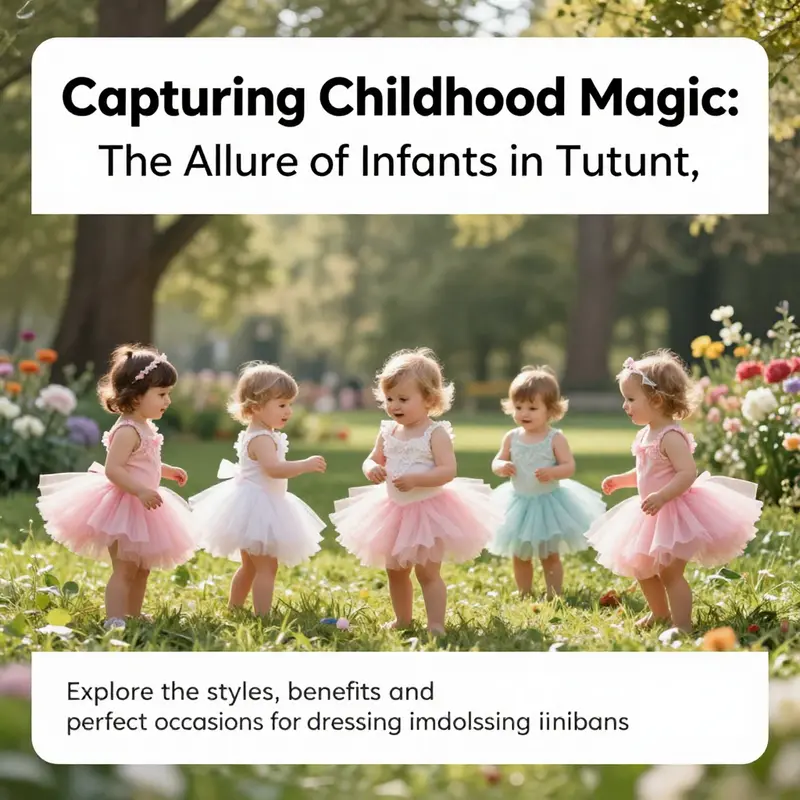
Dressing infants in tutus blends style, comfort, and whimsy, making it a captivating choice for parents and caregivers.
Cloudlike Silhouettes: Exploring the Many Styles of Infants in Tutu
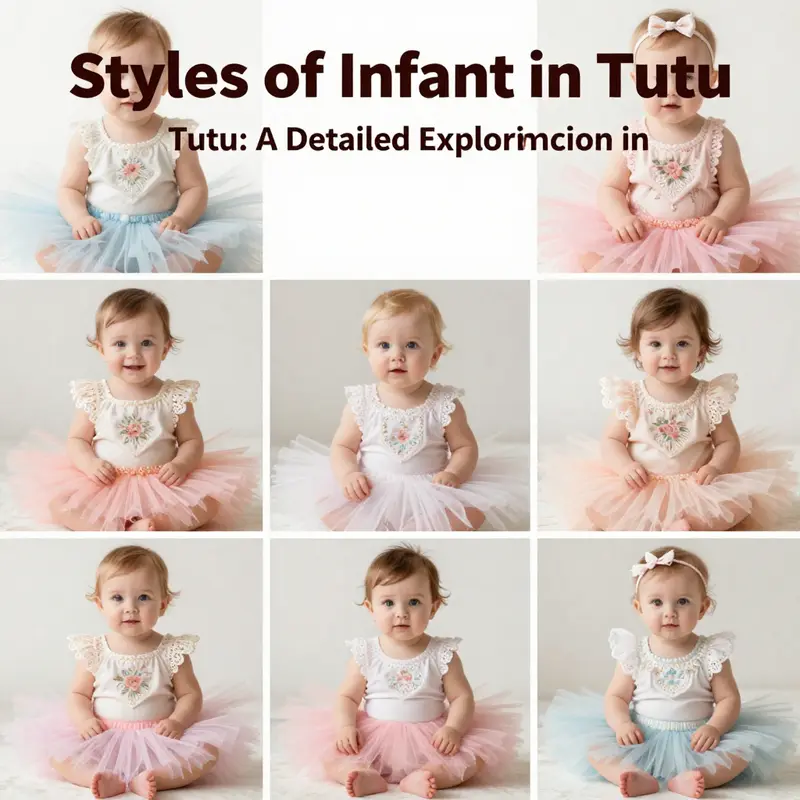
The image is timeless: a tiny figure swaddled in soft, fluttering layers of tulle, the edges catching light like miniature clouds. An infant in a tutu seems to suspend time, inviting a moment of stillness amid the constant motion of early childhood. Yet the charm is not simply in the outfit itself; it emerges from the conversation between fabric, fit, and the delicate physiology of a baby who is learning to discover the world through every sense. In this chapter, we explore the spectrum of tutu styles crafted for the youngest wearers, a spectrum that blends aesthetics with safety, comfort with whimsy, and memory-making with everyday practicality. The goal is not to prescribe a single look but to illuminate how different silhouettes, fabrics, and design choices reflect moments in a family’s life—from first photo sessions to holiday gatherings, to Easter celebrations, to intimate everyday play that still feels like a special occasion. The tutu, in its many forms, becomes a soft stage on which early personality can begin to surface, even before words are spoken or steps are taken with confidence. It is this paradox—the garment as both temporary attire and lasting memory—that makes the study of infant tutu styles worth a thoughtful, unhurried look.
One of the most striking truths about infant tutu styles is how quickly design language shifts as babies grow and mobility increases. The youngest wearers typically require fabrics that are ultra-soft against sensitive skin, with minimal risk of irritation or overheating. Breathability matters as much as beauty, because even a light layer of fabric can become a barrier if it traps warmth or restricts movement. As infants transition toward chubby, giggling toddlers, the world expands in every direction, and so too does the range of tutu-inspired silhouettes. The earliest styles favor generous volume, achieved through multi-layer tulle that reads as a gentle halo rather than a stiff skirt. Layers create a cloudlike silhouette that photographs beautifully, especially against soft gradients of pastel backgrounds. Yet even with the most ethereal look, there is a practical thread running through design: soft elastics, gentle waistbands, and fabrics that can withstand the gentle tug of curious hands while remaining unruffled by the soft chaos of a baby’s day.
In the broader landscape of tutu-inspired outfits, the transition from infant to toddler often introduces a shift in structure. As babies grow into toddling preschoolers, designers frequently experiment with silhouettes that maintain the party-dress aura but incorporate more defined lines. The classic layered tutu can become a three-layer or even four-layer arrangement, each layer adding volume without sacrificing comfort. These cloudlike skirts pair with versatile tops, allowing for color stories that range from the quiet elegance of pale blues and blush pinks to the bold drama of deeper jewel tones. Aimed at younger fashion enthusiasts, these designs emphasize ease of wear and convenience: elastic waistbands that stretch with growing bellies, satin linings that feel smooth against skin, and seaming that avoids any chafing on sensitive hip and thigh contours. The effect is an age-appropriate balance of whimsy and poise, where the outfit supports self-expression rather than dictating it.
Within this spectrum, several silhouette families recur because they surface naturally from the physics of fabric and the expectations of special moments. The tube top tutu dresses, for instance, pair a fitted bodice with a flared skirt, offering a streamlined yet playful silhouette. The bodice helps anchor the tutu, reducing floppiness and ensuring the center of gravity remains easy for little movers to manage. This style often comes in neutral or pastel tones, making it an attractive choice for weddings, christenings, or recital photographs where a more formal air is desired without sacrificing the comfort of a soft, forgiving fabric. The tube top approach demonstrates how a simple structural adjustment can render the same material into a dress that reads as elegant rather than merely decorative, a subtle shift that can ease the stress of posing for cameras or standing for family portraits.
Another widely embraced variation is the party tutu dress, which leans into glamour and light-catching details. These designs welcome playful elements like delicate sequins, shimmering tulle, and even rhinestone accents, which sparkle as the baby moves and the light dances across a crowded room. Such pieces are often reserved for shorter wear windows—moments when a family wants to mark a milestone with a riot of color and energy. The visual language of a party tutu is not about strict formality; it is about storytelling through color and shine. It invites the baby to participate in the festivities with a sense of wonder, while still prioritizing safety and comfort. Glittery fabrics and metallic finishes can be exhilarating to look at, but they also require careful handling and washing care to prevent shedding and fabric wear. In practice, this means choosing materials that resist overheating and ensuring the tutu has a forgiving waistband that does not bite into soft skin when tiny hands tug at the fabric.
Of course, no discussion of tutu styles would be complete without acknowledging the role of tiny accessories that complete the look without overpowering it. Pink tutu socks, for example, are little touches that harmonize with the skirt’s hue, extending the color story down to the tiny toes. Accessories in this space are less about making a bold fashion statement and more about providing a gentle finishing touch that feels cohesive and complete. They can help tie a photoshoot ensemble together or offer a practical way to keep feet warm during sessions in cooler rooms or outdoor settings. The socks and headbands that accompany tutus become keepsakes in their own right, often photographed alongside the baby’s first smiles or first steps. The headbands, when designed with soft fabrics and secure but gentle fastenings, can also present opportunities for picture-perfect moments without compromising comfort.
If we widen the lens to the broader family of moving, growing children, a few styles call out for specific occasions or moments that families treasure. A rabbit-themed tutu, for instance, is a playful thematic option that can suit Easter celebrations or springtime photo sessions. Designers nudge that look into a gentle fantasy world with small accents—ears, tiny bows, or ear-inspired embroidery—set against a tutu that remains soft and breathable. The point to remember is that such motifs are best treated as seasonal or moment-specific accents rather than daily wear for an infant who is still learning to crawl, roll, and explore. The aim is to preserve the outfit’s charm while avoiding over-embellishment that could hinder movement or create hot spots where fabric gathers in folds. Flexibility is the watchword here; a seasonally inspired design should still respect the baby’s comfort first.
Beyond the aesthetics, the care and construction of these outfits deserve serious attention. A tutu built for an infant or toddler owes its charm to the integrity of the materials: lightweight yet sturdy tulle, breathable mesh layers, and inner linings that counter roughness. The best options rely on high-quality elastics that sit softly at the waist, a factor especially important for babies who might be sensitive to pressure around the midsection. Cleanliness is another practical concern. Hand washing is commonly recommended to preserve fabric integrity, though some modern designs can tolerate gentle machine washing when zipped or placed in a garment bag. Drying requires patience; air drying prevents shrinking or shape loss, which is essential for maintaining the tutu’s loft and silhouette over multiple wearings. Even the smallest details—the placement of a seam, the stability of a bow, the stretch of a waistband—play a critical role in whether a tutu remains comfortable through a few quick poses or endures through longer sessions of smiling portraits and family gatherings.
With these ideas in mind, families often approach shopping with a blend of intention and whimsy. The choice frequently balances the desire for a photo-ready appearance with the pragmatics of a baby’s daily life. For a simple, breathable option that keeps things flexible for ongoing growth, many households gravitate toward the basic tutu family, which emphasizes soft textures, clean lines, and generous elasticity. To explore the basic tutu category in our collection, you can visit the Basic tutu category. Basic tutu category.
Occasion and memory lie at the heart of many decisions. Some families frame a newborn’s early days with a series of gentle portraits where the tutu’s form is secondary to the pure expression of a new life—an airy halo around a tiny gaze, a candid moment of yawning joy. Others reserve the tutu for milestone events: a first birthday, a family holiday photo, or a seasonal Easter shoot where a specific palette can be coordinated with other family outfits. The color language chosen for these moments—soft pinks, powder blues, sunny yellows, or pristine whites—speaks to the mood families want to capture. The sense of time is palpable because a tutu, layered and light as it is, seems to freeze moments that are fleeting by design. Photographing a baby in a tutu therefore becomes less about showcasing a garment and more about recording a window into childhood that will be revisited with warmth as the child grows and the photos accumulate into a personal archive of memory.
In the end, the styles of infant tutus encompass a spectrum that mirrors the changing contours of early childhood. The options range from cloudlike, multi-layered silhouettes designed for gentle, picturesque moments to more structured forms that suit formal occasions, all harmonized by fabrics chosen for comfort and safety. The smallest details—elastic waistbands, soft linings, and breathable fabrics—serve as the foundation that allows a baby to move with curiosity and ease. The larger shapes of the outfits—tube-top silhouettes, full party skirts, and seasonal accents—offer opportunities for parents to coordinate with siblings, capture a particular theme, or simply celebrate a moment of pure delight. And through it all, the tutu remains a versatile instrument for storytelling, letting families craft a narrative about early joy, shared milestones, and the simple grace of a baby’s unhurried exploration of the world. As we continue to explore the broader landscape of styles in the pages that follow, the key takeaway is this: the best tutu is the one that respects the baby’s comfort while inviting a sense of wonder, making each moment both photographable and fondly recoverable in memory. For those who wish to dip into the basics first and build confidence in fit and fabric, the basic tutu category serves as a gentle starting point, a practical gateway to the larger world of tutu-inspired fashion for the tiniest members of the family. External resources can also provide broader perspectives on construction and style when parents wish to widen their lens beyond one brand or one season; for a detailed, illustrative guide to tutu dress construction and global variations, see a comprehensive external resource here: https://www.aliexpress.com/item/1005005287674949.html.
Whimsy with Warmth: How Infant Tutus Merge Gentle Comfort with Timeless Aesthetic
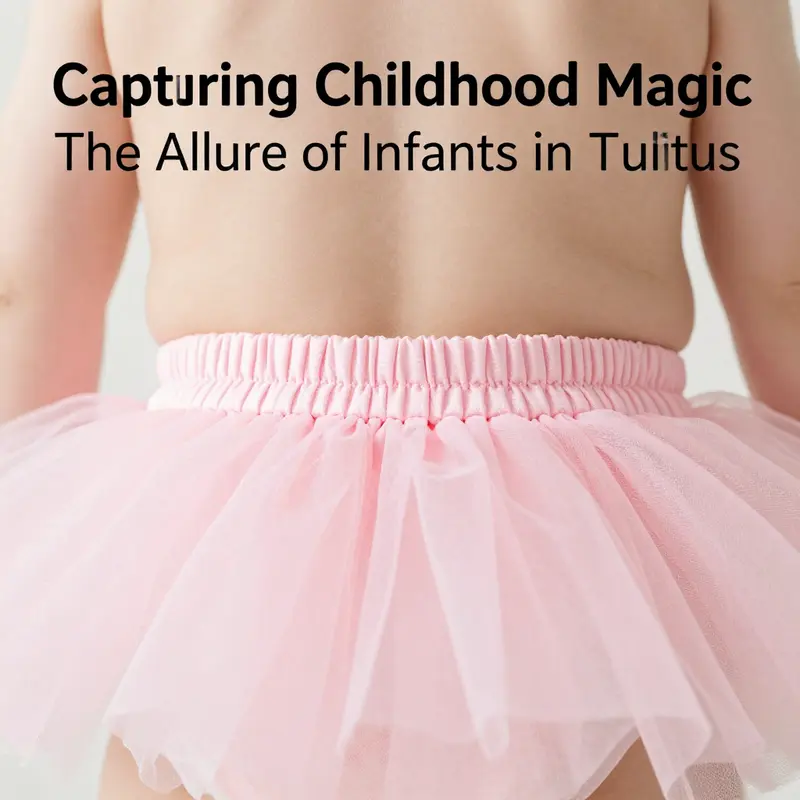
A baby in a tutu is more than a craft in fabric; it is a moment captured in light and texture, a small sculpture of innocence that moves with the soft breaths of a new life. The tutu, when chosen with care, can be a bridge between comfort and spectacle. It invites the photographer’s lens and the family’s gaze, yet it should never override the gentle needs of a tiny body. The best tutu for an infant is a delicate balance: a whisper of tulle that adds visual charm without weight or irritants, and a design that respects the baby’s capacity to move, explore, and simply be. In the chorus of milestone moments—the first birthday, a careful family portrait, a holiday gathering—the tutu can become a quiet signature, a way to celebrate growth while keeping the daily comfort that every caregiver hopes to preserve. When we talk about dressing an infant, the conversation often splits into two camps: aesthetics and practicality. But in the case of a tutu, those two currents can flow together in a single, cohesive choice. The materials, the cut, and the ease with which a baby can maneuver in and out of the garment all contribute to a garment that feels as good as it looks. The goal is not to clothe the baby in spectacle, but to dress them in an expression of warmth and playfulness that suits a body that is still learning how to regulate temperature, how to sit, roll, and eventually crawl. The tutu, with its characteristic fluff and drape, can do both jobs—frame a fleeting expression and keep the baby comfortable enough to smile, squirm, and discover the world around them. To understand why tutus work so well in these early months, we should start with the simple truth that comfort begins at the skin. Infants are highly sensitive to textures, seams, and heat. They cannot express irritations with words, so the garment must be forgiving, breathable, and free of abrasive surfaces. The choice of fabric matters. Natural fibers such as cotton or bamboo blends tend to regulate temperature more effectively and reduce skin irritation. Cotton breathes, wicks away moisture, and gives a softness that rivals the gentlest lullabies. Bamboo blends bring a similar breathability with a touch of silky smoothness that can be easier on sensitive skin. By avoiding fabrics that trap heat, such as dense synthetics, we lessen the chances of heat rash and discomfort—a small but meaningful safeguard for parents who want to keep their baby happy for longer periods during gatherings or photo sessions. The cut of the tutu also plays a crucial role in comfort. A well-designed infant tutu often features a smocked bodice or a stretchy, forgiving top that accommodates growing waists and fluctuating postures. The elasticity should be gentle, not restrictive, allowing for easy movement whether the baby is reaching for a favorite toy or simply shifting weight as they learn to sit upright. The waistband is a tiny but mighty detail: a soft, elastic band that stays in place without pinching is essential. When the waistband has a little stretch and a broad, smooth edge, it embraces the midsection without digging in, so the baby’s abdomen remains comfortable even as the legs move in different directions. These design choices—soft waistband, smocked bodice, and flexible construction—form the backbone of comfort in infant tutus. From a safety perspective, the simplest way to ensure a tutu remains a joy and not a risk is to prioritize restraint over ornament. The tutu itself should not overpower the baby’s natural balance. A tutu that is too long or too heavy can cause tripping or impede mobility, especially for infants who are still discovering their own gait. Therefore, length is not just a stylistic call but a practical one. Shorter tutus or those with lighter layering can still deliver visual whimsy while maintaining the freedom to move, roll, scoot, and, eventually, crawl. When bells and beads, ribbons, or small decorative accents are present, their placement is critical. Secure, flat embellishments are safer than loose beads that can come off. The safest option is a clean silhouette with minimal hardware, so there is nothing that could catch or irritate delicate skin during play. The balance of function and fashion, then, becomes a matter of measured choice. The aesthetic appeal of a tutu rests on more than just its volume. A baby’s silhouette framed by soft tulle catches light in a way that makes every blink of the eye or curl of a hand feel cinematic. The fluttering layers create a sense of movement that photographs well and invites the imagination to take hold. The contrast between a pale, airy tutu and the baby’s natural skin tone or the gentle hues of a pastel onesie can render a portrait that feels timeless. Color choices matter in this regard. Light colors reflect ambient light, enhancing the softness of the image, while brighter tones can heighten the sense of whimsy and engagement. The tutu’s translucence adds texture to photographs, where each layer of tulle catches a different slice of light, producing a subtle halo around a tiny figure. It is this blend of light play and tactile softness that makes tutus appealing in both documentation and daily life. The aesthetic aspect also serves a practical social function. Photos of infants in tutus can become keepsakes that families revisit and share for years. A well-cut, comfortable tutu yields images that feel affectionate rather than staged, which matters when parents want to remember a moment in which their child was simply being a baby. In that sense, the tutu acts as a storytelling device, signaling a moment of tenderness that can be looked back upon as the child grows. It is not merely about fashion; it is about memory, presence, and the quiet joy of watching a child discover the world in a soft and safe garment. Beyond memory, there is a social dynamic at play. Tutus can be coordinated with family outfits to create cohesive, but not overpowering, visuals. Subtle color harmonies, soft textures, and carefully chosen accessories can tie together a family portrait without turning the baby into a prop. The goal remains to preserve the baby’s agency in the moment—their expressions, their little yawns, the way they grab at a rattle or reach toward a parent’s smile. The care that goes into selecting materials and paying attention to fit mirrors the care families invest in every milestone. It is a reminder that what a baby wears is not simply a surface-level choice; it is part of the environment that surrounds them as they grow, learn, and become more themselves with each day. Of course, the practical realities of infant wear require attention to care and maintenance. Tutus are typically delicate by design, especially when they feature multiple layers of tulle. The best practice is to wash them gently and dry them flat, preserving the fabric’s shape and the fluff that gives the skirt its character. Hand washing with mild detergent and avoiding high heat helps to keep the fibers from stiffening or flattening, which can dull the dreamy drift of the layers. When not in use, store the tutu in a breathable container or fold it carefully to prevent creases that could affect its silhouette in future wear. A well-maintained tutu will retain its charm longer, allowing families to pull it out for future holidays or milestones where the same soft light and memory-making magic can be recaptured without compromising the baby’s comfort. For those seeking practical guidance on choosing a tutu, the most important criteria center on fabric, fit, and a streamlined design that honors the baby’s ease of movement. Materials made from natural fibers are preferred for the reasons outlined above, but even within those constraints there is a spectrum. A tutu can feel lush and airy or crisp and structured, depending on thickness, layering, and the type of lining used. The key is a design that promotes airflow and minimizes irritation, while still delivering the fluffy, celebrated look that families love. In this balance, the baby’s comfort becomes integral to the style, rather than an afterthought. For readers who want a straightforward starting point, consider exploring the basic tutu category to compare options that prioritize comfort and flexibility. Basic tutu category. This avenue provides a range of simple, softly structured tutus designed with an emphasis on fit and ease, helping families identify silhouettes that suit their baby’s size and activity level without compromising the gentle feel that defines infant wear. While a simple shape can be remarkably powerful in its effect, the choice should still reflect the baby’s unique temperament. Some infants respond to the touch of a lighter fabric with instant calm, while others engage more fully with brighter color contrasts and more movement-friendly designs. The parent’s intuition becomes the guiding force here: if the baby seems comforted by the fabric and not distracted by it, the tutu becomes a natural extension of the baby’s presence in a moment rather than a separate ornament. When the event calls for photography or a formal setting, more elaborate options may seem tempting. Yet even in those moments, the priority should be the baby’s comfort and safety. A dressier silhouette can be achieved with layered but light tulle and a soft satiny lining, or with a gently tailored bodice that accommodates movement rather than restricts it. The essential idea remains the same: a well-chosen tutu should feel almost invisible to the baby so that they can express themselves freely through gaze, grin, stretch, or curiosity. The emotional resonance of these moments is what endures in family memory. The fabric and cut are vehicles for expression, not restraints. In considering all of these aspects, one can appreciate how a tutu, when crafted with attention to material choice, fit, and safety, becomes a reliable, endearing garment for early childhood. It offers a way to honor milestones without compromising the baby’s comfort or natural development. Parents can feel confident that their child is dressed in a way that respects skin sensitivity, promotes healthy movement, and yields photographs that are warm, candid, and true to the moment. As we close this reflection, we circle back to the core intention: to celebrate early growth with tenderness and joy, to preserve safety while inviting whimsy, and to recognize that a simple tutu is more than fabric—it is a supportive, expressive companion in the earliest chapters of a child’s story. External resource: https://www.motherjones.com/health/2025/07/baby-clothing-materials-safety/
Small Moments, Big Memories: Perfect Occasions for an Infant in a Tutu
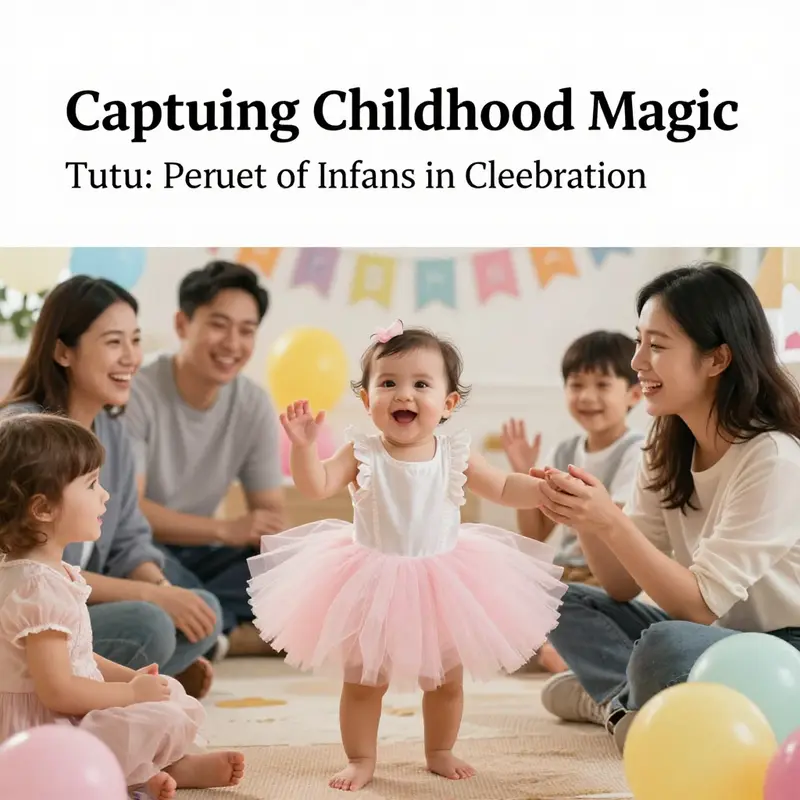
A baby in a tutu has a way of turning a moment into a memory that lingers long after the last candle has blown out. The flutter of soft fabric, the gentle sway of tulle, and the pure, unstudied expression on a tiny face all combine to create a scene that feels almost timeless. In the first year, when every milestone carries a sense of wonder and novelty, the tutu becomes more than a fashion choice; it is a tiny ceremonial cloak for the first year of growth, a wearable keepsake that parents will revisit in albums and stories for years to come. The choice of occasions where such an outfit shines is not simply about dressing up; it is about crafting opportunities for family connection, for photographs that tell a story, and for celebrations that honor the small, steady arc of a baby’s early life. Each event brings its own mood and meaning, and the tutu, with its airy texture and gentle lines, has a way of complementing that mood without overpowering the restraint and simplicity that define an infant’s early days. The goal is not to theaterize a child’s every moment but to illuminate those moments when tenderness and whimsy walk hand in hand, and the baby’s own expressions become the real center of attention.
At the heart of choosing occasions for an infant in a tutu lies a balance between comfort, safety, and the desire to capture a certain sweetness that these outfits can embody. The tutu’s design—soft layers of tulle over a cozy base—usually prioritizes breathability and lightness. This makes it well suited for short, joyful activities, photography sessions, and family celebrations where the focus is on shared smiles and candid interactions rather than active play. The fabric choices matter as much as the style. A tutu that pairs a cotton lining with delicate mesh or tulle can provide a friendly touch against delicate skin while preserving the garment’s shape through photos and gentle posing. In such moments, the baby is free to observe, coo, and beam with genuine delight, and the clothing serves as a frame that highlights those small, spontaneous expressions rather than distracting from them.
Birthday parties, with their confetti of colors and the rush of relatives gathered to celebrate a first or second milestone, are among the most common canvases for infants in tutus. The charm of a tutu in this setting is how it captures the festive spirit without demanding the baby to perform. A tutu’s fluffiness echoes the festive atmosphere—the bright ribbons, the cake’s soft crumb, the beaming eyes of relatives who have waited all year to meet that tiny, dazzling guest. In these moments, caregivers often coordinate colors with the party’s theme, choosing a palette that can translate well in photographs: pale pastels for a soft, dreamy look, or bolder hues that pop against a white or neutral backdrop. The baby’s comfort remains paramount. Elastic waists and flexible fits are essential so the baby can wiggle their toes, reach for a nearby rattle, or respond to a favorite lullaby without feeling constricted. Even during the quick rounds of photos, the aim is to preserve a natural, relaxed posture so that the tutu reads as an accent to the baby’s personality rather than a barrier to movement.
Weddings provide another compelling arena for an infant in a tutu, where the garment can function as a charming element in family portraits, lullaby-quiet moments in the pew, or as a tiny, fluttering companion near the aisle. In this context, the tutu tends to harmonize with the softness of a wedding aesthetic—the lace, the satin, the subtle sheen of organza, the way light glances off delicate fabrics. A baby dressed in a tutu at a wedding embodies a sense of innocence and promise, a reminder of why families come together to celebrate love and new beginnings. Yet even here, comfort is the rule. A baby’s participation in the ceremony or photographs should feel easy and unforced. Choosing a design that’s gentle enough for a quiet church setting and durable enough to withstand a few staged poses helps prevent fussiness or discomfort that could derail a moment of genuine joy. The baby’s day will unfold in its own rhythm, and the tutu should serve as a soft, unobtrusive highlight that allows those moments to shine.
Photo shoots are perhaps where the tutu truly shows its strength as a storytelling garment. In newborn and milestone sessions, the silhouette of a tutu can add structure and whimsy to the baby’s pose, creating visual lines that are both endearing and elegant. Photographers often appreciate the tutu’s ability to catch light differently as it moves with the baby’s limbs, producing dreamy layers that add depth to an image. For families planning a portrait session, discussing the color story in advance helps ensure the tutu complements the backdrop, props, and the baby’s complexion. A simple, well-fitted tutu with a soft elastic waistband tends to photograph beautifully, and it can be paired with a matching headband or a set of delicate accessories that echo the dress’s style. The aim in photography is not to overwhelm the scene with texture but to allow the baby’s face and the gentle motion of the tutu to tell the real story—the sense of wonder that accompanies every new smile, each blink of a curious eye, and the tiny, irresistible curl of a finger around a rattle.
Family gatherings during holidays or seasonal celebrations are another natural fit for infants in tutus. Whether it’s Christmas, Easter, or a cultural festivity that brings relatives from near and far, the tutu can be a unifying piece within a broader wardrobe. In these moments, the baby’s presence is the centerpiece, but the garment helps narrate the mood—cute and playful in one scene, gracefully festive in another. A key consideration at such events is the environment. Indoors, where heat can accumulate, a lighter, breathable layer under the tutu can help prevent overheating, while outdoor settings might invite a bit more layering for warmth without sacrificing the dress’s silhouette. The baby’s needs govern the pace of engagement. If a photo moment shifts into a crowded room, a quick switch to a simpler, more secure option may be prudent to maintain calm and ease. The tutu, in its simplest form, becomes a tactile memory cue—a reminder of the family’s joy and the baby’s role in it.
For parents seeking accessible routes to envision and realize these looks, the broader aim is not to chase a single perfect product but to cultivate a wardrobe mindset that prioritizes comfort, age-appropriate sizing, and care needs. The infant in a tutu is a reminder that moments of celebration can be light, airy, and easy to embrace. The fabric choices should balance softness with resilience; the sizing should accommodate growth and quick changes; the care instructions should reflect the baby’s skin’s sensitivity and the family’s routine. A simple tutu with a cotton lining and a soft elastic waistband is often enough to evoke the intended mood while staying practical for repeated wear during the infant’s early months. If a family envisions a more elaborate look, it is wise to consider incremental pieces that can be layered or removed as needed, ensuring the baby remains comfortable regardless of the event’s tempo. The essence lies in letting the baby’s natural charm lead the moment, with the tutu providing a gentle frame for that charm to unfold.
When planning such occasions, it’s helpful to think about the overall flow of the event: arrival, photos, or a toast, then a quiet moment with family members. The tutu’s presence should feel like a soft thread woven through this flow—visible enough to evoke delight but not so dominant that it distracts from the baby’s evolving personality. This is especially true for first birthdays and family portraits, where careful framing and timing can capture the baby’s most heart-melting expressions: a shy smile, a gurgling laugh, or a surprised gaze upon a favorite snow globe or a pet’s wagging tail. In every setting, the tutu’s role remains the same: to enhance, not overshadow, the baby’s natural wonder as they interpret the world around them in real time.
Beyond aesthetics and planning, there is a practical, almost tactile dimension to selecting the right tutu for a given occasion. The garment’s weight should feel appropriate for the climate and duration of wear. Lightly layered tulle over a breathable base generally performs well for short photo sessions or a few minutes of posing, while longer celebrations may benefit from a tutu that incorporates a softer, more flexible interior lining. The elastic waistband deserves attention for comfort and adjustability; a snug but not tight fit reduces the risk of irritation on sensitive skin and allows the baby to sit, stand, or lie down with less restriction. Accessories, such as a coordinating headband with a small bow or a delicate floral accent, can complete the look without becoming a distraction. When the baby’s mood shifts from curiosity to fatigue, a calm, familiar environment, a familiar blanket, or a quick cuddle can restore balance while preserving the outfit’s dignity and charm. In this sense, the tutu becomes not just clothing but a symbol of family connection and the gentle enchantment of early childhood, a whisper of color and motion that accompanies a baby’s day rather than commanding it.
For caregivers navigating the journey of selecting outfits for these occasions, there is a quiet reminder embedded in each choice: the best tutu is the one that palates well with the baby’s temperament and schedule. The moment a family gathers, a baby’s gaze completes the scene more than any posed pose could. The tutu, with its bubbles of fabric, frames that gaze and invites a kind of storytelling that’s both innocent and enduring. It is the small ritual of dressing a baby for a special moment—adjusting the waistband, smoothing a stray lock of hair, tucking away a tag that might itch—the ordinary acts that protect the extraordinary feeling of celebration. In this light, the infant in a tutu becomes more than a garment. It is a shared narrative of wonder, warmth, and the tiny but undeniable magic of a family’s first chapters together.
For those who approach these moments with a long horizon in mind, it can be helpful to view a tutu as a flexible building block rather than a fixed statement. A straightforward, well-made tutu can anchor a range of looks—from a quiet, monochrome portrait to a more playful, color-splashed ensemble suitable for a festive birthday photo shoot. The versatility of a good tutu comes from its compatibility with various layers, textures, and accents, allowing families to adapt the same piece across different events with only minor adjustments. By focusing on breathable fabrics, gentle fits, and timeless silhouettes, caregivers can ensure that the earliest fashion choices remain a source of joy and a source of memory, not a source of discomfort or concern. The baby’s experiences—the first hello from a relative, the first time a new song makes them bounce in place, the first shared laugh—are the true heart of these occasions, and the tutu serves as a soft, silvery thread tying those moments together in the story of a child’s first year.
The practical question of where to begin if a family is building a small collection for upcoming celebrations often comes down to starting with a reliable, simple base. A basic tutu, properly sized and constructed with comfort in mind, offers a flexible foundation that can be dressed up or down for different events. It is this foundational piece that can carry a family from a casual milestone photo to a formal family portrait without the need to overhaul the wardrobe for every occasion. When the time comes to shop, parents can lean on the knowledge that they are selecting a garment designed for delicate skin, for gentle movement, and for short periods of wear that align with a baby’s evolving schedule. In this light, the tutu ceases to be a mere accessory and becomes a trusted element in documentation and celebration, a consistent yet charming thread through the infant’s early chapters.
The social rituals that accompany infants in tutus—coordinated smiles for the camera, the exchange of warm wishes during family gatherings, the quiet moments between cousin sleepovers and grandparent showers—are the real substance of these occasions. The tutu heightens those rituals, like a soft bell that rings out when a moment is ripe for memory-making. And as the baby grows, the same element of whimsy can be reinterpreted—shorter skirts for warmer days, lighter fabrics as the days lengthen, or paired with a cardigan to adapt to a cooler evening. The adaptability is the beauty of a well-chosen tutu: it respects the baby’s pace, supports family rituals, and remains relevant across a succession of cherished moments.
In closing, while the occasions for dressing an infant in a tutu may appear specific on the calendar, they are really about something broader—the art of capturing a child’s genuine joy in ways that are gentle, memorable, and true to the season of life. The tutu is a quiet accelerant for stories that families will retell with laughter and warmth long after the pictures fade from view. It is an accessory that invites care and creativity without demanding perfection. And because these early moments are so fleeting, the most meaningful choice is often the simplest one: dress the baby in something comfortable, breathable, and beautifully light, let the moment unfold, and savor the magic that comes from seeing a little one in a flutter of tulle. To explore more about the kinds of tutus that form the backbone of these experiences, consider visiting the basic tutu category to find a versatile foundation that suits many occasions while keeping the baby’s comfort front and center.
Final thoughts
Infants in tutus embody the perfect fusion of style, comfort, and joyous celebration. These outfits are more than fashion statements; they mark special moments in a child’s early life and help capture unforgettable memories. By understanding the styles, benefits, and ideal moments to showcase these garments, you can help parents create lasting memories with their little ones.