
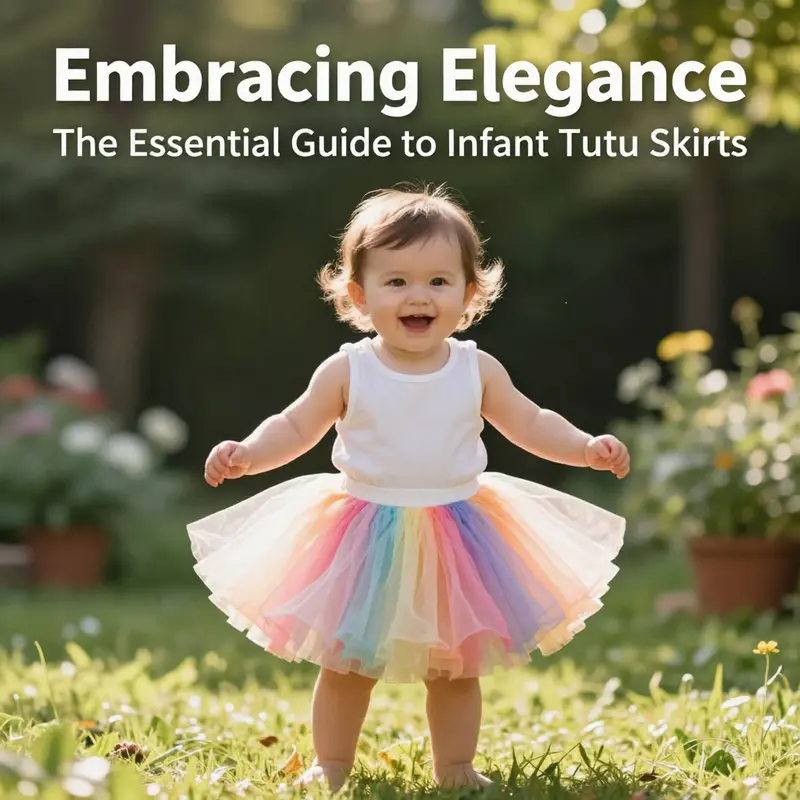
Infant tutu skirts, with their fluffy allure and whimsical charm, have become a staple for baby girls, embodying both style and functionality. Business owners in the children’s apparel market encounter rising demand for these delightful garments, celebrated for their lightweight materials, comfortable designs, and versatile styling potential. As parents seek to outfit their little ones in enchanting attire for special moments, understanding the intricate construction, appropriate sizing, styling options, and current market trends surrounding infant tutu skirts becomes essential. Each chapter of this guide delves into these distinct aspects, allowing business owners to better cater to this popular product line and ultimately enhance their offerings.
Softness in Motion: How Materials Shape Comfort in Infant Tutu Skirts
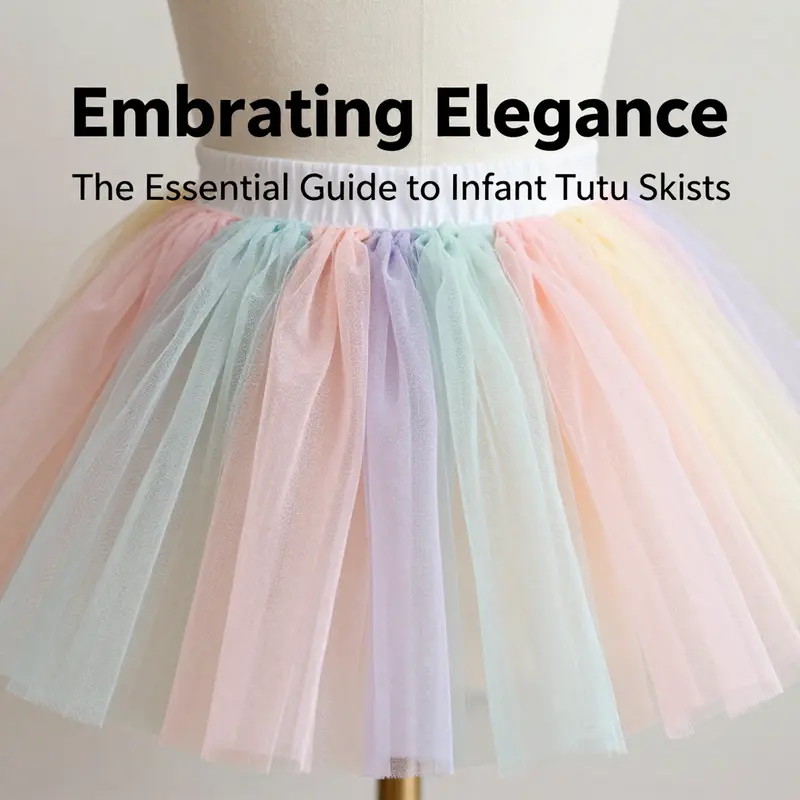
The allure of an infant tutu skirt lies as much in its gentle sway as in its fairy tale silhouette. Yet behind every fluffy layer is a careful choice of materials that governs how the piece feels against newborn skin, how it breathes through a warm afternoon, and how easily a caregiver can care for it after a day of play. The construction of these tiny garments begins with a quiet promise: comfort first, sparkle second. To honor this promise, designers lean into fabrics that are soft, breathable, and hypoallergenic, choosing textures that caress rather than rub. In the modern landscape of baby fashion, bamboo viscose emerges as a frontrunner in this quiet revolution. Its natural softness rivals the feel of cotton, but with an added moisture wicking property that helps keep delicate skin dry as little bodies wriggle and giggle. When a baby lies still for a moment or wiggles to chase a sunbeam, the tactile experience of the fabric becomes more than a detail; it becomes a defining memory of comfort and safety. In practical terms, bamboo viscose is commonly used for the lining of infant tutus. This inner layer is what sits closest to the body, and its job is deceptively simple: create a smooth, skin friendly surface that reduces friction. A gentle layer reduces the risk of irritation while supporting the outer fashion element of the skirt. The result is a garment that feels almost invisible when worn, allowing movement to feel natural rather than constricted. The outer layers, by contrast, often rely on lightweight fluffy tulle such as organza or nylon. These fabrics are chosen for their airy lift and their ability to hold a voluminous silhouette that reads as magical from a distance. But even in this outward fullness, material choice matters. Organza and nylon can be engineered to be delicate yet durable, and when they are layered properly they create an aesthetic that is both dreamy and practical. The layered approach is more than fashion; it is a design strategy that improves breathability. Air moves between layers, forming tiny micro pockets that help regulate temperature and prevent the garment from clinging if a baby’s skin warms up during play. This balance between volume and air is essential; too many layers can trap heat, while too few may fail to achieve the desired fairy tale effect. In a well made tutu, the layers work together as a system rather than as independent elements, yielding a product that looks buoyant yet remains comfortable over extended wear.
The discussion of materials cannot ignore safety, a central strand in the construction of any infant garment. Garments intended for infants are governed by strict expectations for non toxic dyes and minimal chemical finishes. The dyeing process should leave no detectable residues that could irritate or provoke an allergic reaction. The same standard applies to finishes and coatings that might be used to enhance washability or color fastness. A tutu skirt is a small garment, but it travels through a thriving ecosystem of detergents, climates, and handling – all of which can influence its safety profile. For this reason, industry best practices emphasize raw materials and production methods that minimize chemical exposure while maximizing hygiene. The converge of these practices with the design’s aesthetic goals yields a product that parents can feel confident about, even when the skirt spends a day at a park, a family photo session, or a birthday celebration. A key aspect of this safety equation is washability. Fabrics chosen for infant wear should tolerate repeated cycles of gentle washing without losing softness or shape. A lining that remains smooth after multiple washes and outer layers that retain loft after drying contribute to the skirt’s longevity. In practical terms, this means selecting fibers and finishes that withstand routine care while preserving the garment’s gentle touch on the skin. A well crafted tutu does not demand meticulous, isolated care; it invites regular, everyday maintenance that fits into a family routine. The subtle choreography between materials and care instructions transforms a simple play skirt into a trusted ally for parents and a source of daily joy for infants.
The fit and silhouette of an infant tutu are as important as the choice of fabric. Builders of tiny fashion pieces often incorporate features that maximize comfort without compromising the dramatic look. Built in diaper covers or adjustable waistbands are common details that address both practicality and fit. A diaper cover adds a soft boundary between the diaper and the outer fabric, reducing friction and providing a smoother surface to glide over the skin. An adjustable waistband offers a forgiving range of fit as a baby grows, and it lessens the need for frequent replacements of entire outfits. The result is a garment that stays comfortable through a range of activities—from tummy time to a family stroll. The elasticized waist is designed to hold the skirt securely without pinching, and the gathering at the waist distributes the fabric evenly so that movement remains unimpeded. The interplay between the waistband construction and the fabric’s inherent stretchability is a delicate balance. When executed well, it makes dressing easy for caregivers while preserving the tutu’s dramatic shape. In this sense, the construction feels almost architectural: a soft, breathable core, surrounded by a weightless halo of tulle that sways with every little kick and wiggle.
Aesthetics and practicality share the same stage in the realm of infant tutu skirts. The outer appearance—soft fluff, bright hues, subtle shimmer—depends on the right fabric choices, but the real artistry lies in how those materials come together to support daily life. The materials must tolerate roughhousing during a birthday party, gentle smudges from a picnic, and the occasional spill during snack time. They must also play nicely with a parent’s routine, fitting comfortably into a gentle wash cycle and a quick tumble or line dry. This union of beauty and ease ensures that the tutu remains a cherished piece rather than a fragile ornament. The design logic values not only how a skirt looks, but how it behaves. The same airy silhouette that reads as magical must also be resilient enough for repeated use across weeks of celebration. To achieve this, designers often layer multiple soft with stronger but still delicate fabrics, preserving the airy aesthetic while building resilience. The result is a garment that can go from a casual day out to a formal celebration without requiring a change in harsh routines or additional accessories.
Care and durability emerge as critical themes in this conversation about materials. Parents invest in a single tutu expecting it to carry a child through a number of occasions. In practice, this means selecting materials that are forgiving when a child pulls at the fabric, or when a caregiver needs to loosen the waistband after a moment of activity. The best designs use edges and seams that feel gentle to the touch and avoid rough finishes that can snag or irritate. A soft interior, flat seams, and well finished hems reduce the risk of chafing as legs kick and feet shuffle. Care instructions, when clearly communicated, empower families to extend the life of a tutu. Gentle washing, air drying away from direct heat, and avoiding harsh aggressive detergents preserve both the color and the texture of the fabric. The marriage of care guidance with materials that tolerate repeated cleaning is a practical form of craftsmanship that often goes unseen but is deeply appreciated by parents who want to protect the delicate skin of their little ones.
The environmental thread running through material choices deserves attention as well. Bamboo viscose is celebrated for its natural softness and relative sustainability, offering a softer footprint than many synthetic fibers. While no fabric is entirely without environmental impact, bamboo viscose typically reduces the chemical load associated with processing while delivering a plush hand feel that babies instinctively seek. The outer layers, while light and buoyant, also raise considerations about micro fibers and end of life. Designers are increasingly mindful of fiber blends, finishing processes, and the potential for recycling or safe disposal. The aim is to strike a balance between the tactile magic that makes a tutu appealing and the responsibility to steward resources for the next generation of little wearers. In talking about material choices, it is hard not to consider the broader story of a garment as a small but meaningful artifact in a family’s life: a piece that accompanies a first birthday, a milestone photo, and a variety of everyday moments that accumulate into long term memories.
For families seeking a sense of what to expect from a practical selection, it helps to consider the whole spectrum of a tutu skirt’s life. The inner lining matters because it touches the skin. The outer layers matter because they define the aura of the garment. The construction matters because it ensures fit, safety, and longevity. And care matters because it locks in softness and safety for future wear. When all these elements align, the tutu becomes more than a fashion statement; it becomes a gentle companion through the early stages of childhood, a small yet enduring emblem of comfort and wonder. If you are exploring options in the basic tutu category, you can explore a collection designed to emphasize straightforward silhouettes and reliable materials that honor both comfort and simplicity. basic tutu collection.
For those who wish to broaden their understanding of materials beyond single sheet advice, turning attention to the broader conversation about baby garments reveals how these choices echo throughout the industry. The layered approach can be found in many designs that aim to create movement and shimmer without compromising skin health. The emphasis on non toxic dyes and minimal chemical finishes is not a one off consideration; it is a baseline expectation that shapes how retailers, designers, and manufacturers approach production. The modern tutu seeks to be both a decorative piece and a reliable clothing item that can stand up to the daily activities of a growing infant. As babies learn to crawl and eventually walk, the fabric’s behavior — its softness, its breathability, its resilience to washing — becomes part of the parent’s confidence in dressing their child. The soft, airy exterior invites grace and whimsy, while the carefully chosen inner lining supports comfort through countless hours of play. The craft of enabling such dual success is not accidental; it is the result of thoughtful material science, patient testing, and a respect for the very real sensitivities of infant skin. The outcome is a garment that delivers magic without sacrificing safety, a small piece of elegance that travels with a child through a season of discovery.
External resources can provide additional context on materials used in infant fashion. For readers seeking concrete product discussions that illustrate these ideas in practice, a recent external resource offers a view into the relationship between fabric choices and everyday care. https://www.amazon.com/dp/B0C3ZJXQYF
Tiny Tulle, Perfect Fit: Navigating Size, Comfort, and Safe Style in Infant Tutu Skirts
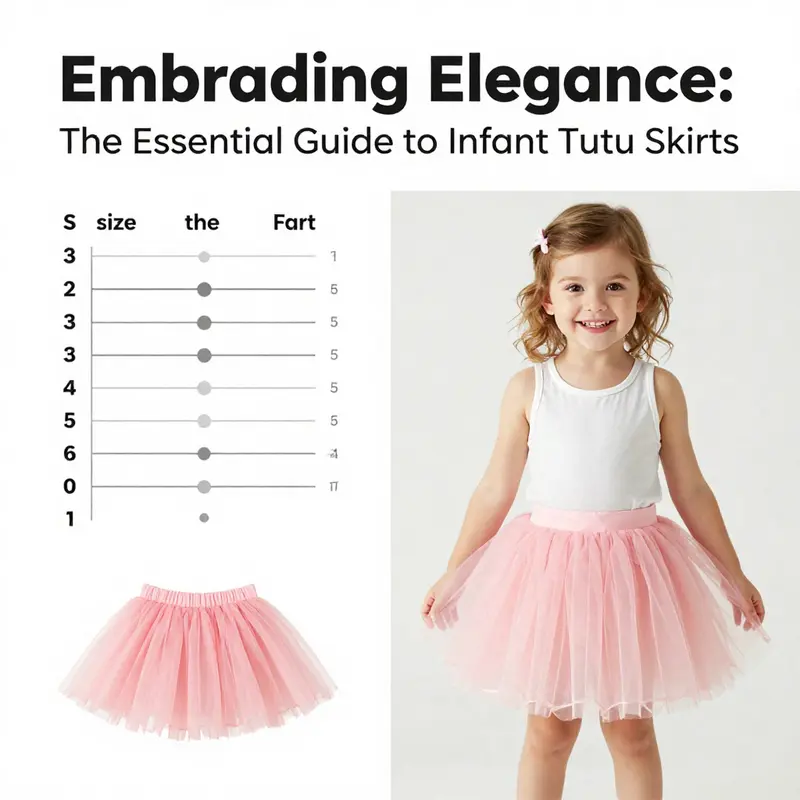
A tutu on a baby can feel like a doorway into a fairy tale, a garment that turns ordinary moments into something memorable. Yet the magic of that moment rests as much in fit as in fluff. Sizing an infant tutu skirt is not simply about matching a number to a body; it is about balancing growth, movement, and skin sensitivity. When a skirt sits just right at the waist, it moves with the child rather than against them. When it is too tight, it tugs at delicate skin and restricts tiny limbs that are still learning to crawl, stand, and take wobbly first steps. The right fit honors the baby’s comfort and safety while preserving the aesthetic that makes the outfit charming. In this chapter we explore how to read size charts, how to measure accurately, and how fabric choice and construction influence future wear. We will also consider how the tutu can be styled for a range of occasions, from playful classroom photos to formal celebrations, without sacrificing comfort or mobility.\n\nSizing starts with measurement, which should be approached with the same care you give to any new garment for a baby. Begin with the waist, the narrowest part of the torso just above the hip bones and below the ribcage. A soft fabric measuring tape is ideal here because it will bend gently to follow the baby’s curves. Wrap the tape around this area snugly but not tight. The goal is to leave about a finger’s width of ease. That small margin of space accommodates gentle movement and occasional diaper shifts without turning the skirt into a constricting belt. If a waist is measured too tightly, the fabric may dig in and irritate the skin. If it is too loose, the tutu may slip, bunch, or require constant readjustment. A secure fit at the waist helps the tutu stay in place during crawling across a floor or a new standing attempt, both of which are common milestones for infants and very young toddlers.\n\nLength is another important dimension. Infant tutus typically sit above the knee, a length that is practical for mobility and photogenic for shots. A skirt that is too long can catch on tiny toes, while a skirt that is too short may ride up as a child learns to crawl or stand. For many babies, a length that ends just above the knee is ideal because it provides a flattering silhouette without hindering movement. However, height and leg length differ widely at this age, so always compare a retailer’s specific size chart. A well-proportioned tutu is one that allows full range of motion for crawling, pivoting, and tiny hops that come with perching on a lap or stepping toward a curious new toy. The advice here is simple: measure, then choose a size that keeps the waist secure and the hem free to move.\n\nMaterial and construction play a central role in how a tutu wears over time. Soft tulle, a breathable lining, and non-irritating seams are the trio that keeps comfort high and irritation low. Lightweight tulle drapes with a gentle rustle, but it should not feel scratchy or stiff against the skin. A breathable lining helps prevent dampness and heat buildup, particularly in warm rooms or during longer wear. Seams along the waist and the layers of tulle should be smooth and free of loose threads that could catch on tiny fingers or snag the fabric during play. Heavier or stiffer materials may look dramatic in a studio shot, but they often restrict movement and can dig in as a child shifts positions. When the skirt is built with a soft, flexible waistband and a clean inner seam, it reduces the risk of chafing across the belly and hips and supports a longer wear time.\n\nA well-fitted tutu often includes features designed for comfort and practicality. Adjustable waistbands, whether with a soft elastic or a small drawstring, can accommodate growth and diaper changes and reduce the need for multiple sizes. Some designs come with a built-in diaper cover, which helps to avoid awkward slips or misalignment when the diaper shifts during movement. A diaper cover also provides a modest layer that can shield skin from contact with delicate diaper materials. When a brand uses a built-in diaper cover, there is an extra layer of safety and comfort to consider, especially for babies who are easily irritated by textured fabrics rubbing against the skin. It is worth noting that some styles favor flexibility over added layers, offering a loose-fitting waistband with multiple rows of elastic or a flexible, breathable lining that keeps the waist secure without pinching.\n\nTo evaluate fit beyond the number on a chart, observe how the tutu sits when the baby is in natural postures. A well-fitting tutu should rest securely at the natural waist and stay in place without requiring constant adjustment. It should not ride up when a baby bends to crawl or squats to reach a toy. When the baby stretches or arches, the waist should maintain its hold and the layers should remain evenly distributed, not bunching in the back or creasing at the front. The length should not drag on the floor or hinder foot movement. If you notice the hem catching on toes during a stand or a take-off toward a new toy, it is a sign to try a size up or another cut that offers more clearance. For many caregivers, the decision comes down to trying a size or two and watching how a particular fabric behaves during daily routines—naps, play on the floor, and quick bursts of movement from a seated to a standing position.\n\nBrand variations add another layer of complexity. Even when two skirts share the same nominal size, they can fit differently because of design choices in waistband width, the amount of stretch in the elastic, or the way the tulle layers are cut and layered. This reality makes it wise to consult size charts carefully and to compare a few options if possible. The best practice is to treat size as a guide rather than a guarantee and to be prepared to adjust by size or by trying a different manufacturer. When in doubt, selecting a slightly larger size offers room for growth, provided the waist can be tightened securely with a waistband or a belt designed for infant wear. The aim is to retain that elegant silhouette while ensuring mobility and comfort through every wiggle, crawl, and new step.\n\nBeyond the numbers and the stitch work, the practicalities of care influence how a tutu wears over time. A tutu that looks pristine after one wear likely has careful finishing inside and out. Delicate trims, multiple tulle layers, and fine stitching deserve gentle handling. A quick wash in a mild cycle or hand wash, followed by air drying, helps preserve the fabric’s softness and the color’s vibrancy. Avoid aggressive detergents that can degrade the fabric or alter the dye. When you take storage into account, store the tutu in a clean, dry place away from direct sunlight, which can fade hues and weaken threads. The way you store a tutu will influence not just its appearance but also how it holds its shape after months of use.\n\nFashion choices around sizing are often intertwined with the broader wardrobe strategy for an infant. The tutu can be the centerpiece for a formal event or a playful accent for a casual day out. The key is to harmonize the outfit so that it remains comfortable and safe, while still delivering the magical look that makes infants feel special. For a foundation that supports a range of wear, you might explore the basic tutu category for foundational pieces that fit many ages and stages. This approach helps you build a small, versatile collection that grows with your child rather than forcing outgrown garments onto a rapidly changing body. You can find options in this curated assortment, which aligns with the need for simple, comfortable silhouettes that prioritize gentle fabrics and reliable construction.\n\nAs you plan a purchase, recognize that sizing is an ongoing conversation with your baby’s growth. Keep a record of measurements and compare those measurements against multiple size charts. Remember that a perfect fit is not a single moment in time but a lasting feeling of ease as movement happens. A tutu that fits beautifully during a first photoshoot may feel slightly loose a few months later, and that shift is a natural part of growing. In practice, this means you might keep one trusted size on hand and consider a second option that you can switch into for events or special days. The goal is not just a pretty silhouette but a garment that respects the baby’s body and supports its endless curiosity and movement.\n\nWhen it comes to choosing fabrics, consider the environment in which the tutu will be worn. A soft tulle skirt with a breathable lining will feel more comfortable during longer sessions of play or more formal occasions that require longer wear. If a parent anticipates a lot of time on the go, a slightly lighter weight fabric can prevent overheating and reduce the chance of irritation. The choice of waistband—whether elastic, adjustable, or drawstring—can also affect how secure the garment feels. Even small changes, like the width of the waistband or the placement of a seam, can influence comfort on a baby’s waist. A thoughtful approach to fit blends the science of measurements with the art of design, resulting in an outfit that looks enchanting and feels effortless during a baby’s day.\n\nFor readers ready to explore practical options, consider starting from a foundation that emphasizes comfort and fit. The basic tutu category offers a straightforward path to timeless silhouettes that are adaptable for many events and stages. You can explore the collection here: basic tutu category. This link directs you to a selection designed to pair well with a range of tops and accessories, helping you to curate looks that are both cute and comfortable without compromising movement or skin health. As you review options, remember that the best choice balances the parent’s style goals with the child’s comfort, ensuring the tutu becomes a cherished part of memories rather than a constraint.\n\nIn the end, the right infant tutu skirt is a synthesis of careful measurement, attentive fabric selection, thoughtful construction, and practical wearability. It is a garment designed to honor a child’s growth while inviting caregivers to capture moments that feel a little bit magical. The subtle art of fit—taking the time to measure, compare size charts, and test movement—transforms a simple skirt into a trusted ally for milestones and memories. The tutu should feel light and liberating, a flutter of tulle that frames a smile rather than pinning a child in place. When you achieve that balance, you gain not only a beautiful outfit but also a sense of confidence in dressing a little life that changes by the season. The goal, ultimately, is not merely to dress a baby, but to honor the moment of early childhood where wonder meets everyday life, clothed in soft fabric and sparkling possibilities.\n\nExternal resource: For a detailed guide on precise measurement and size selection tailored to young children, you may reference an authoritative resource that offers a tested approach to determining the right Disney Princess skirt size for a child. This external guide provides practical steps that complement the strategies outlined here and can help parents build a reliable sizing framework. https://www.dreamsforchildren.com/blog/how-to-measure-and-choose-the-perfect-disney-princess-skirt-size-for-your-child
Magic Moments: When to Dress an Infant Tutu Skirt for Occasions and Everyday Style
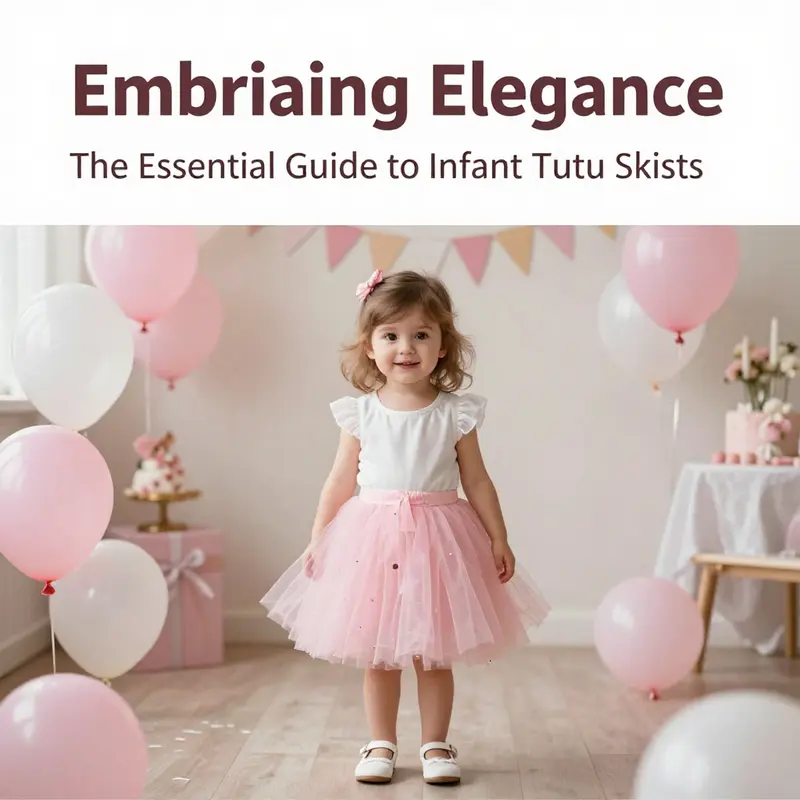
A soft swirl of tulle can transform a simple moment into a memory, and this is the quiet magic of the infant tutu skirt. It is not merely a garment but a small stage where a baby’s tiny movements become a kind of storytelling—the way a crawled path across a sunlit floor reads like a fairy tale, or how a tiny footstep in a room full of relatives and lights can feel like a premiere. The tutu’s power lies in its capacity to be both delicate enough for a photographer’s lens and practical enough for a day at the park. It is designed to cradle a child’s skin with gentle fabrics while creating a silhouette that sparkles with a fairy-tale charm. The result is a balance between whimsy and comfort, a balance that matters because infants signal their moods through touch, color, and movement before words can gather their meaning. In this sense, the tutu skirt becomes a collaborative partner in parenting—an ally that helps capture and celebrate those early, unspoken milestones with grace and playfulness.
These skirts are most often associated with moments that feel special in a family context. They shine at birthdays, where a first or second celebration can feel like a coronation, with a frilled, multi-layered design that catches light and breathes with every flutter of a tiny arm. The frills and tiers are not just decorative; they signal a kind of ceremonial importance that invites photographs and shared awe from a room full of loved ones. When the ceremony leans toward formality—whether it is a church gathering, a family wedding where a flower girl role is imagined, or a quiet, intimate ceremony at home—the infant tutu skirt lends an air of elegance without demanding a stiff, adult formality. In these settings, parents often enhance the look with a coordinating headband or a lace-trimmed top, allowing the outfit to feel cohesive rather than costume-like. The result is a moment that reads as both adoration and artistry, a small image that lingers in a family album for years to come.
The range of occasions where an infant tutu skirt can feel appropriate extends beyond these landmark moments. Holidays introduce a playful, themed energy that makes dressing up part of the season’s celebration. A Christmas morning can become a gallery of soft textures and light colors, with a tutu skirt providing a gentle spark for photos by the tree. Easter brings pastel hues and delicate fabrics that echo spring sunshine, while Halloween invites a kind of whimsy that can be as simple as a fairy-tinished day, or as elaborate as a coordinated storybook character. The tutu’s versatility also appears in everyday life, where it is paired with a simple bodysuit or a plain onesie to transform a routine day into a small party. In contemporary fashion narratives from 2025 to 2026, designers and makers increasingly emphasize ease of wear—breathable materials, stretchy waists, and soft, flexible silhouettes—so that the same garment can sustain a day of crawling, cruising, or toddling without compromising comfort. This practicality is essential because infants explore the world through movement, not stillness, and any outfit that restricts that exploration risks dimming the light of the moment.
In practice, styling a tutu skirt for different occasions becomes an art of balance and intention. For formal events, the aim is to elevate rather than complicate: a matching headband can complete the look, a lace-trimmed top can add texture without crowding, and a satin bodysuit can introduce a sheen that reads as polished rather than theatrical. The fabric choice matters here as well. A soft tulle in a subtle shade provides a classic, timeless vibe, while a slightly stiffer, glitter-dusted layer can inject whimsy without turning the outfit into costume. The objective is harmony with the setting and with the child’s comfort. When it comes to casual wear, the tutu can soften the silhouette of a day-out look. Layered over a cotton romper or a basic onesie, the skirt adds structure and a playful energy that photographs well in broad daylight and in the glow of evening lighting. The key is to keep the rest of the ensemble simple, letting the tutu be the focal point rather than competing with it.
Playful themes offer another path for styling that blends imagination with practicality. A bright pink tutu paired with a floral top, for instance, can become a miniature interpretation of a spring garden, suitable for a family gathering or an informal photo shoot. In this space, color coordination becomes a conversation starter rather than a constraint. Parents can experiment with complementary accessories, such as a soft cardigan or a tiny pair of shoes with a delicate bow. The best combinations feel intentional yet effortless, as if the baby woke up one morning in a dream and decided to wear a tutu as the first act of the day. The idea is not to force a theme but to invite a mood—soft, sunny, and playful enough to encourage candid smiles and natural posing. The tutu thus serves as a canvas for mood, light, and memory, rather than a rigid costume designed to dictate every gesture.
There is a practical thread that runs through all these moments. Infant tutu skirts frequently come with built-in diaper covers or adjustable waists, features that recognize the need for secure fit and day-long comfort. A diaper cover helps keep the silhouette smooth, especially under layers, while an elasticized or adjustable waistband accommodates growth and variation in baby shapes. The result is an outfit that fails to waver due to a diaper change or a nap. This practicality is not a compromise but a design principle, one that acknowledges that life with a baby is fluid and sometimes unpredictable. In this light, the tutu becomes not only a visual delight but a reliable piece that can travel from home to a photographer’s studio to a family party without fuss. The ability to dress and undress a baby with ease makes the experience of preparation less stressful for caregivers and more enjoyable for the little one.
Another layer of thought concerns sizing and range. Most infant tutu skirts are designed to cover a spectrum from newborn to toddler, recognizing the rapid pace of early growth. A flexible waistband can accommodate several months of size changes, allowing a single skirt to accompany a child through a succession of milestones. For families who treasure the photographs that mark each stage—from the first birthday to a family holiday—this versatility matters. It is not merely about getting a garment that fits today but about choosing something that can traverse the coming months with grace. In practice, that means selecting colors and textures that won’t quickly feel out of date, and keeping durability in mind so that repeated wear remains comfortable and enjoyable rather than stiff or scratchy. The tactile experience matters as well; the fabrics should feel gentle against the skin and not irritate sensitive areas, especially after long hours of sitting for relatives’ portraits or fluttering during a morning dance session.
In terms of availability and access, these skirts are widely accessible online and in specialty baby boutiques. Parents often seek options that offer customization or color variety, enabling a personalized pairing with the child’s top, shoes, or occasion theme. The ability to customize—whether through color, layer length, or the presence of auxiliary accessories like matching headbands or bows—can transform a simple tutu into a cherished keepsake. And while the search for the perfect piece can feel overwhelming given the spectrum of options, a deliberate approach helps. Start with a base tutu in a soft, neutral shade that complements most outfits, then layer in a color-pop accessory or top to tailor for a birthday or wedding. The result is a cohesive look that remains emotionally resonant long after the event ends. In this ongoing fashion dialogue, the infant tutu skirt becomes an adaptable ally in how families present, preserve, and share small, luminous moments.
To navigate these choices with confidence, many families lean on a simple, practical philosophy: let the moment dictate the styling, not the other way around. If the day promises bright sunlight and active play, lean into lighter fabrics, easier closures, and more forgiving fits. If a more formal venue is on the calendar, opt for delicate finishes—lace trim, satin accents, and coordinated accessories that pull the look together without distracting from the baby’s natural charm. The tutu, for its part, remains the common thread, a consistent element that ties together the day’s emotional heartbeat. In this way, the garment does not stand apart from the family narrative but participates in it—opening doors to candid smiles, treasured snapshots, and a sense of timeless joy that echoes across generations.
For those who wish to see a straightforward, versatile option that pairs well with many tops and occasions, consider exploring the basic tutu category. The basic silhouette provides a reliable foundation, allowing you to experiment with color, texture, and accessories without overplanning every detail. This approach supports both spontaneous moments and carefully staged memories, aligning with a parenting rhythm that values ease and joy as much as elegance. basic tutu category offers a practical starting point for families seeking a soft, dependable base while still inviting creativity in how the piece is styled and worn.
External reference for further context on market options and broader availability can be found here: https://www.aliexpress.com/w/wholesale-infant-tutu-dress.html
A Delicate Boom: Exploring the Growing Popularity and Global Reach of Infant Tutu Skirts
A Delicate Boom is not merely a description of fabric and fluff. It is a window into a market that blends whimsy with practical care, a space where soft textures and bright imaginations meet the realities of parenting in a connected world. The rise of infant tutu skirts rests on a simple idea: tiny outfits that turn ordinary moments into pictures of possibility. As parents seek keepsake moments—first birthdays, milestones, and the joy of a family photograph—the tutu skirt emerges as a reliable canvas. It is light enough to breathe with a baby’s sensitive skin, yet dramatic enough to cue the feeling of fairy-tale celebration. This balance helps explain why demand has grown beyond novelty. It has become a recognized layer in how families document early childhood and how communities celebrate it.
The popularity of infant tutu skirts travels on several current currents in parenting culture. First, there is a shift toward playful, expressive fashion for infants. The idea that baby clothing should be utilitarian only is waining in favor of items that invite imagination and storytelling. A tutu skirt is both costume and everyday wear, a garment that can be part of a casual day at a park or the centerpiece of a staged birthday portrait. The effect is a crisp, visual shorthand: a moment of grace, a hint of magic, and a reminder that childhood can be both gentle and grand. This appeal is especially potent on social platforms where images travel quickly and impressions matter. When a family shares a photo of a newborn in a layered tulle skirt, the image becomes a small cultural artifact—an emblem of whimsy that resonates across audiences who value charm and care.
Second, market dynamics reflect a broader embrace of inclusive fashion in early childhood. The appeal extends beyond traditional gendered expectations, inviting parents to explore color, texture, and silhouette without constraining identity. In many regions, designers and retailers report interest in pink tutu sets and alternate hues as part of a broader palette that supports varied celebrations and cultural aesthetics. This openness contributes to a broader, more stable demand. Parents are less likely to see a tutu skirt as a seasonal costume and more as a flexible piece that can anchor a memory, a photo, or a tiny moment of stage confidence. The result is a resilient demand cycle that persists across holidays, birthdays, and milestone events, rather than peaking for a single occasion.
Third, the market’s availability expands through global e-commerce channels. Platforms that connect buyers and sellers across borders have lowered the friction of finding a suitable tutu skirt. A parent in a small town can access a wide range of styles, fabrics, and sizes with a few clicks. This connectivity redefines what it means to stock a baby wardrobe. Retailers can test designs quickly, adjust color options, and pilot new patterns with relatively modest investment. The consequence is a vibrant, responsive market where trends can spread faster than ever before. The broader access also invites creativity, as designers respond to demand signals with options that include built-in diaper covers for newborns, adjustable waists for growing babies, and layered textures that create a more dramatic silhouette while maintaining comfort.
Availability, in particular, has evolved into a robust ecosystem that supports both consumers and the supply chain. Vendors frequently offer complete sets that pair tutu skirts with matching accessories such as headbands or delicate tiaras. These combinations allow parents to create a coherent theme for a photo shoot or a party, without hunting separately for coordinating pieces. In addition, customization options have become more common. Parents can request specific colors, sizes, or even bespoke embellishments that align with a holiday, a cosplay event, or a family theme. The ability to tailor a small garment to a cherished moment speaks to a broader shift in consumer expectations: clothing for babies is increasingly treated as a personal, story-driven choice rather than a one-size-fits-all provision. The trend toward customization makes the tutu skirt not just a fashion item but a personal narrative, a visual echo of a family’s imagination.
From a product-development perspective, the tutu skirt benefits from a careful blend of materials and construction. High-quality tulle remains a staple; it offers the volume and ethereal look that define the style, while soft cotton blends and other gentle fabrics support comfort and skin safety. For newborns and younger infants, features such as built-in diaper covers and adjustable waistbands address practical concerns about fit and ease of use. A secure fit matters because infants move in unpredictable ways, and a skirt that slips or rubs can quickly become a distraction rather than a delight. The design emphasis is on accessibility and confidence: a garment that feels like a celebration to wear and safe enough to wear through various activities. Retailers notes indicate that these practical considerations—soft edges, breathable fabrics, and flexible sizing—are often the deciding factor for a buyer weighing multiple options.
Regionally, the narrative around popularity and availability is nuanced. Research notes highlight strong interest in regions such as South America, Central America, and Eastern Europe. In these markets, there is a charge for vibrant colors and dramatic silhouettes, yet a demand for durability and simplicity in everyday wear. The market’s openness to wholesale and bulk orders suits communities and family networks that celebrate collective events and shared memories. Wholesale channels offer an efficient way to meet demand while maintaining reasonable prices, a crucial factor for families seeking recurring use of a garment across many occasions. The accessibility of wholesale channels also empowers small retailers and boutique shops to extend their reach, nurturing local talent and enabling regionally inspired designs that still remain globally legible in terms of quality and style.
Within the broader landscape, the role of online marketplaces cannot be overstated. Platforms such as global e-commerce sites have become the arteries that feed demand into neighborhoods and households worldwide. These marketplaces are not simply storefronts; they are ecosystems that foster quick iteration, cross-border logistics, and reliable fulfillment. For shoppers, the appeal lies in the ability to compare dozens of designs in a short period, to read reviews, and to gauge the quality of fabrics and finishes through detailed product listings. For sellers, the advantages are measured in the speed of listing, the ability to offer multiple colorways, and the potential for global reach. The dynamic nature of these platforms mirrors the evolving tastes of families who want the best combination of beauty, comfort, and practicality for their infants.
One practical consequence of this market structure is the emphasis on safe, easy-to-care-for garments. Parents appreciate fabrics that resist pilling, colors that won’t bleed after a gentle wash, and skirts that maintain their volume after repeated wear. Care instructions, therefore, are not afterthoughts; they are part of the value proposition. A tutu skirt that can withstand gentle machine washing, air drying, and careful handling by the caregiver sustains the garment’s charm across weeks and months. In this way, the market also accommodates a pragmatic approach to parenting—one that values thrift and longevity as much as whimsy. The price range often reflects this balance, with options designed to be accessible to many families while still delivering the aesthetic appeal that makes the tutu skirt a standout piece in photos and parties.
For retailers and wholesalers, the ongoing demand shapes a continuous pace of innovation. Designers experiment with layers, textures, and finishes to create silhouettes that pop in photographs while staying forgiving for busy parents. Layered designs, for instance, deliver drama through volume, whereas sportier casual sets introduce breathable fabrics that maintain comfort during play. Matching accessories, from delicate headbands to subtle capes, extend the life of a single skirt by enabling multiple looks across a child’s early years. The chain of decisions—fabric choice, layering technique, fastening method, and accessory pairing—forms a holistic product story that helps a buyer decide not only what to purchase but how to present it to customers who seek value and charm.
Within this expansive landscape, a single link serves as a practical reminder of the current market’s breadth. For readers who want to explore a baseline option and understand how a tutu skirt can fit into a broader wardrobe, the basic tutu category offers a straightforward starting point for both buyers and designers. It encapsulates the essential qualities that make infant tutu skirts appealing: comfort, adaptability, and a gentle sense of whimsy. Accessing this category often helps families and retailers gauge fit, fabric choices, and basic styling before branching into more elaborate designs or customization. Learn more through this link: basic tutu category.
In sum, the market for infant tutu skirts weaves together cultural appetite for imaginative dress with a robust, accessible supply chain. The result is a synchronized ecosystem where whimsy meets practicality, and where the smallest garments can carry the weight of a family’s storytelling. The trend remains buoyant because it resonates with a fundamental human impulse: to celebrate childhood in ways that feel personal, memorable, and beautiful. As producers respond with features like built-in diaper covers and adjustable waists, and as retailers respond with broader color palettes and customization options, the tutu skirt persists as a versatile instrument of joy. It is not merely a piece of clothing; it is a portable stage on which infants can explore, play, and become the centerpiece of a family moment. And in a world where moments are shared with greater immediacy than ever, the tutu skirt is a quiet, constant companion in the making of memories.
External resource for further context on current online assortments and trends can be explored here: AliExpress – Toddler Tutu Dress.
Final thoughts
The rise of infant tutu skirts in children’s fashion encapsulates the blend of comfort, aesthetics, and versatility, making them an ideal choice for any little girl’s wardrobe. For business owners, recognizing the importance of high-quality materials, proper sizing, suitable styling occasions, and staying abreast of market trends is crucial to meeting consumer demands effectively. By incorporating these insights into offerings, retailers can enhance their appeal to parents looking for not only charming attire but also practicality for their infants. Embrace the magic of infant tutu skirts, and contribute to the delightful experience of dressing little ones for life’s special moments.