

Baby girl tutus have become a staple in children’s fashion, loved by parents for their charm and functionality. These delightful garments are not only vibrant and versatile but also present excellent business opportunities for retail owners. As demand for unique and customizable apparel grows, understanding the various aspects of baby girl tutus—from product range and materials to design features and versatility—becomes crucial for business owners looking to make informed stock decisions and attract discerning customers. This guide dives deep into the key areas that every retailer should consider when entering or expanding in this profitable segment of children’s fashion.
Fabric, Fit, and Fancy: Navigating the Customizable World of Baby Girl Tutus
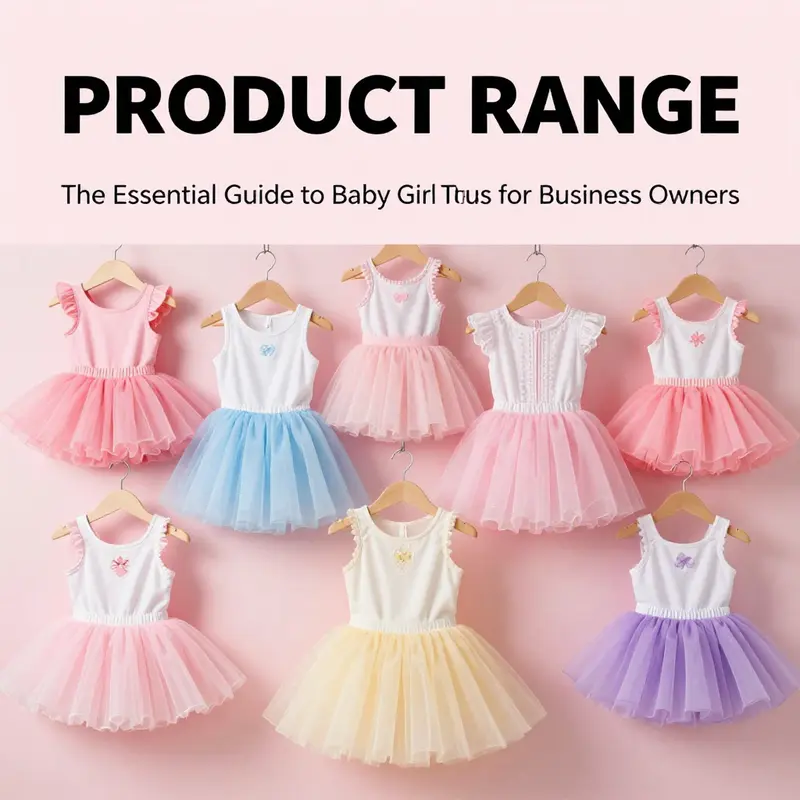
A baby girl tutu is more than a garment; it is a small theater for a child’s growing sense of self, a piece of fabric that can transform ordinary moments into keepsakes. In today’s market, the tutu has evolved from a simple vanity piece into a dynamic, customizable category that covers a broad spectrum of ages, occasions, and personal tastes. The product range begins with tiny, soft basics meant for the earliest crawls and sits at the intersection of comfort and charm. You will find standalone tutu skirts that function as playful accents, full party dresses that feel like miniature couture, and multi piece costume sets that address specific events like birthdays, family photos, or festive celebrations. Many suppliers emphasize the ability to tailor these pieces to a child’s size, color preference, and design details, a nod to the growing demand for outfits that feel personalized without sacrificing practicality. For retailers and families alike, customization translates into confidence: you’re choosing not just how something looks, but how it fits a child’s life—from daily play to a formal gathering.
The customization landscape is anchored in flexible production practices. A common thread across platforms is the option for OEM and ODM services. When stock is available, buyers can often select colors and sizes, and some suppliers offer made to measure with relatively low minimums. The appeal is clear: small businesses and independent boutiques can curate a line that speaks to their customers without needing to stock large runs of a single design. This agility matters because little ones grow fast, and families frequently hunt for outfits that can scale with them, both in size and in occasion. The ability to adjust colorways, fabric blends, or embellishments means a tutu can feel new across multiple events, extending its usefulness far beyond a single party.
Materials and fabrics sit at the heart of how a tutu performs, looks, and wears over time. The market leans on a blend of polyester, chiffon, and nylon to deliver a light, breathable, and durable garment. The ever present tulle and chiffon layers give that signature airy silhouette that captures photographs beautifully while remaining comfortable against sensitive skin. Many designs boast a fabric composition that makes the tutu lighter—sometimes up to thirty percent lighter than traditional party dresses—so it feels easy to wear for long stretches, whether at a wedding ceremony, a birthday party, or a casual playdate. Quick-dry and anti-wrinkle properties are frequently highlighted as practical features, ensuring the skirt maintains its shape and polish after multiple wears or a day filled with giggles and games. The layers themselves are often engineered for volume; a multi-layered construction can render the skirt up to forty percent fuller than a single-layer design, which translates into a dramatic, couture-like presence while still being gentle on a child’s mobility.
Size, fit, and the daily realities of children at play shape how these tutus are designed. An elastic waistband is a staple, chosen for its ability to adapt to a range of midsection measurements and to accommodate modest growth without pinching or constraining. The flexibility offered by an elastic waist can be measured in the comfort it affords—often described as up to twenty percent more forgiving than rigid designs. Beyond the waistband, design details contribute to the overall experience. Ruffled straps add a touch of whimsy, while decorative ribbon belts can be swapped or adjusted to align with a particular color scheme or event theme. The result is a garment that feels cohesive with a family’s sense of style yet easy enough to care for after a busy day. Some sets even integrate additional components such as diaper covers, headbands, and matching hair ties, effectively transforming the tutu into a complete ensemble. This modularity supports an impressive breadth of use cases—roughly half again as many scenarios as standard garments—making the outfit a versatile addition to a child’s wardrobe rather than a one-off purchase.
The versatility of baby girl tutus goes far beyond the birthday party box. They are celebrated for their capacity to transition from daytime play to evening celebrations with minimal effort. A tutu can be worn to a wedding as part of a coordinated family look, incorporated into a seasonal shoot, or staged for seasonal celebrations such as Halloween or Christmas. The ability to mix and match components—bodysuits, lace skirts, headbands, and soft accessories—accentuates the outfit’s adaptability. A few designs are even marketed as 4-in-1 sets, where a single purchase includes multiple pieces that can be worn in different configurations to create distinct looks across several occasions. In practice, this level of modularity means a tutu is not just a dress; it is a small costume system that can evolve with a child’s activities, mood, and social calendar.
Safety and sustainability are recurrent promises across the industry. Manufacturers emphasize kid-safe materials that are gentle on delicate skin, as well as compliance with childwear safety standards. In recent years, eco-friendly materials and sustainable fashion practices have become more visible in product narratives, appealing to parents who want beautiful outfits without compromising environmental values. Certifications and third-party assurances help buyers feel confident in the quality and safety of the garments, particularly when purchasing in bulk or for retailers. Platforms that connect buyers with suppliers frequently provide secure payment guarantees and verified supplier ratings, adding another layer of trust to the sourcing process. The overall message is clear: a tutu is not only about aesthetics; it is about respect for a child’s comfort, safety, and the family’s broader values.
Sourcing landscapes for baby girl tutus reflect a global marketplace that values both scale and customization. Online global marketplaces present bulk purchasing options, wholesale pricing, and direct access to manufacturers and suppliers, which has democratized who can offer a high-quality tutu line. Buyers can navigate a spectrum from straightforward, ready-to-wear items to highly customized pieces that arrive with precise color swatches and size charts tailored to individual orders. The evolution of this sector is also tied to the platforms that host these products, where buyers can compare fabric weights, linings, and care instructions with relative ease. The combination of robust material science, flexible production models, and a strong emphasis on safety and sustainability makes the baby girl tutu a category that continues to grow in both depth and breadth.
As readers explore the options within a given catalog, one practical way to ground the discussion is to consider a familiar entry point—the basics. A quick visit to the Basic Tutu category offers a glimpse of the fundamental silhouette and stretch of options that underpin more elaborate designs. This accessible entry point helps buyers understand how layers, waistbands, and color choices can be combined to achieve a wide range of looks without losing the essential charm that first drew many families to tutus. For a broader sense of how color, size, and design interact in real-world offerings, the Basic Tutu page serves as a practical starting point for comparing features across brands. Basic Tutu
Several notable details emerge when tracing the evolution of these products from catalog to closet. In one representative catalog entry, a tutu skirt designed for children aged 3–4 demonstrates how color variations are paired with adjustable sizing to accommodate growth and preference. The MY-LG-#13 model, listed on a major wholesale platform, comes in multiple hues and is explicitly targeted at the 3–4 year age bracket. Its presence alongside other models highlights how manufacturers choreograph a family’s need for both variety and consistency. Buyers can select from a palette of colors, each anchored by a reliable size range, and still maintain the assurance that the garment will perform well in daily life and on special occasions alike. Such examples illuminate how the industry blends fashion sensibility with practical considerations—fit, durability, and ease of care—so that the final product can travel from a child’s morning routine to a family celebration with minimal friction.
The broader context of this space reveals a fabric ecosystem that prioritizes performance as much as appearance. Lightweight blends of polyester, chiffon, and nylon address durability without sacrificing softness against little skin. The use of layered tulle allows for a voluminous effect that photographs beautifully while remaining comfortable enough for long hours of wear. The quick-dry quality ensures that a tutu dries swiftly after a splash of play or a mistaken spill during a family picnic. Anti-wrinkle properties help maintain a polished look through the hustle of a party or a busy shooting day. The interplay between material science and design is especially visible in the way layers are engineered to hold shape while offering ease of movement for a child who is constantly in motion.
Looking ahead, the market’s trajectory seems to favor even greater modularity and personalization. Designers are experimenting with interactive elements such as mixable trim details, detachable bows, and interchangeable tights or leggings that extend the outfit’s usefulness across seasons. The concept of 50 percent more use cases than standard garments, often cited in wholesale narratives, translates into a product that supports a family’s evolving needs without demanding a new purchase for every event. The result is a wardrobe staple that remains aspirational yet deeply practical—a tiny garment that unlocks big moments for both little girls and the grown-ups who dress them.
For anyone considering a broader catalog or a multi-brand assortment, the sourcing narrative becomes essential. The presence of established marketplaces that offer wholesale access, product guarantees, and supplier verification provides a framework of trust. At the same time, the eco-friendly strand within the materials story gives parents a sense of responsibility at scale. The conversation shifts from simply choosing a pretty skirt to selecting a thoughtful, durable, and adaptable piece that aligns with a family’s routines and values. In practice, this means looking beyond color swatches and sizing charts to read the care instructions, the fabric composition, and the declaration of sustainability in the product’s production. Each tutu, then, becomes a careful balance between beauty, comfort, and responsible crafting.
As readers move through catalogs and wish lists, the lure of customization remains a strong driver. The capacity to tailor color, size, fabric blends, and even auxiliary components invites a more intimate shopping experience, one that finds a middle ground between mass production and bespoke design. The tutu becomes a platform for creativity—an approachable canvas for personal expression in miniaturized form. The interplay of practical features with design details invites families to imagine not just an outfit for a single event, but a small wardrobe universe that can be reimagined again and again. The result is a more intentional approach to dressing little girls, one that honors the purity of childhood while recognizing the value of thoughtful, long-lasting fashion.
External reference: https://www.alibaba.com/product-detail/Baby-Girls-Tutu-Skirts-MY-LG-#13.html
Silk, Sparkle, and Softness: The Materials Behind Baby Girl Tutus and the Subtle Science of Fabric Technology
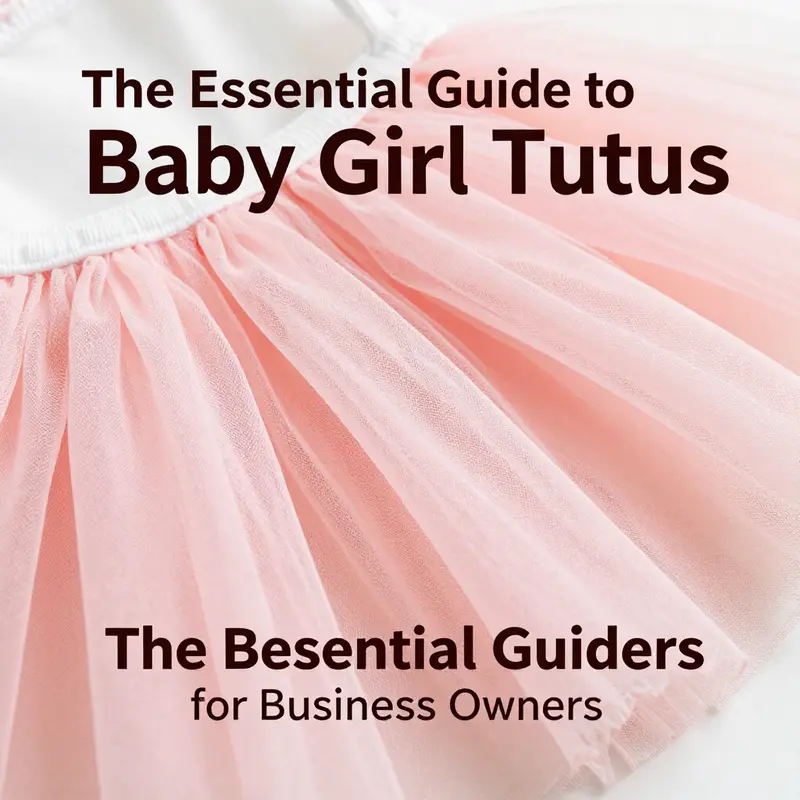
A baby girl’s tutu is more than a pretty shell. It is a small garment that invites movement, play, and moments that become memories. The fabric choices carry memory, too. They determine how the tutu feels against delicate skin, how it behaves when a little one spins, and how long it can keep its cheerful silhouette through repeated wear. The chapter that follows traces the materials that give a tutu its signature look while balancing comfort, durability, and safety. Inch by inch, yard by yard, the fabric and structure work together to turn lightweight fluff into a wearable moment.
Among the most fundamental choices is 100% polyester tulle. The yarn is fine and the weave intentionally airy, which creates the unmistakable halo of fullness that defines a classic tutu. When several layers are stacked, the skirt gains a buoyant heft that catches light from multiple angles, giving the wearer a glow in photographs and a sense of festive magic in the moment. Polyester tulle is resilient, resisting pilling and casual snagging that might mar a child’s enjoyment after a busy morning of pretend play. Its lightness matters, too: a child can twirl for minutes on end without feeling encumbered, which is essential for safe, joyful movement. In addition, the surface of tulle can take gentle washes and dry quickly, helping busy families keep a favorite piece appearing fresh between events.
To temper the sometimes crystalline edge of pure tulle, designers blend chiffon or nylon into the fabric mix. Chiffon adds a whisper-soft drape and a delicate fluidity to the upper layers, allowing the tutu to cascade rather than hold a rigid silhouette. Nylon blends contribute resilience, helping the tutu spring back after countless spins and bends. This combination also enhances breathability, a crucial factor for little bodies that heat up during long dress-up sessions. In lines that emphasize environmental responsibility, some blends are chosen for their reduced weight and improved durability, preserving the airy look while cutting down on bulk. The resulting tension between structure and softness is what makes a tutu feel both magic and comfortable, so a child can wear it through photos, parties, and quiet play without distraction.
Beneath the decorative layers lies an important comfort layer: the inner lining. A cotton-mesh or soft cotton layer sits close to the skin, providing a barrier between the delicate surface of the tutu and sensitive baby skin. This lining minimizes risk of irritation, a small detail that has outsized effects on a child’s experience. It also improves moisture management, helping the garment feel breathable even after hours of wear in warm rooms or during party activities. The lining is typically finished with smooth seams and soft edges, so there are no rough spots that might irritate a hip or knee as a child moves. The goal is not merely to protect fabric but to protect the wearer’s comfort across hours of use.
In premium designs, designers reach for silk-like fabrics that imitate the sheen and drape of natural silk, yet deliver the practical advantages of synthetics. Where embroidery decorates a waistline or hem, the stitching is carefully anchored to withstand repeated spins and sit gracefully against the skin. The query of how a tutu looks versus how it feels is resolved by this balance: the visual luxury does not come at the expense of touch. The result is a tutu with a refined presence for formal occasions while remaining sturdy and gentle enough for everyday pretend play.
Beyond aesthetics, functional performance is a guiding principle. Quick-dry properties matter when a tutu meets a splash or a spill during a birthday celebration or an indoor craft session. Anti-wrinkle finishes help the garment resist creases that can appear after storage or after a child sits in a car seat on the way to an event. The layered construction—often three to five tiers—produces a silhouette that can be up to 40% fuller than a single-layer design. This fullness matters: it enhances the sense of movement, especially when a child spins or dances, and it lends a formal air to weddings, photos that capture first moments, and stage-like performances at school events. A fuller skirt also helps the fabric sway in a way that photographs often translate into a feeling of buoyancy and celebration.
The safety and well-being of little wearers sit at the center of material choices. Manufacturers frequently emphasize child-safe materials and compliance with safety standards that guard against irritants and toxins. The fabrics are chosen for gentle touch and for the comfort of sensitive skin, which is especially important for babies and toddlers who may wear a tutu for several hours at a time. In addition to safety, there is a growing interest in eco-friendly fabrics and sustainable fashion practices. While the glitter and glam are visible on the outside, many designers are mindful of the environmental footprint of the materials used and the processes by which they are manufactured. This awareness often translates into certifications that reassure parents about colorfastness under repeated washing, safety in terms of chemical exposure, and a general commitment to responsible sourcing.
The design vocabulary of these garments reflects both craft and practicality. A forgiving elastic waistband is common, offering a flexible fit that grows with a child and reduces the need for constant adjustment. Ruffled straps add a playful touch that echoes the whimsy of the tutu’s outer layers, while decorative ribbon belts offer a quick avenue for color and texture customization. The balance of weight across layers is calculated so the tutu sits comfortably on the waist, neither sliding up nor dragging down the frame as a child moves. The overall effect is a garment that remains light and forgiving, capable of withstanding hours of activity without feeling like a constraint. The fullness works with natural movements rather than fighting them, letting the youngster leap, spin, and giggle with a sense of ease.
From the perspective of a small business or a creative parent, there is a quiet industry truth: customization matters. OEM and ODM services enable pieces to be tailored to size, color, and design. If inventory allows, colors can be chosen, sizes can be adjusted, and certain design flourishes can be included to align with a specific event or a child’s favorite hues. Low minimum order quantities make it possible for boutique shops, event planners, or families planning a one-off celebration to obtain a single outfit in a chosen color or a distinctive tier arrangement without paying for a bulk run. In practice, this flexibility means that a basic tutu can be elevated with just a few thoughtful details—like a particular chiffon overlay, a specific color of tulle, or a uniquely tied ribbon belt—to reflect personal style and occasion while keeping the classic silhouette intact. For those curious about the broader palette of options, the basic tutu category provides a window into how all the moving parts come together in a single garment. See the Basic tutu category for a sense of the foundational options available at scale.
The story of materials also intersects with sourcing realities. The market supports a spectrum of options—from simple, ready-to-wear pieces to bespoke, made-to-order designs. Bulk suppliers emphasize transparency in fabric composition, care instructions, and safety notes, which supports both parents and retailers in making informed choices. When it comes to materials, the trend is toward clarity: clear labeling of fibers, honest descriptions of finishes, and visible safety certifications. This transparency is essential, not only for immediate use but for longer-term expectations about washing, storage, and wear. The overarching goal is to offer a garment that remains attractive and comfortable through repeated use, while also aligning with a parent’s values about safety and sustainability.
For readers seeking direct exposure to the broader material landscape and to explore practical options for bulk orders or customization, online marketplaces and supplier directories offer a window into the ecosystem that underpins baby girl tutus. They provide access to verified suppliers, sample options, and the possibility of verifying qualifications prior to purchase. In particular, major platforms present an ecosystem of options, from the most economical layers to premium, embroidery-rich ensembles, with clear expectations about turnaround times, minimums, and quality standards. These details can help retailers and families alike plan for events, wardrobe rotations, and seasonal collections with confidence.
External resources and real-world examples remain a key part of understanding how materials translate into wearability. For those who want a tangible sense of fabric composition and finish, a product overview from a bulk supplier offers a concrete reference point—describing common fabric blends, care requirements, and the ethics of sourcing. While exact product names may vary, the underlying principles hold: the combination of lightness, durability, comfort, and safety is what enables a tutu to feel magical in the moment while standing up to daily life. To explore a representative example of materials in the market, see the external resource linked at the end of this chapter.
In sum, the materials behind baby girl tutus embody a careful balance between appearance and practicality. From the airy lift of tulle to the whisper-soft touch of chiffon blends, from skin-friendly linings to silk-like finishes that still wash and wear well, every choice serves a purpose. The result is a garment that can be worn from a family photo session to a wedding celebration, while remaining comfortable for hours of play. The science of fabric technology—weight management, breathability, drape, and resilience—meets the artistry of design, producing a tutu that feels as light as a dream and as durable as the memories it helps create. For those who wish to examine the material landscape more closely, the journey can begin with the basics and expand into the possibilities of customization, where every layer and fiber contributes to a moment of joy.
External resource: https://www.alibaba.com/product-detail/Baby-Girls-Tutu-Skirts-MY-LG-13_1601475982356.html
Tulle, Texture, and Tailored Fit: Unpacking the Design of Baby Girl Tutus for Comfort and Charm
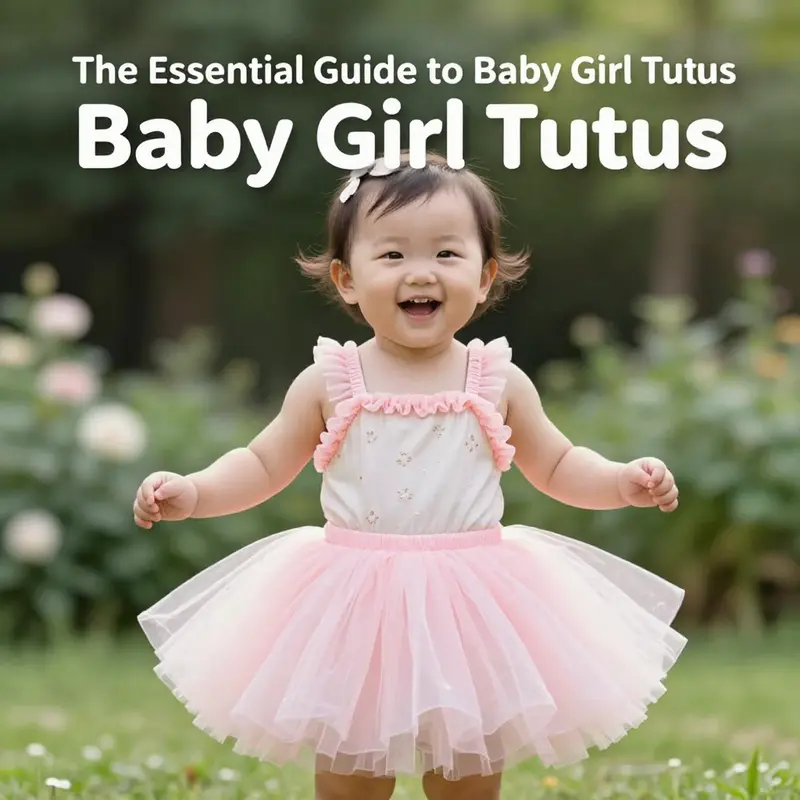
The design features of baby girl tutu dresses balance fairy tale aesthetics with everyday practicality. Designers aim to create looks that feel magical while allowing free movement as a child explores her world. The result is an outfit suitable for photos, celebrations, and casual play, without sacrificing comfort or safety.
The materials chosen for baby tutus prioritize lightness, breathability, and durability. Common fabrics like tulle, chiffon, and polyester blends drape softly and recover well after wear. Tulle provides the dreamy silhouette, chiffon adds sheen and airflow, and polyester blends give resilience for busy days. Collectively, these fabrics can help a tutu feel lighter than traditional party dresses, reducing strain on the wearer and enabling easier twirls and steps.
Layered construction is central to the look and function of baby tutus. A skirt built from multiple layers creates fullness that supports movement rather than cumbersome weight. Layering enhances the garment’s ability to sway with a child in motion and photographs well under various lighting conditions, while keeping the understructure simple and comfortable. Proper layering also helps distribute fabric weight more evenly across the body, aiding balance during spins and hops.
The elastic waistband is a practical cornerstone. It accommodates growth and different body shapes, offering more forgiving fit than rigid designs. Drawstrings or softly gathered edges can add adjustability without pinching skin. A comfortable waist helps a child wear the outfit for longer periods, from playtime to special occasions, with fewer wardrobe changes.
Customization plays a significant role in the design philosophy surrounding baby tutus. Parents and retailers often seek options for size, color, and even bespoke measurements. Options such as adjustable sizing and color palettes allow families to align a tutu with a theme or event while maintaining a comfortable fit. For small brands, customization can also mean a flexible production approach and the ability to respond quickly to market feedback.
Decorative elements can heighten the sense of occasion without overpowering the wearer. Subtle 3D embroidery, soft ribbons, sequins, and gentle metallic accents add charm while keeping skin contact surfaces gentle. The color and texture spectrum ranges from bright candy hues to softer vintage tones, enabling the same silhouette to convey different moods—from playful daytime events to more formal gatherings.
From a safety perspective, materials are selected with childwear standards in mind. Fabrics are tested for softness against sensitive skin, and care is taken to minimize irritants at seams and edges. Quick-dry properties help fabrics recover after minor spills or humidity, while anti wrinkle characteristics keep the garment looking neat with minimal effort. The result is a tutu that respects a child’s comfort and a family’s need for practicality during busy weeks of celebrations.
Care and maintenance are practical considerations that help families maximize the value of a tutu. Many outfits are machine washable on gentle cycles and can air dry without heat damage. The layering approach makes it easier to shed wrinkles and dry separate layers more rapidly after washing, preserving the garment’s shape and silhouette for repeated wear. Durable fabrics and smart construction contribute to a long lasting wardrobe staple that can accompany a child through many milestones.
In the marketplace, baby tutus attract families and small brands with a blend of creative vision and manufacturing flexibility. Customization options, low minimum orders, and strong safety and quality assurances enable experimentation and accessible purchasing for home and retail buyers alike. The result is an evolving category of wardrobe pieces that celebrate movement, imagination, and growth while staying comfortable and practical for everyday life.
The Quiet Power of the Baby Girl Tutu: Versatility Across Everyday Moments and Grand Celebrations
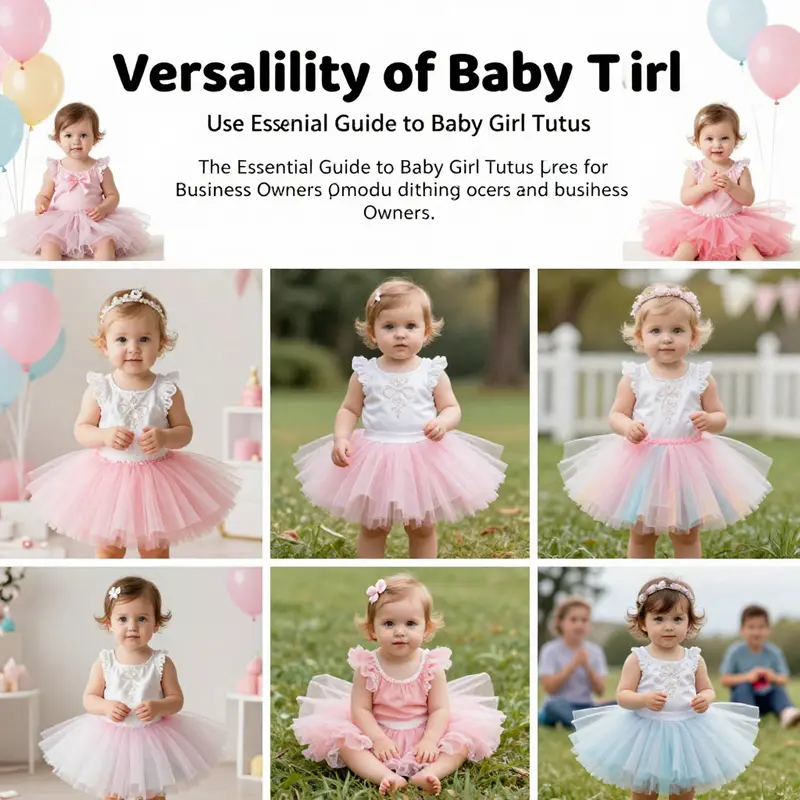
A baby girl’s tutu is more than a garment; it is a small, movable vessel for expression that travels with a child through many small moments and memorable milestones. The tutu’s charm lies not only in its fluff and silhouette but in how it adapts to a child’s changing world. From the first shy steps in a sunlit living room to twirling on a holiday stage, the tutu becomes a constant companion—soft, breathable, and endlessly versatile. The fabrics chosen for these outfits—the airy blends of polyester with chiffon, and cotton-mesh textures—are selected for a reason. They are light enough to flutter with every turn, yet sturdy enough to withstand the daily life of a curious toddler. The materials are chosen with a child’s comfort in mind: gentle against sensitive skin, durable under repeated washing, and quick to dry after a spill or a run through a sprinkler on a warm afternoon. The lighter weight of tulle and chiffon helps a child move with fewer restrictions, lifting her energy rather than weighing it down. In a world of busy schedules and fast-growing bodies, the practicalities matter as much as the prettiness. A gentle, elastic waistband is not a mere feature; it is a facilitator of growth. It can accommodate fluctuations in waist size with a comfortable stretch, providing up to twenty percent more flexibility than more rigid designs. This kind of adaptability is essential when a tutu is worn at multiple ages within the same family, enabling a garment to accompany a child through several seasons of growth without sacrificing fit or ease of movement. For parents who love simplicity with room to grow, a tutu with an elastic waist becomes a practical staple that reduces the need for constant alterations while preserving the aesthetic appeal of a layered, voluminous skirt. The same care that goes into choosing the waistband extends to the layering itself. The tutu’s multi-layer construction creates a fullness that feels sophisticated rather than childish, a balance that makes the outfit appropriate for a wedding ceremony, a birthday party, or a holiday photo shoot. The visual impact comes not from a single layer but from a soft, sculpted stack of tulle that catches the light, sways with each step, and settles into a gentle, cloud-like shape when the child stands still. When a family is selecting pieces for the wardrobe, they often consider how easily a tutu can be repurposed for different occasions. A day at the park can become a casual celebration with the right styling cues; a family photo session can be elevated by a dressier cut and a few shimmering accents. The versatility here is practical as well as aesthetic. A tutu designed for everyday wear can be worn with ballet flats or even canvas sneakers, depending on the moment and the mood. The textural contrast between the soft, airy skirt and the ground beneath a child’s feet adds a tactile dimension to play that both parents and children recognize and cherish. The same garment can be dressed up for formal settings by layering with a lightweight cardigan, pairing it with delicate jewelry, or substituting softer, satin-like accessories for a more refined look. Designers and manufacturers recognize this demand for flexibility, and many offer OEM or ODM services to better align size, color, and design with a family’s needs. The idea is not merely to produce a one-size-fits-all item, but to provide a canvas upon which a personal story can be painted. A parent might choose a color palette that echoes a favorite party theme, or a designer might craft a subtle, tonal combination that photographs beautifully under natural light. The result is a garment that can be a reliable daily staple and a cherished keepsake at the same time. For families exploring options, the idea of a basic, go-to tutu can be a stepping stone. In this spirit, many retailers curate the simplest, most versatile version first, and then offer add-ons—ribbons, belts, decorative trims, or lightweight boleros—that allow for easy customization as a child’s preferences evolve. Those who run small boutiques or start-ups quickly learn that the capacity to customize is not merely a selling point; it is a pathway to building trust with customers who want to see their child’s personality reflected in what she wears. The conversation around comfort and design often circles back to the skin and its sensitivity. Modern tutu materials strive to be gentle on delicate skin, free from harsh dyes or irritating finishes, and many options emphasize eco-conscious production practices. Parents today want both beauty and responsibility, and a tutu that aligns with environmental values can feel like a thoughtful choice for a family’s wardrobe. The care instructions, too, reflect this balance. Quick-dry fabrics reduce downtime between wear, and anti-wrinkle finishes minimize the need for frequent ironing, which means less heat exposure and fewer opportunities for fabric stress. This is particularly important for families who rotate outfits for multiple events in a single week. The result is a garment that remains a favorite rather than becoming a chore to maintain. The cultural resonance of the tutu extends beyond the wearer’s personal style. It becomes a storytelling device, a prop in imaginative play that can enhance how a child experiences a narrative or role. A tutu can carry a child from a simple dress-up moment into a world of fairytales, parades, and stage-worthy performances. In play settings, dolls and dress-up figures can share the same soft silhouette, enabling children to choreograph scenes that mimic real life while still staying within the safety and comfort of clothing designed for active play. The imagination is not just about appearance; it is about movement and expression. A child can spin in a ballroom-like pose at the living room window, or she can toddle across the yard with the same flourish she might later display on a real stage. The tutu, in this sense, is a language. It speaks of possibilities—of a child’s capacity to dream, to pretend, and to grow into the future with confidence. Styling, then, becomes an act of listening. A parent or caregiver observes how a child moves, what she reaches for, and which colors catch her eye, translating those cues into choices that enhance her comfort and joy. A quiet afternoon might invite a simple pairing with soft slippers and a floral headband, while a more festive occasion could invite a sequined belt, a delicate shawl, and a set of matching accessories that reflect a particular mood or party theme. The idea of color is not merely decorative; it anchors emotion and memory. Pale pastels can calm a scene for daytime events, whereas richer hues may amplify energy on a photo shoot or at a late afternoon gathering. In many families, the tutu becomes a ceremonial piece that marks transition—perhaps a first birthday, a family milestone, or a moment when a child begins to recognize her own sense of style. It’s not unusual to see a single piece adapted across seasons, becoming stained with snacks and suncream and washed again and again, each time returning to its former softness after a gentle cycle. For those who curate collections, the ability to source custom sizes and colors with low minimum orders makes it possible to respond quickly to growing children or to keep a small business aligned with demand without risking excess inventory. The practical reality is that a tutu’s versatility is made possible through thoughtful construction: breathable fabrics, stretchable waists, careful layering, and a design vocabulary that invites play rather than restricts it. When a family contemplates what to buy, the question is not merely whether a tutu looks charming in a catalog photo but whether it will be a friend that accompanies a child through a week of play, a weekend of photos, or a string of family celebrations. The best options feel timeless while remaining adaptive, offering a sense of continuity as a child’s world shifts with each new interest or stage. And for parents who want to see variety without sacrificing cohesion, it is now feasible to mix and match elements—the same soft skirt with different straps, the addition of a ribbon belt for a formal moment, or the use of a detachable overlay to transform a day dress into something more ceremonial. In this way, the baby girl tutu becomes a canvas for memory-making, a garment that sings softly of childhood while giving parents the practical support they need to manage busy schedules. For readers who want a tangible starting point, consider exploring the basic tutu category as a foundation Basic Tutu and building from there with accessories, color choices, and size variations that reflect the child’s growth. The story of a tutu is not a stagnant catalog entry; it is a living narrative that unfolds with each outing, each party, and each moment of dancing in the kitchen light. As this chapter threads through the broader arc of baby girl attire, it remains clear that versatility is the core strength of these garments. The tutu’s ability to transition from casual play to formal elegance, to support creative play and staged photography, and to do so with comfort and safety at the forefront, makes it a remarkable garment for families who value both style and substance. It is this capacity to support life’s many small and large moments that keeps the tutu relevant across generations, inviting new stories each season while preserving the warmth and charm that first drew children and their guardians to this timeless silhouette. For those who care about safety and sustainability, there is a growing emphasis on kid-safe materials and responsible production. While the landscape of options continues to expand, parents can feel confident that a thoughtfully designed tutu can honor both a child’s instinct to explore and the family’s commitment to gentle, enduring fashion. As a final note, the tutu’s magic does not hinge on a single moment of spectacle but on the quiet, daily rituals of dressing, dancing, and going out into the world—where the smallest garment can make the biggest difference in a little girl’s sense of herself. External resource on safety and guidelines for children’s apparel can be found here: https://www.cpsc.gov/safety-guides.
Final thoughts
The market for baby girl tutus is not just about aesthetics; it’s about understanding the needs of consumers who seek quality, customization, and versatility. As a business owner, investing in a diverse range of products that cater to various occasions and preferences will ensure a greater customer base and repeated sales. Quality materials and thoughtful designs enhance the attractiveness of your offerings. By staying attuned to these elements, you can effectively position your brand in the competitive fashion landscape for young girls. Embrace these insights to maximize your business’s potential with baby girl tutus.