
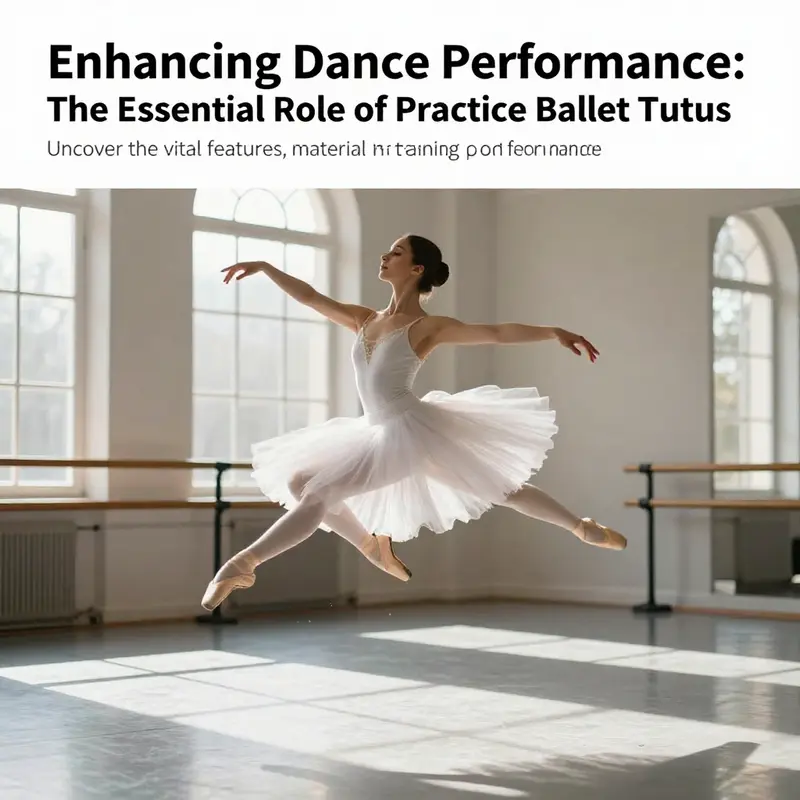
In the dynamic realm of dance, a practice ballet tutu serves not merely as a costume but as a vital component in a dancer’s training toolkit. Designed with a focus on comfort, durability, and functionality, these tutus play a significant role in enhancing the training regimens of dancers while preparing them for performance. Across three critical aspects—essential features, material innovations, and their role in dance—this exploration will unveil why investing in quality practice tutus is essential for business owners catering to aspiring and professional dancers alike.
The Studio-Ready Tutu: How Practice Ballet Tutus Power Daily Rehearsal
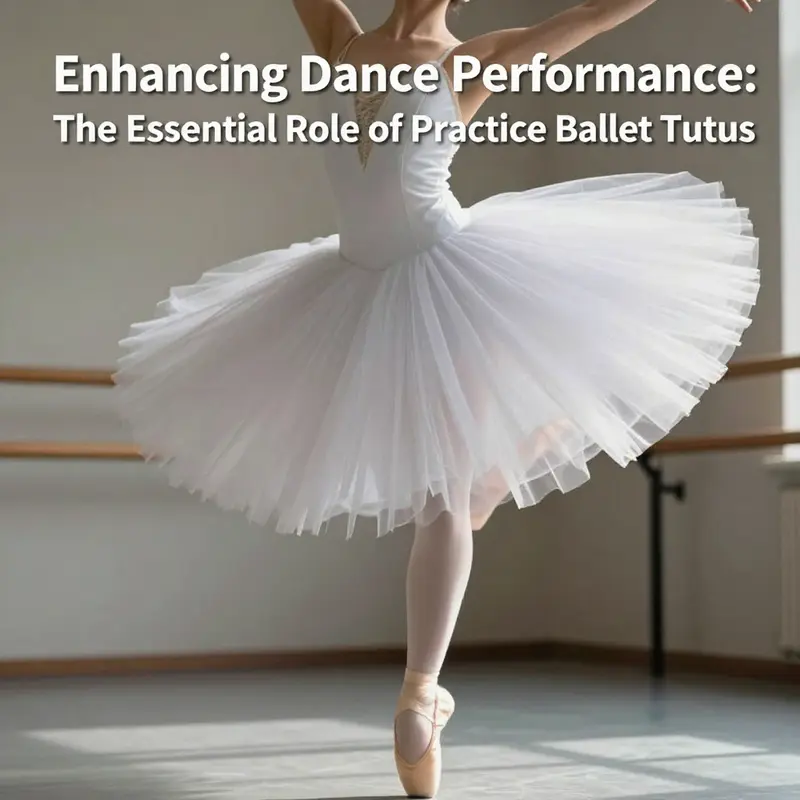
In a dance studio, where the clock ticks with the rhythm of a pirouette and the mirrors reflect countless repetitions, the practice ballet tutu acts as more than apparel. It is a functional companion engineered to amplify a dancer’s focus, resilience, and range of motion during long hours of rehearsal. While performance tutus gleam with theatrical finesse and complex stitching, the practice version strips back ornamentation to elevate the core purpose: comfort, durability, and freedom of movement. The difference is felt in the way fabric meets skin, in how a band holds without pinching, and in how the silhouette remains stable through a sequence of leaps that demands both precision and endurance. The best practice tutus understand this balance intuitively. They recognize that every seam and thread counts when a dancer is asked to repeat a grand battement or sink into a deep plié without a single distraction from the garment itself. This is where the philosophy of rehearsal-ready design becomes visible: the tutu must move with the dancer, not against them, responding to the body’s needs as it evolves through weeks of structured practice and experimentation.
Fabric choice is the first conversation between garment and dancer. In most studio settings, practitioners gravitate toward sturdy, easy-to-care-for fibers like cotton-spandex blends or plain polyester. These materials offer resilience under frequent wear and regular washing, a practical necessity when a piece is worn day after day, session after session. The cotton-spandex blend brings a soft, breathable hand that helps regulate temperature during warm-up and after exercises when heat can rise quickly in a crowded room. Polyester, by contrast, contributes durability and colorfastness, ensuring the tutu holds its shade even after repeated cycles through the washing machine. Together, these fabrics form the backbone of a practice tutu that can weather a season of rehearsals without unraveling, fading, or stiffening into discomfort. In more advanced constructions, a higher spandex content can introduce a notable stretch—up to roughly thirty percent more give than non-knitted fabrics—facilitating movements that stretch the torso and hips in complex sequences. The dancer’s core and limbs appreciate this elasticity as it reduces resistance during turning sequences, making pliés, tendus, and demi-points feel like a natural continuation of the body rather than a battle against fabric that clings or binds.
The construction of a practice tutu typically favors a streamlined, no-frills approach. The bodice is often a simple, supportive unitard or leotard base, designed to cradle the torso while allowing the spine to lengthen and the ribcage to expand freely with each breath. In contrast to performance tutus, which may feature elaborate panels, attached petticoats, or heavy ornamentation intended for visual impact under stage lights, the rehearsal version keeps embellishment to a minimum. Fewer seams and lighter internal padding translate into less friction against the skin, reducing the risk of irritation during extended sessions. This simplified silhouette does not imply a lack of elegance. When fashioned correctly, a clean, well-fitted bodice contributes to a graceful line from shoulders through hips, supporting alignment and posture during long combinations across the barre and in center work. The design often introduces elastic waistbands and flexible fabrics that grip securely without digging in. Unlike rigid or poorly shaped options, these components move with the dancer, maintaining a stable platform for ankles, knees, and core to perform with balance and confidence.
Fit is perhaps the most practical aspect of the practice tutu’s philosophy. A tutu intended for daily use sits snug at the waist and hips, offering a sense of stability that prevents slipping or riding up as a dancer executes a sequence of turns or a succession of sautés. The waistband is typically elastic, sometimes reinforced with a soft, fabric-covered band to prevent chafing. Proper fit means the garment stays aligned with the pelvis and spine, allowing full mobility without constriction. The design must accommodate the natural contour of the body across different shapes and sizes, recognizing that a studio may host dancers at various stages of growth and development. In addition, the garment should accommodate the additional coverage provided by full-sleeve leotard designs when offered, especially during barre work or when dancers wish added compression around the upper body for support during long practice sessions. Comfort is inseparable from performance here; a well-fitted tutu reduces the need for constant adjustments, enabling the dancer to stay in the flow of practice and maintain visual lines during the most demanding sequences.
Breathability and thermal regulation are central to sustained practice. The rehearsal environment can grow warm, and the dancer’s body generates heat through sustained activity. Breathable fabrics and strategic moisture management help manage sweat so that the body remains comfortable and the skin stays dry enough to prevent chafing or irritation. Cotton blends contribute markedly to this goal, providing a natural fiber feel against the skin, while moisture-wicking properties in modern blends help move sweat away from contact surfaces. A tutu designed for long sessions often includes micro-ventilated panels or mesh sections in less visible places. Even where decoration is minimal, the wearer benefits from airflow that moderates overheating, reduces stickiness between fabric and skin, and preserves a dancer’s ability to stay relaxed and focused. In the most refined options, a delicate balance is struck between opacity and breathability so the dancer remains confident with a consistent appearance under studio lighting and during the gymnastic intensity of a grand jeté or a series of tight turns.
Maintenance and practicality complete the core narrative of the practice tutu. Daily wear demands fabrics and weaves that tolerate machine washing, resist wrinkles, and resist fading after repeated cycles of cleaning. The ability to launder a tutu without special care reduces downtime for dancers and studios alike and ensures the garment remains available for the next rehearsal without lengthy dry times. The selection of fabrics and finishes in a practice tutu thus centers on durability and ease of care, making routine upkeep a small, predictable cost rather than a recurring burden. For studios managing a large roster of dancers, the affordability of a well-made practice tutu carries real value. While performance tutus may command higher price points due to ornate detailing and specific materials tuned for stage lighting, shading, and movement under spotlights, the practice tutu emphasizes long-term usability and return on investment. The result is a garment that serves as a reliable training partner, not a single-use costume. In many studios, dancers accumulate a rotation of these tutus to cover daily schedules, class changes, and varying rehearsal loads, reducing the risk of disruption when a favorite piece becomes unavailable.
From the studio floor to the rehearsal room, the practice tutu is designed to strike a balance between structure and freedom. A certain amount of volume is desirable; it provides the dancer with a clear silhouette that reads well to the eye and supports the ballet aesthetic during work, yet it should not overwhelm the body’s lines or restrict the leg’s path through a sequence. A premium option may employ a seven-layer construction to retain volume and shape after repeated spins and leaps, offering durability beyond the standard three- to five-layer builds common in more basic designs. The extra layers help the tutu maintain fullness as the dancer moves through multiple passes, but this feature should not come at the expense of comfort or breathability. In many cases, studios opt for a balanced approach: a slightly elevated layer count for high-volume training, paired with fabrics chosen for flexibility and air circulation. This approach ensures that even after a rigorous day of practice, the tutu remains presentable, the lines stay clean, and the dancer finishes with as much confidence as they started with.
The versatility of a practice tutu is a quiet strength. While its primary role is to equip dancers for daily training, a well-conceived design translates well to performance contexts when needed. The absence of heavy embellishments and the presence of a professional cut allow for swift adaptation. Small adjustments—such as adding a subtle layer of tulle for a class that moves toward performance-ready sequences or altering the waistband for a more secure feel during a long routine—can elevate a rehearsed look without compromising comfort. This adaptability makes the practice tutu a reliable foundation for dancers who may perform in more formal settings later in their training, where the same silhouette, fit, and mobility will still be relevant under stage lights and crowded theaters. For dancers and studios planning long-term investments, the prospect of a tutor that can function across training and partial performance stages becomes particularly compelling, and it encourages a thoughtful approach to wardrobe planning that respects both budget and artistic ambition.
During a typical rehearsal cycle, dancers learn to gauge the value of their practice tutu not only by its aesthetic but by how well it supports the body’s mechanics. A garment that remains stable during a sequence of pirouettes and a line of grand battements reduces the cognitive load on the dancer. They no longer need to compensate for fabric shifting or pinching; instead, attention can be directed toward alignment, depth of plié, and the expressive line of the arms. Instructors also notice the effect: with a dependable tutu, students show up ready to engage, knowing their attire will not distract from the work at hand. The ease of care becomes a practical relief as well. Rehearsal rooms can accumulate dust and sweat quickly, and a fabric that breathes and resists wrinkling helps dancers maintain a crisp outline between changes. Even small characteristics, such as the feel of elastic against the skin or the subtle weight of a stabilized panel, contribute to a dancer’s comfort and focus. When these details come together, they create the invisible infrastructure of daily practice—the quiet confidence that allows a dancer to explore new combinations, test boundaries, and refine skill with a steady, unbroken cadence.
For practitioners seeking a starting point in the continuum of tutu options, a practical strategy is to consider a category designed for daily training that respects both cost and durability. A well-curated Basic Tutu category can provide a reliable baseline from which dancers can grow. This approach aligns with the studio’s need for multiple uniforms that offer consistent fit and performance while avoiding unnecessary embellishments that add maintenance overhead. By choosing a dependable, simplified construction, dancers can devote energy to technique rather than wardrobe concerns. When a studio adopts a standard for practice that emphasizes stability, breathability, and easy care, it enhances every dancer’s potential to flow through barre work, center practice, and across-the-floor sequences with fewer interruptions caused by wardrobe issues. The goal is not to chase fashion at the expense of function but to preserve the elegance and discipline of ballet through garments that respect the body’s movement and the mind’s concentration.
If you wish to explore options that align with this pragmatic philosophy, you can start with the Basic Tutu category, where the focus remains squarely on daily usability while still preserving the professional silhouette and line that ballet demands. This approach preserves consistency across the training program, helping dancers and teachers maintain a cohesive look that supports alignment and visual comprehension during group sessions. It also lays a practical groundwork for growth: as students advance, the same discipline that informs a durable, easy-care design can evolve into more nuanced choices that suit evolving technique and performance goals without sacrificing the core advantages that a practice tutu provides. In the broader context of a dancer’s wardrobe, the practice tutu becomes a dependable pillar—an anchor to discipline, form, and the daily ritual of training that carries the artistry forward through each repetition and each performance after.
For additional context on how to choose between performance-oriented and practice-oriented tutus—and why many dancers and studios favor the latter for rehearsal—there are thoughtful guidelines available from a respected industry resource. It emphasizes balancing structure, comfort, and maintenance with aesthetic expectations, a triad that underpins the decision that every studio faces when equipping its dancers. A practical takeaway is to prioritize fabrics that endure, construction that remains stable with movement, and a fit that respects different body types and growth. The result is a rehearsal garment that performs as a true ally: it doesn’t demand attention, it earns confidence, and it allows a dancer to focus on form, line, and artistry rather than on wardrobe concerns. In that sense, the studio-ready tutu embodies the discipline and pragmatism at the heart of serious ballet practice, turning daily drills into a flowing sequence of controlled energy rather than a distraction from technique.
External reading can provide additional perspective on how to balance performance ambitions with daily training realities. For a deeper exploration of choosing the right tutu for both performance and practice, consider consulting established guidance that discusses the nuanced trade-offs in material choice, fit, and silhouette across contexts. This resource complements the studio-based considerations described here and can help dancers, instructors, and wardrobe coordinators align on a shared standard for rehearsal wear while acknowledging the subtleties that arise when transitioning from studio routines to stage productions. By integrating these insights, a studio can cultivate a wardrobe ecosystem that supports consistent technique, clear lines, and enduring comfort through every rehearsal and, when appropriate, every performance.
To link the practical here with a readily accessible path, you can explore a base option that aligns with the discussed priorities via the Basic Tutu category. This is a straightforward way to ground the discussion in a concrete example while keeping focus on the principles that guide quality practice wear. Basic Tutu
For readers seeking external validation and a broader framework, the external resource below offers guidance on weighing performance needs against practice realities. It is a complementary piece for dancers who want to think holistically about their attire and training goals in equal measure. https://www.ballettutu.com/blogs/insights/how-to-choose-the-best-ballet-tutu-for-performance-and-practice
Breath, Bounce, and Bouffant: How Modern Materials Shape Practice Ballet Tutus
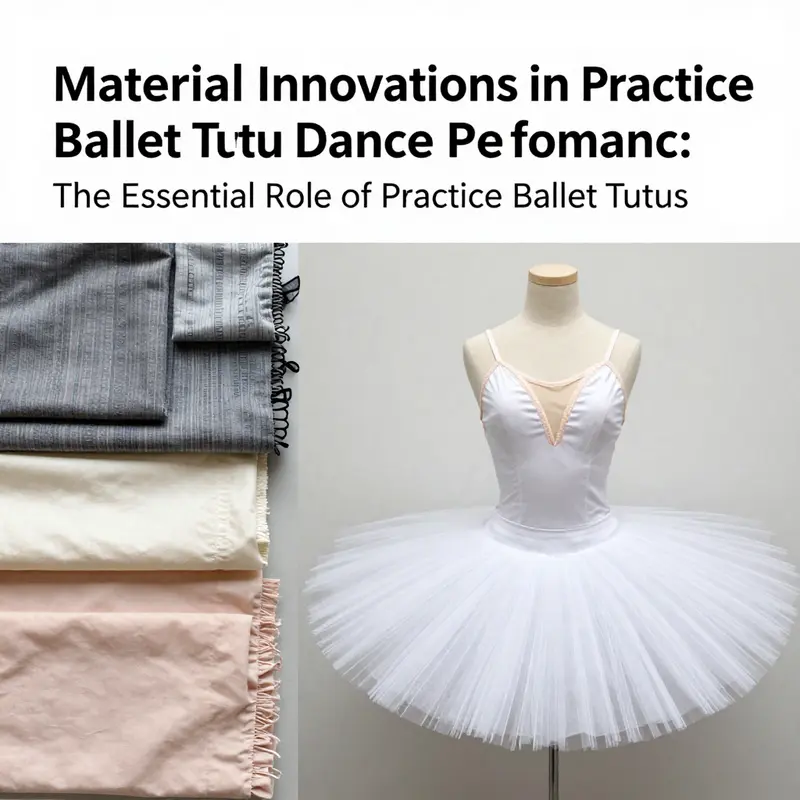
Dancers train with the tutu as more than a costume; it is a fundamental tool that influences technique, stamina, and the quality of line on every repetition. In practice, where sessions stretch into hours and the body moves through a spectrum of demands, the choice of fabric, the construction of the skirt, and the ergonomics of the fit become invisible coaches. Modern material innovations in practice ballet tutu design respond to these realities. They blend comfort, flexibility, and durability so the dancer can invest fully in each movement, from a controlled pony and barre sequence to the explosive reach of grand jetés and the precise control of multiple pirouettes. The journey from fabric to performance is not a single leap but a continuum of choices that change how a dancer approaches technique. At the core of this evolution is an emphasis on breathability without sacrifice of silhouette, on stretch that supports dynamic ranges, and on layering that preserves volume even after dozens of rotations. These shifts in emphasis are not cosmetic; they alter the feedback a dancer receives from the garment itself. A tutu that holds its shape yet responds to micro-adjustments during an eight-count makes a difference in alignment, in the ease of spotting, and in how a dancer translates space into line. The modern practice tutu has become a study in balance between body and garment, a mutual adjustment rather than a one-way adornment. When designers talk about material choices, they frame a conversation about what a body endures during hours of repetition and how a fabric can reduce fatigue. In this conversation, fabric blends take the lead. The most commonly deployed compositions combine a 20 percent spandex core with high-quality polyester and nylon. This blend delivers a subtle but essential advantage: a level of stretch that moves with the dancer without sagging or warping under heat, sweat, and frequent washing. The improved elasticity translates into more confident extension and slower, cleaner control during demanding sequences. For a dancer, that translates into smoother transitions and a more stable upright carriage during the rise into a Pirouette en dehors or the lift into an extended grand jeté. The stretch is not merely about flexibility; it is about the garment becoming an ally in the execution of technique rather than a constraint. The design language of these fabrics emphasizes return strength as well. When a leg pumps through a powerful battement, the fabric should recover its shape quickly so the silhouette remains consistent through repetitions. The ability to maintain a full, elegant line after repeated leaps speaks to a garment’s memory, a quality born from knit techniques and fabric engineering that understand how the body moves in space. In practice, this translates into a tutu that remains visually coherent whether it is worn for a long studio session or a short class before a performance. Layering, too, plays a pivotal role in how a tutu behaves under stress. Contemporary designs frequently employ a seven-layer skirt construction rather than the more common three to five layers found in traditional or casual pieces. Each layer adds volume, but more importantly, it stabilizes the garment during rapid spins and brief, high-energy bursts. The result is a silhouette that maintains fullness even after extended practice, resisting flattening under the centrifugal forces of rotation. This is not merely about aesthetics; it is about conserving the dancer’s energy by reducing the need to continually adjust the hem, the waist, or the alignment of the tutu itself. For dancers who practice box sets of choreographic material, the seven-layer approach offers a tangible efficiency. A garment that holds its shape reduces the cognitive load required to monitor every shift in volume. The dancer can stay focused on technique, on the clarity of the turnout, and on the precision of feet and ankles rather than on keeping the skirt buoyant. The construction details extend beyond the skirt. Seamless construction has emerged as a preferred technique in many modern practice tutus. By removing potential fracture lines and reducing points of friction, seamless panels offer unrestricted motion and enhance the garment’s longevity. The absence of visible seams that could snag or pinch the skin adds another layer of comfort, especially during long sessions that require a dancer to brace through barre work or sustained extensions. Seamlessness also contributes to durability. Each rotation, every change of direction, and the breath-driven expansion of the torso place stress on the fabric at different angles. A seamless approach distributes this stress more evenly, reducing the chances of wear that would otherwise require early replacement or costly repairs. The combination of seven-layer skirts and seamless construction marks a pragmatic shift in how practice tutus are designed for real studio life. It balances the need for volume and drama with the necessity of practical endurance. The move toward more substantial layering and meticulous construction is not a rejection of tradition but a refined evolution guided by the realities of daily practice. Within the design ecosystem, the fabric story remains at the heart of comfort and performance. The inclusion of breathable materials in full-sleeve leotard designs, for instance, reflects an understanding that protection from the cold or drafts during longer sessions must be paired with the ability to vent heat efficiently. Full sleeves, made with stretchable spandex, offer approximately twenty percent more coverage than sleeveless designs. The extra coverage supports the dancer during long barre sections, where shoulders and upper arms bear static tension and micro-movements that accumulate over time. Yet the sleeves must not constrict or dampen mobility. The elastic cuffs and the stretch in the fabric work together to keep the arms free, allowing a dancer to reach, re-balance, and pivot with confidence. The same principle applies to the waistline. An elastic waistband ensures a secure yet forgiving fit that accommodates the fluctuations of breathing and body temperature across a long practice. The garment remains snug without digging in or creating hotspots, a common complaint with stiffer, less forgiving designs. The skin-friendliness of modern practice tutus is another essential factor. Designers lean toward hypoallergenic blends of polyester and nylon that withstand repeated flexing and washing while preserving color and shape. This consideration matters not only for comfort but for hygiene and durability. The choice of hypoallergenic materials supports dancers with sensitive skin and reduces the risk of irritation during long sessions when sweat is common. The resulting care cycle becomes simpler as well. Fabrics designed to resist pilling and maintain color brightness after multiple launderings contribute to a longer usable life and more economical practice gear for studios and individual dancers alike. From a studio management standpoint, material innovations also carry implications for cost and scalability. The design ecosystem reveals scalable production models that can be tuned to various levels of demand. In wholesale settings, a four-layer mesh design can start at around three dollars and thirty-nine cents per unit. This price point makes high-performance practice tutus accessible to many schools and studios seeking quality without sacrificing budget. The layer count matters here not only for aesthetics but for production efficiency, shipment weight, and the ability to service larger groups without compromising fit or appearance. When studios plan their assortments, they weigh volume retention against cost, choosing a tier that aligns with their students’ needs and their staged expectations. The market story is not limited to price and functionality; it also reflects a broad range of design inspirations and variants. Platforms that showcase fashion and costume ideas reveal a dynamic landscape with hundreds of variations that blend classic ballet elements with modern material science. A quick scan of design boards often shows tutus that retain the essential ballet silhouette while experimenting with texture, sheen, and color depth. While some designs lean toward traditional lines, others explore avant-garde interpretations that emphasize the interaction between movement and fabric. This interplay demonstrates that even within a highly codified dance form, there is room for innovation in how the body meets the garment. For dancers and teachers, these material innovations offer a practical framework for informed decision making. When a student asks for a tutu that supports longer practice without sacrificing form, the answer lies in the fabric blend, the layering strategy, and the construction technique. The fabric blend provides the necessary stretch for complex movements without losing structural integrity. The seven-layer skirt ensures that volume remains stable through spins and leaps, while seamless panels reduce friction and fatigue. Full-sleeve designs give extra coverage without hindering mobility, and elastic waists keep the fit secure as the body expands and contracts during breathing. This convergence of features is not just technical; it is pedagogical. It shapes how instructors design class sequences and how students approach each movement. The right tutu by design becomes a rehearsal partner, guiding the dancer toward cleaner lines, more expressive rond de jambes, and a steadier core during turns. It becomes, in effect, another tool that supports practice as a disciplined, joyful, and energetic act. In the broader context of the art form, material innovations in practice tutus reflect a mature understanding of how technique and physical endurance intersect with garment engineering. The evolution mirrors the demands of contemporary training—longer hours, higher expectations for precision, and a greater emphasis on safety and comfort. Studios that adopt these innovations report smoother barre work, more consistent turnout, and fewer interruptions due to discomfort or wardrobe issues. For dancers who are pushing the limits of what their bodies can achieve, these designs translate into tangible gains. The sense of lasting support, the confidence to attempt more ambitious combinations, and the assurance that the garment will not fail mid-routine all contribute to a healthier approach to practice. And while the technical core remains fastened to the body in a careful embrace of stretch and support, the visual identity of the tutu remains a powerful social signal. The silhouette communicates intent, discipline, and artistry. The seven layers catch the light in a way that accentuates the line from toe to fingertip while remaining faithful to the dancer’s skill and training. The full-sleeve design offers a modern interpretation of coverage that respects tradition while accommodating the needs of contemporary training. In this way, material innovations reinforce the balance between technique and aesthetics that defines classical ballet. For instructors and students alike, the dialogue about materials is a living one. It grows with new textiles, knitting techniques, and finishing processes. It expands as ever-more-precise production methods optimize stitch, seam, and hem. It evolves each season as color, texture, and sheen reframe what is possible within the standard repertoire. To the observer, the effect is subtle but meaningful: a dancer who can move with a little less resistance, a silhouette that holds its shape during a long series of steps, and a garment that respects the body’s needs while inviting expressive energy. The chapter of material innovation in practice ballet tutu design thus reads as a practical manual and a design diary at once. It tells the story of how a garment can be both an efficiency tool and a source of beauty. It explains why a studio might choose a tutu with seven layers and seamless panels, or why a dancer might prefer a full-sleeve leotard to ensure coverage during a tough barre sequence. It is a reminder that dance is a disciplined art that requires intelligent design, careful material selection, and a willingness to adapt to the body’s rhythms. The conversation continues as new fabric technologies emerge and as practitioners share feedback about wear, wash, and performance. The aim remains constant: to empower dancers to train harder and longer without compromising form or comfort. In that sense, the evolution of practice tutu design is a continuous negotiation among fit, function, and feel. It is about enabling potential, not merely decorating technique. The modern tutu is a practical instrument that travels with a dancer from warm-up through cross-rhythm combinations, carrying with it the promise of reliability, resilience, and the enduring elegance of classical line. It anchors the body in space while allowing freedom of expression, turning the studio into a place where movement and garment collaborate to reveal artistry. Within this collaborative relationship, the dancer’s body learns to trust the garment as a stable base from which to explore new shapes, angles, and energies. That trust is born from careful material choices, thoughtful construction, and a shared language between designer and dancer about how the human form can perform when freed from unnecessary constraint. For studios seeking practical, scalable options that align with serious training and performance standards, considering the professional and educational implications of these innovations is essential. A tutu designed with seven layers, seamless panels, and breathable full-sleeve features becomes not only a garment but an extension of technique. It is a partner in the studio, a guardian of comfort, and a promoter of consistent, repeatable form across dozens of rehearsals. In this sense the design story of the practice tutu is not about chasing novelty for novelty’s sake; it is about ensuring that the body can do more, move more freely, and recover more quickly. It is about aligning material science with the artistry of ballet so that every plié, relevé, and jeté is performed with maximum control and minimum distraction. If you are exploring options for integrating high-performance practice tutus into your training program, consider the Professional tutu category for guidance and examples that align with serious studio needs. Professional tutu category. As you look across the spectrum—from four-layer mesh to premium seven-layer constructions—the underlying principle remains clear: the garment should disappear as a barrier and reappear as a facilitator. The right balance of stretch, support, and shape retention turns practice into progress, enabling dancers to push toward cleaner lines, more precise turns, and greater endurance. In this way, fabric and form cooperate to sustain the craft of ballet, ensuring that the tutu remains a symbol of both tradition and innovation. External resource: https://www.dancemagazine.com/ballet-tutu-material-innovations-2025/
Between Rehearsal and Spotlight: The Practice Ballet Tutu as a Catalyst for Training, Focus, and Performance Readiness
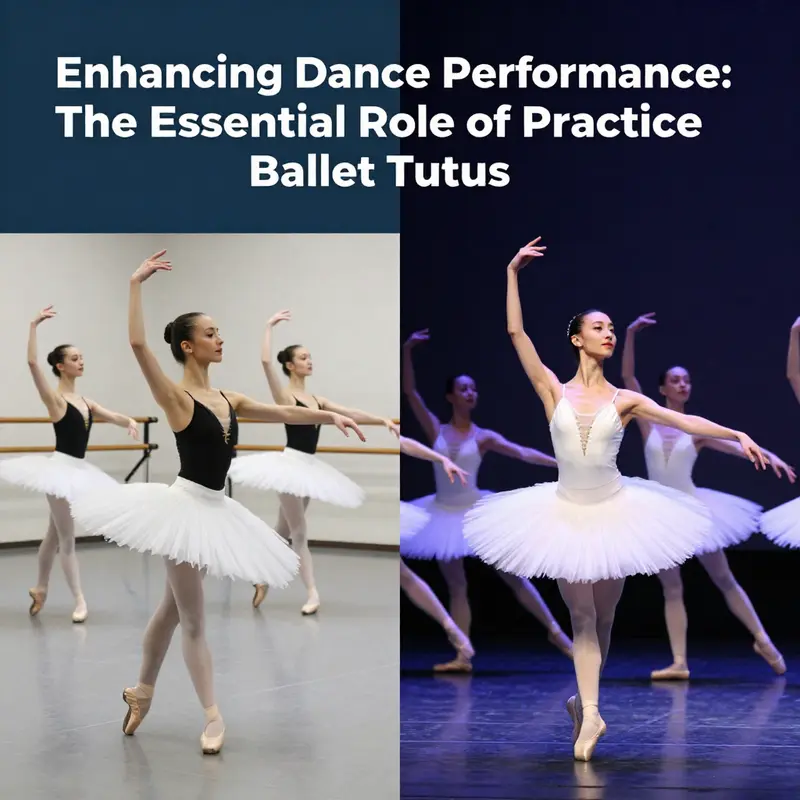
A dancer stands at the edge of the studio floor, the hum of barres and the quiet murmur of practice shoes filling the room. In this moment, the practice ballet tutu is more than a garment. It is a practical companion, a tool built not for glittering moments on stage but for the stubborn, repetitive work that makes those moments possible. The tutu in rehearsal embodies a philosophy of movement: it is light enough to float with the body, sturdy enough to resist the tug of a leap, and intelligent enough to encourage correct alignment through its structure. In this sense, the practice tutu becomes a kind of partner in training, a fabric-based coach that helps dancers push through the invisible barriers of fatigue and technique with less friction than a rigid or ill fitting costume might introduce. The garment quietly negotiates the distinction between discipline and art, allowing technique to speak through the body with a clarity that the eyes can follow and the muscles remember.
To understand why this particular costume matters, it helps to see what modern practice tutus are designed to do. They are not merely a replica of performance couture, nor are they a mere second skin for workouts. They sit somewhere between practical gear and ceremonial attire, tuned for the demands of daily practice while retaining the visual language that connects trained ballet to its repertoire. The materials chosen for these tutus are pivotal. A blend of breathable tulle, stretchy fabric, and skin friendly fibers makes a real difference over hours of daily wear. A typical high performance practice tutu employs a 20 percent spandex blend within the fabric mix, a choice that yields significant flexibility without sacrificing structure. Dancers can execute grand jetés with full extension, or unwind into multiple pirouettes, secure in the knowledge that the skirt will spring back into its intended silhouette rather than sag under stress. When the fabric is both forgiving and supportive, the mind is freer to explore the path of movement rather than contend with the resistance of unsuitable clothing.
The structure of the tutu also plays a decisive role in how a dancer perceives and executes technique. A premium seven layer construction provides a stable, full-bodied silhouette even after numerous spins and landings. The layering matters, because in ball scene or in the studio mirrors, the visual volume of the tutu acts as more than ornament. It helps the eye follow rotational lines, aiding the dancer in maintaining a sense of space and control. The layers are not merely for show; they are engineered to retain their form through dynamic change of direction. This stability supports the dancer’s muscle memory by delivering consistent feedback about the body’s alignment and the path of a given movement. In practice, this means fewer distractions, more reliable turnout, and a greater probability that a grand jeté will feel expansive rather than imprecise.
Beyond the physics of fabric and seam, the fit of the tutu carries psychological weight. An elastic waistband, carefully contoured to move with the body, offers a secure yet forgiving hold during campaigns of effort. The waistband accommodates fluctuating body shapes, allowing a dancer to train without constantly adjusting the garment, a factor that can interrupt a flow state. A flexible fabric that stretches in four directions ensures that the tutu breathes with the wearer, reducing cling and heat build-up in the torso and hips. In barre work especially, the upper body often shifts into a posture that demands robust support around the core; a full-sleeve leotard design integrated with the tutu offers additional coverage and consistency. What looks like a simple layering of garment pieces becomes a thoughtful architecture that helps a dancer sustain postural integrity over long sessions, reducing the chance of compensatory movements born from discomfort.
The sensory experience of wearing a practice tutu matters as well. The skin should feel protected, not chafed or overheated. Hypoallergenic blends of polyester and nylon contribute to a kinder contact with the skin, a crucial factor for dancers with sensitive skin or extended practice windows. The aim is to create a textile environment that minimizes irritation while maximizing resilience to repeated flexing and repeated washing. This is not merely about comfort; it is about reliability. When a dancer does not have to worry about itchiness or abrasion, attention can remain focused on form, tempo, breath, and the precise alignment needed for a flawless routine. The comfort aspect carries into the mind, where a dancer can approach a drill with less cognitive load and more clarity of intention.
The role of the practice tutu extends into the psychological and aesthetic realms in equally meaningful ways. Even in rehearsal, the silhouette of a well-constructed tutu carries symbolic weight. The classic cut and the graduated layers, often seven or eight in high-end designs, reinforce a professional identity and an internal standard. The dancer learns to sculpt presence not only through feet and arms but through the entire ensemble that frames the body. This is the invisible education of costume, where form helps discipline the eye and the body into a shared language of line, balance, and proportion. Such alignment with professional standards feels like a rehearsal of confidence itself. Preparing for auditions, exams, or stage appearances often hinges on presentation as much as technique. When the rehearsal tutu maintains its shape under pressure, it becomes a living example to a dancer that performance truth is inseparable from how a body looks in motion.
As technique develops, the tutu becomes an ally in teaching and sustaining accurate form. The four-way stretch you find in modern fabrics is not just for comfort; it is a practical feature that reinforces correct technique under the duress of swift transitions. In the studio, a dancer might attempt a sequence of turns that demands high control of rotation. The friction between fabric and skin is minimized, and the skirt’s lift remains predictable, allowing the dancer to read the body in space with less extraneous movement in the garment itself. The visual feedback provided by a stable silhouette enhances proprioceptive awareness. The body learns to align without excessive adjustment to the clothing. The tutu becomes a mirror at a different scale—an external guide that shapes internal cues.
Under this interface of fabric and form, training outcomes take shape in tangible ways. A well-made practice tutu supports the retention of volume and structure through intense movement. This is essential when a dancer is asked to sustain a pliant, yet articulate line through a sequence of leaps and spins. If a costume sags or distorts, the dancer’s line can blur at precisely the moment when precision matters most. When the tutu holds its form, the dancer’s ability to shape the torso, hips, and legs remains legible, which in turn makes corrections more straightforward for teachers and mentors. The garment, thus, acts as a staging ground for the body’s language, translating micro-adjustments into visible, measurable changes in form.
The practice tutu’s versatility is another source of its value. It is designed to support daily training while still being adaptable enough for the occasional rehearsal that doubles as a public demonstration. The same seven-layer structure that keeps bloom and balance in studio drills can be paired with performance-ready expectations for a showcase or a non formal recital. The tutu’s design promotes continuity of practice with a sense of expectancy for performance. In this sense, it plays a bridging function, reducing the emotional and logistical gaps between routine training and on stage presentation. For young dancers and those undergoing rehabilitation, the same features—soft yet resilient materials, skin-friendly fabric blends, ample coverage, and a secure fit—provide a safer pathway to progress. The presence of a garment that respects the body’s healing needs can be a quiet driver of perseverance, turning a long road of reconditioning into a manageable sequence of steps.
The practical nature of the practice tutu does not diminish its capacity to inspire. A dancer who knows that the skirt will respond consistently to the body’s movement will approach the barre with increased curiosity rather than apprehension. They will experiment with turnout, leg extension, and rib cage control, knowing that the stylistic cues that define ballet will be preserved in the rehearsal wear. A good tutu is not a constraint but a scaffold that elevates practice by ensuring that the aesthetic language does not collapse under repetition. This is the subtle art of training: to let the apparatus be silent and the body be loud in its expressive potential. The tutu becomes a partner in the art, enabling a dancer to invest energy where it belongs—into the precise choreography of muscles and nerves, into the breath that drives every turn, and into the artistic intention behind each gesture.
In practice, the choice between a practice tutu and a dedicated performance tutu is not a matter of hierarchy but of context. The best rehearsal garments borrow the performance lineage while prioritizing durability, comfort, and ease of movement. For a studio that trains multiple levels and ages, the ability to wear a single garment across daily work and light stage appearances yields logistical and financial efficiencies. It also cultivates a consistent standard of presentation. A dancer who trains under the same silhouette, the same volume, and the same fit can maintain a uniform sense of proportion across sessions, which psychologists, coaches, and choreographers often find helpful when assessing progress. When the body and garments align in this way, feedback loops become shorter and clearer, enabling more precise adjustments and faster development.
The relationship between training under a well crafted tutu and performance readiness is not reducible to aesthetics alone. It is a choreography of confidence, safety, and technique fused into the fabric. The dancer learns to trust the equipment as a partner—one that helps sustain posture, line, and momentum, while also offering the mental space to focus on the musicality of movement, the quality of phrasing, and the subtleties of weight shifts. This is where the tutu ceases to be a costume and becomes a pedagogical instrument. The best practice tutus reinforce a dancer’s self-efficacy, offering a quiet affirmation that consistent practice, attentive correction, and fearless exploration can coexist with respect for tradition and form. In the studio, every plié, every attitude, and every turnout is performed with the assurance that the garment will maintain the performance line, that the layers will hold the air without trapping it, and that the fit will endure through repetitions that test the limits of endurance.
Reflecting on the broader arc of a dancer’s career, the practice tutu is a constant companion—from first adagio in a beginner studio to the more demanding sequence of rehearsals that lead to a solo or a company performance. The same careful attention given to the texture of the fabric, the cut of the waist, and the sweep of the skirt translates into consistency across stages and seasons. It is a quiet, patient kind of influence, one that educates not by loud applause but by the steadiness of form and the reliability of movement. The dancer learns to read the body for signals of fatigue and to respond with adjustments that preserve technique instead of abandoning it for comfort. In this way, the practice tutu becomes a mentor that never speaks out of turn, always letting technique and practice lead the conversation toward mastery.
For those exploring the practical world behind the curtain, there is value in a garment that supports the many roles a dancer must play. The climate of a studio, the demands of a long rehearsal schedule, and the expectations of a first performance all converge in the everyday wear of the practice tutu. The garment must handle the rigors of frequent washing, the repeated flexing of joints, and the inevitable shifts in body shape that accompany growth and training. A well engineered fabric blend and a robust multi layer construction stand up to this regime, preserving color, shape, and comfort through countless cycles of wear and care. The dancer, freed from worrying about the clothing, can attend to the music, the phrasing, and the spatial awareness essential to ballet artistry. This is the practical magic of the practice tutu: a humane design that respects the body, documents progress, and quietly demonstrates how training can be both rigorous and refined.
As the chapter closes, or rather as the studio clock ticks toward the next drill, the dancer returns to the barres with a sharpened sense of purpose. The practice tutu persists in its gentle, steadfast way, offering a silhouette that remains both intimate to the body and expansive in performance potential. The seven or eight layers give gravity its counterpoint, keeping the line unbroken as the body travels through a sequence of turns and leaps. The four direction stretch of the fabric keeps pace with a spine, hips, and ankles that are learning to coordinate with increasing precision. The elastic waist anchors the garment without pinching, and the full sleeve provides a modesty and a frame that supports the upper body in its most expressive efforts. In that calm, focused space, the dancer is free to improvise within the structure, to discover new variations on familiar steps, and to trust the garment as a steady, unglamorous ally.
For readers who want to explore tangible options that align with this philosophy without losing sight of the studio realities, consider the basic-tutu category as a starting point. It provides a foundation for daily work while keeping sight of form, comfort, and durability that matter most in serious study. basic-tutu category. And for a deeper theoretical perspective on how tutu dynamics influence performance, a broader understanding can be gained from external resources that examine the interplay between costume design and ballet execution. External resource: Understanding Tutu Dynamics in Ballet Performance.
Final thoughts
The importance of practice ballet tutus cannot be overstated. Their essential features, innovative materials, and multifaceted roles in both training and performances mark them as indispensable assets for any serious dancer. For business owners in the dance apparel sector, understanding these dynamics not only informs quality stock choices but fosters an enriching environment for dancers. Prioritizing the right equipment, such as premium practice tutus, empowers dancers to excel and express their artistry, leading to a more vibrant and skilled dance community.