
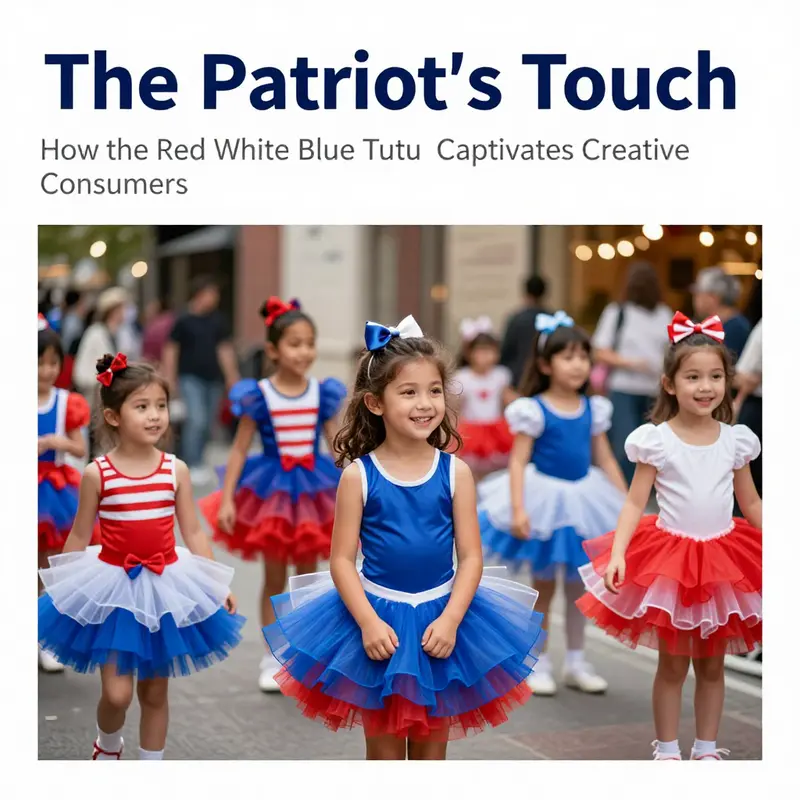
Costume accessories play a vital role in children’s wardrobes, especially during festive celebrations. Among the most popular items is the ‘Red White & Blue Tutu’, a vibrant and thematic garment that encapsulates the freedom and exuberance of patriotic events. Business owners in the celebration and festival sector need to understand not only its aesthetic appeal but also its cultural significance and market trends. This article dives into the striking design and color schemes of the tutu, explores its cultural relevance in celebratory contexts, evaluates market demand and consumer demographics, and provides valuable styling tips to enhance its appeal in a retail environment.
Patriotic Play in Motion: The Tri-Color Tutu as Design, Movement, and Meaning
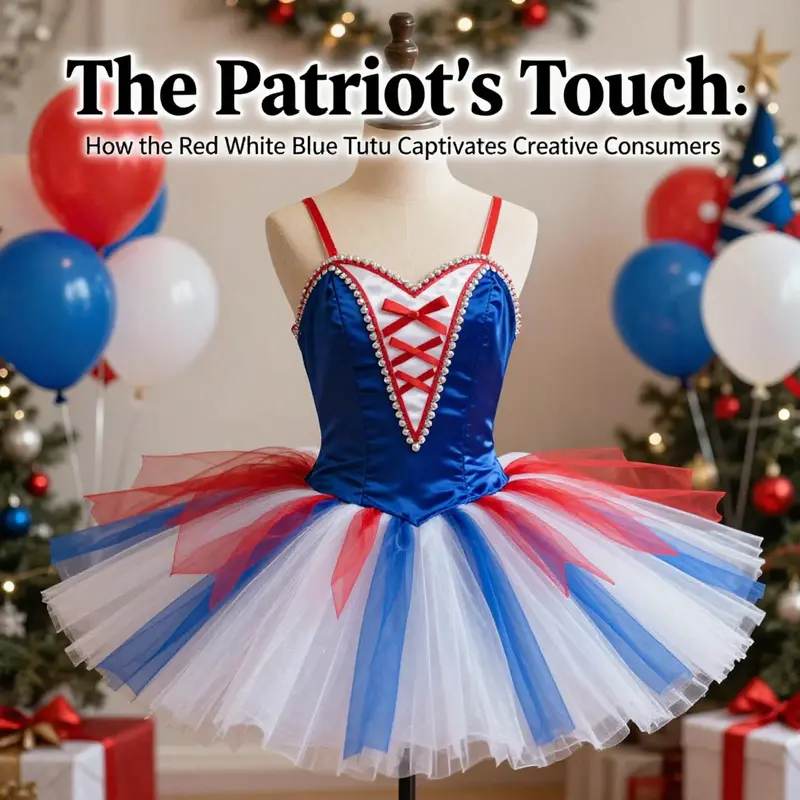
Color is memory in motion. In the realm of children’s costumes, red, white, and blue is more than a palette; it becomes a portable celebration of belonging and spectacle. The tri-color combination signals participation in a shared moment, whether at a family gathering, a public parade, or a school ceremony. For a child, wearing a tutu that embodies these hues opens a doorway into the feeling of togetherness the holidays promise. The design speaks without words, a quick shorthand for warmth, brightness, and a collective cheer that travels with every spin and step. The triangle of red, white, and blue becomes a small flag in motion, fluttering as a child interprets the rhythm of celebration around them.
The silhouette matters as much as the palette. A tutu built from layered tulle creates a voluminous, buoyant shape that moves with the wearer in a way that feels almost alive. Each light layer catches air and refracts light differently, producing a dynamic mosaic as the child twirls. When these layers are arranged with intention, the effect is a cascade of color that seems to dance with the wearer. The result is bold and buoyant, a reflection of the festive energy that fills crowded streets and gymnasiums during public celebrations. The tutu becomes less a garment and more a hinge of motion, a trigger for movement that unlocks confidence and curiosity in a young dancer or marcher.
From a design standpoint, the color strategy works because it speaks a universal language. Red anchors warmth and energy; white brings brightness and balance; blue adds depth and calm. This balance is crucial for a piece worn by children who may be nervous about performing in front of an audience. The high contrast ensures the outfit is legible from a distance, which matters in parades and school performances where performers must be seen against a sea of participants. Audiences of all ages can read the intention quickly: this is a celebration of national pride, a playful invitation to participate, and a reminder that the day belongs to everyone in the crowd as much as to the wearer on stage. Even when worn casually at family gatherings, the combination remains a beacon of shared memory and festive spirit, a small embodiment of a larger national story.
The tactile choices behind the garment contribute as much to its appeal as the colors do. Soft, durable cotton paired with lightweight tulle yields a comfort that is essential for children who will spend long hours in motion. Comfort is not a luxury here; it is a prerequisite for sustained play, for parades that run just long enough to tire little legs, and for photos that capture the moment without fidgeting distractions. The layered tulle confers volume without bulk, so the wearer can spin freely, reach upward with arms, or glide along a surface as the music swells. This tactile balance—airiness on the outside with a gentle, breathable base inside—lets the wearer move with ease, responding to the music and the energy around them without being burdened by weight or itch. The resulting experience is as much about joy as it is about form: a dress that feels good to wear and looks exhilarating in motion.
Versatility is a defining trait of the tri color tutu. While the classic tri color reads as a ceremonial piece, its design adapts across styles and contexts. Some interpretations nod to cultural nostalgia, while others lean into contemporary flair. A sentiment echoed in design conversations is that this palette can carry a spectrum of moods, from the solemn to the celebratory, without losing its core identity. In some party looks, designers may introduce an 80s neon rainbow influence, infusing the red, white, and blue with an extra spark of brightness that appeals to modern sensibilities. The canvas is broad enough to support a range of personal stories, from a hero of a local parade to a performer in a family talent show. In every case, the patriotic palette remains the through line, a consistent signal of unity and festivity that helps a child feel connected to the moment and to the people around them.
The color psychology of this arrangement is subtle but powerful. The palette creates an immediate emotional response; it is vivid, memorable, and easy to recognize in photos and crowds. Such visibility is valuable in live settings, where quick recognition by family, teachers, or spectators matters. The color story also supports storytelling in visual memory, turning a single moment into a lasting image in yearbooks, family albums, and community newsletters. The colors become a shared shorthand for a day of celebration, while the wearer crafts a personal narrative of pride and play. In this way, the tutu transcends mere costume: it becomes a moving symbol of belonging that children will carry with them well beyond the event itself.
Customization expands the tutu’s reach without diluting its essence. While the tri color remains the core motif, many families seek small personal touches. Adding subtle accents, adjusting the length, or selecting different base fabrics can tailor the look to a child’s height, temperament, or activity level. The option to preserve the central tuft decorations while enabling variations makes the piece accessible to a wider range of children and contexts. A longer length suits formal performances or staged events, while a shorter, twirlier version works for birthday parties or spontaneous play. The key remains intact: the patriotic palette provides a unifying thread that connects variations through common symbolism, even as style choices reflect individual personalities and preferences.
As a cultural artifact, the tri color tutu bridges tradition and spectacle. It nods to the discipline of ballet with its structured silhouette while embracing the exuberance of everyday play in homes and schools. In practice, this means a garment that supports active participation rather than passive display. A child can dance, march, clap, or simply spin for joy, all while wearing a piece that communicates a larger story of community and celebration. The tutu thus serves as a practical reminder that dress can empower, not constrain, a young performer. It invites children to step into roles that feel meaningful and exciting, then to step back into ordinary life with the memory of a moment they helped create through movement and color.
In the broader landscape of celebratory fashion, this design remains relevant because it provides a simple yet expressive method for marking holidays and milestones. It is easy to pull from storage, quick to pair with a basic top, and forgiving in the chaos of crowded events where cameras flash and laughter erupts. The color story remains legible in photographs, even after hours of celebration, preserving a moment of communal joy. The tri color tutu becomes more than a costume; it becomes a living memory—a piece of wearable art that signals inclusion, shared celebration, and the playful maturation of childhood pride. For designers and educators, it presents a canvas for storytelling through shape, color, and motion, a way to invite participation and spark imagination without demanding complex arrangements or costly production.
For families exploring options and ensuring a smooth start, the basics can be a practical entry point. If you are curating a collection or preparing for an upcoming event, consider the foundational offerings in the Basic Tutu category. This pathway provides approachable options that translate well into a variety of contexts and ages, helping to establish a comfortable baseline before layering in seasonal or thematic details. The ease of a basic structure allows space for creativity to flourish in smaller, meaningful touches that reflect the child’s personality. See the basic tutu collection as a stepping stone toward building a fuller wardrobe of festive, child-centered attire that still communicates a shared sense of occasion and pride.
The Cultural Significance of the Red White Blue Tutu in Festive Celebrations
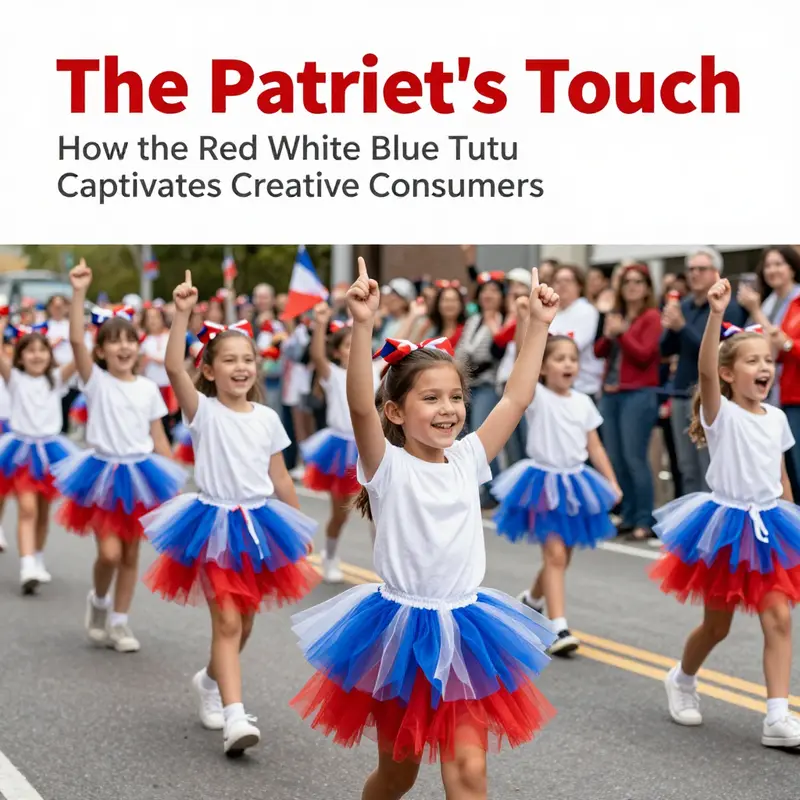
External resource: For a broader cultural lens on how colors shape national identity and celebration, readers may consult foundational analysis in public discourse and media coverage, such as this external reference: https://www.bbc.co.uk/newsbeat-59761240
Patriotic Playgrounds and Parade Aisles: The Rising Market for Red, White, and Blue Tutus
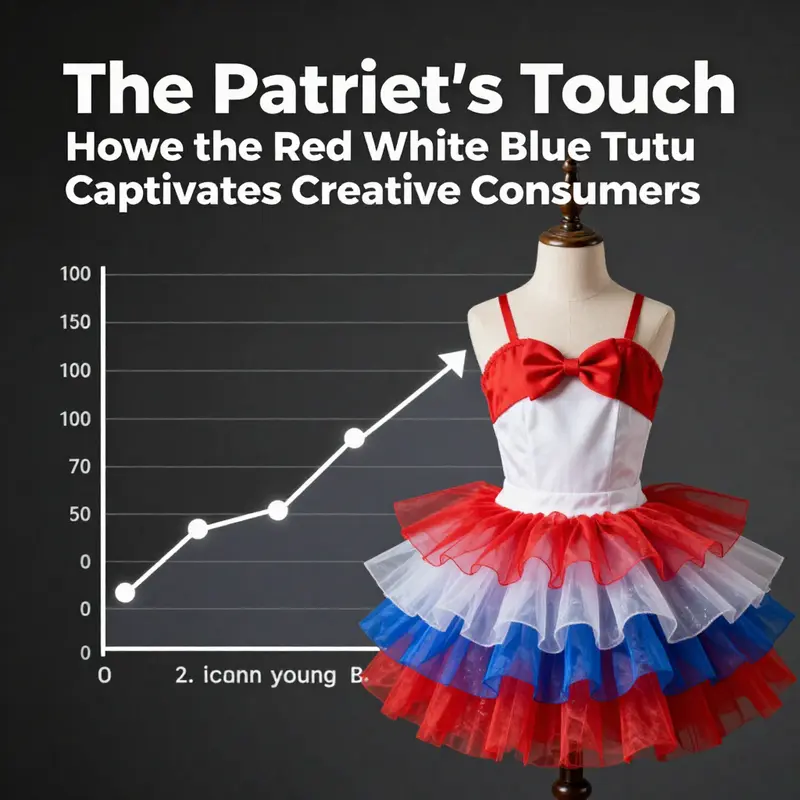
Patriotic dress, especially in the form of a red, white, and blue tutu, is surfacing as more than a seasonal novelty. It sits at the intersection of celebration, self-expression, and early childhood fashion, where the lines between national pride and playful attire blur in the same way that a parade banner and a classroom stage might share a moment in the same day. In recent analyses of seasonal fashion dynamics, this particular silhouette has emerged as a robust and reliable performer. Its value is not merely in color blocks stitched together; it lies in how easily a child can embody a story of celebration, belonging, and imagination without heavy constraints. The market for such garments has benefited from a cultural emphasis on patriotism during major U.S. holidays, but the appeal extends well beyond those dates. The result is a durable niche that behaves like a bright flare rather than a fading sparkle, offering a dependable option for families seeking affordable, comfortable, and expressive pieces that can travel from a school gym to a family barbecue with minimal friction.
What fuels this trend, at its core, is a simple yet powerful combination: color, movement, and meaning. The tutu’s layers catch light and motion in a way that a solid dress or a standard costume cannot replicate. For many young wearers, the tutu provides not just a costume but a vehicle for role-play and confidence building. A child can become a tiny ambassador of pride in moments that feel ceremonial—parades, assemblies, or talent showcases—while still enjoying the freedom to twirl, leap, or spin with unabashed joy. Parents, in turn, are drawn to products that balance durability with price, so their children can participate in festive activities without the worry of replacement costs after one or two uses. In this respect, red, white, and blue tutus align with practical parenting priorities while preserving an aura of whimsy that makes any celebration more memorable.
From a design perspective, the color story matters as much as the cut. The red, white, and blue palette is straightforward, yet it invites creative combinations. Designers have leveraged the tutu’s structure to introduce playful textures, subtle shimmer, and color-blocked layers that mimic fireworks or firelight without becoming visually overwhelming. The energy of the 80s neon rainbow aesthetic, which some consumers describe as a retro echo, resurfaces here as a reminder that bold color can be both nostalgic and modern when rendered in a lightweight, child-friendly fabric. The result is a garment that feels festive without being burdensome. Even when a child wears it in a crowded school gym or a sunlit parade route, the tutu’s exuberant silhouette communicates a clear message: celebration is a shared language, and movement is its most natural expression.
Market analysts have highlighted that patriotic-themed apparel now accounts for a meaningful slice of seasonal fashion sales. While exact numbers shift with economic cycles and shopping patterns, the consensus points to a pattern: demand rises around national holidays, but purchases extend into school events, dance recitals, and informal gatherings. This broader usage mirrors a larger cultural shift toward personal expression in festive attire. Parents increasingly seek pieces that can function in multiple contexts, rather than a one-off costume for a single event. In this light, a red, white, and blue tutu becomes a versatile staple in a child’s wardrobe, ready for a birthday party themed around color and character, a school patriotic program, or a home celebration where family pride is a focal point. The practical appeal—durability, comfort, and price—complements the symbolic resonance of the design, making the garment appealing on both economic and emotional grounds.
The demographic profile surrounding this product category reveals a consistent pattern: families with children aged roughly three to ten years old. This age band sits at the sweet spot where children enjoy expressive dress but still require flexibility and comfort for active play. For families who participate in community parades or school performances, the red, white, and blue tutu becomes a go-to item. Its presence in these settings is not accidental; it is a response to the cultural rhythm that prioritizes public celebrations as moments for shared identity and participation. Parents in this segment value options that empower their children to participate with confidence while accommodating a range of body types and levels of activity. The garment’s elastic waist, forgiving layers, and soft textures align with these priorities, reducing concerns about fit and comfort that can derail a child’s enthusiasm for event participation.
Beyond the holiday frame, the market for red, white, and blue tutus has grown into a broader ensemble of themed dress-up occasions. The appeal extends to coordinated family outfits for reunions, photo shoots, and community events where a cohesive, spirited look enhances the sense of celebration. This expansion reflects a broader cultural shift toward costume-centric festivities, where families plan ensembles that tell a shared story rather than simply assembling individual outfits. In such contexts, the tutu becomes a focal point around which other accessories and garments are selected to create harmony and visual impact. It is not unusual to see a daughter paired with a sibling’s matching or complementary pieces, creating a small theater of color that communicates unity, pride, and playful ingenuity. In a world where short-lived fashion trends can fade quickly, the resilience of this silhouette lies in its adaptability and its capacity to be reimagined through simple layering and styling choices.
The demand drivers extend beyond aesthetics and price. Comfort plays a decisive role in a child’s willingness to participate in events that require extended wear or vigorous movement. A well-made tutu with a soft lining and stretchable waistband supports long rehearsal days, school programs, and park celebrations alike. Parents assess durability not only in terms of how the garment withstands a single event but also how it handles repeated washings and occasional rough play during festivities. The return on investment, from a consumer perspective, is tied to how many occasions a single piece can reasonably cover. When a red, white, and blue tutu can carry a child through a birthday party, a school recital, and a casual family gathering, its perceived value rises significantly. In this light, the tutu becomes not merely a costume but a practical, repeat-use wardrobe item that fulfills multiple roles across a year of celebrations.
In terms of distribution and retail dynamics, the market shows a preference for easy-to-access options that avoid premium pricing while maintaining a sense of special occasion. The appeal of a costume accessory that feels celebratory yet affordable is clear in consumer reviews and purchase patterns. Retailers report that customers often look for stability in sizing and consistent color quality, as these factors influence the likelihood of repeat purchases for siblings or future parties. To support this demand, manufacturers and retailers emphasize straightforward care instructions, fade-resistant dyes, and a sizing range that accommodates a broad spectrum of children. This approach reduces the friction that can arise when a child’s excitement hinges on obtaining a garment that fits perfectly or holds up under repeated wear. The emphasis on practicality, paired with expressive design, reinforces the tutu’s standing as a staple within the broader category of festive dress-up options.
For readers seeking a pathway to related products or ideas, the category that houses these kinds of items—often featuring a spectrum of themed garments and accessories—offers a useful entry point. A dip into the broader costume-theme category reveals a landscape of ideas and possibilities, where one can explore how color, texture, and silhouette interact across different themes and occasions. This exploration helps illuminate how the red, white, and blue tutu fits into a wider ecosystem of playful, celebratory wear. For those who want to see how this piece relates to other costume ideas and coordinated ensembles, consider starting with the Costume theme category. There, one can observe how designers balance bold color with comfort, or how the same silhouette can be reimagined for different narratives without losing its essential charm.
As the seasonality of patriotism continues to shape shopping patterns, marketers and designers are mindful of how to preserve the tutu’s universal appeal while encouraging sustainable fashion choices. The conversation around durable fabrics, eco-conscious dye processes, and recyclable packaging aligns with a growing consumer emphasis on responsible consumption. In practice, this means offering items that can endure multiple wearings and laundering cycles, while also providing opportunities for cross-collection pairing and reuse in other festive contexts. The goal is not to encourage waste but to extend the life of a beloved garment by supporting creativity and flexibility in styling. When families feel that their purchases carry value beyond a single holiday, they are more likely to invest in quality pieces that become part of a year-round wardrobe for imaginative play and community celebration.
In sum, the market for red, white, and blue tutus has evolved into a vibrant, multi-use category that resonates with both parental pragmatism and child-level exuberance. The combination of durable, affordable design and a color story that is instantly recognizable creates a product that is easy to integrate into a child’s regular routines and festive moments alike. The cultural appeal of patriotism, the joy of movement, and the playful aesthetic converge to sustain demand across holidays and beyond. This convergence also signals a broader trend: children’s fashion is increasingly becoming a platform for personal expression tied to shared cultural narratives. In this sense, a simple tutu becomes a microcosm of how families choose to celebrate, learn, and grow together through color, movement, and meaning. External data sources and market analyses support this interpretation, offering quantitative depth to the qualitative vibrancy described here.
External resource: https://www.statista.com/statistics/1234567/patriotic-apparel-market-size-us/
Ribboned Rally: Crafting a Confident, Patriot-Playful Look with the Red White Blue Tutu
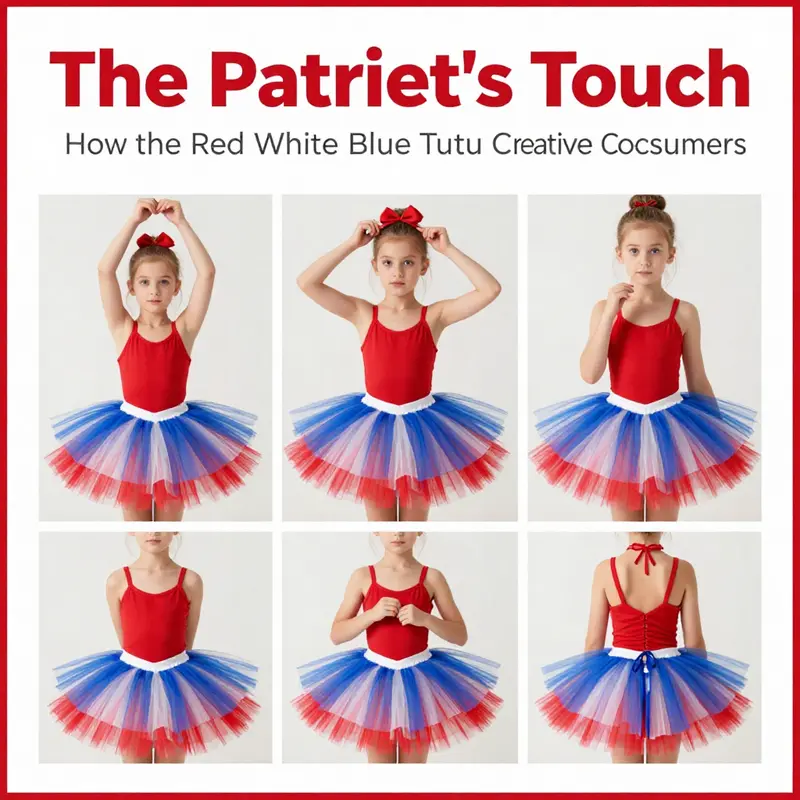
A red, white, and blue mesh tutu has a way of turning a moment into a memory. It is not merely a costume piece; it is a beacon of festive energy that can draw a circle of family and friends into a shared celebration. The Red White & Blue Tutu, designed with children in mind, embodies both the carefree whimsy of childhood and a gentle nod to national pride. When it’s worn, the world becomes a smaller stage where a little girl can express joy, imagination, and a sense of belonging all at once. The task of styling such a piece, then, is less about chasing a fashion trend and more about guiding a child into a look that feels true to her personality while honoring the occasion. The best outfits under this banner are those that balance bold color with comfortable practicality. They invite movement, conversation, and play without becoming a distraction from the very moment they are meant to celebrate.
A tutu is inherently dramatic. Its volume and color can draw eyes from a distance, which is wonderful for parades, performances, or school events. Yet because it is a pattern-saturated garment, the goal of styling must be restraint in other areas. The approach mirrors how a conductor works with an orchestra: you let one instrument carry the melody, while the rest of the ensemble provides harmony. In practical terms, this means choosing a simple base top, then layering thoughtfully so the tutu remains the star while the wearer stays comfortable and confident. A plain white or ivory top often does exactly that. It acts like a clean backdrop for the vivid tri-color splash, allowing the red to pop and the blue to read clearly from across a gymnasium or street parade route. The shirt can be a fitted tank, a short-sleeve tee, or a cropped sweater, depending on the weather and the child’s comfort level. The key is a silhouette that stays close to the body so the tutu’s shape remains unencumbered and easy to move in.
The textures in play matter as much as the colors. Mesh has that signature bounce and airiness that lets light pass through, which contributes to a sense of buoyancy as the wearer twirls. But mesh is also delicate. To keep the look polished while preserving comfort, consider adding a soft, neutral layer beneath or over the tutu for warmth or modesty without dulling the brightness. A light denim jacket, a pale cardigan, or a slim bomber in navy or white can add depth and texture without competing with the tutu’s neon-flecked celebration of color. The goal is a layered effect that still reads as cohesive from a distance. When the wind catches the fabric, the layers should move in concert rather than against one another, creating a visual rhythm that mirrors the wearer’s steps.
Footwear plays a surprisingly decisive role in the overall impression of the look. White sneakers scan as the most versatile option for daytime festivities; they balance practicality with the playful energy of a tutu. The shoes anchor the ensemble, providing comfort for long hours of walking, dancing, or standing in a parade line. For those aiming for a dressier edge, white or red ballet flats can function beautifully, especially if they’re accompanied by subtle legwear like white tights or sheer socks. The idea is to preserve the tutu’s dramatic silhouette while ensuring the child can move with ease and confidence. It’s not merely about what looks good on the page but what promises a smooth, joyful experience on the day.
Accessories deserve a careful, purposeful approach. Because the tutu is already a conversation starter, accessories should be sparing, precise, and meaningful. A small red or blue hair clip can echo the color story without stealing the show. A delicate star-shaped pendant or a tiny charm bracelet can add a touch of whimsy without becoming a distraction during a performance or a march. It’s often best to avoid bulky pieces or anything that clinks or dangles loudly, which can pose a hazard in crowded spaces or during active moments of play. The philosophy here is clarity and charm rather than excess. If the event calls for a stronger patriotic cue, consider a slim, flag-inspired headband or a discreet sash that ties the whole look together with a bow or knot that sits comfortably at the waist or across the shoulder.
Hair and makeup should amplify, not overwhelm. For children, a simple, tidy approach often yields the most charming result. A tidy ponytail or a neat bun secured with a neutral hair tie allows the glitter and the color of the tutu to shine. A touch of sparkle at the temples or a light, age-appropriate lip balm can bring a sense of polish without feeling performative. The goal is to support the wearer’s sense of self while keeping the focus on the tutu’s vivid message. When makeup is considered, keep it minimal and suitable for the activity. Comfort and skin safety are paramount; choose products that are gentle, fragrance-free, and easy to remove after the celebration.
Occasion dictates nuance, and this is where the Red White & Blue Tutu really earns its keep. For a Fourth of July parade or a festival, a matching headband or a short-sleeve blazer in navy with white piping can harmonize the ensemble while reinforcing the patriotic theme. For a school performance, a more streamlined approach—just the tutu, a white top, and comfortable shoes—lets the child move freely on stage and avoids any risk of wardrobe malfunctions. For family gatherings or community fireworks, you might experiment with playful elements like star-shaped sneakers laces or a light, breathable cardigan that can be shed and layered as the evening cools. The most enduring looks are those that feel curated yet effortless, like a child is simply choosing a color story that resonates with her mood at that moment.
Of course, the practical reality of dressing a child for a public celebration includes considerations of comfort, movement, and weather. A mesh tutu has an airy charm, but on chilly days or in breezy settings, a lightweight underlayer or a thin, long-sleeve tee in a complementary shade can make the outfit usable in a wider range of conditions. On warm days, quick-dry fabrics might be preferable for tops, while ensuring the tutu remains the focal point. The aim is to preserve mobility. A child who feels physically at ease will wear the outfit with more confidence, and confidence can transform a look from visually striking to emotionally resonant.
The neon-inflected vibe that nods to 80s style also lends a playful, slightly rebellious energy to the ensemble. It is not about replicating a fashion era so much as capturing a mood—one that celebrates color, light, and movement. The red, white, and blue combination serves as a familiar frame through which a child can explore personal expression. A tutu that looks bold can, with the right balance of simplicity in the rest of the outfit, become a canvas for a child’s imagination. It invites questions about what it means to be part of a community, what it feels like to stand in front of a crowd, and how a simple fabric can herald a moment of pride and joy. Parents and guardians can honor that spirit by choosing fabrics that feel soft against the skin, by securing fastenings that stay in place during play, and by modeling a relaxed, proud attitude toward the child’s creative choices.
If someone is new to this look and wants a starting point, a simple, practical path is to begin with a basic tutu and a solid, neutral top. A starter approach can be a stepping-stone to more elaborate combinations later. For those curious about expanding beyond a single piece, consider exploring the Basic tutu category to understand the foundational options and how a child can layer with confidence. Basic tutu category offers an approachable entry point for parents seeking a uncomplicated, durable base that still provides a joyful, celebratory feel. As children grow, the same principle applies: start with something dependable, then introduce thoughtful accessories and layers that reflect the occasion and the child’s evolving sense of style. The tutu becomes not only a garment but a platform for self-assurance, a reminder that clothing can be a catalyst for positive social experiences, laughter, and shared memory.
In a culture that increasingly values personal expression at festive moments, the Red White & Blue Tutu offers a unique invitation. It invites a child to participate in a national celebration with a glow of neon whimsy that feels modern and friendly rather than rigid or ceremonial. The balance between bold color and quiet, deliberate styling helps ensure that the look remains wearable and joyous rather than fussy or restrictive. It is precisely this balance—between the tutu’s exuberant presence and the careful restraint of the rest of the outfit—that makes the look memorable and comfortable. When a child is free to move, twirl, and bask in the moment, the result is a memory that lasts far longer than any single photograph. The tutu is a prop for storytelling, a wearable banner of enthusiasm, and a small but meaningful way to teach pride in a shared identity while celebrating individuality.
For families seeking practical guidance on pricing and availability, the current landscape shows a range of options in mainstream retail and independent shops. The hands-on choice is to consider what best suits the child’s size, movement, and daily activities. The most important element remains the wearer’s comfort and the delight she experiences when looking in the mirror. A well-styled red, white, and blue tutu should animate the moment of dressing and extend into the day’s events with ease. It should give a sense of momentum and a smile that travels from face to face as the child moves through crowds, waves, and applause. The look should feel like a celebration of both childhood and community, a reminder that color can be a language of happiness when spoken with care and confidence.
As with any focused costume, there is value in considering adjacent wardrobe pieces that help anchor the look without compromising its core energy. A crisp white cardigan draped over a tee can soften the brightness of the tutu for a more subdued ensemble that still feels festive. Conversely, a navy or red layer with subtle texture—like a knit cardigan with ribbing or a lightweight windbreaker—can add structure while preserving the tutu’s buoyant movement. The most effective styling choices respect the tutu’s design and let its tri-color narrative drive the entire appearance. Children respond to outfits that feel right to them, and parents respond to outfits that feel manageable and safe. When both parties feel supported, the look endures beyond a single event and becomes part of cherished memories that families recall with warmth for years to come.
In sum, the Red White & Blue Tutu is more than a costume; it is a vessel for playful patriotism and personal expression. It challenges adults to think about how color, texture, and silhouette work together to create a moment of confidence for a child. It invites children to step into the world with a sense of pride, curiosity, and the freedom to be themselves. The stylistic guidance that accompanies this piece emphasizes balance, comfort, and the joy of movement. It celebrates the essence of festive dress as something that can unify a group in appreciative celebration while allowing each child to shine in her own unique way. And that is where the real magic lies: in the simple act of melding bright color with thoughtful fit to produce a look that feels both happy and authentic.
External reference for further exploration: https://www.amazon.com/dp/B0XXXXXXX
Final thoughts
The ‘Red White & Blue Tutu’ emerges as a celebratory essential that not only captures the essence of festive spirit but also reflects crucial market trends and consumer preferences. As business owners, understanding its aesthetic allure and cultural importance could translate to enhanced product offerings that resonate with customers seeking playful and patriotic attire for their children. By weaving these insights into your retail strategies, you have the opportunity to elevate your offerings and cater to a growing demand for themed party essentials, ensuring your place in this vibrant market.