
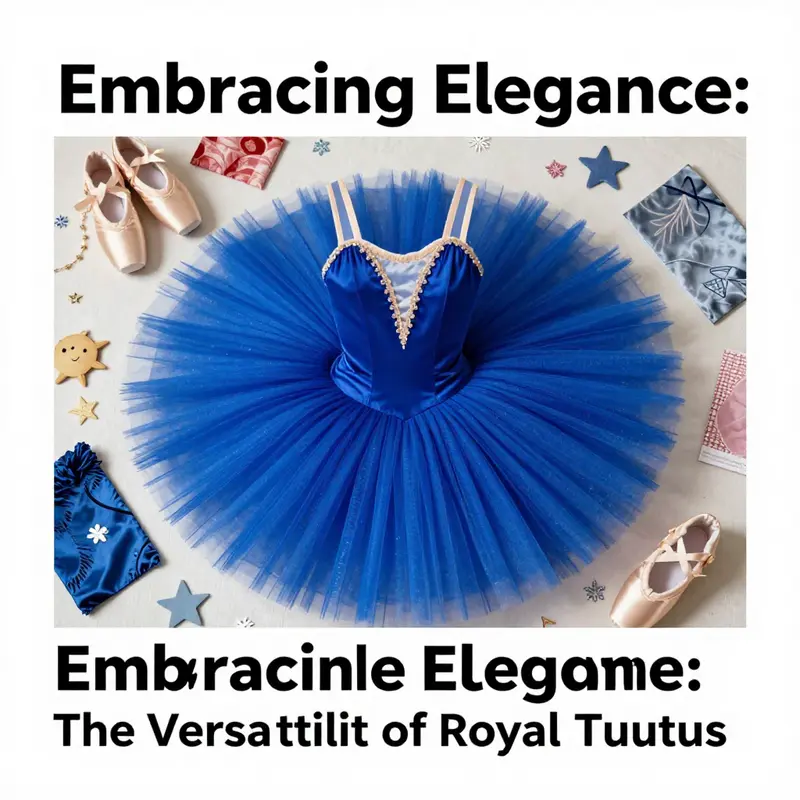
The royal blue tutu, a breathtaking symbol of elegance and energy, transcends its traditional ballet roots to make a significant impact in modern fashion and celebrations. Its rich hue and playful design have made it a popular choice for diverse occasions—from captivating stage performances to fashionable adult gatherings and enchanting children’s parties. As we explore how the royal blue tutu thrives in ballet, influences adult fashion trends, captivates youngsters’ imaginations, and holds cultural significance in celebrations and events, we reveal its multifaceted role in both the arts and everyday life. Each chapter unfolds a new layer of appreciation for this iconic garment, illustrating its enduring allure and versatility.
Woven Regalia in Motion: The Royal Blue Tutu as Ballet’s Visual Conductor
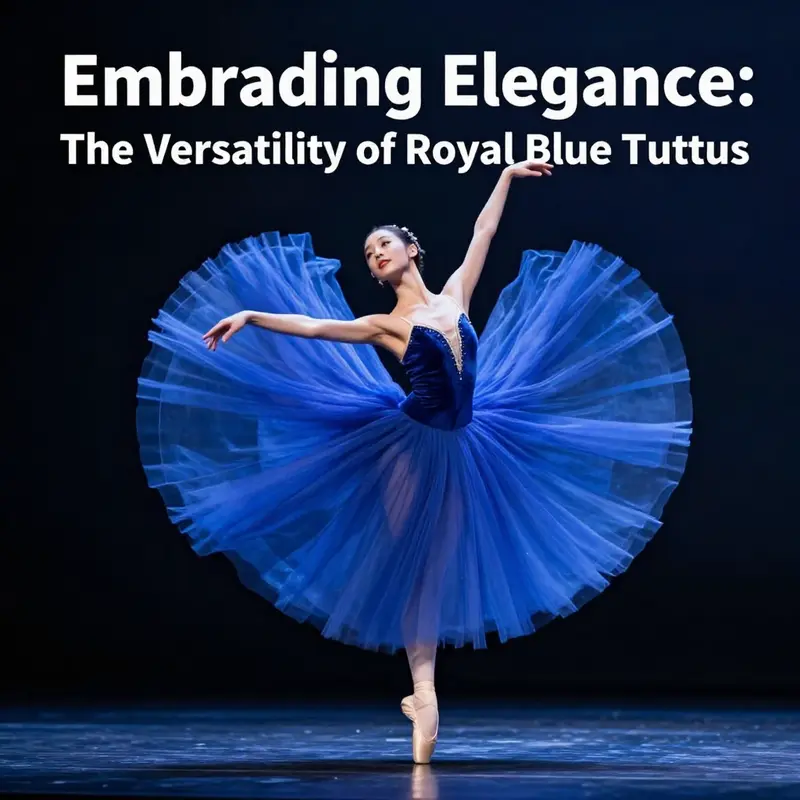
The royal blue tutu rises from the stage like a banner of color and intention, a garment that does more than clothe a dancer. It coordinates with light, space, and line to guide the eye along the arc of a phrase, turning every movement into a deliberate stroke on a living canvas. In this hue, the dancer’s form is not merely seen; it becomes an instrument of mood and meaning. The shade itself—deep, resonant, almost regal—speaks of lineage and ceremony, yet its effect in motion is anything but static. It catches the footwork in midair, it flickers at the tip of a sweeping port de bras, and it settles the frame into a plane where the dancer’s torso and limbs can speak with precision. The royal blue tutu, then, is not only a costume. It is a compositional device, a color architect, and a partner in storytelling that makes the dancer’s intention legible even before the first note of music lands on the audience’s ears.
The fabric and construction of the royal blue tutu are as carefully considered as any choreography. Ballet requires unrestricted range of motion, and the best tutus are built from stretch nylon, polyester, and Lycra in a way that sustains both flexibility and shape. Layers of fine tulle create the tutu’s signature buoyancy, while a structured underpinnings system keeps the silhouette from collapsing under the weight of leaps and turns. The result is a garment that feels almost sculptural, light as air yet precise at every seam. Designers often pair a sleek bodice—frequently with a deep V-neck that lengthens the dancer’s neck and simplifies the line—with a tutu that sits just so above the hip, allowing the legs to execute turns and extensions with unimpeded clarity. In some productions, the effect can veer toward the magical: wings or gradient fabrics that shimmer into lighter tones at the edges, catching the stage lighting and creating a sense of movement even when the dancer is momentarily at rest. These details matter because they transform the tutu from costume to catalyst, a spark that converts choreography into visual music.
The choice of color is more than a matter of taste; it is a tool for psychological and narrative signaling. In classic and modern ballets alike, the deep, vibrant blue can denote royalty, mystery, or transformation. A principal role wearing such a hue often carries with it expectations of authority and emotional range, inviting the audience to trust that the dancer’s journey will unfold with gravity and grace. The blue fabric’s interaction with lighting is crucial. White footlights wash the edges of the skirt, revealing its internal structure, while warmer gels soften the hue and create a sense of intimacy as a scene shifts from public spectacle to private revelation. The tutu thus becomes a dynamic partner to light design, shaping color temperature and contrast in real time. It is no accident that the most memorable stage pictures—those where a single sweep of blue is etched against a pale backdrop or a midnight sky drop—feel like a conversation between fabric, dancer, and audience.
Functionality sits at the core of any performance garment, and the royal blue tutu is no exception. The fabric choices are selected for durability as well as elasticity. The dancer’s legs must move freely through pliés, développés, grand jetés, and multiple pirouettes, all while the tutu maintains its fullness and its profile. The layered tulle has to resist snagging on pointe shoes and other elements of the stage, and the waistband must stay secure through quick changes of direction. This balance between control and freedom is precisely what lets a performer execute a demanding sequence with apparent ease. A well-made royal blue tutu never feels like a constraint; it feels like a stage partner that anticipates the dancer’s needs. When the music crescendos, the tutu is there to support not by overpowering the body, but by enabling the body to speak more fluently through line, breath, and momentum.
In performance theory, the tutu functions as a visual spine for the choreography. The bodice’s clean lines and the skirt’s architectural silhouette work together to frame the dancer’s axis. The torso remains the central axis, while the arms, legs, and head trace arcs that the audience follows with their gaze. The royal blue color, determined by pigment depth and fabric dye, helps to delineate those arcs with greater clarity than a lighter or more neutral shade might. The tutu’s silhouette is designed to hold shape during a leap while still allowing the legs to extend to their full length. This is not merely about aesthetics; it is about ensuring that the dancer’s lines read clearly even from the farthest seats. In those moments when a dancer spins or pivots, the blue expanse seems to soften the motion or sharpen it, depending on lighting and tempo, creating a sense of velocity that the audience can feel as well as see.
The role of color in storytelling is complemented by the ballet’s broader visual-language ecosystem. In productions that feature ethereal or fairy-tale tableaux, the royal blue tutu can be part of a gradient palette, where the garment seems to fade into softer tones as the scene shifts toward dawn or dusk on stage. Such color transitions amplify the sense of magical transformation and can be coordinated with wings, capes, or other scenic elements to suggest a character’s metamorphosis. The tutu thus participates in a choreography of visibility—what the audience notices, what they sense, and what they infer about a character’s inner life. The audience’s perception is a dance of its own, influenced by the way light catches the satin lining, the way the tulle refracts a backstage glow, and the way the fabric’s shadow falls across the dancer’s leg lines. All of these cues work together to produce a cohesive narrative without a single spoken word.
Historical context adds depth to the modern appreciation of the royal blue tutu. In the canon of ballet, color has long carried symbolic weight and practical function. The royal blue shade has been used to convey nobility and destiny, a choice that aligns with the central arcs of many ballets where a heroine steps into or rejects a royal role. The tutu’s timing in a performance matters as well: its visibility must align with the crescendo of emotion in a scene, the choreography’s most demanding moments, and the lighting designer’s plan for color temperature and contrast. When a dancer lands from a high extension or lands softly from a delicate port de bras, the width of the blue skirt across the stage can help the audience read the force and grace of the moment even as the music swells. In this sense, the royal blue tutu is a collaborative interface: it connects the dancer’s body with the stage’s architectural design and with the audience’s perception of narrative momentum.
Cultural memory also informs contemporary practice. Ballet often relies on iconic tableaux where the tutu serves as a lighthouse for the viewer, a bright point of reference amid a sweeping of foreground and background scenery. In professional contexts, dancers seek tutus that can withstand repeated performances without losing their color fidelity or their silhouette. This reliability matters as much offstage as on: a quick costume change, an emergency seam repair, or a last-minute adjustment by a stage manager can hinge on the garment’s resilience. The craft of the royal blue tutu reflects a blend of art and engineering. The fabrics must maintain their hue under varying stage lighting, the seams must resist stress, and the skirt must recover its fullness after each moment of use. In the hands of skilled designers, the tutu becomes a listening partner for the body, listening to the dancer’s breath and responding with the right amount of volume, steadiness, and lift.
A note on performance practice makes the connection between craft and artistry even more vivid. The tutu’s weight distribution supports the embodiment of musical phrases; the dancer learns to ride the beat with controlled turns whose speed and direction the blue fabric helps to visualize. Even when a movement appears effortless, it is underpinned by countless hours of technique and rehearsal. The royal blue tutu, therefore, is not a passive layer of clothing but an active collaborator in the art form, a color-driven instrument that helps to reveal intention through form, cadence, and texture. The result is a performance that feels inevitable, as if every motion were prefigured by the garment’s architecture and color, yet beautifully alive in the dancer’s own improvisation within that structure.
Crucially, the tutu’s presence on stage also communicates accessibility and aspiration. For younger audiences watching a company’s repertoire, blue shines as a beacon, signaling moments of drama, wonder, and growth. It invites the eye to follow the dancer’s trajectory and then to imagine themselves in the light of that stage. For students and professionals preparing a role, the color offers a framework for interpreting character—whether a noble figure, a forest spirit, or a transformed heroine—and the costume confirms that interpretation through every sway of the skirt. Even in rehearsal, the crown-like glow of royal blue can elevate ordinary phrases into moments of significance, heightening the awareness of line, balance, and timing. In this way the tutu is a pedagogical ally as well as a performance garment, shaping both the learning process and the final presentation.
The practical dimension of performance continues to evolve, and with it the vocabulary dancers use to discuss their costumes. The royal blue tutu has become a focal point for debates about movement, comfort, and longevity. Some designers emphasize elasticized waistbands and multi-layer, easy-adjust rapid-change systems that accommodate varying body types and rehearsal schedules. Others push for more elaborate finishes, such as satin bodices and subtle textural contrasts within the same color family, to create a fuller, more cinematic silhouette. In every case, the aim is to preserve the tutu’s essential function: to frame the dancer’s body in motion and to encode emotional meaning through color, line, and light. It remains a testament to how performance costumes can be both practical and deeply expressive, bridging the tactile world of fabric and the intangible world of narrative intention.
For those exploring the professional dimension, the tutu’s reputation sometimes hinges on the ability to communicate a standard of excellence without sacrificing flexibility. The ideal choice balances dressmaker’s precision with the dancer’s need for comfort during long performances. The professional field often favors tutus that combine robust construction with subtle restraint in the volume of the skirt, ensuring the dancer’s leg lines remain unmistakable while the color holds its depth under a spectrum of lighting conditions. When the audience sees that deep blue bloom around the dancer in a moment of stillness or flight, they experience a sense of certainty about the character’s status and the arc of the scene. The tutu thus operates as a kind of stage grammar, translating the score into visual syntax that everyone in the theater can predict and feel at a human level.
As the curtain falls on another imagined performance, the royal blue tutu leaves the stage with a memory that lingers: a memory of color as a partner, of light as a co-author, and of movement as a language that can be learned and felt long after the lights fade. It is in this synthesis—fabric, form, function, and feeling—that the tutu reveals its true worth. Not merely a piece of clothing, but a living instrument that helps to render narrative with clarity, emotion with intensity, and artistry with a sense of timeless regality. In the end, the blue is not simply a color; it is a pointer toward meaning, a beacon guiding the gaze, and a reminder that the beauty of ballet lies in the delicate balance between constraint and freedom, between design and dance.
For readers seeking a sense of how professional practice translates into the stage magic described above, explore the dedicated catalog of professional tutus to understand the craft behind the moment of performance. professional tutu collection.
External reference: https://www.alibaba.com/product-detail/Royal-Blue-Performance-Adult-Classic-Ballet-TUTU_1600582943788.html?srcSns=sns-01&spm=a2700.18581373.0.0
Regal Movement: The Royal Blue Tutu’s Rise from Ballet Stage to Bold Everyday Statement
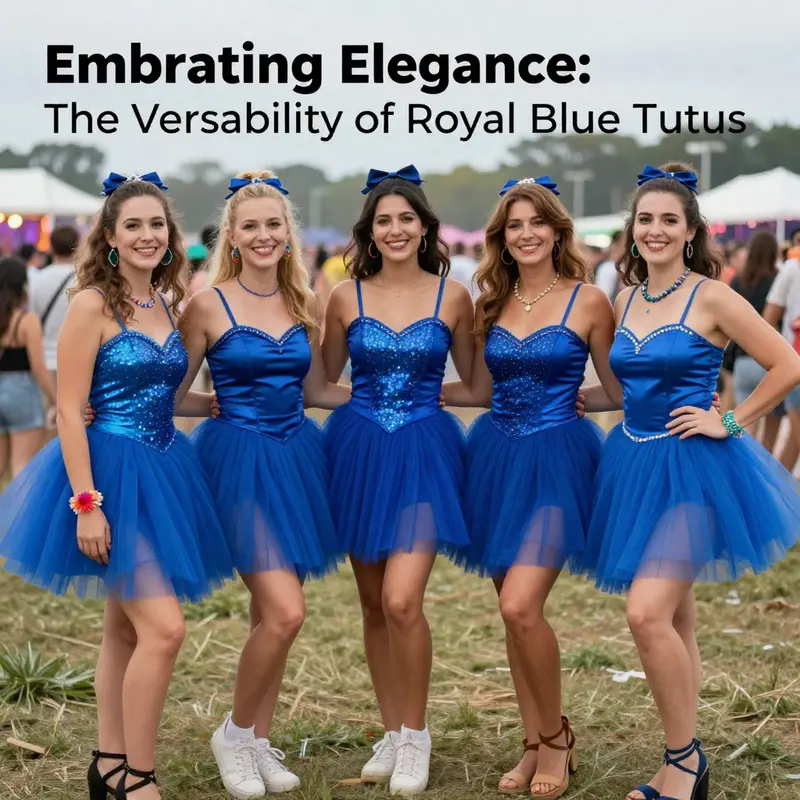
In the hush of the theater, the royal blue tutu becomes more than fabric; it is a language of movement that speaks in swirls and breaks, a color syllable that translates the music into visible emotion. The shade—deep, luminous, and saturated—carries the weight of regality while remaining mischievously modern. It invites the eye to travel along the line of a dancer’s spine, outward through the hip and thigh, and then outward again as the skirt catches the air in a carefully choreographed bloom. To an audience, the blue seems to inhabit air itself, creating a sense of depth and mystery even before a single pirouette begins. This is the magic of a color that looks as if it could cloak a crown while still letting a smile flash through the frame. The tutu’s silhouette, layered in delicate, slightly stiff tulle, acts as a tiny architectural sculpture on the body, a portable theater set that travels with the dancer. Each layer is a whisper of volume, a counterpoint to the sleek line of the bodice, and together they choreograph a narrative that is both disciplined and exuberant. When light caresses the surface, the fabric glints, revealing subtle shifts in tone—from cobalt to electric azure—depending on the angle and the speed of the movement. The tutu’s structure is not merely aesthetic; it is a tool for storytelling, a device that makes the dancer’s intention legible to cameras and audience alike. For performers, the color becomes a partner; for audience members, it becomes a beacon, guiding attention through an ensemble of steps and gestures that might otherwise disappear in a blur of motion.
Photographs of royal blue tutus on stage crystallize this relationship between color, form, and tempo. High-contrast lighting can slice the fabric into planes of blue and shadow, while softer washes can melt the edges into a sea of velvet-like motion. The late photographer Nanette Grebe has captured the drama of the royal blue tutu in moments where the frame seems to pause and tilt, letting the fabric’s density and shimmer reveal themselves in the stillness between movements. Those images remind us that color is not a mere surface attribute; it is a dynamic element that shifts with perspective, distance, and the dancer’s own breath. In these frames, the tutu does not merely clothe a body; it defines the body’s capacity to express timing, tension, and release. The result is a visual poetry in which each turn, lift, and landing is heightened by the blue’s degree of saturation and the way it holds light.
Yet the blue tutu’s appeal transcends the ballet stage. Its color carries a modern resonance that invites fashion and social occasions to borrow the discipline of the dance world. The tutu, once the emblem of a specific classical code, has loosened its rigid associations to become a versatile wardrobe piece. Contemporary versions for adults embrace flexibility without sacrificing the silhouette’s core identity. They often feature multiple layers of soft, fluttering tulle that can be dressed up with satin waistbands or kept pared down with a minimal, elastic waistband for ease of movement. The result is a garment that remains faithful to its ballet roots—a structured, voluminous skirt that moves with the body—while inviting wearers to experiment with texture, length, and pairing. A royal blue tutu now appears on the street and in festive venues alike, from Halloween soirées to chic, high-energy performances that blur the line between dance and fashion show. The color’s dual signal—winner of a crown and the spark of a party—resonates with a generation that believes performance can be both enchanting and approachable. It is not merely about wearing color; it is about inhabiting color with intention, about letting a piece of costume translate into a mood, a moment, and a memory.
In this broader cultural frame, the royal blue tutu becomes a study in material poetry. Designers have explored satin linings, metallic threads, and shimmering overlays that catch light as the wearer moves. The texture matters as much as the hue: a satin-glossy bodice can contrast with the matte softness of tulle, or a sequined overlay can add an evening-appropriate glow that makes the piece suitable for a formal entry or a festival glow. The elastic waist and three-layer construction—three layers of tulle with a comfortable, forgiving fit—are often cited as practical innovations that preserve volume without surrendering mobility. This blend of form and function is particularly important for adult wearers who seek a statement piece that does not compromise comfort. In a world where fashion continuously pushes toward both spectacle and ease, the royal blue tutu occupies a rare middle ground: it is celebratory without shouting, dramatic without requiring a rigid performance context. The garment’s versatility is a testament to how color can anchor a look across occasions, from a staged dance to a night out with friends, from a themed party to a formal entrance at a celebratory event. The blue becomes a thread that ties diverse activities into a single fabric of playful elegance.
The social life of the royal blue tutu further illustrates its adaptive power. In party culture, it reads as a wink of theatricality, a nod to classic performance aesthetics while inviting wearers to reimagine a costume as an everyday expression. The color signals confidence and cheer, the way a red dress might signal danger or passion, yet with a cooler, more cerebral vibe that pairs well with metallics, neutrals, or even soft feminine palettes. A person stepping into a room in a royal blue tutu announces a bold, not-always-traditional presence. It tells a story of the wearer who wants to move in a way that feels both deliberate and joyful, who chooses to let a single garment do some of the storytelling work rather than rely on accessories or complex layering. This phenomenon—where a single color and silhouette carry the emotional burden of a look—refines the tutu’s status from costume to wardrobe staple in a surprisingly rapid way. The trend mirrors larger shifts in fashion toward expressive, character-driven dressing, where clothes function as performative artifacts of mood and personality as much as they do as fabric and cut.
The adult interpretation of the royal blue tutu also reflects practical design thinking that respects movement. The layering of tulle, while visually generous, must remain controllable and durable through hours of wear, whether on stage, at a festival, or during a late-night party. Three-layer constructions with elasticized waists offer a strategic balance: enough volume to create the signature silhouette and enough give to avoid fatigue after a long evening. This is not about sacrificing comfort for style but about refining the art of wearing volume. The wearer learns to manage buoyancy, balancing breath, posture, and the tempo of the event. The tutu becomes less a rigid costume and more a flexible sculpture that can shift from poised, formal entrances to spontaneous, exuberant dance moments. Color, cut, and craft come together to form a garment that is as at home in a black-tie setting as it is on a festival stage. The result is a polyphonic wardrobe piece that invites adaptation—pair it with sleek flats for a street-style echo, or with pointed-toe heels and a structured jacket for a formal, fashion-forward moment.
In the vocabulary of contemporary fashion storytelling, the royal blue tutu also participates in an aesthetic lineage—one that includes romantic and fairy-doll inspirations, as well as garlanded, high-gloss performance themes. The palette remains the same, but the mood shifts with details: subtle embroidery on the waistband, a touch of iridescence in the overlays, or a contrasting top that anchors the vivid blue in a new way. Within this language, the blue-bird-inspired side of costume-design—a nod to lightness, flight, and natural ease—offers a compelling example of how a single color can lean toward whimsy without losing elegance. The internal reference point of such a collection underscores the tutu’s capacity to cross the boundary from stage to social space, to act as a catalyst for imagination rather than a mere costume piece. For anyone exploring this evolving trend, it becomes clear that the royal blue tutu is less a fixed uniform than a dynamic creative instrument—one that invites the wearer to choreograph her own moment, to shape the tempo of the room with a sweep of fabric and a smile of certainty. The garment’s enduring appeal lies in its dual promise: to honor a classical lineage of ballet while inviting a modern audience to reinterpret performance as everyday possibility.
For readers who want to explore contemporary interpretations further, a practical touchstone exists in the broader catalog of royal blue adult tutus online. The blue-bird tutu collection, in particular, offers a lens into how color, texture, and silhouette converge to produce a look that is both playful and polished. The collection demonstrates how a single hue can carry multiple moods depending on fabric choice and length, reaffirming that the royal blue tutu is not a monolith but a spectrum of possibilities. Within this spectrum, there is room for experimentation with length—from dainty mini styles that evoke cheer to floor-length versions that command presence at a formal event. There is room for variation in texture—from matte tulle to twinkling metallic finishes—that can elevate the piece for a night out while preserving the silhouette that makes the tutu instantly legible as a sign of performance craft. In short, the adult royal blue tutu is a language in motion, with grammar that shifts with context and audience, yet a core vocabulary that remains recognizable: volume, color, movement, and a sense of storytelling that invites participation rather than observation.
To connect this trend to a wider, culturally engaged audience, consider how the royal blue tutu functions as a shared reference point across performance, fashion, and social ritual. It is a garment that can anchor a staged performance with clarity while simultaneously inviting streetwear sensibilities to borrow its drama. The result is a cultural artifact that travels easily across spaces—rehearsal room, club, gallery, and wedding reception—without losing its essential character. The tutu’s blue communicates an intentional boldness, a willingness to be seen, and an invitation to interpret. It is not merely about color or technique; it is about how color and movement coax a viewer into feeling the moment rather than merely watching it unfold. In this sense, the royal blue tutu excels as a modern symbol: a ritual dress for the contemporary public that respects the past while actively shaping the present. The garment remains, at heart, a celebration of movement, a celebration of color, and a celebration of the artistry that allows a single piece of clothing to become a living, breathing story.
For designers and wearers alike, the blue-bird-inspired or otherwise royal blue tutu suggests a practical approach to building a look that is both meaningful and manageable. It supports a mood—joyful certainty—without prescribing a single path forward. The wearer can lean into the performance roots or tilt toward a fashion-forward, event-ready aesthetic that requires little more than a bold step and a smile. In a world where ensembles can overwhelm, the royal blue tutu offers a measured amplification: it adds presence without shouting, drama without distraction, and elegance without rigidity. The result is a garment that invites repeated wear, renewed interpretation, and evolving memories—each appearance a new scene written in the language of blue. As the chapter closes, we recognize that the royal blue tutu is not a fixed item but a living chapter in the ongoing dialogue between dance and daily life, between stagecraft and street style, between tradition and innovation. Its ability to travel across contexts while preserving an unmistakable identity makes it a rare product of fashion: a true emblem of movement and color, ready to converse with the world at large.
Internal link for further exploration: blue-bird tutu collection.
External resource: catalog of royal blue adult tutus
https://www.amazon.com/s?k=royal+blue+adult+tutu&ref=nbsbnoss_1
Crown of Tulle: Royal Blue Tutus as Catalysts of Childhood Imagination and Everyday Wonder
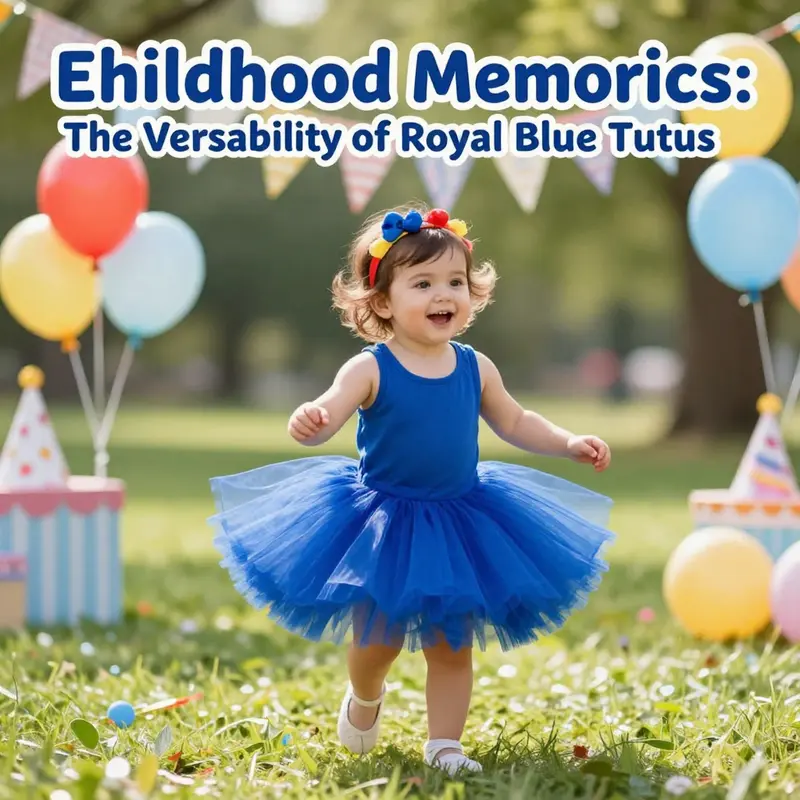
A royal blue tutu has the uncanny ability to turn a simple afternoon into a small stage, a living color into a doorway to stories that unfold with every flutter of fabric. For many children, this garment is less about clothing and more about a passport to moments when imagination casts its own light. The vivid hue itself—deep, regal, and arresting—acts like a beacon, guiding attention, inviting curiosity, and encouraging a sense of possibility. In bedrooms turned backstage and sidewalks transformed into catwalks, the royal blue tutu becomes a portable kingdom, where a child can rule a chair as a throne, and a hallway can become a grand corridor in which brave characters take center stage. The color’s emotional pull is not accidental. Museums of childhood reveal that certain shades of blue carry not just visual appeal but a promise of calm certainty and quiet confidence. When a child slides a hand into the elastic waist of a tutu and lifts the first layer of tulle, there is a brief, almost magical moment when self-doubt loosens its grip and possibility takes its place. The tutu, with its multiple layers of soft, whisper-thin fabric, contributes to a sense of movement that feels both light and purposeful. It invites a child to practice the choreography of becoming someone else, even if only for the duration of a game or a recital in the living room shadows.
The silhouette of a little dancer in a royal blue tutu is a familiar image in contemporary childhood culture, yet the charm remains fresh because it sits at the intersection of play, dress-up, and performance. The tutu’s design—a series of airy layers that catch the air and wake up the room with rustle and shimmer—offers more than visual drama. It provides a tactile invitation to participate. The child learns through touch how fabric responds to movement, how gravity plays with volume, and how timing can transform a simple step into a story beat. When a child swings a small arm to mimic a grand jeté or a delicate plié, the blue tulle seems to answer with its own gentle swish, a sound and motion that reinforce a sense of agency. Even in a domestic setting, the tutu becomes a rehearsal space for self-expression, a way to explore ideas of identity, grace, and personal strength without the need for words.
In discussing the enduring appeal of royal blue tutus for children, it is important to attend to both the aesthetics and the mechanics of wear. The practical design details—elastic waists for easy dressing, soft layers of tulle that do not pinch or restrict small bodies, and the option of coordinating accessories like headbands—serve a dual purpose. They accommodate active play while sustaining an appearance that feels special enough for a celebration without demanding a formal setting. For toddlers, the comfort and simplicity of an elastic waist mean the garment can be worn for longer periods, enabling more immersive play: tea parties with imaginary guests, birthday solos in a mock recital, or a pretend voyage to a distant, royal ball. For older children, the tutu still carries its magic, but its presence can become a source of creative challenge—how to balance movement, volume, and line while maintaining control on a pretend stage. The result is a garment that does not merely clothe a child but participates in the child’s narrative arc, offering a reliable stage on which imagination can improvise.
Cultural imagination frames the royal blue tutu as a bridge between the worlds of theater, party culture, and everyday life. In many homes, dress-up is a cherished ritual—an ordinary Saturday afternoon transformed by the stroke of a wand, a cape, or a tutu. The royal blue shade brings a certain gravity to these moments, a sense of ceremony that elevates ordinary play into something akin to a small performance. The tutu’s color acts as a visual cue for storytelling: blue can signify royalty, wisdom, calm, and dream-filled fantasy. It may evoke the mythic aura of princesses or the disciplined brilliance of a dancer in a classical repertoire, yet it remains accessible to children who are simply exploring who they might become. The clothing becomes a prop that supports storytelling, and storytelling, in turn, becomes a way for children to negotiate emotions, practice empathy, and imagine futures in which they hold the center of their own stage.
The research material suggests a broader social function for royal blue tutus in childhood. Beyond the stage and the family photo, these garments are often included in gatherings such as dress-up parties, school events, and seasonal celebrations, where the same piece may be reused in different contexts. The presence of a shared costume can simplify planning for parents and teachers who want to create a cohesive, festive atmosphere without sacrificing comfort or practicality. In educational settings, a multi-layer tutu in a bright royal blue can serve as a versatile tool for group activities, storytelling prompts, and movement-based exercises that foster coordination and confidence. The practical value of such garments becomes clear when considering the logistics of frequent dress-up—elastic waists and washable fabrics enable many children to wear the same piece for a variety of occasions, from spontaneous pretend tea parties to organized recitals. This blend of accessibility and charm is essential for families seeking affordable ways to nurture creativity, while still honoring the child’s desire to look and feel special.
In photography and performance, the royal blue tutu often takes on a role of its own, a dynamic element in visual storytelling. When captured in images or on stage, the tutu’s layers catch light and shadow in ways that dramatize movement. The blue fabric can create a striking contrast against lighter backgrounds or a dramatic harmony with the footwork and poses of the performer. For professional contexts, images of dancers in royal blue tutus convey a sense of discipline, precision, and elegance, with the structure of the tutu supporting the line of the body as it executes delicate turns and strong leaps. In more intimate settings—home studios, living rooms, or school stages—the same garment becomes a prop that communicates a child’s emotional state: a flutter of excitement, a moment of bravery before attempting a new step, or the quiet joy of a successful performance. The garment, therefore, acts as a quiet co-author of the child’s performance, guiding the gaze of observers and amplifying the narrative the child is telling through movement.
As children grow, their relationship with the royal blue tutu can morph from simple dress-up to a more nuanced expression of self. For some, the tutu remains a recurring favorite that marks milestones—first recital rehearsals, end-of-year performances, or themed parties. For others, it becomes a nostalgic keepsake that parents retrieve for upcoming family celebrations or candid photographs that capture a child’s development over time. The durability of the design matters, but so does the ability to adapt. An elastic waist that accommodates growth, a modest length that can be paired with leggings for cooler days, and the option to adjust accessories help extend wearability across seasons and stages of childhood. In this way, the royal blue tutu is not merely a costume but a wearable memory machine, designed to collect moments that become stories shared long after the dress has been hung back in the closet.
Beyond private households, the presence of royal blue tutus in community spaces—dance studios, preschools, and event venues—speaks to a wider cultural appetite for joy that is accessible and inclusive. The tiers of tulle provide not only volume and movement but a sense of collective celebration when multiple children wear similar hues at a recital or group photo. In these settings, the tutu’s value is practical as well as symbolic: it standardizes a look that is visually cohesive yet individually expressive, enabling a sense of belonging within a shared performance. The affordability and comfort of the garment make it a practical choice for large groups, while its color and form invite young participants to bring their own personalities to the stage, to experiment with positions and poses, and to learn the basics of rhythm and coordination in a supportive environment. The result is a cultural footprint that links childhood, performance, and community through the unassuming but powerful language of color and fabric.
The narrative of the royal blue tutu for children is thus less about a single event and more about a continuum of playful learning and memory making. It sits at the crossroads of design, color psychology, and the social rituals of childhood. The garment teaches a child that beauty can be both approachable and empowering, that elegance can be a matter of posture, timing, and confidence as much as it is about fabric and hue. It invites caregivers to choreograph spaces where imagination is valued, where movement is honored, and where the ordinary classroom, living room, or park can become a stage for storytelling. The tutu does not demand a child’s seriousness; it rewards a child’s curiosity with a spark of magic—the sense that one’s own body can become a vessel for story, character, and delight.
For families exploring a range of simple, wearable options that preserve the spirit of this experience, the basic tutu collection offers accessible choices. This path aligns with the idea that a garment can be both a costume and a tool for growth, a companion for countless pretend adventures that begin with a single swish of blue fabric. When a caregiver folds a royal blue tutu into a day’s plans, the act becomes more than shopping or dressing up; it becomes an invitation to play, to dream, and to discover that the self can expand in small, tangible ways. In that sense, the royal blue tutu achieves what all great childhood garments aim for: it remains usable across occasions, it amplifies joy without demand, and it preserves a thread of wonder that children can carry with them as they step into new rooms, new roles, and new stories.
External resources can offer additional perspectives on how colors, fabrics, and costume design influence children’s experiences with performance and play. For readers seeking deeper background on the broader context of wearable costumes for kids, this external reference provides relevant insight into how such garments are positioned within the marketplace and the cultural imagination. https://www.amazon.com/dp/B0B6KQ2X8V
Regal Threads: The Royal Blue Tutu in Celebrations, Performance, and Cultural Expression
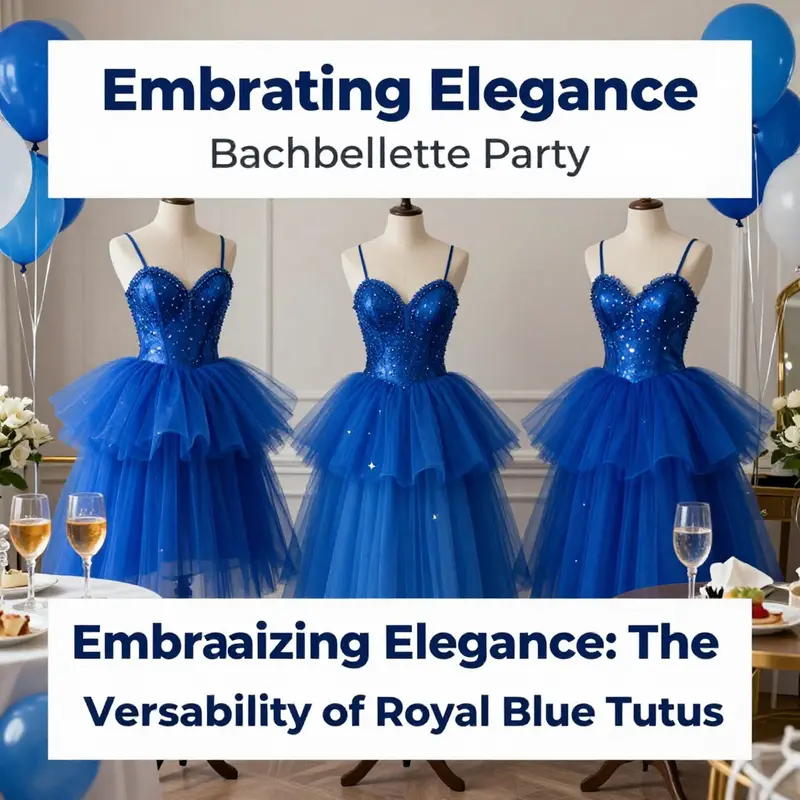
The royal blue tutu moves through celebration and ceremony like a rich thread, connecting the stage to everyday rituals. Its deep hue carries a built-in authority; the color reads as dignity before a single stitch is noticed. Yet the garment itself—layers of tulle, careful construction, and occasional embellishment—translates that authority into motion. That translation is where cultural meaning gathers: the tutu dresses bodies for roles, marks rites of passage, and signals a shared language of elegance across contexts.
When a dancer steps onto a stage in a royal blue tutu, the garment does more than complement choreography. It frames posture and highlights line, making each arabesque and plié read as part of a larger story. The color anchors the eye; against lights and scenery, royal blue holds depth. It can suggest nobility in classical repertory, gravitas in contemporary reinterpretations, or a hint of melancholy when narratives require it. Costume designers rely on this visual shorthand. A single color choice can orient an audience to mood and theme before music begins.
Beyond theatrical shorthand, the royal blue tutu is a craft object. High-caliber tutus are structured with precision. Layers of tulle are cut, arranged, and often reinforced with satin or netting to achieve a silhouette that resists collapse while remaining responsive to movement. Hand-sewn trim and appliqués transform fabric into iconography; beads catch light and relay it in small flashes that animate turns and lifts. These details assert the tutu’s role as wearable art. Their presence elevates celebrations such as galas and recitals; they make an individual moment feel curated and ceremonial.
This combination of color and craft lends the royal blue tutu wide cultural resonance. In formal dance competitions and gala performances, it stands for excellence. Seeing a dancer in this tint suggests discipline and polish. In communal celebrations—cultural festivals, graduation balls, or anniversary recitals—the same garment carries different, yet related, meaning: belonging. Wearing royal blue can align a person with a tradition or a group aesthetic, signaling membership in a particular artistic lineage or local ritual.
The tutu’s adaptability is part of its appeal. Historically rooted in ballet, the tutu has migrated into social spheres where spectacle and play overlap. Adult tutus in royal blue now appear at themed parties, night events, and fashion-forward gatherings. Designers experiment with materials—satin, metallic tulle, sequins—to translate stage structure into pieces suited for streets and venues. These reinterpretations keep the silhouette recognizable while softening construction for comfort. The result is a garment that reads as both homage to classical form and as a contemporary accessory. In such contexts, royal blue functions as a color-code for celebration: it marks the occasion as special without demanding formal training or strict adherence to dance technique.
For children, the royal blue tutu often plays a role in marking milestones. Whether in first-birthday photoshoots, Halloween ensembles, or early recital costumes, the tutu frames moments meant to be remembered. Parents and photographers choose royal blue for its photogenic depth; it provides a strong contrast in images and conveys a sense of occasion. Here, practicality narrows the tutu’s design: sizes are adjusted for comfort, accessories are simplified for safety, and materials are chosen for durability. Even so, the aesthetic remains—royal blue keeps the moment feeling regal, offering a visual narrative of childhood milestones preserved in albums and social memory.
Cultural traditions find new resonance when they adopt or adapt the tutu. In festivals that celebrate local identity, royal blue costumes may integrate regional motifs—embroidered trims, patterned sashes, or jewelry that nods to heritage. A tutu becomes a hybrid object; it keeps its Western stage lineage while engaging with local aesthetics. This blending permits communities to craft performances that feel both globally informed and distinctly local. The royal blue hue helps bridge contexts: it retains a universal signal of refinement while allowing for the insertion of specific cultural markers.
This ubiquity has economic and social dimensions. Boutique makers and small ateliers respond to demand by offering variations that range from competition-standard constructions to playful, lightweight designs for social wear. Consumers choose based on intended use: a structured tutu for concert stages, a three-layer elastic model for casual events, or embellished sets for photo-ready moments. Availability across price points democratizes access. That democratization matters because cost and craftsmanship influence who can visibly participate in certain rituals. A high-quality, hand-finished tutu suggests investment and professional aspiration; an affordable, ready-to-wear version opens space for mass participation in celebratory culture.
The royal blue tutu also functions as a storytelling device beyond formal dance narratives. In themed events, it can reference characters or archetypes—a celestial figure, a noble heroine, or a folkloric entity—without explicit textual explanation. Audiences and participants carry a repertoire of visual cues; the tutu’s silhouette paired with royal blue suffices to suggest character. Even in modern fashion contexts, the tutu’s connotations of whimsy, theatricality, and femininity persist. Wearers leverage these associations to create social performances of identity—boldness, nostalgia, or playful flirtation.
Critically, the tutu occupies a space where aesthetics and identity interact. Costume choices are rarely neutral. A royal blue tutu can be a form of self-expression, an emblem of aspiration, or a nod to heritage. When seen at cultural festivals, it can mark the wearer as a bearer of a particular style or interest. When seen onstage, it can declare the performer’s seriousness and technical commitment. In social ceremonies, it can punctuate an individual’s desire to stand out while still aligning with communal standards of beauty and decorum.
The interplay of tradition and reinvention keeps the royal blue tutu relevant. Contemporary designers borrow structural elements from professional tutus while introducing materials that suit modern life. This cross-pollination has led to an expanded market for pieces that bridge stage and street. For readers interested in professionally oriented garments, a curated selection of purpose-built options showcases constructions designed for performance and durability. These garments prioritize balance between aesthetics and function, offering support for physical demands while maintaining visual impact. For those exploring themed or casual options, variations emphasize comfort, color saturation, and ease of wear.
While the tutu’s symbolic weight is substantial, its role in celebrations is ultimately practical: it enables visibility. At a gala, it makes a performer detectable in ensemble. At a festival, it makes a participant recognizable within a procession. In photographs, it anchors compositions. The richness of royal blue contributes to this visibility; the color reads strongly in varied lighting conditions and complements many skin tones and stage palettes. This reliability helps explain the hue’s persistent use across settings: it is both aesthetically pleasing and functionally effective.
Across generations, attitudes toward tutus shift, but the garment’s capacity to denote significance remains stable. Older audiences may see the royal blue tutu as continuity with classical ballet’s codes. Younger wearers may view it as an adaptable tool for self-presentation. Both perspectives intersect at a point where celebration requires visible markers. The tutu supplies those markers in a way that is striking yet malleable.
A final dimension to consider is the communal language that forms around costumes. Communities of dancers, hobbyists, and event-goers develop conventions: certain trims suggest formality; particular lengths indicate intended use; and color choices set moods. Royal blue often occupies a high-register slot in that language. Its repeated use across contexts reinforces a shared understanding: when someone wears royal blue tulle, observers interpret the look as intentional, ceremonial, and refined. That shared interpretation is itself a cultural asset. It allows diverse groups to communicate quickly through clothing, enabling performances and celebrations to proceed with a kind of visual shorthand that saves time and deepens meaning.
Through craft, color, and context, the royal blue tutu persists as an emblem of celebration. It translates heritage into motion, frames private milestones for public memory, and provides designers a canvas for ongoing reinvention. Whether under the proscenium arch, beneath festival lights, or in a quiet photo session, the tutu’s royal blue invites attention and bestows dignity. Its presence signals that something matters and that the moment, however large or small, deserves to be dressed for.
External reference: https://www.amazon.com/dp/B0BQX5ZK8F
For readers seeking more specialized garments for stage and formal performance, explore this collection of professional tutu options: professional tutu.
Final thoughts
The royal blue tutu stands as a timeless emblem of elegance and joy, seamlessly weaving its way through varied realms—from the precision of ballet performances to the exuberance of modern fashion and childhood festivities. Its rich blue color not only evokes a sense of regality but also resonates with the playful essence of celebration. As we see its appeal across generations and events, the royal blue tutu remains a versatile garment that inspires confidence and creativity. It continues to find its place in our lives, inviting wearers to express their artistry and celebrate beauty in every form.