
The toddler girl tutu dress market has blossomed dramatically in recent years. As parents seek stylish, unique outfits for significant occasions like parties, weddings, and photo sessions, the demand for quality tutu dresses has surged. This article delves into the essential aspects of this thriving market, exploring the latest trends and innovations, a comprehensive market analysis, evolving consumer preferences, the influential role of social media, and the rising significance of sustainability and ethical sourcing practices in garment production. Each chapter provides valuable insights to help business owners navigate this lucrative industry effectively.
Evolving Elegance: Trends and Innovations Shaping Toddler Girl Tutu Dresses
Evolving Elegance: Trends and Innovations Shaping Toddler Girl Tutu Dresses
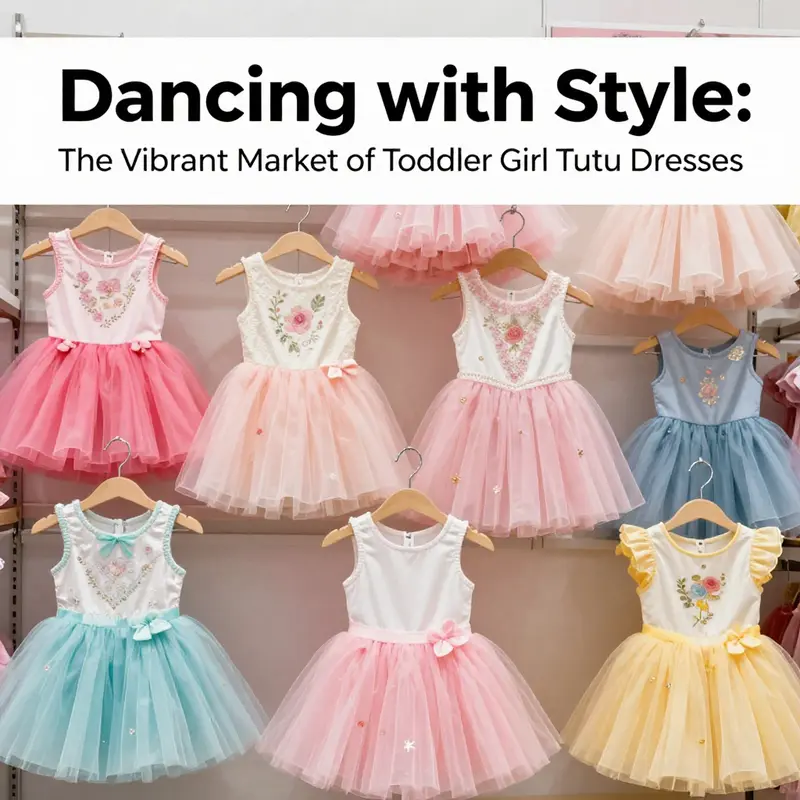
The toddler girl tutu dress has moved beyond a single-season novelty into a segment defined by thoughtful design, improved materials, and purposeful versatility. What once was a simple frill for photographs now reflects a mix of aesthetic intent and practical innovation. Parents seek dresses that capture childhood whimsy while supporting comfort, safety, and longer wear—creating opportunities for designers and manufacturers to balance tradition with modern demands.
Designers are blending classic silhouettes with contemporary details to appeal to both nostalgic and style-conscious buyers. Vintage touches—like sash bows and delicate lace trims—are reinterpreted in softer palettes and streamlined shapes. These details preserve the tutu’s signature fullness but avoid stiff formations that restrict movement. The result is a look that reads as elegant rather than costume-like, appropriate for birthdays, family celebrations, and portrait sessions without feeling overwrought.
Comfort is now central to design thinking. Fabrics that breathe, stretch, and maintain a soft hand are preferred. Tulle remains a visual staple, but it is often layered over cotton-knit or stretch linings to prevent irritation and allow active toddlers to run, jump, and play. Stretch panels and elastic waistbands are more refined than before, placed to reduce pressure points and to accommodate growth. Designers are also introducing convertible elements—detachable sleeves or removable layers—that make a single dress work across seasons. This approach increases utility and reduces the pressure to buy multiple occasion-specific outfits.
Sustainability and ethics increasingly shape purchasing decisions. Eco-aware families look for responsibly sourced fibers, low-impact dyes, and transparent production practices. Brands that communicate factory conditions, material origins, and waste-minimizing production score higher on trust. Recycled tulle and organic knit linings are being integrated to answer this demand, while small-batch production allows for more careful quality control. The emphasis is not only on environmental impact but on longevity: pieces designed to last physically and stylistically reduce churn and offer better value.
Personalization has moved from novelty to expectation. Embroidered names, adjustable hems, and interchangeable accessories let parents tailor a dress to a child’s size and personality. Custom embroidery and matching hairpieces create a coordinated look without the expense of fully bespoke garments. Adjustable features also extend the useful life of a dress, permitting several months—sometimes years—of wear across growth spurts. Accessories that attach securely and are machine-washable enhance practicality while preserving the sense of occasion a tutu provides.
Innovations also appear in how dresses adapt to weather and activity. Designers now offer long-sleeve variations and integrated slip layers to make tutus wearable in cooler months. Convertible skirts, with removable tulle overlays or underskirts that clip in, allow for quick transitions between formal and casual looks. These solutions encourage repeat use: a dress can be a party outfit one day and a playful layering piece the next. Thoughtful closures—covered snaps, soft elastic, and hidden zippers—make dressing simpler for caregivers and safer for children.
Digital platforms have accelerated trend diffusion. Parents use marketplaces and review systems to compare styles, sizing, and quality from around the globe. This broad exposure pushes designers to stand out with unique prints, refined finishes, and clear fit guidance. Photos and user reviews reduce uncertainty, while flexible return policies lower the risk of trying new brands. Social boards remain a major source of style cues and inspire seasonal palettes and accessory pairings. When parents see a cohesive look replicated across platforms, they expect similar quality and options from retailers.
The market’s geographic concentration has practical implications. Manufacturing hubs with established supply chains can pivot quickly to new colorways or design tweaks. This rapid responsiveness supports limited runs and small-scale personalization while keeping unit costs manageable. At the same time, demand for ethical sourcing has led some brands to diversify production or invest in audited facilities, blending speed with accountability.
Functionality now competes with spectacle. Where once the visual impact of a tutu was the sole priority, contemporary designs weigh wearability heavily. Designers consider laundering needs, the likelihood of snagging during play, and the ease of repair. Reinforced seam lines, washable trims, and replaceable embellishments are common. These features reduce household frustration and help keep garments in rotation, which aligns with value-driven purchasing and sustainability goals.
Styling versatility is also more deliberate. A well-designed tutu can anchor a themed outfit without dominating it. Coordinating with simple tops, tights, or soft cardigans creates looks that work for both formal and everyday settings. This adaptability increases purchase appeal, as the same dress can be used for photos, parties, and casual family outings. For inspiration on foundational styles that balance charm and practicality, explore basic tutu styles that pair well with many looks.
The future of toddler tutu dresses points to smarter, more adaptable garments that honor the playful spirit of childhood. Expect continued refinement in fabric blends, construction techniques, and modular design elements. Personalization will deepen, with more options for small-run embroidery, color choices, and accessory sets. As parents demand better information, transparent supply chains and clear product details will become essential selling points. The dresses themselves will remain whimsical, but their value will increasingly be measured by durability, comfort, and the ease with which they integrate into a family’s wardrobe.
For broader visual inspiration and to see how parents and makers are styling tutu dresses today, consult this external resource: https://www.pinterest.com/search/ideas/toddler%20tutu%20dress/.
From Thread to Tulle: Mapping the Production Landscape of Toddler Girl Tutu Dresses
The market for toddler girl tutu dresses has surged as parents increasingly seek clothing that pairs playfulness with personal expression. The rise of birthday parties, family gatherings, weddings, and staged photo shoots has turned these tiny frocks into more than garments; they are keepsakes and stories in motion. Amid this demand, buyers negotiate a spectrum of options that span affordability, durability, and design. The most visible trend is the blend of style with value, where a dress must look distinctive yet be sturdy enough to withstand the rough-and-tumble realities of toddler life. Social media acts like a catalyst here, turning a single runway-ready shot into a trend that travels quickly across neighborhoods and borders. Meanwhile, the market evolves toward personalization and responsible production, reshaping how manufacturers position offerings and how retailers select partners.
Price structure in this domain underscores the practical realities families face. A close examination of product listings reveals that a dominant 0–$33 band captures the vast majority of options available to shoppers. The data show that well over nine-tenths of products cluster within this accessible range, signaling that cost-conscious decisions still drive volume sales. Yet this doesn’t erase the desire for quality. Western brands and retailers demonstrate a readiness to pay a premium for textiles that endure, printing and dyeing that resist fading, and finishes that remain intact after repeated wash cycles. In other words, affordability and quality are not mutually exclusive; they coexist in a marketplace that rewards efficiency without compromising safety and reliability.
This dual dynamic—low entry prices paired with rising quality expectations—drives a bifurcated yet interconnected production ecosystem. On one side, mass-market tiers rely on streamlined labor, scalable equipment, and standardized design libraries that enable rapid turnaround and low unit costs. On the other, a segment of buyers seeks higher-quality products with clear compliance credentials and durable materials, often including features like reinforced seams, non-slip linings, and non-toxic dyes. The tension between these demands pushes suppliers to optimize both ends of the spectrum: to reduce waste and speed up factory-to-store times while maintaining a level of craftsmanship that satisfies discerning Western retailers and carefully informed parents.
Geographically, the production map behind toddler tutu dresses has long been shaped by a handful of Chinese regions known for their textile ecosystems. Market data positioning Guangdong Province—especially within the Pearl River Delta—as a leading zone for toddler tutu dress manufacturing highlights a shift alongside historical patterns. Guangzhou and Shenzhen epitomize the region’s strengths in quality craftsmanship, design innovation, and strict adherence to international safety standards. The presence of rigorous certifications, such as CPSIA, Oeko-Tex Standard 100, and ISO 9001, signals a commitment to safer products that can travel widely in global retail channels. While Zhejiang has earned a reputation as a major node in the broader dress-making landscape, the current data emphasize Guangdong’s pivotal role in delivering both scale and compliance. The combined effect is a production network that can respond to fast-changing fashion cues without compromising safety or environmental expectations.
Within this landscape, certain suppliers stand out not for celebrity status but for reliability and operational discipline. A notable supplier in the dataset demonstrates an exemplary on-time delivery record, coupled with exceptionally quick response times. Such performance metrics are more than conveniences; they translate directly into tighter replenishment cycles for retailers and smaller boutiques alike. In a market where a missed shipment can derail a month’s promotional plan or leave a shop’s shelves temporarily bare, the value of dependable logistics and rapid communication becomes a competitive differentiator. For manufacturers, it reinforces a need to synchronize procurement, production planning, and distribution so that the product mix—ranging from budget-friendly ensembles to mid-range designs—lands in the right channels at the right moments.
The economics of production in this space also reflect strategic sourcing choices that balance cost with compliance. A central takeaway is that cost-efficient production can be achieved without sacrificing safety, provided that suppliers invest in process controls, supplier audits, and traceability across materials. In other words, price discipline need not come at the expense of child safety or environmental stewardship. Retailers are increasingly demanding transparency about materials, dyeing processes, and labor practices. The convergence of fast fashion dynamics and ethical expectations has nudged the industry toward a model where agility and responsibility reinforce one another. In practical terms, this means choosing partners who can deliver consistent quality at scale, while also meeting the evolving criteria that Western markets expect in terms of product safety and social responsibility.
Design trends within this market reinforce the imperatives above. Even as the price envelope remains broad, consumers crave dresses with thoughtful details—soft, breathable fabrics; secure fastenings; and finishes that stand up to playtime yet look refined for photos. Customization, where feasible, adds a premium layer to the product suite by letting parents reflect personal motifs, color palettes, or occasion-specific themes. The social media currents that drive demand also push suppliers to innovate in safe, reversible embellishments, prints that withstand washing, and small, low-risk trims that do not irritate delicate toddler skin. In this context, market players who can couple design agility with robust safety measures are best positioned to convert interest into repeat purchases and strong word-of-mouth.
From a retail perspective, the market rewards flexibility and speed. In a segment where trends can emerge overnight and then recede just as quickly, the ability to adjust production schedules and product assortments is crucial. The most successful implementations blend a solid baseline catalog—consistent in quality and price—with a rapid-response capability to introduce limited-run styles that align with current tastes. This approach helps shops maintain fresh displays and keeps customers engaged across seasons. It also underscores a broader strategic principle: excellence in product development is inseparable from the operational parity that sustains it. A factory that can produce a reliable workhorse line while also enabling fast, small-batch introductions becomes a linchpin in the value chain, bridging the gap between the mass-market demand for affordability and the niche demand for novelty and premium finishes.
To illustrate the practical implications of these dynamics, consider the pathway from material selection to finished garment. The journey begins with fibers and fabrics that balance weight, softness, and breathability. For many families, a tutu dress must feel gentle against a toddler’s skin yet hold its shape through hours of wear. Dyes and prints must resist color migration and fading, especially after multiple wash cycles. Seam integrity matters just as much; seams that pucker or detach can undermine confidence in a brand and invite returns that disrupt cash flow. The finishing touches—elastic waistbands, lining, and secure tulle layers—contribute to a sense of quality that parents notice in both comfort and appearance. In this calibrated ecosystem, every decision from textile sourcing to packaging reverberates through price, delivery speed, and perceived value.
Against this backdrop, one practical takeaway for businesses seeking to enter or grow in the toddler tutu dress market is the importance of aligning production capacity with consumer demand while preserving the ability to adapt as the market evolves. Sourcing from regions with established textile ecosystems can offer a balance of cost efficiency and quality control. At the same time, prioritizing suppliers that demonstrate consistent on-time delivery and fast communication creates a reliable backbone for inventory management and promotional planning. The most resilient players cultivate a dual capability: a core, cost-aware production capacity that satisfies budget-conscious buyers, and a flexible, design-forward stream that responds to seasonal trend bursts and customization requests. In an era where social media can amplify a single design into global demand, the capacity to pivot quickly is as valuable as the ability to produce at scale.
As retailers refine their assortments, the emphasis on compliance and ethical sourcing continues to influence supplier selection. Consumers are increasingly informed about how clothes are made, and they draw a line between retailers who can demonstrate safe materials, non-toxic processes, and humane labor practices, and those who cannot. This shift translates into measurable business value: reduced risk of recalls, enhanced brand trust, and the ability to command a price premium for higher-quality offerings. In the context of toddler tutu dresses, where the balance between play-ready practicality and dress-up appeal is key, a comprehensive approach to safety, durability, and design authenticity can become a meaningful competitive advantage. It is not merely about meeting baseline standards but about building a reputation for consistent quality across a spectrum of product tiers.
For readers exploring the broader landscape and seeking foundational options, the basic tutu category offers a reference point that highlights the elementary design and construction that underpins more complex pieces. basic tutu category
Ultimately, the trajectory of this market will be shaped by how well producers can weave performance, safety, and style into a coherent value proposition. The path from thread to tulle is not a straight line but a network of decisions that collectively determine affordability, durability, and delight. It requires disciplined sourcing, responsive manufacturing, and transparent communication with retailers and families alike. When these elements align, the toddler tutu dress market can sustain growth without sacrificing the safety and quality that parents require for their children. The result is a marketplace where price remains an important consideration, but it sits alongside a growing emphasis on compliance, reliability, and responsible craftsmanship—a combination that supports enduring relationships between suppliers, retailers, and the young wearers who bring these dresses to life.
External data and comparative benchmarks continue to inform these assumptions. Trade data and supplier performance metrics from a global trade data source support the view that efficiency and reliability in production are critical levers for success in this space. As manufacturers and retailers navigate the ongoing balance between cost and quality, the ability to demonstrate consistent on-time delivery, rapid responsiveness, and adherence to safety standards will be decisive in sustaining growth across the toddler tutu dress category. External reference: https://www.alibaba.com
Twirl, Texture, and Trust: Reading Parent Preferences in the World of Toddler Girl Tutu Dresses
The desire for toddler girl tutu dresses rests on a tapestry of choices that parents weave together each time they shop. It is not merely about a pretty skirt or a bright color; it is about the way fabric settles on delicate skin, how a silhouette moves with a child who is more likely to spin than pose, and how a dress can become a small stage for everyday imagination. When we draw together the threads of aesthetic appeal, comfort, safety, and practicality, a coherent picture emerges of what modern families value in these pieces of clothing. In this picture, the tutu dress becomes less a seasonal impulse and more a durable complement to a child’s growing sense of self. The market responds to this feedback loop in real time, aligning production practices and design language with the evolving preferences of households that prize both enchantment and everyday wearability.
Aesthetic appeal stands as a central compass for many parents choosing a tutu dress. The magic of a dress is not only its color but the mood it conjures. Many families gravitate toward themes that evoke fairy tale reverie and classic royal charm, where the dress seems to promise a moment of pretend that mirrors a child’s private theater. Colors play a pivotal role here. Deep blacks can be used as a base for metallic accents, turning a tutu into a formal statement, while gold tones and rainbow palettes create a sense of celebration and whimsy. Within this spectrum, parents often seek designs that strike a balance between storybook allure and everyday versatility. A dress can be a character in a child’s day, whether it is twirled during a kitchen dance party, worn for a family photo, or carried into a special event. In practice, this means designers lean toward silhouettes that are visually resonant yet not overwhelming; the skirt layers can suggest a sense of movement without compromising safety or comfort. In a marketplace saturated with fast fashion, the most resonant narratives are those that hint at timelessness rather than a fleeting trend. Consumers tell a story with colorways and motifs, and the most enduring choices are those that feel both magical and refined—able to travel from a birthday party to a quiet afternoon at home without feeling out of place.
Yet aesthetic desire does not sit in isolation. Comfort is the companion that validates every color, motif, and silhouette. Toddlers are active by design; a dress that restricts movement or causes overheating quickly loses favor. The emphasis on soft, breathable fabrics reflects a practical understanding that a child’s skin is delicate and needs to be treated with care. Texture matters, too. The best-tuned dresses pair a gentle outer layer with a soft lining that minimizes friction and itch. Breathability becomes a practical health consideration as much as a comfort feature. Parents often tell stories of outfits that looked stunning in a showroom but proved uncomfortable after a few minutes of play. This is where testing at home—trying a new fabric in the familiar rhythm of daily life—becomes more than a courtesy; it is an essential step in the purchasing decision. Materials labeled skin-friendly, hypoallergenic, and easy to wash are not mere marketing terms but signals of reliability. Safety remains inseparable from comfort; a dress that sits heavily on the shoulders or has embellishments that could detach during vigorous play raises concerns. The most trusted designs are those that invite movement while maintaining a sense of security and ease.
The dialogue around fit and functionality adds further nuance. A tutu dress for a toddler must accommodate stretching, bending, and the many twists of a twirling game. Elastic waists, adjustable straps, and lightly structured bodices can offer a secure yet forgiving fit. The seconds saved finding the right size are not trivial in a parent’s calculus; an accurate fit reduces the need for frequent replacements and, in turn, supports a more sustainable approach to dressing a growing child. Functionality also extends to how the dress adapts across seasons. Long sleeves, thicker fabrics for cooler days, and layering options expand the practical window for a single dress to meet year-round needs. Designers who acknowledge these seasonal shifts without sacrificing the tutu’s signature charm tend to win trust. A dress is more likely to endure in a busy toddler’s wardrobe if it offers adaptability: pieces that can be worn with leggings for warmth or paired with a lightweight cardigan for temperate days without losing their magical silhouette.
Practical considerations, though sometimes understated, shape what is feasible in real life. The sizing ranges offered—such as options that cover early childhood years—reflect an understanding that growth is constant and the window for a single outfit’s usability is narrow. Parents value simplicity in online shopping: clear size charts, accurate color representations, and straightforward returns. The most successful brands acknowledge that a purchase of a tutu dress often involves a moment of exchange between desire and practicality. The doorstep delivery model, paired with a forgiving return policy, reduces friction and builds confidence to try styles that might otherwise seem risky. Beyond convenience, practical design decisions can influence a child’s day-to-day joy. A dress that twirls beautifully, stays in place during active play, and remains comfortable through a party and a family dinner becomes more than clothing; it becomes a familiar, dependable companion in the child’s social world.
The research landscape surrounding these choices also highlights the role of symbolism and storytelling in how parents perceive value. Themes that evoke royalty, fantasy, and timeless charm resonate because they give children permission to imagine, and they give caregivers a tangible way to nurture creativity. This symbolism does not exist in isolation from the market realities of supply and production. The concentration of manufacturing activity in particular regions—where streamlined supply chains, skilled labor, and efficient logistics can meet fast-changing demands—helps explain why certain looks cycle through quickly and why others endure. The industrial backdrop matters because it influences price, quality, and availability. A dress that is beautiful yet fragile, or one that requires delicate handling, will struggle to gain loyal buyers in a high-energy household. Conversely, a well-made dress that holds its color and texture through multiple wearings and washes becomes a trusted staple, especially for parents who crave efficiency alongside enchantment.
Ethical and sustainability considerations are increasingly integrated into consumer decision-making. As families become more attuned to the hidden costs of fashion, they seek options that balance beauty with responsibility. This can manifest in several ways: materials that are gentle on sensitive skin, processes that limit chemical exposures, and disclosures about sourcing and labor practices. The market is not yet fully standardized in these dimensions, but signaling a commitment to ethical production can sharpen a brand’s appeal in a crowded field. Parents may be drawn to designers who emphasize durable construction, recyclable packaging, and transparent supply chains, recognizing that a dress should be a one-off memory in a child’s life rather than a short-lived commodity.
In this ecosystem, social media plays a reinforcing role. Visual platforms enable families to share candid moments of dress-up, which in turn sends signals about what resonates with other parents and what feels aspirational. The most influential designs are those that invite sharing—whether through a silhouette that photographs well in motion, a colorway that pops in a studio setting, or motifs that carry a story worth telling online. This dynamic encourages a feedback loop: designers observe what garners engagement and respond with versions that emphasize comfort and movement while preserving the magical aura that drew buyers in the first place. The result is a market that rewards not only beauty but the ability of a dress to become a repeated, joyful part of a child’s life.
The chapter’s thread is clear: parents are seeking a balance. They want something that looks enchanting, but also feels right against the skin, moves with the child, and endures the realities of daily adventures. They want choices that accommodate growth and seasons, that can be easily purchased online, and that align with values around safety and sustainability. In many ways, the tutu dress becomes a microcosm of contemporary parenting in fashion—an exercise in curating wonder without sacrificing comfort or practicality. The best designs recognize this dual demand and translate it into fabrics that breathe, seams that endure, and silhouettes that invite a child to dance without constraint. They also acknowledge a broader cultural shift toward ethical sourcing and responsible production, even as they celebrate the timeless charm of a dress that makes a toddler feel like a character stepping from a fairytale to the real world.
For readers exploring broader assortments of tutu styles, the basic tutu category offers accessible options that still honor the themes of imagination and comfort discussed here. If you want to see how a simple baseline design can be elevated with thoughtfully chosen fabrics and finishing touches, you can browse the basic tutu collection. It provides a reference point for understanding how a wardrobe can include both everyday practicality and occasional sparkle without sacrificing safety or ease of wear. basic tutu category
As we move through this chapter, the picture of consumer preference becomes more than a catalog of desires. It becomes a guide for prioritizing what truly matters when dressing a toddler for the stage of life that is all motion, exploration, and wonder. The right tutu dress supports a child’s spontaneity while giving caregivers confidence that the garment will hold up to real-world use. It is a rare blend of fantasy and function, where the dress is not only seen but felt—in the soft touch of fabric, in the freedom of a skip, and in the gleam of a moment captured for a family album. The market will continue to respond, refining textures, testing new motifs, and balancing cost with quality, but the core of parent preference—comfort, safety, and magical possibility—will remain the North Star guiding every twirl and every new memory these dresses help create.
When a Post Becomes a Pattern: How Social Media Shapes Toddler Tutu Dress Trends
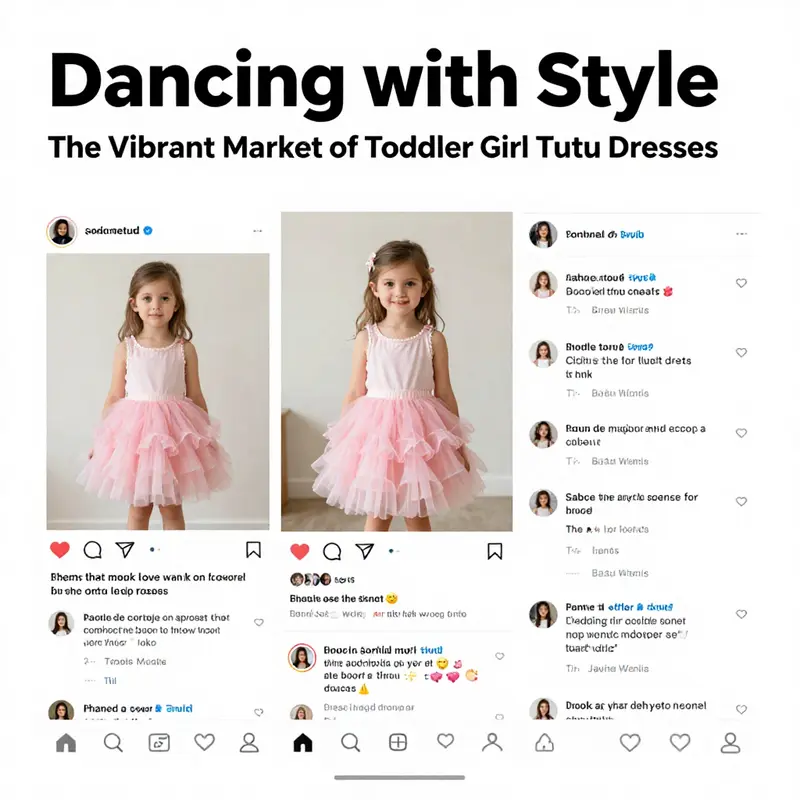
Social media has become the engine behind many modern fashion cycles, and toddler girl tutu dresses are no exception. Images and short videos of tiny dancers, birthday girls, and fairytale-costumed toddlers flood visual platforms. These posts do more than display clothing; they create narratives. A single photograph of a child in a shimmering tutu can suggest celebration, personality, and even a lifestyle. Parents then seek not just garments, but those narratives for their own children. This dynamic collapses discovery, desire, and purchase into a single scroll.
On platforms driven by visual discovery, pattern and repetition matter. Users build boards and feeds that collect specific looks. When a tutu with a particular silhouette, color palette, or embellishment appears often, it becomes familiar. Familiarity breeds trust and curiosity. That familiar look then migrates from inspiration boards to wish lists, from saved posts to shopping carts. The result is rapid trend propagation: designs that resonate emotionally reach critical mass quickly. Retailers respond by increasing stock, creating variations, or adjusting descriptions to match the viral language used in posts.
Content that goes viral tends to capture more than design details. It exploits emotion. Photographs that emphasize joy, wonder, and playful movement trigger strong responses. Parents responding to that call want the same moments for their children and will search for the outfit that promises them. This explains why many popular posts highlight movement—twirling, jumping, and running—so buyers can imagine their child in motion. The visual focus on texture and light—the way tulle catches sunlight or sequins shimmer—also drives product expectations. Shoppers begin to equate certain visual cues with higher desirability.
Influencers and micro-influencers play a distinct role here. A trusted voice that showcases a tutu in a real-world setting offers demonstration beyond glossy retail photos. These posts often include sizing tips, care notes, and candid reactions from children. This contextual information reduces purchase anxiety. Smaller creators who document real moments can create strong demand for specific styles, especially when their audiences regard them as authentic. Brands that collaborate with these creators learn faster which designs translate to purchases and which remain aspirational only.
User-generated content amplifies this cycle. When customers post photos of their toddlers wearing a purchased tutu, that content functions as social proof. Other parents see the dress in a variety of sizes and settings, which builds confidence in fit and quality. Brands that encourage such sharing by resharing customer photos extend reach organically. This communal display turns product pages into galleries of lived experiences rather than static listings. It’s a powerful conversion tool: potential buyers see the tutu in motion on diverse children, easing concerns about fit and appearance.
Social platforms also create fast feedback loops. Brands can monitor comments and direct messages to understand consumer sentiment in near real time. If multiple messages mention a scratchy waistband or a tendency to lose shape after washing, designers hear that quickly. They can iterate small changes to fabric blends, trim, or construction. This responsiveness helps brands stay relevant as parents demand more durable, comfortable, and attractive options. The most successful labels use these loops to align product development with trend momentum rather than lagging behind it.
Algorithmic curation accelerates winners. When engagement spikes for a particular style, algorithms favor similar content. That creates snowball effects where a design shown once widely becomes ubiquitous. For manufacturers and suppliers, this means that production planning must be nimble. Regions with efficient production and flexible supply chains can capitalize on sudden demand. Quick-turn factories scale up runs for trending styles and supply retailers with restocks before interest wanes. This is why supply hubs that combine skilled labor with rapid logistics become central to the tutu dress market.
There is a growing expectation among parents for a blend of uniqueness and value. Social media makes custom and niche styles visible, and buyers increasingly seek garments that convey individuality for special occasions. At the same time, many parents remain price-conscious. This duality pushes brands to offer tiers: accessible basics for everyday wear and premium, handcrafted pieces for milestone moments. Smart merchandising on social platforms highlights both. A single brand can showcase an affordable everyday tutu alongside a more elaborate, boutique-level design, each targeted to different audience segments.
Sustainability and ethical sourcing have entered the conversation as well. When influencers emphasize origin stories, material quality, or maker transparency, followers take notice. Posts that document production processes, or that highlight eco-friendly materials, attract consumers who value ethics. That attention nudges more brands to be transparent about their supply chains and materials. The visibility provided by social media makes it harder for claims to go unchecked, so brands that invest in better practices often enjoy stronger reputations and higher engagement.
However, virality brings challenges. Rapid spikes in demand can lead to inconsistent quality if production is rushed. Customers who receive items that differ from the images they admired will post negative reviews and images. These posts can dampen a trend as quickly as it was amplified. Accuracy in product descriptions and honest representation in influencer content are essential. Responsible marketing reduces the risk of disappointment and builds lasting customer relationships.
For retailers and designers, the lesson is clear: social media is not merely an advertising channel. It is a co-creative space where parents, creators, and brands collectively define what a toddler tutu dress means. Successful brands treat social platforms as laboratories. They watch, test, and refine. They encourage real customers to share. They respond quickly to feedback. By doing so, they convert fleeting attention into loyal customers who return for the next special dress.
Those curating their collections can learn from this cycle. Present pieces in motion and in real settings. Encourage customer photos. Collaborate with creators who focus on authenticity. Offer clear information about materials and care. And maintain production flexibility to respond when a design takes off.
For anyone researching visual inspiration and current examples of viral styles, the Pinterest collections on toddler tutu dresses remain a rich resource. These boards show how repeated visual themes evolve and how a single aesthetic can spread across platforms and products. https://www.pinterest.com/search/pins/?q=toddler%20tutu%20dress&rs=typed&prev=search
For brands showcasing a range of tutu styles, a thoughtfully organized collection helps visitors move from casual interest to purchase. Explore a curated professional tutu collection to see how tailored photography and clear product stories support conversion: https://luneballet.com/product-category/professional-tutu/
Tiny Tulle, Big Ethics: Sustainability and Ethical Sourcing in Toddler Girl Tutu Dresses
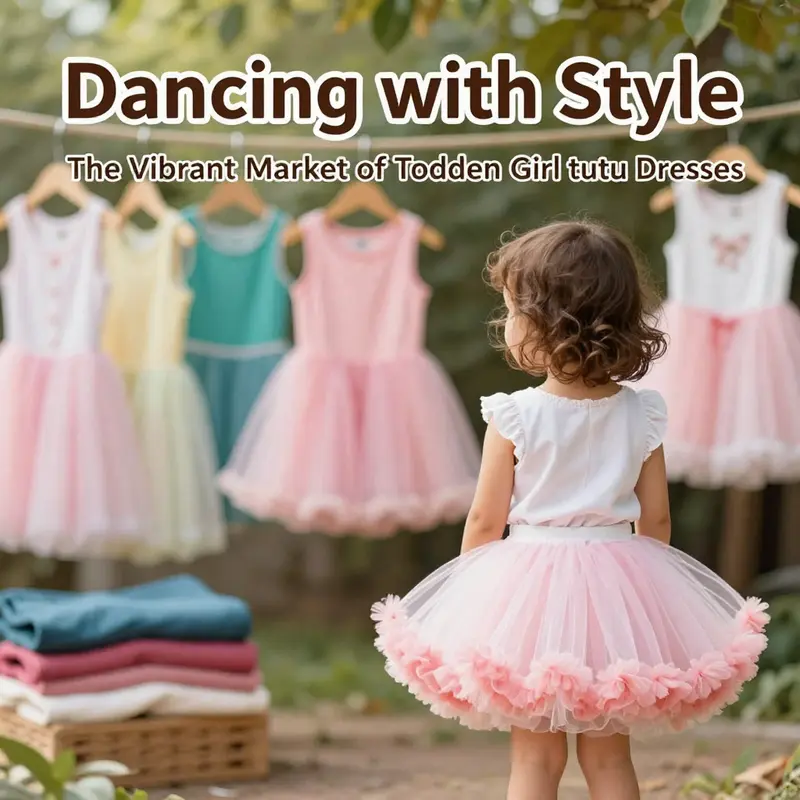
Every twirl of a toddler in a tutu carries more than sparkles; it carries choices about materials, factories, and the world the child will inherit. In the market for toddler girl tutu dresses, parents seek clothing that is gentle on sensitive skin, durable for play, and produced in ways that respect people and the planet. The rise of sustainability and ethical sourcing in this niche mirrors a broader shift in children’s fashion toward responsibility. The conversation moves beyond a single label to a system from fiber to finished garment, with transparent reporting and assurance that safety and dignity are central. Geography matters: much of the production capacity is concentrated in Zhejiang Province, China, enabling efficient supply chains and rapid design iteration, while also demanding careful oversight to maintain high ethical and environmental standards. As brands balance trend with care, families expect products that combine beauty with traceability and fair labor practices. Eco-conscious choices begin with materials that are soft on skin and perform under active wear. Brands explore blends that offer breathability and comfort while maintaining the look of a tutu, and they design for durability through careful finishing and gentler washes. The goal is to avoid irritants and moisture buildup, while keeping the silhouette buoyant and the sparkle intact. Transparent sourcing closes the loop: parents want to know where the dress came from and who touched it along the way. Many brands publish supplier lists, audit summaries, and environmental metrics, and some adopt formal safety certifications such as CPC to reassure caregivers about dye safety, finishing processes, and worker conditions. OEM partnerships can help brands grow responsibly, enabling small labels to scale while maintaining standards. Efficient shipping and inventory management reduce waste and support sustainable business models. The Zhejiang region’s speed can be a double-edged sword: it helps meet online demand but increases scrutiny of labor practices and environmental impact. Designers are balancing dramatic silhouettes with soft textures, safe dyes, and secure fastenings so a dress can be worn for special occasions and then cherished in future seasons, supporting a circular approach to fashion. The broader takeaway for families and brands is that credible sustainability requires a transparent, humane supply chain, measurable environmental performance, and a commitment to ethical labor. This combination builds trust and loyalty as parents choose outfits that reflect their values. For readers exploring foundational pieces for a child’s wardrobe, the basic tutu category offers a practical entry point to sustainability-minded shopping, with examples and resources widely discussed in industry reports. External references and case studies can guide brands toward responsible manufacturing and reporting practices. External resource: https://www.alibaba.com/product-detail/Elsali-D1024-Newborn-Princess-Tutu-Dress_1601357578872.html
Final thoughts
In conclusion, the toddler girl tutu dress market presents myriad opportunities for business owners. By understanding current trends, leveraging social media, and prioritizing sustainability, entrepreneurs can connect with consumers’ desires. As preferences continue to evolve, embracing quality manufacturing and ethical sourcing will not only cater to discerning buyers but also elevate brand reputation in a competitive landscape. Engaging with this vibrant market requires attentiveness to fashion dynamics and a commitment to conscious production, ensuring future success.