
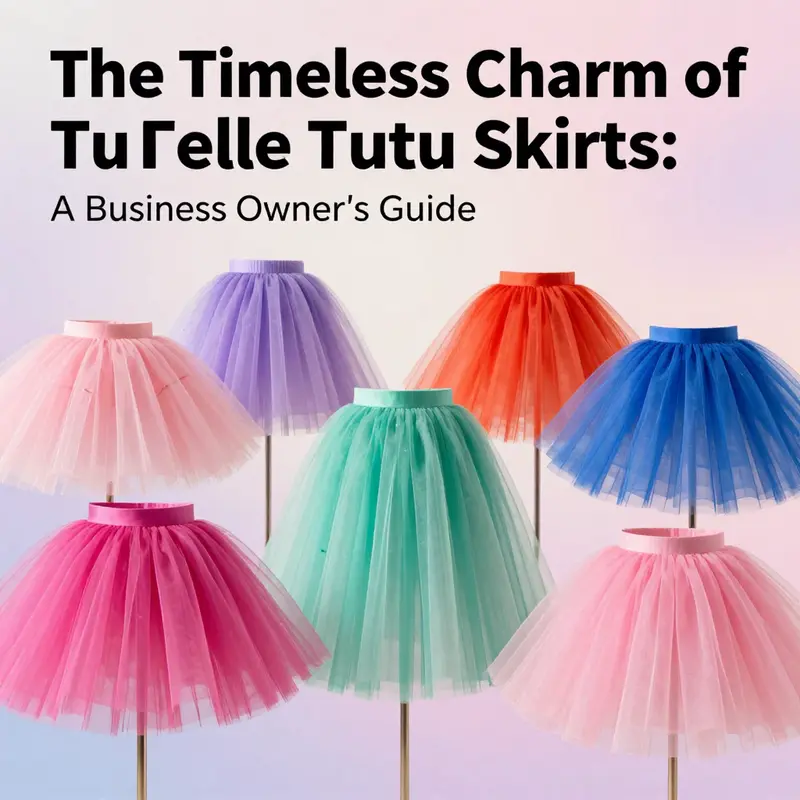
Tulle tutu skirts exemplify a blend of creativity and functionality, serving as a vibrant element in fashion and performance. From their roots in ballet to their presence in contemporary fashion, tulle tutus hold a significant place in both children’s and women’s wardrobes. Understanding this garment’s evolution, crafting techniques, diverse styles, and emerging market trends empowers business owners to identify opportunities, ensuring they provide desirable products that resonate with current fashion trends. Each ensuing chapter dives deeper into these essential aspects, delivering insights that can enhance your business in today’s competitive landscape.
From Ballet Barres to Boulevards: The Tulle Tutu’s Arc from Stage Poise to Fashion Icon
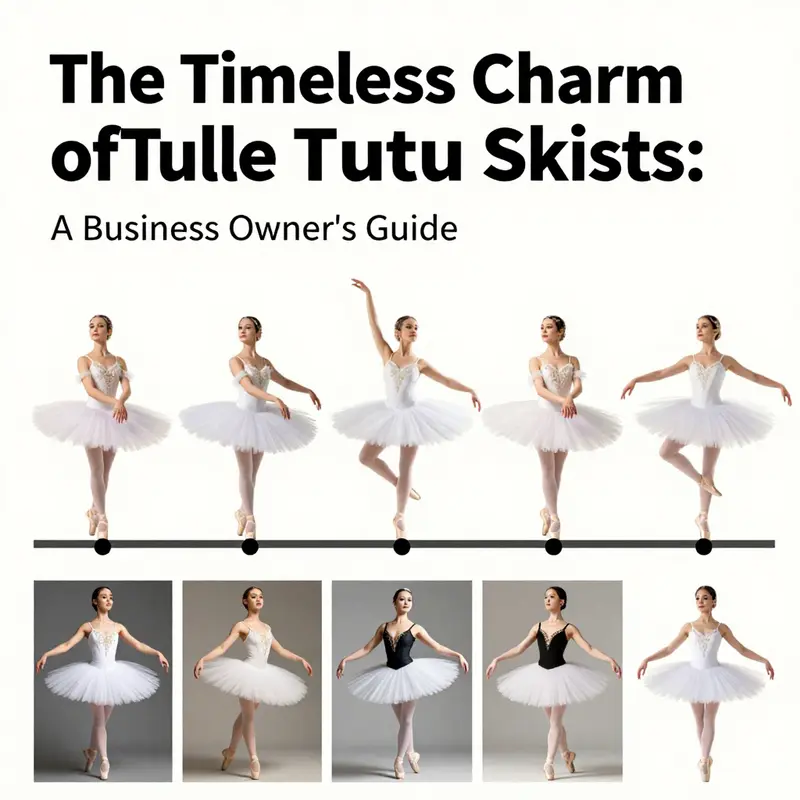
The tulle tutu skirt exists at a curious crossroads where discipline, design, and dream converge. It began as a costume element that carried the weight of centuries of dance history, yet it has continually shed old constraints to reappear in new forms, always ready to reinvent itself for the next audience. To understand its journey is to trace a thread through performance and fashion, altar and street, where delicate fabric becomes a loud statement about movement, memory, and the ever-shifting boundaries of what is considered graceful or expressive. The tale begins in the Romantic era, when ballet sought to render the unseen—flight, air, and otherworldly presence—visible on stage through fabric and silhouette. In 1832, Marie Taglioni’s performance in La Sylphide redefined what a dancer could seem to be: almost a wisp, torso and limbs suspended in a white, flowing dress that hinted at invisibility even as it proclaimed presence. The ensemble, typically a long, soft tulle skirt that brushed the ankles, was more than attire; it was a visual instrument. The fabric’s translucence amplified the dancer’s lightness on pointe, and the resulting effect was an illusion of airborne gentleness that felt both intimate and idealized. This was the era of the Romantic tutu, a garment designed to emphasize ethereal beauty rather than athletic rigor, and it set a precedent that would echo for generations.
From the outset, the material’s virtues were clear: tulle could hold a shape just enough to create a quiet aura of buoyancy, yet it could drift with a dancer’s turns and leaps. The initial silhouette favored a longer, billowy line that did not demand the precision of a sculpted bloom but rewarded the audience with a subtle, dreamlike velocity. The Romantic tutu established a language of movement in fabric—a language that would later be translated into more structured forms as ballet repertory demanded new kinds of storytelling. As the century turned, the ballet world began to experiment, and the tutu’s evolution followed. By the late 19th century, the stage demanded a more dramatic silhouette to convey speed, danger, and narrative momentum. This gave rise to the Classical tutu, a shorter, stiffer profile rooted in a hard understructure of muslin or netting and multiple tiers of stiffened tulle. The bloom of the skirt—an architectural crown of fabric—stood in stark contrast to the dancer’s supple extension. It was a visual metaphor for a choreography that required rapid, crisp lines and the ability to project the story outward in a single, unforgettable arc. The ballet world had learned to balance two paradoxes at once: the tutu must be both object and instrument, both ornament and enabler of technique. The result was a form that could ring with clarity under stage lighting while offering dancers a stable platform for precise footwork and breath control.
Yet fashion and performance often move in parallel rather than in lockstep. When the 20th century brought modern and neoclassical energies, the tutu’s role began to loosen from its rigid traditions. In the hands of a visionary choreographer and a skilled designer, the tutu could become a cloud rather than a blade. The mid-century pivot is often associated with the emergence of what became known as the Powder Puff Tutu. This version dispensed with the hard understructure in favor of loosely gathered, un stiffened layers of tulle that created a soft, buoyant halo around the dancer. The effect was not merely gentler; it echoed the tempo and spirit of Balanchine’s neoclassical vocabulary—swift, flowing, intimate with the music, and generous in movement. The tutu ceased to be a symbol only of conventional narrative and became a vehicle for speed, for the dancer’s breath to be seen in the fabric, for the costume to respond to the tempo rather than simply frame the body. In this sense, the Powder Puff tutu invited a different kind of storytelling—one that could be kinetic, flirtatious, or slyly modern—without surrendering the garment’s essential association with grace and craft.
In contemporary fashion, the tutu’s reach extends far beyond the proscenium. Designers have repeatedly drawn on its core ideas—the lightness of the fabric, the potential for volume, the dramatic silhouette—to reframe everyday wear as an occasion for expression. The tulle skirt now appears in a spectrum that moves from the playful to the opulent, from baby-doll whimsy to red-carpet drama. The modern tutu can be layered with color and texture, built up with multiple tiers, or softened into a romantic drape that can kiss the hip line or flare into a full, kinetic halo. The material palette broadens as well. While traditional tulle remains central, blends and finishes—soft cottons for breathability, nylon for durability, chiffon-like textures for drape—are chosen to suit extended wear, event comfort, and skin friendliness. Techniques that once demanded strict understructure now embrace flexible, lightweight supports that adjust to growing bodies and dynamic movement, a practical evolution that mirrors the everyday needs of dancers and non-dancers alike. Even the most couture interpretations can serve a practical purpose, functioning in photo shoots, parades, or performances where comfort and confidence are as vital as appearance.
The cultural resonance of the tutu has expanded in tandem with its stylistic breadth. In classrooms and studios, it remains a pedagogical emblem—a tangible link between technique and artistry for young dancers who learn that the slightest shift in fabric can alter the perception of their lines. In family celebrations and themed parties, the tutu becomes a prop for imagination, a portable portal to another world. And on social feeds, spinning twirls in a swath of tulle announce not only a moment of joy but a lineage of craft and design that stretches back centuries. This is not simply nostalgia; it is a living tradition that continually absorbs new ideas about form, color, and movement. The tutu’s figure has become a canvas for personal expression, a wearable emblem of creativity that can be as discreet as a whisper or as bold as a chorus of color.
A practical layer supports this evolving mystique. Modern tulle tutus are often engineered with comfort and practicality in mind. Breathable fabric blends accommodate long hours of wear, and flexible waistbands offer growth and movement without sacrificing shape. Lined interiors help reduce friction, and carefully selected trims can provide subtle finish without bulk. In bulk production for education programs or events, quality assurance becomes critical, with standards aimed at safety, durability, and consistency across lots. The result is a garment that honors the tutu’s storied past while meeting present-day needs—an object of beauty that performs, endures, and travels across contexts. The historical arc—from Taglioni’s silvery veil to a skyline of modern silhouettes—reads as a continuous conversation about how clothing can carry meaning, how fabric can frame motion, and how an artifact born on a ballet stage finds a home in a broader culture.
As the tutu travels from studios to studios and from runways to recitals, it also invites us to rethink what a performance garment can do. It becomes a symbol of innocence reimagined, a reminder that fashion and dance share a desire to elevate ordinary experience into something memorable. The tutu challenges the viewer to consider movement as fabric’s most expressive partner, and it challenges the wearer to inhabit that dialogue with confidence. In this light, the modern tutu is not merely a costume or a trend; it is a medium through which people tell stories about joy, resilience, and the human impulse to dream in color. The lineage remains visible in every new take, even as every new take adds its own note to the evolving score. For those who seek authentic design and scalable production, the tutu’s story also highlights the value of reliable sources and thoughtful customization, whether for education programs, events, or performance repertoire. In the spirit of that long lineage, designers today continue to imagine new possibilities—the next act in a lineage that began with a dancer’s immortal flight and now lands in the hands of modern makers, educators, and dreamers alike.
For readers who want to explore a curated range rooted in historical evolution while maintaining contemporary relevance, the romantic spirit endures in the tactile heart of the garment. The silhouette may change, but the essence remains: movement captured in a delicate, purposeful fabric, a reminder that clothing can be a stage for human expression, whether on a grand theater floor or a bright street corner. In this sense, the tulle tutu skirt earns its place not only as a costume but as a cultural artifact—an artifact continually reimagined for new audiences while staying true to its core promise: to honor flight, to celebrate craft, and to invite everyone to dance with the possibility of becoming light.
For a deeper dive into tutu styles and construction in both classical and contemporary contexts, see Ballet Beautiful: a resource that traces how technique and design intersect in the evolution of the tutu. And for readers seeking a direct link to curated pieces that echo this lineage, a romantic tutu category offers a touchstone for modern interpretation while staying connected to the garment’s storied past. romantic tutu category.
Sculpting Light and Layer: The Materials, Techniques, and Movement Behind a Tulle Tutu Skirt
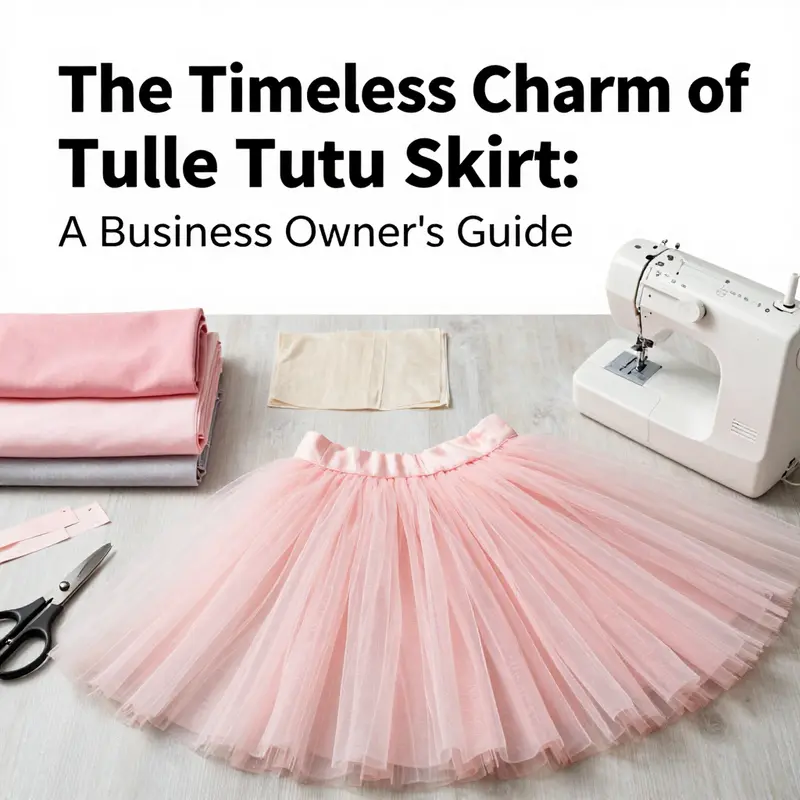
The tulle tutu is more than a garment; it is a study in balance between weight, air, and motion. In its most recognizable form, a tulle tutu folds memory and performance into a floating silhouette, a shape that seems to be held in tension by nothing but carefully stacked layers and a well-cut waistband. Its journey from the stage to everyday wardrobes is a reminder that beauty in fabric often lives where science and craft intersect. A ballet class once introduced this idea with a simple truth: fullness comes from spacing and texture, not from a single heavy layer. Today, that truth translates into the kitchen-table precision of choosing fabrics, cutting circles, and stitching layers so they perform together rather than fight for attention. The result is a skirt that can echo a child’s laughter at a birthday party or become the centerpiece of a minimalist editorial, all while maintaining comfort, durability, and a sense of lightness that defies the bulk of its many layers.
At the core of any tulle tutu is the fabric itself. Tulle is a lightweight mesh, often made from synthetic fibers, though softer versions exist that blend with cotton or silk for specific drapes. The essential quality of tulle is its ability to hold a shape when layered, yet still flutter with movement. Organza tulle offers a crisper, more architectural look, which can accentuate a formal pancake silhouette. Softer tulle lends a romantic, bell-shaped fall that feels almost liquid as the wearer moves. The choice is rarely about a single preference; it is about the story you want the skirt to tell. If your aim is a performance-ready silhouette with defined edges, you lean toward stiffer tulle and more layers. If you want a romantic, wearable piece that shifts with the body, softer tulle and a balanced number of layers will serve better. The material choice also informs how the skirt breathes. Breathability matters, especially when movement is ongoing or the wearer is young and active. Modern options increasingly blend tulle with cotton blends or light chiffons to improve airflow and reduce overheating, while still preserving the volume that defines the style.
The heart of the tutu’s volume lies not in a single sheet of fabric but in the geometry of multiple circular layers stitched onto a waistband. Each layer is cut as a circle, with an inner circle that anchors to the waist and a broad outer arc that falls toward the hips. The technique honors consistency: the inner diameter of the circle should be just a touch smaller than the outer edge, ensuring a neat, even distribution when all layers are gathered at the waistband. As you assemble, the layers are stacked in even increments; twenty to thirty layers is common for a standard full look, though the number can rise for a more dramatic effect or fall for a lighter, more sway-filled appearance. The circular-cut method is deliberate. It produces a uniform flare as the wearer moves, with the fullness radiating from a consistent focal point at the waist. Other shapes, like rectangular or trapezoidal cuts, can yield different drape effects, but the classic circle remains the most reliable path to a recognizable tutu silhouette.
Sewing technique is equally important as fabric choice. The layers are attached directly to the waistband or to a supporting elastic band that sits within a lining. This attachment must be precise and evenly spaced so that the fabric sag is smooth rather than chewy or clumped. A straightforward straight stitch or a subtle zigzag stitch keeps the layers secure while allowing slight stretch in the waistband, which is essential for comfort during movement. The stitching should be small and neat to avoid visible lines that could irritate the skin or distort the circle’s edge. A key detail is the alignment around the waist: start at a point and progress around the circumference, ensuring each layer sits in a balanced arc. When every layer is secured, the tutu begins to take true form, a sculpture built from filaments of tulle that together resemble a soft, sculpted cloud.
Finishing the edges is a step where both technique and texture matter. Raw edges can fray or catch on skin and fabric, so most makers choose a clean solution: a serger to finish the bottom edges quickly, or a French seam for a durable, invisible finish if hand-stitching is preferred. Some opt for a narrow binding along the lower edge to ensure a crisp, clean line that holds up to wear and wash. This finish matters less to the casual observer than to the wearer who experiences every movement—the bounce, the lift, the way the hem catches light as the fabric ripples in motion. It is in these small decisions that the garment shifts from a costume to a cherished wardrobe piece.
The waistband is where comfort, fit, and structure meet. A sturdy elasticized waistband anchors the entire build, but there is room for variation. A woven fabric waistband can be stronger and more tailored, offering a longer life for frequent wear, whereas an elastic waistband provides flexibility in sizing and a forgiving fit for growing children. For formal or performance tutus, some designers insert flexible boning along the waistband. Boning creates a subtle stiffening that preserves the angular edge of the silhouette and prevents the layers from collapsing into the body’s midsection during active dance or dynamic movement. It is a small addition that alters the overall presence of the tutu and can be decisive in achieving the crisp pancake shape or the airy romantic drape desired for different occasions.
The color story and finish of a tutu are not afterthoughts but part of the design language. Classic versions rely on a pristine white or soft ivory for formal settings, but the spectrum now spans across pale pastels to vivid ROYGBIV explosions. Metallic threads, delicate sequins, or printed motifs can be woven in or overlaid, transforming the tutu into a stage-ready or photo-ready garment. The versatility is part of the tutu’s enduring appeal. In practical terms, darker or more saturated layers can be layered to deepen the depth of the overall volume, while lighter colors float above to create luminous, airy effects. The layering technique remains consistent, but the visual weight shifts with color, texture, and light reflection.
Beyond the craft, there is always a conversation about care and longevity. Tulle, particularly in large quantities, benefits from gentle handling and appropriate storage. A well-constructed tutu is designed to resist wrinkles and maintain its shape when hung or laid flat. Some makers add a light lining to protect delicate tulle from friction and dust, which is especially useful for baby or children’s wear where repetitive movement is common. Cleanliness and storage not only extend the life of the skirt but also preserve the integrity of the layers so that the circumference and the arc of the hem remain even after many performances or celebrations.
The modern approach to the tulle tutu blends practical workmanship with artistic intent. It invites a wearer to express individuality—whether that expression is playful, regal, or simply joyful. For those who want a quick entry into the language of tulle without sacrificing longevity, a well-designed basic tutu offers a reliable starting point, and a look into the basics can be found in the basic tutu category. This collection reflects the practical side of the craft: sturdy construction, comfortable fit, and materials chosen for durability and ease of care, all while maintaining the light, buoyant character that makes a tutu instantly recognizable. If curiosity nudges you toward discovering more variations, the path is simple: explore the core shapes and then branch into romantic, professional, or themed interpretations. The vocabulary of tulle becomes a conversation about how fabric can move and breathe with a body, turning dozens of delicate layers into a single, confident moment of presence.
For readers who want to see how the basics translate into real-world work, consider next steps that blend the traditional with the contemporary. You can find a tactile guide through a curated range of options by visiting basic tutu collection. This link opens a door to tangible examples of the concepts described here: consistent layer counts, circle-cutting methods, and waistband construction that support both growth and movement. The collection demonstrates how a seemingly simple piece is, in fact, a carefully calibrated instrument for expression. A tactile exploration—feeling the stiffness of a crisper tulle versus the drape of a softer version—helps translate theory into practice, and it invites experimentation with proportion, rhythm, and scale. In this way, the tutu becomes less a costume and more a compact workshop where geometry, textile science, and artistry converge.
As you approach the end of this exploration, remember that the tulle tutu’s magic emerges from its fundamentals: layers, circles, and a well-planned waistband that holds its ground while the fabric moves with the wearer. It is a garment born from a simple idea of volume and balance, amplified by careful stitching and thoughtful finishing. The result is something that reads as both light and substantial—a paradox realized through disciplined craft. The next chapter will expand on how different silhouettes translate into stylistic choices, from the formality of the pancake tutu to the softness of a romantic version, and how these shapes influence styling, events, and stage presence. Yet the core remains the same: a skirt built from many delicate layers that, together, perform the quiet, exhilarating work of shaping air into art.
External resource: https://www.craftyarncouncil.com/learn/tutorials/how-to-make-a-tulle-tutu
Silhouette in Motion: How Tulle Tutu Skirts Bridge Ballet Grace and Everyday Style
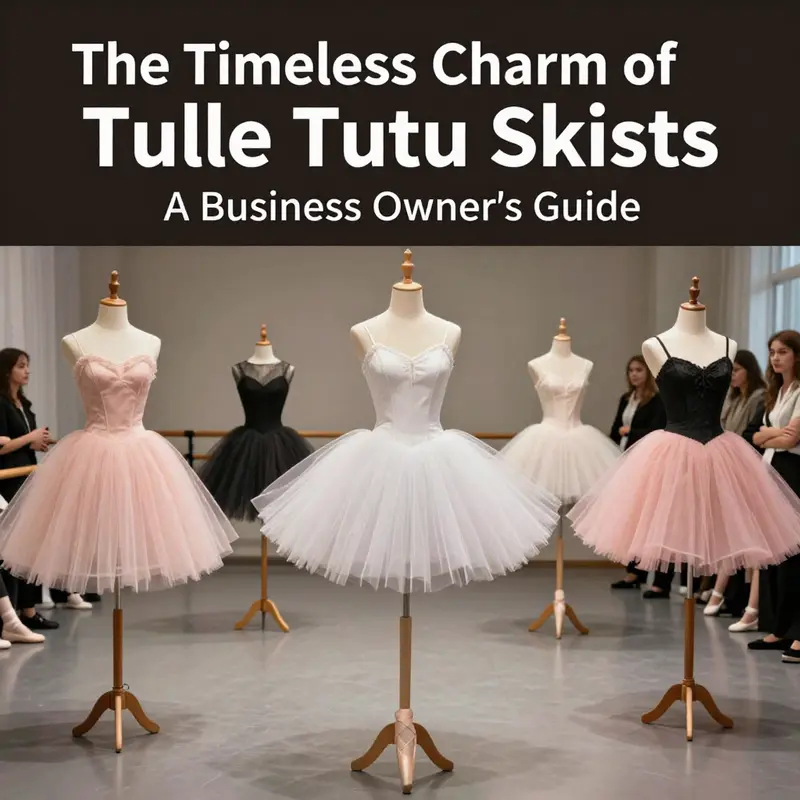
The tulle tutu skirt began as a rigid sculpture on the center stage, a crafted instrument of poise and projection. Over time, it has shed some of its ceremonial stiffness to become a living garment that can live in everyday drawers and on city streets, while still breathing the history of the studio into every twirl. The core idea remains simple and compelling: layers of light, airy fabric create volume that seems to float, yet the skirt is anchored by careful construction. What looks effortless is the result of thoughtful choices in fabric, structure, and proportion. Contemporary designers and makers honor the tutu’s ballet roots even as they push its limits, expanding color, length, and texture so that a single silhouette can express whimsy, romance, or bold confidence in a single moment. It is, quite literally, a vehicle for movement and mood, a garment that invites both performance and play.
Traditional ballet tutus defined the vocabulary of the form. The pancake and platter varieties, with their stiff profiles and horizon-wide rims of netting, were meant to hold a dancer’s lines in space. These silhouettes required the fabric to resist gravity at the outer edge, so the tutu read as a sculpture from every angle. Inside, the understory was a mastery of engineering: multiple layers of netting or organza, often anchored by a boned waistband that kept the shape intact as leaps, spins, and finger cues stitched the music into motion. In that world, the tutu’s primary function was to amplify the dancer’s form and to hold its own against the bright lights and distant audiences. Contemporary interpretations have softened some of that rigidity, yet the historical thread remains visible in the way volume is constructed, how layers meet fabric weight, and how the silhouette still reads as iconic even when worn for non-performance moments.
In modern wardrobes, the tutu has moved from the proscenium to the street and the stage of everyday life. Designers now offer an array of colors that feels almost like a celebration in itself. Soft pastels lend a dreamy, ethereal quality; metallics and jewel tones inject drama for evening events. A rainbow of options—from subtle, sheer linens to saturated, opaque overlays—lets wearers convey mood without words. Embellishments have also evolved. Sequins catch light as you move, lace overlays add delicate texture, and satin ribbons at the waist can reframe the garment with a touch of vintage charm. Some versions include built-in linings or structured underskirts, which influence how the fabric falls and how comfortable the wearer feels in longer sessions of standing, walking, or dancing. The result is a tutu that still references its stage heritage but is now a flexible element of daily style, capable of transforming a simple ensemble into something celebratory.
The materials that form the backbone of today’s tulle skirts are chosen with care for breathability, softness, and movement. Modern tulle skirts are commonly made from light mesh fabrics that balance opacity with airiness. Some blends incorporate cotton for softness, nylon for resilience, and chiffon for a whisper-soft drape. This combination yields fabrics that feel gentle against the skin while maintaining structure as the layers cascade. Practical considerations guide the design beyond feel and look. Breathability is essential for longer wear, whether in a dance class, a party, or a day spent running errands with style. Quick-dry finishes and hypoallergenic textiles address comfort during active use or for sensitive skin. An adjustable elastic waistband or a flexible lining can accommodate growth and movement, ensuring the garment remains comfortable as the wearer changes shape or engages in more dynamic activities. The result is a tutu that can be worn across a spectrum of life events without sacrificing its hallmark buoyancy.
A deeper look into construction reveals how designers balance volume with mobility. The layered approach continues to be central, but the arrangement of tiers, their lengths, and the density of the tulle impact how the skirt reads in motion. Some models fuse multiple tiers of varying lengths to achieve a beachy, soft bounce, while others keep more defined tiers for a crisp, sculptural outline. The interplay of fabric weight and layer count matters when the wearer moves—whether it’s a slow spin in a formal setting or a brisk walk at a festive outdoor gathering. In performance contexts, the aim remains clear: provide maximum freedom of movement while preserving the silhouette’s integrity. For casual wear, the emphasis shifts toward comfort and ease of styling, with options like built-in liners that prevent cling and offer smooth, even drape. In both cases, the tutu communicates a sense of joy and intention through its buoyant form.
Styling a tulle tutu skirt, then, becomes a study in balance. Body shape and instinctive posture guide how a person approaches the silhouette. For someone with an hourglass figure, high-waisted designs that cinch at the waist can highlight curves while allowing the skirt to flare into a flattering A-line or ballgown form. The emphasis is on alignment between hip width and the flare of the fabric, with the goal of a silhouette that feels both proportionate and dynamic. For other body types, the magic lies in pairing the skirt with top and shoe choices that carve the fabric into pleasing lines. An oversized blouse tucked at the waist or a shirt knotted at the midriff can create a balanced, elongating effect, while a fitted top can keep the focus on the tutu’s generous volume. These styling choices emphasize personal expression rather than adherence to a single ideal of shape, inviting wearers to explore how the same garment can translate into multiple moods across different occasions.
A tutu’s versatility stretches far beyond age or occasion. It can be as playful as a toddler’s days of pretend play or as sophisticated as a couture-inspired evening look. In the realm of children’s fashion, the tutu often appears as a friendly, approachable version of its ballet cousin—an accessory for pretend performances, birthday parties, or themed photo shoots. In adults’ wardrobes, it can be reinterpreted as a statement piece paired with a quieter top or as a dramatic focal point for a red-carpet moment. The continuity between child and adult versions rests on a shared principle: volume and movement crafted in a way that invites confidence and movement. The same garment, worn with different accessories and layers, can represent innocence, whimsy, romance, or boldness. That fluidity is the current essence of the tutu, a garment that invites experimentation while staying rooted in its artful origins.
In terms of standards and production reality, contemporary tutu skirts intended for education, performance, or public sale must adhere to safety and durability norms appropriate to their context. The constructs that ensure the garment’s integrity—layered tulle, reinforced edges, and secure waistbands—are designed to endure repeated wear and movement. For smaller or more active audiences, the practical aspects become even more important: breathable fabrics that glide over the skin, adjustable waists that accommodate growing children, and layers that maintain volume without creating bulk that could hinder activity. When shopping for a tutu intended for group use or events, it helps to look for garments that emphasize comfort, fit, and fabric stability. The goal is to preserve the tutu’s buoyant silhouette while providing practical reassurance for wearers and guardians alike.
The tutu’s journey from the studio to broader culture also speaks to the modern fashion ecosystem. It has migrated into casual clubs, fashion-forward brunches, and seasonal celebrations where color and texture become the language of mood. Designers have fused the tutu with everyday silhouettes, turning the skirt into a versatile instrument for storytelling. The tulle’s translucence, when layered, can reveal glimpses of color beneath, or it can soften the space between top and bottom to create a dreamy, almost ethereal effect. In this way, the tutu remains a symbol of expressive individuality, inviting people to write their own narratives across a familiar silhouette. Its appeal lies in knowing that a single garment can be both a tribute to history and a doorway to new rituals of dress.
For readers who wish to explore further, consider exploring the Basic Tutu category to see entry-level silhouettes that introduce this lineage in approachable forms. The Basic Tutu category offers a gateway for beginners and younger wearers, presenting the classic volume with careful attention to comfort and fit. Such options provide a foundation for experimentation and growth, a reminder that style, like dance, is a practice that evolves with time, confidence, and intention. The tutu’s enduring charm lies in its ability to translate a feeling—joy, spontaneity, grace—into fabric and movement. It is a garment that invites play, yet it can command presence when paired with the right accessories, textures, and color stories. This is the core bridge between ballet and daily life: a silhouette that respects the discipline of its origin while welcoming the spontaneity of contemporary experience.
In the broader conversation about fashion history and technique, the tutu’s evolution mirrors a larger trend toward versatility without sacrificing craft. It embodies the idea that performance garments can transcend their original purpose and become staples that enrich everyday wardrobes. The modern tutu is not merely a nod to an archive; it is a living, adaptable tool for personal expression. It can be a party dress, a stage-ready ensemble, or a playful element that adds whimsy to a casual look. The fabric’s lightness makes it forgiving for movement, yet the structure—when designed with care—ensures it holds shape, flatters the wearer, and remains comfortable through hours of wear. This dual capacity—elegance for formal moments and accessibility for daily life—defines the tutu’s ongoing relevance in fashion.
External resource for further reading on the historical arc and contemporary trends in tutu fashion can broaden understanding of how the silhouette has traveled through time and taste. https://www.vogue.com/article/tutu-fashion-history-trends-2026
From Runway to Reception: Trends, Craft, and Global Sourcing of Tulle Tutu Skirts for Event Magic
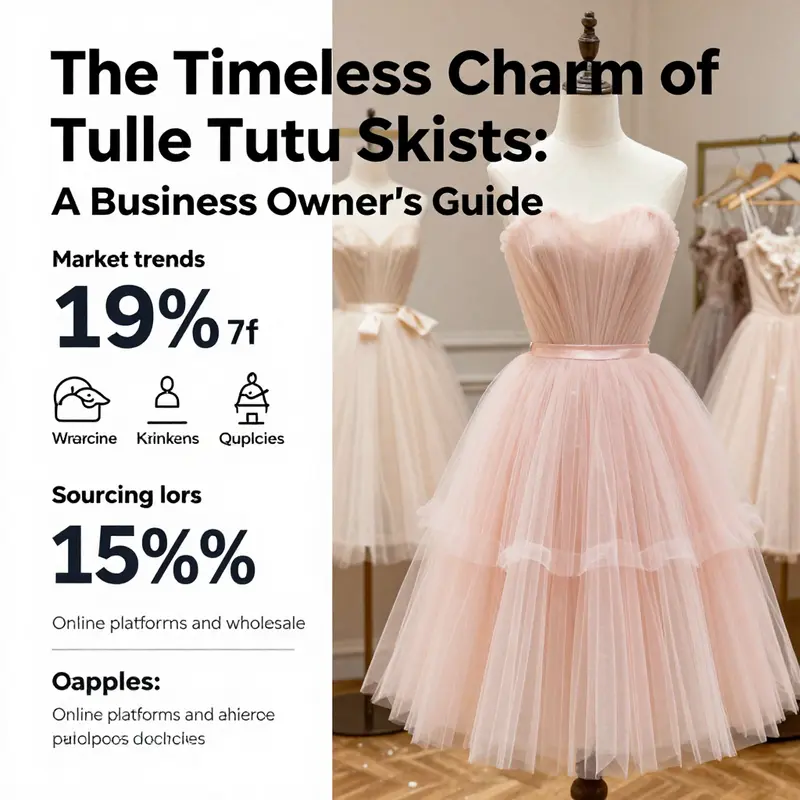
A tulle tutu skirt is no longer a ceremonial prop tucked away in a dance studio corner. In modern event design, its volume, translucence, and buoyant movement have become a deliberate instrument for shaping atmospheres. The silhouette—softly powdery in pastel, bold in jewel tones, or unexpectedly rugged when layered with denser textiles—offers a kinetic canvas for lighting, color, and space. Over the past year, planners and designers have observed that guests respond not just to what they see, but to what they feel when a skirt catches a beam of light and blooms into a living sculpture. The shift from novelty to necessity is not about ostentation alone; it is about crafting moments. A carefully chosen tutu becomes a focal point in ceremonies, a prop in photo moments, and a wearable expression of the event’s mood, whether it is a country wedding, a rooftop celebration, or a themed gala. The trend lines for 2025–2026 point toward flexibility and texture as the new currency in tulle design. Consumers increasingly seek pieces that read as heirloom yet perform well in real-time settings—on a dance floor, in a crowded ballroom, or during a long evening of receptions. The emphasis on texture is particularly telling. A single skirt can incorporate layers of different weaves—sheer tulle beside velvet panels, embroidered motifs stitched into the underlayers, or a glossy satin waistband that catches the light differently as the wearer moves. These contrasts invite touch as well as sight, inviting guests to linger on the garment as part of the overall scene rather than merely as clothing. It is this tactile depth that elevates a tulle tutu from costume to event design element. The evolution mirrors broader cultural shifts toward immersive experiences and meaningful aesthetics. The pandemic years seeded a longing for authentic, memorable engagements, and modern tulle skirts respond with a sense of crafted longevity. They are not disposable accents but investments in event storytelling. In this context, luxury buyers are embracing material and construction as much as color and silhouette. Velvet-trimmed tulle, micro-embroidery, and hand-finished edges are no longer fringe benefits; they are expected in the high-end spectrum where the goal is to create texture-rich environments that photograph beautifully under varied lighting. In many installations, designers stage the tutu as a centerpiece within a larger narrative—perhaps suspended within a transparent frame, layered over a softly lit floor, or grouped in a cluster that reads like a delicate sculpture when viewed from a distance. The result is a sense of wonder that is tactile and photogenic at once. For event professionals assessing current offerings, the vocabulary has expanded beyond the classic, stiff, pancake silhouette. The romantic, bell-shaped tutu remains beloved for its fluid drape, but it shares the stage with fashion-forward interpretations. Designers are blending traditional tutu elements with contemporary fabrics and silhouettes. Denim textures layered with tulle, cotton blends, knits printed with subtle motifs, and even metallic or sequined undertones create a hybrid aesthetic that speaks to both everyday wearability and party-ready drama. This trend is not merely about novelty; it reflects consumer demand for designs that feel current while retaining the joy and lightness that define a tutu’s charm. In parallel with these stylistic explorations, there is a clear movement toward more deliberate sourcing and production practices. The market is increasingly dominated by centers that combine scale with sophistication. Guangdong’s hubs, notably Guangzhou and Dongguan, remain pivotal to the supply chain for tulle tutu skirts. The region’s capacity to deliver high-volume production without sacrificing craftsmanship makes it a cornerstone for buyers in fashion, event planning, and costume sectors. The logistics networks there connect designers and buyers to global markets with remarkable speed, supporting not only standard designs but also customized options that align with a particular event’s color palette or timing. When an event calls for a specific hue, texture, or embellishment, the Guangdong production ecosystem can accommodate with a level of reliability that smaller studios struggle to match. The fabrics themselves—tulle, chiffon, organza, satin—are chosen for their lightweight feel and structural potential. Tulle holds shape with a grace that lets a skirt flare while the wearer is still, and then spring back into motion as she moves. Chiffon adds a whisper-soft drape, while organza can contribute crisp highlights where light catches the weave. Satin provides body for waistbands and linings, ensuring durability under long hours of wear and multiple stage appearances. The practicalities extend beyond fabric choice. Many skirts are engineered with breathable blends and hypoallergenic textiles to accommodate sensitive skin and extended wear. Adjustable elastic waists and stretch components allow for growth and movement, crucial for children’s wear, but increasingly valued in adult sizes too, as guests seek comfort during lengthy ceremonies and celebrations. In addition to comfort, safety and quality control have become non-negotiable expectations at scale. Industry-standard certifications—CE, BV, ISO among them—are referenced in many production lines to assure buyers that bulk orders meet consistent compliance criteria. These assurances matter particularly when event designs are rented or shipped across borders, and when custom pieces are produced in quantities that require predictable quality. The emphasis on certified safety also aligns with the broader trend toward responsible sourcing. For buyers who want to deliver both aesthetic impact and ethical assurance, the capacity to verify supplier credentials, production traceability, and material sourcing becomes a decisive factor in selecting a partner. The move toward meaningful, value-driven purchases is tied to how designers and planners present experiences. The latest market dynamics show a preference for “long-term value” over quick, one-season trends. In the luxury segment, tutu-style garments are being crafted from richer textures—embroidered tulle, velvet-woven layers, even micro-pleating that adds sculptural form while remaining soft to the touch. These choices reflect a desire for heirloom-worthy pieces that endure beyond a single event and can be reimagined for future celebrations. In event setups, tulle skirts now serve as design anchors. A minimalist environment can be elevated by a display that features several skirts arranged around a focal lighting installation, turning texture into a walk-through sculpture. In more ornate settings, the skirts become part of a stage tableau, layered with translucent fabrics and strategic uplighting to create depth and atmosphere. The interplay of color and light becomes a choreographed experience—an invitation for guests to appreciate the garment as a central element of the moment, rather than a simple wardrobe choice. For buyers exploring options beyond standard designs, the opportunity to view diverse catalogues and customization services is essential. A practical path toward procurement combines a robust design brief with clear expectations for color, texture, durability, and performance. With the right specifications, a designer can commission bespoke pieces that stay ahead of the curve while still honoring the tutu’s historical roots in performance wear. To facilitate this, buyers often engage with category-specific suppliers who can deliver consistent runs of core designs, alongside a smaller number of one-off or limited-edition pieces for press-worthy events. The value proposition here lies in the balance between consistency and novelty—between dependable silhouettes that photograph well and the occasional couture-like piece that makes a bold statement. For event professionals who want to keep a pulse on production capabilities without sacrificing the aesthetic, a practical approach is to maintain a curated roster of sourcing partners who can manage both bulk orders and specialized requests. This helps ensure that a production schedule aligns with event calendars and that the final presentation remains cohesive across multiple venues or moments within a celebration. In this regard, a nearby, internally sourced pathway can be complemented by global networks that handle niche embellishments, specialty fabrics, and custom embroidery, allowing for a layered, evolving aesthetic that still respects the tutu’s core identity. Designers increasingly recognize that the most memorable events arise from thoughtful coordination between textiles, lighting, and space. A tutu skirt’s volume works with ambient light to create silhouettes that shift as guests move, while a deftly chosen color story can unify a venue’s decor, invitations, and performances into a single, immersive narrative. The practical considerations—lead times, minimum order quantities, and customization options—must be balanced against the creative ambitions of the event. To that end, the professional tutu category offers a spectrum of choices that can scale from intimate, stylized elopements to large-scale, themed galas. For those exploring the catalog, the internal reference point to this category can be a useful starting place: professional tutu category. This pathway helps event teams align their design brief with production capabilities and ensures that the final garment is process-driven as well as visually spectacular. The sourcing story, then, is as much about collaboration as it is about fabric and color. It is about configuring a supply chain that respects artistic intent while delivering reliable quality and responsible production. Buyers are increasingly discerning, seeking partners who can translate a vision into a tangible piece that travels well, withstands the rigors of an event schedule, and remains a source of delight for guests and participants alike. In parallel with this market maturity, researchers and practitioners acknowledge the value of cross-disciplinary learning. The latest insights from design think tanks and retail trend analyses stress the importance of tactile storytelling, sustainable practice, and the sentimental resonance of well-made textiles. Event planners who integrate these principles with practical sourcing strategies can deliver experiences that feel both current and timeless. The result is not merely a skirt but a carefully choreographed element of the celebration, ready to perform anew at each moment of the event. External references in this evolving landscape emphasize how broader design movements inform the use of textiles in spaces and on bodies. For readers seeking a broader context on interior and decor trends that intersect with textile display, a recent analysis highlights how layers, textures, and lighting shape perceived luxury and warmth in contemporary settings. While the specifics may differ across industries, the underlying principle remains constant: materiality is a powerful storytelling tool when paired with thoughtful presentation. For event professionals, translating this principle into practice involves close collaboration with designers, suppliers, and venue teams to ensure that each tutu aligns with the performance arc, the color scheme, and the lighting plan. In short, the current market for tulle tutu skirts is defined by a fusion of tradition and innovation: rooted in 19th-century ballet origins, yet reimagined for contemporary events through luxurious materials, strategic styling, and scalable sourcing. As consumers prioritize authenticity and aesthetic depth, the demand for well-crafted, versatile, and emotionally resonant tulle skirts continues to grow—making them indispensable accessories for today’s most memorable celebrations. External reference: Houzz tree skirt trends—luxury textures and seasonal styling
Final thoughts
Tulle tutu skirts not only represent a rich history and cultural significance but also offer substantial business potential. By understanding their evolution, mastering the crafting techniques, exploring diverse styles, and staying attuned to market trends, business owners can position themselves for success in this vibrant sector. As the popularity of tulle tutus grows, embracing their flexibility in application opens the door to innovation and creativity, ensuring your offerings remain relevant and in high demand.