
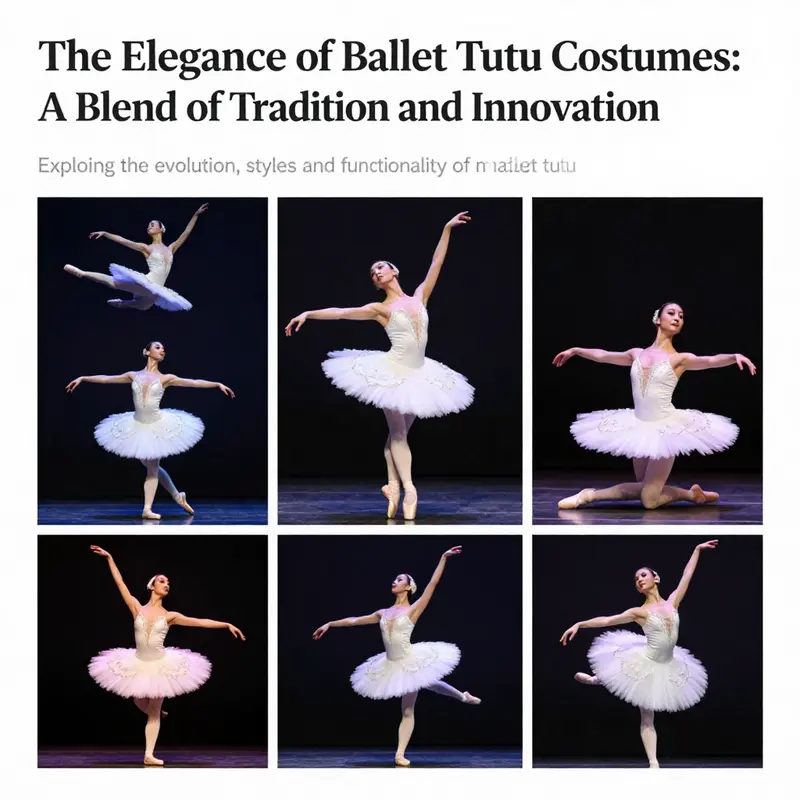
Ballet tutu costumes are not merely garments; they represent the artistry and precision inherent in the world of ballet. From their historical roots in the courts of Europe to their present-day evolution into versatile performance wear, tutus have maintained an essential role in a dancer’s expression. This exploration of ballet tutu costumes is tailored for business owners in the dance industry, shedding light on four vital themes: the rich heritage and design of classic tutus, the stage-enhancing qualities of feathered tutus, the innovative edge offered by custom designs, and the critical functional aspects that blend movement with aesthetics. Each chapter will empower readers with insights into how these elements contribute to the business of dance, aiding in the selection and promotion of quality ballet attire.
null
null
null
null
Bespoke Motion: Innovation in Custom Ballet Tutus for Contemporary Performance
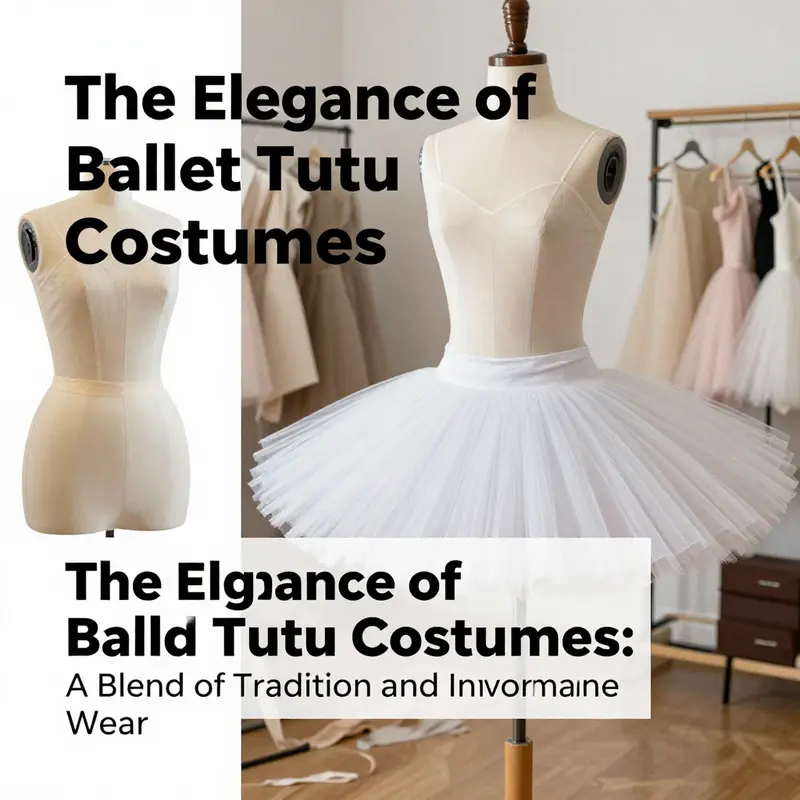
The pursuit of excellence in ballet costumes is a dialogue between artistry and engineering. Custom tutus are no longer mere adornments; they are performance instruments that influence line, balance, and momentum. Modern couture for the stage prioritizes lightweight fabrics, precise fit, and durable construction so dancers can move with unimpeded grace while preserving the visual language of classical and contemporary works. Each seam and layer is chosen to support the body in motion and to translate intention into presence under the lights.\n\nMaterial technology sits at the heart of this evolution. Blends that combine stretch, structure, and breathability let the bodice embrace the torso without pinching, while the skirt balances buoyancy with control. The skirts use layers of tulle and nylon engineered for volume without sluggishness, and moisture-wicking properties help dancers stay comfortable through long rehearsals and quick changes.\n\nCustomization also extends to silhouette and fit. A tutu can be tailored to a dancer’s measurements, with reinforced seams, sculpted bodice lines, and secure shoulder structures. Designers experiment with layer count, interfacing stiffness, and color interaction with lighting to achieve a legible, stage-ready silhouette. The result is a garment that feels like a second skin and reads as a living extension of the dancer’s artistry.
Motion in Tulle: The Functional Elegance of Ballet Tutu Costumes
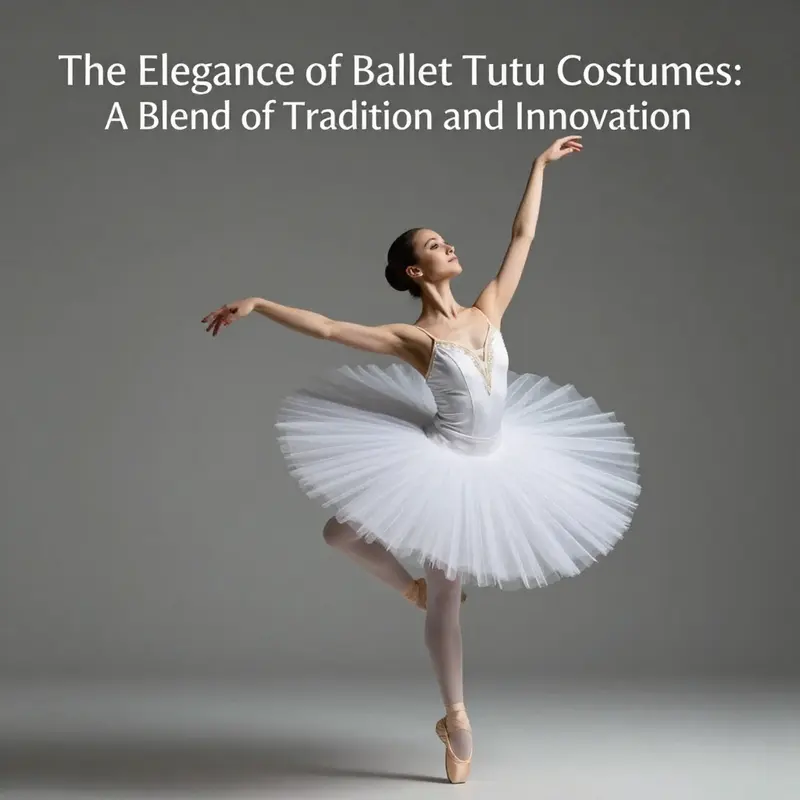
In the most luminous moments of a ballet, the costume ceases to be mere cloth and becomes a quiet partner in the dancer’s anatomy. The ballet tutu, long a symbol of classical grace, functions as a bridge between movement and visibility, between intention and reception. Its design concentrates attention on line, leg, and breath, while supporting the body in trajectories that demand both precision and freedom. The tutu’s beauty arises not merely from its silhouette, but from the way its structure choreographs the dancer’s possibilities. The modern tutu sits at the intersection of sport and sculpture, a piece of equipment that is at once technically enabling and visually expressive. When we speak of movement, we are speaking of a dancer who must rotate, leap, and travel across a stage with unwavering control. The tutu must accommodate that control without imposing limits that would dull the clarity of a pirouette, a grand jeté, or a quick change of direction. In the best examples, fabric choices, seam lines, and skirt architecture are all aligned with the choreography, ensuring that each gesture is legible to the audience and that every extension is framed by the light and the air around it.
Mobility and flexibility form the core of functional design. Modern tutus, whether used in classical repertory or in contemporary works that bend tradition, rely on lightweight materials such as tulle and netting, reinforced seams, and carefully placed elastic zones. The goal is a costume that remains almost invisible in its support while conspicuously present in its silhouette. Dancers need ranges of motion that include rapid turns, high extensions, and subtle shifts in weight. The layered, tiered skirts that characterize the classical tutu are not just for show; they enable a visual cadence that mirrors the tempo of the music while preserving the lines of the legs. Some designers and technicians talk about mobility improvements framed in percentage terms, noting that certain modern constructions offer roughly “30% more mobility” than earlier forms. Those gains come not from lighter fabric alone but from the synergy of fabric weight distribution, reinforced seams placed where a dancer’s plié or développé would stress a seam, and the way the bodice is cut to allow deep diaphragmatic breathing during demanding phrases. The result is a costume that seems to vanish as it moves, becoming an extension of the dancer’s torso rather than a separate garment binding the body. The practical effect is that a dancer can execute a sequence with greater certainty that the skirt will yield to the moment rather than resist it, while still delivering the dramatic effect that audiences expect from a classical image.
The tutu’s geometry also tells a story about stability and posture. The romantic tutu, with its soft, bell-like fall, prioritizes a fluid line and a sense of poetic motion. It invites the eye to drift along curves and sways, merging body and fabric in an atmosphere of surrender to emotion. In contrast, the classical tutu is engineered to stand upright, projecting the dancer’s legs and feet with crisp clarity. This rigidity, while enabling striking lines, also creates a distinct set of constraints: visibility of footwork can be enhanced or hindered by how the skirt holds its shape, and the silhouette can either reveal or obscure subtle shifts in alignment during fast sequences. The balance between rigidity and suppleness is a careful act, a negotiation between the choreographic demands of a role and the dancer’s need for a costume that does not compete with her technique. In contemporary works, designers sometimes blend these approaches, creating hybrid silhouettes that stabilize the torso while allowing the skirt to flare with the tempo of movement. Even in these hybrids, the guiding principle remains consistent: the costume must support, not dictate, the dancer’s phrasing.
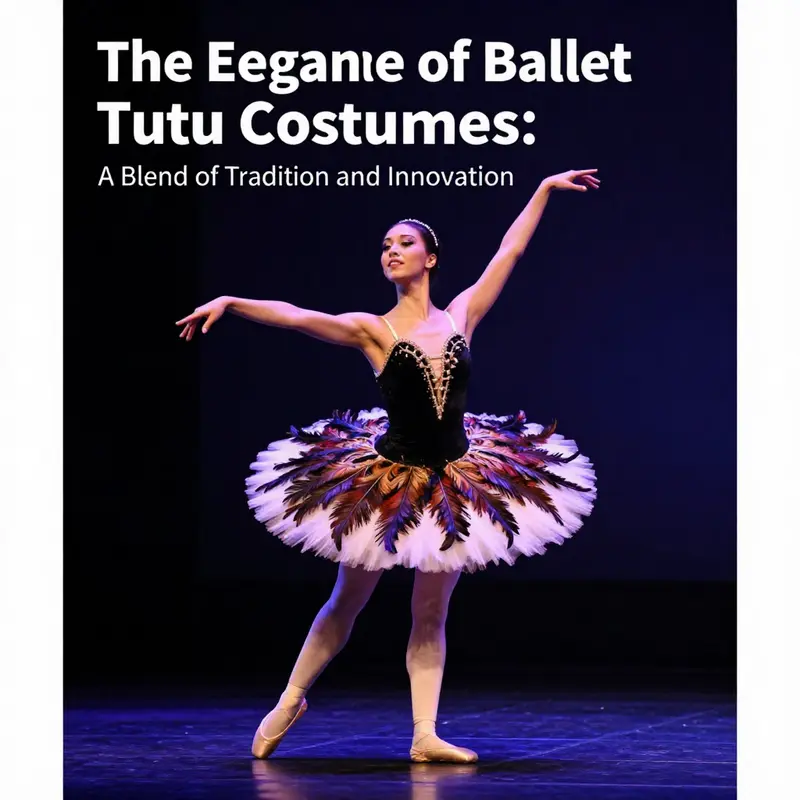
Aesthetic considerations are inseparable from functional demands. The way fabric interacts with stage lighting, for instance, can transform a simple silhouette into a source of visual poetry. Eco-friendly, digitally printed fabrics have become more prevalent, offering deep, durable colors that withstand the heat and glare of theatrical lights without fading or blooming in ways that compromise form. Digital printing also allows for subtle gradations or shading that can enhance the illusion of movement, especially in scenes that require quick shifts of mood or identity. This is not mere coloration; it is a performance device. The choice of materials—whether a transparent or semi-opaque tulle, a bodice that stretches for support, or a lining that safeguards the dancer’s skin—affects how the fabric behaves under sweat, heat, and the tension of prolonged rehearsals. When a costume breathes, it supports endurance; when it shines under footlights, it reinforces the perception of precision. In many productions, the color and texture of the tutu become a character in their own right, signaling a role’s temperament, era, or symbolic function. A feathered couture element, used in character or dramatic contexts, adds a theatrical register that can crystallize a dancer’s presence. Delicate marabou or coque feathers can trace the torso, shoulders, or waistband, lending weight and sway that underlines every gesture. Yet these embellishments must be balanced with movement; their visual drama is meaningful only if it does not impede mobility or complicate maintenance.
The relationship between movement and aesthetics extends into the material choices that underwrite the costume’s performance. Lightweight, breathable fabrics and stretchable bodices can create a smoother interface between dancer and garment, reducing drag and allowing the torso to articulate freely through the spine and ribcage. A bodice cut to follow the natural curve of the body—often supported by a discreetly elastic structure—helps dancers maintain posture and alignment across challenging phrases. The skirt, while visually striking, must operate as a fluid platform for leg lines; the layers of tulle should separate cleanly from the body on every leap and landing, projecting outward with equal ease when a dancer is in mid-air and when her feet kiss the ground. The interaction between fabric and lighting is essential here. When a costume is designed to catch, scatter, or reflect light, it can either reveal the dancer’s movement or mask it behind glittering glare—depending on how the designer has calibrated opacity, sheen, and texture. These choices also have implications for care and durability. Feathered finishes, for instance, bring a lush theatrical element but require careful storage and cleaning to preserve their shape and sheen. Designers and technicians thus prioritize fabrics that withstand repeated washing or careful spot cleaning, along with robust inner structures that hold shape despite countless cycles of bending and flexing during rehearsal and performance.
In this dance between function and form, the tutu remains a vehicle for storytelling as much as for technique. The material palette—ranging from sheer networks to satin draws and gradient-tone tulles—offers visual depth that choreographers can exploit to delineate character or mood without a single spoken line. A softly colored, semi-transparent overlay on a bodice can suggest vulnerability, while a bold, opaque base with a stiffened, sculpted skirt can imply authority and control. The design vocabulary extends to customization and scalability. For contemporary ensembles, designers often work with performers to tailor fit, catering to different body types and roles within a company. Some studios and companies emphasize scalable solutions, where bodices and skirts can be adjusted for different performers while preserving the silhouette and movement vocabulary required by a role. This ensures consistency across productions and allows for rapid costume changes between scenes or acts, a practical advantage that keeps the performance rhythm intact. The trend toward customization also reflects broader innovation in the costume industry, where manufacturers provide options for tailoring, size-fits, colorways, and even partial or full feathering, depending on the production’s needs and budget. Safety and quality certifications underscore this practical shift. While the specifics may vary, the aim remains universal: to guarantee that a dancer can rely on the costume’s integrity under the pressures of a live performance. The presence of standardized safety practices, including appropriate testing for materials against skin sensitivity and durability under stage conditions, offers reassurance to choreographers, dancers, and audiences alike. In this sense, the tutu becomes not only a symbol of beauty but also a facilitator of reliability in the theater’s demanding environment.
The functional and aesthetic dimensions of the tutu feed into a broader ecosystem of design, production, and performance. The relationship among designers, makers, and dancers is a collaborative consensus about how beauty and utility can cohere. For example, a tutu that breathes well and moves lightly can help a dancer achieve a more effortless port de bras, a more controlled wrist extension, and a more precise transfer of momentum between plie and leap. Conversely, a costume that exaggerates weight or restricts motion can distract from the very motion it is meant to frame. This mutual dependence—between the dancer’s technique and the costume’s architecture—creates a loop of feedback. Designers observe how movement reads on stage, adjust cut and seam placement, test under the glare of lighting rigs, and re-tune fabrics to preserve silhouette while improving flexibility. Dancers, in turn, provide tactile and proprioceptive feedback: how it feels at the skin, where the fabric tugs during a pirouette, where the bodice remains secure when the breath tightens in the chest. The result is a refined dance between human body, material science, and stagecraft. It is this synthesis that allows the tutu to endure as a living instrument of performance rather than a static coin of fashion.
As productions evolve toward more diverse repertoires and as audiences grow more discerning about how movement is communicated on stage, the tutu’s role becomes even more nuanced. The shift toward sustainable practices—eco-friendly fabrics, reduced waste, and longer-lasting components—aligns with a growing awareness of the environmental footprint of theater production. Digital printing, for example, enables vibrant color and intricate shading without the heavy weight or chemical treatments of earlier methods. Lightweight tulle and breathable bodices not only improve comfort and performance but also support longevity, reducing the need for frequent replacement. This is not merely a trend but a practical response to the demands of modern rehearsal schedules, tour life, and the pressure to maintain visual consistency across venues with varying lighting and stage dimensions. It also opens avenues for expressive experimentation: choreographers can explore color and texture changes that signal shifts in mood or character, without sacrificing the dancer’s mobility.
In closing, the ballet tutu embodies a sophisticated dialogue between movement and aesthetics. Its functional design—mobility, stability, fit, and durability—enables the dancer to realize the choreographer’s vision with clarity and grace. Its aesthetic strategies—fabric choice, color, texture, and embellishment—enhance perception, cue emotion, and deepen the storytelling at the heart of performance. The tutu is not merely a costume; it is a performance partner that asks to be worn with precision, cared for with attention, and imagined in collaboration with the artist who moves inside it. For readers curious about how these elements translate from concept to stage-ready garment, see the example of a high-quality white ballet costume tutu used in iconic repertory, which exemplifies how a thoughtfully engineered bodice and skirt can harmonize movement with light and narrative. high-quality-white-ballet-costume-tutu-swan-lake-t0596.
Further reading and context on materials and production considerations can be found in external industry resources that discuss how design choices interact with performance needs and safety standards. External resource: https://www.alibaba.com/product-detail/Classical-Spanish-Style-Women-Ballet-Tutu-Costume_1602497558175.html?spm=a2700.191101.0.0
Final thoughts
Ballet tutu costumes encapsulate the essence of ballet—precision, grace, and artistic expression. As we’ve explored, classic tutus carry a significant heritage, while feathered designs add dramatic flair to performances. The embrace of custom designs introduces a modern edge that aligns with today’s performance requirements, catering to both the aesthetic and functional needs of dancers. For business owners in the dance industry, understanding these elements equips you to better serve your customers, enhance performances, and uphold the timeless tradition of ballet. By recognizing the importance of each tutu style, you can position your offerings to meet the diverse needs of today’s dancers, ensuring both artistry and performance excellence.