
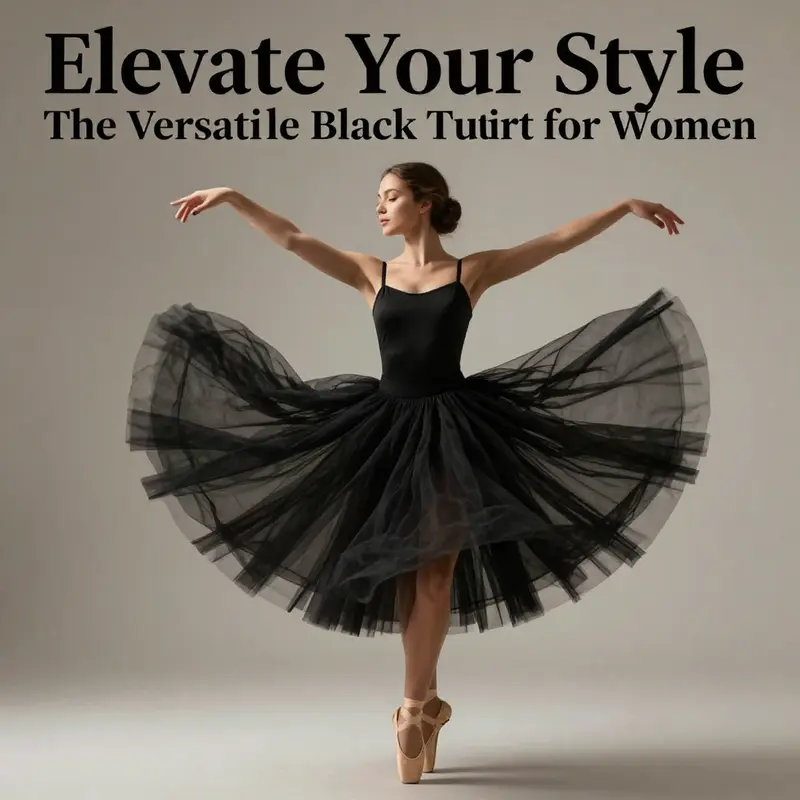
The black tutu skirt has become a staple piece in women’s wardrobes, symbolizing both classic elegance and modern versatility. This article explores its design, materials, suitable styling options, and market insights that can help business owners position their offerings effectively. Understanding these elements will allow for informed purchasing decisions and optimal merchandising strategies, ensuring that your clientele finds the perfect balance between fashion and function. Each chapter delves into crucial aspects of the black tutu skirt, from its inherent design style to appropriate materials, application scenarios, and pricing recommendations, thus amplifying business opportunities in this vibrant market.
Layered Drama and Modern Versatility: The Design Language of Black Tutu Skirts for Women
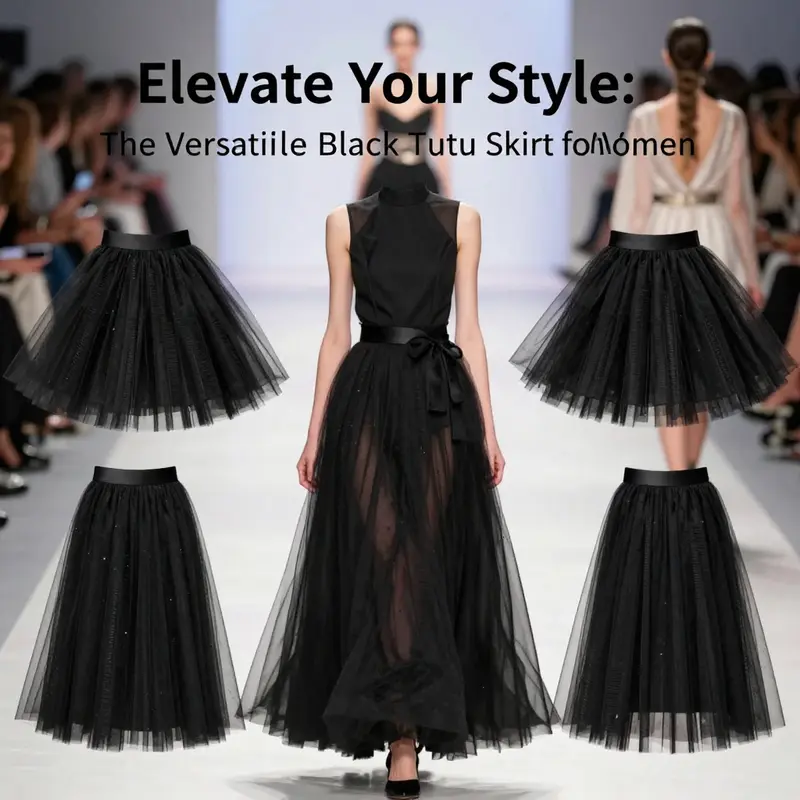
A woman’s wardrobe often craves an item that can shift attitudes with a single turn of the skirt. The black tutu skirt for women embodies that dual power: it carries the gravitas of formal performance and the playful edge of contemporary street style. Its essence rests in a deliberate juxtaposition of weight and lift, structure and movement, drama and everyday wearability. When we examine its product overview and design style, we see a garment born from the theater and tempered for daily life. The silhouette is unmistakable—the skirt’s voluminous, fluffy mass is achieved not by one material alone but by a careful layering of fabrics, most commonly soft, breathable tulle made from polyester. This choice blends lightness with durability, enabling the fabric to hold shape while remaining comfortable against the skin during prolonged wear. The typical construction favors five or more layers, sometimes culminating in seven, to create that signature buoyant halo around the legs. In motion, the layers unfurl like the pages of a well-thumbed book, each thin layer catching the light differently and giving the wearer a presence that is at once ethereal and grounded. The resulting effect is not merely pretty; it is a practical stagecraft. The fullness frames the hips and waist, guiding the eye along a clean vertical line that emphasizes proportion and posture, while the underlay—often a comfortable lining of cotton or a soft polyester blend—ensures breathability and skin comfort during extended wear. The waistband is another focal point of design, frequently employing elastic for ease or adjustable ties for a more secure, customizable fit. This combination is essential, because the garment must accommodate a range of body shapes while preserving the clean, uninterrupted line of the silhouette. In many ways, the waistband embodies the broader philosophy of the design: include just enough flexibility to fit a diverse audience without compromising the visual integrity of the layered skirt. The result is a piece that looks sculpted, even when it is, in fact, a product of accessible mass production. The fascination with black as a color choice lies in its versatility and its ability to read across contexts. In a formal setting, the black tutu can take on the air of a sophisticated, high-drama costume when paired with a sleek bodice or a tailored blazer, especially in the presence of a clean, monochrome color story. The allure of black, after all, is its capacity to absorb light and reveal texture. The tulle itself becomes a study in shade and shadow: the outermost layers catch the eye with a velvet softness, while the inner layers, closer to the body, lend structure and a sense of depth that tangible fabrics alone cannot achieve. Within this framework, designers experiment with finishes and textures. Some take a more traditional route, favoring matte tulle and satin linings for a refined, damask-like effect. Others push toward a modernist hardness by combining tulle with sleek, elastic waistbands and minimalist hems, turning the tutu into a versatile statement piece that can be dressed up or down. The beauty of this design language is that it does not demand a single attitude; it invites a spectrum of expressions, from Gothic romance to playful whimsy, from formal elegance to street-ready chic. On the formal end, a long, multi-layered black tutu can be styled to evoke the glamour of a stage costume. A fitted corset top or a structured bodice, perhaps in a complementary black satin or a deep, contrasting red, can intensify the dramatic effect. Off-shoulder silhouettes, clean lines, and subtle jewelry elevate the appearance without overwhelming the garment’s generous volume. In this context, the tutu becomes not merely an item of clothing but a narrative device, suggesting that the wearer has chosen a role—perhaps a regal sorceress or a modern-night queen—and is prepared to perform it with poise. The same piece can pivot just as fluidly into a more casual arena. A shorter, mini-length version with light ruching and a modest flare can partner with a crisp white shirt, a cropped knit, or a leather jacket for a playful city look. The juxtaposition of the tutu’s softness with a sharp piece of outerwear or a structured top creates an intentional tension that signals style confidence. These dual-purpose capabilities are precisely why the black tutu skirt has grown from a strict performance staple into a mainstay of contemporary wardrobes. The garment’s versatility extends beyond aesthetics; it also touches on practical considerations of wear and care. Modern versions emphasize durable seams and careful edge finishing to prevent snags and maintain shape across multiple wears and wash cycles. While some models rely on a lightweight, breathable lining for comfort, others integrate a more substantial inner layer to preserve the skirt’s lift when movement is involved. This is important for dance performances, where the tutu must respond to every spin and leap without collapsing into itself. But it is equally critical for everyday wear, where comfort determines whether a piece will be pulled from the closet again and again. The design aesthetic of the black tutu skirt reflects a deliberate balance between stagecraft and street-ready fashion. On the stage, the layers work to create a visible rhythm, a pulsating silhouette that seems to float under lighting. On the street, the same layers translate into texture and movement, catching the eye in a way that a plain skirt simply cannot. The garment’s adaptability is not coincidental. It reflects longer market trends that favor expressive pieces with a cinematic quality, as well as practical concerns around price, availability, and ease of styling. Consumers seek items that are not merely beautiful but configurably expressive; pieces that can be worn across a spectrum of events without feeling out of place. And because black is a canvas color, the tutu accommodates a broad palette of accessories and footwear. A rhinestone belt, a velvet choker, a pair of knee-high boots, or even a pair of delicate ballet flats can shift the look from nocturnal romance to relaxed festival mood. As these options proliferate, the tutu’s role as a foundation garment intensifies. It anchors outfits that vary dramatically in tone, ensuring that the wearer can experiment with silhouettes and textures without compromising comfort or cohesion. The practical details—elastic waistbands for fit, layered tulle for volume, and a well-finished edge for longevity—also reflect a quality standard that resonates with both performance artists and fashion-conscious consumers. In many markets, this equates to an accessible range of prices that makes the look durable and attainable. A basic, ready-to-wear black tutu skirt typically starts at a modest price point, with more elaborate, multi-layered designs and premium fabrics commanding higher sums. The pricing reflects a spectrum of options, from everyday wear to occasional performance, and reinforces the idea that the garment can be a long-term staple rather than a disposable novelty. The attention to detail does not end with the fabric and construction. The inner linings are chosen for comfort and breathability, often featuring cotton blends or moisture-wicking polymers that help regulate temperature and reduce irritation during wear. The zippers, when present, are thoughtfully concealed to preserve the skirt’s clean lines and to avoid any visual interruption of the layered effect. These design touches matter more than one might expect; they help determine how a piece feels when moving, how it drapes when a person is seated, and how it photographs under different lighting conditions. For those who want to invest in a tutu that feels thoughtful and finished, it is worth noting that the market recognizes the value of customization. Adjustable sizing, customizable lengths, and the possibility of selecting different layer counts or fabric blends are features that extend the life of the garment in a way that a one-size-fits-all piece cannot. Such options are particularly appealing to performers who seek reliable, repeatable fit across rehearsals and performances, as well as to fashion lovers who want a piece that grows with their evolving style. The purchasing landscape for black tutu skirts mirrors these dynamics as well. Across major online platforms, consumers encounter a range of options—from basic, affordable layers designed for casual wear to more elaborate, stage-ready configurations that may incorporate additional details such as satin linings or decorative trims. The contemporary shopper often weighs price against perceived quality, considering the garment’s weight, feel, and how well it holds its shape after a day of wear. Assembling a look around a black tutu skirt becomes less about finding a singular statement item and more about curating a cohesive outfit that speaks to personal taste while honoring the garment’s dramatic lineage. For those who want a starting point in visualizing the options, a practical approach is to consider the intended use first. If the skirt is for stage performance, prioritize models with robust layering, a secure waistband, and a finish that resists snagging during vigorous movement. If the skirt will function as a stylish everyday piece, consider a version with a mid-length hem, slightly reduced fullness, and a more subdued sheen in the fabric, enabling a balance between drama and wearability. There is a reason the black tutu skirt remains a favorite. It captures a moment of history—the ballet studio, the stage, and the club—while translating it into a garment that can be worn with equal ease across contexts. Its appeal is not tied to a single trend but to a design language that can accommodate various cultural cues and fashion moods. That is the core of its enduring charm. To further explore how the design language translates into actual products, consider how a classic, five-layer or seven-layer tutu can be styled for a formal event using a corset top and minimal jewelry, thereby creating a silhouette that is both timeless and cinematic. Conversely, pairing a shorter, sparser version with a denim jacket or a sleek leather piece can produce a street-ready ensemble that preserves the garment’s playful spirit without losing sophistication. The beauty of the black tutu skirt lies in its adaptability. When you study its design style, you are witnessing a masterclass in balancing volume with restraint, texture with sheen, and heritage with contemporary appeal. It is a garment that encourages wearers to tell a story with their clothes, using movement, color, and proportion to convey mood and character. For readers new to this wardrobe staple, the journey begins with understanding the layering philosophy, the fabric choices, and the fit mechanisms that together define the garment’s essence. The product overview is not merely a technical inventory; it is a narrative about how clothing can both honor a performance tradition and empower modern self-expression. If you want to visualize a Paquita-inspired look on a practical, wearable scale, explore the internal product page that offers a thoughtful rendering of a Paquita-inspired tutu and related design details. Paquita ballet tutu product page. The page demonstrates how an elaborate design can translate into a single garment that remains accessible to a broad audience while delivering the dramatic impact that enthusiasts crave. In the broader market, shoppers frequently encounter a spectrum of options that accommodate different budgets and aesthetics. The layering strategy—five to seven sheer layers—remains the defining signature, enabling dramatic fullness without overwhelming the wearer. The choice of a soft, breathable tulle ensures comfort during extended wear, which is essential whether the skirt accompanies a long performance or accompanies a night out at a party. The design language thus threads together bewitching visuals with wearable practicality. Finally, for researchers and readers who wish to consult external references to gauge current consumer options, a widely used external resource offers a comprehensive view of available black tutu skirts across retailers. External resource: https://www.amazon.com/s?k=black+tutu+skirt+for+women
Silhouettes in Motion: The Materials and Craftsmanship Behind the Black Tutu Skirt for Women
The black tutu skirt for women stands at once as a relic of classical performance and a versatile staple in contemporary wardrobes. Its appeal rests not only in the dramatic swoosh of the skirt as the wearer moves, but in the quiet integrity of the materials and the craftsmanship that keep that motion looking effortless. In a garment that relies on volume without heaviness, the choice of fabric, the layering technique, and the precision of construction become the invisible stagehands behind every pose, every twirl, and every street-style moment. When a woman slips on a black tutu skirt, she is choosing a piece that favors movement and mood over rigid structure. The fabric must breathe, the layers must lift without clumping, and the waistband must stay secure without pinching. The result is a silhouette that feels almost weightless while still delivering dramatic presence. The modern black tutu has evolved beyond the recital hall to inhabit everyday life, yet the underlying principles of material science and seamwork remain constant. To understand why this garment remains relevant, it helps to follow the thread of its making from fabric to finish, and from fit to form, and to consider how each choice supports both aesthetic impact and wearer comfort over time.
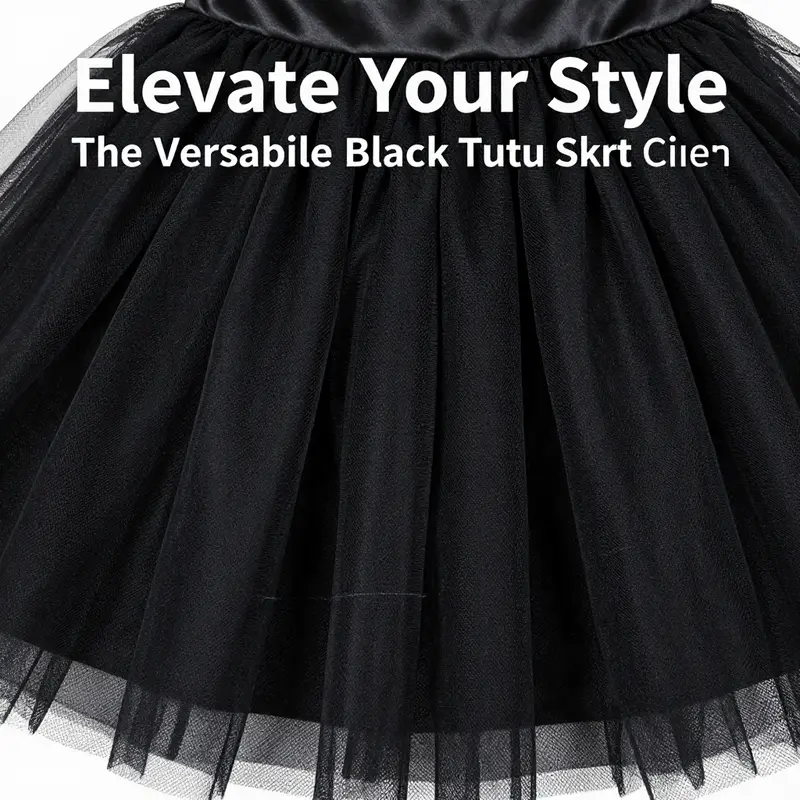
At the heart of most black tutu skirts for women is a synthesis of lightness and structure. The principal material is a soft, durable tulle—typically polyester—that provides a gentle, airy texture while retaining the capacity to hold its shape. Polyester tulle is favored for its resilience; it resists wrinkling and fatigue after repeated wear and washing, while still delivering that telltale, fairy-tale volume that defines the tutu silhouette. The fabric’s translucency is carefully managed by layering and lining. In high-quality designs, the skirt comprises multiple tiers—commonly five to six layers—that create the iconic fullness. Each layer is cut with care and then gathered or pleated to ensure even distribution of fullness around the circumference. The layering is not arbitrary; the tiers are staggered so the edges do not align in a single line, which would read as obvious construction rather than the soft, encircling cloud readers expect from a tutu. The effect is a skirt that seems to float around the wearer, catching light from all angles and moving with a dancer’s ease when the body changes direction.
The structure behind the layers is equally deliberate. A lining—often a smooth satin or soft cotton blend—sits against the skin or, in some versions, against the innermost tulle layers. The lining serves more than modesty; it reduces transparency, minimizes friction, and provides a subtle anchor that helps the layers maintain their position during dynamic movement. A well-considered lining also contributes to comfort, preventing the tackiness that can occur when the outer layers rub directly against sensitive skin during long wear. The waistband, too, is a focal point of comfort and fit. It is typically elasticized or anchored with an internal seam that holds the garment in place without digging in. A good waistband distributes pressure evenly around the waist, resisting slip while maintaining a clean, uninterrupted silhouette at the waistline. In some designs, a light inner lining around the waist further enhances comfort and reduces the chance of discomfort after extended wear.
Craftsmanship reveals itself in the way layers are arranged and secured. Each tier is carefully gathered along its base and then stitched to the row above with precision so that the distribution of fullness is uniform around the skirt. The edges are finished cleanly, preventing fraying and ensuring the tutu maintains its tactile softness even after multiple washings. Hidden seams and neatly concealed stitching contribute to a polished appearance that reads as a refined, professional piece rather than a costume.
The result of such care is a tutu that holds its shape under movement and returns to its intended form after each wear. Quality construction means the skirt resists collapsing into a flat, lifeless sheet when the wearer bends or twists. Instead, it retains a buoyant body that catches light in a way that adds depth to the black fabric. The contrast between the matte finish of the scaffold layers and the subtle sheen of the lining creates a complexity that makes the garment feel premium without shouting. The craft thus marries visual drama with tactile comfort, a pairing essential for anyone who plans to wear the piece for a performance, a themed event, or a bold fashion moment.
Material choice extends beyond the fabric itself to the way the skirt moves in the air. The weight distribution across the layers is calibrated to ensure the silhouette expands outward with gravity, rather than clumping inward when the wearer is at rest. The heaviest layer typically sits closer to the waist so that the upper portion remains stable, while the lighter layers toward the hem provide the signature buoyant curve that defines the tutu. This delicate balance is achieved through careful cutting and fabric selection, with attention paid to the stiffness and drape of each tier. A stiffer interlayer can help the skirt hold its shape when stationary, while a more flexible outer layer allows for fluid motion without feeling restrictive. The art of balance here is akin to choreography: the fabric must respond to the body’s every move in a way that looks effortless and natural.
In addition to tulle, many designers incorporate satin or mesh accents to enrich the tactile and visual texture of the skirt. Satin adds a subtle gloss that interacts with light, providing an air of sophistication that suits formal or ceremonial settings. Mesh layers, meanwhile, can introduce a hint of transparency without compromising coverage, creating a modern twist on the traditional silhouette. When these materials are combined, they must be integrated with the same care given to the core tulle layers so that the overall form remains cohesive and the skirt still reads as a single, harmonious piece rather than a collage of disparate fabrics.
Care and longevity are inseparable from the discussion of materials. The correct laundering method is essential to preserve the loft and integrity of the layers. Hand washing or gentle machine cycles in cool water are common recommendations, paired with a careful drying approach that avoids heat. Heat can distort the shape of the fibers, causing the layers to lose their buoyant distribution. The skirt should be laid flat or hung properly to dry, away from direct sunlight that might fade the black dye or alter the fabric’s texture over time. Even with meticulous care, some fading can occur in darker fabrics, so color retention becomes a characteristic to monitor across wear cycles. This is where the treat of the garment as a performance piece intersects with fashion longevity: a tutu that can endure repeated wear and cleaning without losing its signature silhouette is a testament to the sophistication of its construction.
The decision to pursue a five- to seven-layer configuration reflects both aesthetic goals and practical constraints. A fuller skirt can deliver a more dramatic, stage-ready presence, a feature most appreciated during performances or during standout moments at events. Yet, an overly heavy structure can impede movement and dampen the lightness that makes the tutu so appealing. Therefore, the pattern designers and seamstresses often strike a balance that respects the wearer’s range of motion. The result is a garment that reads as both delicate and disciplined—a visual paradox that many lovers of the tutu find irresistible. This paradox is not accidental but deliberate, born of centuries of court and stage traditions that demanded a silhouette capable of communication through motion alone.
For readers who are curious about practical examples of similar construction, one might explore related catalog entries that illustrate how variations in cut, color accents, and trim treatments can influence the overall character of a tutu without changing its core construction. A related reference showcases how pink variants, gilded trims, and Nutcracker-inspired motifs can exemplify how design language travels across colors and themes while maintaining the essential materials and layering philosophy that define the tutu. Readers may find a pertinent example here: classical ballet tutu pink costumes with golden trims. This page demonstrates how a repertoire of patterns, trims, and color accents can influence perception without altering the fundamental structure.
In pondering the broader implications for fashion and performance, it is worth noting that the black tutu skirt is not simply a costume or a novelty piece. It is a versatile foundation that can anchor a wide range of looks. For formal occasions, pairing a black tutu with a fitted corset top and sleek heels creates a high-contrast, refined silhouette. The drama of the full skirt balances the lean line of the top, yielding a composition that is both elegant and powerful. For more casual, street-inspired styling, the same silhouette can be softened with a tucked-in blouse and a casual jacket, or given an edgier character with a leather or denim overlay. In all cases, the materials and craftsmanship provide a durable base that accommodates movement, while the silhouette communicates a narrative of grace, artistry, and self-expression. The tutu thus becomes a storytelling garment, one that invites the wearer to stage a personal performance in everyday life as readily as on a theater stage.
The conversation about black tutu skirts also invites a reflection on accessibility. The popularity of polyester tulle and multi-layer constructions means that high-quality looks can be achieved at a range of price points, bringing this iconic shape within reach for many enthusiasts. The balance between price and performance centers on the quality of layering, the fineness of the tulle, and the precision of the finishing touches. Even modestly priced pieces can deliver a flattering, well-constructed silhouette if the layers are evenly distributed, the waistband is secure, and the edges are finished with care. This reality broadens the tutu’s appeal beyond professional performers to include hobbyists, event-goers, and fashion-forward individuals who want a statement piece that remains comfortable after hours of wear.
In closing, the black tutu skirt for women embodies a blend of artful material choice and disciplined craftsmanship. It is a garment crafted to celebrate movement, to flatter a range of body types, and to endure the demands of performance and daily life alike. The science of its construction—careful material selection, layered architecture, secure yet comfortable waistbands, and neat finishing—underpins its enduring appeal. It invites wearers to transform any setting into a stage, to embrace a shade that signals sophistication and mystery, and to move with a poised confidence that is unmistakably tutu. For anyone seeking to understand why this piece remains a touchstone in fashion and performance, the answer lies in the quiet expertise that goes into making every flutter of fabric feel inevitable, effortless, and utterly captivating. External resources and additional visual references can further illuminate the nuanced world of tutu craftsmanship, offering examples of how the same principles translate across different colors, trims, and silhouettes.
External reference: https://www.pinterest.com/pin/1234567890/
null
null
The Black Tutu Skirt for Women: A Timeless Wardrobe Staple—Buying, Styling, and Embracing Its Dramatic Versatility
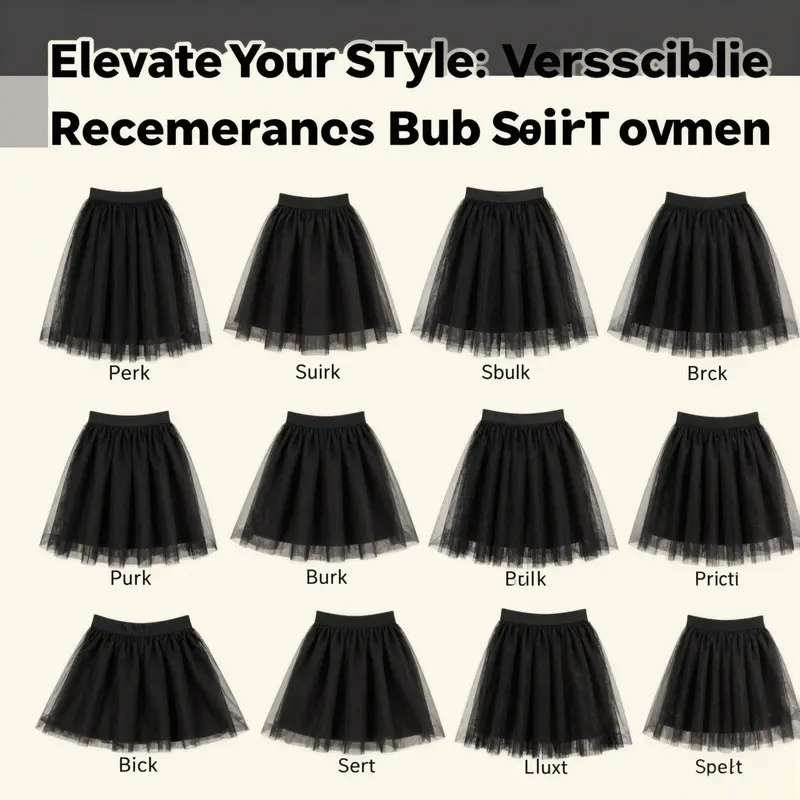
The black tutu skirt is more than a single garment; it is a portable moment of theatre that slips into everyday life with surprising ease. Its appeal rests not just in the color or the silhouette, but in the way it holds space for mood, occasion, and personal storytelling. In recent market movements, this piece has reaffirmed its position as a versatile anchor in many wardrobes. It can anchor a formal look for a stage or a wedding, elevate a Halloween costume into a Gothic reverie, or soften into casual streetwear when paired with the right top and shoes. The reason lies in a careful balance of structure and float, a balance that designers have refined with smarter cuts, layered fabrics, and thoughtful details. A black tutu skirt can radiate elegance when all its elements work in harmony, yet it can also recede into the background, letting a wearer’s personality take center stage. This duality is what keeps it relevant, year after year, season after season.
The construction of a contemporary black tutu skirt blends traditional romance with modern practicality. Most versions lean on layers of soft tulle or mesh, chosen for their lightness and their ability to create volume without heaviness. A multi-layered approach—five layers or more in premium lines—produces a silhouette that holds its shape on the body, casting a soft, sculptural shadow as the wearer moves. Yet many affordable options manage to walk that line as well, delivering a convincing fullness with three layers while staying comfortable for extended wear. Fabric choices extend beyond tulle. Some versions incorporate organza for a touch of sheen, satin for a smooth drape, or blended fabrics that improve durability and ease of care. The inner lining often uses cotton or a breathable polyester, a practical touch that makes the skirt feel less like a costume layer and more like a wearable garment suitable for longer events.
Design details elevate the black tutu from mere fabric to a garment with intention. A high waist can lengthen the torso and accentuate the waistline, creating a flattering balance with the skirt’s buoyant hem. An elastic waistband offers flexible fit and easy on-and-off, a boon for performances or parties where comfort matters as much as appearance. Some skirts introduce a subtle corset-like top or a structured belt variety to emphasize form, while others lean toward clean lines with a minimalist finish that puts the focus on movement and silhouette rather than adornment. The hem can be even or slightly asymmetrical, adding a modern twist to an otherwise classic silhouette. These choices matter because they influence how the piece reads in different contexts: on stage under bright lighting, in a dimly lit room at a party, or as a playful layer over denim for casual chic.
For the buyer, the spectrum of options mirrors the spectrum of occasions people envision for this garment. A budget-friendly multitiered version, with a three-layer construction and an elastic waist, can serve well for Halloween, children’s parties, or casual cosplay. It provides the drama of a tutu’s volume without demanding a heavy investment. At the other end, premium designs with five, six, or even seven layered tiers often feature more precise edge finishing, hidden zippers, and smoother inner linings. These cues signal a garment built to perform under brighter stage lights or in longer-duration wear, such as a formal event or a dance recital. The range in price is a natural consequence of material quality, the number of layers, finishing details, and the care invested in construction. Consumers can navigate this range by aligning their priorities with what the skirt will support in their lives: occasional costume play, a formal ensemble, or a dependable daily piece that injects a sense of drama into everyday outfits.
Material choice also informs care decisions. Tulle, the core fabric for most versions, is delicate and benefits from gentle handling. A skirt with multiple layers can trap dust and fibers, so a soft brush or a quick, careful shake can help keep it looking fresh between wears. Inner linings, if present, contribute to comfort by reducing itchiness or snagging on tights or skin. Some fabrics resist snagging better than others, and premium blends may offer greater durability without sacrificing the tutu’s signature lightness. The care routine is usually simple: spot clean when possible, hand wash or delicate machine wash if the label permits, and air dry flat away from direct heat. Heat can alter the drape of the layers, compressing volume or changing the delicate balance of stiffness and softness that gives the tutu its buoyant silhouette. Proper storage is equally important; hanging the skirt or laying it flat in a breathable garment bag helps preserve the fullness of the layers and prevents unwanted creasing that could disrupt the skirt’s graceful swing.
Size, fit, and length are practical considerations that can shape the experience of wearing a black tutu skirt. An elastic waistband affords forgiving sizing, which is comforting for performers and costume enthusiasts who fluctuate with seasons or who share pieces among friends. Length matters as well; a mid-length silhouette can work well for semi-formal events, while a shorter variant can serve as a playful streetwear piece or a warm-weather option for outdoor fêtes. For dancers or performers who require precise length to coordinate with music or choreography, adjustable features or multiple length options may be preferable. The goal is to achieve a balance where the skirt feels secure enough to move, while the hem floats with gravity in a way that lends the desired drama. Ethical considerations and sustainability concerns also sit within this decision matrix. Consumers increasingly seek fabrics that balance comfort with durability and manufacturing processes that minimize environmental impact. While the tutu’s romance invites a certain nostalgia, contemporary shopping habits push toward informed choices: fabrics that wear well over time, construction that resists snagging, and care routines that extend a garment’s life rather than shorten it with wear.
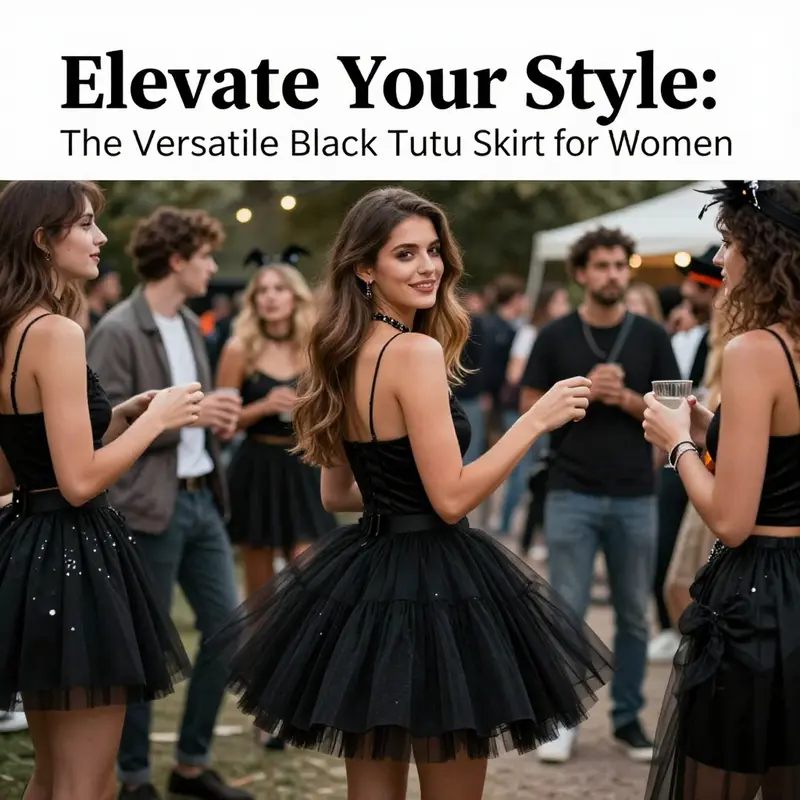
In pairing the black tutu with other wardrobe elements, color and texture play pivotal roles. A crisp white blouse or a fitted black or gray top often creates a classic, almost cinematic, contrast that lets the silhouette speak first. For those leaning into gothic or dramatic aesthetics, a sheer black top, velvet, or lace adds depth without overshadowing the tutu’s motion. Footwear choices dramatically alter the tone. High heels or elegant flats can sharpen the look for formal or performance contexts, while sneakers or ankle boots can tilt the outfit toward an edgy, street-ready vibe. Accessories—earrings, a delicate bracelet, or a simple pendant—should be chosen to complement the drama of the skirt rather than compete with it. The intent is a cohesive story: the tutu does the talking, while other elements provide harmony and context.
From a purchasing standpoint, buyers benefit from understanding the relative merits of different layers and fabrics. A basic three-layer skirt can deliver a convincing fullness that works well for casual occasions or introductory costume wear. A five-layer or higher construction usually yields a more voluminous helix of fabric, which holds its shape more robustly during movement and under lighting. The level of detail in seams and edging matters, too; well-finished edges reduce snagging and contribute to a more polished overall look. While price points can vary widely, a practical rule of thumb is that higher-layer designs with refined finishing tend to offer greater longevity and more reliable draping. Conversely, more affordable options provide an accessible entry point to the aesthetic without the commitment that a premium piece demands. The market’s current equilibrium reflects this tension between accessibility and durability, with many retailers offering multiple tiers to accommodate different needs and budgets.
While the classics endure, design minds continue to experiment with color accents and subtle modifications that keep black tutu silhouettes fresh. Even within a monochrome framework, designers introduce subtle contrasts—glossy linings, matte tulle, or sheer overlays—that catch light differently as the wearer moves. For readers curious about how such tonal play and lightweight effects translate into contemporary tutu design, a vivid exploration of gradient and cost-friendly accents exists in the broader design ecosystem. See pink-gradient-color-cost-effect-t0569 for a glimpse into how color accents can alter perception of volume and motion without departing from the core silhouette. This kind of exploration helps explain why even a single piece of black can feel new again when paired with the right interplay of texture and top.
Shopping contexts and price references across current market data reinforce the practical realities of buying a black tutu skirt. A spectrum exists: from budget-friendly, basic multi-layer styles suited for casual wear, events with shorter durations, or cosplay, to more elaborate, multi-layer pieces designed for stage performances and formal occasions. In general terms, buyers can anticipate basic versions hovering in the modest price range, while more complex, multi-layered, or well-finished options occupy mid-to-upper price tiers. For many shoppers, the decision hinges on how often the garment will be worn, how much volume is needed for the desired effect, and how much the wearer wants to invest in long-term quality versus immediate, one-off use. These are not trivial considerations, because a tutu that fits well and moves gracefully can transform the experience of an event, making it feel more magical and confident. The right choice aligns with the wearer’s needs and can turn an ordinary night into something memorable, whether it is a formal gathering, a themed party, or a dance recital.
As a practical matter, it is wise to confirm size charts and fabric details before purchasing. The dimensional realities of a tutu can differ widely across brands and lines, and a quick check can prevent misfires in fit or length. When possible, reading customer feedback about how the skirt wears during movement or over extended periods provides helpful context that averages out the glossy imagery of product pages. In addition to fit and material considerations, buyers should consider care requirements and return policies, since these factors influence the overall value of an investment. A tutu that wears well over time and remains easy to care for can become a beloved part of a wardrobe, returning dividends of style for years to come rather than becoming a single-season novelty.
In the wider fashion conversation, the black tutu skirt demonstrates how a single silhouette can traverse multiple social scripts. It can reference classic ballet heritage, be adapted for festive or gothic aesthetics, and even enrich everyday ensembles with a dash of drama. This kind of versatility is precisely what makes it a compelling focal point for a collection, a costume box, or a personal wardrobe. The wearer’s approach—whether leaning into the formal, the theatrical, or the casual-cool side of things—will determine how the tutu integrates with other pieces and how often it reappears in rotation. That is the beauty of this garment: it remains a canvas, inviting interpretation and reinvention with every new pairing and every new occasion. The chapter on purchasing and price references may guide decisions, but the real story unfolds in the way the skirt is worn, the confidence it helps unlock, and the moments it helps create.
External resource: https://www.amazon.com/s?k=black+tutu+skirt+for+women
Final thoughts
The black tutu skirt is more than just an elegant garment; it is a versatile fashion piece that meets the diverse needs of today’s women. By understanding its design elements, material qualities, styling opportunities, and price points, business owners can not only attract potential buyers but also create a loyal customer base that appreciates high-quality, stylish dancewear. Embracing the black tutu skirt into your inventory can provide your clientele with options that are appropriate for both formal occasions and casual outings, thus increasing your market relevance and sales potential.