
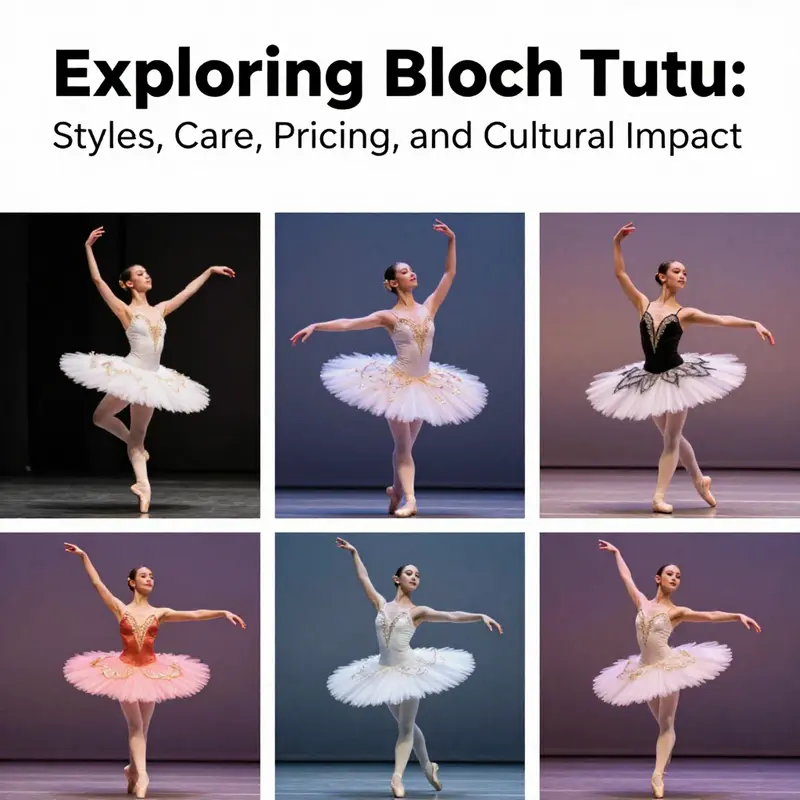
The Bloch tutu is more than just a garment; it represents the fusion of artistry and practicality in the world of dance. Renowned for its elegant styles, Bloch provides a range of tutus designed for all ages and skill levels, embodying the spirit and discipline of ballet. From the classic practice skirts to the stunning Russian-inspired designs, each piece is crafted with meticulous attention to detail, promising both aesthetic appeal and performance. As we delve into this comprehensive overview, we will examine various styles and designs available under the Bloch brand, the quality of materials used and their care instructions, market pricing considerations, customer experiences, and the cultural significance these tutus hold within the context of dance performance.
Bloch Tutus: A Focused Look at Design and Performance
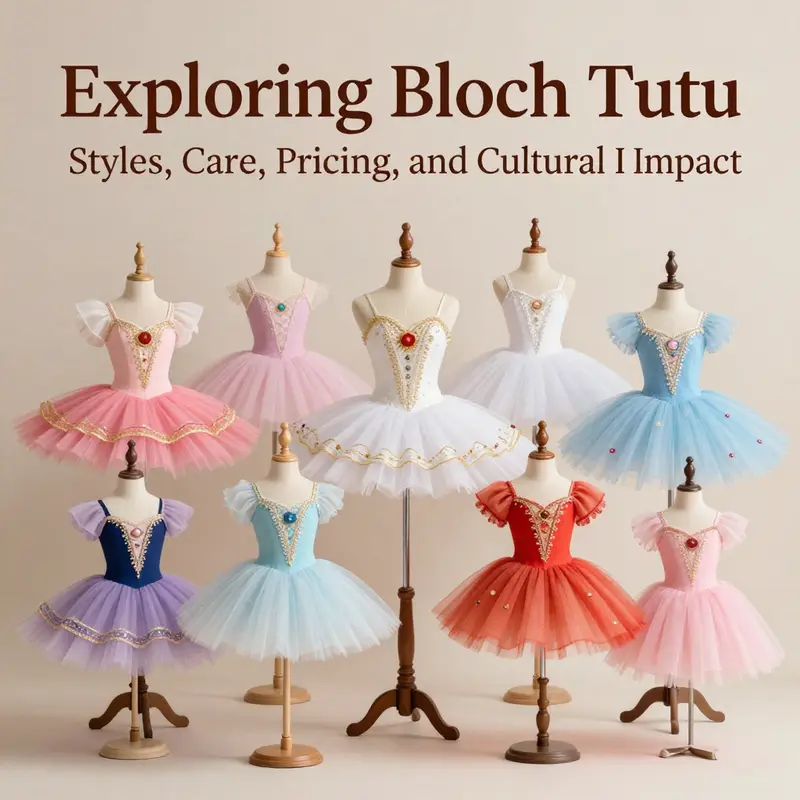
The tutu is a key element in classical ballet and in Bloch’s line it serves both function and form. This chapter surveys how Bloch builds for daily practice and for the stage. It highlights the care for silhouette, durability, and comfort, and it explains how a tutu can support alignment and expressive movement. The design language ranges from sturdy practice pieces to elaborate stage ready skirts, all crafted with attention to fit, fabric choice, and clean lines. Across the collection, the wearer finds a balance between tradition and contemporary needs, a continuum that respects the history of ballet while enabling modern performance. In daily training the emphasis is on stability and easy movement; in performance the focus shifts to projection, silhouette under lights, and enduring shape through leaps and turns. The Bloch approach is a dialogue between craft and artistry, a philosophy that treats the garment as a partner in the dancer’s practice and performance.
Material Truths Behind the Ballet Tutu: Craft, Care, and the Quiet Standards of a Pro-Stage Wardrobe
A ballet tutu is rarely just a costume. It sits at the intersection of engineering, craft, and performance artistry, carrying the weight of a dancer’s movement while remaining nearly invisible in front of the footlights. The tutu transforms from simple fabric into a choreography of air and form. In professional practice, quality hinges on how the materials behave under pressure: how the tulle holds its bloom as the dancer spins, how the waistband cooperates with the torso without pinching, and how the stiffening interlayers maintain a pancake silhouette without becoming rigid or brittle. The essential characteristics of a tutu are often a collaboration of three elements: the fabric, the construction, and the care that keeps both in balance through rehearsal and performance. There is a shared vocabulary of quality that performers recognize in a well made tutu, beginning with material choice, extending through layered architecture, and culminating in practical care that preserves the garment across countless rotations and leaps. This is not merely about appearance; it is about the reliability of a stage garment that must respond as gracefully as a dancer does to a cue.
The body of a tutu for stage work begins with the fabric itself. The traditional silhouette relies on multiple layers of tulle, a light meshlike material that can be nylon or polyester depending on the desired softness, stiffness, and resilience. Tulle evokes buoyancy, yet its behavior under heat, rubbing, and moisture is not delicate. Each layer is carefully cut and stacked to create a crescendo of fullness that appears effortless at rest but responds with lift during pirouettes. The stiffness of the upper layers is often achieved with sheer stiffeners and a subtle interlining that helps the edges hold their crisp shape without looking stiff or heavy. The pancake silhouette relies on precise alignment of layers so that the outer veil remains evenly rounded. This requires meticulous sewing and even tension during assembly, as any variation can flatten the shape or create a wobble when the dancer moves. In a well made tutu, the layers read as one coherent bloom rather than a stack of separate sheets.
The waistline is the invisible engineer of comfort and performance. Enduring designs use a waistband that distributes load around the torso, paired with a liner that sits against the skin to prevent itch and slipping. The waistband material—whether satin, elastics, or a blended fabric—affects how easily a dancer can adjust during a long rehearsal block. A secure, forgiving closure system matters as much as the layers. Leotard and bodice integration remains strategic; the tutu should support, not constrain, the upper body as arms sweep and legs travel through dynamic lines. When the construction settles into the body, the garment should feel like it is part of the dancer rather than an outer shell. The best designs allow full range of motion without excess bulk while delivering the dramatic platform needed for stage presence. This balance between form and function is where material quality becomes a visible difference at the moment of performance.
The sense of durability emerges from fiber choice, edge finishing, and colorfastness. Tulle fibers vary in how they withstand friction, humidity, and repeated washing or wiping. In a theatre environment, where dancers sweat under hot lights and move through vigorous sequences, the fabric must resist snagging, pilling, and fraying at edges. Edges of the skirt often feature delicate but reinforced finishes that fend off pulls during fast turns. Colorfastness matters; a tutu that bleeds color into tights or skin disrupts the visual integrity of a performance. The quality of finish can influence silhouette: even a slight inconsistency in layer alignment or edge sealing can soften the bloom or introduce waviness. Observers may not notice seamwork with the naked eye, but they will feel the difference in how the skirt carries through leaps or a long, sweeping turn.
Beyond the fabric, the internal architecture matters as much as the outer beauty. The stiffness and loft of the upper layers must be calibrated to respond to air resistance and centrifugal forces without collapsing or flaring unevenly. Some designs employ a structured top layer or a light interlining that breathes while preserving stiffness. Others rely on a delicate spectrum of netting and tulle that holds its shape under different lighting. The goal is not a rigid shell but a controlled arc that reads as a floating platform when viewed from the audience. Achieving this requires careful patterning and skillful sewing: consistent stitch density, even tension on the machine, and exact alignment around the waistband circumference.
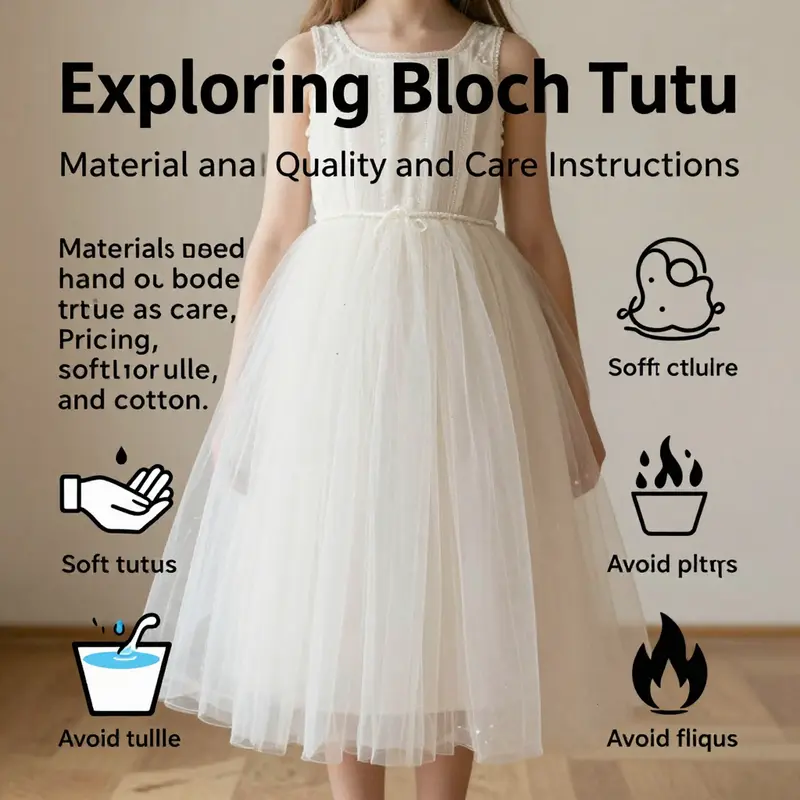
Care instructions reinforce design choices. Because the material is light and easily flammable, care routines emphasize low heat, gentle handling, and minimal exposure to flames. Cleaning methods favor gentle surface care, light wiping for dust and smudges, and spot cleaning with appropriate solvents if necessary. In many cases, full immersion washing is discouraged, especially for layered tutus with stiffeners; immersion can distort the pancake shape or invite delamination. Drying should be slow and careful, air drying away from direct heat to preserve loft and prevent elastic from losing integrity. Storage matters as well: store tutus hung or laid flat, away from crush points where folds could degrade silhouette. A climate-controlled space with stable humidity and temperature can extend life, preserving fiber sheen and edge crispness.
The end goal is a tutu that performs consistently under rehearsal and stage lighting. For dancers, the garment becomes a partner in movement and a stage extension of the body that should respond to every cue without friction. The relationship between fabric and movement is practical as well as aesthetic; when the layers are carefully chosen and layered, seams are robust yet discreet, and care routines support long-term use, the tutu becomes a reliable platform for expression. A well made tutu holds its shape under heat and percussion, breathes after long hours under hot stage lights, and returns to its bloom after each rehearsal. It allows the dancer to forget the garment and focus on craft, a distinction in performances that demand precision and grace.
For readers seeking a concrete example of traditional interpretation, consider a classic ballet tutu that nods to fairy tale motifs. A traditional interpretation can be found at a reference link showing how silhouette, color, and layered texture tell a narrative through design. See the Tyvek materials information for more on high performance fibers and how fabric science informs durability and safety on stage: https://www.tyvek.com/
Pricing the Movement: How Craft, Culture, and Global Demand Shape Bloch Tutu’s Market Position
Prices in the world of dance attire do more than simply reflect cost. They encode a story about craft, materials, history, and the way a brand threads its presence through studios, stages, and streetwear alike. This chapter treats the Bloch tutu line as a case study in market pricing and economic strategy, where tiers, consumer expectations, and global supply dynamics converge to produce a price map that is at once practical for dancers and telling for the brand’s standing in a crowded, style-forward category. The tutu, in its many forms from infant sizes to professional stagewear, is not merely a garment; it is a signal of training, discipline, and expressive possibility. When a dancer chooses a tutu, she is not only selecting fabric and layers but also selecting a relationship with the brand that promises reliability, safety, and a particular aesthetic on the stage. Bloch has, over years of design and distribution, built a spectrum of offerings that align with different budgets, needs, and ambitions, and that spectrum is a window into broader questions about how dance apparel firms price their goods in a world where demand is shaped by studios, performances, social media, and evolving street fashion influences.
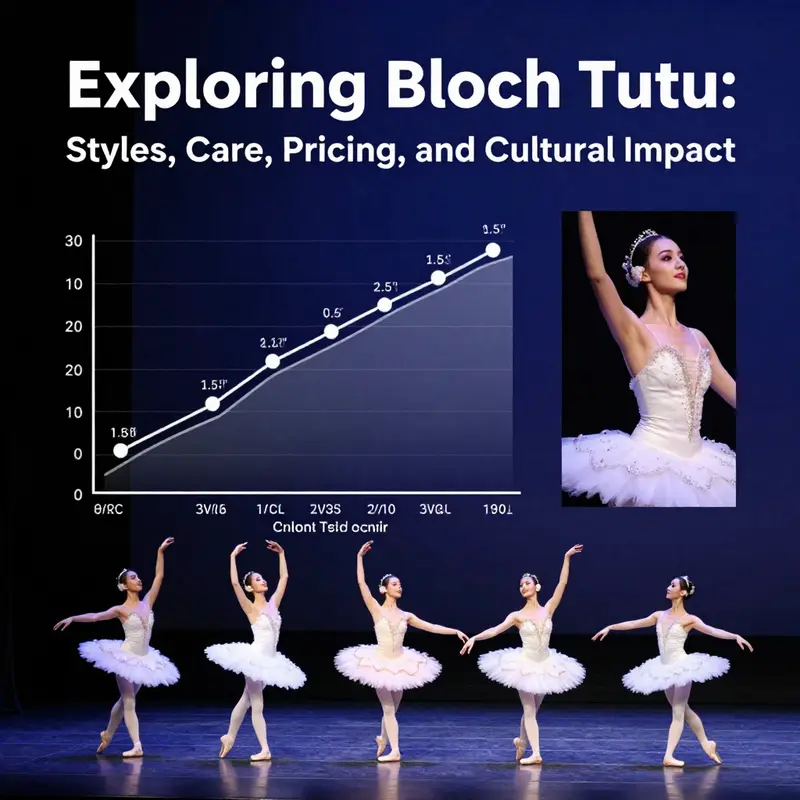
At a high level, Bloch’s tutu range is organized into distinct price bands that mirror differences in material quality, construction, and the same quiet prestige that accompanies a long-standing dance brand. The most accessible tier, priced under a modest threshold, targets beginners or students who need reliable basics without a premium overlay. These pieces emphasize durability and fit appropriate for daily practice, where the objective is to build technique rather than make a statement. A second tier, typically in the mid-range, signals a step up in fabric selection and detailing. Here, the balance shifts toward enhanced layer structure, finer tulle, and more careful finishing, ensuring that the silhouette remains robust under frequent use while still remaining within reach for many families who support a dancer through the learning arc. In parallel, there exists a premium tier that embodies brand prestige, specialized design, and performance-ready features. These pieces reflect a deeper investment in materials, seam integrity, and presentation that performers rely on for recitals and professional engagements. The alignment of price with perceived value in this tier creates a market reality: dancers gravitate toward items that they expect to endure over time, particularly when those items are linked to confidence on stage and the ability to perform consistently. The pricing logic, then, is less about a single price point and more about a ladder that accommodates a wide spectrum of dancers while preserving a shared sense of quality and trust in the Bloch name.
From an economic perspective, the tiered structure also helps the brand manage cost pressures that arise from fluctuating currency rates, supply chain variability, and shifts in labor costs across regions. A brand with global reach must navigate a mosaic of wholesale and retail relationships, each with its own margin expectations and competitive context. The mid-range band, for instance, often represents a balance between material costs and market demand, enabling a broad distribution network to maintain price integrity without pushing consumers toward discount channels that might erode the perceived value. Meanwhile, the premium tier is more sensitive to cultural trends around professional readiness and fashion desire. In markets where studio practice is coupled with aspirational performance aesthetics, premium blooms into a sustainable price tier because dancers seek durable, presentable attire for auditions and showcases, not merely daily wear. This dynamic aligns with broader industry observations that a ballet-inspired wardrobe is no longer confined to studios; it informs streetwear and performance aesthetics, creating a more durable demand curve for well-made tutus and their accessories. The sustainability of this pricing approach is reinforced when cultural interest in ballet broadens, transforming a niche wardrobe into a recognizable lifestyle statement. In such a context, the premium tier does not feel excessive; rather, it is framed as an investment in longevity, safety, and performance confidence.
Consumer behavior in this market also hinges on the clarity and responsiveness of the sales channel. A memorable insight from a 2024 customer experience discussion highlighted how direct communication between buyers and retailers can convert a potential loss into loyalty. When a dancer or parent encounters a problem or a question but cannot reach a helpful channel, frustration compounds, and the likelihood of return, replacement, or reconsideration rises. Conversely, a swift, empathetic response—whether by email, chat, or phone—strengthens trust and often preserves the sale, even if the initial issue centers on sizing, fit, or expectations about a particular tier. That dynamic matters economically. Repeat buyers tend to explore more of the price spectrum, and their willingness to invest at higher tiers grows when service signals reliability. In practice, this means that Bloch and its retail partners must align pricing with accessible, informed customer service that reinforces value judgments about fit, durability, and the aftercare promise that high-priced items warrant. When service meets standards, the perceived total cost of ownership—factoring in washability, repairability, and eventual resale value—can tilt consumer preference toward higher tiers, eventually supporting a more resilient pricing strategy even as competition intensifies.
Market trends around 2025 further inform pricing gravity. The convergence of ballet-inspired fashion with streetwear has broadened the audience for quality tutu silhouettes. This convergence helps rationalize premium pricing in certain segments, particularly when consumers perceive a tutu as a lifetime asset rather than a disposable purchase. Well-made tutus with sturdy seams and durable tulle tolerate the rigors of frequent stage use, rehearsal, and even wardrobe rotation that may accompany a dancer’s growth. As more buyers see such garments as part of a purposeful wardrobe—including performance wear that translates to social settings—the economics of demand become more favorable for premium lines. The outcome is a pricing environment where the premium tier can sustain higher margins, not through excess markup alone but through the added value of materials, craftsmanship, and the security of a long-term relationship with the brand. At the same time, the under-$20 tier remains essential for early-stage dancers and families navigating budget constraints. The mid-range continues to serve as the bridge, offering better materials and design without fully crossing into the realm of prestige pricing. This gradient allows Bloch to serve beginners who are just discovering technique and families who seek dependable performance attire for regular use, while also nurturing professional ambitions that require higher-grade pieces.
To illustrate the concept of a premium line without naming individual models, one might consider a premium collection that features refined detailing and timeless silhouettes, such as pieces with carefully engineered silhouettes and enhanced trims. For those exploring such options, a representative premium selection can be explored through internal pages that catalog specialized costumes with golden trims and sophisticated finishes. One example of the premium tier’s potential cross-channel representation is a product page that emphasizes craftsmanship and exclusivity, described in practical terms rather than marketing hyperbole. The internal link to a premium-looking category reflects how a shopper might navigate toward a higher-tier option while recognizing the practical realities of price versus performance. See for example a premium lineup described as professional-costumes-in-ballet-golden-trims-fit-blue-bird-t0432, which provides context for the kind of detailing and finish that a buyer might associate with the upper end of the range. premium-costumes-in-ballet-golden-trims-fit-blue-bird-t0432
Price signaling also interacts with how consumers search, compare, and commit. In today’s digital retail environment, shoppers can gauge value by examining finish, texture, and the durability promises that accompany higher price points. The ability to compare across retailers amplifies the effect of price differentials, but it also heightens the importance of brand cohesion. A strong, consistent presentation across channels—studio catalogs, online stores, and in-person boutiques—helps maintain the integrity of the pricing ladder. In turn, this supports a stable demand base that understands what premium entails: resilience in the fabric, accuracy of fit across sizes, and the guarantee that stitching and hems will withstand the test of time and practice. In a global market, the interplay among currency fluctuations, import duties, and regional competition further shapes the final consumer price. This is where the broader economic logic of transfer pricing offers a useful, if theoretical, lens. While transfer pricing is a corporate planning construct for allocating profits across borders, it underscores that pricing is not purely a function of cost in the local market. It reflects a complex calculation that accounts for supply chain efficiency, brand equity, and competitive positioning on the ground. For dancers, this means that the price of a tutu is not just a number but a marker of where the garment sits on a layered value chain—from raw thread to stage-ready silhouette—and how that value is shared among designers, manufacturers, distributors, and retailers who collectively sustain the brand’s presence across continents.
In practical terms, buyers seeking real-time options can turn to trusted retailers that support broad selection and dependable service. While the market offers multiple channels, the alignment of price integrity with customer care remains crucial. The online experience should illuminate the same values the brand communicates in person: clarity about sizing, honest expectations about what is included (and what is not, such as leotards or accessories), and straightforward policies for returns. When those conditions are met, the price tiers become less a barrier and more a clear, navigable map for dancers and families as they plan for performances, exams, and the ongoing journey of technique.
As we consider the broader arc of Bloch’s tutu pricing, it is useful to acknowledge that the market’s health depends on both product quality and the ecosystem that surrounds it. The chain—from design to materials, from manufacturing to distribution, and from retail to the consumer’s hand—relies on trust. The pricing strategy, in turn, must be viewed as a reflection of this trust, rather than a simple equation of cost-plus-margin. When price communicates value—durability, safety, and performance readiness—it invites a durable relationship with a dancer at any stage of learning. This is how a line of tutu products can remain relevant across generations, sustaining demand even as fashion tides move toward new silhouettes and as studios evolve their teaching philosophies. The story of Bloch’s tutu pricing, in other words, is a narrative of balancing tradition with adaptation, premium positioning with accessible entry points, and a global supply chain with the intimate, local realities of a dancer’s daily needs. And it is a reminder that every fold of tulle carries more than fabric—it carries a promise about performance, perseverance, and the artistry that defines ballet as a living practice.
External resource: https://www.amazon.co.uk/ballet-clothing
Weaving Confidence on Stage: How Bloch Tutu Elevates Practice, Performance, and Customer Care
A tutu is more than a piece of fabric assembled around a dancer’s waist. It is a vessel for movement, a visual signal on stage, and, increasingly, a touchstone for how a brand treats its performers and their families. In the world of dance apparel, Bloch has earned a reputation not just for its aesthetic appeal but for the care and consideration it brings to every interaction a dancer or parent faces—from selecting the right garment for a first recital to navigating a return after a performance. This chapter follows the thread of that experience, weaving together design philosophy, online shopping clarity, and a support ethos that places people at the center of the product journey. The result is a narrative of how a single category of舞蹈裙 can illuminate a brand’s broader commitment to quality, safety, and community.
The core of the Bloch tutu experience begins with design that respects both the artist’s body and the demands of the studio and stage. Tutu silhouettes are crafted to balance beauty with function, ensuring that the dancer can focus on technique rather than contorting around a garment. Consider a Russian-style adult tutu that emphasizes a full, voluminous skirt achieved through layered, stiff tulle, paired with a base that remains comfortable during long rehearsals. The goal is to create a garment that radiates elegance while supporting the dancer’s lines and alignment. Similarly, for younger dancers, there are tutu options tailored to small frames and growing movement. These pieces blend style with practicality, providing secure fittings and age-appropriate styling that respects the wearer’s developing posture and range of motion. The materials—soft yet resilient textiles, thoughtfully finished seams, and a construction that holds its shape across hours of practice—are chosen with every level of dancer in mind. The result is a garment that feels like it belongs on the body it clothes, rather than something that must be endured.
A dancer’s journey with Bloch tutus often begins with clear information about fit and size, a seemingly small detail that has outsized influence on confidence and performance. An online catalog that offers straightforward descriptions, size guides, and transparent pricing can transform a novice’s hesitation into composure. When a parent or student navigates from a practice-friendly half-skirt to a stage-ready full tutu, the path should feel seamless—free from ambiguity and heavy with assurance. The online experience mirrors this philosophy: product pages present key details, size information where applicable, and unambiguous care instructions. Even the accessories that accompany tutus—such as hair clips or small add-ons—are described with practical measurements to help families plan, compare, and purchase with confidence. This clarity matters because choreography often hinges on precise timing and fit; a misread size can lead to hours of rework on a recital day, and that risk compounds stress for both dancers and guardians.
Yet a well-made garment can still fall short if the support system behind it is weak or unresponsive. Here is where Bloch’s approach to customer care becomes a defining aspect of the overall experience. The most telling sign of a brand’s commitment is how it responds when things do not go as planned. A recent reflection on Bloch’s customer service illustrates a direct, problem-solving stance: the company emphasizes engaging with customers through official channels and seeking to resolve issues promptly rather than letting concerns fester or migrate into public criticism. The message is not simply about fixing a single order; it is about preserving trust by demonstrating a willingness to diagnose, communicate, and correct. This approach aligns with a broader philosophy that values the relationship over the transaction. When the conversation stays within the channels of a confirmed order and a documented contact point, the chances of a constructive resolution increase dramatically. A dancer’s family can feel reassured knowing the brand is ready to listen, acknowledge, and remediate.
The importance of proactive communication extends beyond crisis management. Bloch’s practice of inviting feedback and displaying a readiness to respond to concerns fosters a sense of community around dance. Reviews and conversations are not dismissed as mere marketing chatter; they become a source of ongoing improvement and mutual trust. This ongoing dialogue is particularly meaningful for families navigating multiple purchases—one tutu for a newborn’s first class, another for a tween’s first recital, and yet another for a student stepping into a larger stage. The same thread of care that informs material choice and construction—durability, safety, and comfort—seeks to translate into a reliable, transparent customer journey. In practice, this means packaging that protects the garment in transit, timely processing, and a returns or exchange policy that is straightforward and fair. It also means acknowledging when a request falls outside the policy and offering a thoughtful alternative that preserves the dancer’s dignity and the family’s trust.
Safety considerations are an intrinsic part of the Bloch experience, underscoring the responsibility that comes with designing costumes for young performers. Care instructions emphasize practical cautions—such as keeping materials away from high heat or open flames due to the flammable nature of certain fabrics used in tutus and related garments. This level of guidance is not merely precautionary; it reflects a holistic approach to the performer’s safety both in rehearsal spaces and on stage. Dancers at every level deserve equipment that not only looks the part but also respects the conditions of performance environments, from well-ventilated studios to crowded backstage areas. The discourse around safety complements the design emphasis on movement, ensuring that the garment supports, rather than encumbers, expression.
The emotional resonance of a well-cared-for tutu should not be underestimated. For many dancers, a costume is tied to a sense of identity on stage—the moment where hours of practice translate into presence and poise under bright lights. The product lines that serve infants, children, and adults are not isolated offerings but a continuum that supports the evolving artist from first plié to final bow. In this sense, Bloch’s strategy is not merely to supply a garment but to sustain a practice. The company’s online ecosystem—clear descriptions, sizing guidance, accessible care information, and a communicative support structure—acts as a bridge between the intimate, mundane rituals of learning and the transformative moments on stage. The same care that makes a tutu look stunning under stage lighting is the care that makes it accessible when a family needs guidance before a purchase or reassurance after an uncertain delivery.
To illustrate how these elements coalesce in real life, consider the practical effect on a household preparing for a recital season. A parent seeks a garment that will endure several rehearsals, fit a growing child, and maintain its shape without constant adjustment. The dancer, meanwhile, wants freedom of movement and comfort that allow technique to shine rather than become a focal point of distraction. When the brand conversation aligns with these needs, the result is a sense of partnership rather than a one-off transaction. And this partnership extends into accessible, ongoing dialogue where feedback is welcomed, considered, and incorporated into future iterations of product design and service delivery. The collaborative spirit—between designer, retailer, dancer, and family—transforms a purchase into long-term support for a journey that unfolds over years, not just seasons.
For readers seeking a tangible sense of how this translates into a practical path, a quick exploration of a comprehensive tutu collection via an internal reference can offer a glimpse into the breadth and consistency of the offering. See the pink-girls-women-performance-ballet-tutu collection. This internal touchpoint demonstrates how a well-curated range—not just a single piece but a family of silhouettes and fittings—can help families plan for growth, recitals, and evolving needs over time. It is a reminder that the experience is not only about one garment but about sustaining confidence through transitions—first days of class, first solo performances, and the ongoing evolution of a dancer’s relationship with their attire.
As the curtain falls on this exploration, the throughline is clear: Bloch tutu experiences are crafted to honor the dancer’s artistry while sustaining a robust, responsive, and trustworthy relationship with families. The product remains a vehicle for expression, but the surrounding ecosystem—transparent information, thoughtful design, careful packaging, proactive support, and a culture of openness—anchors that vehicle in reliability. In the end, the tutu becomes not just a costume but a shared promise that care, clarity, and community are as essential as the fabric and lace that shape a dancer’s silhouette on stage.
External reference: https://www.bloch.com.au/
Tulle as Language: Bloch Tutu, Craft, and the Cultural Grammar of Ballet Performance
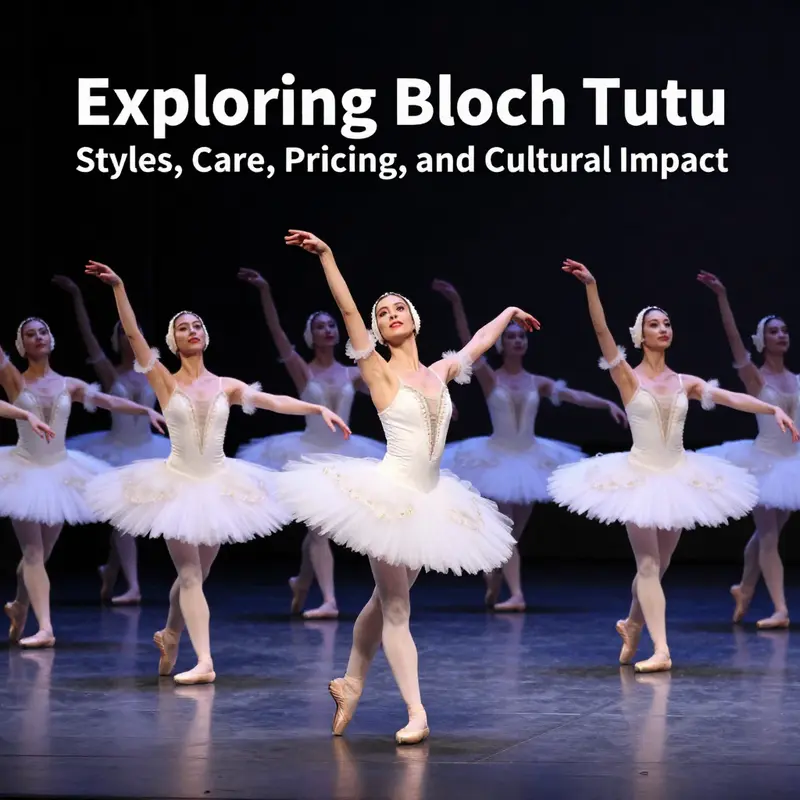
The Bloch tutu is more than a garment. It is a linguistic hinge between motion and meaning, a textile sentence spoken on stage that translates music, tempo, and narrative into visible poetry. In the studio and on the theater floor, the tutu acts as both shield and signal: a protective layer that supports a dancer’s range of movement, and a dramatic cue that informs the audience how to read character, mood, and time. To understand the tutu in its cultural context is to trace a lineage that travels from the Romantic era’s first feathery flourishes to the precise, performance-focused design ethos of contemporary dance brands today. Bloch, a name widely recognized in dance communities, represents this fusion of heritage and modernity. The brand’s range across ages—from infants beginning to explore rhythm and balance to seasoned adults performing the most demanding repertoire—embodies a commitment to accessibility, craft, and aesthetic clarity. The tutu thus becomes both a technical instrument and a shared cultural artifact, a sign that a dancer is prepared to enter a story that has traveled through centuries of ballet’s making and remaking.
The historical arc of the tutu started with a different silhouette than the stiff, layered forms dancers wear today. Early Romantic tutus floated to the ankle, allowing the legs to express what the music demanded with long, flowing lines. Over time, the silhouette compressed into the iconic pancake or bell shapes, built from tulle that holds its own shape even as the dancer spins, leaps, and reverses direction. This push toward a light, buoyant silhouette carried with it a promise: the stage would become a canvas where air and fabric choreograph motion, where the dancer’s body could disappear into a cloud of fabric and yet remain legible to an audience through the careful language of proportion, color, and texture. In contemporary practice, designers continually negotiate the balance between historical reverence and the demands of new movement systems. Tulle remains the constant, a fabric whose translucence can suggest invisibility or revelation, depending on how it is cut, stacked, and secured. The visual grammar of the tutu—its length, its stiffness, its layering—speaks to an audience’s expectations about character and moment. A swan queen’s poised stillness, a fairy’s fluttering lightness, a heroine’s coronation march—all are amplified by the tutu’s capacity to frame and exaggerate motion. This is not mere ornament; it is stage language, and Bloch’s role in shaping that language is inseparable from its broader cultural function.
Within Bloch’s product philosophy, the tutu is designed to serve more than aesthetics. It is crafted with an awareness that dance demands both freedom and form. For dancers at the barre or in the studio, the right tutu is a partner: it provides the confidence to execute intricate steps without constraining the spine, hips, or shoulders; it also communicates to the audience how a dancer is moving and what they are feeling. Materials are chosen to optimize breathability and resilience. While the fabric needs to hold its shape, it must still respond to the body’s temperature, its rhythm, and its insistence on clean lines. In practice, this means a blend of lightness and structure, with stiffened layers to sculpt the familiar pancake silhouette and soft edge where necessary to avoid fatigue during long rehearsals. The selection of tulle, the number of layers, and the degree of stiffness can transform translation into performance: a child’s joyful overture may bloom from a lush, full skirt that captures the eye with its buoyancy, while a mature dancer’s dramatic solo can rely on a subtler, controlled stiffness to maintain line through a demanding sequence.
There is also a narrative economy at work. The tutu’s color palette, the presence or absence of sequins, the type of neckline or bodice pairing—all contribute to storytelling on stage. In practice, color and texture choices become a language of their own. A pale, pearly white might signal purity or dreamlike otherworldliness, while a deeper shade can anchor a character’s authority or peril. Decorative details—when used—are deliberate rather than decorative for decoration’s sake. They mark moments in a story, signaling shifts in mood or status, guiding the eye to a dancer’s arm or leg as it carries a phrase of choreography across the space. Brands that offer a broad range of tutu styles increasingly recognize this as a shared vocabulary among dancers, choreographers, and audiences. The tutu thus transcends its functional role; it becomes a cultural cue that helps translate movement into meaning across stages and generations.
The practice of ballet today does not merely preserve tradition; it reshapes it through design innovations, education, and global exchange. Studios around the world teach children and adults to layer, stack, and adjust tulle to achieve a silhouette that reads clearly from the back row to the front of a proscenium stage. For younger dancers, this training often couples technical discipline with imagination—the tutu as a costume for a character who exists in a fairy-tueled world or in a classical narrative transformed by contemporary choreographic language. The child’s experience of donning a tutu can be an early initiation into the discipline of performance: the careful alignment of the waist, the sense that the fabric sits like armor yet moves like wind, and the awareness that each rehearsal is a step toward the complete storytelling moment. The brand’s broader range—spanning sizes from infants to adults—facilitates this continuum, supporting dancers as their bodies grow and as their artistic ambitions evolve. This accessibility is not merely commercial; it is a contribution to the living culture of dance, ensuring that the tutu remains a shared instrument rather than an elite catechism.
In the studio, designers and manufacturers also consider care and safety. The practical realities of stage life require that tutus withstand repeated wear, frequent washing, and the rigors of heat and humidity in rehearsal rooms and theaters. The care instructions that accompany many tulle garments emphasize gentle cleaning, avoidance of high heat, and respect for the fabric’s flammability. This attention to safety is as much about preserving the dancer as it is about preserving the costume. Diligence in care translates into longevity for the garment, allowing dancers to rely on their tutu as a stable companion through countless repetitions of a single act or a full-length program. Such considerations remind us that behind every striking image on stage lies a careful orchestration of materials, craft, and human judgment that extends far beyond the moment of performance.
Support from retailers and customer service departments also plays a role in shaping the dancer’s experience with the tutu. From order placement through delivery, packaging integrity, and straightforward return policies, the consumer journey can influence a dancer’s sense of professional reliability. For many young dancers and their families, shopping for a tutu is a rite of passage—an act that signals commitment to practice, performance, and the shared language of ballet. A positive online shopping experience, with timely fulfillment and clear guidance on care and sizing, reduces friction and allows students to focus on technique and artistry. When issues arise, accessible customer service—ideally responsive and informed—helps maintain trust in the brand and the dance community at large. In this ecosystem, the tutu becomes more than a costume; it becomes a conduit for confidence, rehearsal discipline, and the dream of the stage.
To glimpse how contemporary costume culture intersects tradition with decorative detail, consider the broader ecosystem of professional performance costumes that blend classic silhouettes with modern embellishment. These designs echo the tutu’s dual purpose: to honor lineage while signaling contemporary storytelling sensibilities. The dialogue between old and new is not merely aesthetic; it is a reflection of how dance cultures negotiate continuity and change in a globalized world. This conversation is also reflected in the materials research that informs costume construction. As scholars and engineers explore the properties of dance fabrics, the field advances toward garments that support more dynamic movement, improve safety, and reduce maintenance burdens for wearers and their studios. The ballet stage remains a laboratory of visual experiment, where fabric, form, and function cohere to produce the precise, emotive language that audiences expect.
For readers who want a concrete example of how modern costumes integrate tradition with decorative detail, one could explore professional costume lines that fuse classic silhouettes with golden trims and bold color work. This option underscores how a tutu can be both familiar and new, an anchor to a classical repertoire and a doorway to contemporary interpretation. It is through such designs that the audience can sense a continuity with the art’s past while recognizing the imprint of current artistic voices. The tutu’s cultural significance thus rests not only in its association with beloved ballets but also in its capacity to evolve with time, enabling dancers to tell stories with ever sharper clarity and emotional resonance. As viewers, we experience this evolution in the way a dancer carries a phrase of music in a puff of tulle, how the light catches each layered edge, and how the silhouette remains legible as the body travels through space. The tutu, in its many manifestations, continues to teach audiences how to listen with their eyes to the choreography of feeling unfolding on stage.
For further reading on the broader material properties, technical standards, and uses of dance costumes in engineering and design, see this external resource: https://www.researchgate.net/publication/384720556UnderstandingManufacturerDanceCostumeMaterialPropertiesTechnicalStandardsandUsesinEngineering. This reference invites readers to consider how the science of textiles and safety standards overlaps with the artistry of costume design, offering a deeper context for how a tutu remains both a work of art and a technical achievement. Finally, a practical example from the ongoing dialogue between tradition and design can be found in the following internal link, which points to a line of professional-costume options that illustrate the blend of classic form and contemporary detailing: professional-costumes-in-ballet-golden-trims-fit-blue-bird-t0432. This linkage demonstrates how the tutu’s role extends beyond individual performances to a shared vocabulary across studios and schools, reinforcing the idea that the language of ballet is spoken, learned, and loved by communities everywhere.
Final thoughts
Bloch tutus epitomize the harmony of craftsmanship, comfort, and elegance within the world of dance. With a diverse range of styles that cater to dancers from various backgrounds, these tutus not only enhance performance but also carry deep cultural significance. Understanding the intricacies of their materials, care, pricing, and customer support provides business owners with the insights needed to make informed decisions about carrying Bloch products. As the aesthetics and functionality of Bloch tutus continue to inspire dancers worldwide, they stand as a testament to the passion and dedication that fuels the art of ballet.