
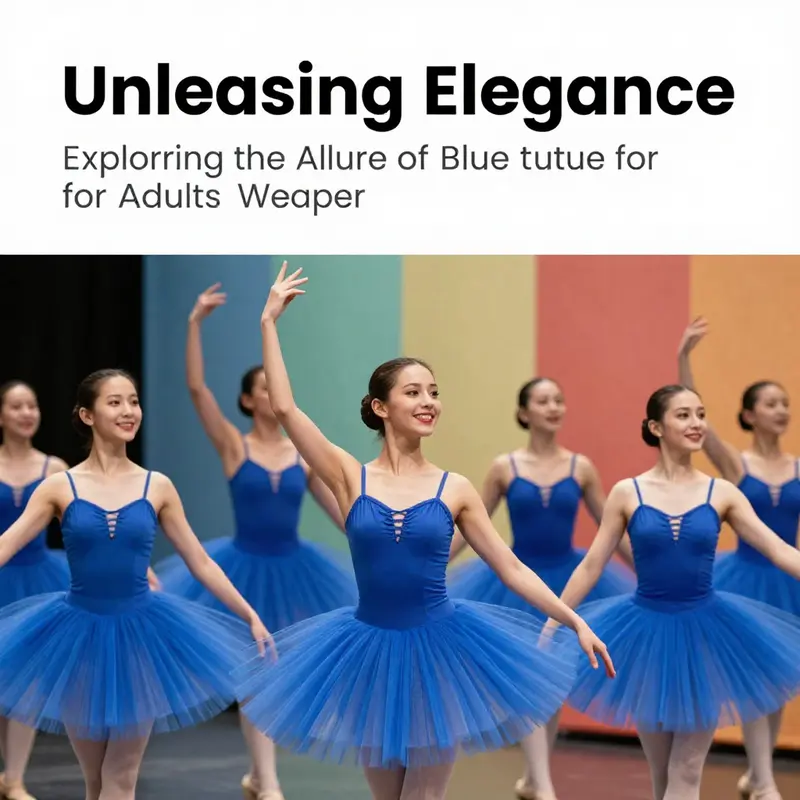
Blue tutus for adults represent a transformative addition to contemporary fashion, allowing individuals to express their unique style, embrace their playful spirit, and commemorate special occasions with elegance. These garments have evolved beyond whimsical costume pieces into fashionable statements suitable for a wide range of events. This article explores the variety of styles available, the quality materials that enhance both comfort and performance, and the most suitable occasions for wearing a blue tutu, ensuring that business owners understand the value of these versatile garments in today’s market.
From Mini to Majestic: Blue Tutus for Adults and the Moments They Create
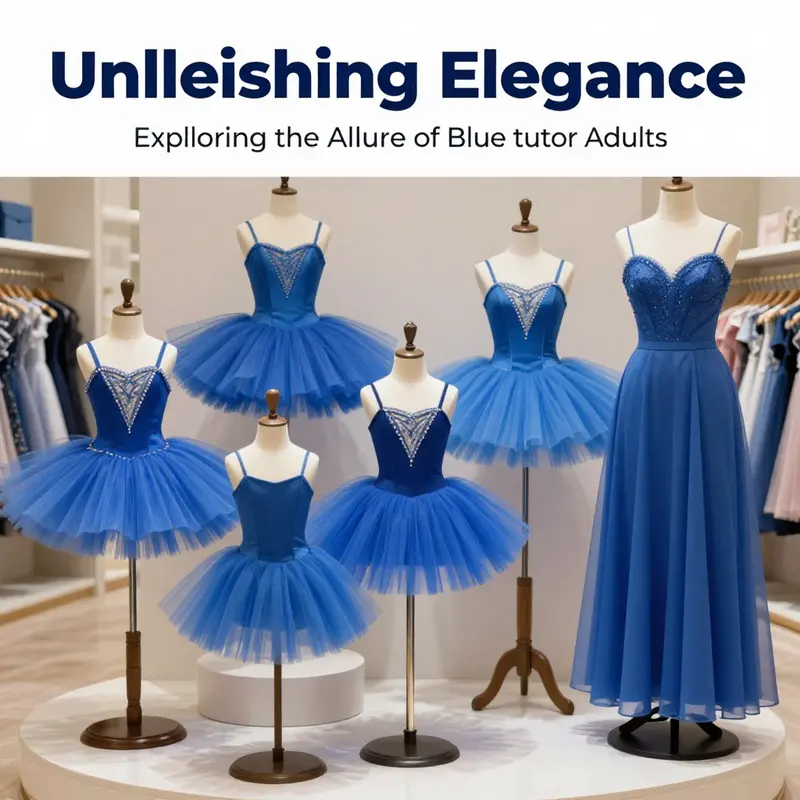
A blue tutu for adults becomes more than clothing; it becomes a versatile expression of movement and mood. The choice of length – mini, knee-length, floor-length, or high-low – shapes how the wearer reads in a space. A mini tutu invites energy and quick movement; knee-length offers balance between playfulness and formality; floor-length creates drama and narrative; high-low adds modern drama with shifting lines.\n\nFabric matters: satin tulle reads luxe for formal events, while lighter tulle offers buoyancy for dance and parties. Embellishments – sequins, metallic threads, or subtle gloss – alter sparkle under lighting and influence the piece’s stage presence. Comfort, fit, and mobility should guide design decisions, with flexible waists, layered tulle, and careful handling of delicate trims.\n\nColor psychology can help coordinate the tutu with accessories and venue, pairing brighter blues with pale neutrals and richer navies with metallic accents. The result is a wearable canvas for personal storytelling, performance, and celebration, whether on stage, at a party, or in a photo moment.
The Fabric of Fun: Materials That Make Blue Tutus for Adults Stand Out in Comfort and Quality
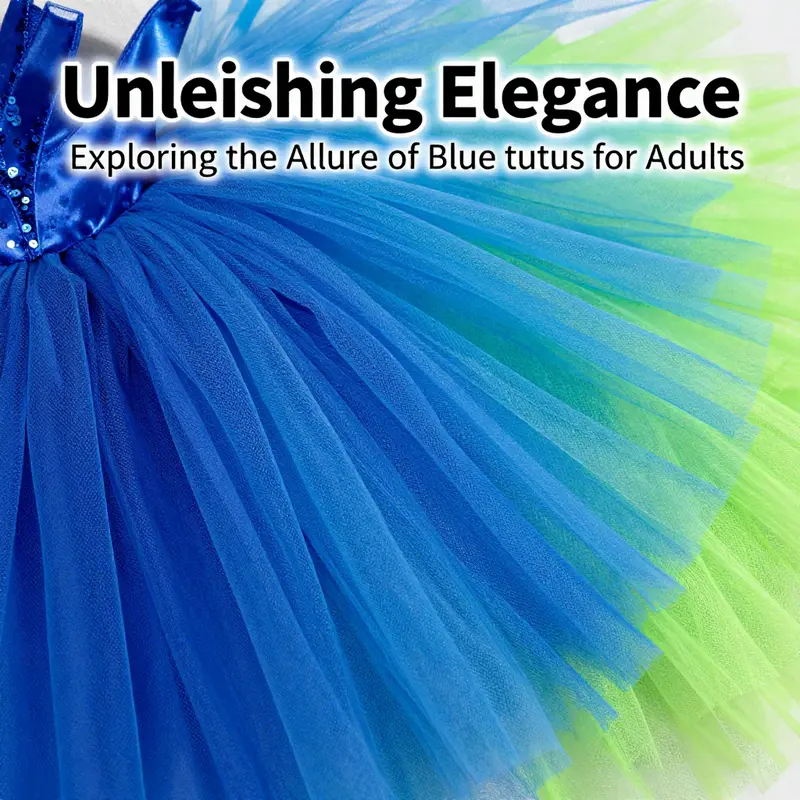
A blue tutu for adults is more than a splash of color or a playful silhouette. It is a curated balance of material choices that translate whimsy into wearable confidence. When an adult steps into a blue tutu, the fabric does more than cover; it supports movement, flatters form, and frames a mood. The right blend of materials can transform a piece from mere costume into a performance partner, from a party prop into a statement of personal style. Materials matter not only for how the tutu looks under stage lights or in photos, but for how it feels from the first spin to the last bow. In the world of adult blue tutus, the craft of fabric is the quiet engine behind glamour and ease, a dependable foundation that makes every gesture expressive rather than burdened. To understand why blue tutus feel and perform so differently, one must trace the materials from the skin outward—how tulle, fibers, blends, and trims come together to create a garment that is as comfortable as it is striking, as durable as it is delicate, as practical as it is magical.
At the core of most adult blue tutus is tulle—a fabric that has become synonymous with volume, float, and a certain buoyant energy. Tulle is not a single material but a family of fabrics that can vary in weight, stiffness, and sheerness. Premium tulle is prized for its resilience; it refuses to collapse under repeated use and continues to hold its signature arches and layers after many spins. When designers choose a tutu, they weigh how many layers of tulle are needed to achieve the intended silhouette. Too few layers and the tutu loses its signature fluff; too many layers and it can impede fluid movement. The balance is subtle but crucial. A well-made blue tutu uses tulle that maintains lift without becoming rigid, allowing the wearer to move with ease, whether on a rehearsal floor or a moonlit stage. This is especially important for adults who might wear a tutu for longer periods, such as during a festival performance or an elaborate wedding party entrance. The color of the tulle, too, plays a role. A genuine royal blue or cobalt hue reads as vibrant and lively when light passes through the layers, lending depth and dimension to each step or turn.
Polyester joins tulle in many adult designs as a practical partner. It is renowned for colorfastness, which matters when a tutu’s blue tone is meant to stay bright after multiple wears or after a spill or two during a busy evening. Polyester blends help reduce wrinkling, a welcome attribute when a costume is packed, unpacked, then unfurled for a new event. For performers, a polyester blend can also contribute to a smoother surface that catches light in predictable ways, ensuring the color and sheen remain balanced under various lighting setups. The interplay between polyester and tulle creates a tutu that holds its shape while staying comfortable against the skin, a combination of stability and softness that keeps movement feeling natural rather than restricted. A tutu built with thoughtful polyester inclusion often feels less porous than pure cotton alone, which can be advantageous in hot venues where breathability is still a priority.
Cotton appears in layers and linings to address a different kind of comfort—one that prioritizes skin contact and moisture management. While tulle presents the outward drama, cotton lends interior softness. A cotton lining or soft cotton-blend layer against the skin reduces friction, making long wear more pleasant and reducing the chance of irritation after hours of dancing or posing. Cotton’s breathability helps regulate temperature during lively routines or warm social gatherings, ensuring the wearer remains comfortable even as the room heats up. For those who plan to wear their blue tutu in daylight events or outdoor celebrations, cotton becomes a practical ally, tempering the stiffness that layered tulle alone might bring. The cushion it provides is not about bulk but about a gentle interface between fabric and skin, a small but meaningful detail that changes the overall experience of wearing a tutu.
Stretch fabrics have a commissioned role in tutu design as well. Spandex, often used in waistbands or blended into the fabric mix, introduces a forgiving stretch that enhances mobility. A tutu must glide with the body, not cling or restrict. Spandex contributes to a snug, secure fit around the waist, which is essential for keeping the layers in place during dynamic movement. When a dancer or participant performs turns or quick steps, the waistband can flex without digging in, maintaining comfort across hours of use. The presence of spandex also helps the tutu recover after bending or kneeling, returning to its intended silhouette rather than sagging in the middle. For adults, where a proper fit translates to confidence, a small percentage of spandex can make a major difference in wearability and comfort.
Nylon, another staple in many blue tutu constructions, brings a light, smooth quality that complements tulle’s airy nature. Nylon’s moisture resistance adds a practical edge—letting tutus endure in more humid venues or longer social events where dancers and guests alike may perspire. Nylon can contribute to a slightly stiffer edge that helps uphold the tutu’s structural lines without making the garment feel rigid. This balance between softness and stiffness is delicate; too much stiffness can impede movement, too little can fail to hold the desired shape. Nylon, when blended thoughtfully with tulle and other fibers, offers a resilient option that supports a dramatic silhouette while remaining comfortable to wear.
Beyond these core materials lie occasional embellishments that elevate a blue tutu from costume to crafted object. Leather, when used, typically appears in structured elements that provide a subtle architectural backbone—reinforcing seams or supporting belt lines and decorative accents. Mesh adds texture and dimension, offering decorative layering or sheer panels that play with light and transparency. These additions are not merely ornamental; they contribute to how the tutu behaves in motion, how air flows around the fabric, and how the entire piece reads under stage lighting or a darkened club setting. The intent is to maintain the tutu’s buoyant, lift-driven movement while giving it a personality that can harmonize with a variety of occasions—from formal performances to playful photo shoots.
Quality and comfort in adult blue tutus hinge on a thoughtful approach to construction as much as the chosen materials. Reputable makers prioritize non-irritating fabrics and hypoallergenic options for skin safety, recognizing that many wearers will be in direct contact with the garment for extended periods. Seams and closures receive careful attention: reinforced stitching, clean finishes, and secure fastenings that won’t press or rub uncomfortably during movement. The colorfastness of the dyes is another essential consideration, particularly for deeper blues that can fade unevenly if treated roughly or washed improperly. Adult costumes demand color consistency that remains visually strong across performances and social events. When these standards are met, a tutu doesn’t just survive wear and washing; it maintains its potency as a visual signal of personality and intention.
From a consumer perspective, the material story behind a blue tutu helps explain why some versions feel lightweight and breathable, while others convey a more formal, almost couture-like presence. The decision to use satin tulle or metallic/ sequined tulle, for instance, can transform the same silhouette into very different experiences. Satin tulle has a smooth sheen that reads as refined, almost ceremonial, which suits formal receptions or staged performances. Sequined or metallic tulle shines under club lighting or on a theatrical stage, adding a sparkle that captures the eye with every movement. Fluorescent or glow-enabled tulle takes the costume into the night, where LEDs or reflective strands can turn a blue tutu into a beacon on a crowded dance floor. Each choice carries implications for comfort, care, and maintenance: how a piece should be laundered, stored, and transported, how it behaves in wind or air-conditioning, and how long its color remains as vivid as the first wear.
The holistic effect of these materials is most evident when we consider the tutu as a wearable sculpture. The smallest details—how a waistline is finished, whether there is a soft cotton interior that caresses the skin, how many layers of tulle create a silhouette with enough volume without becoming unwieldy—collectively influence the wearer’s ease and poise. For adults who want to present a confident, festive version of themselves, the tactile experience matters almost as much as the visual one. A tutu that feels softly anchored to the body invites freer choreography and more daring stage presence. Conversely, a garment that clings or irritates can dampen performance energy and render even the boldest blue hue less impactful. In that sense, the materials operate as quiet co-performers, ensuring the wearer’s expression remains unimpeded by discomfort or distraction.
To connect these fabric choices to practical realities, consider how care and maintenance intersect with longevity. Different blue shades and fabric blends respond differently to washing, drying, and storage. Satin tulle, while dramatic, can show subtle wear if treated roughly in a washing machine or left in direct sunlight. Sequin-tulle pieces demand gentler handling to preserve the embellishments and prevent snagging. The guidance offered by manufacturers—hand washing where indicated, air drying, and proper storage away from extreme heat—aligns with preserving both the color and the shape of the tutu. A thoughtfully cared-for blue tutu remains vibrant and buoyant across seasons, preserving its signature look for performances, events, and photo-shoots where the wearer wants to radiate a blend of elegance and playfulness.
The narrative of material choice also reveals a practical truth about adult wearers. An adult blue tutu must align with real-world uses: bachelorette celebrations, themed festivals, dance recitals, weddings, or creative photo shoots. Each context presses different demands on the fabric. A mini tutu designed for a festival might prioritize featherlight movement and maximal airiness, with tulle kept at a lighter gauge and a flexible waistband for all-day wear. A knee-length version used in a casual event may lean toward a slightly denser tulle layer to maintain modesty and bounce in a dance floor spotlight. A floor-length tutu, chosen for a formal occasion or a stage, benefits from a more reinforced structure in its upper layers, perhaps a satin-tulle blend that drapes with solemn gravity while still keeping the iconic volume. In each case, the material palette is selected to harmonize color intensity with wearable practicality, ensuring the blue remains the unifying thread that ties the entire ensemble together.
In exploring these materials, one can also glimpse the broader design philosophy of modern blue tutus for adults: a fusion of artistry and pragmatism. Designers and wearers alike seek a balance between dramatic silhouette and everyday usability. The aim is to craft pieces that invite movement and expression, not restraint, and that offer a sense of confidence to the wearer. The result is a garment that supports the wearer’s choices—whether to glide across a stage, spin for a party, or pose for a portrait—while keeping the blue tone vivid and true to its intended mood. This is where the material narrative becomes an emotional narrative, turning fabrics into a language through which adults can articulate their personal style with humor, grace, and boldness.
For readers curious about how materials translate into real-world choices, a representative example of ongoing experimentation in blue tutu design can be found in the blue gradient color family of ballet-inspired costumes. These designs often showcase a blend of tulle with satin finishes and subtle gradient treatments that echo the shifting tones of a clear sky at dusk. The idea is not merely to accent color but to create a sense of depth and dimension as the wearer moves. A tutu of this type invites the eye to travel along the outline of the skirt, tracing the fabric’s shifts in shade with each turn. Such variations illustrate how the same core materials—tulle, polyester, cotton, spandex, nylon—can be orchestrated to produce a spectrum of moods, from playful to refined.
As readers reflect on the material choices discussed here, it is worth looking at how these decisions interact with the broader ecosystem of blue tutu culture. The materials inform not only aesthetics but also performance, comfort, and longevity. They shape how a wearer can express individuality while still feeling comfortable and supported. They determine how easily a tutu can be transported to a venue, how it performs under different lights, and how it fades over time or withstands the rigors of a busy social calendar. When a buyer approaches a blue tutu with these material considerations in mind, they step away from a mere novelty and toward a thoughtfully constructed garment that respects both the art of dress-up and the realities of adult life. The product becomes less about showing up in blue and more about fully inhabiting the moment in a garment that feels as good as it looks.
To connect this exploration to a concrete design perspective, consider the practical step of selecting a blue tutu that aligns with the wearer’s typical activities. If the priority is performance and comfort for long wear, a layered tulle approach with a cotton lining and a modest amount of spandex in the waistband delivers both lift and mobility. If the event calls for maximum visual impact under stage lighting, a satin or sequined tulle variant can provide that shimmer and glow, with careful care to protect embellishments and colorfastness. In all cases, the underlying materials work in concert to deliver a sense of confidence. When the fabric feels right against the skin, when the silhouette maintains its shape as the wearer moves, and when the blue hue remains vibrant after multiple wears, the tutu earns its place as a beloved part of the wardrobe rather than a one-off novelty.
For readers who want a touch of practical direction embedded in the narrative, consider exploring an example within the broader spectrum of blue tutu design that demonstrates how tone and texture interact in real life. A color family such as a blue gradient, paired with a flexible satin-tulle blend, can offer a sophisticated alternative to a flat blue. Such designs show how materials can translate color nuance into physical form, adding depth to the wearer’s presence. This consideration—how material and color work together—helps explain why some adult blue tutus convey elegance as easily as they convey whimsy. The goal is not to lock the wearer into a single aesthetic but to empower them to choose a fabric story that reflects their mood and the occasion’s energy.
In sum, the materials used in blue tutus for adults are not mere technical details; they are the silent sculptors of experience. They shape comfort, movement, and visual impact, enabling wearers to perform with assurance or to pose with intention. The best blue tutus balance softness and structure, sparkle and restraint, and color intensity with colorfast reliability. They invite dancers to turn and twirl, guests to smile and clap, and photographers to capture a fleeting sense of magic. The fabric, in its many forms, quietly underwrites the moments when a blue tutu becomes more than fabric—when it becomes a canvas for personality, a vehicle for expression, and a beloved piece that can be worn with pride at any age.
Internal resource for further context on material standards and manufacturing practices can offer a broader lens on how these fabrics are designed, tested, and selected for performance and comfort. For readers seeking a deeper understanding of material considerations beyond apparel, the following external resource provides useful background on standards, safety, and manufacturing processes: https://www.fda.gov/industry/designing-medical-devices/understanding-materials-and-manufacturing-processes.
For a sample reference that shows how different blue tones and finishes are implemented across professional costume lines, one internal example explores gradient blue textures in ballet-inspired designs. See the discussion linked here: Blue Gradient Color Ballet Costumes for Sale with Golden Trims. This page illustrates how a gradient can be achieved through a careful combination of tulle layers, satin undertones, and controlled embellishment, offering a concrete glimpse into how the material choices described above translate into a polished, stage-ready silhouette. The goal is to provide a tangible sense of how these fabrics perform in real-world contexts, bridging the gap between theory and practice while staying true to the spirit of blue tutu design for adults.
Wearing Joy: How a Blue Tutu for Adults Elevates Occasions from Playful to Polished
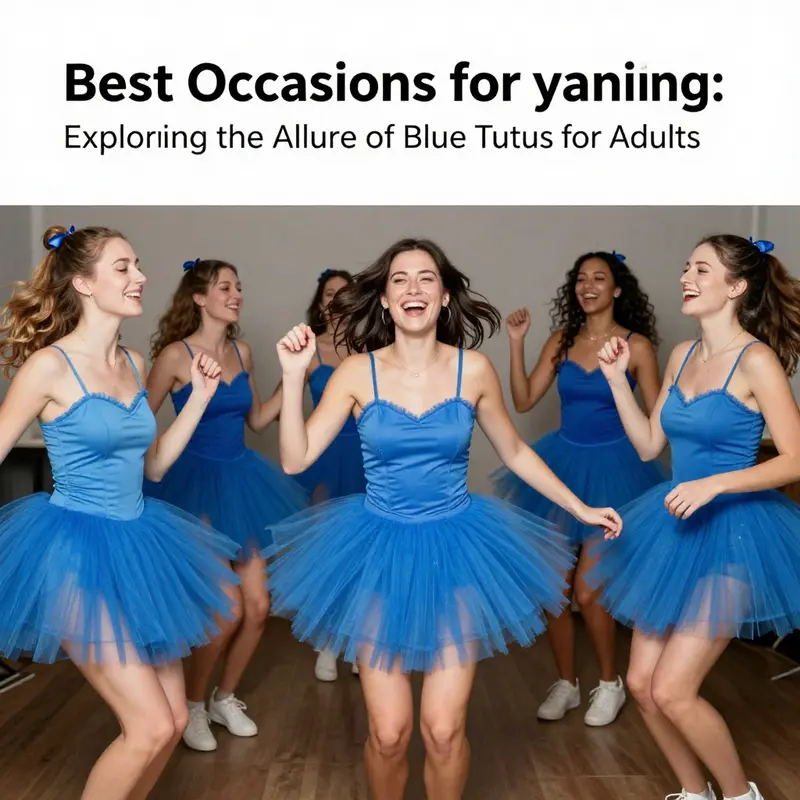
A blue tutu for adults is more than a costume piece. It is a small rebellion against the ordinary, a bright reminder that fashion can feel both effortless and intentional at the same time. When a person chooses a blue tutu, they are signaling a willingness to engage with color, movement, and mood in a way that invites curiosity rather than conformity. The silhouette—the characteristic flare of gathered tulle above a comfortable waistband—has a purity to it, a line that flatters many figures while giving the wearer room to breathe, dance, or pose with ease. The blue hue itself carries a magnetic energy. It ranges from the saturated intensity of a summer sky to the deeper, moonlit tones that read almost regal under stage lighting. This versatility makes the blue tutu a reliable companion for a wide array of occasions, turning moments that might otherwise be ordinary into opportunities for expression, performance, and connection with others who share a sense of whimsy and flair. The garment’s appeal lies not only in its visual charm but in how it translates confidence into movement. When someone slips into a blue tutu, they often discover a shift in posture, a deliberate openness in the shoulders, a lighter step, and a readiness to participate fully in whatever the moment demands. It is a garment that invites an audience to smile, to applaud, or to simply feel slightly enchanted by a person who chose delight over restraint. And because the tutu is simple in its core structure yet expansive in its styling potential, it acts as a versatile platform for self-expression across settings that demand anything from playful to polished.
The breadth of occasions for which a blue tutu feels appropriate speaks to its design’s inclusive spirit. In social settings such as bachelorette parties, the tutu acts as a unifier, a shared visual language that says, we are here to celebrate not only the milestone but the joy of the moment itself. The look is lively, but it also carries a sense of ritual—there is a performative aspect that fosters camaraderie among friends who want to capture memories in photos that pop with color and movement. In festivals and music events, the tutu thrives on the dance floor. The layers of tulle catch light from every direction, and the garment’s volume enhances the choreography, making spins, leaps, and sway reads more dramatically in stills and on video. This is where the choice of fabric matters most. Satin tulle offers a refined sheen that reads elegantly in daylight and stage lighting alike, while sequined or metallic tulle adds texture and shimmer that dance partners and onlookers can feel as well as see. For nighttime performances or club environments, fluorescent or glowing blue tulle can turn the wearer into a beacon under blacklight, a spectacle of color that feels almost magical when the music pulses through the body. Yet even with high-impact fabrics, the tutu’s cut remains a study in restraint and balance. The waistline is often elastic and one-size-fits-all, a practical design choice that makes spontaneous participation possible for many body types. This feature, simple as it sounds, is foundational to the tutu’s broad appeal. It ensures comfort and ease of wear while preserving the silhouette that defines the piece. The result is a garment that can be worn for a casual dance circle, a stage production, or a formal event with equal ease, a rare blend of whimsy and sophistication that few other garments can claim.
When it comes to occasion-by-occasion guidance, a blue tutu is most effective when it is thoughtfully aligned with both the event’s tone and the wearer’s level of comfort. For a bachelorette party, the energy of the occasion is playful and exuberant. The tutu acts as a visual cue for celebration and unity, signaling to the bride that memorable, shared adventures are the goal. Accessories become a lattice of possibilities here: glittery flats, a sparkling clutch, a crown of flowers, or a custom sash can all complement the blue hue without overpowering the garment’s core identity. The key is balance. The tutu should remain the star of the ensemble, not crowded out by competing elements. At festivals and music events, the tutu’s volume and color help the wearer stand out in a sea of outfits, which is precisely the point. The choice between a knee-length or mini version depends on how much freedom of movement the wearer wants and how intimately they wish to connect with the crowd and the stage. A knee-length style offers versatility without sacrificing drama, while a mini version elevates footwork and dynamic presence, especially in crowded, high-energy environments. For costume parties or themed events—think Christmas, birthdays, or character-inspired gatherings—the blue tutu easily adapts with accessories. A pair of elf ears, a wizard’s staff, or a vintage cape can transform the ensemble into a character’s signature silhouette. In this context, the color’s brightness acts as a versatile canvas. A satin-blue tutu can radiate elegance for a formal masquerade or become a festive prop for a holiday tableau. The shift between casual and formal settings is less about the garment changing and more about how the wearer curates the supporting cast: shoes, jewelry, makeup, and hair all align with the moment’s mood.
Formal or semi-formal occasions offer a surprising range of possibilities. The idea that a tutu is only for playful moments is constantly challenged by designers and performers who pair it with refinement and poise. A floor-length blue tutu—layered with soft tulle and perhaps a satin underlayer—reads as an unexpected, modern formal option. It can accompany a simple blouse or a fitted bodice, allowing the tutu to act as the showpiece while the rest of the outfit remains understated. In such contexts, the tutu’s color and texture contribute to an overall look that feels both cinematic and sophisticated. The silhouette flares with a quiet drama, distributing movement across the stage or floor with every step. For weddings or formal galas, the blue tutu can serve as a chic alternative for bridesmaids seeking something beyond the conventional dress. It is not simply a costume; it is a fashion choice that embraces whimsy while acknowledging the event’s ceremony. In these moments, care and tailoring become crucial. A satin tutu with a clean, even hem catches the light softly and lends an air of polish that pairs well with minimalist accessories and poised, confident posing.
One of the most compelling aspects of the blue tutu for adults is its adaptability to unique stylistic directions. Among the most striking contemporary twists are high-low rainbow tutus, which feature a shorter front and a longer back. This asymmetry creates an arresting line that moves gracefully through space while maintaining the tutu’s signature volume. The effect is both modern and theatrical, perfectly suited for dance recitals or expressive fashion statements where the wearer wants to tell a story through motion. Such stylings invite a broader conversation about how color, scale, and form combine to convey mood. Blue, in its many shades, carries an emotional breadth—from serenity and trust to ambition and boldness. When the hue is paired with a multi-layered tulle construction, the garment reads as layered meaning: a playful exterior that suggests joy while hinting at a deeper, more complex personal narrative. The wearer’s posture, choice of footwear, and even the tempo of their moves can alter how the blue appears—the fabric catching light and shifting tone as they turn, bow, or spin. This dynamic quality makes the tutu more than a static garment; it becomes a living partner in performance or in life’s social occasions.
The geometry of comfort is central to why adults choose a blue tutu. The one-size-fits-all elastic waistband is not just a practical feature; it is a design philosophy that prioritizes accessibility and spontaneity. It invites people of different shapes to participate in events they care about, without the friction of fitting rooms or altered tailoring. This inclusive approach aligns with a broader cultural willingness to embrace playful attire in more formal or transitional spaces. A well-cut waistband helps the tutu sit at the natural waist, which in turn supports core movement—critical for dancing, posing, or simply moving through a crowded room with ease. Layering remains essential for achieving the bold, textural look that defines the blue tutu’s appeal. Under certain lighting, a satin underlayer can give depth and a soft glow, while additional layers of tulle add volume that breathes with each step. When sequins or metallic threads are woven into the tulle, even subtle motions catch the eye in a way that feels almost cinematic, as if light itself becomes a character in the performance. For dancers and performers, this is not merely aesthetic. It is a confidence tool, a visual cue that the body’s presence matters and that movement can become a language all its own.
Care and maintenance are practical concerns that often determine how boldly a wearer will choose to present themselves in a blue tutu. The care instructions depend on fabric and embellishments, but a few core practices apply broadly. Satin tulle, prized for its smooth sheen, responds best to gentle handling and hand washing when necessary. Machine washing or aggressive agitation can crush the delicate fibers. Sequined pieces demand even gentler care, with embellishments protected or removed before washing to prevent snagging or loss. After cleaning, air drying away from direct sunlight keeps color vibrant and prevents fading. Storage matters, too. A cool, dry place with the tutu hung or laid flat helps maintain the shape and prevents creasing. Embellishments should be checked regularly for loose threads, and repairs should be done promptly to preserve the garment’s silhouette. With careful handling, a blue tutu can become a reliable, beloved favorite that travels well between events, from rehearsal to performance to a night out where a bit of playful glamour is called for.
In thinking about how this garment fits into a broader wardrobe, it is helpful to imagine it as a flexible lens through which style and social occasions are interpreted. The tutu’s color, length, and fabric weight work together to shape the perceived formality of an outfit. A knee-length satin-blue tutu, paired with clean lines and understated jewelry, can anchor a semi-formal gathering without feeling out of place. A floor-length option, complemented by refined accessories, can transform the wearer into a character of distance and poise, a figure who can occupy a stage or a social space with equal ease. The mini version, meanwhile, invites movement and improv, making it a natural choice for performances or a festive environment where dancing is the primary activity. In all cases, intent matters most. Wearing a blue tutu is a choice to engage with color and motion deliberately. It is a decision to let joy show in public, to acknowledge that fashion can be a form of communication as bold as speech. When the wearer feels aligned with the mood of the event, the tutu speaks through posture, through the cadence of footsteps, and through the glimmer of light on blue fabric.
For readers who want to explore a concrete example of this design ethos, consider a blue gradient color ballet tutu that embodies the blend of color depth and modern silhouette. Blue gradient color ballet tutu serves as a reference point for how a high-quality piece can balance drama and discipline. This kind of example illustrates how a carefully chosen tutu can elevate a range of occasions—from exuberant celebrations to intimate performances—without ever feeling out of place. The lesson here is not about chasing trends. It is about choosing the version of blue that best reflects your mood and the moment you want to illuminate. The right tutu invites others to participate in the experience, to smile with you, and perhaps to remember a recallable moment of shared delight that lingers long after the last bow.
In the continuum of fashion and performance, the blue tutu stands as a reminder that elegance and whimsy do not have to be mutually exclusive. It invites adults to reclaim a sense of playfulness that is often reserved for childhood or fantasy. Yet the garment remains deeply modern: it easily pairs with contemporary accessories, it can be styled to suit formal occasions, and its silhouette preserves a timeless line that photographs well and reads well on stage. The blue tutu does not demand perfection; it invites presence. It offers a platform for individuals to tell their stories in motion, color, and light. In this sense, the tutu becomes a living accessory—one that can be tailored to the wearer’s body, chosen to reflect a personal aesthetic, and worn with the confidence that comes from knowing one is presenting a true expression of self. The versatility is, indeed, one of its most compelling strengths. Whether the moment calls for a radiant fête, a thoughtful performance, or a quiet celebration of individuality, the blue tutu provides a ready-made bridge between casual charm and sophisticated drama. It makes room for spontaneity while guaranteeing that the wearer never loses the sense of polish that meaningful occasions deserve. By embracing this garment, adults give themselves permission to lead with color, to move with intention, and to enjoy the simple, transformative power of playfulness worn well.
External resource: https://www.vogue.com
Final thoughts
Blue tutus for adults are more than just garments; they embody a spirit of playfulness, individuality, and vibrant self-expression. By understanding the diverse styles, quality materials, and best occasions to wear a blue tutu, business owners can appreciate their growing popularity and cater to a market that seeks unique fashion choices. As this bold fashion statement continues to gain traction in various settings, it presents ample opportunities for businesses looking to expand their offerings and connect with customers eager to express their creativity.