

Tutu dancewear represents a unique blend of artistry, functionality, and performance, playing a pivotal role in the dancewear industry. For business owners and suppliers, understanding the nuances of tutu construction, market dynamics, safety standards, and cultural shifts can significantly impact their success. Through a detailed examination of these elements, this article aims to provide valuable insights into the art of tutu dancewear. The subsequent chapters will explore the construction and design features of tutus, analyze current trends in the retail and wholesale markets, address safety and performance standards, and discuss the cultural evolution of tutu dancewear from traditional ballet to contemporary choreography.
Weaving Light and Motion: The Craft of Tutu Construction
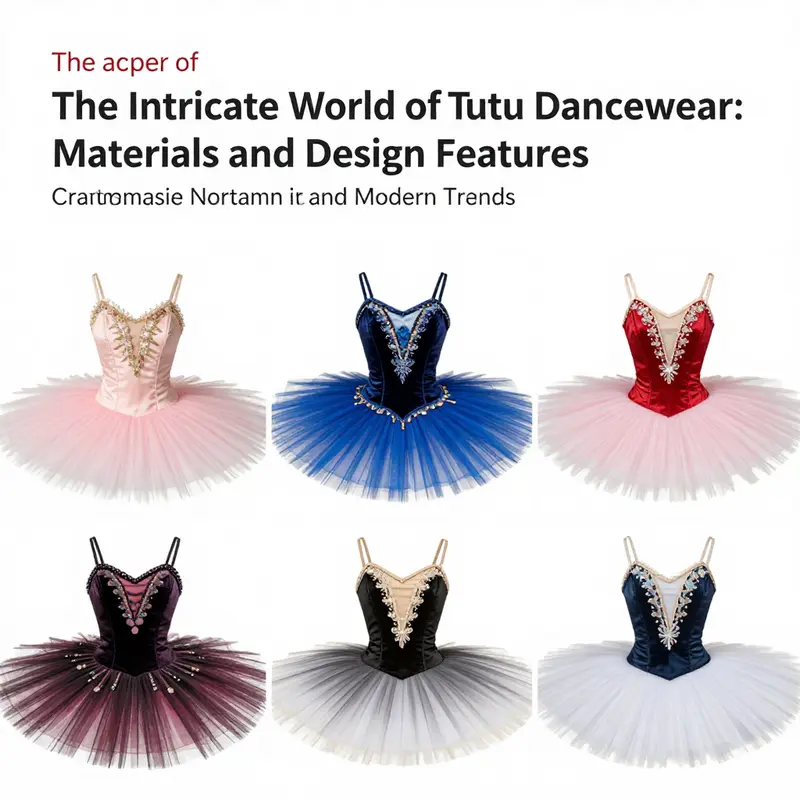
The tutu is more than a skirt; it is a compact engineering system dressed in fabric. In the world of ballet and performance, it must harmonize with the dancer’s body, support precise lines, and survive the rigors of rehearsal and stage combat. The construction of tutu dancewear sits at the intersection of art and material science, where fabric choice, layer architecture, and fastening systems collaborate to create a silhouette that is at once elegant and relentlessly functional. When a dancer spins, jumps, or pivots, the tutu answers back with volume that remains consistent, a controlled buoyancy that does not intrude on the freedom of movement. Stage lighting further challenges this balance, as fabrics reflect or absorb light in ways that can alter perception. The craft, then, is not only about beauty but about predictable performance under pressure, where every seam and every edge has a purpose that extends beyond decoration.
Materials anchor the entire enterprise. The core of any tutu is the interplay between stiffness and suppleness. Tulle, in its many grades, provides the backbone of volume, but the choice of weight, shear, and weave determines how the layers hold their shape when the dancer accelerates through a sequence of fouetté turns or a high grand jeté. Reinforcement in the form of sturdy interlinings or lightly fused overlays helps prevent tearing where stress concentrates—around the waist, where the skirt meets the torso, and along the outer edges that bear the most tension during movement. The far edge of a stage moment—the moment a performer halts in a high attitude and the fabric catches the light—depends on a fabric that refuses to droop or lose definition. Alongside tulle, delicate appliqués and shimmering embellishments must be secured so they do not shift or abrade during vigorous routines. A well-made tutu also respects the dancer’s skin and comfort: moisture-wicking layers or breathable linings can wick sweat away from the body, keeping the athlete dry even during hot performances. Four-way stretch materials may be employed in specific panels to allow full range of motion, ensuring that the garment moves with the body rather than fighting it.
A standout feature of modern tutu construction is the layered structure. The most iconic disciplines within tutu design—whether the classical disk or the more voluminous pancake style—differ principally in how the layers are stacked and supported. The layered tulle in a pancake or triple-layer design is engineered to deliver volume without weight. Each layer contributes a degree of stiffness and translucence, creating a silhouette that holds its shape in flight, yet remains supple enough to bend with the dancer’s spine and hips. The result is a balance between drama and control, where the uppermost layers catch light and the lower layers support structure. This layering is no accident; it is the result of careful measurement and precise execution. The construction method—how the layers are gathered, stitched, and attached to a waistband—determines the tutu’s vertical profile and its ability to stay balanced through spins. There is a quiet mathematics in play: the radius, the density of gathers, and the stiffness gradient from top to bottom must align with the dancer’s center of gravity so that movement remains fluid rather than strained.
Within this technical frame, specific design features stand out for their contribution to fit and comfort. Adjustable halter necks, for example, allow the garment to accommodate a spectrum of torso lengths and shoulder widths. A keyhole back with ribbons or lacing provides a customizable fit, letting the wearer tailor lift and posture while preserving a clean, uninterrupted line of the back. These adjustments are not mere conveniences; they are essential to preventing tension and misplaced weight during complex sequences. The waistband is another critical zone. It must anchor the silhouette without binding. A well-designed waistband distributes stress evenly and sits securely at the natural waist or just below, depending on the dancer’s preference and the choreographic demands. Interior seams are finished to minimize chafing, and any decorative elements are attached in a way that they remain secure under motion. The union of function and beauty here is what distinguishes a tutu that endures from one that wilts after a single performance.
The notion of performance versatility has driven innovations in fabric integration. Modern dancewear increasingly blends fabrics that move with the skin—soft, four-way stretch panels or moisture-wicking linings—into the tutu’s architecture. This integration helps a performer sustain endurance through long rehearsals and high-energy routines. It also supports a broader range of styles—from classical interpretations to contemporary movements that demand greater freedom in the torso and arms. In parallel, designers experiment with reflective embellishments and color treatments that respond to stage lighting with a glow that is both vivid and legible from the rear of the theatre. The goal is not to overwhelm with sparkle but to illuminate the dancer’s lines with a subtle, radiant clarity that complements the choreography. Some designers push this further by pairing color-shift fabrics with strategic sequins, creating a dynamic surface that changes under the light as the dancer turns, leap, and pivots. The effect is not merely visual; it can enhance spatial awareness for judges and audiences alike, making movement read as a continuous narrative rather than a collection of static poses.
Crafting a tutu is as much about production philosophy as it is about pattern and thread. Regions with deep textile pedigrees offer more than raw materials; they provide a network of skilled labor, specialized equipment, and time-honed routines for quality control. In practice, the production ecosystem favors proximity to premium tulle suppliers, lace applications, and skilled seamstresses who understand the delicate balance between stitch density, edge finishing, and fabric behavior under strain. Large-scale workshops with sets of specialized machines can produce consistent results, while smaller studios excel at customization, enabling a dancer or school to commission a tutu that reflects a particular aesthetic. This balance between standardization and customization is increasingly important as studios seek multiple costumes for different productions without sacrificing reliability. The best outfits in this ecosystem are those that endure through dozens of rehearsals, stay vibrant after repeated washes, and still perform with the same grace on the opening night as they did on the first day of practice.
Even the most subtle decisions influence performance. The choice of seam finishes, the method of attaching sequins or appliqués, and the way layers are trimmed all contribute to how the costume behaves in motion. Every edge is considered for safety and longevity; edges are rolled or hemmed to prevent snagging on stage hardware, dancers’ gloves, or the orchestra pit’s edges. The weight distribution is tested through repeated trials, often with mirrors or motion capture, to ensure the silhouette remains stable as the dancer completes spins or lands from leaps. The resulting garment is not simply a piece of clothing but a choreographic partner—one that reads the body’s intent and supports it with disciplined structure. The dancer’s confidence grows because the construction carries no extraneous bulk, yet it communicates a presence that is unmistakably polished and professional.
A crucial example of design emphasis can be found in a family of tutu designs that emphasize volume without compromising ease of wear. The concept of the pancake tutu, with its distinctive flat, layered midsection, showcases how geometry and textile behavior intersect. The top layers are crafted to extend outward with bold, buoyant shape, while the lower layers provide the necessary stiffness to prevent collapse during rapid movement. The waist-to-skirt relationship is carefully tuned so that the dancer’s center of gravity remains aligned with the silhouette, ensuring that the performer can execute quick directional changes without the garment pulling away or bunching. In practice, this means the pattern is drafted to include precise seam allowances, controlled gathers, and encasing methods that keep the interior surface smooth against the skin. It also means that the outer layers are cut with a deliberate symmetry so every spin feels effortless and every arabesque holds its line as light refracts through the fabric.
The craft is inseparable from the dancer’s experience, and that is why the production approach values ongoing feedback. Designers observe how different body configurations interact with the garment—height, limb length, torso depth, and even shoulder slope can alter how a tutu sits and moves. The result is a living catalog of fits and finishes, a repertoire of approaches that can be adapted to meet the needs of students and professionals alike. When a school or company requests custom options, the atelier responds with a prototype process: pattern adjustments, fabric swatches, and fit sessions. Each iteration refines the dimensioning of the layers, the tension of the waistband, and the placement of decorative details. The aim is to create something that performs consistently across a range of body types, so that every dancer can inhabit the same aesthetic language without compromising comfort or range of motion.
In this context, one design lineage worth noting is the integration of accessible, visually striking elements that can be customized to a choreographic moment. For example, a tutu can feature a dedicated floral accent or a subtle bowwork that aligns with a character’s narrative, yet the core remains within fabric engineering and seam integrity. The interplay between ornament and anatomy is delicate; embellishments must enhance, not hinder, movement. The dancer should never feel encumbered by the costume, and the audience should experience a sense of seamless integration between garment and performance. This philosophy—respect for the body, clarity of line, and reliability through repetition—defines the art of tutu construction as it is practiced in studios around the world.
The broader production landscape also shapes how tutu dancewear is designed and manufactured. In textile hubs that host dense clusters of garment and fabric suppliers, proximity reduces lead times and supports rapid iteration. Workshops near these clusters can test fabrics under realistic performance conditions, measuring how different fiber blends endure repeated washing, folding, and staging demands. For schools that need multiple costumes at scale, the supply chain offers both efficiency and consistency, while individual studios may opt for bespoke pieces that reflect a particular artistic vision. The ultimate measure of success is not only whether a garment looks beautiful when displayed, but whether it remains reliable and comfortable under the bright pressure of a live performance. When a dancer returns to the wings with a smile and a breath steady after a challenging turn, it is often the quiet resilience of construction that has made the moment possible.
The dialogue between design and execution is ongoing. Designers continue to explore new fabrics that combine breathability with stiffness, and sewing techniques that secure embellishments without creating points of failure. The evolving repertoire of tutu construction thus reveals a spectrum of possibilities: more dramatic silhouettes, lighter fabrics, smarter moisture management, and finishes that catch the eye in ever more sophisticated ways. This is not a static tradition but a living craft that integrates experience, experimentation, and shared knowledge across studios and theatres. As dancers push the envelope of what is possible—whether in a classical production or a contemporary piece—the costume must stay quietly supportive, translating athletic prowess into a visible poetry on stage.
To connect the discussion with a tangible reference in design exploration, consider the pancake tutu with a flower accent. This design demonstrates how a single flourish can be harmonized with structural choices to maintain balance, weight, and flow. pancake tutu with flower cost effect
If you seek a broader reading on how stage fabrics behave under light and air, a concise external resource on tulle and related textiles offers helpful context for these choices. For a grounded overview, see: https://en.wikipedia.org/wiki/Tulle
Navigating the Tutu Market: Retail Preferences, Wholesale Partnerships, and Manufacturing Intelligence
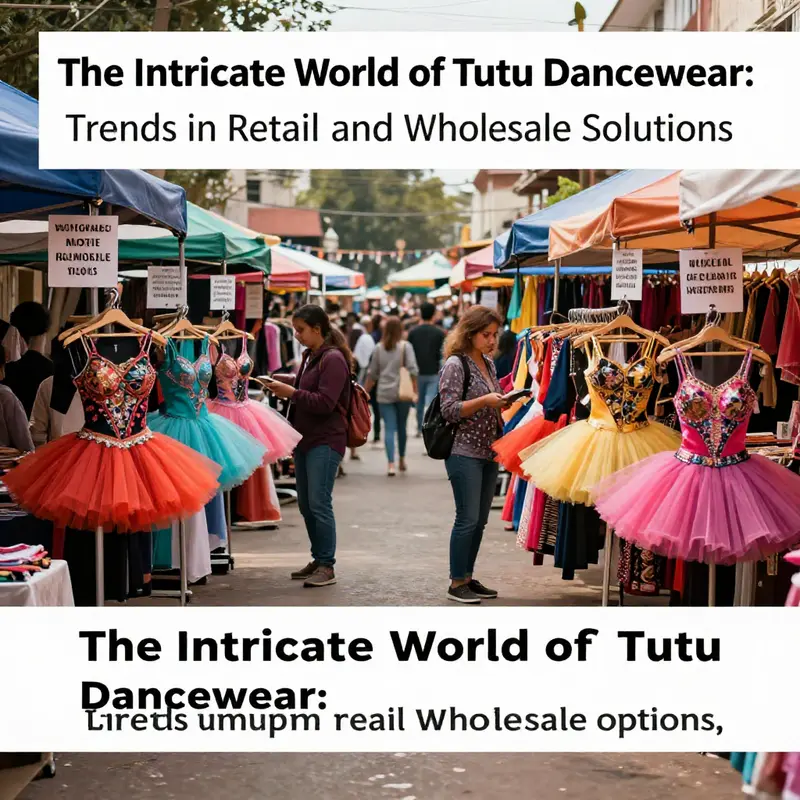
Market forces shaping tutu dancewear unite aesthetics with supply chain rigour. Retail demand now prizes garments that marry stage-ready beauty with movement-friendly engineering. Shoppers look for layered tulle that holds shape but moves with the body. They want breathable linings and reinforced seams that survive rehearsals. Reflective trims and tasteful sequins amplify presence under stage lights without weighing dancers down. At the same time, buyers increasingly expect adjustable fits: lace-up fronts, halter adjustments, and ribbon-tied keyhole backs permit a single style to fit varied body types. These features reduce returns and broaden a costume’s appeal across age groups.
Design language in retail has broadened beyond traditional silhouettes. Mini, knee-length, and floor-length tutus now coexist with classical pancake styles. Fabrics such as satin, metallic tulle, and sequined overlays bring fashion-forward looks to party wear and themed events. For children, colorful gradients and playful embellishments remain top sellers. For adults, refined detailing and premium trims elevate tutus for bachelorette events, festivals, and stage productions. Infant and toddler sizes continue to be popular for milestone photography and seasonal costumes, often sold in coordinated sets with matching accessories.
Affordability and variety also drive retail choices. Online marketplaces offer low-entry price points and flash discounts that make recital costumes accessible. Many retailers curate tiered ranges: entry-level pieces for dress-up and practice, mid-range items for recitals, and premium performance tutus for competitions. This segmentation helps families and studios match spending to need. Retail presentation matters, too. Clear size charts, model images showing movement, and short video clips of twirls build buyer confidence and reduce returns.
Wholesale buyers have evolved from price-centric sourcing to strategic partnerships. Long-term value now matters more than one-off savings. Buyers assess suppliers on on-time delivery, reorder rates, and quality consistency. Metrics such as a 100% on-time delivery rate or a high reorder percentage signal reliability. Those indicators ease risk in seasonal buying cycles and competition schedules.
Manufacturers with robust quality controls stand out. Many factories now perform full inspections before shipment. Automated cutting systems, pattern digitization, and agile production lines enable accurate repeatability across batches. These capabilities matter for complex designs featuring layered skirts, appliqué, and embroidery. Wholesale buyers expect consistent replication of fit, color, and ornament placement across hundreds of units.
Geography still matters. Production clusters in coastal regions provide an ecosystem advantage. Access to textile mills, trim suppliers, and logistics hubs reduces lead times. Regions with established garment clusters offer flexible sampling, rapid prototyping, and the bandwidth to scale orders. At the same time, micro-factories have emerged to serve niche needs. These smaller facilities specialize in limited runs, couture-level finishing, or technical costumes for professional ballet. They often participate in trust programs that guarantee inspection and delivery, adding security for buyers seeking tailored solutions.
Trade assurance and transaction security programs are influencing buyer behavior. These programs typically combine escrow services, inspection checkpoints, and delivery guarantees. For wholesale purchasers, they reduce the friction of cross-border deals. They also encourage collaborative development, where buyers and factories iterate on samples while payment is secured through platform protections.
Product innovation is not limited to aesthetics. Functional engineering has become a hallmark. Designers select multi-layer constructions that maintain silhouette while shedding heat. Strategically placed linings and tensile reinforcement at stress points improve durability. Adjustable closures and elasticized panels accommodate movement, while detachable elements enable one garment to serve multiple looks. Safety compliance also matters. Costumes that meet recognized testing standards reassure parents and studio managers. Such certifications are particularly important for children’s wear and public performances.
Sampling practices are more sophisticated. Buyers normally request graded samples to evaluate fit across sizes. Photographic documentation and short movement videos accompany samples more often. This digital proofing reduces the need for multiple physical iterations. When manufacturers offer clear lead times for sampling versus production, buyers can plan recitals and competitions without last-minute compromises.
Pricing transparency and minimum order quantities (MOQs) remain negotiation points. Many factories tier pricing by order volume and finishing complexity. Buyers who prioritize speed and customization may accept higher unit prices for smaller runs. Conversely, studios and retailers with steady seasonal demand negotiate volume discounts and predictable replenishment windows. Reorder behavior is a critical signal here: a strong reorder rate indicates product-market fit and manufacturing stability.
Communication speed and cultural fluency have grown in importance. Suppliers who provide prompt, clear responses reduce uncertainty. Buyers add value by sharing detailed tech packs, fit notes, and reference images. Collaborative relationships reduce errors and shorten lead times. This partnership mindset shifts the transaction from supplier selection to co-creation. It also increases the chance that a single design evolves into a reliable catalog item.
Logistics and packaging are subtle but decisive factors. Costumes shipped with proper packaging arrive performance-ready. Tissue wrapping, protective boxes, and simple care instructions reduce damage claims. For bulk shipments, standardized packing lists and palletization speed customs clearance. Freight options and insured shipping become crucial in tight schedules, such as preparing for a national competition or holiday recital.
Platform ecosystems continue to shape where buyers source products. Large marketplaces offer discoverability and low-cost sample ordering. They also provide review systems, transaction protection, and curated supplier badges. For businesses seeking steady supply chains, specialized B2B sourcing guides and directories simplify supplier vetting. These resources help buyers shortlist factories with compliant practices and documented quality records.
The rise of adult-centric tutus is an important product shift. These pieces often emphasize wearable comfort with fashion-led details. Wider waistbands, softer linings, and stretch components enable longer wear at events and festivals. Designers blend theatrical elements with streetwear touches to appeal to consumers who value expression and comfort in equal measure.
Child-focused innovations remain robust. Coordinated sets with headbands and bows sell strongly for photo sessions and seasonal events. Lightweight foams and soft linings make infant tutus safe and comfortable. Manufacturers balance ornamental appeal with non-toxic trims and secure attachments to reduce choking hazards.
Sustainability conversations are slowly entering the tutu market. Some suppliers explore recycled fibers and lower-impact dyeing. Others improve waste management in cutting rooms. While not yet universal, these practices appeal to buyers with ethical sourcing policies. Certification or transparent reporting on material origins helps differentiate vendors in competitive bids.
For studios and retailers planning procurement cycles, a pragmatic approach works best. Prioritize suppliers who demonstrate delivery reliability and quality control. Request graded samples and movement videos. Clarify MOQs, lead times, and rework policies. Build in contingency time for customs and shipping delays. Negotiate a first production run with a quality holdback to ensure standards before full release.
Collaboration pays dividends. Work with manufacturers on pattern adjustments that reduce material waste. Discuss trim alternatives that maintain a look while lowering cost. Consider modular designs that reuse components across styles. These practices reduce per-unit costs and speed time to market.
Micro-factories and specialized ateliers provide creative freedom. They accept smaller orders and accommodate intricate finishes. When a production requires tailored embroidery, featherwork, or precise color matching, these partners shine. Conversely, larger factories deliver economies of scale and rapid turnarounds for staple catalog items.
The intersection of technology and craft reshapes production. Digital pattern-making, automated cutting, and precision stitching create consistent results. Yet hand-finishing remains vital for delicate trims and stage-grade embellishment. The best suppliers blend automation with artisan skills to deliver both volume and finesse.
Buyers increasingly measure suppliers by performance metrics. On-time delivery and reorder rates are top indicators. Transparent inspection records and third-party testing bolster trust. Platforms that offer trade assurance and inspection checkpoints reduce the absolute risk of international sourcing.
Finally, the market favors versatility. A tutu that offers adjustable fit, durable construction, and a distinct stage profile attains broad appeal. Retailers can merchandise such styles across categories. Wholesale buyers can scale them with confidence. The combination of thoughtful design, reliable manufacturing, and smart sourcing creates a resilient supply chain. That resilience supports the creative ambitions of dancers, the operational needs of studios, and the commercial goals of retailers.
For a practical example of a professional costume that demonstrates many of these qualities, see the linked product page for a high-end silver fairy tutu at this internal source: professional-ballet-clothes-tutu-silver-fairy-white-high-end.
For guidance on sourcing strategies and vetted suppliers, consult this B2B sourcing resource: https://www.buyer.com/tutu-suppliers-sourcing-guide-2026
Designed to Move: Safety, Fit, and Performance Standards for Tutu Dancewear
Designed to Move: Safety, Fit, and Performance Standards for Tutu Dancewear
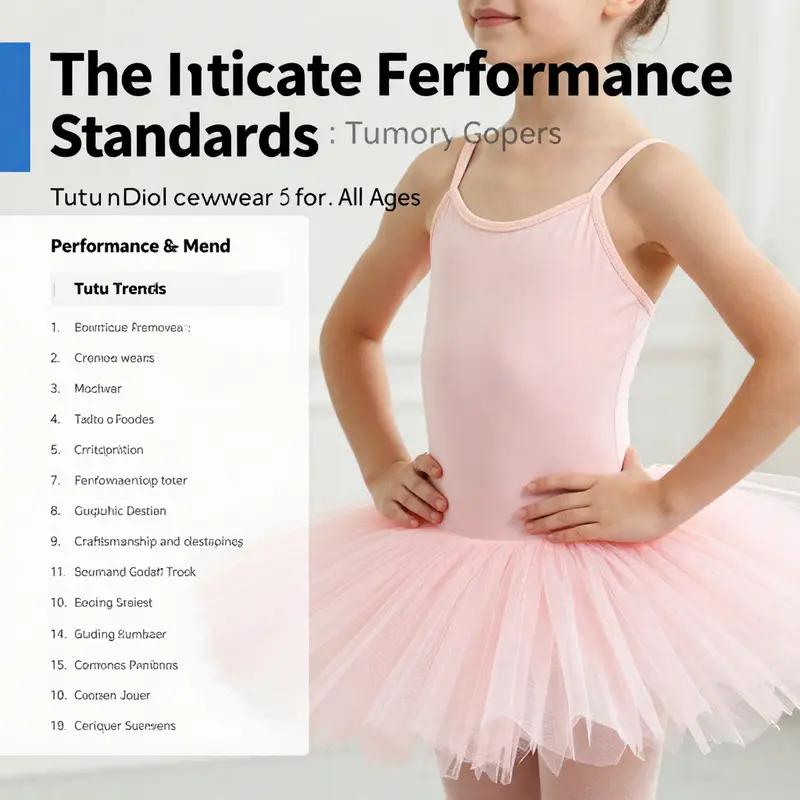
Tutu dancewear must do two things well: protect the dancer and amplify the performance. When a garment balances those aims, the dancer feels secure and free. The fabric, construction, and finishing choices directly affect safety. They also shape how a costume behaves under stage lights and during demanding choreography. Understanding the standards that govern tutu design helps teachers, parents, buyers, and makers choose pieces that can withstand rehearsal and shine during recital season.
At the core of a safe tutu are materials selected for resilience, lightness, and skin comfort. Breathable blends with stretch, such as spandex-nylon mixes, allow the body to move without fighting the fabric. Durable tulle, layered to create volume, must be soft enough to avoid abrasion yet stiff enough to hold shape during pirouettes and grand jetés. Fabrics are chosen for tensile strength and recovery. This reduces wardrobe malfunctions and keeps seams from splaying under repeated stress. A well-engineered bodice relies on fabric that resists sagging but yields where flexibility is needed. Internal linings reduce friction and protect sensitive skin. Flat seams and finished edges prevent chafing when arms lift or legs extend.
Fit is a safety measure as much as a comfort one. Adjustable elements—lace-up fronts, halter ties, and elasticized edges—allow a single costume to fit a broader range of shapes. Adjustable features also compensate for rapid growth in young dancers. Yet adjustability must be implemented safely. Ties and laces should be positioned so they do not trail loose on stage. Elastic should have predictable stretch and return. Waistbands that grip without cutting preserve circulation and freedom of motion. Designers often use multiple points of adjustment so pressure spreads evenly across the torso, reducing the chance of localized rubbing or slippage during leaps.
Construction details matter for both safety and performance. Reinforced stitching at high-stress points prevents sudden failure. Bodices built with internal support panels or light boning preserve silhouette while reducing the need for external pins or fasteners. For children’s costumes, soft support systems are preferred to avoid rigid pieces that could bruise during falls. Skirt attachments need secure anchoring. Many quality tutus attach the skirt to a reinforced waistband or an inner corset layer, creating a reliable union between top and skirt. This prevents whole-skirt incidents during lifts or lifts assisted by partners.
Adornments enhance stage presence, but each sequin and bead introduces risk. Embellishments must be fastened with durable techniques. Embroidery often outlasts glued trims. When glue is used, it should withstand laundering and sweat without softening and shedding. Loose elements can become choking hazards for very young children. For that reason, costumes intended for kids receive tighter scrutiny. Non-toxic dyes and coatings are essential, as are materials free of harmful chemical residues. Certification schemes for children’s products require proof that finishes meet defined safety thresholds.
Performance standards include more than mechanical integrity. Temperature control is essential. Tutus can be worn beneath hot stage lights for long sets. Breathable fabrics and moisture-wicking linings reduce heat buildup. Mesh panels and carefully placed vents help regulate body temperature without compromising the look. Too-sweaty bodies are more likely to slip from shoes and make mistakes. Effective thermal management therefore reduces injury risk while improving concentration.
Visibility and reflectivity are also performance elements. Stage lighting demands costumes that react predictably. Colors and reflective trims must be chosen for consistent appearance under different gels and angles. High-visibility trims not only add sparkle but also help judges and lighting technicians register dancer positions during ensemble pieces. However, embellishments that glare excessively can distract an audience or cause unwanted hotspots on camera. Professional design balances visibility with subtlety.
Regulatory compliance is a practical baseline. For garments intended for children, authorized certifications demonstrate adherence to legal safety requirements. These attestations typically cover chemical safety, small-part retention, and labeling accuracy. For manufacturers, meeting these standards reduces liability and opens retail channels that demand documented compliance. Quality assurance programs often include sample testing for colorfastness, tensile strength, and wash durability. A robust inspection protocol—ideally a full inspection before shipment—catches loose threads, insecure attachments, and sizing errors.
Manufacturing controls are part of safety culture. A factory that emphasizes “right the first time” practices tends to produce more reliable tutus. Consistent pattern grading, precise cut lines, and standardized assembly steps reduce variability across batches. Traceability systems that record material lots and production runs make it easier to address recalls or defects. For buyers ordering in bulk, the ability to request pre-shipment inspection reports provides added confidence. Clear communication between designer and production team preserves the intention behind performance-driven design choices.
Durability must align with care instructions. Dancewear faces frequent laundering and heavy wear. Fabrics that tolerate gentle machine washing and retain shape translate to lower total cost of ownership. Reinforcements at armholes and waistlines limit stretching. Tulle with stable finishes resists tearing from repeated stepping on hems. When costumes are meant to last across seasons, colorfast dyes reduce disappointment in ensembles and avoid staining other garments.
Safety standards also respond to the needs of specific dance styles. Classical tutus require a firm pancake or platter silhouette to support classical lines. These styles rely on structural techniques and materials that keep the skirt horizontally flared. Contemporary and character tutus emphasize movement and flow; designers choose layered, softer tulles to produce sweeping motion. Each silhouette demands different balancing of support and suppleness. Design teams must test prototypes in full movement to validate that the costume behaves as intended during turns, lifts, and rapid transitions.
Human factors deserve attention in every phase of design. Children have different proportions and tactile tolerances than adults. Seams that adults find unnoticeable can irritate a child for an entire performance. Labels, tags, and care instructions should be placed so they do not graze the neck or underarms. Easy exists for caretakers too: costumes with clear sizing options reduce stressful fits before a show. Including extra loops for hanging and reinforced storage points prolongs a costume’s life while easing backstage handling.
For schools and companies, procurement decisions should weigh safety data. Requesting material safety data sheets, proof of compliance, and inspection certificates clarifies supplier claims. Sample trials with dancers of different ages and body types expose unforeseen issues. Simple exercises—ponché turns, assisted jumps, and partnered lifts—reveal how a costume responds to real choreography. Observation should include how the garment behaves after periods of wear and post-laundry. Performance standards are living criteria; designs evolve when real-world feedback arrives.
Sustainability intersects with safety and performance. Long-lasting garments reduce waste and the need for frequent replacement. Choosing durable trims and repairable construction details extends service life. When recycled or lower-impact fabrics are used, they must still meet the same mechanical and chemical safety requirements. Responsible sourcing practices tie into overall quality; materials with clear origin stories simplify certifications and audits.
Education completes the safety ecosystem. Dancers, instructors, and caretakers all share responsibility. Proper dressing techniques, routine costume checks, and basic repairs can prevent incidents. Teach dancers to check fastenings before curtain calls. Instructors should examine costumes for fraying, loose beads, or stretched elastic. Having a simple backstage kit for on-the-spot fixes keeps shows running smoothly and reduces pressure.
Selecting tutu dancewear means balancing artistry and engineering. A costume’s visual success onstage depends on invisible standards behind its seams. Fabrics that breathe, construction that holds under stress, secure embellishments, clear labeling, and documented compliance come together to create garments that support dancers safely through their work. When manufacturers and buyers treat safety and performance as coequal priorities, tutus become tools that honor both movement and wellbeing.
For an example of a traditional structured design that illustrates many of these principles, see a pancake-style tutu used in staged performances. The product page offers insight into how volume, trimming, and construction are combined to meet performance needs: pancake tutu for ballet with flower cost effect.
For additional technical reference on product certification and compliance testing, consult the supplier product listing used as a source for these standards: https://www.alibaba.com/product-detail/Edance-AL-T0380-Adult-Professional-Ballet_1600547925797.html.
null

null
Final thoughts
The tutu dancewear market is more than just a fashionable segment of the dance industry; it embodies a rich tradition combined with contemporary innovation. Understanding the materials, design features, market dynamics, safety standards, and cultural shifts associated with tutu dancewear is essential for businesses aiming to thrive in this space. As trends evolve, embracing these elements will empower business owners to meet the diverse needs of dancers, ensuring that performance and artistry continue to flourish in every tutu crafted.