
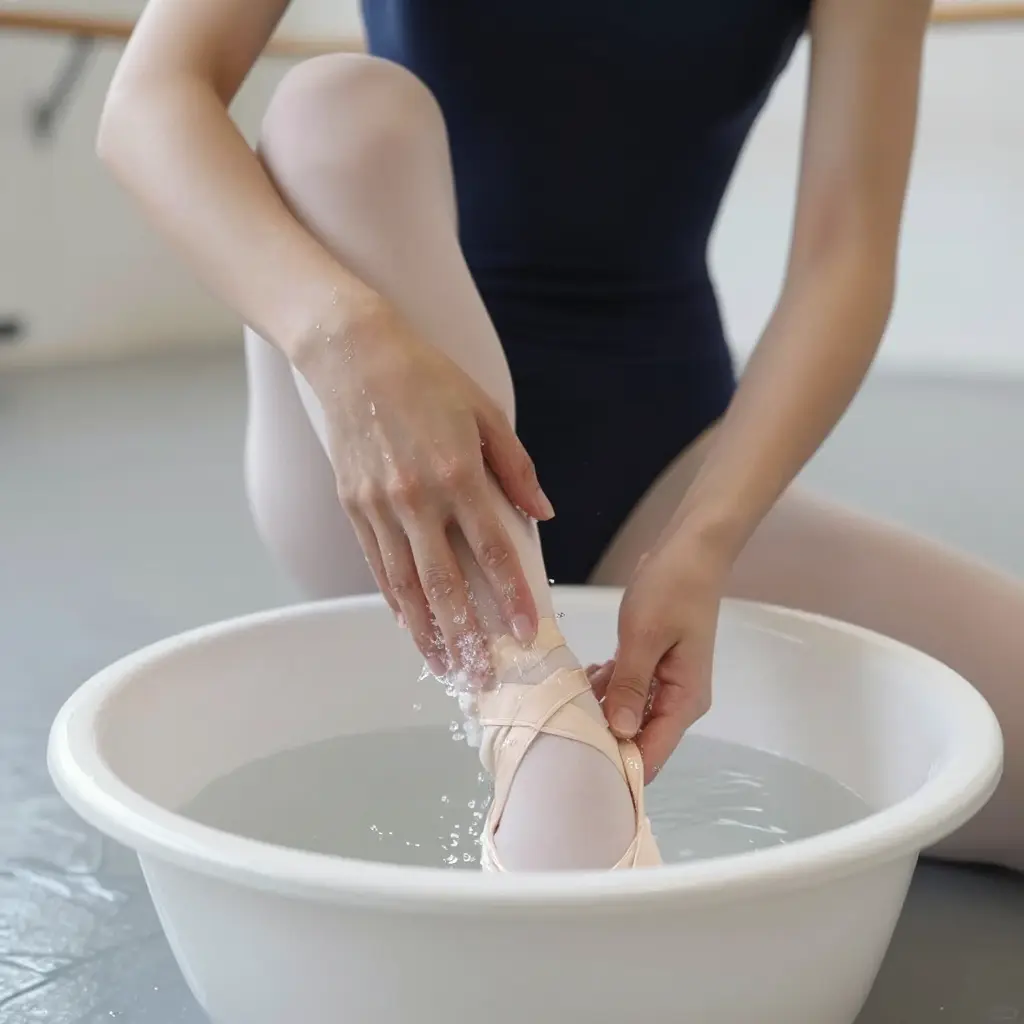
How to Wash Ballet Leotards and Tights: Water Temperature, Detergent, and Elastic Fatigue
Ballet leotards and tights are stretch garments, not cotton basics. Most are elastane blends with nylon or cotton, and their fit, opacity, and ability to spring back depend on fibers that react badly to heat, harsh chemicals, and rough handling.
Caring for them is mostly fiber care. Washed gently, a leotard can keep its snap for years; washed carelessly, the elastic gives out long before the fabric looks worn.
Three things decide how long they last:
- Water temperature – why hot water damages elastane and what settings protect stretch fibers.
- Detergent choice – which formulas are safe for technical fabrics and which break them down.
- Early signs of elastic fatigue – what to look for before a garment is finished.
Our ballet tutu guide covers how these garments are constructed in more detail. The sections below work through each point.
Why Fabric Care Matters
The point of caring for stretch fabric is not to keep it looking new but to keep it working. The fibers inside a leotard and a pair of tights do their job out of sight, and they break down when treated like cotton.
Elastane, also called spandex, is a segmented polyurethane. Soft mobile segments uncoil under tension and snap back. Heat, chlorine bleach, and strong alkaline detergents attack the bonds holding those segments together. Once the polymer chains relax for good, the fiber loses its recovery: the garment sags, gapes at the seat, and stops hugging the body through a pirouette or a grand jete.
Nylon is tougher but not indestructible. It resists abrasion, yet repeated heat and mechanical stress – aggressive wringing, hot tumble drying, snagging on zips – cause surface pilling and fuzzing. Fuzzed nylon scatters light differently, so the leotard starts to look thin and slightly see-through at the hips and shoulders, which shows badly under stage lighting.
The damage accumulates. One hot wash may not ruin a garment, but a season of them will. Fiber breakdown shows up first as stiffness, then fading color, then poor recovery and reduced opacity. Better-made pieces last longer, but no fabric survives repeated abuse.
Three habits protect performance:
- Wash cool (30°C / 86°F or below) so elastane segments do not relax.
- Use a mild, pH-neutral detergent and skip bleach, fabric softener, and enzyme cleaners.
- Reduce mechanical stress: turn garments inside out, use a mesh bag, and air dry instead of tumble drying.
Those habits preserve fit, opacity, and recovery. The same logic applies to structured pieces, so read a proper ballet tutu guide before laundering anything with tulle or boning. Care for a ballerina tutu follows the same rules: gentle chemistry, low heat, little agitation. Treated well, stretch fabric holds its shape long after the final curtain.
The Right Water Temperature for Washing Ballet Leotards and Tights
Water temperature matters more than anything else for how long dancewear lasts. Cool water lets leotards and ballet tights keep their stretch, color, and shape; hot water weakens elastane quickly.
The Recommended Range: Cool to Lukewarm
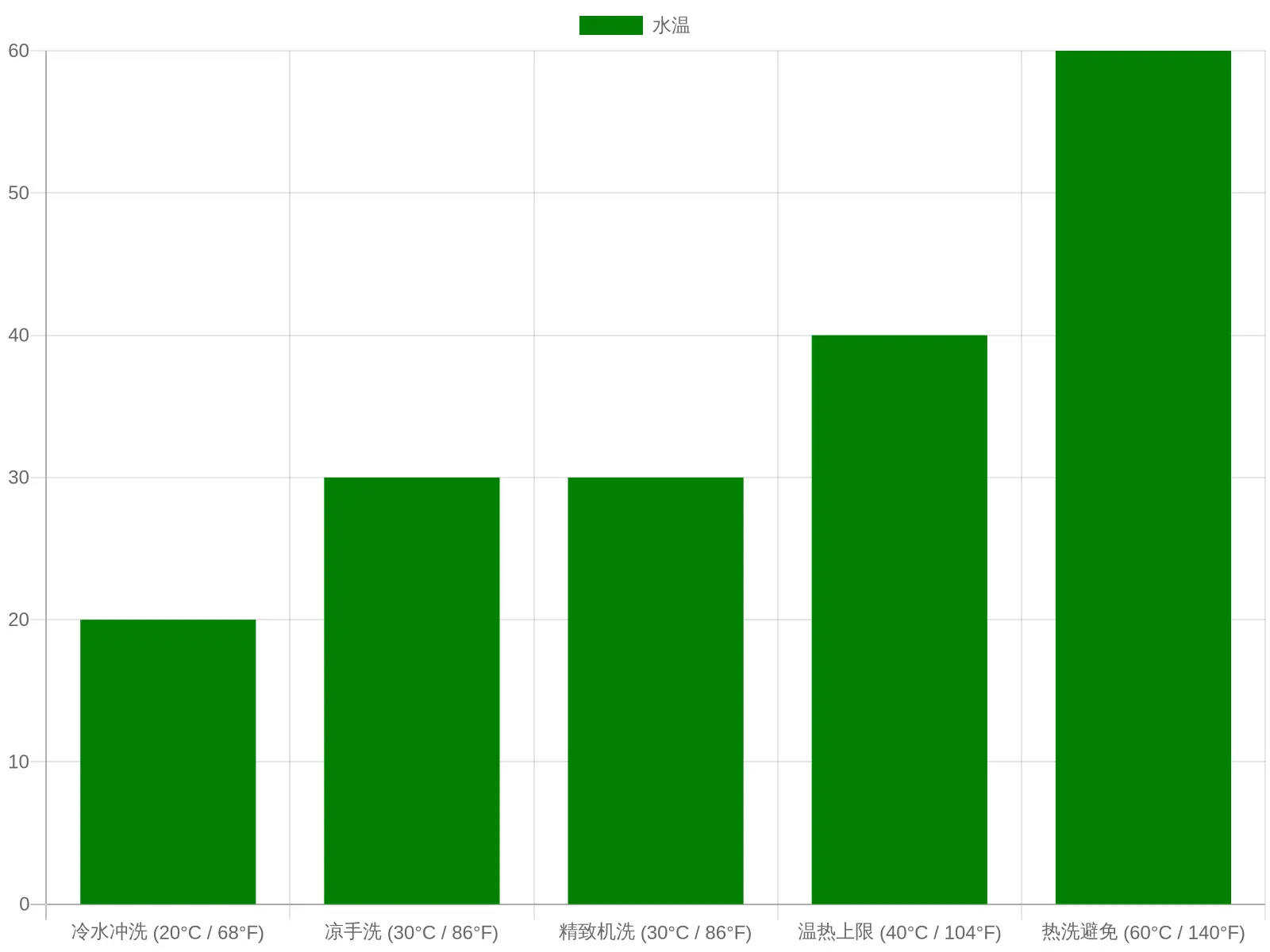
Aim for cool to lukewarm water, ideally 30°C (86°F) or below.
- Ideal: 20°C to 30°C (68°F to 86°F) for leotards and tights.
- Acceptable upper limit: 40°C (104°F) only for sturdy cotton tights.
- Avoid entirely: anything above 40°C (104°F).
Cool water lifts sweat, deodorant residue, and rosin without stressing the fibers. Warm water is only needed when the soil is heavy.
Why Hot Water Damages Elastane
Elastane (also labeled Lycra or Spandex) is made of long polymer chains held under tension. Hot water breaks those bonds and relaxes the fibers permanently. The first sign is familiar: sagging waistbands, baggy knees, a leotard that never quite snaps back. Heat-damaged elastane cannot be restored.
Why Hot Water Causes Color Bleeding
Leotards and tights come in saturated shades – ballet pink, black, navy. In hot water, dye molecules loosen and migrate out of the fabric, fading the garment and tinting lighter items washed with it. Cool water keeps dye in place.
Hand Washing vs Machine Washing
Temperature targets shift slightly by method:
- Hand washing: Use lukewarm to cool water around 25°C to 30°C (77°F to 86°F). You control the feel, so it stays gentle on seams and straps.
- Machine washing: Use the cold setting, 20°C to 30°C (68°F to 86°F), plus a delicate or hand-wash cycle. Never select warm or hot.
Both methods should end with a cool rinse; the drop in temperature helps set the shape. For fabrics beyond leotards and tights, see the ballet tutu guide.
How to Choose Your Temperature: Step by Step
- Read the care label. It lists the maximum temperature the maker guarantees.
- Check the fiber mix. High elastane content means keep it cool; mostly cotton can handle lukewarm.
- Fill the basin or drum first. Set the water temperature before adding garments.
- Test by touch. Hand-wash water should feel cool to barely warm – never hot.
- Add your leotards and tights. Let them soak for 10 to 15 minutes without agitation.
- Rinse cool. Run cool water until it flows clear, then gently squeeze out excess.
Keep every wash at or below 30°C, and your ballet tights and leotards hold their stretch longer.
Water Temperature and Detergent Reference for Ballet Leotards and Tights
| Fabric / Garment Type | Recommended Water Temperature | Detergent Type | What to Avoid | Risk if Ignored |
|---|---|---|---|---|
| Cotton-blend leotard | Cold to cool (max 30 C / 86 F) | Mild liquid detergent, pH-neutral | Hot water, chlorine bleach, fabric softener | Shrinkage, color bleeding, stiffened fibers |
| Elastane-rich performance leotard | Cold (max 30 C / 86 F) | Gentle pH-neutral or sport-specific detergent | High heat, dryer cycles, oil-based softeners | Elastic fatigue, stretched or baggy fit, loss of recovery |
| Nylon ballet tights | Cold hand wash (max 30 C / 86 F) | Mild liquid detergent or hand-wash formula | Wringing, hot water, tumble drying | Snags, runs, sagging, dulled sheen |
| Mesh or lace inserts | Cold (max 30 C / 86 F) | Mild liquid detergent, diluted | Agitation, bleach, harsh rubbing | Tears, fraying, distorted patterns |
| Embellished or sequined costume piece | Cold, spot-clean or gentle hand wash | Very mild detergent, minimal amount | Washer spin, hot water, soaking | Loose or lost sequins, glue failure, dulled trims |
How to Read This Table
Start with the lowest temperature listed in each row and go higher only when a care label allows it. Detergent matters as much as heat: a mild, pH-neutral formula protects elastane and trims, while bleach, fabric softener, and oil-based additives speed up elastic fatigue and color loss. Cold water and a gentle hand wash are the safe default for everything in the table.
Choosing the Right Detergent for Ballet Leotards and Tights
The detergent you choose can weaken fibers long before the fabric looks worn. Leotards and tights are usually nylon, spandex (elastane), and cotton blends held together by fine elastic threads, and those materials do poorly with the aggressive chemistry in standard laundry powders: high alkalinity, optical brighteners, enzymes, abrasive fillers.
A mild, pH-neutral detergent, or one labeled for delicates, cleans without stripping fibers or dulling the surface. Harsh powders break down the elastic polymers over time; dancers who switch to a mild liquid often find their garments stay snug and opaque much longer. If you wash several costumes a week, a dedicated delicate wash also slows color fading.
Two product types are worth avoiding outright. Fabric softener leaves a waxy film that traps oils and cuts breathability. Chlorine bleach attacks the elastic structure, causing yellowing and brittleness. Oxygen bleach is usually unnecessary on synthetic dancewear too.
Residue is the quieter threat. Softener and detergent films sit between skin and fabric, blocking moisture wicking so sweat stays against the body, and they stiffen the stretch fibers. Repeated flexing under that stiffness speeds up elastic fatigue, which shows first as a leotard that no longer snaps back. Color-safe delicate detergent also keeps vivid shades from fading, whether you are caring for a classic pink tutu ensemble or an elegant black tutu design.
- Do choose a pH-neutral or delicate-specific liquid detergent.
- Do use the smallest effective amount and rinse thoroughly.
- Do wash similar colors together to limit dye transfer.
- Don’t use fabric softener, dryer sheets, or liquid softener beads.
- Don’t use chlorine bleach or powdered detergents with brighteners.
- Don’t overdose detergent, since excess product leaves residue behind.
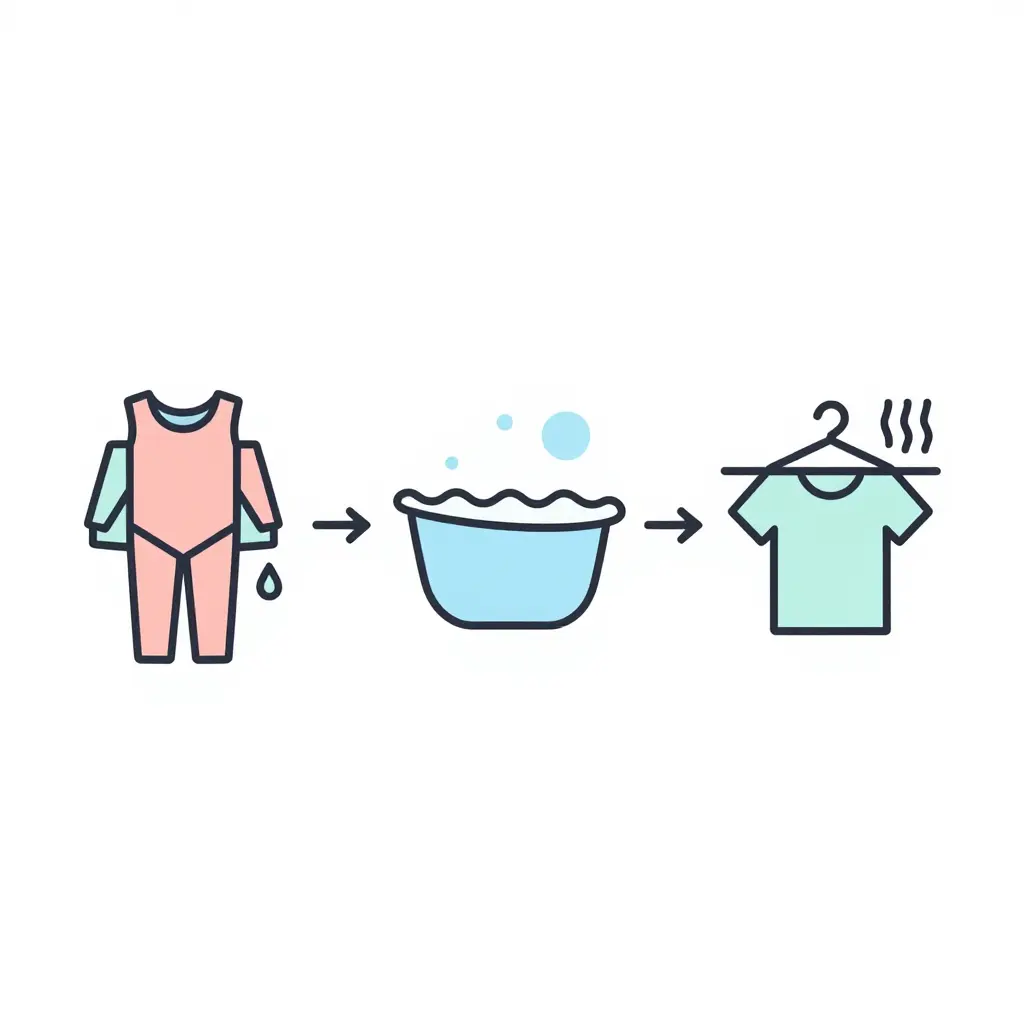
Washing leotards and tights properly keeps them stretchy, opaque, and comfortable through years of classes. The goal is to remove sweat and bacteria without harming the elastic fibers. Work through these steps in order.
-
Turn each garment inside out before washing. Sweat, body oils, and deodorant collect on the inner surface, so this lets water reach the soil while the outer finish and any trim stay clear of friction.
-
Sort by color and fabric weight. Dark and bright dyes bleed onto lighter pieces, and heavy leotards need different handling from sheer tights. Grouping them prevents tinting and uneven wear.
-
Fill a basin with cool water below 30°C (86°F). Cool water still cleans well, and it slows the breakdown of the stretch that gives the garment its shape.
-
Add a small amount of mild, pH-neutral detergent. Harsh powders, bleach, and fabric softener coat the fibers and eat into elastic; a mild detergent lifts soil and rinses clean.
-
Soak for 10-15 minutes, then squeeze gently. Rubbing and wringing cause pilling and runs, so let the water do the work.
-
Rinse in cool water until no suds remain. Leftover detergent traps bacteria and irritates skin; rinse until the water runs clear.
-
For machine washing, put tights in a mesh laundry bag. Zippers and hooks on other items snag sheer nylon, and the bag blocks them.
-
Add leotards to the same bag or a second one. Bodysuits catch on tights and on each other; keeping them apart reduces friction and stretching.
-
Choose a gentle or delicate cycle with cold water. Fast agitation stretches and thins fabric; a slow, short cycle protects elasticity and color.
-
Don’t overload the drum. An overstuffed machine makes garments rub together, causing pilling and stretched seams. Leave them room to move.
-
Skip the heavy spin or use the lowest setting. High-speed spinning pulls delicate fibers out of shape; a light spin, or none, keeps them true to size.
-
Roll in a clean towel, then lay flat to dry. Dryer heat destroys elastic; air-drying away from direct sunlight preserves fit and color.
The short version: cool water, a gentle detergent, a mesh bag on a delicate cycle, and no overloading or overheating. Handled gently from the inside out through drying, garments hold their shape, color, and stretch much longer. For keeping performance wear in good condition more broadly, the ballet garment care guide is a useful next read.
The First Signs of Elastic Fatigue in Ballet Leotards and Tights
Elastic fatigue is the slow breakdown of the stretch fibers in leotards and ballet tights. It rarely happens overnight. It shows up instead as a few small changes that dancers, instructors, and parents can spot well before a garment becomes unwearable.
Sagging at the leg openings
The leg openings of tights sit under constant tension during plies, jumps, and floor work. The elastane (spandex) molecules that give the knit its stretch rely on polymer chains that recoil after being pulled. Repeated heat and mechanical stress break those cross-links, so the elastane stops returning to its original length. The opening goes loose and drooping, no longer gripping the ankle or thigh.
Loss of snap-back after stretching
A healthy leotard or pair of tights springs back the moment you release it. With elastic fatigue, the fabric stretches and recovers slowly, or stays stretched altogether. That lagging recovery is the clearest sign the elastane blend has weakened.
Wave or ripple edges
A wavy, rippled hem, waistband, or leg opening is another early warning. When the elastic threads lose tension unevenly, the surrounding knit can no longer lie flat and the edge buckles into waves instead of sitting smooth.
Thinning or shiny patches
Shiny, flattened patches mean fibers have been abraded, usually by friction or overheating. The fabric feels slick and looks pressed, a sign the surface fibers are wearing thin before they split.
Gradual see-through areas
When the fabric thins enough, it turns translucent. You notice it first at stress points – the seat, knees, or the crotch of tights – where coverage fades even though the garment still looks intact from a distance.
How washing habits drive elastic fatigue
Heat does the most damage. Hot water, harsh detergents, chlorine, and tumble drying all speed up elastane breakdown, so cool hand-washing and air-drying add real years to a garment. For how construction and handling affect dancewear life, see the guide to tutu dress durability for business owners.
Watch for these warning signs and replace stretched pieces before they fail mid-class:
- Sagging or drooping leg openings
- Slow or absent snap-back after stretching
- Wavy, rippled, or buckled edges
- Shiny, flattened, or thinning patches
- Gradual see-through or translucent zones
Catching it early keeps leotards and tights fitting correctly, protects modesty on stage, and lets you replace pieces on your own schedule instead of the day they give out.
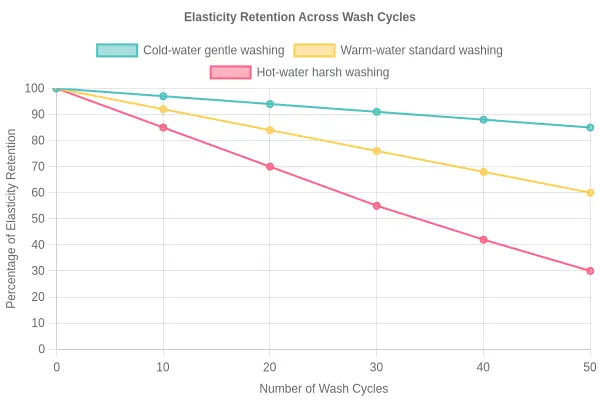
The chart plots elasticity retention across 50 wash cycles for three routines. Cold-water gentle washing stays above 85% retention; warm-water standard washing drops toward 60%; hot-water harsh washing falls to roughly 30% by cycle 50. The steeper the slope, the faster heat and harsh detergent wear out the elastic.
Drying and Storing Ballet Leotards and Tights

Drying matters as much as washing. Elastane (also called Spandex or Lycra) keeps leotards and tights stretchy and form-fitting, but it is sensitive to heat. Gentle drying protects that stretch.
Why Air-Drying Beats the Tumble Dryer
Air-drying is safest. Lay tights flat on a clean towel, or hang leotards in the shade away from radiators and sunny windows. Room-temperature air draws moisture out slowly and does not stress the fibers.
Tumble dryers run well above what elastane can take. The heat breaks down the elastic polymers, so leotards lose their snap and tights sag at the knee and waist. Even a low setting adds wear.
Why Direct Sunlight Is a Problem
Direct sunlight concentrates UV radiation and heat. UV degrades elastane and fades dye, leaving a once-vivid leotard dull and stiff. Shade keeps colors true and preserves stretch.
Fold Tights, Don’t Hang Them
Hanging tights by the waistband lets gravity pull the knit down, distorting the leg shape. Fold them flat instead. Leotards can be folded or hung on a padded hanger; thin wire hangers leave shoulder marks. The ballet tutu guide explains how dancewear is constructed and why fiber care matters.
Quick Drying Rules
- Lay ballet tights flat on a towel to dry
- Hang leotards in the shade, never in direct sun
- Skip the tumble dryer entirely
- Keep garments away from radiators, heaters, and hot cars
- Let items dry completely before storing them
Storing Them Correctly
Store clean, fully dry garments in a cool, dry place. Heat and moisture work against elastane: a warm, damp drawer encourages mildew and weakens fibers. Fold loosely, don’t cram pieces under heavy clothing, and never leave damp tights in a dance bag for days. A breathable cotton bag works well for travel.
Follow it and garments hold their fit and color longer, ready for the next class.

Frequently Asked Questions About Washing Ballet Leotards and Tights
How often should I wash ballet leotards and tights?
Wash them after every one to three wears, depending on how much you sweat. A leotard sits against the skin and absorbs perspiration, body oils, and deodorant residue that weaken the fibers over time. Tights worn underneath can often go two or three classes, but wash any pair used for an exam or performance after each use. The ballet tutu guide covers performance-wear care in more detail.
Is fabric softener ever acceptable on leotards or tights?
No. Fabric softener should be left off stretch performance wear entirely. Its waxy coating breaks down elastane (spandex) fibers, which speeds up elastic fatigue and loosens the snug fit dancers rely on. If you want softer tights, add half a cup of white vinegar to the rinse instead; it conditions the fabric without leaving a film.
How do I remove sweat odor and makeup stains?
To remove sweat odor, wash leotards in cool water with a mild, pH-neutral detergent, then air them fully in fresh air before storing. For foundation and lipstick marks, dab – never rub – with a little micellar water or diluted dish soap before the main wash. Rinse well so no residue is left to yellow the fabric.
Can leotards and tights be washed together?
Yes, as long as both are similar colors and comparable fabrics. Put them in a mesh laundry bag so zippers, hooks, or snaps on the leotard cannot snag the tights. Don’t mix dark tights with light leotards; dye transfer happens even in cool water.
How can I revive mildly stretched elastics?
Soak the garment in cool water for about fifteen minutes, then gently stretch and release the elastic several times to redistribute the fibers, and dry it flat away from direct heat. This eases the earliest signs of fatigue, but it will not reverse heavy stretching or a snapped waistband. Dryer heat and hot water make elastic fatigue permanent, so always air-dry.
When should I replace a garment instead of washing it?
Replace a leotard or pair of tights when the elastic no longer springs back, when seams fray, or when the fabric has turned thin and see-through. If washing no longer restores shape, fit, or opacity, replace it. For growing dancers, that is also the moment to size up.
Wrapping Up: Three Pillars of Lasting Dancewear
The same three points run through the whole guide. Cool or lukewarm water protects delicate fibers and elastics from shrinking, fading, and losing shape. A mild, pH-neutral detergent free of bleach and fabric softener keeps color bright, opacity intact, and stretch dependable. And catching a stretched waistband or loosening leg opening early lets you adjust your routine before the damage becomes permanent.
Do these and you are doing more than laundry. You extend the life of every leotard and pair of tights, protect the fit dancers depend on, and preserve the opacity that keeps a performance looking polished. It is a small habit, and it pays off across years of classes, rehearsals, and recitals. For more ways to keep each piece performance-ready, see the complete ballet tutu guide.
Final Care Checklist
- Wash in cool or lukewarm water after every two to three wears.
- Use a mild, pH-neutral detergent – skip bleach and fabric softener.
- Turn garments inside out and wash tights separately to prevent snags.
- Never wring, twist, or machine-dry; press out water gently and air-dry flat.
- Inspect waistbands and leg openings often for the first signs of elastic fatigue.
- Store dry, flat, and away from direct sunlight to protect color and stretch.
With consistent, gentle care, your dancewear stays comfortable, opaque, and ready for the next class.