
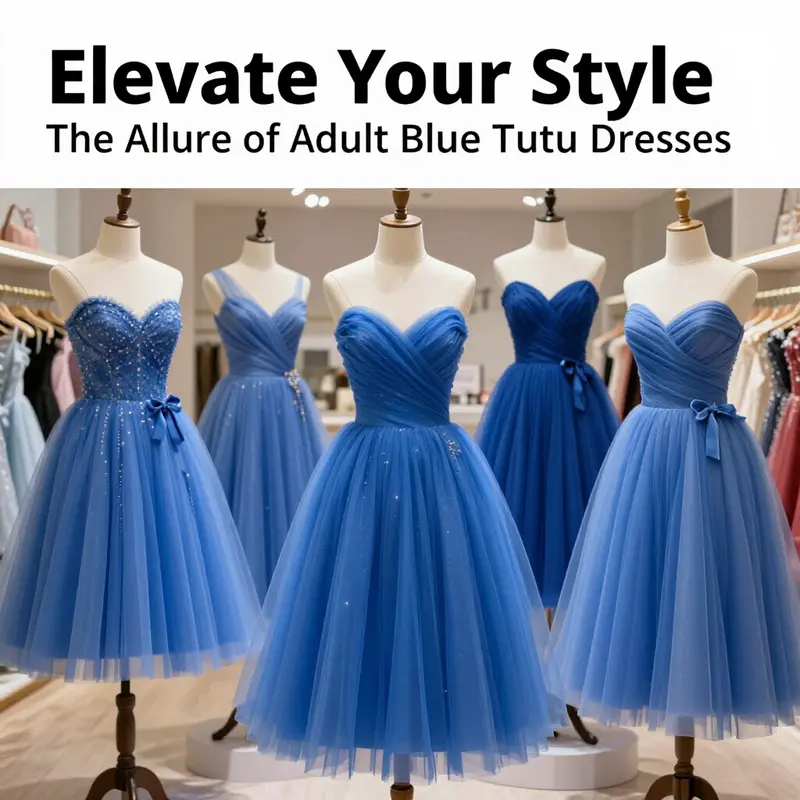
Adult blue tutu dresses blend whimsical charm with versatile styling, making them essentials for contemporary wardrobes. From parties to performances, these dresses serve multiple purposes, appealing to fashion enthusiasts and performers alike. The first chapter delves into current fashion trends surrounding these dresses, emphasizing their style adaptability. Next, we explore diverse occasions that call for wearing a blue tutu, highlighting their impact at various events. The purchasing landscape is then uncovered, offering insights into where to buy and what consumers seek in a great tutu. Finally, the last chapter discusses maintenance techniques to keep these stunning dresses in top condition, ensuring they always look their best. Together, this article aims to empower business owners to capitalize on the growing interest in adult blue tutu dresses.
Whimsy with Purpose: How the Blue Tutu Dress Redefines Adult Style Across Stages and Socials

A blue tutu dress for adults opens a door between fantasy and contemporary fashion that few garments can claim. It is a piece that invites a second look without demanding it, a silhouette that carries both movement and meaning. In a world where clothing often toggles between utility and polish, the blue tutu refuses to be reduced to one role. It can pilot a stage performance, sparkle under wedding or gala lighting, anchor a bold party ensemble, or simply spark a playful mood at a casual gathering. The color itself—rangeable from pale sky to deep navy—carries a set of associations that audiences already recognize. Blue is trusted; it signals calm, credibility, and openness. When placed against the fluttering tiers of tulle, those connotations soften into whimsy, while retaining a sense of poise. The result is a garment that feels both approachable and intentional, a paradox that makes the blue tutu dress a compelling option for adults who want to blend imagination with maturity.
This versatility rests not only on color but on form. A tutu is, at its core, a study in motion. The layered tulle skirts catch air with the smallest step and respond to a dancer’s lines with sculptural weight. The number of layers and the waistband design alter not just the look, but the way wearers move in it. A classic three-layer skirt with an elastic waistband can be worn for a casual yet polished effect, offering comfort and freedom of movement for longer wear. In contrast, a more elaborate, performance-focused version—with additional layers, a tailored bodice, and finishing touches like satin trims or subtle embroidery—transforms the piece into a stage-ready costume. The spectrum from everyday wear to theatrical costume is what makes adult blue tutus so appealing: they can be as understated or as extravagant as the moment demands, while still feeling coherent in a wardrobe that values personal expression.
Color psychology provides a framework for understanding why blue, in particular, resonates in adult settings. Dr. Miriam Patel, a behavioral fashion researcher, notes that blue enhances credibility and approachability. This is not about softening a persona into passivity; it is about enabling first impressions to be both warm and competent. When a person steps into a social or professional environment wearing a blue tutu dress, the gaze is drawn to the movement and the lightness of the fabric, but it is the color that quietly reinforces trust. The effect is subtle, yet meaningful: confidence is perceived, not claimed outright. Designers and wearers alike have learned that the right shade of blue can tilt perception in favorable ways, making the wearer seem thoughtful, creative, and approachable all at once. The tutu thus becomes more than costume; it becomes a strategic style choice that negotiates between stage presence and everyday presence.
Form and function meet in the practicalities of construction. The modern adult tutu blends craft with comfort. A 3-layer or 5-layer configuration can be chosen to balance volume and wearability. An elastic waistband provides a secure fit without sacrificing ease, enabling easy transitions from standing poses to dynamic spins. The language of design here is not merely about fullness; it is about how fullness interacts with the body’s lines. A soft A-line silhouette can create a flattering frame for many figures, while longer tutu shapes, such as a knee- or ankle-length option, can be paired with structured bodices or flowing capes to evoke a refined theatricality. The materials, typically a blend of soft tulle and lining fabric, are chosen for bounce, drape, and breathability. The fabric’s capacity to hold shape under lights is an added point of drama: under stage illumination, blue folds refract light into a luminous glow, while in daylight they settle into a gentle, almost ethereal presence. These qualities—comfort, movement, and light—are what turn a blue tutu from a novelty into a wearable statement.
The design vocabulary of blue tutus also demonstrates how color works in concert with texture and silhouette. Baby blue reads as delicate and playful, evoking fairy-tale decorum, while azure and cobalt suggest confidence and modern energy. Deep navy brings a mature counterpoint to whimsy, enabling the piece to anchor a night-time look with a hint of formal polish. In performance contexts, designers may layer varying hues within a single skirt to catch lights from different angles, producing shifting tones as the wearer moves. Adding elements like subtle glitter, iridescent threads, or reflective accents can intensify the garment’s presence for evening events, gala settings, or photography sessions. Yet even without embellishment, the blue tutu presents a compelling balance of brightness and depth, a paradox that keeps the garment flexible across contexts.
For those planning more than one appearance, the tutu’s adaptability becomes even more valuable. A bulk purchase strategy for productions or ensembles can be economical without compromising style. Wholesale options exist for those who need multiple pieces for performances, photo shoots, or themed parties. The practical side of the blue tutu—ease of care, repeatability of fit, and consistency of color across batches—helps organize wardrobes that must travel between venues. In this sense, the blue tutu is not merely a costume piece but a reliable building block for a diverse range of outfits. It offers a reliable anchor for a stylist’s broader vision, allowing other pieces to swing from playful to polished with minimal friction.
The conversation about color and form naturally extends to how wearers pair the tutu with other wardrobe elements. A tidy, monochromatic approach—matching the top and accessories in shades of blue—creates a cohesive, high-impact effect ideal for stage work or formal parties. A bolder route might mix textures and tones: a satin or silk blouse in a deeper blue can ground the look, while metallics in silver or pale neutrals provide a contrast to the tutu’s airy silhouette. Footwear is equally important and depends on the occasion. For stage performances, comfortable practice wear plus stable heels or specialty dance shoes can sustain long rehearsals and heal-sinking movements. For parties or photo shoots, a sleek pair of ankle boots or simple flats can preserve the dress’s whimsical energy without overpowering it. The key is to treat the tutu as an entire system—garment, accessory, and makeup—working in harmony to tell a single story of expressive sophistication.
Care and longevity are practical concerns that deserve attention. The repeated wear of a tutu invites thoughts about fabric care, storage, and repair. Tulle, while light and voluminous, can snag if not treated with care. Gentle washing, air drying, and proper storage help preserve the fabric’s loft and color. If the look leans toward later-stage sparkle or glow effects, batteries and electronics must be handled with care, with attention to heat generation and safety. For educators, choreographers, or event organizers, these considerations translate into a reliable workflow: select a design that matches the event’s duration, arrange a suitable wardrobe for quick changes, and keep a small kit of repair tools on hand. The result is more than style; it is a well-executed performance plan, where a blue tutu dress remains ready to perform at a moment’s notice.
In the end, the adult blue tutu dress is a celebration of versatility and emotional resonance. It acknowledges that fashion can be an instrument for storytelling, not merely an accessory to an outfit. The piece invites wearers to explore identity with a lightness that never negates seriousness. It allows a presentable, polished exterior while offering the spontaneous joy that comes from a fluttering skirt and a fluttering heart. The garment makes room for both refinement and play, suggesting that those who choose it are answering a broader call: to be both thoughtful and radiant, capable of commanding a room while inviting others to smile in return.
For readers interested in exploring a range of blue-tinted options that embody similar versatility—without sacrificing design integrity—consider this internal resource that aligns with the broader conversation about blue fashion pieces and performance-ready attire. blue gradient color ballet tutu. This link leads to a catalog of pieces designed to balance comfort, movement, and stage presence, providing a practical window into how a blue tutu can be integrated into serious display contexts as well as festive occasions.
As the fashion conversation around adult costumes and stagewear continues to evolve, the blue tutu dress stands as a concrete example of how color and form can collaborate to elevate everyday life and extraordinary moments alike. It is not just a memory of childhood whimsy; it is a deliberate choice about how we present ourselves to the world. The garment speaks in a language of motion and light, yet it also speaks to the adult desire to cultivate a personal narrative. Whether worn for a performance, a themed party, or a bold street-ready moment, the blue tutu dress has the capacity to transform perception—starting with how we are seen and, perhaps more importantly, how we choose to see ourselves.
External reference: For broader context on blue dresses and ready-for-any-occasion styling, see the overview at Vogue Living.
https://www.vogue.com.au/fashion/2026/01/top-10-best-blue-dresses-stylish-affordable-ready-for-any-occasion
From Stage Lights to Social Nights: The Everyday Versatility of an Adult Blue Tutu Dress

A blue tutu dress for adults carries more than a playful silhouette; it carries a promise of movement, whimsy, and a hint of theatrical courage. Its layered tulle sways with every step, catching light and eye in ways that a solid dress seldom can. The color itself—soft baby blues, sapphire shines, or even iridescent blues—offers a mood that can be softened for a daytime charm or intensified under evening glow. What makes this garment compelling is its dual nature: it reads as both costume and couture, usable in a party, a performance, or a personal moment of self-expression. This versatility doesn’t require a strict ritual; it invites a wearer to imagine a mood and then live into it, from a casual dance floor to a staged routine. The tutu’s structure—the multiple layers of tulle, the buoyant volume, the hidden stiffness that helps hold the shape—gives the silhouette an unforgettable presence. It is not merely a costume piece; it is a design choice that honors movement, light, and the modern appetite for fashion that refuses to be pigeonholed.
Across the spectrum of occasions, the adult blue tutu dresses the moment with a specific kind of confidence. At a bachelorette party, it appears as a playful ode to celebration—a bright, flattering burst that photographs well and moves with spontaneous spontaneity. It’s hard to resist the way the fabric catches attention, not through loud branding but through pure, buoyant charm. The wearer can blend it with a soft satin blouse, a cropped jacket, or a simple off-the-shoulder top, letting the color and the shape do the talking. The same dress that lights up a dance floor can pair with a minimal set of heels and a delicate accessory to become a chic guest outfit at a daytime celebration. In this way, the blue tutu becomes a flexible character in a wardrobe, a statement that can be dialed up or down to suit the occasion while still delivering the playful honesty that tutu skirts naturally embody.
In festival fields or crowded costume events, the tutu’s drama is amplified. The sheer volume of layers creates a halo of movement—every spin sends a ripple through the air, every sway reveals a new facet of blue as the light plays with the fabric’s translucence. This is where the tutu earns its keep as a tool for personal storytelling. The wearer can sculpt the entire look with bold jewelry, bright shoes, or a cape that adds a narrative layer to the ensemble. The visual effect—color amplified by motion—becomes a form of self-expression that is particularly potent in crowds where individuality is celebrated. The dress invites spectators to engage, to imagine the wearer as a character with a story, whether it’s a festival hero or a whimsical navigator of a parade. And because the color blue is often associated with calm, confidence, and clarity, the outfit can feel grounding even as it sparkles in the sun or under stage lights.
Performances add another dimension to the blue tutu’s appeal. In dance recitals and theatrical pieces, the layered skirt is designed with movement in mind. The skirt’s airiness allows air to pass through, producing a buoyant arc as the dancer transitions between steps. The layers catch light in different ways, so every turn reveals a slightly different shade or shimmer, depending on the angle and angle of the stage lighting. This makes the blue tutu more than a visual accent—it becomes a functional partner in choreography, helping the performer articulate lines, pauses, and quickly shifting tempos. The silhouette supports the dancer’s lines, while the color reinforces mood, whether the scene calls for serene grace, playful mischief, or a transformative metamorphosis into a larger-than-life figure. In a well-considered production, a blue tutu is not simply worn; it is choreographed, breathing with the dancer and echoing the music’s pulse.
Halloween provides another context where blue can be both intriguing and elegant. Navy and deeper blues can ground a fantastical look—think mermaids, celestial beings, or space travelers—without veering into costume caricature. A mid-length blue tutu, paired with a carefully chosen bodice and makeup, can strike a balance between whimsy and sophistication. The effect can be surprisingly mature when the styling leans into texture, contrast, and silhouette rather than just color. The result is a costume that reads as intentional fashion rather than a novelty, one that can be worn to a party or a themed gala with equal ease.
Color runs and charity events reveal a different kind of charm. In these settings, the blue tutu becomes a team emblem, a unifying element that signals solidarity and joy. The bright, uniform hue helps a group stand out in photos and on video while preserving the wearers’ comfort and ease of movement—crucial for a race-laced event where performance-quality outfits meet practical needs. A tutu designed for movement can incorporate a comfortable fit and breathable construction, so participants can run, walk, or dance without sacrificing the visual appeal that makes these events feel festive. The color helps convey a shared sense of purpose, turning a simple outfit into a signal of collective energy and generosity. This is where the tutu’s value goes beyond style; it becomes part of the experience people remember long after the finish line.
Weddings and cocktail parties offer a more refined stage for the blue tutu’s dual nature. A sleek, high-quality dress version can be dressed up with elegant accessories—a sequined bolero, subtle jewelry, soft pumps, and a tailored jacket for cooler evenings—so the garment reads as a fashion-forward choice rather than a novelty. In this setting, color matters: the right shade of blue can harmonize with a wedding palette or give a guest ensemble a surprising twist that remains tasteful. The tutu’s form still carries its signature drama, but the styling follows a more restrained logic. The layered skirt provides a graceful movement cue for a slow dance, while the overall silhouette stays balanced with a fitted top or a structured cardigan. In short, the blue tutu can be sculpted into a formal or semi-formal statement piece without losing its essential playfulness.
The versatility of the blue tutu also lies in how it is styled. A single shade can sit alongside a spectrum of neutrals for a calm, modern look or pair with color-blocked pieces to create high-energy contrasts. It works well with a range of fabrics—from satin and velvet to leather accents and metallic trims—that can push the piece toward different aesthetic registers. A simple, comfortable fit remains a cornerstone: the goal is mobility and ease, so the wearer can move freely, smile brightly, and own the moment, no matter the setting. The design invites experimentation and personal storytelling, letting each wearer choreograph her own narrative through pose, movement, and mood. The blue tutu thus becomes a canvas on which occasions paint themselves—each event shaping the look, the energy, and the memory it creates.
When performers search for a version that emphasizes structure and durability, there is a temptation to look toward professional options that balance stage-ready form with practical wearability. For performers seeking a competition-ready silhouette, see blue-professional-ballet-tutu-competition-level-t0476. This kind of option offers a level of construction that respects movement and rehearsal demands while preserving the signature brilliance of blue tulle. The emphasis here is on the relationship between fabric, stiffness, and weight distribution—how the layers bow and bounce without collapsing or becoming cumbersome. Such a piece can travel from studio to stage with consistent performance, supporting the dancer’s lines and giving light a reliable partner to interact with. Yet even with this professional bent, the tutu remains a flexible tool. It can be adjusted with a softer top for a recital or paired with more elaborate pieces for the right gala event, proving that even a dress born from performance science can find a place in everyday fashion and social gatherings.
For those who are curious about the broader ecosystem of blue tutu options, this versatility is not accidental. The layer count, the stiffness of the waistband, the circumference of the tutu’s hem, and the softness of the tulle all contribute to how well the garment serves different moments. A 5-layer bubble skirt, for instance, might be more casual and playful, ideal for everyday wear or a lighthearted performance. In contrast, additional detailing—bodices with subtle beading, capes for a dramatic entrance, or coordinated jewelry—elevates the look toward a formal or stage-ready statement. Audiences do not always notice the engineering behind a tutu, but they respond to the visible energy—the way the fabric catches light, the way the wearer seems to float across a room, the way a character emerges with each turn and lift. This is the paradox at the heart of the adult blue tutu: it is at once a simple shape and a complex instrument of expression, ready to adapt to any moment that invites a touch of whimsy, elegance, or performance.
In daily life, the tutu offers a kind of democratized glamour. It asks not for formal permission to be seen but for an open heart to play with light, texture, and color. It invites wearers to imagine themselves as characters or as curators of their own festive moments. The practical realities—fit, care, and comfort—remain essential, guiding choices about sizing, fabric weight, and how to move through the day in a dress that is inherently prepared for movement. The most successful uses are never about rigid rules but about a harmony between mood, setting, and the wearer’s own energy. The tutu becomes, in that sense, a partner in memory-making—a garment that supports not only the body but the imagination. In the end, whether on a crowded dance floor, a sunlit park during a festival, or a candle-lit wedding reception, the adult blue tutu dress stands as a reminder that clothing can carry a narrative as vivid as any spoken word, and that color plus movement can translate emotion in ways that are both timeless and uniquely modern.
External reference: https://www.bellasous.com/products/420-navy-blue-tulle-tutu-skirt
Blue in the Spotlight: Navigating Online Marketplaces for the Adult Blue Tutu Dress

The adult blue tutu dress sits at the intersection of whimsy, performance, and personal expression. Shopping online means translating fabric notes, size charts, and product photos into a garment that moves with confidence. A multi layer tutu in soft, breathable tulle creates volume while maintaining comfort for longer wear. The classic baby blue tone offers a gentle starting point, with variations toward cobalt for stage visibility or toward pastel for a delicate everyday look. When choosing, pay attention to the waist architecture such as elastic waist bands adjustable ties or satin ribbons that influence how the skirt sits on the hips and how freely the wearer can move.
In the marketplace landscape, sellers offer everything from basic five layer tutus for rehearsal use to elaborate pieces with structured bodices and decorative trims. Materials described as soft tulle or lightweight liner signal comfort, but the true test is how the fabric feels after hours of wear and how the fullness holds through spins and lifts. A well made tutu should stay voluminous yet light, and the color should hold under different lighting.
Sizing is seldom one size fits all. Accurate measurements for waist, hips, and skirt length are essential. The best listings provide a detailed size chart and guidance on how to measure. Buyers should compare the garment dimensions to their own body measurements and consider whether they prefer a snug fit at the waist or a more forgiving silhouette for range of motion. Many shops offer adjustable features like elastic panels or drawstrings to accommodate different body shapes.
Color description can differ from what arrives. A blue listed as baby blue may look slightly different in daylight versus under stage lights. Some fabrics have iridescent or satin finishes that catch the light and create movement. For performances, buyers may seek a hue that reads clearly at a distance, while casual wear may benefit from a softer shade that blends with other pieces.
When buying online, read reviews for wear and wash results, request fabric swatches or sample photos if possible, and confirm return policies. Check shipping timelines and MOQs if purchasing for a studio or event. Bulk orders may offer discounts but also require careful coordination to ensure consistent color and size across a group. Consider asking for precise care instructions so the piece can be cleaned without damage and stored to preserve fullness.
The blue tutu dress can become a versatile anchor for a performance, a cosplay moment, or a playful fashion statement. The key is to balance price with fabric quality and fit, and to approach the process with a plan that includes event dates, true waist measurement, and a preferred shade family. In the end, the online marketplace is a stage itself, where color and movement converge to create a memorable impression.
Preserving Whimsy and Shine: A Practical Guide to Caring for the Adult Blue Tutu Dress
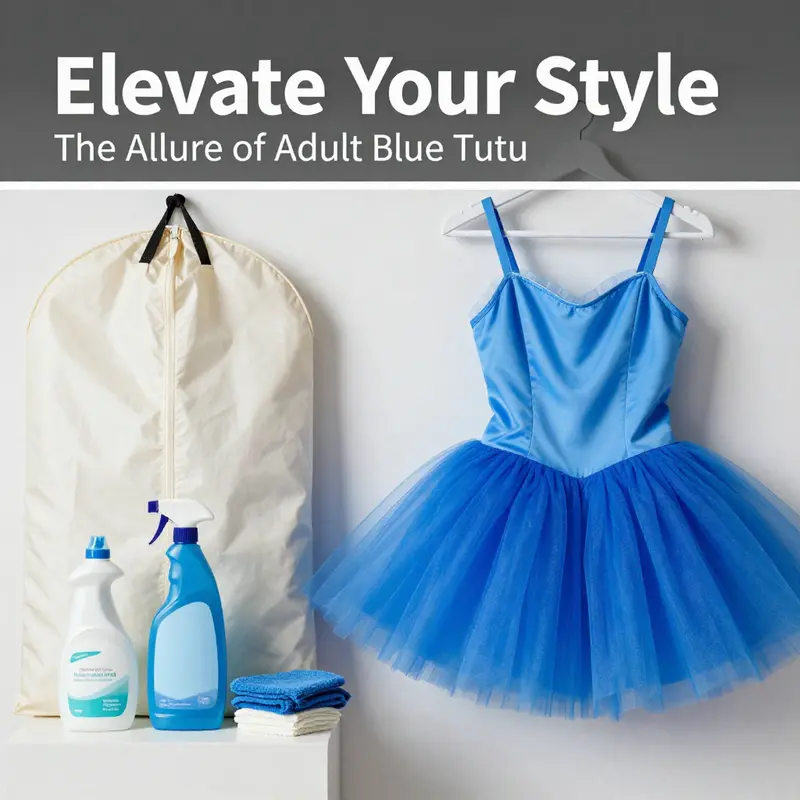
A blue tutu dress for adults carries more than color and silhouette; it carries promise. It is a garment built for movement, drama, and momentary magic. Yet that magic rests on a delicate balance of fabric, structure, and care. The dress often blends a poly skirt with a cotton-poly bodice, and its most visible drama—the multi-layered tulle skirt—depends on gentle handling as much as on a striking design. The care routine, then, becomes a quiet ritual that extends life and keeps the color true. When you treat the dress as more than a costume, you protect it as you would a treasured performance piece. In a world where a single event can test fabrics with heat, humidity, or friction, thoughtful care is the quiet secret behind every memorable appearance. Keeping the blue hue luminous, the tulle airy, and the bodice crisp requires understanding both the materials and the moments in which the dress will live between appearances.
The fabric composition informs every decision. The bodice, typically a cotton-poly blend, offers a comfortable, slightly stretchable fit that supports the silhouette without sacrificing flexibility. The skirt, a poly-based tulle, is light, voluminous, and prone to snagging if treated roughly. The layers give the dress its signature buoyancy, but each layer also catches on jewelry, sequins, or rough surfaces. This means savings in wear begin long before you step onto a stage or into a party. Before washing, it helps to inspect the garment as a whole and at the seams. Look for loose threads, minor snags, or beadwork that might snag more easily during the next cleaning. A quick touch-up with a small pair of scissors or a needle-and-thread kit can prevent a small issue from becoming a larger one later. Because the dress is designed for impact in low light or bright spotlights, color fastness is essential. Blues can fade with aggressive detergents or prolonged sun exposure, so steps that protect color are not merely cosmetic but practical.
Washing becomes a careful conversation with the fabric. Always start by reading the care label; manufacturers encode vital guidance there, and following it helps preserve the fabric’s integrity. In most cases, cold water and a gentle cycle are the rule rather than the exception. A mild detergent—one without bleach or harsh additives—serves as the best partner for the blue color and the synthetic fibers. The goal is to clean without aggressive agitation that could distort the tulle’s texture or strip dye from the skirt. If the dress has any decorative elements—sequins, beads, or metallic trims—consider placing it in a mesh laundry bag. The bag reduces friction against the drum walls and neighboring items. It also gives you a contained environment if the dress needs a longer gentle wash. During the wash, avoid mixing with heavy fabrics such as towels or denim that could toss the tutu around and cause unwanted creasing or snags.
After washing, the drying phase is where patience earns its reward. Remove the dress from the machine promptly and reshape it while it’s still damp. Lay it flat on a clean surface or hang it from a padded hanger, but avoid abrupt wringing. The goal is to let the fibers settle back into their intended shape without stretching the elasticity of the bodice or distorting the tulle’s veil-like volume. Never tumble dry. High heat can shrink synthetic fibers, melt delicate trims, or distort the skirt’s architecture. Direct sunlight is also a foe; prolonged sun exposure can fade the royal-blue undertones and weaken fibers over time. A cool, shaded area for air drying is ideal, with the dress laid out or hung to retain the layers’ layered drama rather than collapsing into a single sheet of fabric.
Ironing and steaming demand a gentle touch, especially on a garment designed for ethereal movement. If wrinkles cling to the bodice, a light pass with a steamer works best, ideally from a short distance with the garment upright to avoid water pooling on any seam. If you must use an iron, employ a very low heat and place a clean cotton cloth between the iron and the fabric. Resist direct contact with the tulle. The skirt’s architecture benefits from minimal handling during pressing, and the bodice—the part that shapes the body—should maintain a firm but comfortable tension. The objective is neat lines without flattening the fullness that gives the tutu its characteristic float. In most cases, steaming is a safer option than ironing for the layers of tulle, while the bodice can tolerate gentle smoothing with care.
Storage is where the dress reframes the question from handling to stewardship. Long-term storage calls for a cool, dry space protected from direct light. Fold the dress carefully to minimize crease formation, especially along the skirt’s multiple layers. A clean garment bag shields from dust and moths without suffocating the fabric. If you can, consider storing with acid-free tissue between layers to reduce friction and preserve the shape of the tutu. Positioning matters too. If the wardrobe space allows, hanging the bodice while supporting the weight of the skirt with tissue-wadded hangers can help maintain the silhouette. However, hanging for extended periods may stretch light tulle; for very long storage, folding paired with tissue can be safer. Small, soft accessories like a garment bag also protect against incidental snags caused by zippers or rough shelves. The key is to balance the skirt’s buoyancy with the bodice’s need for shape, ensuring neither is compressed or stressed beyond what the fabric can gracefully tolerate.
Special features add a layer of complexity to care. Some blue tutu designs feature glow elements or LEDs for night-time impact at weddings, galas, or themed dances. In these cases, maintain a cautious approach. Remove any removable light components before washing, if possible, and follow manufacturer directions for care of electronics. If removal isn’t possible, treat the dress with a lighter touch: skip deep soaking, avoid submerging the electronics, and choose a gentler mode if the washing machine offers one. Protect delicate trims and ensure that cables, if present, are secured and not kinked. The glow effect is a dramatic add, but it also introduces a fragile edge to cleaning and storage. Caring for a dress with such features means considering the electronics separately from the fabric whenever feasible, and always verifying that the battery compartments are sealed and dry before storage.
A practical approach to cleaning extends beyond the act itself. When the dress experiences a spill or a stain, address it promptly but gently. Blot with a clean cloth rather than rubbing, which can push color deeper into fibers or push glitter and sequins loose. For stains on the bodice, a small amount of mild detergent solution applied with a soft cloth can work. On the tutu, focus on the clear, dabbed area first, then rinse the cloth and wipe away any soap residue. Allow the fabric to air dry fully before folding or placing back in a bag. If the stain is stubborn or involves dye transfer from another item, consult a professional cleaner who has experience with novelty or performance fabrics. The goal is restoration without compromising the fabric’s integrity or color. These moments of care reinforce the long-term health of the garment and keep it ready for the next appearance.
For those who want to visualize options while planning care, consider a design that emphasizes both form and function. A blue-bird ballet costume for adult, with its refined trims and high-end construction, demonstrates how thoughtful design can contribute to easier maintenance. The structure supports a forgiving silhouette that remains elegant after repeated wear. You can explore such options to compare how different construction choices influence care demands and longevity. When selecting a costume or casual-wear look inspired by the same color family, prioritize fabrics and layers that you can clean without compromising their volume. A well-chosen blue tutu that aligns with dependable care routines becomes a reliable stage companion and a statement piece for events that demand whimsy without sacrificing polish. This is a practical philosophy: care informs usage, and usage, in turn, informs style. A tutu is not merely a dress; it’s a choreography of fabric where every layer has a job, and every gesture has meaning.
In addition to the hands-on care described above, you can deepen your understanding by considering how digital resources mirror real-world care. For instance, a product page that highlights a multi-layered blue tutu can offer clues about the fabric’s responsiveness to washing, drying, and storage. It can also remind you of the importance of a proper fit, which affects how the garment behaves when worn and moved. A well-fitting bodice reduces strain on seams and helps preserve the skirt’s fullness. Looking ahead, the care strategy you adopt for a blue tutu dress is not merely about preserving color or shape; it is about nurturing the garment’s ability to accompany celebrations, performances, and personal moments for years to come. The longer you invest in careful maintenance, the more your dress becomes a trusted ally in any event that calls for a touch of theatrical whimsy.
To connect practical care to real-world choices, consider a reference point within the broader care ecosystem of this style. If you are seeking a blue tutu option with a reputation for thoughtful construction and durability, you can explore a design that foregrounds both comfort and form by visiting the internal product page linked here: blue-bird ballet costume for adult. This page illustrates how care-friendly features can coexist with an elegant silhouette, offering insight into how different builds influence washing, drying, and storage needs. While this chapter centers on care, it also underscores the value of selecting a dress whose design anticipates maintenance, so you can focus on the experience—on dancing, presenting, and presenting yourself with confidence.
In the end, care is a dialogue between fabric and wearer. The adult blue tutu dress invites whimsy while demanding respect for its delicate components. By embracing gentle washing, careful drying, mindful ironing or steaming, and thoughtful storage, you protect color, volume, and silhouette. You preserve the dress’s ability to travel from stage to party with the same lightness of spirit that inspired its creation. Every time you re-tie the ribbons, re-clip the sequins, or re-lay the skirts, you are renewing the garment’s life and returning it to its rightful place as a cherished centerpiece in your wardrobe. The routine may feel meticulous, but the payoff is a garment that remains fabulous through repeat performances and countless smiles.
External resource for further care tips: https://www.wondernation.com/products/wonder-nation-girls-short-sleeve-tutu-dress
Final thoughts
Adult blue tutu dresses represent a unique fusion of fun and elegance, suitable for various occasions and styles. Their rising popularity necessitates a keen focus on trends, suitable occasions, and effective maintenance strategies for garment care. As the market for these versatile dresses continues to grow, business owners have a significant opportunity to cater to this demand while ensuring quality service and products. Understanding the broader scope of consumer expectations can enable brands to establish themselves in this fashionable niche.