
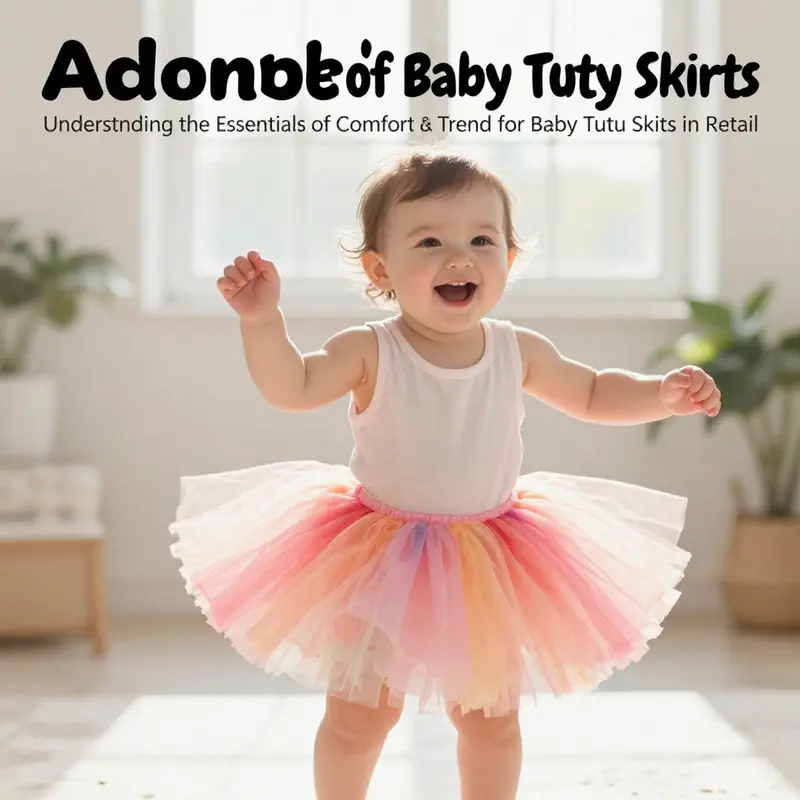
The allure of baby tutu skirts combines whimsy, style, and practicality, making them a cherished staple in the world of baby fashion. For business owners and retailers, understanding the nuances of this charming garment is essential for catering to modern parents who prioritize both aesthetic appeal and comfort for their little ones. This article dives into five key aspects of baby tutu skirts, allowing business owners to enhance their offerings. Explore the importance of selecting the right skirt for comfort, find the perfect tops for styling, and discover the trending styles of 2026, along with insights on fabric choices and safety considerations. Each chapter will build on one another to equip you with a holistic understanding of the baby tutu skirt market.
Choosing Comfort Without Sacrificing Whimsy: Selecting the Right Baby Tutu Skirt
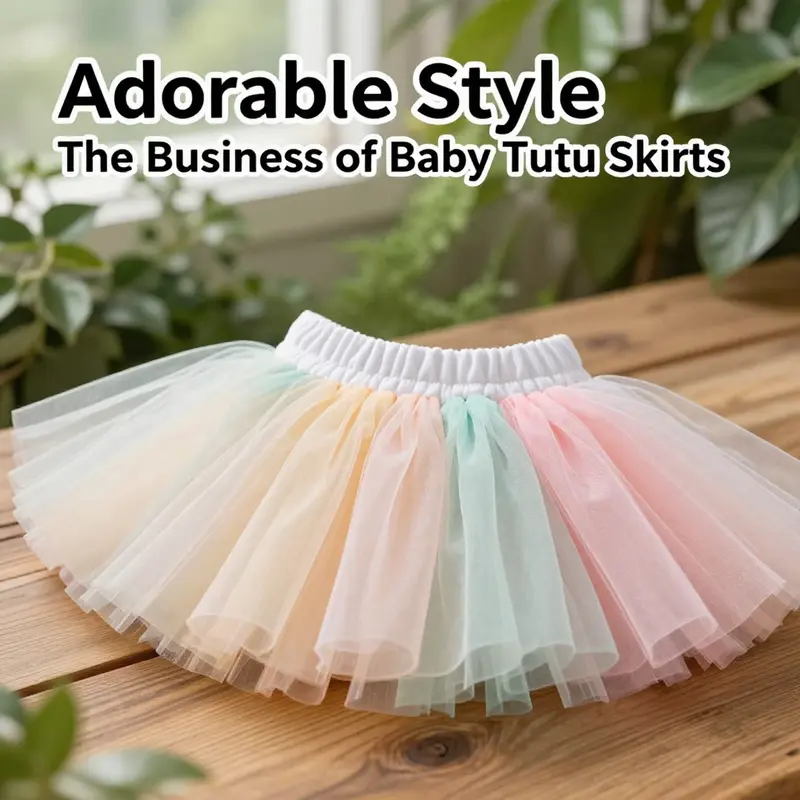
A baby tutu skirt has a way of turning ordinary moments into tiny, memory-worthy scenes. It catches light with a cloud-soft flutter and invites smiles from every grown-up in the room. Yet the magic only lasts if the fabric actually feels good on a baby’s skin and if the fit allows free movement. The balance between beauty and comfort is delicate, but when you get it right, the result is not just photo-worthy; it’s wearable joy that travels through crawls, attempts at standing, and those first wobbly steps. The core decision, right at the start, is comfort first. It isn’t about finding a skirt that simply looks spectacular in a studio shot. It’s about a garment that stays kind to sensitive skin, respects a growing body, and keeps pace with a baby’s lively rhythms. In practical terms, that means choosing the right fabric, the right construction, and a fit that grows with the child while supporting mobility rather than hindering it. When you approach a baby tutu skirt with this mindset, the gaudy sparkle of tulle becomes a soft, dependable companion for every little adventure, from a milestone birthday to a family portrait session that captures the glow of early childhood.
Fabric choice matters more than some shoppers expect. A-class safety-rated materials are not just buzzwords; they’re a real promise of gentleness for tiny bodies. The best options prioritize fabrics that breathe, move with the baby, and minimize irritation after hours of wear. In the realm of tiny-tot garments, nylon and nylon mesh are often cited for their softness, durability, and low likelihood of provoking allergies. When a skirt uses a high-quality nylon blend, it tends to feel smoother against the skin and to hold its shape without the stiffness that can tug at delicate skin. The idea isn’t to absolutely avoid all synthetic fibers, but to favor those engineered for children’s clothing, with smooth textures and gentle drape. Within this framework, the construction standards become equally crucial. A well-made tutu skirt should show careful attention to the finish: solid, even seams without loose threads or rough edges, especially around the waistband and the hem. A clean finish is not merely an aesthetic detail; it’s a safety feature that reduces the risk of snagging or chafing as a baby moves through crawls and early steps. Some manufacturers go a step further, performing meticulous trimming of stray fibers and ensuring that every edge is softly rounded, so nothing irritates the skin or catches on tiny knuckles and knees. These decisions—fabric, finish, and fit—define whether a skirt will stay comfortable through a long outfit session or become an obstruction in the moment of movement.
A soft inner layer can transform the overall feel of the garment. An inner lining made from a smooth material, such as modal in a substantial percentage range, can dramatically improve comfort by reducing friction where it matters most. A lining content of around 91% to 99% modal offers a supple feel against the skin and helps prevent chafing as little legs move, spin, or kneel. The idea is not to create extra bulk but to provide a gentle barrier between the tulle and the baby’s skin. In practice, you’ll notice that the lining helps the skirt drape gracefully over the diaper or diaper cover while preserving the airy, cloud-like silhouette that tulle is known for. When you ripple the fabric between your fingers, you can feel the difference a soft lining makes in terms of warmth and comfort. It’s a subtle, practical detail that has a big payoff in the daily wear of a tiny person who has not yet fully settled into a routine of clothing changes and weather shifts.
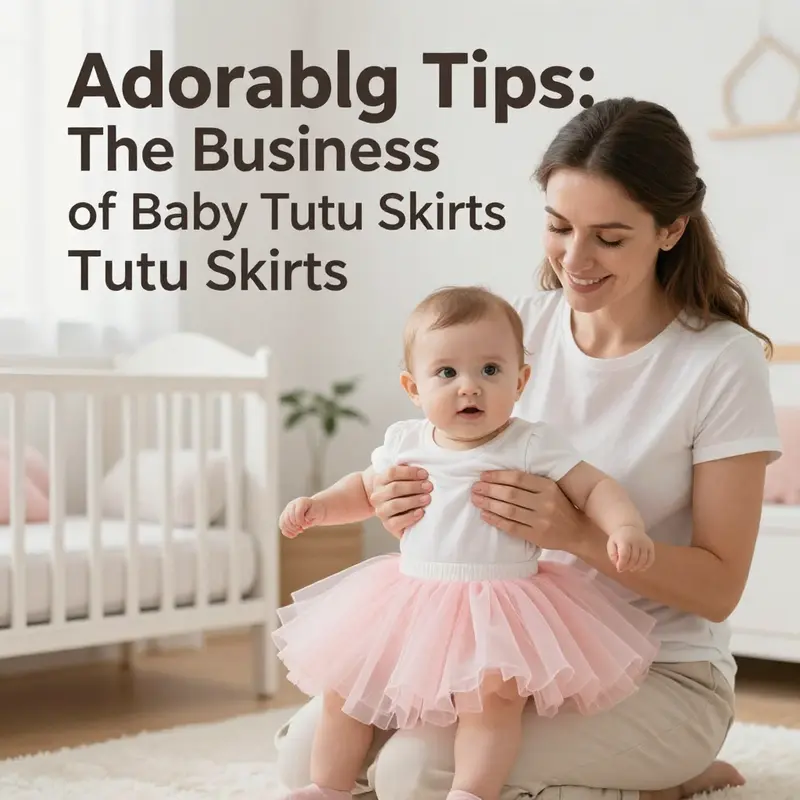
Fit is the other pillar of comfort. Babies grow quickly, and a skirt that clings too tightly around the waist can pull at the waistband as soon as the child stretches or wiggles. Adjustable waistbands or elasticized designs that offer a touch of give can make all the difference. A wide, gentle stretch is preferable to a narrow band that digs in after a diaper change or a growth spurt. In addition, a well-designed tutu skirt should accommodate a range of sizes, with a few size options that make sense for early childhood: XS for the smallest infants or toddlers, S for those near the lower end of toddlerhood, and M for those approaching the upper toddler years. The goal is to provide enough room for movement without creating a bulky silhouette that interferes with crawling or initial walking attempts. The presence of an adjustable tie or simple snap closures can be a practical boon, allowing caregivers to tailor the fit on the fly and to adapt quickly to diaper changes or layering needs. It’s this blend of adjustability and soft restraint that preserves both comfort and practicality.
Length is another practical factor that influences safety and mobility. While a floor-sweeping silhouette may look striking in a studio shoot, it’s rarely the best choice for a baby who is learning to move. Knee-length or slightly above can deliver that same whimsical look while minimizing the risk of tripping. The design choice here should honor the balance between dreamlike drama and daily usability. The right length supports confident movement, helps a caregiver maintain safety during play, and still photographs beautifully in family moments. The texture and weight of the fabric further influence how the skirt behaves as the baby moves. A softer, lighter tulle drapes with a gentle buoyancy, creating the characteristic puff without adding unnecessary bulk. This subtle physics matters: the skirt should feel airy, not clingy, so that the baby’s legs can bend, kick, and push off from the floor without feeling restricted.
Beyond the fabric and the fit, the overall approach to styling can also influence comfort. The top you pair with the tutu should strike a balance between visual impact and practicality. A fitted bodysuit or a soft knit top offers a clean line that lets the skirt take center stage. Layering should be kept light—no heavy cardigans or bulky jackets on top, which can suffocate a baby’s torso or overwhelm the silhouette. In cooler weather, a light cardigan or a fine-knit jacket can provide warmth without bulk, helping to preserve the skirt’s airy shape. The color harmony between top and skirt matters as well. Coordinated tones create a cohesive look that photographs well and feels calm to the wearer. The goal is a seamless, soothing aesthetic that highlights the baby’s expressions rather than competing with the clothing for attention.
As fashion evolves, so do the expectations around comfort and sustainability. In 2026, the trend toward premium materials that are gentle on baby skin remains strong. Parents seek pieces that prove durable enough for frequent wear yet soft enough for long, gentle wear sessions. The emphasis on comfort does not mean compromising style. Instead, it signals a shift toward thoughtful design: softer fibers, fairer finishes, and finishes that resist pilling or roughening after repeated washes. The result is a tutu skirt that remains beautiful through countless family moments and a wardrobe that respects both the baby’s skin and the planet. While some shoppers look for the most dramatic, fluffy effect, others prioritize practicality—the ease of washing, the resilience of the fabric, and the comfort of the lining. The best options, then, weave together these strands: a soft, breathable base fabric; a smooth inner lining to minimize friction; a forgiving, adjustable waist; a length that supports movement; and a silhouette that feels magical without compromising safety.
The broader landscape also reflects a growing attention to quality and safety in children’s fashion. Independent retailers and small studios often put comfort and safety at the forefront, designing gowns and skirts with a focus on the child’s experience rather than only the visual statement. While this chapter is a guide to choosing the right piece for a baby, the underlying principle remains universal: the most enchanting outfits are the ones that let a child explore with confidence. A well-chosen tutu skirt becomes more than a dress; it becomes a partner in early exploration, a prop for cherished photographs, and a soft reminder that comfort can coexist with whimsy. For an example of a well-considered option that prioritizes comfort and fit, you can explore a high-quality option here: high-quality-white-ballet-costume-tutu-swan-lake-t0596. This link serves as a practical reference point for understanding how the described fabric and construction translate into a real product, illustrating the balance between softness, durability, and a flattering silhouette.
Ultimately, selecting the right baby tutu skirt is about anchoring beauty in comfort. It’s about anticipating growth, about choosing fabrics that soothe rather than irritate, and about prioritizing safe, graceful movement. When you begin with comfort as the bedrock, the resulting look—airy, timeless, and full of light—becomes a natural expression of a baby’s personality and a family’s memories. This approach creates a wardrobe moment that remains tender long after the photos fade, turning ordinary days into gentle celebrations of motion, texture, and tiny, joyful steps. For readers who want to explore more about the practical side of comfort-first tutu design, the broader conversation in this chapter will continue to unfold into how to pair these garments with correct sizing, easy care, and seasonally appropriate layering—without ever compromising that essential sense of delight. To further expand your understanding of the practical, safe, and stylish choices, you can consult additional resources that emphasize comfort, safety, and style in children’s wear.
External resource for further reading: https://www.babyblossom.com.au/products/baby-tutu-skirt
Balancing Dreamy Tulle: How to Pair the Perfect Top with a Baby Tutu Skirt for Comfort, Movement, and Polished Style
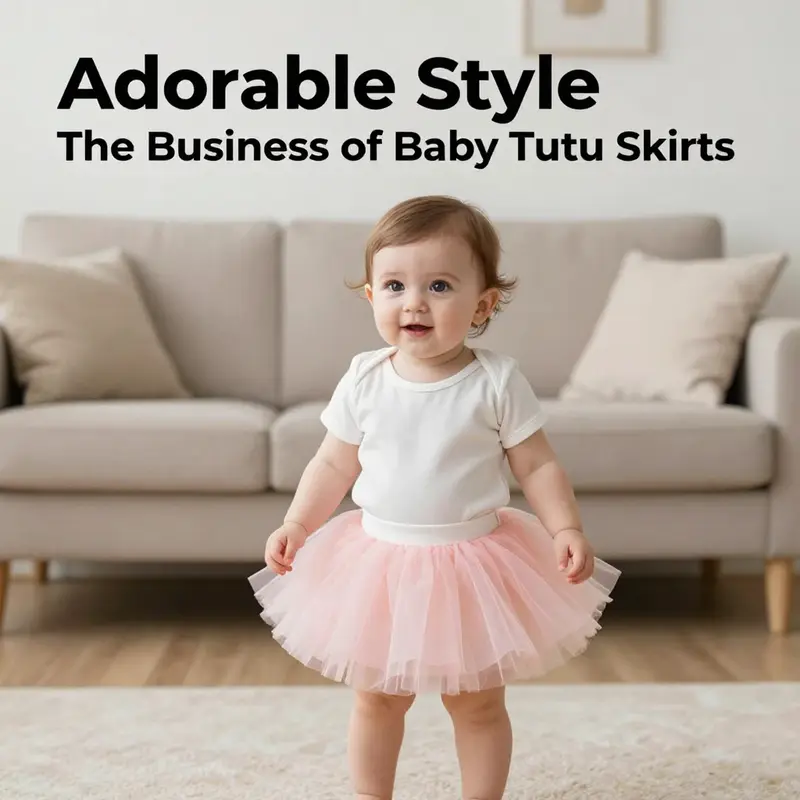
A baby in a tutu skirt instantly becomes a small figure of whimsy and motion, a scene that looks effortless yet rests on careful orchestration. The tutu’s voluminous, cloud-like silhouette can steal the spotlight in an instant, so the top that accompanies it must act as a quiet stage hand—solid, breathable, and unobtrusive enough to let the skirt shine while preserving the baby’s range of motion. The art here is not merely about choosing something to wear but crafting a line that respects the body’s movements as it crawls, rolls, and discovers walking. It’s about achieving a balance where fabric behavior tells a story of comfort and safety as clearly as color and texture tell a story of style. In this space, the top becomes an essential partner to the tutu—one that anchors the look without weighing it down or restricting the precious, unforced movement that defines early childhood fashion.
The tutu invites attention with its dramatic volume, yet that drama can slip into distraction if the top adds bulk or textures that rub against sensitive skin. The priority is a combination of softness, breathability, and simple lines. Fitted bodysuits emerge as a reliable option because they stay close to the body, ensuring the silhouette remains clean and intentional rather than bulky. Choose materials that feel gentle on skin—cotton blends, lightweight jersey, and breathable knit fabrics that stretch just enough to accommodate squirming without becoming clingy or taut in awkward places. A well-cut bodysuit locks the torso in a smooth, uninterrupted line, allowing the tutu’s layers to float freely. For warmer days, a soft short-sleeve or sleeveless bodysuit can pair with the tutu to keep things airy, while in cooler weather, a thin, fine-gauge knit top or a light cardigan layered over a plain tee can maintain warmth without altering the skirt’s delicate silhouette.
Soft knit sweaters, when chosen with care, can be a chic complement to a puffy tutu. The key is to avoid chunky textures and heavy finishes that compete with the tulle’s featherlike lift. A fine-gauge knit in a pale pastel or a soft neutral can echo the skirt’s gentle mood while keeping the overall look pared-down and cohesive. The sweater’s neck shape also matters; a simple crew or envelope neckline tends to stay put and avoid irritating the neck or chin, which is especially important as babies test new movements and sit on laps or crawl across blankets.
Layering is where this pairing can truly come alive, but it must be thoughtful. Layering should add warmth or depth without creating a bulky top line that overwhelms the tutu’s volume. A breathable tee worn underneath a light cardigan can provide a touch of warmth on a breezy day, yet still leave the waist free to bend and twist. When layering, aim for clean lines that begin at the shoulder and taper toward the waist, allowing the tutu to sweep outward with every motion rather than competing with an extra fabric layer from neck to hip. The fabric underneath should feel almost invisible against the skin, enabling comfort during long photo sessions or family gatherings where a baby’s energy is high and attention is short.
Color coordination matters, but restraint often wins. The tutu’s color and texture set the emotional tone of the look, so the top should complement rather than compete. Soft, single-toned tops in milky whites, creams, blush pinks, or dove grays can harmonize with a pale-tulle skirt to create a serene, fairy-tale mood. For babies who move between floors and blankets and car seats, keeping the palette cohesive reduces visual clutter and helps the outfit photograph beautifully in family portraits or holiday snaps. If a little color is desired, choose a top in a hue that sits quietly beside the tutu on the color wheel rather than jumping forward. The idea is to build a scene where the baby’s cheeks, the tutu, and the simple top all participate in the same gentle story.
Beyond color, texture and shine deserve a careful balance. A small, matte top can provide a subtle contrast to the tutu’s sheen, or a delicate satin bow at the neckline can add a quiet focal point without stealing the show. Accessories should be minimal and safe, with nothing that could snag on tulle or irritate the skin. Hair accessories, if worn, should be soft and secure, designed to stay in place as the baby moves into different positions during play and shoots. Shoes, when worn, should be chosen for comfort and grip, ensuring stability on varied surfaces. The goal is to maintain a seamless, practical approach that honors movement. Shoes, if included, should be simple and flexible, designed to support early walking without sacrificing the look’s dreamlike quality.
Practicalities govern the decision-making in every good baby outfit, especially when tulle is involved. The waistband of the skirt matters just as much as the fabric above it. A wide, gentle elastic is kinder on delicate waists than a narrow band that can dig in as the baby grows or changes diaper positions. Adjustable waists and snap closures can be invaluable features because they accommodate diaper changes and growth without forcing a wardrobe change for every new outing. It’s a small detail with outsized impact on comfort and you will feel the difference when you see your little one sit, crawl, and peek from under the tutu with ease.
When thinking about the top, consider the baby’s typical day. For a studio shoot where a clean, posed line matters, a snug bodysuit will maintain a crisp silhouette while the tutu does the rest. For playtime, a soft tee under a lightweight knit can absorb little dribbles and spills without feeling damp or restrictive. For evenings or cooler spaces, a thin long-sleeve underlayer can be worn without creating bulk, so the little one can still wriggle and reach toward a blanket or a toy without feeling restricted by fabric. The star here is movement—every choice should support the baby’s natural rhythms, from the way a leg kicks to the way tiny hands reach toward a caregiver’s smile.
The practical reality of parenting today also nudges us toward versatility. Clothes that mix and match well save time on laundry days and reduce the stress of dressing a squirmy baby. Tops that are easy to fasten and remove, with gentle closures or pinch-button tabs, make diaper changes smoother and reduce fidgeting during photos or family gatherings. Materials that wash well and tumble dry without losing shape help keep the outfit durable through repeated wearings and the occasional spill. Even the simplest pairing—a fitted bodysuit with a soft cardigan—can become a go-to combination that consistently looks cohesive with any tutu skirt chosen for the season.
A well-styled baby tutu outfit, then, is more than a momentary fashion choice. It becomes a canvas for memories—the sweet way a baby’s tiny fingers tuck into a sleeve, the soft rustle of tulle as a tiny knee bends, the glow of a photo where light catches the layers and makes them shimmer. The top is the quiet partner that preserves the scene’s simplicity while granting the freedom the child needs to explore. It should feel almost invisible, so the eye lands naturally on the moving cloud of tulle rather than on a fabric clash or an awkward fold. This is the purpose of a thoughtful pairing: it honors the tutu’s enchantment by keeping the child’s comfort, safety, and mobility front and center.
For readers seeking practical shopping cues, there are many gentle, baby-friendly options that embody this approach. You can explore product pages that emphasize soft fabrics, adjustable waists, and age-appropriate lengths to learn what real-world options look like without sacrificing the lesson of balance. A handy starting point is the Dadatutu product page, which offers baby-friendly silhouettes and adjustable features. Dadatutu product page
As you plan future looks, remember that the pairing decision should remain anchored in comfort and movement. The tutu’s magic comes alive when the top contributes to a calm, clean line that weaves through the baby’s day. The goal is not to create a rigid fashion rule but to cultivate a mindset: clothes that move with a child, fabrics that feel good against soft skin, and color and texture that support the tutu’s dreamlike presence. When these elements align, the result is a wardrobe of baby tutu outfits that feel effortless, photograph beautifully, and, most importantly, keep little ones comfortable as they explore their world with unbridled curiosity.
External Resource for Further Reading: https://www.babybloom.com/blog/charming-comfortable-tips-to-style-a-puffy-tulle-skirt-for-your-baby
Whispers of Tulle: The 2026 Renaissance of Baby Tutu Skirts
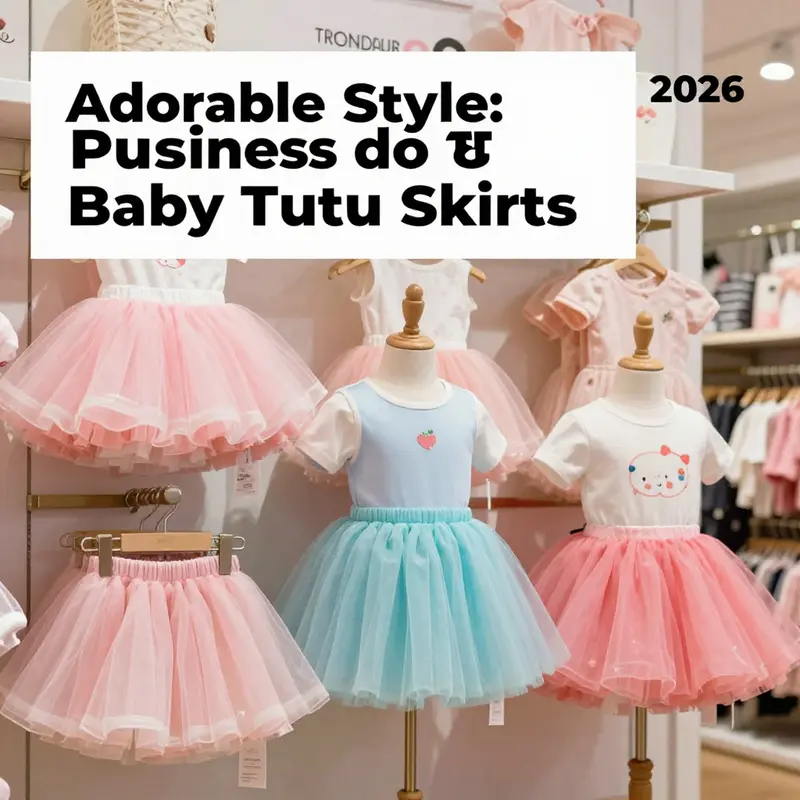
A baby’s first tutu is never merely a costume; it’s a doorway to moments of pure motion and memory. In 2026, that doorway swings wider, inviting a harmony between dreamlike volume and practical comfort. The tutu remains a garment of whimsy, a soft cloud around tiny legs, yet the newest iterations whisper practicality into its charm. Parents crave silhouettes that photograph beautifully and move with little explorers as they crawl, roll, and eventually take wobbly steps. The modern tutu answer is not a single look but a philosophy: purity of form matched with thoughtful construction, so the magic endures from a family gathering to a front-yard photoshoot. The challenge, of course, is to balance aesthetics with safety, breathability, and ease of wear—so the garment supports rather than restricts a baby’s natural freedom. In this chapter, we explore how designers and shoppers alike are translating that balance into styles that feel timeless yet fresh, from foundation fabrics to finishing details that actually make life easier for busy parents.
The most enduring appeal of the classic tulle tutu is its ability to evoke fairy-tale charm without demanding a fairy-tale patience from the wearer. Soft, layered tulle creates a cloudlike volume that catches light and air in a way no other fabric can replicate. But even the most enchanting silhouette must respect a baby’s skin and temperature. That means the base layer matters as much as the outer frill. A gentle lining—often cotton or a soft jersey—plays a pivotal role by preventing rough textures from rubbing against delicate skin. It also helps regulate warmth, ensuring the skirt feels soothing rather than stifling as a baby grows more curious and mobile. The waistband is another pivotal detail. Elastic bands deserve a generous width and a forgiving stretch, so they won’t dig into a waist that is still developing, especially when a diaper is involved. Some designs introduce adjustable ties or snap closures, providing a secure fit with enough give for diaper changes and growth. If you test the fabric the way you would test a soft swath of velvet by rubbing it along your inner wrist, you’ll quickly sense whether the texture will feel friendly against a tiny touch. A scratchy or scratch-prone surface is a red flag, because comfort often translates into a calmer baby who can enjoy a moment rather than being distracted by irritation.
Length is equally important. A tutu can be dramatic, but drama should not come at the expense of safety. Floor-length skirts may look exquisite in a studio, yet they pose tripping hazards when babes begin to stand, cruise, and take first steps. The kinder choice is knee-length or slightly above the knee, a length that preserves the ethereal silhouette while enhancing mobility. Layering remains a signature technique for achieving depth without sacrificing ease. A single underlayer or a light underskirt can soften the tulle’s silhouette, preventing itchiness and offering a subtle, comfortable heft that keeps the shape behaving nicely as little bodies move.
Pairing the right top with a puffy tulle skirt is where the magic often crystallizes into a balanced, wearable outfit. The secret is restraint: the tutu is the star, so the top should complement rather than compete. A fitted bodysuit or a soft knit sweater creates a clean line that lets the skirt bloom. Lightweight blouses can also work if they’re tailored and not overly bulky. For chilly days, a delicate cardigan or a soft jacket can be layered over the top without distorting the skirt’s line or overheating the baby. The goal is a silhouette that reads as cohesive and timeless—from a close-up portrait to a lively playdate. Accessories should be kept minimal and thoughtful, with perhaps a small headband or a tiny, non-restrictive bow that echoes the colors of the skirt rather than competing with its texture.
In 2026, a few threads have become nearly universal in popular tutu styles, reflecting a blend of nostalgia and modern practicality. Classic tulle remains the backbone, with its voluminous layers that create that signature cherubic poof. Yet the rise of elastic waist designs has shifted the focus toward wearability. An elastic waistband can accommodate growth and provide a secure fit during crawling and cruising, eliminating the need for frequent readjustments. This detail, simple as it sounds, makes a big difference in day-to-day ease and keeps babies comfortable for longer stretches. Color and pattern also broaden the realm of possibilities. While solid pastels continue to offer timeless elegance, there is a growing affection for vibrant palettes and festive embellishments. Think playful accents like subtle pompoms or delicate sparkle—enough to catch a photographer’s eye without overwhelming the little wearer. The 2026 aesthetic embraces warmth and joy, with color stories designed to photograph well in natural light and family candids alike.
Seasonal and event-driven styles have grown more pronounced, too. Winter and holiday motifs have found a welcoming home in tutu design, with fabrics chosen for warmth and a touch of seasonal shimmer. The most appealing winter looks lean toward soft, breathable weaves with a gentle sheen that reads as festive in photos yet stays comfortable on chilly days. A-line cuts have become a common style chatter point in 2026. The flare from the waist creates a flattering shape while preserving freedom of movement—a crucial advantage as babies explore the world with curiosity and unbridled energy. This silhouette harmonizes with the season’s broader fashion mood, offering a versatile frame that works for holiday portraits as well as everyday adventures.
Beyond silhouette and color, the quality of materials has risen to meet a growing demand for durable, skin-kind fashion. The market has gravitated toward premium, eco-conscious fibers and refined production practices. The emphasis is on craftsmanship and longevity: fabrics that feel gentle against the skin, dyes that stay bright after multiple washings, and linings that breathe. Such attention matters not only for comfort but for safety, as well-made garments are less likely to irritate or overheat a sleeping baby during a long day of celebration. This is the year when parents notice that a well-made tutu can endure many occasions—birthdays, reunions, and family photos—without losing its shape or charm. The result is a higher-value piece, one that becomes a cherished part of a child’s early wardrobe rather than a temporary flourish.
The online landscape mirrors these preferences, shaping how families discover and choose their baby tutus. There is an evident shift toward pieces that marry ease of wear with rich, tactile appeal. Some retailers emphasize adjustable elements, such as waistbands that stretch in gentle increments to accommodate growing minutes and months. Others spotlight dreamlike fabrics that drape with effortless grace, inviting babies to crawl and sway without restriction. In this year’s market, a combination of classic charm and modern practicality wins favor. It’s not about choosing between beauty and ease; it’s about finding a single garment that embraces both. The best options invite a baby’s movement, catching light as they twirl and sending a soft halo of tulle into every frame of a family photo.
To bring this trend into a real-world shopping moment without losing sight of the baby’s comfort, many parents are turning toward pieces that carry a sense of story. The tutu becomes a character in the day’s narrative, a tangible link between a birthday cake, a family memory, and a sunset photoshoot. The practical details—elastic waistbands, breathable linings, appropriate lengths—allow the story to unfold with less friction. The wearer’s safety and comfort are not afterthoughts but foundational principles that shape every seam and choice of fabric. When a baby can move naturally, the images captured feel more alive—the giggles during a quick spin, the tiny steps toward a parent’s arms, the delight of discovering a new texture against a curious palm.
The way families explore and curate these outfits has also become a form of storytelling in itself. Parents talk about choosing a top that anchors color without competing with the tutu’s texture, about selecting a cardigan that adds warmth while keeping the silhouette airy, and about the way a skirt’s length can affect the ease of diaper changes during a party. The result is a wardrobe that feels considered, not contrived, and a morning routine that becomes a ritual rather than a scramble. In the broader picture, 2026’s baby tutu styles reflect a shift toward intentional fashion—the insistence that beauty should travel well, endure a season, and remain comfortable through a day of play and posing.
For readers who want a tactile sense of what’s trending without wading through dozens of product pages, the idea is simple: seek softness first, fit second, and silhouette third. Look for breathable linings and a waistband that stretches generously. Favor knee-length or slightly above, especially for babies who are learning to walk. Embrace color and texture thoughtfully; a few well-chosen accents can elevate a simple top into a complete moment of joy. And when you’re ready to explore options, you can explore ranges that illustrate these principles through approachable designs that balance luxury with practicality. One example of how this balance is being realized in contemporary shops is the way a soft, pink-toned tutu can be paired with a minimal knit top to create a cohesive, photogenic look that remains comfortable enough for hours of celebration. The pairing becomes a conversation between fabric and movement, color and light, a tiny frame poised on the edge of a perfect, candid moment. The beauty lies not just in the skirt, but in the story it helps tell—of a child’s first year filled with small miracles and the promise of many more.
As the year unfolds, the market’s emphasis on quality, comfort, and character will continue to shape what parents reach for when dressing their little ones. The tutu’s timeless appeal is amplified by modern touches: a waistband that grows with the child, layering that feels feather-light yet durable, and designs that invite movement rather than restrict it. The result is clothing that respects the baby’s pace while still giving families a reliable canvas for celebrating life’s milestones. In this sense, 2026 marks not a revolution but a refinement—a gentle evolution that honors the tutu’s enduring magic while ensuring every tiny wearer can move with confidence, curiosity, and delight. For those who want to see how these principles translate into real-world selections, consider a collection that pairs soft textures with adaptable fits and a design language that celebrates both the imagination and the wearer’s comfort. The best pieces are those you quickly forget you put on a baby—until you see the photos that remind you how a simple skirt can capture a day’s wonder.
If you’d like to peek at one example of a curated, comfort-forward approach to baby tutu skirts, explore a collection that highlights softness, adjustable waistlines, and age-appropriate lengths. This link offers a window into how fashion and function can meet in a single, charming garment: pink-ballet-costumes-for-sale-sleep-beauty-gilded-edge-t0377.
In closing, the 2026 trend cycle for baby tutu skirts invites families to see beyond mere adornment. It’s a celebration of movement, texture, and light—an invitation to watch a child discover the world with a skirt that adds a soft roar of color to every new adventure. The tutu’s promise remains as clear as ever: a tiny silhouette can carry big dreams, and a well-made, thoughtfully chosen skirt can help those dreams take flight in the most tender, glittering way.
External resource for broader context on baby tutu skirts and their comfort-focused design can be found here: https://www.babyblossom.com.au/products/baby-tutu-skirt
Soft Threads, Bright Twirls: The Fabric Narrative Behind Baby Tutu Skirts
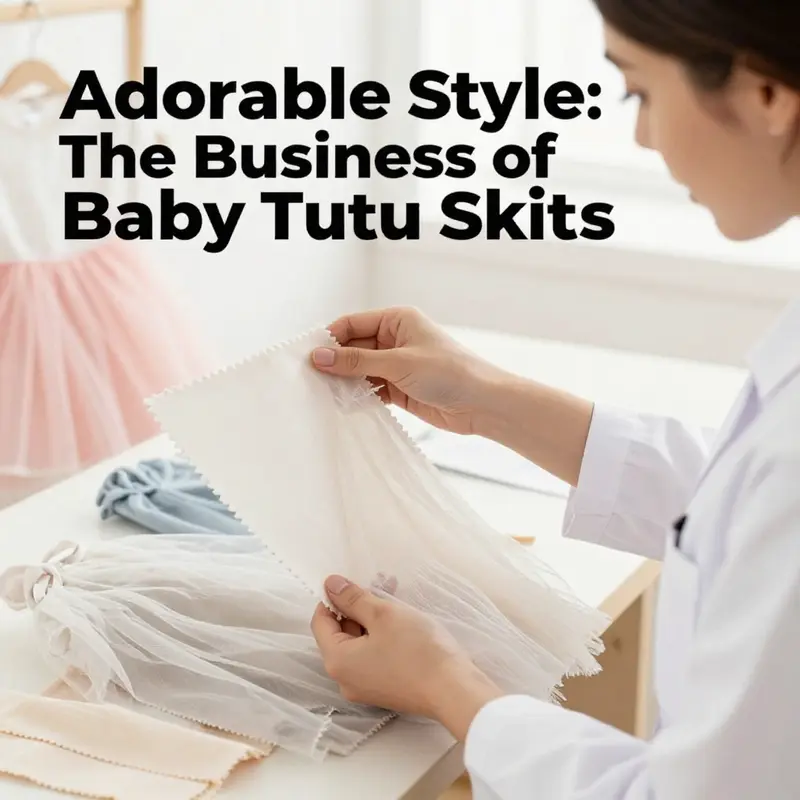
A baby’s first twirl often marks more than a moment of joy; it signals a delicate science of comfort meeting whimsy. The fabric choices that lie beneath a fluffy tutu skirt become the quiet stage on which tiny milestones play out. In the realm of baby fashion, fabric is not merely a backdrop for cuteness; it is a guardian of skin, a mediator of warmth and breathability, and a facilitator of movement. When parents choose a tutu skirt, they are deciding how freely a child will crawl, roll, and eventually walk, while still feeling cherished in a look that feels magical. The elegance of a puffy silhouette must never eclipse the practical needs every caregiver knows—softness against sensitive skin, freedom of motion, and durability through countless adventures. The fabric story, therefore, is the backbone of a garment that promises both beauty and peace of mind for the caregiver and the child alike.
At the heart of this story lies a simple truth: natural, breathable fabrics are best suited to baby skin. Pure cotton, organic cotton, and bamboo fiber stand out not only for their softness but for their hypoallergenic properties. They wick moisture efficiently, reducing the chance of irritations that can arise when little bodies sweat or become warm during play. Among these options, bamboo fiber is frequently highlighted in expert guidance for its breathability and antibacterial qualities. It is described as three times more breathable than cotton and naturally resistant to bacterial growth, which matters when a little one is in close contact with fabric for extended periods. This is not merely a claim about feel; it is a practical safeguard against damp or uncomfortable layers that can irritate delicate skin during long family gatherings or extended photo sessions. To readers crafting a wardrobe that favors such fabrics, the emphasis should be on selecting materials that keep the skin dryish and calmly comforted, even as the outfit shifts from crouching to standing to a gentle spin.
Yet comfort cannot rely on fiber alone. The silhouette of a baby tutu skirt often hinges on the structure and weight of its layers. A tutu’s signature volume typically comes from multiple layers of sheer fabric, but the goal is to achieve fluff without sacrificing mobility. Lightweight layers of cotton voile or chiffon can contribute the desired fullness while remaining gentle on the skin. The choice of underlayers matters just as much as the outer tulle; a soft cotton or jersey lining can prevent chafing and distribute movement evenly across the hips and waist. The emphasis here is on balance: enough fabric to create the fairy-tale sway, but not so much that it inhibits a baby from crawling or standing unassisted. In practical terms, this means opting for fabrics that drape softly, resist rough finishes, and avoid heavy textures that tug or pull as a child moves. When a wearable idea is designed with both drape and restraint in mind, the result is a tutu skirt that feels buoyant yet grounded by comfort.
Structure and weight extend beyond the inner layers. They govern how a garment behaves in real-world scenarios—on a carpeted floor, on a play mat, or during a family photo session. The engineering behind a baby tutu often favors fabric choices that maintain volume through delicate stiffness rather than stiffness that could irritate the skin. It’s here that mindful selection helps prevent overheating, a common concern when extra layers are added for warmth or for a more dramatic silhouette. The aim is not to create something frigid or stiff, but rather to cultivate a cloud-like feel that moves with the child. In this sense, the cut and finish of the fabric—soft edges, flat seams, and smooth labels—become as essential as the material itself. A garment with flat seams reduces rubbing, while well-finished edges minimize the risk of snags or pulled threads, which could pose tiny hazards in active play.
Beyond fabric, the broader ecosystem of a baby tutu is shaped by safety-conscious choices at every seam and stitch. The fabric must be free from harmful dyes and chemical treatments. Parents should look for pieces that avoid heavy chemical finishes and excessive processing, which can leave residues or provoke reactions on sensitive skin. This is particularly important in a garment worn close to the torso and limbs for extended periods. A responsible approach also includes considering the washing routine. Fresh from the package, every new baby garment should be washed before first wear with a mild, fragrance-free detergent to remove any residual chemicals from production. Soft, flat seams and labels that sit away from the skin are small but meaningful details—design elements that help prevent chafing and discomfort during those lively first months of movement. In practice, this translates to a tutu skirt that holds its shape through careful maintenance without imposing additional work on the caregiver.
As a narrative thread, the fabric story also acknowledges growing bodies. For little ones who are discovering their own mobility, an adjustable waistband or gentle ties can be invaluable. A waistband that can stretch gradually or adapt to a diaper change avoids the need for constant res due to growth while preserving the feminine silhouette that makes a tutu feel timeless. In parallel, length becomes a practical consideration. While a floor-length design might look striking in a studio, it risks tripping as a baby learns to stand or take independent steps. A knee-length or just-above-knee cut is often the most forgiving option, maintaining an almost dreamlike silhouette while supporting steady, curious exploration. These are not mere style decisions; they are deliberate fabric-and-fit choices that empower a child to engage with the world safely and joyfully.
Fashion literature that guides parents toward fabric choices for baby tutus often echoes a simple pattern: prioritize comfort and safety, with an eye toward beauty. The urge to create a fairytale look should harmonize with the child’s natural rhythms and energy. When that harmony is achieved, a tutu skirt becomes more than clothing—it becomes a partner in play and a stage for memory-making. For families seeking a tangible example of this approach, a curated collection of baby tutu skirts designed with comfort, safety, and style in mind offers a useful reference point. See Baby Blossom’s baby tutu skirt for a sense of how softness, breathable fabrics, adjustable waists, and thoughtful lengths can come together in a single garment. The example serves as a reminder that the best fabric choices reflect a holistic philosophy: treat fabric as a cradle for movement, not an obstacle to exploration.
Of course, the fabric conversation is never isolated from the broader seasonal routines and celebrations parents anticipate. In warmer months, lighter fabrics that breathe become even more crucial; a breathable cotton voile or airy chiffon helps the tutu stay buoyant without trapping heat. In cooler times, layering becomes a delicate art—perhaps a soft knit cardigan paired with a tulle skirt that retains volume while shielding the child from a chill. The goal remains constant: dress the baby in a way that respects the body’s natural temperature regulation and keeps safety front and center. The fabrics selected should not only avoid itchiness but also minimize any potential snagging on furniture or outdoor elements during a quick crawl across a sunlit rug or a windy park visit. To parents who wish to explore expert guidance on safe clothing generally, the field of knowledge is supported by practical, research-informed advice on fabric safety and baby comfort that accompanies every wardrobe decision.
As we contemplate the fabric story, it is essential to keep the lines between aesthetics and practicality gentle and clear. The aim is not merely a photographable moment but a lifelong habit of choosing materials that honor a child’s skin and growing body. When a tutu skirt is crafted from soft, breathable fibers, carefully layered to achieve flattering volume, and finished with gentle touches along seams and hems, the wearer experiences a sense of ease that translates into more confident movement. This is not a contradiction; it is the art of balancing lightness with structure, glamour with ease, and whimsy with well-being. The fabric choices you make today may influence a little one’s relationship with clothing tomorrow—how it feels when they twirl, how seasons influence their comfort, and how parents learn to read the subtle signals of a skin that breathes well and a body that moves freely.
For those seeking further safety and material guidance beyond fabric selection, consider one of the foundational resources that discuss safe clothing for babies and the importance of choosing natural, breathable fibers. This knowledge broadens the conversation beyond the tutu itself to the everyday wardrobe that surrounds a baby, reinforcing the idea that comfort and safety deserve equal stage time with style. In this way, the fabric narrative becomes a living, evolving guide—one that parents can continually revisit as their child grows and their needs shift. The result is a wardrobe that respects the body, supports movement, and still carries the enchantment of a storybook moment every time a little one takes a twirl.
External resource: https://www.babycenter.com/health/safe-clothing-for-babies_14539
null
null
Final thoughts
The journey through the charming world of baby tutu skirts reveals the delicate balance between style and comfort essential for modern parents. By prioritizing soft fabrics, pairing skirts with fitting tops, and staying up-to-date with trends, retailers can position themselves successfully in this competitive market. Offering a variety of options that blend aesthetic appeal with practicality will not only enhance customer satisfaction but also establish your brand as a go-to source for stylish baby clothing. Aim to create collections that inspire joy and comfort, transforming the baby fashion experience for both parents and their little ones.