
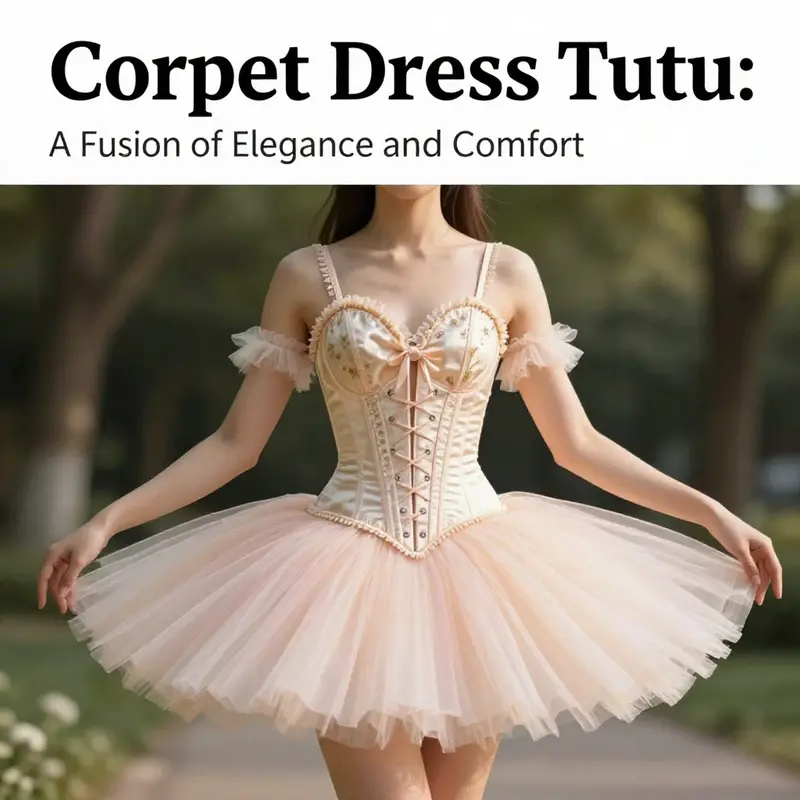
The corset dress tutu serves as a striking symbol of modern fashion, uniting the traditional elements of corsetry with the playful grandeur of tutu skirts. This unique design not only embellishes the creativity seen in high fashion but also meets the diverse needs of wearers across various sectors, including bridal, performance arts, and themed events. Business owners within these industries stand to gain a comprehensive understanding of the evolution, material choices, production standards, and sustainability trends linked to corset dress tutus. The chapters ahead delve deeply into each aspect, offering valuable insights into how this fashionable statement continues to influence clothing production and consumer preferences.
From Hourglass to Tulle: How the Corset Dress Tutu Rewrote Modern Silhouettes
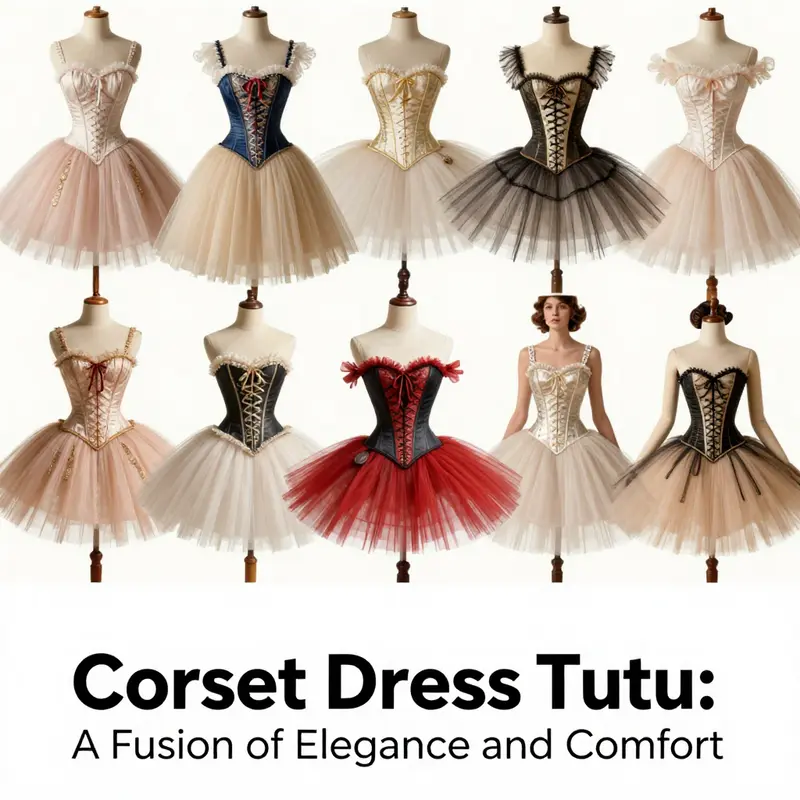
From Hourglass to Tulle: How the Corset Dress Tutu Rewrote Modern Silhouettes\n\nThe corset dress tutu is a garment of contrasts: rigid structure married to buoyant volume, exacting engineering softened by delicate textiles. Its evolution traces a clear line from the tightly boned waists of the 18th and 19th centuries to contemporary designs that celebrate movement, individuality, and theatrical presence. This chapter follows that line, exploring how historical silhouette, material innovation, craft standards, and cultural reinvention converged to make the corset dress tutu a distinctive piece in both performance and mainstream wardrobes.\n\nOriginally, corsetry existed to sculpt and support. Vertical boning—steel, spiral steel, or modern plastics—created the narrow midriff and lifted bust that defined aristocratic ideals. Meanwhile, layered skirts provided status through volume and expense. The corset dress tutu recombines these elements, but not as a literal reproduction. Designers distilled the essence of corsetry—the idea of shaping and framing the torso—and set it atop a tutu’s layered skirt. The result is a hybrid that reads as both historical reference and contemporary statement. The visual language is familiar: cinched waist, pronounced bust, and a skirt that answers with buoyancy. But the mechanics, materials, and purposes have shifted.\n\nMaterials mark the first major divergence from the past. Where original corsets relied on hand-cut coutil and whalebone, modern corset dress tutus deploy high-performance textiles. Silk satin, dupioni, velvet, and Chantilly lace deliver luxury and drape; tulle and mesh layers create the tutu’s ethereal lift. High-elasticity polyester and nylon blends permit stretch and recovery, improving comfort without sacrificing the silhouette. Strategic use of rigid elements—lightweight steel channels or reinforced plastic boning—allows designers to sculpt while keeping the garment wearable for longer periods. Embellishments such as hand embroidery, pearl beading, and sequins are layered in ways that accent rather than bury the structure, aligning decorative craft with structural necessity.\n\nConstruction methods also evolved. Traditional corsetry demanded bespoke patterning and extensive handwork. Modern workshops combine those artisanal techniques with digital tools to scale fit and precision. 3D body scanning and digital pattern-making reduce fit errors and speed production. Yet, the most successful pieces still rely on human touch: hand-sewn seams where strength and flexibility must coexist, careful placement of grommets and lacing channels, and manual finishing of hems and appliqué. This blend of craft and technology mirrors the garment’s aesthetic—a meeting of meticulous engineering and romantic flourish.\n\nA key reason the corset dress tutu gained traction across contexts—stage, bridal, couture, and street—lies in its adaptable performance. In theatrical settings, the tutu’s volume reads vividly under stage lights while the corset maintains posture and presence for choreography-driven narratives. For alternative weddings and themed events, the silhouette signals ceremony and spectacle without surrendering modern sensibilities. In streetwear and high fashion, designers reinterpret the form: minimal boning and softer fabrics create a suggestive shape rather than strict compression, allowing the piece to function as outerwear. This versatility also informs material choices: a performance piece may favor tougher tulle and reinforced boning; a fashion-forward streetwear version may choose stretch-satin and flexible plastic boning to prioritize movement.\n\nCultural threads tie the garment to stories older than modern tailoring. The concept of body-contouring garments resonates with myth and ritual—the sartorial equivalent of armor or adornment that signals identity. The corset dress tutu amplifies this by combining a historically coded waist silhouette with the tutu’s lightweight theatricality. At once it references aristocratic poise and the balletic ideal, making it an evocative choice for designers who want to riff on history without becoming pastiche. This interplay of reference and reinvention is precisely why the piece thrives in both narrative-driven costumes and detached, conceptual runway shows.\n\nSizing and inclusivity have been essential to the evolution. Where historical corsetry was often exclusive, modern makers acknowledge a range of bodies and priorities. Standardized sizing, plus-size options, and adjustable fastenings—back lacing, front busk systems, and hook closures—allow wearers to tailor fit without resorting to extreme compression. Safety standards guide how tightly a garment can be structured for everyday wear versus stage use. For performance, designers balance shaping with breathability and freedom of movement. For couture, silhouette may take precedence but with safeguards: flexible boning, ventilated linings, and carefully placed seams reduce risk and increase wearability.\n\nSustainability has become another decisive influence. The industry shifted from single-use costume materials to longer-lasting, recyclable textiles. Recyclable polyester and bio-based nylon appear alongside traditional fibers, offering lower environmental footprints while holding shape. Producers now consider lifecycle: can a corset dress tutu be re-lined, can layers of tulle be replaced, can metal hardware be recycled? Designers who prioritize sustainability design for repair: removable skirts, detachable trims, and standardized closures enable reuse and repurposing. This approach reframes the garment from ephemeral spectacle to enduring wardrobe investment.\n\nAesthetic evolution extends to detailing and silhouette experimentation. Overbust corsets paired with full pancake tutus evoke theatrical classical ballet. Shortened, hip-hugging bodices with layered asymmetrical skirts speak to contemporary clubwear or festival attire. Leather or faux leather corsetry introduces a harder edge when coupled with a soft tulle skirt, producing a compelling friction between materials. Metal buckles, harness-inspired straps, and industrial grommets shift the piece toward fetish or utility aesthetics. Conversely, delicate lace overlays and pearl trims emphasize romance and nostalgia. These choices signal how the corset dress tutu operates as a canvas, receiving influences from subcultures, bridal trends, and performance needs.\n\nIndustrial production refined the garment’s reliability. Precision cutting, standardized boning channels, and reinforced stitching practices emerged as best practices. Tension mapping—where stitch density varies to accommodate stress points—keeps seams from splitting under strain. Lining choices prevent chafing while retaining structure; breathable cotton or moisture-wicking blends are common inside the corset, even when silk sits on the exterior. As a result, modern pieces move more predictably: they shape as intended, endure repeated wear, and require less constant adjustment.\n\nThe garment’s presence in popular culture cemented its appeal. When designers place corset dress tutus in editorial spreads or onstage productions, they offer the public a shorthand for drama and transformation. Social media accelerated this effect, with influencers and performers showcasing hybrid styling—pairing a tutu-corset with denim jackets, tailored blazers, or combat boots. Such pairings demonstrate the piece’s capacity to cross contexts: bridal to street, stage to festival. That fluidity encouraged manufacturers to develop ready-to-wear lines alongside bespoke pieces, widening access and inspiring further design experimentation.\n\nPractical considerations remain central to the piece’s continued relevance. For performance, the skirt’s layering must sustain movement without collapsing; boning must resist bending while accommodating breath. For day wear, comfort and ease of entry matter: busk closures, flexible back panels, and off-center zips provide options. Designers found compromise with convertible elements—detachable tutus, removable boning inserts, and adjustable waist cinches—that let one garment serve multiple scenarios. These innovations reflect a broader shift: clothing is expected to be multifunctional, responsive, and mindful of wearer lifestyle.\n\nThe corset dress tutu’s evolution is not finished. Advances in textile science and manufacturing promise new iterations: lighter composite boning, smarter fabrics that regulate temperature, and biodegradable nets that retain tulle’s look while easing disposal. Simultaneously, the conversation around body autonomy and fashion ethics will shape how much structure is desirable. The garment sits at an intersection where form, function, and culture continually negotiate meaning. As designers and wearers reinterpret what it should do—frame, support, entice, protect—the corset dress tutu remains a potent example of how historical forms can be retold for modern life.\n\nIf you want to see how the tutu’s classical vocabulary translates to high-performance stagewear, the Swan Lake professional tutu offers a clear lineage and technical standard that informs many contemporary hybrids: https://luneballet.com/product/high-quality-white-ballet-costume-tutu-swan-lake-t0596/.\n\nFor a broader industry view and recent trend analysis, refer to the contemporary survey of corset dress tutu trends and innovations published in Vogue: https://www.vogue.com/article/corset-dress-tutu-fashion-trends-2026
Craft and Cloth: Materials and Techniques That Shape the Corset Dress Tutu
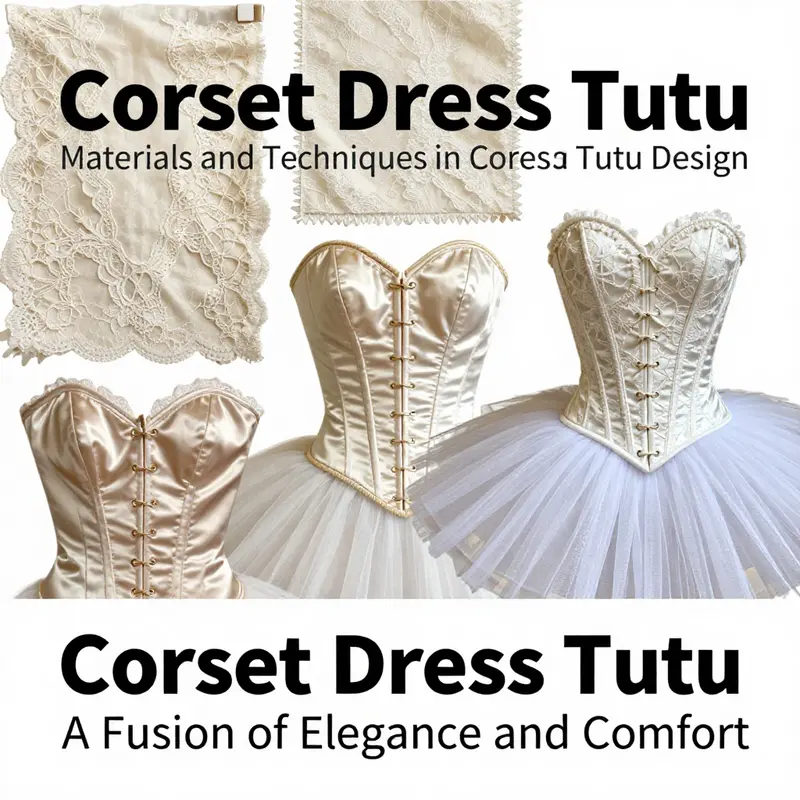
The corset dress tutu sits at the intersection of engineering and romance, where rigid structure meets weightless volume. To understand how designers achieve its dramatic silhouette, one must follow the garment from pattern to finish, noticing how each material choice and technique contributes to shape, comfort, and visual impact. This chapter weaves those threads into a single narrative that reveals why a corset dress tutu looks as commanding as it feels delicate, and how contemporary practice balances tradition, wearability, and production realities.
At the heart of every corset dress tutu is the bodice: a sculpted shell that defines the waist, supports the bust, and anchors the skirt. Historically, corsetry relied on steel and whale bone to create an unyielding frame. Today, designers mix old and new—spiral steel and flat steel provide strong, resilient support in areas that require persistent shaping, while flexible plastics and synthetic boning offer comfort where movement matters. The choice of boning material affects not only silhouette but also the garment’s longevity and the wearer’s mobility. Spiral steel bends with the body and returns to shape, making it ideal for costumes that must endure repeated movement under stage lights. Flat steel delivers an uncompromising cinch and sharp waistline that suits formal wear, where posture and a precise hourglass are paramount.
Construction techniques in the bodice are equally decisive. A multi-layered corset often begins with an internal busk or front closure that distributes stress and simplifies dressing. The inner foundation typically uses a sturdy, woven fabric—coutil in traditional couture or modern polyester-cotton blends in production—to resist stretching. Layered atop this foundation are fashion fabrics such as satin, brocade, or velvet, chosen for aesthetic weight, drape, and light reflection. Seam placement, especially princess seams and waist straps, helps sculpt the torso while controlling how embellishment is applied. Internal linings of cotton or breathable blends protect the skin and prevent abrasion from boning channels and grommets. When a design includes back lacing or metal grommets, reinforcing panels are stitched into place so tension remains even and lacings do not tear the fashion fabric.
Material blending is a practical answer to comfort. Elastane or Lycra inserts at the side seams provide give where rigid panels would otherwise bind. Mesh panels or modest amounts of stretch fabric increase range of motion without sacrificing waist definition. Thoughtful placement of stretch avoids compromising the sculpted look, and often appears in areas that do not require severe shaping—underarm, upper back, or side gussets—preserving the illusion of solidity while allowing real movement.
Transitioning from rigid bodice to floating skirt requires an interface that can both support and conceal. The waist stay—usually a tape or stitched band—binds the skirt to the corset. Designers use reinforced waistbands to spread the load of multiple tulle layers and any heavy embellishment. For performance pieces, the waistband may incorporate pockets for wires or hooks that attach to an under-skirt support system. This is common in stagewear where the tutu must maintain a set profile throughout complex choreography.
The tutu itself is a study in volume engineering. Tulle remains the material of choice for its sheer lightness and ability to build cloud-like layers without bulk. Multiple tiers of tulle, cut with varying lengths and densities, create depth and an airy bounce. For a classic pancake or platter silhouette that projects horizontally from the waist, stiffer tulle and netting are layered over a crinoline or a specialized hoop. More contemporary bell or romantic tutus rely on softer tulle and satin panels to yield a downward drape that still reads as voluminous on stage or in photographs.
Satin and brocade are often used for outer skirts or overskirts to add weight and sheen, catching light where plain tulle might disappear. Satin provides a reflective surface that works well for evening wear and editorial shoots. When satin combines with tulle, the eye reads a complex texture—shimmering outer layers sitting above gauzy inner layers—which enhances perceived luxury. Designers sometimes alternate tulle with mesh or patterned fabric in the layers to introduce subtle optical effects; a stripe of contrasting color or a printed tulle layer adds depth and modernity without undermining the tutu’s ethereal essence.
Embellishment bridges craft and couture. Handwork—pearls, beading, hand-appliquéd lace—elevates a corset dress tutu from costume to heirloom. Because embellishments add weight, their placement must respect the garment’s balance: dense beading at the hem can drag tulle, flattening volume; concentrated detail on the bodice emphasizes the torso and complements the waist cinch. For performance tutus that undergo energetic movement, sequins stitched on a stable base fabric or machine-applied trims ensure durability. When metallic buckles or hardware are used, designers anchor them with leather patches or reinforced stitching to prevent tear-out under stress.
Technical textiles extend the garment’s functionality. Breathable linings and moisture-wicking underlayers increase comfort during long wear. Recyclable polyesters and bio-based nylons now appear in tulle and satin variants, offering similar hand and appearance while reducing environmental impact. In large-scale production, such materials make sustainability a viable option without sacrificing performance. Digital printing on tulle allows complex motifs without heavy appliqué, keeping the fabric lightweight while delivering a richly patterned surface that reads clearly on stage and in photos.
Patterning and fit are where design intent meets the human body. Precision matters: a poorly fitted corset can restrict breathing or cause bruising, while an over-soft tutu can collapse. Modern studios use 3D body scanning and digital pattern making to produce blocks that account for posture, shoulder placement, and hip-to-waist ratios. These technologies reduce prototypes and improve first-fit accuracy—critical when making tutus for dancers who require immediate, reliable range of motion. In bespoke work, multiple mock-ups ensure that boning positions and seam lines align with each client’s contours.
Manufacturing methods reflect the garment’s dual nature. Hand-sewn techniques remain important for critical finishes—boning casings, busk installation, and delicate embellishment. But efficient machines handle repetitive tasks: cutting layered tulle, zig-zag stitching of stretch panels, and bartacking of reinforcement points. The marriage of craftsmanship and industrial methods yields a product that can be scaled without losing the integrity of craft.
Sizing inclusivity is a growing focus. Historically, corsetry prioritized idealized measurements, but contemporary brands offer extended sizes and adapt boning patterns accordingly. Wider corset panels, additional side boning, and graduated busk lengths allow the same visual impact across more bodies. For plus-size options, designers often reduce the distance between boning points and increase panel counts to distribute shaping pressure, preserving comfort while maintaining silhouette clarity.
Finally, maintenance and longevity depend on material choices and construction clarity. Removable pads, detachable skirts, and washable linings make the garment serviceable. Sealed seams and protected zippers prevent fraying from tulle layers. Clear instructions for storage—flat for structured bodices, padded hangers for lighter pieces—extend wearable life. These practical details matter: a corset dress tutu is an investment in structure and fabric, and thoughtful design anticipates both performance needs and the care required to keep it pristine.
Understanding the materials and techniques behind the corset dress tutu reveals why it can be both an emblem of tradition and a vehicle for modern innovation. The interplay of boning, fabric choice, reinforcement, and embellishment achieves a balance between form and function. Whether worn on stage, at a wedding, or crafted as a fashion statement, the corset dress tutu depends on disciplined construction and considered materiality to transform a silhouette into an enduring image.
For an example of specialized tutu construction that explores pancake shaping and decorative detail, see this example of a pancake tutu with floral elements: pancake tutu for ballet with flower cost effect.
Source for further context and trend analysis: https://www.vogue.com/article/corset-dress-tutu-fashion-trends-2026
From Patterns to Performance: Industrial Standards and Innovations Behind the Corset Dress Tutu
From Patterns to Performance: Industrial Standards and Innovations Behind the Corset Dress Tutu
The industrial production of the corset dress tutu sits at the intersection of craft and engineering, where historical silhouette meets modern manufacturing logic. This garment demands a dual focus: the corseted bodice must sculpt and support the torso, while the tutu skirt must deliver volume, bounce, and visual drama. Achieving both reliably at scale requires well-defined standards, repeatable processes, and steady innovation. The narrative that follows maps the key elements manufacturers use to turn design concepts into dependable, wearable pieces suitable for stage, ceremony, or bespoke fashion.
At the heart of reliable production is pattern precision. Digital pattern systems and CAD tools have replaced much of the manual draping once necessary for complex bodices. These systems translate measurements and shape data into production-ready patterns with minimal variation. When coupled with 3D body scanning, patterns can be adjusted to reflect real-world body shapes rather than idealized forms. This reduces sample cycles and minimizes costly alterations. The result is garments that fit more predictably across sizes, including extended ranges for inclusive and plus-size offerings. Pattern precision also informs structural decisions, such as boning placement and seam reinforcement, which directly impact performance and wearer comfort.
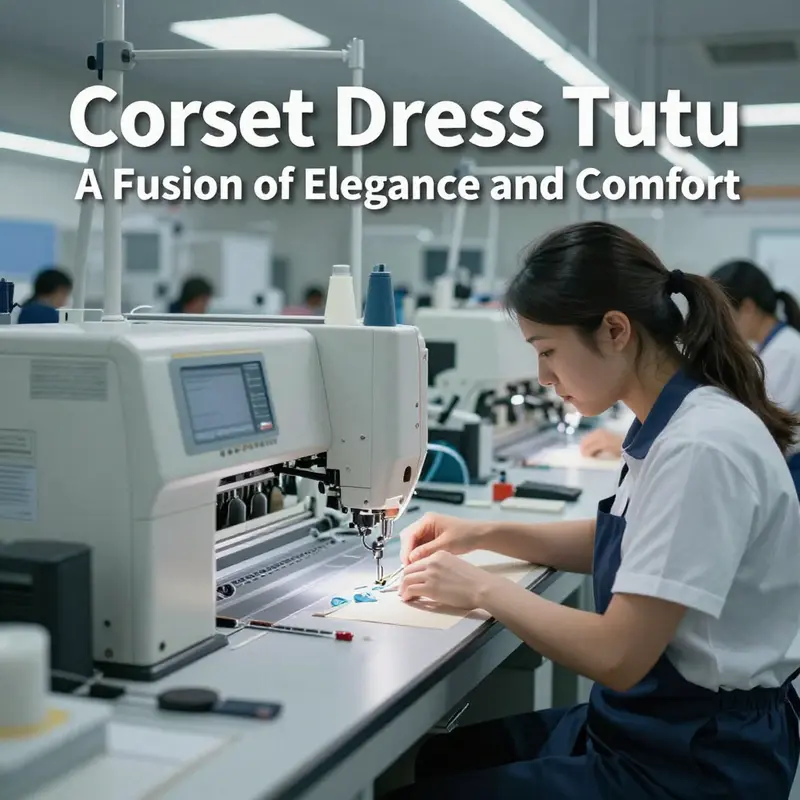
Mechanization transforms precise patterns into consistent garments. Automated cutting tables slice through multiple layers of tulle, satin, and lining with exacting repeatability. Computer-controlled sewing machines maintain stitch length and tension within narrow tolerances, ensuring seams handle the stress of movement and repeated wear. For the corset bodice, specialized machines insert channels for boning and attach busks or other closures with secure, uniform stitch work. This mechanized consistency is vital for safety. A bodice must redistribute pressure and preserve breathing ability while shaping the waist. Production standards therefore specify not just aesthetic tolerances, but also mechanical properties such as seam strength, boning flexibility, and closure reliability.
Material selection sits alongside process as a defining industrial variable. Corset dress tutus combine rigid support and ethereal volume, so materials must perform differently within one piece. Boning materials vary from flexible plastics to tempered steel. Steel offers superior long-term shape retention, while modern plastics deliver weight savings and reduced risk of rust. The choice of lining fabric addresses the same duality. Linings must be soft and moisture-wicking against the skin, yet robust enough to anchor boning and closures. High-quality cotton blends and technical polyesters are common. Skirt layers typically use tulle, organza, or lightweight mesh. These fabrics are chosen for their loft, translucence, and ability to hold shape when layered. Manufacturers now evaluate material lifecycles, favoring recyclable fibers and lower-impact synthetics. This shift reduces environmental footprint and answers consumer demand for sustainable options.
Standards compliance governs the production lifecycle. Safety and consumer protection regulations require clear documentation of materials, flammability ratings, and accessory safety, such as the secure attachment of decorative hardware. Structural integrity tests simulate movement and load, ensuring boning stays seated and seams resist strain. Where metal components exist, electrochemical testing prevents corrosion risks that can compromise fit and damage surrounding fabrics. Regulatory compliance also extends to labeling and sizing. Consistent size charts and measurement conventions reduce returns and improve customer experience. For performance wear, additional criteria include durability under repeated costume changes and compatibility with stage lighting and makeup.
Quality control is woven into each production stage. Incoming material inspections verify weave, tensile strength, and colorfastness. During assembly, in-line checks monitor alignment, stitch quality, and accessory placement. A sample-based approach ensures that batches meet mechanical standards for stretch, seam strength, and closure reliability. Final inspections assess both function and finish: the bodice must hold its shape, closures must operate smoothly, and the skirt must exhibit consistent volume and hem finishing. For garments destined for dance or theater, rehearsals and wear trials provide practical feedback. These trials reveal how the corset dress tutu behaves in motion—where reinforcement is needed and which trims impede or enhance movement.
Innovation continues to reshape how manufacturers address these longstanding challenges. 3D body scanning, in particular, allows mass customization at a previously unattainable scale. Scans generate a digital twin that informs pattern grading and fit adjustments specific to body geometry. This is especially valuable for corsetry, where small differences in ribcage shape change how pressure distributes across the torso. Digital pattern libraries enable agile production runs specific to niche measurements. When combined with on-demand cutting and modular assembly lines, companies can offer a wider size range without the inventory burden of every possible variation.
Sustainability initiatives influence material choices and energy use. Recycled polyester and bio-based nylons now appear in both lining and outer layers. These fibers can mimic the mechanical properties required for boning channels and skirt stability while lowering lifecycle emissions. Energy-efficient sewing and cutting equipment reduce factory power consumption. Waste-reducing measures, such as nesting algorithms for fabric cutting and remanufacturing of offcuts into trimmings or practice fabrics, further enhance resource efficiency. Some manufacturers also adopt take-back programs to recycle worn tutus, creating circular supply chains that appeal to environmentally conscious buyers.
Inclusivity in sizing has moved from niche to necessity. Technical adjustments—wider bones, reinforced side seams, and redistributed shaping panels—allow corset dress tutus to flatter and support diverse bodies. Pattern grading must consider varied proportions, not just larger linear measurements. Grading techniques now incorporate proportional scaling for rib height, torso length, and hip circumference. These refinements reduce fit complaints and broaden market reach. Production lines adapt by offering modular assembly, where bodices and skirts can be matched across size ranges. This modularity simplifies inventory while enabling more personalized fits.
Aesthetic innovation parallels technical progress. New decorative techniques integrate sequins and trims during assembly rather than as post-production additions. Laser-cut appliqués and heat-bonded embellishments reduce handwork and improve washability. For tutus, layered color transitions and engineered stiffness profiles produce dynamic visual effects under stage lighting. These methods maintain high throughput while delivering artisanal finishes. Yet, aesthetics must never compromise function. Embellishments undergo the same quality checks as structural elements to ensure they do not detach during rigorous movement.
Finally, the human factor remains crucial. Skilled technicians are essential for fitting, final finishing, and quality assurance. Even with automation, hand-finishing touches—edge binding, internal reinforcements, and delicate appliqué placement—require experienced hands. Training programs and documented workmanship standards preserve institutional knowledge and reduce defects. Collaborative workflows between designers, engineers, and production teams close the loop between design intent and industrial feasibility.
The industrial story of the corset dress tutu is therefore one of reconciliation: reconciling art and engineering, tradition and sustainability, singular fit and scalable production. Standards anchor this reconciliation by defining what counts as safe, durable, and wearable. Innovations in digital tools, materials, and process control expand what manufacturers can promise to customers: better fit, broader sizing, and lower environmental cost. When these elements align, a corset dress tutu moves from a complex concept into a dependable product, ready to perform on stage or mark a milestone. For deeper technical guidelines and regulatory specifics related to rhinestone-embellished corsetry and industrial applications, consult this comprehensive industrial guide: https://www.fashioninsider.com/2026/02/02/rhinestone-corset-dress-industrial-guide/.
For examples of high-quality tutu construction that illustrate many of the production principles discussed here, see the detailed listing for a professional ballet tutu that demonstrates stage-ready finish and structural design: professional ballet tutu Paquita.
Eco-Elegance in Motion: Sustainability and the Corset Dress Tutu Revival
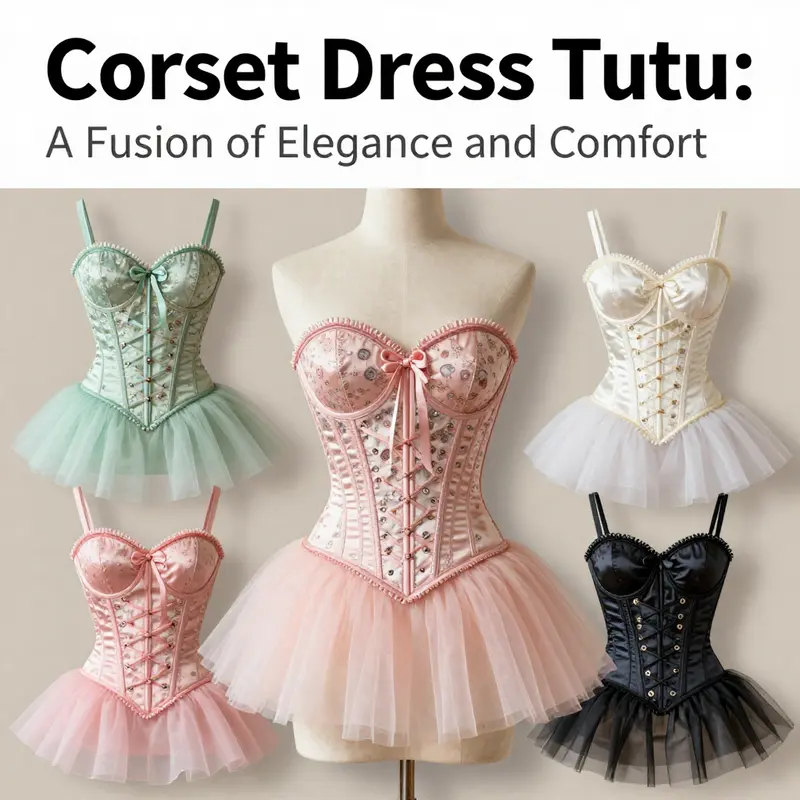
The corset dress tutu sits at a curious intersection where history, spectacle, and ethics converge. Its revival speaks to a broader awakening in fashion: consumers no longer seek novelty alone but look for a narrative that travels well from runway to street, from stage to sustainable closet. In this light, the corset dress tutu becomes less a costume of contrast and more a statement of balance. It pairs the disciplined silhouette of a cinched waist with the buoyant volume of a tutu, creating a kinetic shape that reads as both disciplined and playful. When designers and wearers approach this silhouette with sustainability in mind, the garment becomes a living example of how style can be responsible without sacrificing drama or ease of movement. The result is a garment that invites repeated wear, easy care, and a slower, more thoughtful consumption pattern that aligns with contemporary ethical standards while preserving the expressive intent at the heart of the silhouette.
At the core of this revival is material stewardship. The industry has begun to shift away from single-use or high-energy-fuss fabrics toward options that honor the lifecycle of a garment. Eco-friendly materials now color not only the outer skirt but also the foundational elements of the piece. Organic tulle, for instance, reduces the environmental footprint of a fabric that must remain light and airy enough to capture lift while withstanding repeated wear. Recycled fabrics, whether in the bodice lining, trims, or the skirt layers, offer a path to circularity. These choices are not about compromise on texture or drape; they redefine the tactile experience of the corset-dress-tutu, emphasizing softness, resilience, and breathability. The outer skirt—traditionally a constellation of tulle, satin, or mesh—can be woven from recycled polyester or bio-based options that mimic the ethereal shimmer and cloudlike volume of classic tutus while lowering cradle-to-grave impact. Such materials encourage designers to experiment with color and translucency in ways that feel modern, not merely nostalgic.
Ethical manufacturing advances anchor the sustainability narrative of corset dress tutu. Brands and ateliers are increasingly transparent about labor practices, with a rising demand for fair wages, safe working conditions, and verifiable supply chains. Ethical manufacturing starts with sourcing—knowing who makes the fabric, who cuts the bodice, who stitches the laces, and how workers are compensated. This includes clear traceability, certification, and regular audits, ensuring that the romance of a couture silhouette does not obscure human realities. When these standards are embedded from the first pattern to the final fitting, the wearer gains confidence that beauty does not come at the expense of people. In tandem, sustainable production processes are being formalized through energy-efficient machinery, waste minimization, and smarter dyeing techniques that rely on lower-water, lower-toxin methods. The goal is a smaller carbon footprint without diminishing the garment’s integrity or longevity.
Inclusion and accessibility have emerged as non-negotiables within this evolving framework. The corset dress tutu’s visual appeal can easily become exclusive if size ranges and fit considerations are overlooked. The contemporary market responds with extended sizing and adaptive design features that accommodate diverse body types. A well-executed corset can still deliver waist definition and torso support while offering adjustable closures, flexible boning, and breathable linings that respect comfort and range of motion. The plus-size segment, in particular, has become a proving ground for ethical production and inclusive design, prompting brands to rethink pattern blocks, reinforcement strategies, and seam placements so that structures remain flattering, functional, and durable across a broader spectrum of silhouettes. Inclusivity here is not a trend but a core principle that strengthens the garment’s longevity; when more bodies can wear a design beautifully, demand stabilizes, and economies of scale favor sustainability through longer product lifecycles.
Consumer awareness and taste are shifting in tandem with these production realities. Social media and digital communities have sharpened expectations around what it means to purchase fashion that aligns with personal values. Consumers increasingly want vintage-inspired silhouettes, but they also want the craftsmanship of contemporary production—finishes that feel deliberate, stitching that reads as durable, and embellishments that are responsibly sourced. The spectrum of style preferences widens accordingly: the palette traverses minimalist pastels, nostalgic ivory, and soft golds, while bolder sensibilities embrace gothic motifs or avant-garde contrasts. The common thread is kinematic elegance—an emphasis on how the garment moves through space and how it feels against the body as it shifts from still pose to dance or celebration. In this context, sustainability is attractive not as a fringe virtue but as a fundamental attribute woven into the garment’s identity.
Design and construction converge in a deliberate dialogue between structure and fluidity. The corset component—often reinforced with steel or plastic stays—gives shape and control, yet the tutu’s multiple layers must remain sufficiently light to permit fluid motion. The challenge, historically, has been to avoid constriction that undermines performance, particularly on stage or during long wear. Modern design resolves this tension through smarter boning, contouring, and the use of lighter, more flexible materials in the bodice. Front closures and back lacing are now integrated with comfort-oriented features: breathable linings, stretch panels, and micro-ventilation zones where heat can dissipate during high-energy performances. The fabric choices for the skirt also reflect a practical luxury; high-elasticity materials like microfibers or technical blends maintain volume without piling or sagging after repeated wear, and their care instructions support longer garment life with less energy-intensive upkeep.
Technology plays a pivotal role in reshaping fit and sustainability tout court. 3D body scanning and digital pattern systems enable highly precise patterning for a wider variety of bodies, reducing the costly, wasteful cycle of sampling and rework. Digital patterning allows designers to iterate quickly, testing fit and aesthetics in virtual environments before any fabric is cut. This reduces fabric waste and accelerates development timelines, which in turn lowers energy consumption per design cycle. As the garment moves from concept to couture-to-consumer, the digital layer serves as a record of the garment’s real-world performance, guiding future improvements in pattern geometry, material choices, and reinforcement strategies. The result is a more responsible production model that still achieves the dramatic silhouette that defines the corset dress tutu.
End-of-life considerations and circular design have entered the conversation with equal seriousness. Brands are exploring take-back programs, recycling partnerships, and repair services that extend the garment’s usable life. The tutu’s layered architecture, when conceived with modularity in mind, can be more readily repaired or refreshed. Even the corset, if designed with standardized closures and replaceable trims, can be refurbished rather than discarded. This mindset aligns with longer product lifespans and a reduced volume of waste entering landfills. The industry is learning to communicate this story clearly to consumers, highlighting not only the fashion value but also the environmental stewardship embedded in each piece. Such transparency fosters trust and invites wearers to participate in the garment’s lifecycle, from responsible purchasing to mindful care and eventual recycling.
The aesthetic language of sustainability also shapes what counts as chic today. Rather than signaling eco-friendliness through sedimentary color or overt “green” branding, designers emphasize material texture, silhouette integrity, and lightness of movement. A sustainable corset dress tutu can feel both modern and timeless, a garment that wears well in a gallery, on a festival stage, or at a ceremonial event. Its romantic overtones are reframed through contemporary craft and ethical sourcing, creating a sense of intentional luxury rather than disposable spectacle. In practice, this means designers select trims and fastenings that are durable and repairable, choose dyes with lower toxicity, and create linings that endure frequent cleaning without losing shape or comfort. The result is a garment that earns a second or third life, not merely a single moment in the spotlight.
Visual references and real-world practice offer compelling examples of this convergence between sustainability and spectacle. To glimpse how current design conversations translate into wearable forms, consider how stylists and makers discuss and display their iterations. See, for instance, a recent page that frames a pink ballet-tutu-inspired option as part of a broader conversation about texture, shading, and movement in modern stagewear: pink-ballet-costumes-for-sale-sleep-beauty-gilded-edge-t0377. Such references remind us that sustainability is not a constraint but a design parameter that enhances, rather than suppresses, expressive potential. It invites audiences to value craft, to recognize the work behind every seam, and to celebrate the garment as a performance of care.
In parallel with industry shifts, scholarly and industry voices point to ongoing innovations and standards that support sustainable practice. The Vogue analysis of 2026 trends underscores how high-fashion and streetwear are embracing eco-conscious materials, transparent sourcing, and inclusive sizing as essential components of market relevance. Consumers increasingly set expectations for ethical behavior that matches the aesthetic ambition of the corset dress tutu. When designers respond with robust material choices, ethical labor practices, and precise, low-waste production methods, the result is a garment that feels coveted and responsible in equal measure. This alignment of taste and ethics is not a passing phase but a durable redefinition of value in fashion, where the story of a dress—the path from loom to loom, from atelier to stage—becomes part of what makes it desirable.
External perspectives enrich this chapter as well. Researchers and industry advocates highlight how sustainability in fashion, including corset dress tutus, benefits from cross-disciplinary collaboration: mechanical engineering for better boning systems, textile chemistry for durable yet gentle dyes, and data analytics for forecasting demand that minimizes overproduction. The path forward likely involves more standardized reporting of environmental impact, broader adoption of circular economy principles, and continued investment in worker welfare across the supply chain. As with any evolving practice, challenges persist—balancing the need for dramatic silhouettes with the need for breathable, safe wear, or maintaining affordability while upholding high ethical standards. Yet the trajectory is clear: sustainability is becoming an integral feature of the corset dress tutu rather than a peripheral attribute. It enriches the garment’s storytelling, deepens consumer trust, and preserves the artistry that makes this silhouette so compelling.
For readers who want to explore the broader discourse on sustainability in fashion, a foundational resource on current trends and innovations provides useful context and data-driven insights. External resource: Sustainability in Fashion 2026 trends and innovations offers perspectives on how practitioners across design, manufacturing, and retail are aligning environmental stewardship with creative expression. This is not a distant ideal but a practical pathway that designers can implement in every corset-dress-tutu iteration, ensuring that beauty and responsibility travel together from concept to performance and beyond.
Final thoughts
The corset dress tutu exemplifies a multifaceted approach to fashion, effectively bridging the gap between aesthetics and functionality. Its evolution reflects the dynamically changing landscape of consumer preferences and production practices. For business owners, understanding these intricacies is vital to harnessing the potential of this trend within their offerings. As sustainability becomes a cornerstone of modern fashion, embracing eco-friendly materials and innovative production techniques is not just a choice—it’s imperative for staying relevant.