
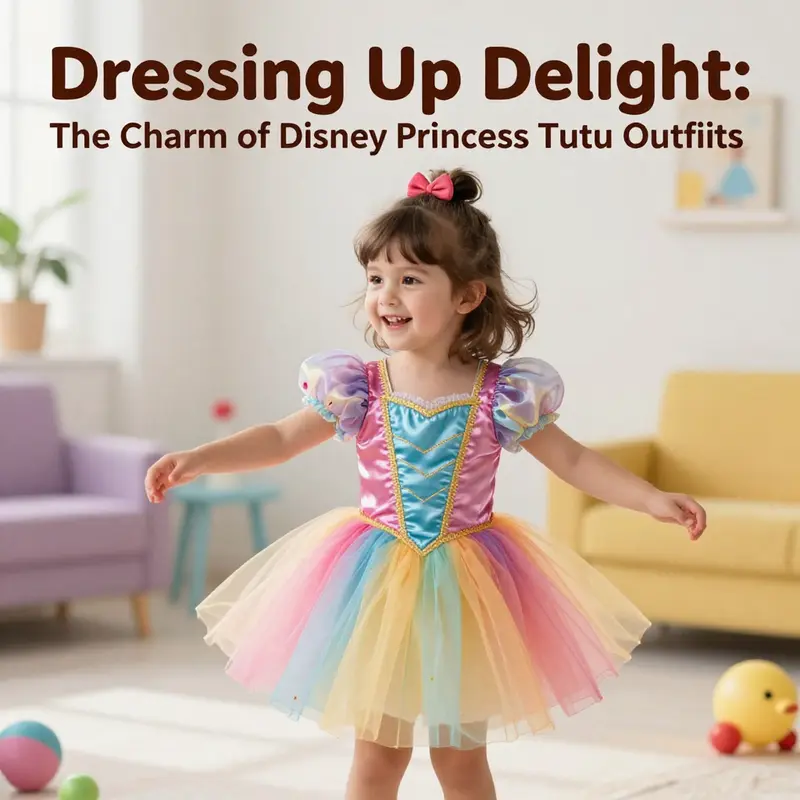
Disney Princess tutu outfits have become a staple in the wardrobes of young girls, especially for special occasions and playtime. These enchanting ensembles not only celebrate the beloved characters of Disney but also prioritize the practical needs of infants and toddlers. This article breaks down the appealing aspects of these outfits across four key chapters. We will explore how these whimsical designs marry fashion with functionality, discuss the importance of material choices for comfort, discover the nuances of mixing and matching various elements, and finally review their suitability for themed events and park visits, ultimately equipping business owners with insights to cater to this thriving market.
Twirl and Trust: Weaving Fairy-Tale Glitter with Everyday Comfort in Disney Princess Tutu Outfits
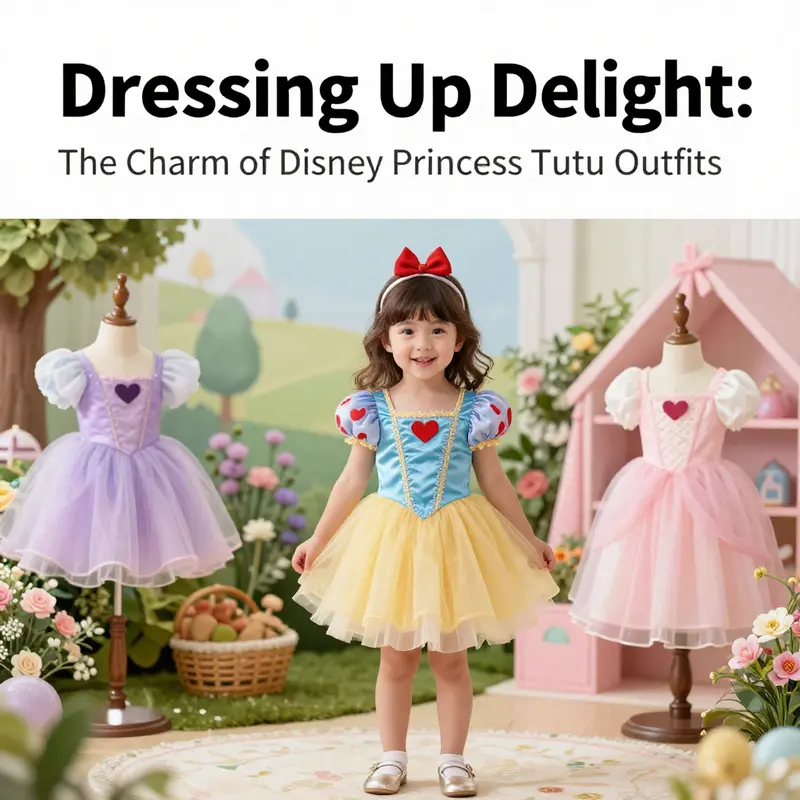
Fairy tales travel on the whirl of a skirt, but the best Disney princess tutu outfits travel farther because they honor motion as much as magic. When a parent watches a child discover the world—crawl, stand, stumble, sprint—the wardrobe chosen for play and celebration becomes part of that journey. The tutu, with its soft layers and glimmering accents, holds a promise: a child can be a princess while still feeling the ground underfoot, can chase a ball or reach for a book without pinching, itching, or overheating. In this light, the most successful tutu outfits fuse whimsy with function, turning every twirl into a comfortable moment of exploration rather than a limit on movement. The chapters of this balance unfold in the fabric, the fit, and the thoughtful construction that supports yes to freedom, yes to play, and yes to the spark of imagination.
The first principle is fabric, the quiet bedrock of wearability. For infant and toddler skin that is incredibly delicate and more prone to irritation, softness is nonnegotiable. Breathable blends such as cotton and bamboo-based fabrics offer better air flow, helping regulate temperature and reducing the risk of rashes as little bodies wriggle through a day of activity. In warmer rooms, a cotton blend can feel almost cooling against the skin, while in cooler weather it can be layered with a cozy bodysuit or a soft romper without bulk. Synthetic textures should be approached with caution. Polyester or other stiff, heat-trapping fabrics can trap heat in a way that leaves a child restless or uncomfortable after a short burst of play. The goal is a lightweight, airy feel that still holds a fairy-tale silhouette. Embellishments matter, too. Sequin patches and stitched details that press into the skin or rub against the back of the knees can create discomfort after a little spurt of energy. The smarter choice is embellishments that are securely stitched flat to the fabric, keeping the surface smooth so a diapered bottom and a crawling knee aren’t met with resistance on every twist and turn.
Within this material philosophy, the fit becomes the stage for movement. A tutu outfit that relies on a sturdy base layer—like a soft romper or a leggings-and-toddlers’ romper combo—gives the silhouette its iconic shape without sacrificing mobility. A lightweight tutu overlay can glide over this base, creating the fantasy of a ballgown while preserving the practicality of a well-fitting garment. For infants who are learning to crawl, a design that prioritizes a loose, stretchy waist and a flat seam line increases comfort and reduces the chance of fabric bunching under the knees. For toddlers who are already sprinting toward the world, a snug but non-restrictive waistband is essential; tagless interiors prevent any tickle of fabric against delicate skin, and flat seams minimize the tug of friction on every movement. These details matter because the child’s day is a sequence of little victories—reaching a new height, balancing on a step, landing in a cautious sprint—and clothing should support those tiny triumphs rather than interrupt them.
Designers have long understood that the tutu is a symbol as much as a garment. The classic tutu skirt, with its multiple tiers of tulle, evokes the visual magic of a fairy-tale character. Yet the most successful modern versions reinterpret that silhouette for everyday wear. Lightweight tutus layered over a romper or a pair of soft leggings can offer the same fairy-tale drama while remaining easy to launder and quick to dress for the day ahead. The choice between a full tutu and an A-line skirt—often more breathable and comfortable for longer park days—depends on the child’s activity and the environment. An A-line cut can provide better airflow around the legs and hips, which helps with longer sessions of walking or running through sunlit paths. The tutu remains a star, but its star power shines brightest when paired with elements designed for movement and all-day comfort.
The practicalities of daily wear extend beyond fabric and silhouette. For infants, ease of diaper changes becomes a central consideration. Outfits that integrate stretchy bodysuits with wide, elastic waistbands and simple openings can transform dressing from a chore into a quick routine, freeing up parents to focus on the tactile world their child is discovering. For toddlers, the ability to move from play to a quick transition—like a birthday party or a photoshoot—without needing a full wardrobe change is often the deciding factor. A two-piece approach, where a gentle, supportive base layer is topped with a lightweight tutu overlay, makes this possible. It’s a quiet engineering problem: keep the magic visible while removing friction points that slow the child’s day. When movement is the measure, the design must encourage it, not hinder it.
In this spirit of flexible enchantment, many families adopt a mix-and-match approach. Rather than relying on a single licensed costume, they assemble ensembles by combining a princess-inspired top with a tutu skirt from another style. This not only broadens the wearer’s options but also invites a playful creativity that mirrors how children learn: by testing combinations, discovering what feels comfortable, and seeing themselves in different fairy-tale roles. The result is a look that resonates with character recognition while maintaining practicality. It’s a modern storytelling strategy: the outfit becomes a vehicle for self-expression and daily joy, rather than a one-off costume meant only for a special occasion.
The setting sometimes dictates a different balance between form and function. For park days or long events where walking and exploring take center stage, an A-line skirt can offer more airflow and less restriction than a full, puffy tutu. Yet for birthday parties, photoshoots, or small, intimate celebrations, a lightweight tutu with a soft base layer can still deliver the quintessential princess vibe without dragging or overheating a child who is eager to move. The decision is less about rule and more about rhythm—matching the tempo of the day to the fit of the garment. A well-tuned tutu outfit can glide from a casual afternoon to a special moment with minimal disruption, a small but meaningful bridge between play and ceremony.
The look itself—frills, soft color palettes, delicate shimmer—speaks to an age-old desire to dress up, to imagine, and to belong to a story larger than daily life. But the visual appeal is strongest when accompanied by tactile relief and warmth. This synergy between aesthetics and anatomy is not simply about comfort; it’s about cultivating confidence. A child who feels at ease in her clothes will experiment with movement more freely, giggle at a playful twist, and approach new experiences with curiosity rather than hesitation. The magic, then, multiplies: a twirl becomes a story in motion, a hug becomes a scene-stealing moment, and a simple day becomes a stitched memory that glows with light and laughter.
Safety and care complete the circle of design informed by experience and research. When fabrics breathe well and seams stay flat, the risk of skin irritation decreases and sleep remains undisturbed by frustration caused by discomfort. The best tutu outfits are not merely beautiful; they are considerate of the child’s sensory world. They resist the temptation to place style above safety, choosing construction that keeps small fingers from snagging, hems from catching on furniture, and embellishments from posing a choking hazard. Care instructions, too, matter: gentle washing, air drying, and minimal drying heat help preserve the fabric’s integrity and the garment’s shape. Regular inspection of seams and elastic bands, especially after repeated wear and washing, ensures that the outfit stays as gentle on the skin after many adventures as it was on the first wear.
Amid the practicalities, the emotional resonance remains crucial. An expert note about infant skin—highlighting how much thinner it is than adult skin and how easily irritation can arise from rough seams, glued-on sequins, or tight elastic—offers a reminder that care is an ongoing practice. The aim is not to iron out the whimsy but to preserve it through thoughtful design choices that honor the child’s comfort as enthusiastically as the fantasy. In this light, a tutu outfit becomes more than attire; it becomes a partner in a child’s day. It helps create a space where the child can experiment with balance, practice new movements, and enjoy the glow of being seen as a character who matters—someone who can own her moment, even while learning to stand, to crawl, or to run with the wind.
Ultimately, the best Disney princess tutu outfit is less about matching a single iconic image and more about aligning several design pillars: softness, breathability, secure construction, ease of movement, and a flexible silhouette. When those elements converge, the tutu supports the child’s body and imagination in equal measure. It invites the moment of play to last longer and feel gentler, turning a simple look into an everyday invitation to explore, pretend, and grow. In this sense, fashion becomes a form of care, the kind that encourages a child to trust her body, test her limits, and weave her own fairy-tale path through the ordinary world. The magic, finally, is in the balance: a look that shines with wonder while staying quietly practical, so every spin, leap, and giggle is a celebration of motion as well as imagination.
External resource: https://www.happythreads.com/products/disney-princess-long-sleeve-tutu-dress-for-girls
Soft Layers, Smart Choices: Prioritizing Comfort and Materials in Disney Princess Tutu Outfits
Soft Layers, Smart Choices: Prioritizing Comfort and Materials in Disney Princess Tutu Outfits
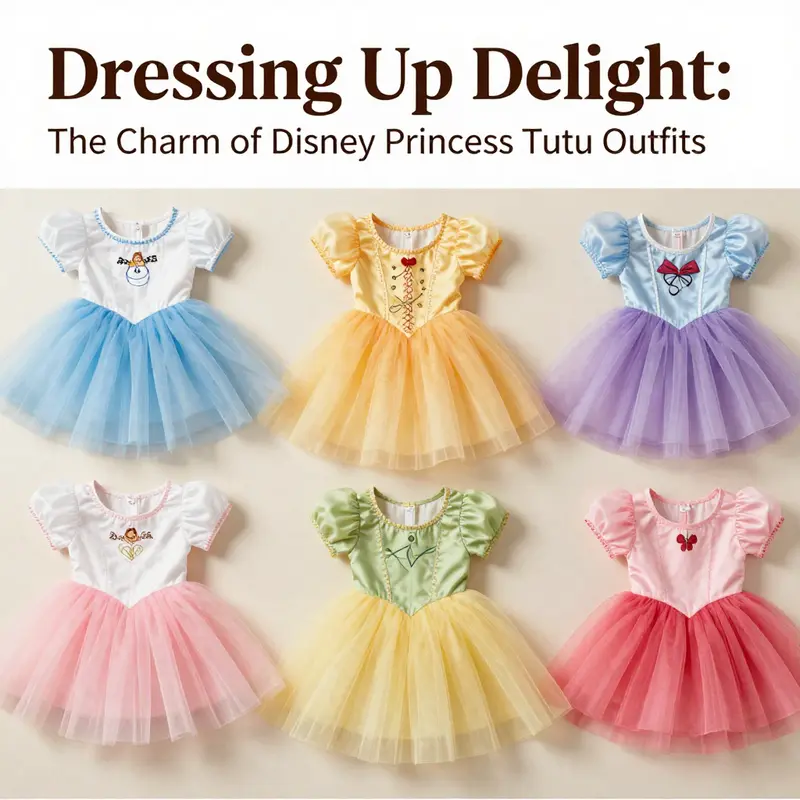
Choosing a Disney Princess tutu outfit for an infant or toddler is more than selecting a pretty dress. The right materials and thoughtful construction turn a charming costume into something a child can wear happily all day. Because baby skin is delicate—much thinner and more sensitive than adult skin—fabric choice, seam placement, and the way embellishments are attached matter deeply. When comfort guides your selection, the tutu becomes part of play, not a distraction.
Start with the base layer. A tutu is essentially two parts: the decorative tulle skirt and the layer that touches the child. That inner layer must be soft, breathable, and flexible. Cotton blends and brushed linings provide softness against the skin while allowing air to circulate. These fabrics reduce the risk of overheating and chafing during movement. A brushed polyester lining can feel particularly gentle, mimicking the softness of natural fibers while adding durability for repeated washing. Prioritizing these fabrics helps prevent redness, irritation, and the scratchiness that ruins a dress-up moment.
Next, consider the skirt. Tulle creates the classic princess silhouette and the lively bounce little ones love. But not all tulle is equal. Lightweight, finely woven tulle layers produce a floaty appearance without stiffness. Multiple thin layers usually look fuller than one thick layer and are more comfortable to wear. Avoid heavy, coarse tulle that scratches the legs or traps heat. When possible, choose tutus where the inner-most layer that brushes the skin is a soft knit or cotton, so the tulle never makes direct contact with delicate areas.
Elastic waistbands are essential for easy dressing and comfort. A wide, gently elasticized waist distributes pressure and reduces pinching. Narrow, tight elastics can dig into the belly and limit movement. Look for waistbands with a soft cover or an additional fabric casing. Elastic that stretches easily makes sitting, crawling, and bending natural for a toddler, and it allows for growth. Adjustable elements, such as hidden drawstrings or interchangeable elastic, extend the garment’s useful life and improve fit without compromising comfort.
Construction details often tell the story of how wearable a tutu will be. Seams and labels can be tiny sources of irritation. Tagless labels and flat, well-finished seams reduce the risk of rubbing and redness. Inside hems should be smooth; torturous overlocked edges or exposed stitching are common culprits behind complaints. A quick, practical check before purchase—running your fingers along the inside seams—gives immediate feedback about how the outfit will feel on skin.
Embellishments require scrutiny. Sequins, beads, and glued-on trims look magical, but they can be problematic. Glue does not always hold through play and washing, and loose pieces can irritate skin or present choking hazards for younger children. Embellishments that are securely stitched flat against the fabric are safer and longer lasting. Look for decorations that lie flush, not raised, and avoid sharp or stiff appliqués near areas of frequent contact, like the underarms or waistline. When sparkle is important, consider fabrics with embedded shimmer or soft embroidered motifs rather than raised, rigid decorations.
Breathability should be at the forefront. Toddlers generate heat quickly when they run and spin, and an outfit that traps warmth can spell discomfort fast. Natural fibers and cotton blends wick moisture and allow air circulation. Layering a lightweight bodysuit under the tutu can add a breathable buffer while keeping the look cohesive. For longer days out—such as themed park visits—an A-line skirt or a less voluminous tutu can offer better airflow and comfort without losing the princess effect. Yet, a well-designed lightweight tutu with a supportive base layer can still be a great choice for special moments like birthday photos or short events.
Ease of care affects comfort indirectly. Fabrics and finishes that withstand frequent laundering maintain softness. Softness degrades when delicate fabrics are repeatedly scrubbed or dried at high temperatures. Follow care guidelines and opt for materials that survive gentle cycles well. Durable linings hold up to washing and stay soft, which means the outfit remains comfortable over time. Preferring washable, resilient fabrics prevents stiffening that can lead to itchy seams and rigid shapes.
Functionality for diapering and potty training is another critical aspect. For infants, bodysuits attached to the tutu simplify diaper changes. For toddlers, designs with easy-access snaps or roomy skirts allow quick changes without fully undressing the child. Elasticized leg openings and strategically placed openings reduce the fuss and keep the child comfortable throughout the day. A practical design minimizes the time spent adjusting garments, letting children return to play quickly.
Mobility is central. The whole point of a toddler-friendly princess outfit is to let the child run, hop, and twirl without restriction. Stiff, heavy skirts or tight bodices limit movement and make the outfit feel like a costume rather than wearable clothing. Seek tutus paired with stretchable, tagless bodysuits or rompers. These keep the top flexible and non-restrictive. A stretchy bodice adapts to squatting and climbing. When a sash or bow is present, ensure it is sewn securely and does not dangle in a way that might catch or tangle during play.
Safety overlaps with comfort at many points. Avoid tiny detachable pieces near the neckline or waist. Monitor any decorative buttons or bows for secure stitching. Choose garments with flame-resistant finishes where appropriate, especially for nightwear or layered outfits. While aesthetics matter, safety-first decisions will keep the child calm and comfortable, which is the heart of an enjoyable dress-up experience.
Another consideration is seasonality. For cooler months, a thicker brushed lining or a light fleece backing adds warmth without sacrificing softness. In warm weather, opt for single-layer linings with plenty of breathability. A convertible approach—wearing the tutu over a thin cotton tee or under a cardigan—lets you adapt to changing temperatures while preserving comfort.
Mix-and-match strategies can improve comfort and extend wardrobe options. Combining a favorite princess top with a separate ruffled skirt allows you to select each piece for softness and fit. This approach often yields better comfort than buying a one-piece costume that prioritizes visuals over wearability. It also reduces washing stress on delicate tulle, since tops and skirts can be laundered separately according to their needs.
When shopping, examine product descriptions for fabric content and care instructions. They often reveal whether an item uses a gentle lining or a scratchy synthetic. Photos can be helpful but not definitive—touch and feel remain the best indicators. If shopping online, prioritize retailers that provide detailed fabric breakdowns and clear return policies to ensure you can exchange an item that proves uncomfortable.
A well-crafted Disney Princess tutu outfit blends whimsical design with practical choices. Soft, breathable linings; lightweight, fine tulle; gentle elastics; flat embellishments; and thoughtful construction together create a garment a child can wear with joy. Comfort does not require sacrificing style; instead, it refines it, making sure every twirl is pleasant and every adventure is unhindered. When these elements align, a tutu becomes more than costume—it becomes a favorite outfit.
For inspiration on elegant tutu silhouettes that balance beauty with workmanship, consider browsing classic ballet-style designs that emphasize fine trims and soft linings, such as a pink tutu inspired by traditional performance pieces: https://luneballet.com/product/pink-ballet-professional-tutu-costumes-sleep-beauty-t0609/.
For further reading on practical considerations and parent-tested tips, see the detailed guidance compiled at Parents.com: https://www.parents.com/parenting/baby/dress-up-ideas/disney-princess-tutu-outfits-for-toddlers-1798137
Mixing and Matching Elements in Disney Princess Tutu Outfits
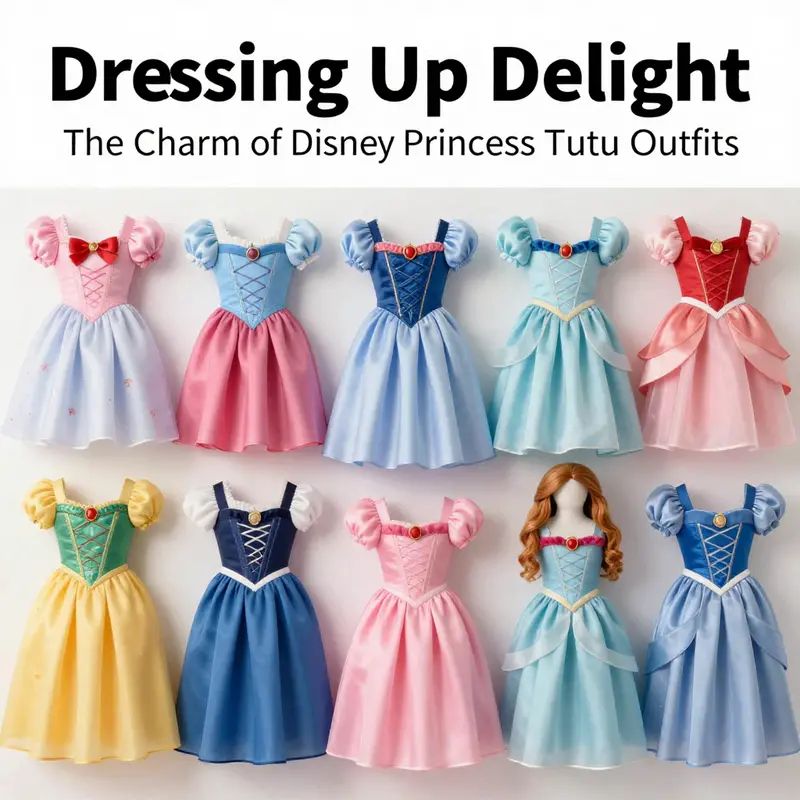
Children’s wardrobes are a stage for imagination, and when the stage is built from a Disney Princess tutu, creativity can bloom in full color. The idea of mixing and matching elements from different princess looks invites both parents and little designers to participate in a choreography of style that honors comfort as well as whimsy. Rather than viewing costumes as rigid, single-character costumes, many families discover that a shared wardrobe—where tutu skirts meet different tops, or where a regal blue hue pairs with a soft pink bodice—creates a personal narrative. This approach does more than dress a child for a party; it invites a lively exploration of color, texture, and movement that mirrors the very essence of dance. In practice, mixing is less about assembling a costume from a catalog and more about composing a look that supports a growing child’s mobility, quick changes, and evolving sense of self. The result is a portable fantasy that fits the realities of infant growth, diaper changes, creaky park stairs, and the daily bustle of family life without sacrificing the magic that makes Disney-inspired outfits so beloved.
At the heart of this approach is a tactile respect for fabrics and construction. Parents and caretakers who lean into breathable materials—such as cotton blends or bamboo viscose—find that softness and airiness translate into happier playtimes. Lightweight tulle over a gentle base fabric keeps the silhouette recognizable—the iconic ballerina-like shape hinting at the princesses’ ballgowns—while allowing for airflow and freedom of movement. The caution against stiff embroidery or glued-on sequins is more than a safety note; it’s a reminder that tiny elbows and knees deserve gentle contact and that delicate details should remain securely attached without creating abrasive edges. When embellishments are stitched flat and reinforced, and when seams are finished cleanly, a mix-and-match outfit remains comfortable through crawling, cruising, or a spontaneous twirl without chafing or irritation. This is essential for infants who are learning to move and toddlers who are testing new steps, because comfort often determines how long a child will stay engaged with a look before curiosity pulls them toward the next adventure.
Another practical thread in this tapestry is the pairing of pieces to suit different ages and activities. For infants, a tutu outfit often works best when layered with soft, stretchy bodysuits, rompers, or wraps that feature elastic waistbands and easy-access openings. The goal is to minimize fuss during diaper changes while preserving the look’s magical aura. For toddlers who are more portable than perched, an outfit that favors simple, breathable layers helps them explore longer distances, whether during a family stroll through a park or a day at a themed event. The practical side of this approach is not a compromise but a gateway to longevity: a single outfit can stretch from a quiet birthday party toward a sunny afternoon outside if the base pieces support movement and adjusting. In this sense, the Disney Princess tutu becomes less of a one-off costume and more of a core wardrobe piece that can be refreshed with different tops, tights, or light jackets to shift the vibe from formal celebration to everyday enchantment.
Then there is the poetic thrill of mixing color schemes and motifs. The princess world is a spectrum of palettes—pale rose, royal blue, sunlit gold, emerald greens, and frost-blue silvers—each suggesting a mood. A tutu skirt, with its airy levity, invites pairing with a bodice or top borrowed from another character’s aesthetic. One charming approach is to pair a tutu’s signature silhouette with a color scheme reminiscent of a regal character known for poise and refinement. In this spirit, consider pairing a tutu’s delicate pink with a deep, architectural blue and slivered accents that echo a noble air. The effect is a look that feels intentional and personal rather than a strict replication of a single licensed design. For those who crave a more direct homage, a carefully chosen element from a different character’s ensemble—such as a tucked-in bodice that hints at a particular color or texture—can create a hybrid that still lands within a recognizable Disney-inspired world.
In the spirit of creative remixing, the way a look is assembled can tell a story. A tutu skirt can be the constant, while the tops, sleeves, or accessories shift to convey mood—playful, brave, dreamy, or adventurous. This approach aligns with the broader virtue of Disney-inspired dress: the ability to convey emotion through fabric and form. A feathered accessory might nod to a magical creature from the broader mythos, adding whimsy without sacrificing wearability. By selecting elements that echo a shared theme—graceful movement, transformation, or a sense of wonder—parents can guide a child’s wardrobe toward cohesive storytelling. Fans of creative dressing often discover that the most compelling ensembles balance known character cues with personal touches, producing a look that feels both respectful of the source material and genuinely unique to their child’s personality.
The practical shape of the garment also matters when mixing elements. An A-line skirt offers a practical advantage for long park days or busy events, where airflow and freedom of movement are priorities. A lightweight tutu over a soft base layer can be surprisingly versatile: it remains comfortable for crawling or walking, yet retains that essential princess silhouette that makes the outfit instantly recognizable. A full tutu can be magical in photos, but an A-line version may better serve active days where a child navigates crowds or tries new steps. Balance is the key: a tutu-inspired silhouette should never feel heavy or restrictive, and the base layer should be easy to adjust for comfort, temperature changes, or potty needs. The best mixed-look outfits achieve a seamless balance between form and function, so that the magic of the moment remains unspoiled by discomfort or fatigue.
Color coordination, too, benefits from a thoughtful, not rules-bound, approach. Rather than insisting on a strict color-by-character rulebook, parents can explore palettes that evoke certain characters’ moods while remaining adaptable to the child’s skin tone, weather, and personal comfort. A palette that borrows from a blue-silver scheme can convey regal calm and outer-world elegance, while a soft pink and gold pairing can radiate warmth and charm. The interplay of metallic threads, subtle embroidery, and matte fabrics can also carry a visual weight that keeps the look from appearing too cartoonish for real-world wear. Supplementary elements—such as a lightweight cape, a delicate headband, or a small, non-irritating brooch—can be tucked into the outfit to provide focal points without creating overdone shine. And because the goal is longevity and adaptability, those extra touches should be secure and simple to remove if they become bothersome during play.
A further dimension to consider is the inspiration drawn from the broader live-action and animated-princess milieu, which can still inform thoughtful remixing without mimicking a licensed costume exactly. The concept of blending flowing fabrics with intricate detailing echoes the way designers in the princess universe think about movement and expression. For example, the idea of combining ethereal fabrics—like chiffon and tulle—with strong, architectural embroidery can mimic the tension between fragility and strength that characterizes many princess performances. As fans have noted, this balance also translates well into outfits that children can wear beyond a single event, allowing the look to evolve as a child grows and discovers new ways to move—whether a playful stagger toward a new toy or a confident stride during a family portrait session. In this sense, mixing elements becomes a practical art form, where the end product is a garment that invites the child to experiment with motion, posture, and storytelling in a way that feels natural and joyful.
To guide this creative process, it can help to anchor a look in a simple, consistent base. A soft, breathable bodysuit or romper with an elastic waistband and a comfortable leg opening provides a reliable framework for multiple outfits. The tutu skirt then becomes the flexible layer that can be swapped to reflect mood, season, or occasion. When embellishments are thoughtfully chosen—stitched rather than glued, positioned away from high-friction zones, and sized to avoid snagging—parents can mix and match with confidence. Even small changes—a different color ribbon, a new headband, or a light shawl—can alter the overall impression from fairy-tine to regal to playful, without requiring a complete wardrobe overhaul. The result is a set of pieces that can be reorganized into fresh ensembles as the child grows, encouraging experimentation and personal expression while remaining grounded in comfort and practicality.
The practical, the playful, and the poetic converge in these mixed-look outfits. They offer a way to keep the magic alive without constraining a child’s everyday experiences. They allow a child to inhabit a world where dance and dress become one, where the tutu is not merely a prop but a living part of motion and exploration. And because safety and comfort are non-negotiable, the emphasis on soft fibers, well-finished seams, and securely attached embellishments remains central to any thoughtful mix-and-match strategy. When the look is assembled with care, the result is a wardrobe that travels well—from a photoshoot that captures a little twirl to a day’s worth of playground adventures—without sacrificing the sense of wonder that draws families to these princess-inspired outfits.
For enthusiasts seeking a visual guide or a jumping-off point for their own remixes, there are established references within the broader fan community. A curated approach can involve drawing ideas from the series’ aesthetic—balancing movement, color, and form—while adapting to the child’s own pace and preferences. A single tutu piece can anchor a world of possibilities, and the magic increases as the rest of the look flexes to reflect the child’s evolving personality. The key is to keep a spirit of play intact, treating each mix as a small, joyful experiment rather than a final verdict. When parents approach dressing as a collaborative, creative process with their child, the resulting outfits become not only costumes but little chapters in a growing story—the story of a child who learns to move with confidence, imagination, and a smile.
As a practical resource, one inspirational example demonstrates how a single tutu piece can inspire a broader styling idea. A designer-inspired pink ballet tutu can be paired with a variety of top choices to create different moods and looks, and it is often the small, thoughtful tweaks—the color of the sash, the texture of the sleeve, the presence of a light feather accessory—that transform a standard outfit into something that feels fresh and personal. For those curious about authentic design cues and broader aesthetic guidance, the following reference provides a comprehensive visual catalog of original costume designs and concept art, which can help readers understand the authentic elements that define each character’s look before attempting any remixes: classical-ballet-tutu-pink-costumes-golden-trims-nutcracker-cost-effect-t0469.
In the end, mixing and matching elements in Disney Princess tutu outfits isn’t about copying a single character. It’s about translating the wonder of the princess world into a wearable form that respects childhood comfort and supports a child’s movement. It’s about honoring the artistry of dance and the promise of transformation that Princess Tutu and related worlds evoke, while recognizing that a child’s wardrobe should be as dynamic as the child herself. When done with sensitivity to fabric, fit, and safety, a mix-and-match approach can unlock a treasure chest of possibilities—each outfit a small performance in everyday life, each twirl a reminder that imagination and mobility can share the same stage. For families, this is a doorway to meaningful play, a gentle invitation to explore color, texture, and movement, and a celebration of the simple, enduring magic that comes from dressing a child in something that feels like a gentle fairy tale made to move with them.
External resource: https://www.disneychannel.co.uk/shows/princess-tutu
Magic That Moves: Choosing and Wearing Disney Princess Tutu Outfits for Parks and Parties
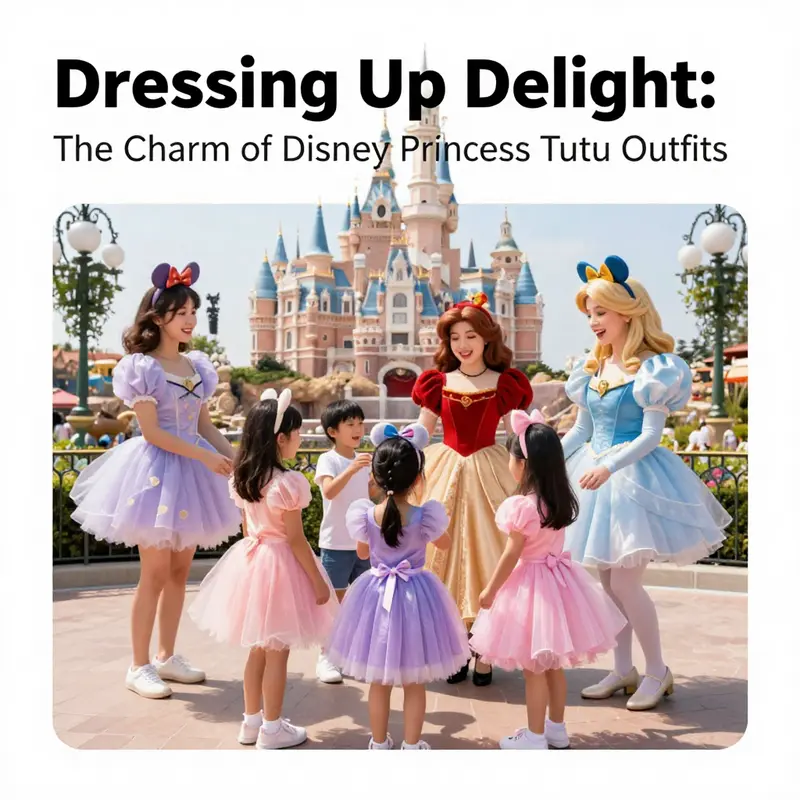
A Disney princess tutu captures imagination but must also work hard: long park days, toddler energy, and the need for clear, comfortable photos. The ideal outfit balances fairy-tale drama with practical design. It lets a child spin and run, keeps skin cool, and stands up to diaper changes, snacks, and unpredictable weather. This chapter guides you through choices that keep the magic visible and the child comfortable, focusing on fabrics, silhouettes, layering, mobility, and styling strategies that suit both theme-park visits and special occasions.
Think of the tutu as a layered promise: visual volume without weight. The signature look comes from lightweight tulle or ruffled skirts layered over a soft base. That base—usually a bodysuit, romper, or A-line lining—determines comfort and fit. A breathable cotton blend or bamboo viscose base reduces the risk of irritation and overheating. Infant skin is more delicate than adult skin, so prioritize materials that wick moisture and feel soft against the body. Avoid stiff synthetic bases that trap heat.
Silhouette matters differently for a family walking a park for hours than for a staged photoshoot. A full, layered tutu reads beautifully on camera; it creates a round, storybook silhouette and catches light and movement. For long park visits, the same fullness can be great for ventilation, as the skirt sits away from the legs and allows airflow. However, toddlers who are learning to run or climb may prefer a slightly less voluminous skirt with a comfortable waistband. Elastic waistbands with soft, encased elastic provide a secure fit without digging in. For children who still wear diapers, an unstiff, stretchable waist simplifies changes.
A-line skirts deserve attention as an alternative. They often offer more coverage and sometimes smoother movement for car rides and stroller naps. An A-line made from soft knit or light cotton can be warmer and more protective on a cool morning, yet it will restrict leg movement less than a heavily layered costume if the fabric is flexible. For parents planning a day that includes parades, long queues, and character meet-and-greets, consider a hybrid approach: a modest A-line for early hours and a detachable tutu overlay for photos and the afternoon. Detachable skirts or wrap-style tutus let you adapt to weather and activity without needing a full costume change.
Layering is the unsung hero of practical princess dressing. A lightweight long-sleeve bodysuit under a sleeveless princess top can add warmth while remaining breathable. If the forecast calls for heat, swap a long sleeve for a short-sleeve or tank bodysuit. Tights or footed leggings work well on cooler days; choose moisture-wicking blends that move with the child. A narrow, stretchy underskirt helps the tutu hold its shape while keeping the child comfortable and preventing direct contact between the tulle and sensitive skin. Tagless labels and flat seams further reduce the chance of chafing.
When planning for parks, think beyond the outfit to how it will behave in a crowd. Tutu skirts can snag on stroller frames, food carts, or decorative fencing. A mid-length skirt—long enough to look dreamy, short enough to stay out of the way—strikes a good balance. Avoid glued-on sequins and brittle trims that may become uncomfortable or peel away. Instead, choose embellishments that are stitched flat and secured with reinforced seams. Ribbons and removable bows provide charm without permanent bulk, and they can be taken off in busy situations.
Comfort also depends on closures and diaper access. Snap closures at the crotch on bodysuits or rompers save time and make public diaper changes less fraught. For toddlers who are potty training, easy-to-pull-down skirts and elastic waistbands reduce accidents. Consider outfits where the tulle skirt attaches with a wide, forgiving waistband rather than a rigid zipper; elastic allows for quick adjustments and is kinder on tiny tummies.
Footwear and headwear complete the look without compromising function. Lightweight shoes with flexible soles support walking and running. Avoid high heels or rigid costume shoes that can cause slips or blisters. Sun-safe hats or soft headbands with secure grips protect against wind and movement during rides. If the outfit includes a cape or long accessory, ensure it can be detached to prevent tripping or getting caught in ride mechanisms.
Photography is often a key reason for choosing a tutu. To maximize picture-perfect moments, pick colors and details that read well across camera types and lighting. Soft pastels and jewel tones both work, but consider the overall palette of the park or event. Highly reflective sequins can wash out in harsh midday light, while matte trims and layered tulle create depth. Encourage movement during photos—spinning, jumping, and twirling bring the tulle to life and capture candid expressions. Pack a small kit of safety pins, a lint roller, and a compact sewing kit for quick fixes between shots.
Durability is more than construction; it’s about how an outfit endures a day. Reinforced stitching on bodices and waistbands, and double-stitched hems on skirts, prevent wardrobe mishaps. Machine-washable pieces designed to hold shape after laundering will be used more often and can stand up to multiple park visits or repeated celebrations. When laundering, use gentle cycles and mesh laundry bags to protect tulle. Air-dry flat or hang to preserve fullness; heat from dryers can damage elastic and delicate trims.
Customization through mixing and matching allows a child to show personality while keeping comfort first. Swap a character-themed top for a plain bodice and pair it with a signature colored tutu to hint at a favorite princess without a full costume. This approach lets families reuse pieces across seasons and gives a distinctive, handmade feel without extra cost. Accessories like themed hair clips, a coordinating sash, or a small brooch can reinforce character cues and are easy to remove for active play.
Safety considerations extend to materials and fit. Steer clear of small, easily detached embellishments on outfits for infants and younger toddlers. Ensure necklines and armholes allow free movement and breathing. If an outfit includes a cape or long sash, supervise wear on playground equipment and while on rides. For older toddlers, teach them how to handle delicate parts of the outfit gently; this builds care habits and prolongs the garment’s life.
If the plan includes character dining or a meet-and-greet, consider quick-change strategies. A parent can layer a plain jacket or hoodie over a tutu outfit, removing it moments before a photo opportunity. Carrying a small foldable changing pad and a spare bodysuit simplifies mid-day wardrobe repairs. For birthday celebrations at venues, coordinate costume details—such as matching colors or shared accents—so the outfit stands out without requiring constant adjustment.
For families who want a truly magical look without a full licensed costume, consider sourcing quality dancewear pieces. A professionally constructed ballet-style tutu or a soft, performance-inspired skirt can evoke the same romance while often offering better construction and fit. These pieces are designed for movement and durability, and they pair well with a custom bodice. Explore products that emphasize breathable fabrics and reinforced craftsmanship.
A well-chosen Disney princess tutu outfit blends storytelling and function. It supports a child’s movement, adapts to weather, and presents beautifully in photographs. Prioritize soft, breathable bases, secure yet gentle embellishments, and flexible closures. Use layering, detachable elements, and smart accessories to pivot between park comfort and celebratory flair. With these strategies, the outfit becomes more than a costume: it becomes a comfortable, memorable part of the day—one that lets a child be fully present in the moment while still looking like a storybook hero.
For inspiration and to explore officially licensed options suitable for both park visits and special events, see the item referenced in the chapter sources: https://www.happythreads.com/disney-princess-long-sleeve-tutu-dress-for-girls
For a dancewear alternative that echoes professional construction and movement-friendly design, consider this ballet-style tutu as a source of inspiration: https://luneballet.com/product/pink-ballet-professional-tutu-costumes-sleep-beauty-t0609/
Final thoughts
In summary, Disney Princess tutu outfits stand as a testament to the perfect intersection of imaginative design and practical comfort. As business owners look to meet the growing demand for children’s fashion, understanding the elements that make these outfits special is crucial. From choosing the right materials to recognizing the importance of versatility in style, it’s clear that these enchanting outfits can elevate any young girl’s wardrobe while providing the comfort and mobility necessary for their active lives.