
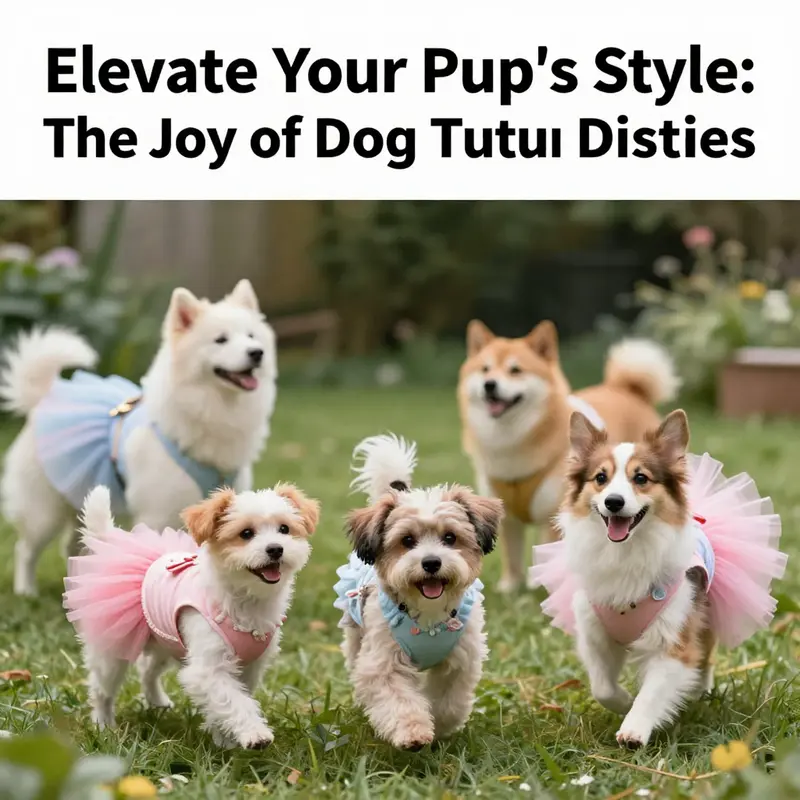
The world of canine fashion has expanded tremendously, making room for playful and stylish accessories like the dog tutu dress. This whimsical piece is not only an eye-catcher for special occasions such as birthdays and weddings, but it also reflects the vibrant personality of your furry companion. For business owners in the pet fashion industry, understanding the key features, comfort considerations, and accessorizing options for dog tutu dresses is essential. By exploring these facets, companies can better cater to discerning pet parents looking to add a touch of elegance to their pup’s wardrobe. Each chapter delves into specific aspects that are crucial for selling high-quality dog tutu dresses, ensuring both style and safety for pets.
Tulle, Tail, and Time-Honored Whimsy: The Design Narrative Behind Dog Tutu Dresses
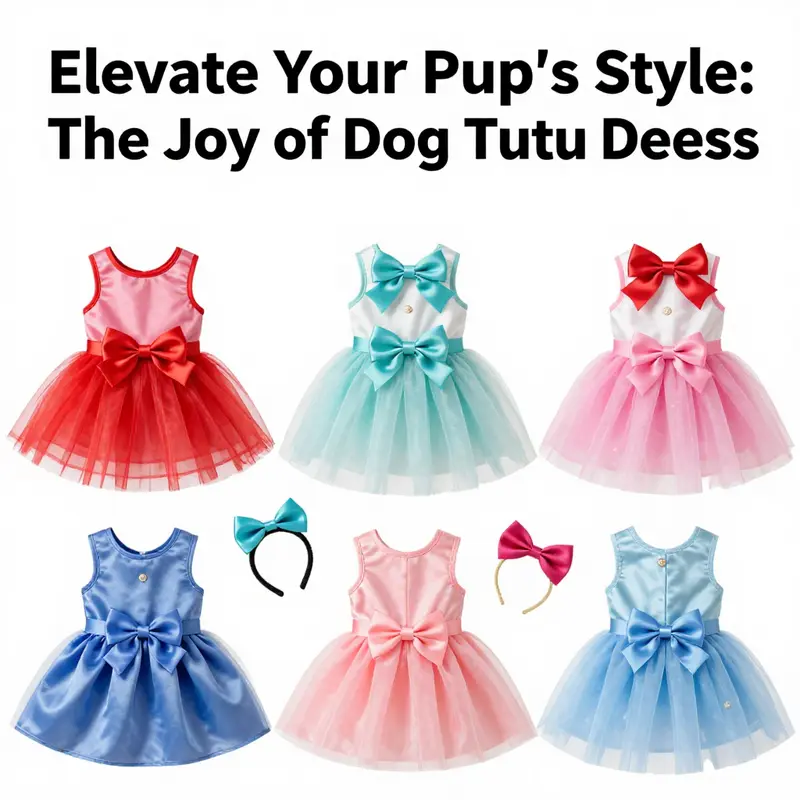
In the realm of canine fashion, the dog tutu dress occupies a unique space where whimsy meets movement, and fabric translates into personality. The garment’s charm is not merely in its ability to catch the eye but in how its design invites a dog to express motion, stance, and presence in moments that can feel almost ceremonial or cinematic. When a pup wears a tutu, the fabric becomes a partner in the story of the day, a quiet performer that amplifies a wag, a leap, or a playful roll. The appeal lies in a careful balance between visual drama and everyday practicality, a balance that designers strive for by prioritizing form without sacrificing the animal’s comfort. The result is a silhouette that looks buoyant and buoyed by air, yet anchored by thoughtful construction. The tutu dress is less about hefty restraint and more about an airy theater that respects the dog’s own tempo and temperament, a garment that can turn a walk into a stroll through a little parade and a photo session into a scene with movement as the main character.
The core design philosophy centers on three interlocking ideas: a simple yet snug bodice that holds gently in place, a voluminous skirt that creates drama without suffocating the dog’s body, and materials that breathe. These elements come together to form a garment that feels playful on the surface but relies on disciplined construction beneath the surface. The bodice is typically form-hugging rather than loose; it functions as a secure stage for the tutu’s drama, wrapping around the dog’s torso with adjustable elements. Elastic bands and secure closures such as Velcro or snaps enable a fit that is forgiving of minor changes in the dog’s shape from season to season, or even from morning to afternoon, while avoiding the pinching that could lead to fussing or attempts to remove the clothing. The aim is to respect natural movement, encouraging dogs to sprint, sit, roll, or stand for a moment of still life without the garment hindering their posture or gait. In other words, the bodice provides stability, but not stiffness.
At the heart of the tutu dress is the skirt, the element that earns the garment its most vivid identity. The fabric choice and layering are deliberate: lightweight tulle layered into a full, floaty volume that seems to ripple with the dog’s every motion. The layers work together to catch light and create a soft, haloed effect around the dog’s movement, particularly when the dog trots or bounces. The silhouette resembles the iconic ballet tutu, yet scaled to canine proportions and tuned to canine needs. The skirt’s length is a careful calculation, long enough to produce the dramatic drape that makes a picture pop, yet not so long that it drags or interferes with walking, running, or going to the bathroom. The color palette often leans toward pastels and airy tones, occasionally punctuated with metallic threads or satin accents to catch a camera flash or a sunbeam during a park photoshoot. The design may also embrace seasonal themes, from gentle winter whites to festive holiday hues, but it always retains a sense of buoyant lightness that mirrors the animal’s lighthearted spirit.
Beyond silhouette, the fabrics themselves are chosen for two essential qualities: breathability and motion. Tulle, satin, and polyester blends are common, selected not only for their aesthetic appeal but for their ability to remain airy and comfortable in a range of temperatures. Breathability matters because dogs regulate temperature differently from humans; their skin and fur create insulating layers, and any added clothing can become a heat trap if the materials are heavy or poorly ventilated. While satin and similar fabrics lend gleam and polish to the overall look, tulle provides the necessary volume without bulk. A well-made tutu dress also considers the inner lining. A soft cotton lining or a comparable breathable underlayer can serve as a buffer, reducing friction between the skin and any seams. The goal is a garment that breathes with the dog rather than against it, so that movement remains unencumbered and comfortable.
Even as the garment achieves a sense of lightness, the design avoids excess seams and heavy hardware. The minimal construction philosophy is not a cosmetic preference but a safety and comfort choice. Fewer seams mean fewer potential irritants along the dog’s underarms or inner thighs, and the absence of sleeves eliminates bulk that could snag on branches or interfere with a natural gait. The construction leans toward flat seams and smooth finishes, a practical detail that reduces chafing during play. The waist—where the dress must balance snugness and elasticity—embraces a soft, stretchy waistband that accommodates slight fluctuations in the dog’s shape over weeks or months. This flexibility is essential because pups, like people, experience seasonal coat changes, weight shifts, and even posture adjustments as they move from energetic puppyhood to more sedentary phases. A well-fitted tutu dress acknowledges these cycles while maintaining its shape and charm.
The design conversation also extends to the accessories that accompany the dress. The coordinated elements—headbands, tiny bows, or collars—seek to harmonize with the gown without turning into distractions or hazards. The aim is to avoid anything that can obstruct vision, snag on a branch, or tighten uncomfortably around the neck. Lightweight, non-slip inner linings help when dogs walk on smooth floors like tile or hardwood, providing grip without creating heat or constriction. Adjustable straps offer additional security, enabling quick fix-ups after a playful tumble or a brief seat on a patch of grass. In short, the dress is a stage set for a dog’s natural charisma, not a trap that mandates stillness or restricted movement.
The fashion logic of color and theme is another thread in this design fabric. Pastels and soft metallics align with the tutu’s ethereal vibe, while seasonal themes invite a sense of occasion—think gentle pinks for spring, icy blues for winter, and warm golds for festive celebrations. The palette works with lighting and surroundings, turning a simple walk into a gallery moment and a normal portrait session into a narrative frame. Yet the designers remain mindful of the body’s line and proportion. A costume that overwhelms a dog’s physique would feel like clothing wearing the dog, not the other way around. This sensitivity to proportion is one of the subtle reasons tutu dresses often outperform bulkier outfits in terms of comfort. They let the animal express itself rather than force a rigid pose or an unnatural posture.
The wearer’s comfort remains the central axis around which all these design choices revolve. A dog’s body does not speak in words when a new garment irritates skin or alters gait; it speaks in cues—the slow wag that lags, the pawing at the fabric, the reluctance to rise from a seated position, or the sudden freeze when a leg is asked to move. Observing these behavioral signals is essential for responsible styling. Subtle behavioral cues become powerful indicators of whether the dress fits well and moves harmoniously with the dog. Even if a costume is visually captivating, it must pass this test first: does it allow the dog to remain a free, confident participant in the activity that follows? The principle that runs through the chapter of design is clear: comfort must outrank cuteness. If a dog indicates distress, whether through excessive licking, panting, scratching, or a refusal to walk, it is a signal to reassess the outfit, adjust the fit, or remove it altogether. This is not merely a precaution; it is a core ethic in canine fashion that recognizes the animal’s needs above aesthetic whimsy.
A practical dimension of the tutu’s design concerns sizing and fit. The waist measurement typically uses a soft tape around the widest part of the chest, behind the front legs, with a little slack to accommodate two fingers comfortably. A measured approach ensures that the elastic does not dig in while still offering a secure feel that prevents the dress from slipping during movement. The back length is measured from the base of the neck to the start of the tail. This ensures the dress covers the back and falls in a pleasing line without riding up when the dog runs or sits. The seams are ideally placed away from sensitive zones, avoiding armpits and inner thighs where rough edges could irritate already sensitive areas during activity. When designers speak of reapportioning the garment for changing coats or weight, they are acknowledging a natural reality of the canine body. For pet guardians, the expert tip is straightforward and repeatable: re-measure before each purchase to account for seasonal coat changes, muscular shifts, or even minor weight fluctuations that can influence fit. In a fit-conscious design philosophy, precision reduces the likelihood of discomfort and simplifies adjustments, making the tutu dress a more forgiving option for dogs who live active lives.
Alongside the mechanical concerns of fit, the tutu dress faces one practical constraint that owners should respect: it is not a replacement for proper pet care or extended wear. The garment is suited for short bursts—photo shoots, parties, or special occasions—because sustained wear can lead to overheating or skin irritation in warmer climates. The message echoes through the care guidance shared by veterinarians and animal behavior specialists: a dress should never interfere with posture, gait, or the dog’s ability to regulate body temperature. The emphasis on short wear times aligns with the pet’s safety and well-being, ensuring that moments of whimsy never become sources of stress or fatigue. In this balance of function and fantasy, the tutu dress offers a doorway to expressiveness without compromising safety. It is a tool for storytelling, a prop that enhances a moment, not a contraption that dominates the dog’s daily life.
Careful design also translates into how the garment performs in real-world settings. Outdoor shoots, bright sun, or a windy park can turn the tutu into a fluttering banner, which is precisely the effect many guardians seek. Yet wind can also lift the fabric and complicate footing, so designers often favor trim weights or subtle stabilizers along the waistband to keep the skirt from dragging. While the tutu’s lightness supports movement and quick bursts of energy, it is essential to monitor the dog during any excursion. The dog’s ears, tail, and overall posture can reveal more than the face to a camera lens. A rounded, relaxed body position indicates comfort and ease, while a stiff spine or tucked tail warns of overstimulation or discomfort. The design aims to maintain smooth lines that look graceful on screen and natural in motion, a testament to how visual appeal and canine ergonomics can travel in harmony rather than in opposition.
In this light, the tutu becomes more than fabric; it is a narrative device. For a wedding, a formal photo session, or a seasonal celebration, the dress helps a dog become part of a larger story—an accessory that marks the moment without overshadowing the moment’s human protagonists. Yet the chapter’s practical counsel remains clear. The tutu should be worn for limited periods, with a mindful eye on the dog’s temperature and comfort. If a dog shows signs of overheating or discomfort, the guardians should remove the dress and allow a natural reset. This approach respects the dog’s autonomy and preserves the relationship between pet and guardian—an essential ingredient for any dressing-up ritual. The guidance aligns with a broader professional perspective on fit and comfort, reminding guardians to blend style with care as a standard practice.
An avenue for ongoing learning and refinement in tutu design is to consult guides on measuring and selecting the most comfortable fit. These guides emphasize the same core practices that designers apply when crafting a dress: prioritize a snug but not restrictive bodice, ensure the waistband accommodates movement without digging, and choose fabrics that balance airiness with gentle support. They also recommend watching the dog’s behavior over short wear intervals—observing panting, licking, scratching, or changes in posture as signals to adjust or stop. The convergence of practical sizing, mindful wear time, and a design philosophy centered on comfort translates into a product that is not only pretty but reliable for a pet’s lifestyle. As guardians, we become interpreters of our dogs’ needs, translating their silent cues into decisions about what they wear and when they wear it. The tutu thus becomes a shared project: guardians curate a moment that celebrates their dog’s personality while remaining attentive to the animal’s physical and emotional needs.
For readers seeking a concrete link to a practical fit guide, a curated product overview can provide additional context on fit mechanics and measurement strategies. An example of one such resource, anchored by a product-focused page, demonstrates how a designer can translate measurement data into a reliable sizing range and an adjustable fit. This kind of resource complements the principles described here, bridging the creative design with tangible steps guardians can follow to measure their own dogs accurately. The combination of thoughtful design and careful measurement supports the goal of making the tutu dress a joyful addition to special moments rather than a source of worry.
Ultimately, the dog tutu dress is a storytelling garment. It captures light, movement, and the pup’s own charisma, turning everyday scenes into small performances. The design invites the dog to participate with dignity and ease, not to perform at the expense of comfort. The best tutu dresses achieve a seamless rhythm: the bodice sits quietly and securely, the skirt floats with the dog’s stride, and the wearer’s breath and energy remain evident in every step. With responsible care, sensitive fabrics, and mindful fit, the tutu can be a cherished accessory for memorable occasions—a wearable moment of shared joy between pet and guardian that endures in photographs, memory, and the continued play of wind through tulle.
In the broader conversation about pet attire, the tutu dress stands out as a refined option that still reads as playful. It is a reminder that fashion can be gentle, that design can honor anatomy, and that a moment of dressing up can be a way to celebrate a dog’s personality without compromising health or happiness. Guardians who approach tutu dressing with patience, measurement discipline, and attentiveness to cues will find that the garments offer a satisfying blend of style and safety. The result is a dog that can move, express, and shine—without sacrificing comfort or security—and guardians who can enjoy the moment, camera-ready and confident in the care they’ve chosen to provide.
For those who want a practical touchpoint on fit, motion, and comfort that mirrors these principles, a reputable guide on measurement and selection can serve as a helpful companion in this fashion journey. professional-ballet-clothes-tutu-silver-fairy-white-high-end-t0422. This link offers a concrete example of how the design philosophy translates into a tested sizing and fit approach, reinforcing the idea that comfort and movement should be the first considerations when dressing a dog for a moment of whimsy.
For readers seeking further guidance that extends beyond the garment itself, a comprehensive external resource provides additional insights into measuring and selecting the ideal dog tutu dress for a pet’s comfort and style. It reinforces the core message: the best tutu dresses respect the dog’s body, permit natural movement, and prioritize temperature regulation. The emphasis on short wear times, careful observation of the dog’s cues, and thoughtful fit corroborates what most guardians observe in practice—the dog’s happiness is the true measure of success in any outfit. As guardians, we can embrace these practical standards while enjoying the beauty of the moment a dog wearing a tutu can create, whether in a family album, a wedding album, or a social media post that captures a spell of pet charisma without compromising well-being.
External resource: https://www.dogtime.com/dog-care/health/154738-how-to-measure-and-select-the-ideal-dog-tutu-dress-for-your-pets-comfort-and-style
Tailored Comfort: How to Measure, Fit, and Keep Your Dog Happy in a Tutu Dress
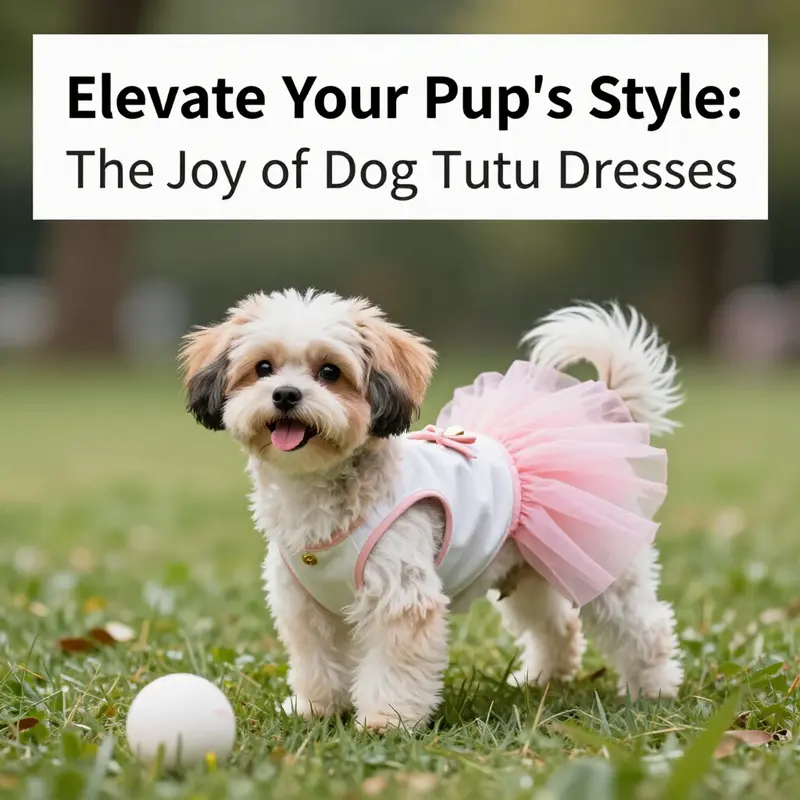
Dressing a dog in a tutu dress should be a joyful ritual—one that highlights your pup’s personality without compromising comfort or safety. A tutu can transform a regular photo into a memorable moment or make a party feel extra festive, but the magic only works when the garment fits well and the dog feels good wearing it. This chapter explains, in a single continuous narrative, how precise measurement, thoughtful material choice, gradual introduction, and vigilant observation come together to create a comfortable tutu experience. It also covers common pitfalls and offers realistic, practical solutions that respect a dog’s physical needs and emotional cues.
Start with measurement. The difference between a playful accessory and a bothersome costume often comes down to a few millimeters. Use a soft tape measure and take three essential measurements: neck circumference at the base where a collar sits; chest (or girth) at the widest part behind the front legs; and back length from the base of the neck to the point where the tail begins. Measuring on a relaxed, standing dog yields the most reliable results. Hold the tape snugly, but allow room for two fingers beneath it—this accounts for natural expansion during breathing and movement. Measure twice. Brands vary wildly in sizing standards, and what’s labeled “small” by one maker can be a different fit elsewhere. Rely on the product’s size chart, not the label, and if in doubt, choose adjustable designs or those offering stretch. Re-measure before each purchase as dogs change: weight shifts, coat growth, and fitness levels all alter how clothing sits.
Fit is about more than raw numbers. Consider where seams, elastic, and closures will land on the body. A well-designed tutu has a soft, flexible waistband that rests behind the ribcage without compressing. Avoid dresses with tight bands at the armpits or heavy stitching where the legs move; these can create chafe points and restrict gait. A back panel should lie flat and end well before the tail base so it doesn’t ride up or interfere with defecation. If the dress uses straps, make sure they sit on the shoulders rather than around the chest; this preserves limb mobility. Seams and hems should be flat or covered with soft fabric. For small breeds with delicate anatomy, choose designs with minimal inner structure and smooth, machine-finished edges.
Material matters as much as measurement. Tutus often use layers of tulle for volume, but tulle varies. Stiff tulle gives dramatic flair but can scratch the skin and make noise. Soft, fine tulle or lightweight mesh reduces friction and remains airy. Wherever possible, select dresses with a cotton or soft polyester lining against the dog’s body. Linings cushion seams and prevent synthetic fibers from contacting sensitive areas. Avoid heavy embellishments—large sequins, beads, or glued trims—because they add weight and present choking hazards if detached. Satiny ribbons and bows are charming but choose ones that are sewn on securely and remain flat against the fabric. If your dog has allergies or a history of skin sensitivity, favor breathable natural fibers for the lining and gentle, hypoallergenic dyes. Remember that synthetic tulle traps heat; limit use in warm environments and never leave a dressed dog in direct sun.
Introduce the tutu slowly and positively. A gradual, reward-based approach transforms the dress from an intimidating object into part of a fun routine. Begin by placing the tutu near the dog’s bed or feeding area so it becomes a familiar scent-bearing item. Let the dog sniff and investigate without pressure. On the first few short sessions, drape the skirt loosely over the dog while offering treats and praise; keep these initial encounters under a minute. Next, fasten the waistband briefly—again followed by a treat and immediate removal. Repeat across several short sessions, increasing the duration only while the dog remains relaxed and engaged. The goal is to help the dog build a calm, positive association between wearing the tutu and receiving rewards. If the dog shows clear signs of distress—pacing, freezing, heavy panting, or attempts to flee—stop and return to an earlier, easier step. Never force a dog into clothing as a training shortcut; coercion damages trust and teaches avoidance rather than acceptance.
Observe behavior to monitor comfort. Dogs communicate discomfort subtly. Watch for changes in normal behavior: reluctance to walk, sitting in odd positions, pawing at the garment, repeated licking, or a tucked tail. A dog that stops wagging, resists being touched, or shows frozen posture is telling you the tutu is not comfortable. Short-term adjustments often resolve the issue: loosen a strap, smooth an irritating seam, or trim a stray thread. If the dog repeatedly bites or chews the skirt, it may be reacting to an irritating texture or an attempt to remove a perceived foreign object; consider switching to a different fabric or eliminating the skirt layer. Pay special attention during the first hour of wear and whenever the dog moves from one surface to another. Slippery floors can make dressed dogs insecure; a non-slip inner lining or light grip pads can prevent stress-related slipping.
Limit wear time and choose the situation carefully. Tutus are designed for short-term events—photographs, supervised parties, or brief indoor celebrations. They are not substitutes for functional clothing like coats in cold weather or protective boots for rough terrain. Synthetic tutus trap heat and limit ventilation; in warm weather or for breeds prone to overheating, keep wear time very short and ensure immediate access to shade and water. Avoid letting a dressed dog run unsupervised outdoors where the skirt could catch on vegetation or objects. Indoors, watch for furniture edges and small gaps where the skirt could snag. If your plan includes a photo session, stage everything: camera settings, props, and a handler ready with treats so the dog can pose only briefly before the tutu is removed.
Check fastenings and safety details meticulously. The fasteners should be secure without being restrictive. Elastic waistbands are common because they stretch gently with breathing and movement; however, they must not be so tight that they compress the ribcage. Velcro closures are convenient but can degrade with wear and collect hair; ensure they fasten fully and won’t come loose with a quick shake. Any attached decorations must be sewn on with reinforced stitching. Avoid tiny snaps or glued-on stones. Small parts, if swallowed, cause severe problems and may require emergency veterinary care. For dogs that use a harness, select a design that allows the harness to sit over the tutu or integrates safely with the dress. Never thread a leash through decorative loops that are not load-rated. If you need to secure the dog quickly, a harness under the dress is safer than a collar through the garment.
Adaptations for specific breeds and body types help avoid common issues. Deep-chested breeds need roomy waistbands that don’t compress the ribs. Long-backed dogs call for precise back length measurement to prevent a skirt from slipping forward or catching at the hips. Small, fragile breeds with thin skin benefit from softer netting and a smooth lining. Dogs with broad shoulders may need straps set wider apart to avoid rubbing. If your dog is between sizes, favor the larger size and use adjustments like a soft cinch or elastic insert to take up extra material; this prevents tightness around sensitive areas. For puppies, short trial sessions build tolerance without forcing prolonged restraint while their bodies change quickly.
Grooming and maintenance affect comfort. Tulle collects hair and dander, so brush your dog before dressing to reduce tangling and transfer of fur. A gentle lint roller or a soft brush on the skirt helps maintain a tidy appearance. Wash the tutu according to care instructions; many synthetic skirts are machine-washable on a gentle cycle, but frequent washing can soften structure and fade color. Air-dry flat to preserve shape and avoid heat that degrades elastic. Inspect seams, fastenings, and embellishments before each wear. Replace or repair loose stitching immediately. For a quick comfort boost, rub a dryer sheet over the skirt to reduce static on low-stick surfaces, but avoid scented products if the dog has respiratory sensitivities.
Create a simple checklist to run through before every wear. Confirm measurements are correct and the waistband sits behind the ribcage. Ensure there are no loose decorations and that all fasteners are fully engaged. Look for any rough seams or stray threads. Offer a treat and a calm invitation to step into the tutu rather than forcing the moment. Observe the dog for the first few minutes of wear with the checklist in your mind: gait, posture, tail carriage, facial relaxation. If everything looks normal, proceed with your brief photoshoot or event. If the dog hesitates, remove the tutu and try again another day with shorter steps.
Consider accessory choices carefully. A coordinating collar or light bow can enhance the look, but each addition brings potential discomfort. Choose low-profile collars without dangling charms when pairing with a tutu. Avoid headwear that blocks vision or presses on the ears. If adding a harness, use one designed to be worn beneath clothing or one with a low profile that won’t bunch the fabric. Non-slip inner linings attached to the underside of the tutu can help dogs feel secure on polished floors. Keep anything extra lightweight and sewn or fastened in a way that prevents easy removal by a curious pup.
Be sensitive to life stage and medical conditions. Senior dogs with arthritis may find standing still for photos painful; a tutu that forces them into awkward positions is unkind. Dogs with respiratory disorders, thick coats, or brachycephalic faces are at higher risk of overheating—avoid synthetic skirts in warm settings and limit use to brief, cool moments. If your dog has open wounds, skin infections, or recently shaved surgical sites, do not dress them until healed. When in doubt, consult your veterinarian about whether a short accessory like a tutu is appropriate for your dog’s health profile.
Practical problem-solving turns an awkward moment into a manageable one. If a dog repeatedly bites at the skirt, use a shorter skirt length, switch to a softer netting, or try an inner lining that prevents the texture from reaching the skin. If the waistband slips, add a soft elastic insert or a non-slip strip inside the band. If static is an issue, lightly misting the skirt from a distance with water before dressing can temporarily reduce cling. For dogs that freeze while wearing clothing, pair the tutu with a familiar, calming scent—a blanket or an item of the owner’s clothing placed nearby can reassure the dog.
Ultimately, the guiding principle is simple: comfort over cuteness. A well-fitting, breathable tutu worn for short, supervised periods delights owners and dogs alike. When measurement, material, and behavior-based introduction are combined, a tutu becomes an accessory that respects a dog’s body and mind. Keep the focus on the dog’s experience rather than an idealized image. If the dog is content, the outfit has done its job; if not, the kinder choice is to remove it and try again later or choose another way to celebrate.
If you want to examine a sample of high-quality design principles alongside performance-level tutu construction for inspiration, consider reviewing a professional ballet costume style that illustrates careful seam placement and secure trims. A relevant example that demonstrates thoughtful construction is available here: Pink performance ballet costume for adults and children. For additional expert guidance on measuring and selecting the ideal dog tutu dress, see this detailed resource from a veterinary-reviewed source: https://www.dogtime.com/dog-care/health/154738-how-to-measure-and-select-the-ideal-dog-tutu-dress-for-your-pets-comfort-and-style
Following these practices ensures that your dog’s tutu moment is memorable for the right reasons: safety, comfort, and joy. Keep sessions brief, measure precisely, choose soft, breathable fabrics, introduce the garment gradually, and always read your dog’s body language. The result is a stylish, photogenic, and—most importantly—happy pup.
Elegance in Motion: Accessorizing a Dog Tutu Dress with Care, Confidence, and Comfort
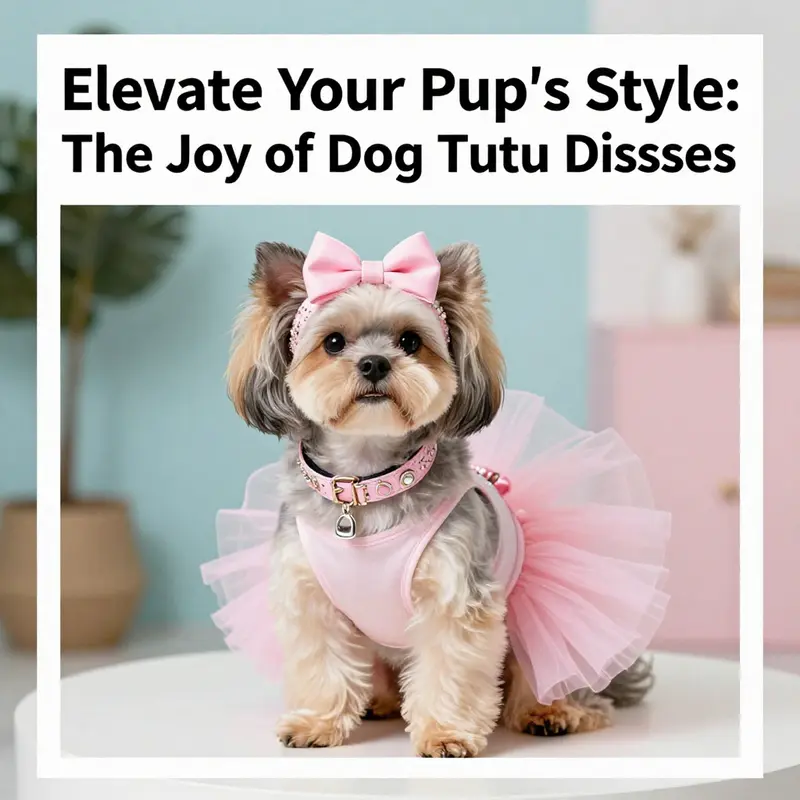
A dog tutu dress can transform a moment into a memory, turning a simple stroll or a portrait into a scene from a playful ballet. Yet the joy of flair must be balanced with a steady commitment to safety and ease of movement. The chapter about accessorizing is not just about adding sparkles or coordinating colors; it is about weaving style with the realities of canine bodies, breath, temperature, and everyday behavior. In this chapter, we explore how to elevate a tutu dress through thoughtful accessories while staying true to the core principle that comfort always comes first. The tutu form itself is forgiving in some respects—its skirt allows freedom of movement, and the absence of tight sleeves helps reduce restriction. But the rest of the ensemble, including any attachments, must be chosen with care. A well-considered approach begins with the base tutu and a precise fit. The measurement steps that guides a proper fit are not merely a preliminary chore; they are a practical safety measure that helps prevent slipping, chafing, or overheating during wear. Neck girth, chest girth behind the front legs, and back length from the base of the neck to the start of the tail establish the frame of the outfit. The goal is a snug yet forgiving fit that permits full breathing, smooth gait, and normal posture. Two fingers of clearance around the chest and a comfortable allowance at the back ensure the dress sits where it should without tugging or bunching. For many dogs, especially those with longer coats or fluctuating weight, the same tutu can feel different from season to season. A good rule of thumb is to re-measure before each purchase or dress rehearsal, because even small shifts in muscle tone, fur length, or body condition can affect how the waist sits and how the fabric drapes. This is not about obsession with sizes; it is about maintaining a reliable fit that keeps the dog comfortable during movement. The moment a dog starts to pant more than usual, lick repeatedly at a garment, or show reluctance to walk, sit, or lie down in a tutu, the outfit is no longer a safe choice for that moment. In the context of accessorizing, this means every add-on must be tested for its impact on motion, breathing, and distraction. Accessories should be lightweight and unobtrusive, designed to complement rather than compete with breath and gait. A delicate bow or a small collar charm can provide a focal point without pulling the dress away from the body. The chore is to strike a balance between sparkle and ease, so the dog remains a willing participant rather than a prop for a photo. Patterns of safety emerge when the design phase respects the body and the environment. The base materials of the tutu—a soft, stretchy bodice and a flowing skirt—set the tone for what kind of adornments can be added. Heavy embellishments, frayed edges, or stiff components can tug at the neck, shoulders, or armpits and create discomfort. The rule here is to favor design elements that stay flat or hang freely, with seams that do not rub or chafe during movement. When choosing fabrications for accessories, consider the skin sensitivity of small breeds, such as Chihuahuas or Pomeranians, who may react to ticks or the tickle of certain textures. Lightweight satin, chiffon-like ribbons, and safe, non-snag fasteners typically offer a better experience than heavy metals, dangling layers, or intricate beadwork. The role of color and theme in accessorizing deserves careful thought too, because the visual impact should enhance the dog’s appearance without creating sensory overload. Subtle metallics and soft pastels often harmonize with the airy feel of tulle, while seasonal themes—like a winter white ensemble with a touch of crystal or a summer palette of sea-glass greens and pale blues—can help convey the mood of a celebration without overwhelming the animal. In this sense, accessorizing becomes a form of storytelling. The dog’s body carries the narrative through its movements, and the items you add act as punctuation that clarifies the tale rather than hijacking the plot. A practical approach to punctuation includes choosing pieces that are attachable to a collar or harness with secure buckles, avoiding anything that could detach and become a choking hazard. The star of the scene may remain the tutu, but the supporting cast—the bow, the headband, the tiny leash clip—should reinforce the overall mood while keeping the dog at ease. A well-chosen headband, for example, should sit behind the ears without pressing on the skull or restricting vision. It should be light enough that it does not shift during a playful sprint or a quick turn, and it should be designed so that if the dog decides to flick its head, there is no risk of snapping a small piece loose. The same care applies to collars and harnesses that serve as anchors for accessories. Breakaway-style components can provide a small safety margin, especially during energetic moments or when a dog is learning to adjust to a new outfit. A thoughtfully designed leash, matched to the occasion, can help guide movement without turning the ensemble into a tether. For portraits or formal moments, a restrained approach often works best: one or two carefully chosen accents that accent the tutu without dominating it. In contrast, for more festive events, a little more sparkle may be appropriate—provided it remains within the bounds of comfort and safety. A matching set of paw accents or tail ribbons can add a seasonal charm when applied with care and checked for interference with walking, tail movement, or licking. Material selection is a practical arena where fashion and welfare intersect. The internal layers of the tutu should be breathable and smooth against the dog’s skin, with the outer layer contributing to the silhouette rather than texture rather than weight. When adding accessories, choose lightweight items that do not pull on the waist a fabric that’s soft enough to prevent static buildup in dry environments. The interplay between the dress and accessories should feel cohesive rather than chaotic; something as simple as a satin sash or a delicate clip can unify colors and themes without creating a distraction from the dog’s natural gait. There is also a social dimension to accessorizing that deserves attention. People often equate decoration with care and care with safety, but the dog’s mood is the most important metric. A dog that enjoys the performative aspect of dressing up will naturally focus more on social cues and interaction rather than on the ornament itself. Conversely, when a dog is anxious or overwhelmed, even the most charming accessory can become a source of stress. In the spirit of gentle fashion, it is wise to observe before and during a wearing session. A few minutes of acclimation can reveal whether the dog tolerates the headband’s weight, the collar’s texture, or the skirt’s fluttering. If signs of distress appear, remove the accessory immediately and reassess. The key phrase that underpins all this practice is comfort over cuteness. This guiding principle echoes a broader consensus in pet fashion: it is not the most elaborate piece that wins the day, but the one that lets a dog move naturally, regulate body temperature, and express joy through wagging tails and relaxed posture. A well-fitted tutu dress with a restrained but thoughtful array of accessories can enhance photographs and events by offering a sense of occasion without compromising the pup’s well-being. For those who want a reference point that merges design philosophy with practical exemplars, one product page offers a model for how accessories can align with the Don Quixote aesthetic in ballet-inspired ensembles. See professional ballet-dance-costume-don-quixote-t0482 for inspiration on how a curated selection of accents can echo a classic theme without overwhelming the wearer. professional-ballet-dance-costume-don-quixote-t0482. In parallel, the broader body of guidance on measuring and selecting the ideal dog tutu dress for comfort and style emphasizes how critical fit remains the foundation for safe accessorizing, ensuring that any added pieces do not compromise movement, respiration, or temperature regulation. The advice is not merely theoretical. It translates into daily practice at home, during photoshoots, or in small gatherings where dogs participate with humans in a controlled environment. After all, the canine body is a dynamic system that responds to light, air, and interaction in ways that a static mannequin never could. When you combine that understanding with a well-planned accessory strategy, you can amplify the dog tutu dress’s charm while preserving health and happiness. In closing, the enabling factor for successful accessorizing is a mindful, iterative approach. Start with the base tutu, verify fit with the two-finger rule, and conduct a movement test that includes walking, turning, sitting, and lying down. Add accessories one at a time, checking for movement restrictions, heat buildup, and signs of discomfort after brief periods of wear. If you remain flexible and attentive, your pup wears the outfit with confidence, and the photos capture not just a pretty image but a story of comfort, safety, and playful elegance. External resources can reinforce best practices: for a practical overview of measuring and selecting the ideal dog tutu dress for comfort and style, see a comprehensive guide from a trusted pet care source. External resource: https://www.dogtime.com/dog-care/health/154738-how-to-measure-and-select-the-ideal-dog-tutu-dress-for-your-pets-comfort-and-style
Final thoughts
In summary, dog tutu dresses present a unique opportunity for pet fashion businesses to attract customers seeking fashionable options for special occasions. Understanding the key design features ensures you provide visually appealing options, while emphasizing comfort highlights your commitment to pet well-being. Accessorizing safely adds the finishing touches for pet parents conscious of their dog’s comfort and style. By keeping these factors in mind, businesses can cultivate a loyal customer base, dedicated to dressing their furry friends with both aesthetic and practical considerations in mind.