
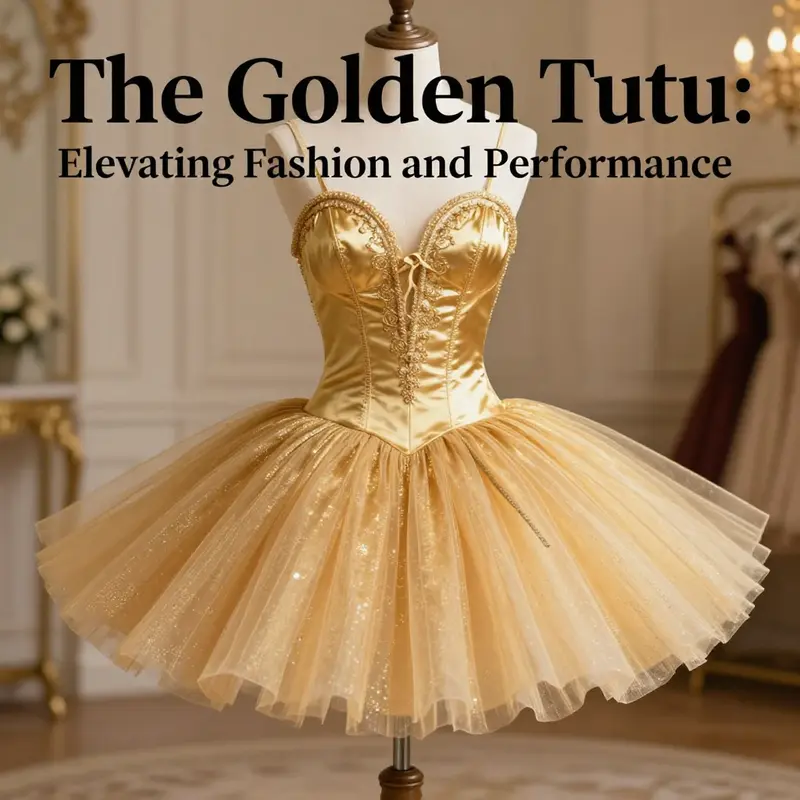
Gold tutu skirts have transformed from ballet staples into essential fashion statements for both children and adults, embodying elegance and joy. Business owners in the fashion industry now encounter an exciting opportunity to cater to diverse markets, reinforcing the versatility of these enchanting garments. This article delves into the material composition and construction, industry standards and best practices, and popular styles and use cases of gold tutu skirts, providing a comprehensive understanding for entrepreneurs aiming to innovate in this vibrant segment.
Gilded Tulle in Motion: The Material Heart and Craft of a Gold Tutu Skirt
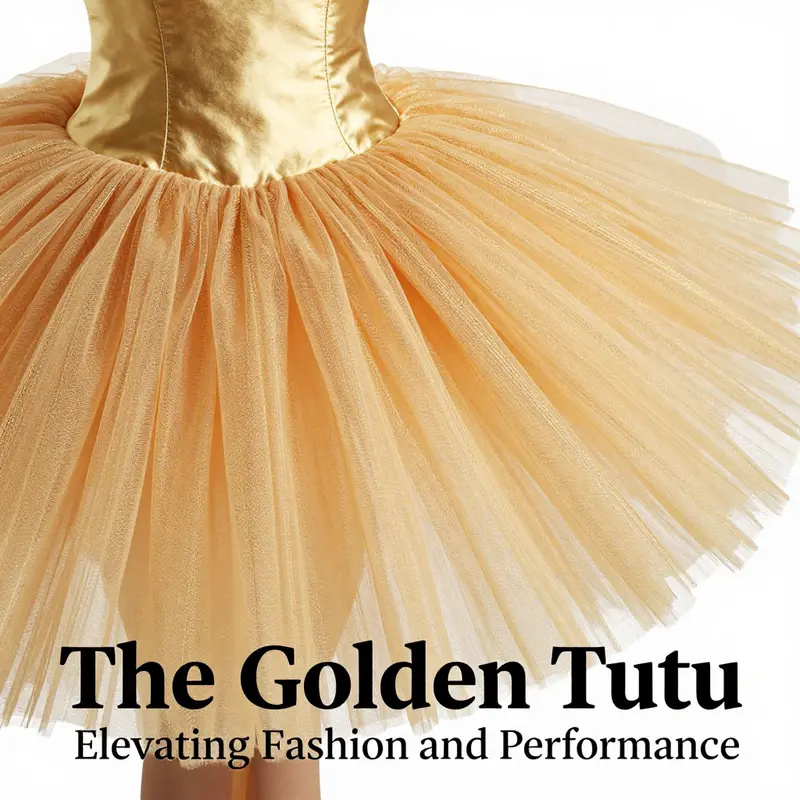
The gold tutu skirt sits at a curious crossroads where fantasy theater, everyday fashion, and the discipline of craft intersect. It is more than a metallic flourish; it is a narrative garment designed to move with the body and to reflect light in a way that turns a moment into memory. To truly understand what makes a gold tutu skirt both glamorous and reliable, one must look closely at its material composition and the construction choices that bring elegance and practicality into a single silhouette. The chapter you are reading threads together the science of fabrics with the choreography of movement, showing how layers of soft tulle and a carefully shaped bodice translate intention into appearance.
At the core of the garment lies a balance between comfort and drama. The bodice portion, which anchors the tutu to the body, is commonly crafted from a soft, breathable blend that can include spandex. A typical composition involves a polyester-spandex mix that offers stretch, support, and an all-important smooth surface next to the skin. The bodice needs to be gentle on the wearer while resisting the tug of arms, torso twists, and the many microadjustments that happen during a performance or a long photoshoot. A full lining is standard practice, serving as a barrier that prevents chafing and keeps the silhouette clean under stage lights or in a crowded event setting. This lining is not merely a comfort feature; it is a boundary that sustains the garment’s shape by keeping the linings smooth and preventing any cling that could distort the external glaze of gold.
Directly above the body, the tutu ruffle section—often the most visually striking element—belongs to the realm of tulle. This is where theory becomes theater. The ruffle section is built from sheer, stiff tulle, woven from polyester or a blend that allows it to hold a lifted, airy form even under vigorous movement. The stiffness is not a rigidity that would hinder flexibility; it is a careful stiffness that provides lift without stiffness that would impede a dancer’s stride. The quantity and arrangement of tulle layers create that signature voluminous shape that fans out from the waist, an architectural halo that catches stage light and camera flash alike. In many designs, the layers are gathered at the waist and evenly distributed, with careful spacing to avoid bulk in any one spot. Lightweight interfacing or a stabilizing mesh is frequently added to maintain the overall geometry during spins, leaps, or even a standing pose under a long camera shutter. The result is a silhouette that reads as buoyant and almost sculptural, yet remains pliant enough to move with a performer or a wearer who is simply enjoying a festive event.
The choice of materials across both sections is driven by a few reliable principles. First, fabric safety and comfort are non negotiables. Non-irritating materials and breathability are essential because the garment can be worn for extended periods, whether by a child during a party or an adult in a staged performance. That means a careful selection among fabrics that minimize skin contact irritation and maximize air circulation. The lining of the bodice is a critical component here, offering a barrier that eliminates rough textures and reduces the likelihood of rub zones during vigorous movement. The tulle itself is chosen not only for its aesthetic sheen but for its soft touch against underlayers and skin, a factor that becomes especially important when the garment is worn for long periods or by children who may be more sensitive to texture.
Durability is the second guiding principle. The snagging, tearing, and pilling risks associated with costume pieces are real, particularly when the piece must withstand frequent movement, rapid changes, and straightforward washing if care instructions permit. High-end versions of gold tutu skirts prioritize reinforced seams and reliable fasteners. Zippers, elastic waistbands, and inner linings are all designed to handle repeated use while preserving the garment’s luxurious appearance. The threading in the seams is chosen for strength and stretch, ensuring that the fit remains consistent without sacrificing the freedom to bend and twist a great deal in performance contexts or during a lively party game. This attention to stitching is not merely about longevity; it is also about safety. Loose embellishments, while common on more ornate costumes, can pose choking hazards for younger wearers and should be approached with caution. The industry, in response, tends to minimize small loose components and to secure any decorative elements with care so they do not unfurl during a routine or a set of quick poses.
Colorfast dyes and finishings are the third element that completes the practical trifecta. A gold hue is not simply a pigment; it is a layer of color that must stay vibrant through many stages of wear and care. Colorfastness is essential to preserve the gleam across performances and photographs alike, preserving the garment’s capacity to reflect light from different angles and under varying lighting schemes. The finishing processes also aim to keep the gold from bleeding into adjacent fabrics if the tutu is part of a layered costume or ensemble. Fire-resistant tulle is often recommended for theatrical productions where flame effects or hot lighting could be involved, balancing safety with spectacular visual impact. These standards and best practices arise from a long tradition of performance sewing where the demands of the stage require a garment that can endure heat, frequent handlings, and repeated washings, while still arriving at a flawless, uniform shimmer each time the curtain rises or the camera stops rolling.
If we trace the construction from waist to hem, the construction logic becomes a narrative of resilience and rhythm. The waistline is the anchor, commonly built with an elastic or adjustable band that enables a secure yet comfortable fit across a spectrum of body types. This feature is particularly relevant for adult designs, where the elasticity accommodates a broader range of girth measurements and movement. The transition from waist to multiple layers of tulle is where structural engineering meets fashion. The ruffles, often created by stacking and distributing several tiers of netting, are aligned and tethered with careful seam lines and small stabilizers to maintain even distribution. The layers are typically gathered, then spread with uniform tension around the waist so that the volume looks balanced from every angle. The outermost layer is the most visible and often the piece that catches the most attention in a performance or a portrait. Yet it is the underlayers that quietly support the effect by adding body and dimension without overshadowing the luminous top surface. This is where premium materials show their subtle advantages: rather than a single, stiff mass, the tutu reveals a layered, responsive architecture that moves with the wearer and responds to the energy of the room.
In discussing design, it is important to acknowledge the wide range of use cases that inform material choices. For children’s wear, safety and ease of maintenance trump some aspects of high-end couture once we move from the classroom to the playground or the birthday party. A basic tutu category, in practical terms, often emphasizes simpler construction, lighter weight, and easier cleaning. For adults and professional performers, the expectations are different: the bodice may incorporate higher stretch and more durable linings, and the layers of tulle may be engineered to maintain a dramatic silhouette even after repeated washes, rehearsals, and long performances. The difference between a costume designed for a short appearance and one built for ongoing use becomes visible in the blend of fabrics and the thickness of the layers. A well-made gold tutu can serve as both a stage asset and a wardrobe staple, offering a level of versatility that allows it to be styled for a formal event, a themed party, or a dance recital with equal grace. In other words, the garment is not simply about glitter; it is about a structural philosophy that translates movement into form without compromising comfort or safety.
The construction narrative also intertwines with care and maintenance. The outer shine of gold is achieved in part by the weave and finish of the tulle and by the way color is locked into the fabric through dyeing processes that resist fading. However, the care regime matters just as much as the initial build. Drying flat or hanging away from direct heat helps maintain the integrity of the layers and the texture of the bodice lining. Gentle washing or spot cleaning is often recommended, especially for costumes that are worn frequently. The longevity of a gold tutu skirt grows not just from its materials but from the discipline with which wearers approach maintenance. When a garment is treated as a strategic piece in a wardrobe, it earns more stages of life and more opportunities to inspire movement and expression. This is particularly true when the piece is used across different contexts—whether a recital, a formal event, or a festive gathering that calls for a touch of celestial shimmer.
In this way, the gold tutu skirt embodies both aesthetic intent and practical craft. The layers of tulle float with a lightness that belies the careful engineering beneath. The bodice holds, breathes, and glides along with the body, while the finishings ensure the gold remains vivid and true. The result is a garment that looks ready for the spotlight even when packed away in a garment bag. Yet the true measure of the piece is not only how it looks on the hanger but how it performs in motion. A dancer’s arms slicing through the air, a child’s twirl at a birthday, or a photograph captured at the peak of a jump—all of these moments are the tests that reveal whether materials and construction have been chosen with an eye toward life beyond the fitting room. In the end, it is the confluence of material science, careful tailoring, and an understanding of movement that explains why a gold tutu skirt can feel timeless yet remain thoroughly contemporary in its appeal.
To further ground this discussion in practice, consider how a prospective wearer might approach selection and care. The question of size and fit remains foundational. Adherence to standardized sizing charts helps ensure that the tutu sits properly at the waist and does not ride up during movement. An adjustable waist or a forgiving elastic feature is often a practical advantage, particularly for growing children or for performers who require flexibility across a season of shows. Beyond fit, the tactile experience of the fabric matters. The bodice surface should welcome touch, while the tulle should respond softly to hand contact and flutter gracefully under the lights. The interplay of layers, color, and movement becomes a living quality when the wearer experiences it firsthand. The wearer, whether a performer or a party participant, discovers what is needed from the garment by paying attention to how the skirt behaves in real time: does it maintain its silhouette through a range of turns, does it settle evenly against the hips, does the color remain consistent under the glow of stage lamps, and does the interior lining prevent friction during extended wear?
In this sense, the material composition and construction of a gold tutu skirt transcend mere aesthetics. They become a language of performance and celebration. The choice of soft, breathable bodice fabrics, the disciplined layering of tulle for volume, the stabilizing elements that preserve shape, and the color fastness that keeps the gold bright all work in concert to deliver something more than a pretty costume. They deliver a garment that invites movement, facilitates expression, and stands up to the rigors of repeated wear. A well-made tutu does not demand attention by shouting from the rack; it earns it through quiet, dependable performance that poets of fabric would describe as a harmony between structure and light. When this harmony is achieved, the gold tutu skirt becomes a reliable prop for the wearer’s narrative—whether that narrative unfolds on a stage, at a formal event, or within the joyful chaos of a child’s imaginative play.
If one wishes to explore further how these design choices translate into everyday practice, the discussion naturally expands to the broader ecosystem of costume design and shopping choices. While the construction details and material safety standards provide a robust framework, the realities of fit, care, and movement introduce a more nuanced set of considerations. The jewelled glimmer of the gold is not merely a surface phenomenon; it is the visible outcome of decisions made at the level of fibers, threads, and touches of lining that cushion and cradle. The beauty of this approach is its adaptability: designers can tailor the same foundational elements to create a spectrum from the most understated elegance to the most radiant feast for the eyes. This adaptability is what makes the gold tutu skirt a versatile wardrobe staple—able to anchor a theme, elevate a dance recital, or lend a festive brilliance to a special occasion.
For readers who want to see how theory translates into a tangible product line, a useful resource lies in the range of foundational tutu offerings. The option to explore a basic tutu category can be a practical starting point for understanding how different combinations of bodice materials, tulle layers, and finishes influence wearability and appearance. A quick exploration of this category reveals a spectrum of silhouettes, from the simplest, most comfortable designs to more elaborate, fully embellished arrangements. By evaluating these options, a wearer gains insight into how specific material and construction choices align with intended use, whether it be daily dress-up play, a weekend dance class, or a formal event that calls for a moment of showstopping glow. The process of selection benefits from this context because it clarifies which features matter most for a given scenario, helping to avoid mismatches between expectation and experience. In that spirit, if you want to see a practical embodiment of these principles, you can examine the basic tutu category and consider how the foundational traits of comfort, durability, and silhouette quality are translated into real garments. basic tutu category is one such accessible entry point that makes these concepts concrete while remaining focused on everyday wearability and performance. This approach keeps the emphasis on material viability and construction integrity rather than solely on the glittering finish.
The conversation about material composition and construction also invites reflection on the ethics and sustainability of fabric choices. As the fashion industry grows more conscious of environmental impact, designers and manufacturers increasingly seek fabrics and finishes that balance beauty with responsibility. In the realm of gold tutus, this translates into careful considerations of fabric sourcing, the recyclability of components, and the lifecycle of a costume from purchase to reuse or retirement. While the glittering effect of gold is alluring, it coexists with a broader responsibility to minimize waste and to ensure that the garment can accompany many chapters of a wearer’s life. The essential point is that the decision to select specific materials—tulle that holds its form after numerous performances, linings that endure repeated washing, and dyes that resist color fade—also reflects a commitment to longevity and to reducing the need for frequent replacements. In practical terms, this means designing with the intent to reuse, to repair, and to adapt, so that a single gold tutu can graduate from a child’s first recital to a young performer’s next showcase with grace and dignity.
With these dimensions in view, the chapter circles back to the core truth: the material composition and construction of a gold tutu skirt are not decorative afterthoughts. They are the fulcrum upon which comfort, durability, and glamour pivot. The bodice and the tutu layers must work in concert, not at cross purposes. The builder must honor safety without sacrificing shine, and the wearer must feel as though the garment is an extension of their body, ready to articulate an idea through movement, light, and color. This is the essence of what makes a gold tutu skirt more than a costume. It is a vehicle for self-expression, a canvas for choreography, and a testament to the engineering discipline that allows something so delicate to perform with such vigor. As you consider the possibilities—whether you favor the celestial shimmer of a starry accent or the clean, formal glow of a shimmery surface—remember that the heart of the garment lies in its materials and how they are assembled. The rest, as the saying goes in the world of fashion and stage, is simply the artful presentation of what the body can do when clothed in light, texture, and movement.
External reference for practical material and construction context: https://www.amazon.com/dp/B0CQZJ8X4N
Beyond Sparkle: Standards and Best Practices for the Gold Tutu
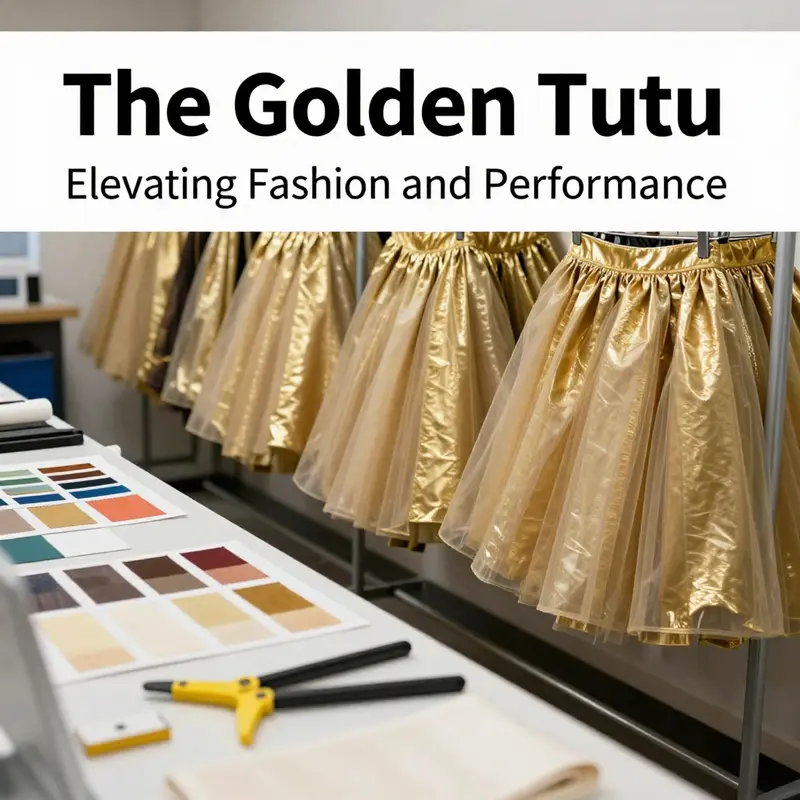
Durability and fabric integrity sit at the heart of the craft. The gold tutu typically uses layered tulle, a fabric renowned for lightness and volume. Each layer contributes lift, while the inner layers anchor the silhouette and the outer layers catch light to create a stage-ready glow.
Material standards emphasize colorfastness, ensuring the golden hue remains vibrant under a range of lighting and washing conditions, and flame retardance attributes are considered for safety in performance venues. Beyond the fabric, construction matters: a reinforced waistband, secure fastenings, and a smooth lining reduce friction and help the garment hold its shape through spins and leaps. Proper design also guards against sagging and distortion by thoughtful seam placement and internal supports. Safety and aesthetics must work together; flame retardant fabrics, balanced embellishments, and secure attachments minimize risk without compromising look or movement. Standardized sizing and adjustable waists help fit a broad range of bodies while preserving performance behavior. Quality sourcing, transparent materials, and care instructions further reinforce reliability. In practice, buyers and makers weigh aesthetics against durability and safety, choosing designs and fabrics that perform consistently under rehearsal and show conditions. With careful selection, care, and use, a gold tutu can be both radiant and dependable, enabling expression without introducing unnecessary risk. For those seeking practical guidance, this framework points to core considerations in fabric choice, construction, fit, care, and safety, and reminds us that standards are a tool to support confident performance.
Gilded Flight: The Styles, Uses, and Enduring Allure of Gold Tutu Skirts
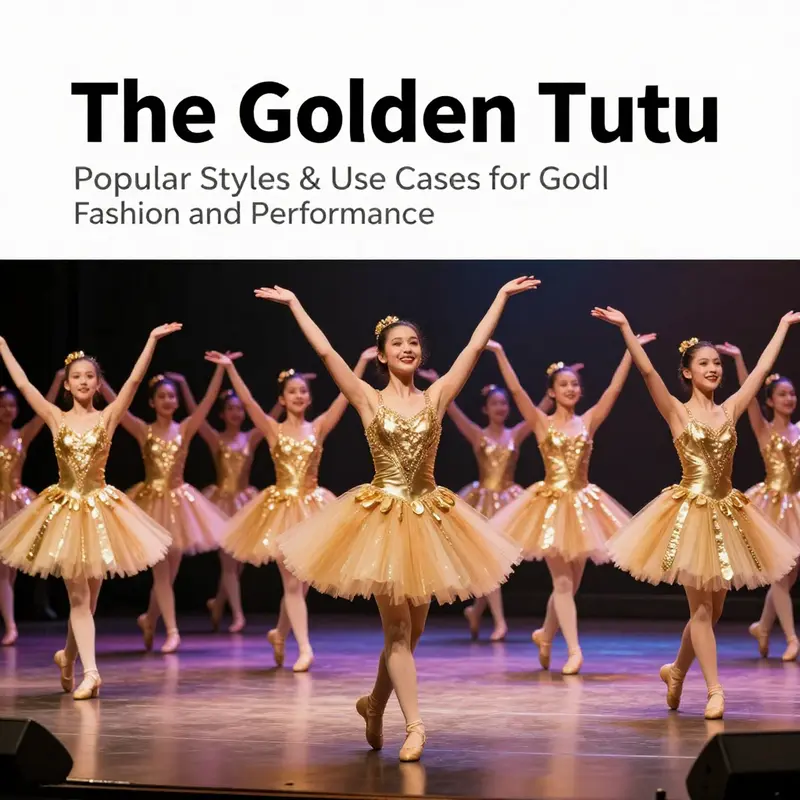
Gold tutu skirts have a way of embodying both movement and memory. They catch the light with every turn, turning even a simple step into a moment of ceremony. At their core, these garments are more than decorative fancies; they are crafted responses to the human desire to elevate ordinary moments into something memorable. The shimmer is not merely surface glamour. It is a language spoken through fabric, layer by layer, fold by fold, in spaces where dance, celebration, and portraiture intersect. A gold tutu skirt is a tool for expression as much as a piece of clothing; it invites the wearer to inhabit a mood, to borrow a fragment of royalty, and to translate emotion into motion. In doing so, it traverses boundaries between stage and life, between formal ritual and spontaneous play, becoming a versatile wardrobe artifact that both performers and everyday wearers can claim as their own.
The craft behind a gold tutu skirt begins with material choice. Tulle, a lightweight, stiff mesh often made from polyester or nylon, is the backbone of the silhouette. When layered, it gains the volume that makes a tutu instantly recognizable. The construction matters as much as the color. Multiple tiers create a buoyant, cascading bloom that holds its shape through careful stitching and reinforced seams. In premium versions, a satin lining offers comfort against the skin, while metallic threads woven into the tulle can heighten the glow without sacrificing breathability. The tension of the fabric, the way it catches air, the way it holds a dancer’s movements—all of these details are deliberate. They ensure that the garment performs as confidently on stage as it does in a family photo studio, where a child’s smile and a spark of gold can fuse into a lasting memory.
Aesthetic notes emerge early in the design process: the shade of gold, the density of the layering, the presence or absence of embellishments. Classic tiered tutus embrace opulence through volume and ornament. They may feature sequins, embroidery, or metallic trim that glint with every light source. The discipline of the construction—how each layer is cut, how the seams are finished, how the waistband sits—matters as much as the color itself. The result is a silhouette that feels both timeless and flamboyant, capable of conjuring fairy-tale royalty while remaining adaptable to contemporary fashion contexts. In contrast, shimmery gold tutus emphasize a smoother surface and refract light with a more restrained, polished gleam. These are often chosen for formal engagements, galas, or elegant weddings where the wearer seeks a sophisticated radiance rather than a carnival of sequins. They glide reliably through formal choreography and photoshoots alike, offering a sense of refined drama without overpowering the wearer’s line.
There is also a lineage of the traditional pancake tutu, especially in the world of ballet. The classic ballet pancake, with its compact, semi-flat silhouette, serves a different role. It foregrounds clean lines and precise posture, making the dancer’s technique and poise the central narrative. In gold, the pancake tutu gains a regal accent that aligns with iconic stage moments—the Sugar Plum Fairy being a luminous reference point in repertory discussions. The gold hue here is symbolic as well: it evokes royalty, celebration, and the way a single color can frame an entire character arc on stage. The disciplined construction of the pancake tutu—dense layer density, careful gathering, and a secure waistband—ensures that the silhouette remains steady during fast footwork and high leaps. This stability is essential for professional performances, where any misalignment or wavering fabric could distract from the choreography and storytelling.
Beyond the theater, these skirts have found homes in a wider array of settings. The use cases stretch from formal events to festive celebrations, and even into the realm of fashion-forward daily wear for both adults and children. In birthday parties, holiday gatherings, or princess-themed occasions, gold tutu skirts function as a focal point that elevates the mood of the event. The glow of gold is inherently celebratory; it signals a moment worth remembering, a time to feel special, a chance to step into a character who embodies grace and courage. The use in family photo shoots is particularly telling. A gold tutu can transform a portrait from a simple snapshot into a visual narrative—one where light, texture, and movement become the protagonists. The wearer appears not merely dressed for an occasion but transformed by it, their posture and gesture amplified by the skirt’s buoyant volume and shimmering surface.
For those exploring the practicalities of selection, the decision often hinges on occasion, formality, and how much movement the garment will require. Formal events with a restrained dress code might benefit from the shimmery gold variant, which brings elegance without overwhelming the ensemble. For more festive or thematic settings, the tiered or embellished options lend a sense of pageantry that is both cinematic and intimate. When children are involved, considerations of comfort and safety come to the forefront. Ensuring non-irritating fabrics, breathable liners, and a waistband that accommodates active play without pinching is essential. In such contexts, a basic tutu category can offer a durable, easy-to-care-for option that provides the same silhouette with child-friendly practicality. As readers explore the practicalities, it is helpful to have a mental map of the options: the volumetric charm of classic tiers, the polished sheen of shimmer, and the disciplined silhouette of the pancake cut. Each style speaks to a different desire—the wish to enchant, to perform, to celebrate, or to capture a moment of childhood magic—while remaining unmistakably anchored in the same shimmering material and fundamental form.
In the world of performance, the gold tutu skirt does more than frame the body. It contributes to the storytelling with a subtle but powerful vocabulary. The glow of gold can imply authority, ritual, or transformation. A dancer moving through a stage wash of gold light becomes a living sculpture, every extension and pivot magnified by the fabric’s volume. The texture of the tulle adds a fluttering, almost wind-blown quality to each movement, a visual echo that reinforces the rhythm of the music and the cadence of the choreography. When performers rehearse, the costume must tolerate repetition without losing its composure. Durability becomes a practical virtue; seams must hold under repeated washing or professional laundering, the zippers and elastic must resist fatigue, and the embellishments must stay secure without presenting choking hazards or loose components to the audience or cast. The industry thus blends aesthetics with safety and practicality—an approach that respects the artistry of performance and the realities of the stage.
The use cases extend well beyond the theater. In formal settings, a gold tutu skirt can anchor a wedding party look, a holiday greeting, or a royal-themed birthday in a way that feels deliberate and celebratory rather than flashy. The blanket of gold hue carries a symbolic weight: it is a color long associated with success, abundance, and high ceremonial status. The effect is to elevate the wearer’s presence, providing a sense of occasion that complements the wearer’s personality rather than competing with it. For photo shoots, the skirt becomes a prop-like instrument, catching light and generating texture that photographs often render with striking depth. Its dramatic silhouette can help tell a story of whimsy and wonder, a narrative arc that can be tailored to a wide range of creative directions—from fairy-tale nostalgia to modern fashion editorial. The ability to transpose the look from a staged performance to a candid moment in a park speaks to the garment’s versatility and the designer’s intent to balance fantasy with everyday wearability.
The contemporary scene also embraces variations that widen the appeal without diluting the core appeal of gold. Long-sleeve gold tutu dresses, for example, extend coverage while maintaining the sense of theatre that makes the tutu so distinct. Minimalist designs, with subtle gold accents rather than heavy embellishment, offer a pared-down elegance that can be worn in more subdued contexts, such as a formal family gathering or a refined recital. These variations demonstrate how the gold tutu can be re interpreted to suit evolving tastes and different ages, making the garment accessible to a broader audience while preserving its core identity of movement, light, and dreamlike charm.
Care and fit are practical threads that run through every discussion of tutu skirts. Because the silhouette depends on breathability and structure, care instructions emphasize gentle handling. When possible, air drying helps maintain fabric integrity and prevents warping of the layers. If washing is required, mild detergents and cool water minimize stiffness and keep the tulle supple. Storage matters too: keeping the skirt in a breathable garment bag protects it from dust and helps preserve the silhouette between uses. Fit, meanwhile, returns us to the importance of standardized sizing and adjustable waistbands. The adult versions often adopt stretchable waistbands to accommodate different body types and comfort preferences, while children’s designs must balance growth with a secure fit. The goal is a garment that feels secure on the body and flexible enough to move with it, rather than against it. A well-fitting tutu can transform the wearer’s posture, encouraging a lifted chest, a poised neck, and a confident sense of presence—an almost intangible effect that performance coaches and photographers speak of when discussing the visual impact of a golden silhouette in motion.
As readers contemplate purchasing decisions, the value of a gold tutu skirt extends beyond its price tag. It is a garment that invites imagination and offers a certain profession of character—whether a child learning ballet, a dancer performing a recital, or an adult stepping into a costume for a themed event. It also serves as a canvas for personal storytelling. A wearer can choose embellishments that echo a favorite character, a festival motif, or a personal memory, letting the costume become a physical companion to a moment of self-expression. In this sense, the gold tutu does not merely adorn the body; it frames a narrative, enabling a person to inhabit a role with grace and vigor, or to infuse a celebration with a touch of luminous whimsy.
For those who want to explore more about the everyday versions that still honor the spirit of this garment, a practical path lies in the Basic tutu category, which provides durable, user-friendly options that are designed for frequent wear and child-friendly play. This pathway keeps the focus on comfort and longevity while preserving the silhouette that makes the tutu instantly recognizable. It is a gentle reminder that even within the spectrum of high-glamour variations, there remains a practical core that supports children learning, families celebrating, and hobbyists exploring the joy of movement in color and light. To explore these essentials, you can visit the Basic tutu category which gathers those dependable foundations in one accessible hub. Basic tutu category.
The journey of gold tutu skirts across styles and uses reflects a broader pattern in fashion: the way color and silhouette combine to shape perception and experience. Gold, with its inherent warmth and luminosity, invites the eye to linger. It slows moments just enough for recognition and appreciation, letting the wearer’s movement tell a richer story. The tutu’s architecture—tulle layers, delicate seams, and a waistband that holds without constraining—works in harmony with that color to craft a garment that feels both timeless and current. It stands as a reminder that fashion, at its best, is not about chasing novelty alone but about reimagining a familiar form to fit evolving contexts. The gold tutu accomplishes this reimagining by preserving the essential drama of the silhouette while opening doors to new narratives: a ballet rehearsal that doubles as a family portrait session, a formal dance that becomes a celebration of a milestone, or a playful moment that a child will remember as the day they felt almost royal in sunlight and lace.
In the end, the enduring allure of the gold tutu skirt lies in its dual capacity for discipline and wonder. It demands technical care in construction and care in use, yet it offers a liberating joy in wearers who choose to inhabit a moment with grace, dignity, and a spark of audacious shine. It is both a nod to the classic cosseting of stagecraft and a beacon for personal storytelling in contemporary life. As designers continue to refine fabrics, cuts, and finishes, the tutu remains a living piece of clothing that evolves without losing its essence: a celebration of movement, light, and the quiet power of feeling extraordinary, even for a few moments, in ordinary hours.
External resource: https://www.aliexpress.com/w/wholesale-gold-tutu-skirt.html
Final thoughts
Understanding the material construction, essential industry standards, and popular styles of gold tutu skirts allows business owners to create innovative and high-quality offerings. As the demand for versatile and elegant garments rises, tapping into the potential of gold tutus can lead to competitive advantage and increased customer satisfaction. By aligning products with industry best practices and recognizing current trends in use cases, businesses can effectively cater to their clientele while celebrating the artistry of dance and fashion.