
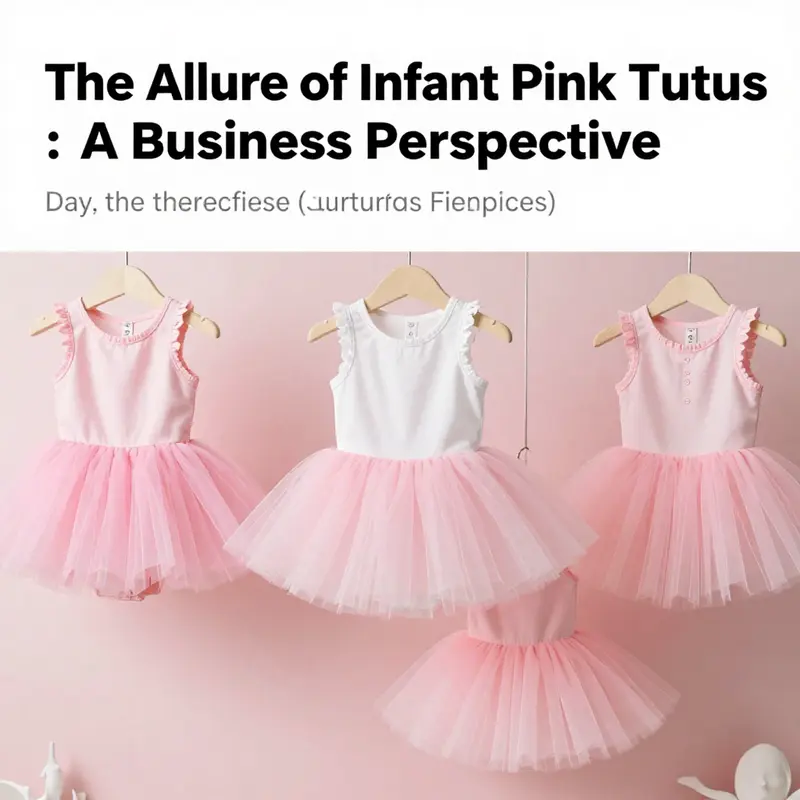
Infant pink tutus have emerged as a staple in baby apparel, encapsulating both charm and marketability. This beloved garment, primarily designed for baby girls, is not just a popular item for celebrations and photo sessions, but also holds significant value within the overarching clothing industry. Chapter one delves into the design and fabrication of these tutus, emphasizing materials and aesthetics. Next, we will explore the economic impact of tutu sales, highlighting market demand and pricing strategies. The cultural significance of infant pink tutus in celebrations will follow, illustrating how they enhance milestones such as birthdays. Finally, we will analyze current fashion trends and the powerful influence of social media, providing a comprehensive understanding of how these elements shape the market for infant pink tutus.
Delicate Threads, Big Moments: The Design and Fabrication of Infant Pink Tutus
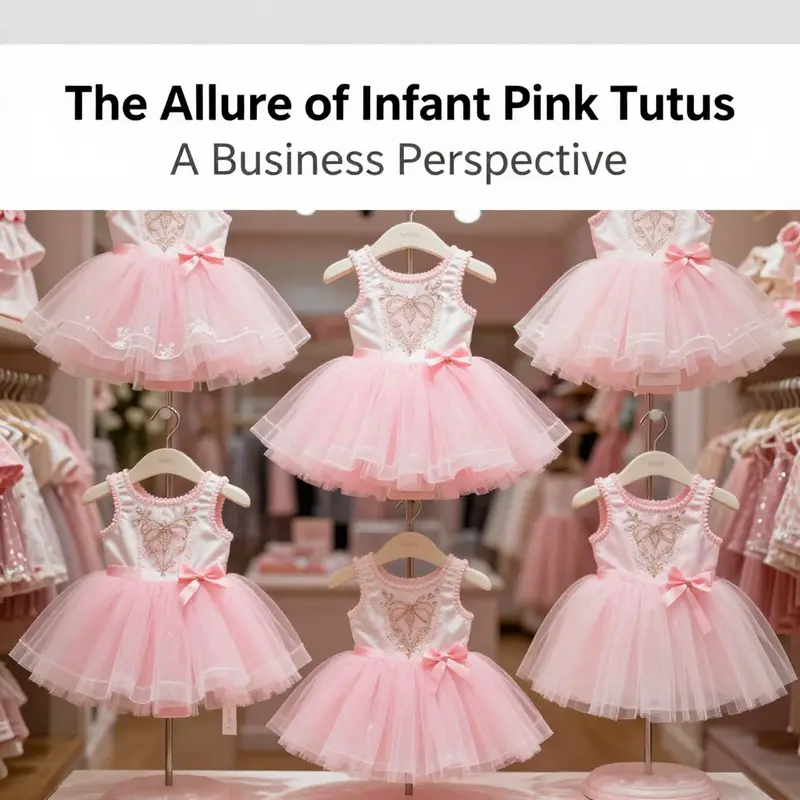
The infant pink tutu sits at an intersection of tenderness and craft, a garment that carries as much meaning as it does fabric. It is not merely a piece of clothing but a tiny stage costume for the early chapters of childhood. Designers borrow the elegance of ballet while scaling everything down to a size where every seam must greet skin with gentleness and every puff of tulle must invite movement rather than restrict it. The result is a garment that feels almost ceremonial in ordinary moments—a first birthday photo, a playful dance during a family gathering, or a quiet moment of dressing that becomes a memory later recounted with fondness. In this chapter, the focus moves beyond the silhouette to the deliberate choices that make an infant pink tutu comfortable, resilient, and aesthetically coherent. The design is a careful negotiation between form and function, where beauty serves the baby’s ease of motion and the caregiver’s peace of mind.
The process begins with measurements that acknowledge the realities of infant bodies. A well-made tutu rests on a waist that is soft and elastic enough to accommodate gentle growth and occasional tensing during movement, yet secure enough to stay in place without pinching. Designers often rely on standard baby size charts to translate body dimensions into a waistband width that sits just snugly enough to prevent slipping, while leaving room for a diaper and the natural curl of toddler tummy. The fit must not compel the infant to adopt an awkward stance or restrict hips from bending during crawls, scoots, or bounces. The resulting pattern is a balance between a flexible waistband and a fabric-draped bloom that flares outward but remains light as a whisper against tiny legs. In the hands of skilled makers, pattern drafting becomes a quiet dialogue between ease and silhouette, where the eye gauges how many layers of fabric are required to achieve the beloved puff without overwhelming the baby’s frame.
Material selection anchors the tutu’s character. Premium infant tutus typically embrace soft, breathable, and hypoallergenic fabrics such as organza, chiffon, or tulle. These materials provide the airy volume that gives a tutu its signature charm while keeping the surface gentle on delicate skin. The fullness of the skirt emerges from layering rather than weight, a design philosophy that favors many thin, carefully stitched layers over a single thick sheet. For a tutu with the classic cloudlike sheen, designers may work with dozens of layers, each cut to a precise length that ensures a harmonious cascade when the wearer stands or moves. The fullness, however, must be meticulously calibrated to avoid dragging or catching on tiny knees or curious toes. In some refined production, substantial meters of fine tulle are folded and stitched to create the beloved puff, with careful attention paid to prevent itch or itch-inducing edges by pre-washing fabrics and finishing hems with bias binding. The result is a garment that feels soft to the touch, allows air to circulate, and retains its buoyant shape after gentle washing and wear.
The construction process reads like a gentle choreography. Cutting multiple layers is followed by a careful alignment of skirts around a waistband, which is often made from a soft elastic or a satin ribbon that sits comfortably against the midsection. The layers are attached with precise stitching, whether by hand for a tactile, artisanal feel or by a high-quality sewing machine for repeatable accuracy. Edges are finished with care to reduce fraying and to prevent any roughness that could irritate sensitive skin. The result is a tutu that presents a neat, even hemline while the upper layers float with a buoyant movement. Attention to seam allowances matters just as much as the outer appearance; a sturdy seam under the delicate surface ensures durability through columnar bursts of energy during a joyful spin or a sudden flutter of arms. The construction is a quiet testament to craftsmanship, where every layer earns its place through measured technique and patient execution.
Ethical production practices inform how these garments come to life. Small studios and home-based ateliers emphasize craftsmanship and local teamwork, with labels that highlight ethical labor and quality control rather than mass-market speed. Some producers proudly display indications that reflect a commitment to responsible manufacturing networks, such as regional origin certifications or attestations of careful, small-batch production. This ethos matters to parents who value transparency and who want to support communities that prioritize safety, fair labor, and sustainable materials. In the realm of DIY culture, parents can engage with guided kits that include organza ruffles, lace trims, pom-poms, and rhinestones alongside clear, step-by-step instructions. These kits invite hands-on engagement while preserving the tenderness of the product. They democratize the craft, letting families participate in a process that culminates in a one-of-a-kind piece that resonates with a family’s memory and a baby’s growing sense of self. Beyond the kit, books and sewing resources offer real-size templates, beginner-friendly techniques, and embroidery suggestions that allow eager caregivers to craft pink tutus tailored to first birthdays, first photo shoots, or simply cherished daily moments. In this context, the tutu becomes more than fabric; it becomes a conduit for shared creation and personal meaning.
The role of the tutu in event spaces expands the craft into décor and atmosphere. A coordinated pink tutu can anchor a broader celebration concept—soft floral accents, warm gold highlights, and sparkling details that echo light on a newborn’s surroundings. Event backdrops designed to complement pink tutus often feature harmonious motifs like blossoms and metallic accents to evoke a gentle fairy-tale ambiance. A sizeable backdrop, such as a 7-by-5-foot panel in durable polyester with crisp digital prints, can establish a cohesive theme for newborn celebrations. The idea is not to overwhelm the eye but to create a subtle theatrical context in which the infant’s attire shines. When paired with the tutu, these decorative elements help frame memories of early milestones—the first professional portrait, a family gathering, or a quiet afternoon spent in a sunlit corner with a favorite toy. The tutu and the setting together become a narrative device, guiding photographers and families toward images and moments that feel both timeless and immediatelу intimate.
From a consumer perspective, the market for infant pink tutus spans a spectrum of styles and price points. Retail environments—both online and brick-and-mortar—offer options that range from understated single-layer designs to voluminous multi-layer compositions that demand a higher degree of fabric manipulation and finishing. The availability of different weight and opacity levels in tulle and organza means parents can select a look that offers the desired drape without sacrificing mobility. A key consideration remains comfort: tulle that is too stiff or seams that press into the skin can transform what should be a moment of delight into a wary experience for a child who is learning to move independently. The best designs are those that manage to balance a giggle-evoking silhouette with practical constraints. This balance is what transforms a tutu into a reliable staple in a child’s wardrobe for celebratory moments and everyday joy alike. Brands and crafters respond to this demand with a wide array of options, ensuring that families can find something that fits both their aesthetic and their fabric-safety expectations.
The pink tutu also holds a place in the social fabric of childhood culture. Images of babies dressed in tutu-inspired outfits circulate on platforms that celebrate family milestones and creative dress-up. In this cultural moment, the tutu becomes a shared symbol of early joy and personal expression, inviting parents to narrate the early chapters of their child’s imagination. The color pink, long associated with childhood sweetness and femininity, amplifies the emotional resonance of these garments. Yet at the craft level, the color choice is as much about pigment behavior as it is about sentiment. The dye and finishing processes must be harmless and durable, so the shade remains consistent through countless dress-ups, photos, and washes. When designers select pink, they do so with an eye toward longevity and tenderness—an assurance that the color will remain a soft, luminous companion to the baby’s milestones rather than a fading memory after a single season.
Careful attention to safety and wearability threads through every choice. The tiniest embellishments can pose risks if not securely attached. Designers therefore favor small, firmly fixed trims and avoid bulky adornments that could snag on movement or become choking hazards. The layers themselves should be light enough to prevent overheating while offering enough coverage to protect modesty during photos or moments of play. Even the elastic or ribbon waistband receives scrutiny: it should be comfortable to the touch, free of rough edges, and capable of accommodating a diaper or diaper changes without requiring constant adjustment. Through all these considerations, the infant pink tutu becomes a reliable, endearing garment rather than a fragile luxury. It invites mothers, fathers, and guardians to celebrate firsts with confidence, knowing that the fabric is soft, the construction steady, and the design considerate of the baby’s evolving comfort and mobility.
For readers seeking a direct, practical entry into this craft, a basic-tutu option can serve as a gentle starting point. The Basic Tutu category offers simpler designs that still honor the essential balance of fullness, softness, and movement. This pathway supports those who wish to dip into the world of infant dressmaking without the complexity of multiple layers or heavy embellishments. It also acts as a bridge to more elaborate projects, enabling crafters to build skills progressively. Basic designs can become beloved family keepsakes when paired with thoughtful color choices, careful stitching, and a forgiving pattern that accommodates learning curves. Ultimately, the craft of the infant pink tutu invites a patient, attentive approach where every seam is a small act of care, and every puff of fabric is a step toward a moment that families will remember for years to come. The journey from concept to crescendo—fabric, fit, care, and tradition—unfolds in a rhythm that echoes the gentle cadence of a baby’s first dance.
External resource: https://www.amazon.com/dp/B09KJZ3YV6
Internal reference for readers exploring foundational options: for a straightforward path into tutu basics, see the Basic Tutu category, which offers approachable designs and starter-level instructions that can be adapted as skills grow. Basic Tutu category.
Fluff and Finance: The Economic Currents Behind Infant Pink Tutus
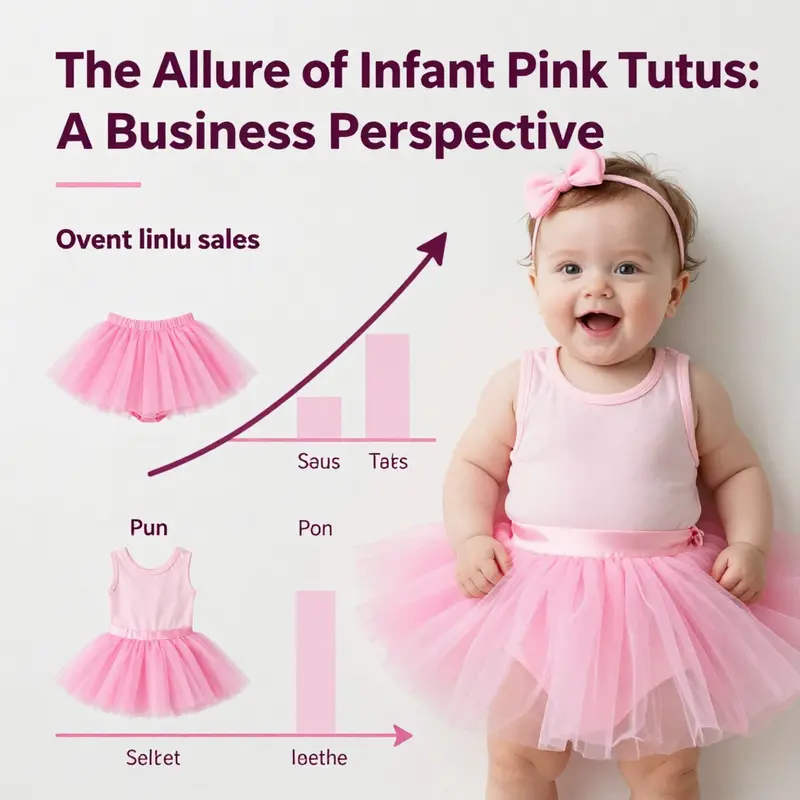
The infant pink tutu sits at the intersection of childhood charm and market dynamics. In households around the world this seemingly simple item becomes a rite of passage chosen for birthdays, first photo sessions, and tentative dance steps, with the pink hue often associated with sweetness and play acting as a visual shorthand that signals innocence and joy, yet beneath the fluff and sparkle lies a current of economic activity that binds designers, manufacturers, retailers, and families in a delicate balance of taste, price, and timing. The chapter that follows traces that balance, showing how a tiny dress for a baby girl feeds a broader set of flows from fabric mills to digital storefronts, from ethical commitments to the evolving expectations of busy parents. Production is where the story begins. Tutus for infants are crafted from soft lightweight materials that glide rather than scratch the skin, with tulle and organza being common choices, sometimes layered to create the cloud like silhouette. These layers catch light with a gentle shimmer and move with the slightest breeze, a quality that photographs well and that dancing infants seem to appreciate. The choice of fabric is not simply a matter of aesthetics; it affects comfort, breathability, and weight. For many manufacturers the goal is to combine a fluffy silhouette with a gentle touch on tender skin, balancing density and pliability so the tutu holds its shape without pinching or overheating. Global supply chains facilitate this balance with surprising speed, and a significant portion of infant clothing including pink tutus is produced in parts of Asia where soft fabrics meet scalable production capabilities. One country in particular has become a hub for baby garments, leveraging cost effective production and access to breathable fabrics, translating into a steady rhythm of new designs reaching markets worldwide. This globalization is not a single thread but a tapestry, translating into opportunities for specialized manufacturers, mid tier brands, and independent designers who weave their own patterns, textures, and embellishments into the standard tutu frame. The combination of imported components and local finishing touches allows a range of price points, quality levels, and aesthetic directions. Within this ecosystem demand grows around moments that parents want to capture, birthdays, princess parties, and holiday celebrations, turning the tutu into part of a coordinated visual story even when coordination feels casual. Retailers and online platforms routinely present ensembles that pair a tutu with complementary pieces such as soft bodysuits, tights, or lightweight hats that complete a look without overwhelming the child, and the market rewards versatility; a tutu that reads well in photos and holds up in a small dance recital becomes more valuable not only in price but in the trust it builds with families seeking reliability. In this space design language matters as much as price, and subtle details like edge finishing, the softness of the lining, or the way a waistband sits influence customer satisfaction and the likelihood of repeat purchases or referrals to friends planning similar events. Technology and logistics have become invisible hands behind the scenes, and in the last decade the speed and reliability of order fulfillment have shifted expectations. Data tell a clear story: for many retailers order preparation takes a matter of days, sometimes as little as one to three days, with delivery windows ranging from five to twelve working days. This cadence makes it feasible for families to plan for events with short notice or to purchase last minute outfits that still arrive in time for a big occasion. The speed is not accidental; it reflects investment in warehouse automation, efficient packaging, and the optimization of cross border shipping networks. Even small brands benefit from this infrastructure, allowing them to offer a broader catalog without sacrificing lead times, a factor that supports seasonal campaigns where pink tutus become a staple in themed collections that accompany spring birthdays or end of year celebrations. The color itself pink has significance beyond aesthetics, rooted in psychology, culture, and marketing, shaping demand. In many societies pink is associated with childhood and femininity, and marketers lean into that association by pairing pink with pastel palettes, soft textures, and whimsical motifs. The effect is not merely about taste; it also influences family budgeting. When families compare options, pink becomes a cue for the category and a shorthand for what is expected at a given moment, a line of thinking that can intersect with broader pricing patterns in the consumer economy, including patterns that some call the pink tax—the idea that gendered products can carry higher margins in some segments of the market. While the logic is debated in adult products, the ripple effects can be felt in infant markets, prompting retailers to consider margins and value while balancing safety and comfort. Innovation thrives in this space because the consumer base is receptive to ideas that respect comfort and safety, and independent designers and small studios experiment with styles that push beyond pure fluff, some producing tutus with mermaid scale textures, others incorporating whimsical motifs such as animal silhouettes or subtle glitter accents that catch light without becoming overpowering. Customization options proliferate, enabling families to tailor sizes, lengths, waistband types, or color saturations, and the rise of online marketplaces has been a major driver of this experimentation, expanding the range of choices available to home celebrations and casual photo shoots alike. The effect on the labor market is meaningful, too, as demand for unique looks grows, so do opportunities in digital design, pattern making, packaging innovations, and international shipping coordination, requiring brands and makers to navigate the tension between individuality and standardization to ensure safe fabrics, consistent sizing, and reliable quality. All these dynamics occur within a transactional environment that also carries social and ethical dimensions, as consumers increasingly expect transparency about how products are made, prompting investments in certifications, testing, and material innovations toward sustainable textiles and responsible production. In response, some segments of the market are experimenting with recycled tulle blends, organic cotton components, and low impact dyes, signaling a longer term trend toward responsible consumption while preserving the charm and affordability that define the pink tutu niche. From the perspective of retailers the growth of e commerce and social media has reoriented promotional strategies, allowing pastel fantasies to be captured in images that drive rapid interest and quick conversion, and the ability to present real life wearers in family settings helps prospective buyers imagine how the garment would fit into their own celebrations; the social layer is not just about display, it creates a feedback loop where posts, comments, and reviews inform design tweaks and future ranges, and where a simple pink tutu can become a feature in a larger storytelling approach touching baby carriers, photo studios, and small event services. The choices made by the consumer circle back to production costs and margins, creating price dispersion across tiers of quality and encouraging retailers to offer bundles or tiered collections that provide perceived value while maintaining safety and comfort for tiny wearers. Beyond the storefront, the broader economic effects touch employment and industry structure, contributing to jobs in fabric distribution, sewing and finishing, packaging and labeling, and quality control, as well as in digital layers such as web design, search optimization, and logistics coordination, and while these roles may seem modest in scale they multiply across regions and retailers, turning a once niche item into a dynamic component of regional economic activity. The rise of online channels allows a single listing to reach thousands of households within days, translating into more dynamic demand signals for manufacturers who adjust production schedules accordingly, and the resulting market acts as a laboratory for micro scale consumer behavior where choices about color, texture, and finish echo larger dynamics in fashion and gendered marketing while sustainable practice becomes a measurable value proposition that strengthens brand trust and long term loyalty. The logistical and ethical considerations also influence long term strategy for both producers and retailers, prompting investments in safer materials, clearer sizing, and durable designs that can withstand repeated wear and washing, thereby extending the life of young wardrobes and reducing waste, a small but meaningful contribution to responsible consumption. Through this lens the infant pink tutu reveals itself as more than a fashion accessory; it is a connective tissue in a global system that links tiny moments to broader economic patterns, a reminder that even light airy garments can steer material flows, employment, and consumer expectations across borders. The external resource cited at the end of this chapter provides a formal framework for understanding how standards and performance translate into real world outcomes in wholesale pink tutu sets, guiding designers, buyers, and retailers toward more reliable partnerships and informed inventory decisions, and in this sense the chapter closes a loop from soft texture and color to density, durability, and decision making that keeps families smiling, bodies moving, and markets functioning. External resource: https://www.wholesaletutuset.com/pink-tutu-standards-grades-performance and for readers seeking a practical entry point into understanding basic tutu options the basic tutu category link can serve as a first step basic tutu category.
The Pink Tutu at Play: Cultural Significance of the Infant in Celebrations
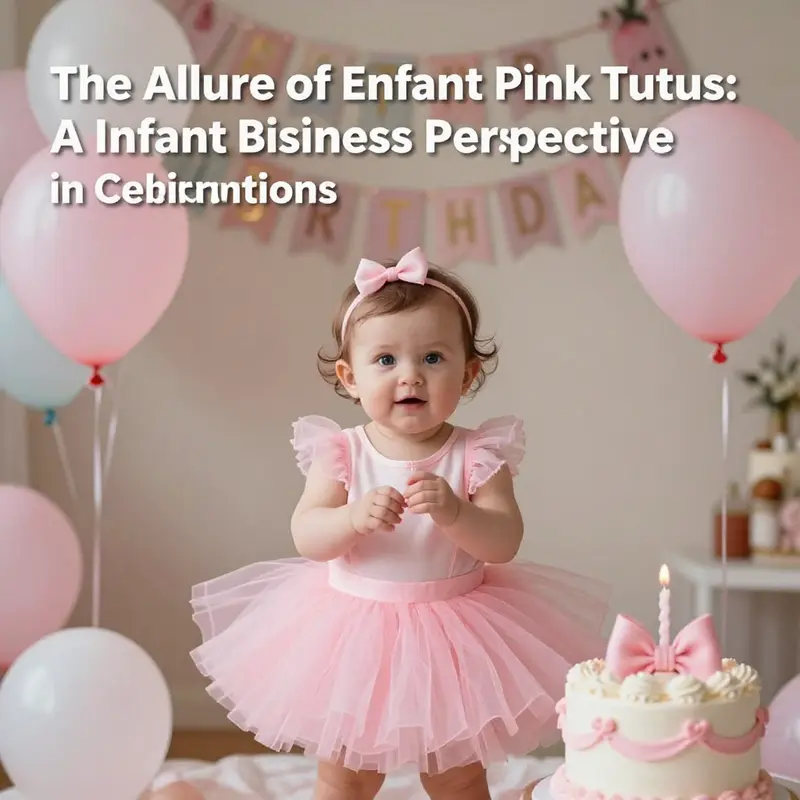
From the moment a family welcomes a new arrival into the world of gathering and gratitude, the infant pink tutu often arrives as a quiet proclamation of joy. It is not merely a garment; it is a small, portable stage on which a baby’s early milestones are staged for the camera and for memory. The tutu’s ancestry reaches back to the world of ballet, where the tutu announced a dancer’s line, her promise of performance, and the discipline that choreographers honor as much as the audience does. Yet when scaled down for infants, that same sense of possibility translates into something gentler, more personal. The pink shade—soft enough to feel like a whisper in a nursery, bright enough to read as a signal for celebration—becomes a cultural shorthand for femininity and childhood delight that many communities understand without a word being spoken.
In celebratory settings, the infant pink tutu often acts as a visual cue that a moment is special. At baby showers, christenings, and a family wedding where an infant might serve as a flower bearer, the tutu helps frame the event in a way that feels intentional and joyful. The garment is designed to capture light and movement, to catch a parent’s smile as the baby giggles or imagines a leap toward the next tiny milestone. The layers of soft tulle float with the baby’s movements, and the pink hue becomes a gentle form of expression, inviting a camera to slow down and a family to pause for a moment of shared delight. In this sense, the tutu is less about fashion as consumption and more about memory as a family ritual, a way to mark a day as worth remembering in the simplest possible terms.
Fashion cultures that borrow from Western imagery contribute to the tutu’s aura of playful elegance. The tutu’s voluminous silhouette, with its lightness and airiness, mirrors the tenderness that surrounds infancy. The garment signals care; the layers indicate the attention a parent or guardian gives to a celebration, to the arrangements that frame a child’s debut into a larger social space. Pink, too, carries a cultural resonance. It is a color many associate with sweetness and approachability, a soft counterpoint to the sometimes austere expectations that surround early milestones. When families choose pink for a first birthday photo shoot or a christening portrait, they are selecting a color that makes the moment feel both intimate and ceremonial, a blend of the everyday and the extraordinary.
Yet the pink tutu is not only about color and cut. It is also about the garment’s physics—the way light filters through fine fabric, how multiple layers move as a baby sways, how a gentle breeze can lift the skirt into a cloud of tiny petals in motion. Designers and seamstresses have long understood that a tutu’s power lies not merely in its silhouette, but in how it behaves in a living space—the floor of a nursery, the edges of a kitchen where a family gathers, or the soft parlor of a photographer’s studio. For many parents, choosing a tutu involves balancing comfort with aesthetics: the fabric must be soft enough for delicate skin, the waist secure enough to stay in place, and the overall weight light enough that a baby can wear it without discomfort. This careful balancing act is part of the cultural ritual around dressing a child for an occasion; the outfit becomes a shared project that binds family members in the process of preparation.
Images captured in the glow of a birthday candle or the soft backdrop of a church hall often freeze the tutu in a moment of grace. The pink layers blur into a halo as a baby sways to a tune only she can hear, and in those stills, a social narrative takes shape: childhood is precious, fleeting, and worth commemorating with beauty. The tutu thus functions as a visual memory aid; it helps a family frame time as something special rather than ordinary. In the digital age, where baby portraits circulate on social platforms and fashion blogs, the infant pink tutu becomes part of a shared visual language. It signals participation in a broader cultural set that celebrates early life and the idea that growth, though rapid, can be documented through lace, ruffles, and the soft shimmer of pink fabric.
On the market side, the tutu’s charm translates into a robust, multichannel economy. Consumers looking for that perfect first outfit can choose from online shops and local boutiques offering a spectrum of styles, from single-layer basics to elaborate multi-layer creations. Price points vary, reflecting materials, craftsmanship, and the intended use—whether a one-time photo session or a more frequent dress-up routine. The demand is shaped not only by celebrations, but also by social media trends, bridal-related features in magazines, and the way new parents seek to memorialize a baby’s early life with the same seriousness they bring to other life events. The cultural narrative surrounding the tutu thus reinforces its marketability: it is a symbol of care, custom, and affection that holds appeal across generations, even as tastes shift from season to season.
Within this ecosystem, there is also a nuanced conversation about how childhood fashion travels across cultures. While the tutu’s core identity rests on Western-inspired performance aesthetics, its adoption in celebrations across diverse communities reflects a broader trend in contemporary dress: garments become portable scripts for the family’s story. The pink tutu helps narrate a particular script—one where a baby stands at the threshold between private life and shared ritual. It is not a sacred object with ancient rites; rather, it is a modern token of celebration, a concrete way to express joy, pride, and hope for the child’s future. In that sense, the infant pink tutu is less a cultural artifact rooted in tradition and more a dynamic artifact of everyday life—a symbol created anew in each home that chooses it.
People who curate outfits for infants at ceremonies also explore a broader wardrobe that interacts with the tutu. Some parents pair the tutu with soft bodices or simple cardigans, choosing fabrics that breathe, for comfort, and textures that photograph well. The idea of pairing a tutu with a gentle cardigan emphasizes how fashion for babies often operates at the intersection of practicality and whimsy. The choice to include or exclude headpieces, socks, or tiny shoes is part of a larger family ritual: the care gone into the event becomes visible, sometimes even more important than the event itself. In this context, the tutu serves as a visual anchor for memory; it helps ensure that the day is remembered not only for what happened, but for how it looked when it happened.
Within the broader story of infant fashion, the pink tutu’s cultural significance also intersects with the way communities frame the responsibility of child-rearing as a joyous, social enterprise. The act of dressing a baby for a special day becomes a communal task—family members share opinions on fit, fabric, and movement; friends offer tips on posing for pictures; photographers guide the baby’s posture in a way that preserves the sense of spontaneity while still achieving a flattering composition. In this sense, the tutu is a shared artifact, carrying meaning that extends beyond the infant wearing it. The choice to lean into pink for celebrations is rarely about gendered expectations alone; it often reflects a broader preference for warmth, softness, and approachable charm that makes the moment feel welcoming to onlookers and participants alike.
Beyond the immediate circle of family and friends, the infant pink tutu appears in bridal feature narratives and wedding blog roundups as an emblem of gentleness and family continuity. While it may not command rites or religious symbolism, it embodies the modern idea that life’s milestones are opportunities to gather, celebrate, and document a child’s arrival into a larger social world. The tutu’s presence at these events signals a culture that values photos, keepsakes, and the stories that accompany them. It is a reminder that even the most ordinary-seeming day can be transformed into a memory worth treasuring when dressed in fabric that feels like a whisper and a wish projected into the frame of a camera lens.
Within the craft community, there is also an ongoing conversation about how to balance aesthetic aspirations with a child’s comfort. Makers and buyers alike recognize the importance of soft, breathable fabrics, gentle elastic, and secure fastenings that do not irritate delicate skin. The pink tutu, with its multiple layers and light touch, offers a tactile sense of care and attention—a microcosm of the way families approach other facets of infant care. The garment thus functions as a positive symbol, a kind of portable family heirloom even when it is used only for a few fleeting moments. This perspective helps explain why the tutu remains popular in modern celebrations: it makes a child’s presence feel intentional, cherished, and memorable, a small but bright note in the composition of a family’s special day.
Looking forward, one can imagine how such garments will continue to evolve as culture, fashion, and technology intersect with parenting rituals. The infant pink tutu may adapt to new forms of expression—perhaps lighter fabrics, smarter construction for easier dressing, or design elements that echo evolving family narratives. Yet the core essence is unlikely to change: a pink ballroom of softness that invites smiles, laughter, and a sense of wonder in the moment when a child steps into the light of a celebration. In this way, the tutu remains a flexible script for joy, easily adapted to different settings while preserving the heartbeat of childhood: the capacity for light, innocent delight to become a story shared with others. Fairy Doll costume category offers a related aesthetic that aligns with the tutu’s whimsy and charm, should readers want to explore similar expressive options.
For those seeking broader context on how garments like tutus travel through celebrations and fashion, the lineage of the tutu can be traced back to ballet origins that shaped its silhouette and cultural resonance. This lineage helps explain why the infant pink tutu feels both timeless and timely, a garment that invites families to participate in a tradition of beauty and care without the weight of ritual or heritage overwhelming the moment. In ballet, the tutu marks a performer’s journey toward grace; in a nursery or a photo studio, it marks a family’s intention to honor a child’s first chapters with warmth and wonder. External sources on ballet history illuminate this connection and reinforce the tutu’s status as a cross-cultural symbol of celebration and childhood: https://www.britannica.com/art/ballet
null
null
Final thoughts
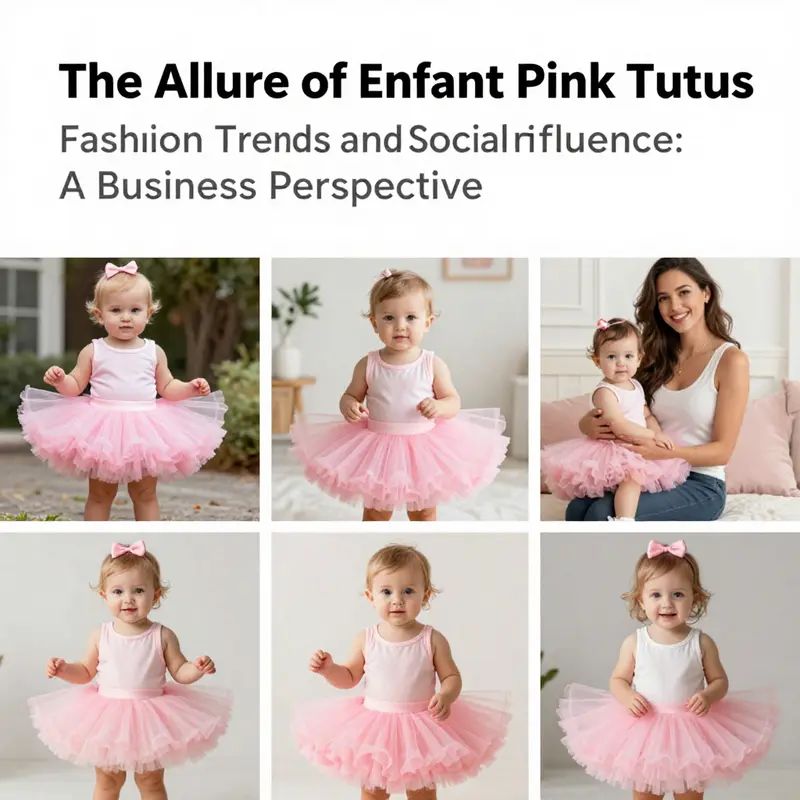
The journey through the world of infant pink tutus reveals their multifaceted nature as a garment. From the intricate designs and fabrics that define these pieces to their significant economic impact and cultural relevance in various celebrations, the tutu stands as a compelling product in the baby apparel market. Moreover, the ongoing trends modeled and shared across social media platforms underscore the importance of digital marketing in this sector. As business owners, embracing the charm and function of pink tutus can lead to fruitful opportunities in a competitive landscape.