
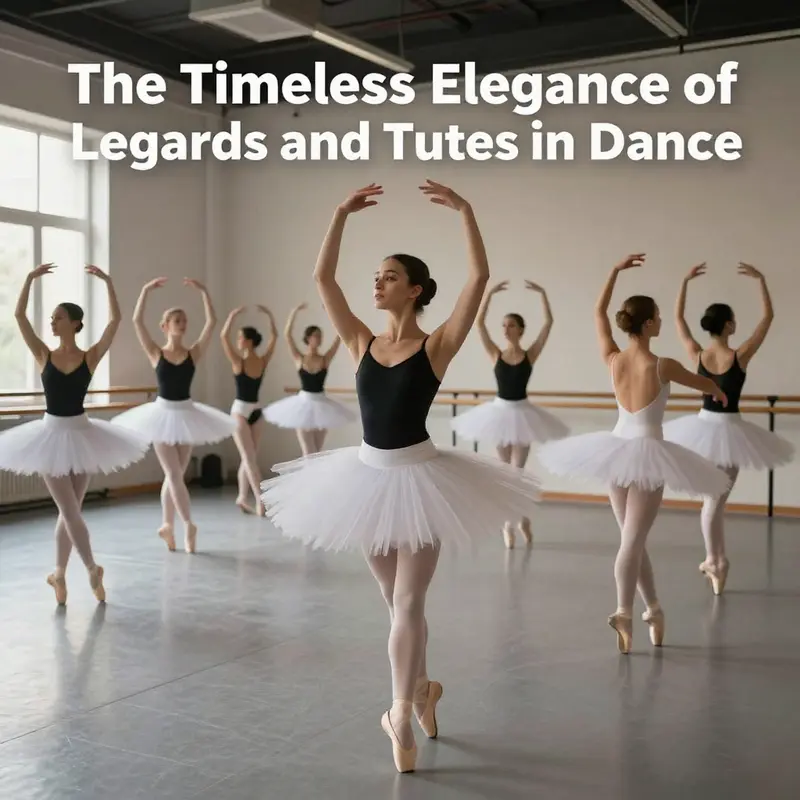
Leotards and tutus have long been fundamental components of the performance realm, particularly in dance. Their design not only serves a functional purpose but also contributes to the overall aesthetic and emotional impact of performances. This article will delve into the unique attributes of leotards and tutus, examining their functionality, historical significance, cultural relevance, material considerations, and the evolution of their styles over time. Each chapter will uncover how these garments contribute to the world of dance and performance, making them indispensable for dancers and performers alike.
Stitching Movement: The Integrated Design of Leotards and Tutus in Dance and Sport
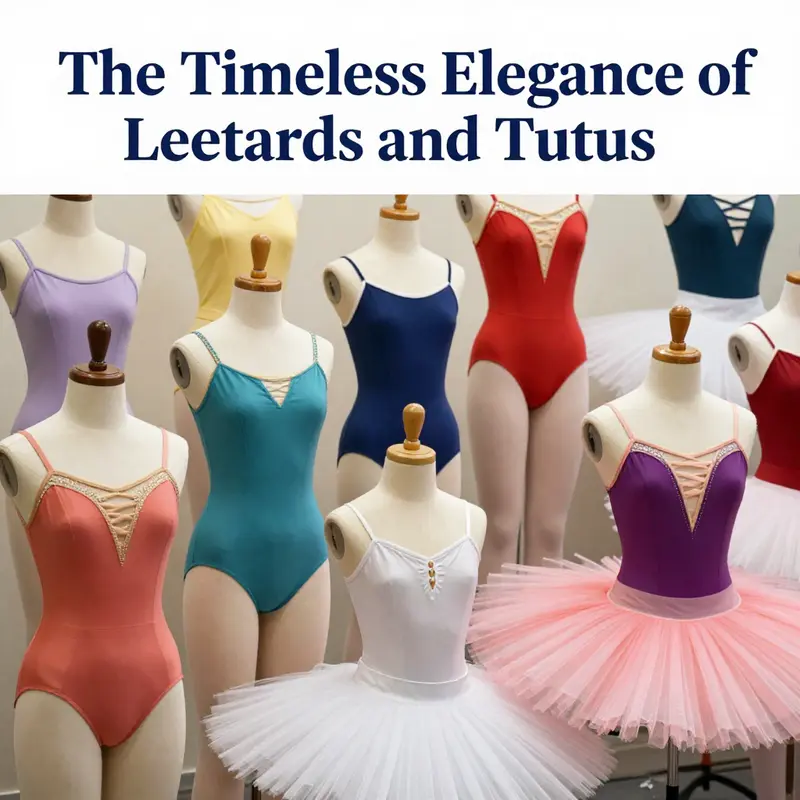
The studio and the stage share a common vocabulary of line, control, and light, spoken through fabric. A leotard and a tutu are more than garments; they are instruments that translate a dancer’s body into a living sculpture. Worn together, they create a continuous arc of motion from core to limb, where the base layer and the outer silhouette synchronize to serve not only appearance but performance. When a dancer steps into a studio or takes the stage, the leotard becomes the body’s second skin, a close-fitting canvas that reveals lines, supports alignment, and withstands the demands of rapid, multidirectional movement. Its design aims for seamless contact with the skin, a fit that reduces friction and distraction while permitting every micro-adjustment of a shoulder, hip, or ankle. Fabric choices—spandex, Lycra, and nylon blends—are not arbitrary. They are chosen for stretchability, breathability, and durability, qualities essential to routines that demand both precision and endurance. A well-made leotard minimizes wave and snag as limbs slice through the air, ensuring that a straight leg in attitude or a pirouette on the floor remains image-perfect rather than momentarily compromised by fabric tension. The cut—whether sleeveless, short-sleeve, or long-sleeve—reflects the environment of the sport: a warm gym during a long rehearsal or a cool, well-lit stage under glimmering lights. The design is a study in restraint and release, where less resistance means more freedom to find and hold a perfect position, and yet the garment must be sturdy enough to endure countless throws into back extension, kicks across the floor, or the broadcast glare of televised competitions. In gymnastics, the leotard becomes the frame that holds meaning in every gesture—an overture to grace even as athletes execute power. The fabric selection supports a balance between compression and flexibility, allowing muscles to fire efficiently while skin remains cushioned against minor abrasions. The seams are engineered to glide past every seam line of the body, with ergonomic paneling that directs movement rather than interrupts it. This is not mere decoration; it is a performance system woven into fabric and thread. When embellished with rhinestones or shimmering patterns, the leotard’s surface becomes a canvas that catches and refracts light in midair, enhancing the perception of speed and strength. Yet safety threads through every design choice. Embellishments must be secured in a way that they do not become hazards during tumbling, swinging on bars, or explosive leaps. The materials themselves resist sweat and heat without losing shape, ensuring that the garment remains faithful to the dancer’s line across a long routine. In parallel, the tutu carves its own distinct signature into the dancer’s silhouette. It is a short, stiff skirt whose structure has always spoken of performance as much as fashion. In classical ballet, the tutu’s layers of tulle create a buoyant volume that frames the dancer’s legs, exaggerating the lines created by pointe work and leg extensions. Yet the tutu is not merely decorative fabric flung into the air for drama. Modern variations reimagine the silhouette with reinforced seams and lighter linings, so the skirt holds its form while allowing the legs to move with freedom. The stiffness of the tutu, the sudden suspension of the fabric away from the hips, creates a visual accent in every port de bras and every battement. It acts like a frame for the dancer’s lines, turning a simple arabesque into a study in balance and intention. The tutu’s material science intersects with stagecraft: just enough weight to maintain shape, just enough translucence to illuminate the legs in bright lighting, and just enough structure to sustain dramatic spins without clinging to the body or snagging on hardware. The layered tulle offers volume without bulk, a paradox of air that nevertheless carries the motion with controlled gravity. A well-constructed tutu helps the eye follow the leg through a sequence of turns, leaps, and arabesques, guiding attention along the lines the choreographer seeks to emphasize. The color, texture, and subtle ornamentation of the tutu harmonize with the leotard to form a coherent narrative on stage. In a broader sense, the interplay between leotard and tutu embodies how dance costumes translate technique into storytelling. The fabric’s performance properties—stretch, breathability, light reflection, and weight distribution—work in concert with the dancer’s body to reveal intention and artistry. The leotard’s close fit ensures the audience reads the shape of the torso and pelvis clearly, supporting the alignment that underpins technique. The tutu, in turn, amplifies the dancer’s presence, offering a silhouette that communicates not just posture but character and mood through the cadence of movement. The design ethos behind both garments is deeply practical yet aesthetically deliberate. The materials are chosen not only for comfort and longevity but for how they respond to lighting and stage dimensions. Reflective elements within certain leotards catch the glow of spotlights, while the sparkle of a few rhinestones on a bodice can translate into a moment of cinematic shimmer during a grand jeté or an elegant penché. At the same time, care considerations remind performers and teachers that durability is earned, not assumed. Repeated use can gradually degrade elasticity, particularly on high-stress seams or areas of frequent stretch. Thus, premium leotards and tutus tend to combine resilient fabrics with thoughtful construction: reinforced seams that resist tearing, breathable linings that wick moisture, and finishes that resist pilling while preserving color intensity. The maintenance of these garments, though often understated, ties directly to performance reliability. The dancer’s training is as much about costume care as it is about technique; routines are rehearsed to minimize last-minute wardrobe concerns, from the way the leotard sits at the torso to how the tutu moves with each bend and leap. In this light, the base garment becomes a trusted partner in performance rather than a mere outfit. It allows the dancer to focus on the artistry—the breath, the timing, the musicality—while the outer silhouette offers the visual punctuation that choreographers choreograph into the audience’s perception. The historical lineage of the tutu—its association with classical repertoire and its role in visual storytelling—meets the more modern, sport-oriented lineage of the leotard, which has expanded beyond gym floors into a wide spectrum of contemporary dance and athletic disciplines. This convergence is not accidental. It mirrors a larger truth about motion and form: the human body, when clothed in the right fabric, is capable of more refined expression. The design of leotards and tutus, from the careful choice of cut to the precise arrangement of layers and embellishments, is a negotiation between freedom and form, speed and silhouette, protection and expression. For readers curious about the diversity within tutus, consider exploring variations in length, stiffness, and silhouette to see how they influence movement and stage presence. The fusion of leotard and tutu thus becomes a microcosm of how performance wear evolves: informed by biomechanics, guided by aesthetics, and validated by repeated practice under pressure. In the end, the garments do not merely cover skin or decorate the stage. They enable intention to travel from brain to bone, from muscle memory to a shining moment in which a dancer’s body becomes a language of light and gravity. When designers and dancers collaborate, every seam, every hem, and every layer of tulle is a syllable in a sentence about movement—clear, precise, and bound to the music and to the story being told. This exploration offers a reminder that performance wear is not a backdrop but a partner in motion.
Threads of Movement: The Historical Voice of Leotards and Tutus in Ballet and Performance
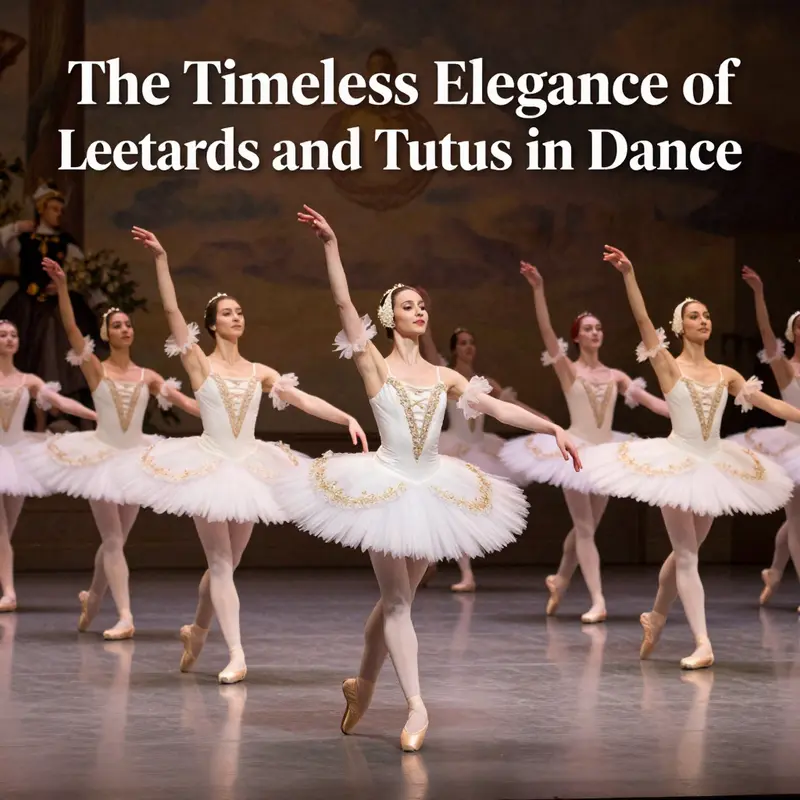
Clothing in dance is less about concealment than it is about amplification. The leotard and tutu, when viewed together, form a duet of function and symbolism. They are not simply garments; they are instruments that shape how movement is perceived, how a dancer reads space, and how an audience reads the body in motion. To understand their historical significance is to trace a line from technical necessity to theatrical poetry, from the gymnasium to the grand stage, where the body becomes a drawing in air. In this sense, the leotard and tutu are milestones in the visual language of performance, markers of a discipline that continuously redefines what the human body can reveal when placed under lights and in rhythm with music. The story begins with the leotard’s practical birth in the nineteenth century and unfolds through the tutu’s Romantic, then classical, transformations, culminating in a costume logic that remains deeply relevant to both training and performance today. The result is a lineage that makes the simple act of dressing into a decisive choice about movement, visibility, and intent.
The leotard’s origin lies in practicality. It emerged in the nineteenth century as a form-fitting one-piece garment intended for gymnasts and acrobats. Its design prioritized freedom of movement and the unfettered display of technique. A dancer who wears a leotard can execute high extensions, precise turns, and quick changes of direction with a minimum of fabric catching or tugging. This is not mere comfort; it is a strategic decision about how the body is read by the eye. The slim silhouette mirrors the line of the spine, the arc of an arm, the tension in a leg, allowing instructors and audiences to observe alignment, musculature, and control without distraction. Over time, as ballet and contemporary dance absorbed the utility of the leotard, this garment shifted from being a specialized training aid to a standard element of performance attire. Its adoption signified a culture that valued precision, discipline, and the professionalization of training. To witness a dancer in a well-cut leotard is to glimpse the moment when technique becomes legible—where the audience can tracking a port de bras, a developpe, or a grand jet with clarity and confidence.
If the leotard is the base layer of movement, the tutu acts as its counterpart in visual storytelling. The tutu’s ancestry is steeped in the Romantic era’s fascination with ethereal lightness and theatrical transformation. Emerging as a shorter, stiffer skirt, the tutu was designed to lift and reveal, to extend the line of the legs and to create a buoyant silhouette that seemed almost to defy gravity. This was not a mere fashion choice but a choreography of fabric and air: the stiff plane of tulle held its own against the dancer’s rotation and leaps, refracting light to accentuate the flutter of a leap or the precise articulation of a foot. In productions like Giselle and Swan Lake, the tutu became a conscious symbol of grace, fragility, and immense strength. It framed the dancer’s legs, turning each movement into a sculptural sequence that the audience could read in real time. The tutu’s early prestige lay in its capacity to transform movement into a visible artistry; it was a language of momentum and stillness, of pause and release, all expressed through the way fabric conspired with bone, muscle, and breath. The tutu’s evolution—from a heavier, more ornate garment to the iconic, sculptural silhouette of the classical tutu—paralleled a shift in ballet’s aesthetic: a move toward a streamlined, movement-focused cadence that allowed both choreographers and audiences to celebrate line, technique, and timing with greater immediacy.
This evolution did not occur in a vacuum. It responded to broader cultural shifts that redefined what performance could look like on stage. The mid-nineteenth century, when the tutu gained its characteristic stiffness and shortened length, also marked a period when ballet began to articulate its own distinct language separate from opera and theatre costuming. The simplification of silhouette—while maintaining a sense of ceremonial beauty—reflected a larger appetite for purity of line. It allowed dancers’ bodies to become the central instrument, rather than a chorus of elaborate textiles competing for attention. As a result, the leotard-tutu pairing emerged as a practical yet profoundly symbolic standard. The leotard provided the flexibility and skin-revealing clarity training demands, while the tutu offered a visual amplifier, a stage-ready frame that could carry the dancer’s lines across the proscenium with elegance and precision. In short, the attire helped choreographers choreograph perception itself—what the audience sees, what the eye follows, and what the body communicates through posture, momentum, and speed.
Culturally, the combined effect of leotards and tutus extends beyond technique and spectacle. They signal a shift in costume design away from ornate, narrative-driven outfits toward a more minimalist yet highly expressive approach. This shift does not erase memory or history; rather, it reanchors them in a way that foregrounds the dancer’s body as the primary vehicle of storytelling. The tutu, with its historical associations to mythic heroines and ethereal tableaux, retains its symbolic weight. It remains a reminder of ballet’s Romantic dream of otherworldliness and fate. Meanwhile, the leotard’s practical presence anchors the craft in current training realities—high-speed turns, multiple pirouettes, and the modern dancer’s demand for range of motion. Together, they encapsulate a dual commitment: to preserve the art’s romance and to ensure it remains accessible to the evolving physics of movement.
This pairing is also deeply generational. In today’s schools and studios, young dancers learn to savor the balance between control and expressivity. The leotard acts as a coach’s close ally, guiding alignment and technique without constriction. The tutu, variegated in length and stiffness across classical and contemporary repertoires, introduces a sculptural discipline that can heighten spatial awareness and line. The result is a pedagogy that honors tradition while inviting experimentation. A dancer may perform in a traditional classical tutu for a role in a canonical work, then switch to a simpler, less restrictive leotard for a contemporary study that interrogates movement boundaries. Even as fashions shift and performance contexts broaden—from intimate recital spaces to large opera houses—the essential relationship between the base layer and the visual frame remains recognizable. It is not nostalgia that sustains this blend; it is the understanding that the body’s movements, when framed by these garments, can speak with both clarity and nuance.
The historical significance of leotards and tutus also lives in their resilience across venues and audiences. They appear in grand productions and in children’s classes alike, underscoring the idea that technique and storytelling begin at the studio mirror and extend to the proscenium. This resilience speaks to the broader purpose of dance attire: to support artistry by respecting the integrity of movement, to honor history without becoming its hostage, and to invite new generations to see ballet not as museum piece but as a living, evolving practice. In this sense, the leotard and tutu are not relics but active agents in the ongoing dialogue between training discipline and performance spectacle. They remind us that the way dancers dress can influence the way they think, move, and communicate with an audience. The aesthetic of simplicity paired with structural integrity remains a powerful reminder of why ballet’s visual language endures and why this particular wardrobe pair continues to anchor the art form across eras.
For readers who want a tangible sense of how historical aesthetics translate into contemporary design, a study of specific repertory can be illuminating. In the realm of performance, the tutu is often used to signal classical lineage and timing, while the leotard ensures comfort and precise articulation in every rehearsal and performance. In staged productions and class settings alike, this combination provides a reliable framework that supports both the body and the storytelling. It is a quiet partnership, one that has shaped dancers’ bodies and choreographers’ visions for generations. As audiences, we may not consciously parse the fabric’s texture or the silhouette’s exact cut, but we respond to the effect—the clarity of movement, the line of the dancer’s back, the way light plays along a leg in motion. That is the historical significance, a reminder that clothing in dance has always carried an ethical claim: to respect the organism at the center of performance while enabling the illusion of magic that makes ballet’s stories endure.
External resource for further reading: https://www.britannica.com/art/ballet-costume. For related imagery and examples of how a classical tutu frames movement, explore the Swan Lake theme in the catalog of related productions and costumes. You can also browse a curated collection that emphasizes the Swan Lake tutu and its place within the broader history of ballet costume. To see how this lineage translates into current design, consider the Swan Lake tutu collection as a reference point for how tradition meets modern stagecraft.
Stitching Identity on Stage: The Cultural Currents of Leotards and Tutus in Dance Communities
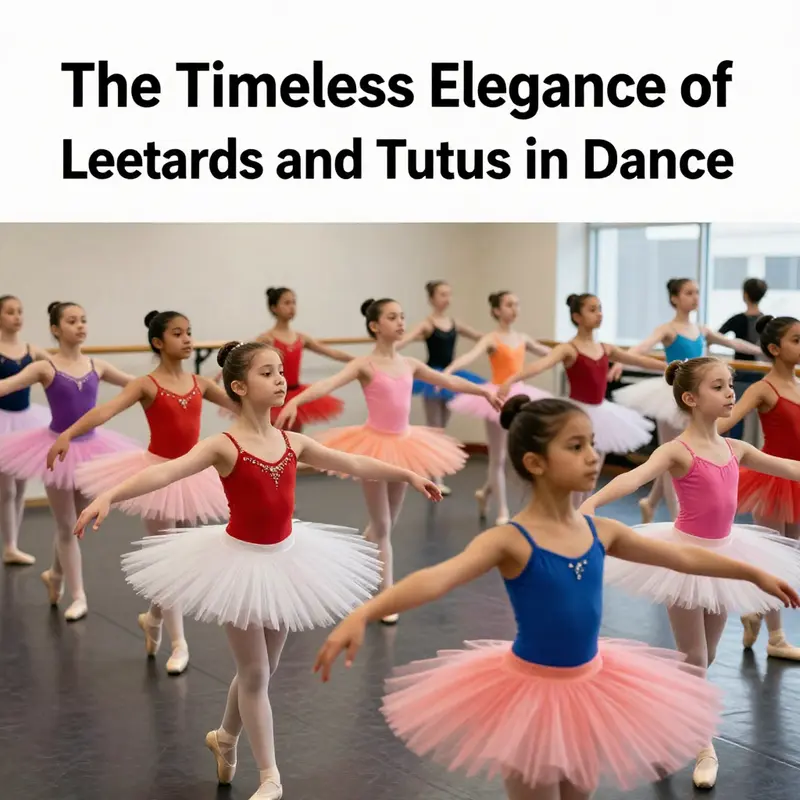
A leotard and a tutu are more than garments lifted by dancers at the edge of a rehearsal studio or the lip of a proscenium stage. They are quiet custodians of tradition and agents of change, shaping how bodies move, how performances read, and how communities imagine themselves within the art form. The leotard, sleek and snug, anchors the dancer’s sense of possibility. Its design—minimal seams, a close fit, and a careful balance between coverage and reveal—invites the eye to follow line and access. It is a tool for the body, a measure of control and precision, and, in many studios, a baseline for discipline. The tutu, by contrast, raises the curtain on narrative and aspiration. Its bell-shaped layers of stiffened fabric catch light and air, turning movement into a visual poem. Together, the leotard and tutu create a uniform of shared purpose that travels beyond the studio: a language that communicates dedication, lineage, and ambition across generations of dancers.
The leotard’s formal practicality has become a cultural symbol, a universal shorthand for movement. Its body-conscious silhouette emphasizes alignment, turnout, and core strength, which in turn reinforces certain ideals about technique. In many training spaces, students are taught to read a body’s lines through the garment’s contours. This intimate intimacy—where fabric traces the curves and angles of a dancer—can sharpen a sense of mastery but can also sharpen self-scrutiny. Studies and anecdotal reports from dancers suggest a complex relationship between costume and self-perception. Wearing tight-fitting attire can intensify focus on physical form, sometimes correlating with lower body satisfaction or heightened social anxiety in certain contexts. The phenomenon is not simply about vanity; it is about visibility. How the body is seen, parsed, and interpreted within the performance economy matters as much as how it moves. The leotard, then, becomes a mirror and a measuring stick, reflecting technique back to the dancer while also echoing the judgments of peers, teachers, and audiences.
The tutu carries a different but equally potent charge. Its silhouette—short, stiff, and layered with tulle—invokes a romance that has long defined ballet’s public face. The tutu is more than a costume; it is a vessel for storytelling and mythmaking. It signals grace, refinement, and the ethereal potential of the dancer to inhabit a moment suspended between dream and reality. Yet the tutu’s visual language sits at a crossroads with a broader cultural current that treats ballet as a form of fantasy consumption as much as a serious performing art. In many consumer and media ecosystems, tutus are imagined as fairy-tale wardrobes, a facet of “princess culture” that translates the studio’s demanding craft into fashion and play for younger audiences. This commodification can obscure ballet’s rigorous technique and historical depth, reducing a once-spartan discipline to a fashion moment. Still, the tutu’s power endures in professional settings and competitions, where its history and aesthetics underscore achievements and signal a dancer’s place within a lineage. The layers of tulle, the crisp stiffness, and the silhouette’s buoyant lift all work together to exaggerate movement, to catch the eye at crucial moments, and to remind audiences that ballet is both sport and poetry.
Together, leotards and tutus function as both unifiers and sites of tension within dance communities. They knit a sense of belonging by offering a shared visual language that dancers, teachers, and audiences recognize across studios and stages. They also reflect and reproduce broader social pressures around body image, gender norms, and class signals. The leotard’s emphasis on form can intensify scrutiny of the body’s shape and size, which in turn intersects with conversations about inclusion, diversity, and wellness in training environments. The tutu’s association with classical form can relegate certain bodies, aesthetics, and styles to the margins, while simultaneously elevating others through tradition, technique, and repertoire. In this way, costumes become a stage for negotiation—between modern sensibilities and historical ideals, between individual expression and collective expectation. The result is a dance ecology in which costume design, pedagogy, and performance choices are not merely about looking right; they are about belonging, authority, and possibility.
Within this ecology, young dancers often experience a formative convergence of identity and craft. The leotard is their first instrument of self-presentation in a rigorous environment; the tutu becomes a symbol of progression toward a coveted repertoire and a professional future. Students learn to parse feedback and confidence through the lens of what they wear: a seam at the shoulder, a line along the torso, the way a tutu holds its own structure while moving with the body. In many studios, costumes are part of the shared ritual that marks growth—from basic classwear to recital attire, from rehearsal scrimmages to performance nights. The change in wardrobe mirrors a change in self-perception, as dancers move from novices who learn to move to artists who perform meaningfully for an audience. In these moments, a dancer’s relationship to costume dovetails with a evolving sense of responsibility—to craft, to audience, and to peers who share the same studio lights.
Yet this process is not purely celebratory. The costumes’ iconic status can magnify the culture of scrutiny that already permeates performance spaces. The leotard’s reveal, for some, becomes a critique of the body’s fitness or shape rather than a celebration of technique. The tutu’s fairy-tale allure can amplify pressure to conform to a traditional image of the dancer as delicate, slender, and almost otherworldly. In response, studios and artists are increasingly attentive to how costumes can be redesigned or reinterpreted to honor technical rigor while supporting broader inclusivity. There is growing interest in varied fabrications, adjustments for comfort, and alternatives that preserve the silhouette’s expressive power without enforcing a single body ideal. This evolution is not a rejection of tradition but a reimagining of its language to welcome dancers of diverse shapes, backgrounds, and identities.
In practice, the relationship between costume and community is also shaped by access and culture. The luxury of a pristine leotard and a pristine tutu is often tied to an institution’s resources, class dynamics, and the surrounding market for dance apparel. A studio with generous equipment and costume budgets can sustain a broader repertoire and a wider range of demonstrations, from classical to contemporary. Conversely, in resource-constrained spaces, the same costume can become a point of emphasis around resilience and technique, highlighting how craft and performance can thrive even when materials are limited. The social meaning of a leotard and tutu, then, emerges not only from how they look on a dancer but from who has the power to wear them, how they are funded, and which stories are told through their use. Within this framework, communities build rituals that celebrate achievement, while also inviting critical reflection on representation, practice, and pedagogy.
For readers drawn into the world beyond the studio, the costumes’ cultural significance travels through exhibitions, photographs, and performances that frame ballet as both heritage and living practice. In these spaces, the leotard and tutu carry a vocabulary of memory and aspiration. They evoke the lineage of choreographers, the intensity of rehearsals, and the countless hours spent shaping posture, breath, and balance. They also serve as touchpoints for discussions about gender norms and the expectations tied to performance beauty, particularly when audiences encounter the delicate balance between athletic endurance and lyrical grace. The conversation around costumes extends into how productions select and present their signature looks, how schools curate their curricula, and how families navigate the emotional economy of training, competition, and achievement. In short, leotards and tutus are not mere fabrics on a body; they are cultural artifacts that encode and transmit values, rituals, and aspirations across generations of dancers.
In the midst of this dynamic, one can still sense a thread of continuity that keeps the art form tethered to its roots while inviting ongoing reimagination. Within rehearsal rooms and on stages, the interior life of a dancer—effort, focus, and resilience—meets the exterior language of costume to shape an experience that is felt as much as seen. The interplay between the leotard’s pared-down practicality and the tutu’s ceremonial flourish creates a dual aesthetic: precision and poetry, discipline and dream. It is this balance that communities continue to negotiate as they welcome new dancers, new styles, and new narratives that expand what ballet can be while honoring what it has already become. The enduring pull of these garments lies in their capacity to unify technique with storytelling, body with image, and tradition with transformation.
In the studio and on the stage, the romance and rigor of leotards and tutus offer a lens into how dance communities construct meaning. They reveal how dress can be a social technology—shaping how dancers learn, how audiences perceive, and how the art form evolves. For those who study or stroll through the spaces where dancers train, these costumes illuminate the shared language by which bodies become performers and performers become bearers of culture. The conversation is not finished; it is continually rewritten as studios innovate, as choreographers remix, and as audiences engage with a living ballet that remains anchored in history even as it moves toward the future. Within this ongoing dialogue, the leotard and tutu persist as powerful emblems of both individual effort and collective memory, reminding us that the suit a dancer wears can be as meaningful as the steps they execute. For those curious to explore a specific strand of this conversation, the romantic tutu collection offers a contemporary example of how tradition and taste intersect in today’s dance world, inviting reflection on what it means to perform with beauty, precision, and purpose in equal measure.
External resource for further reading: Cultural Impact of Ballet Costumes in Dance Communities.
Internal note: for a deeper look at a related design lineage, explore the romantic tutu collection.
Fabric in Focus: How Material Choices Shape Leotards and Tutus on Stage
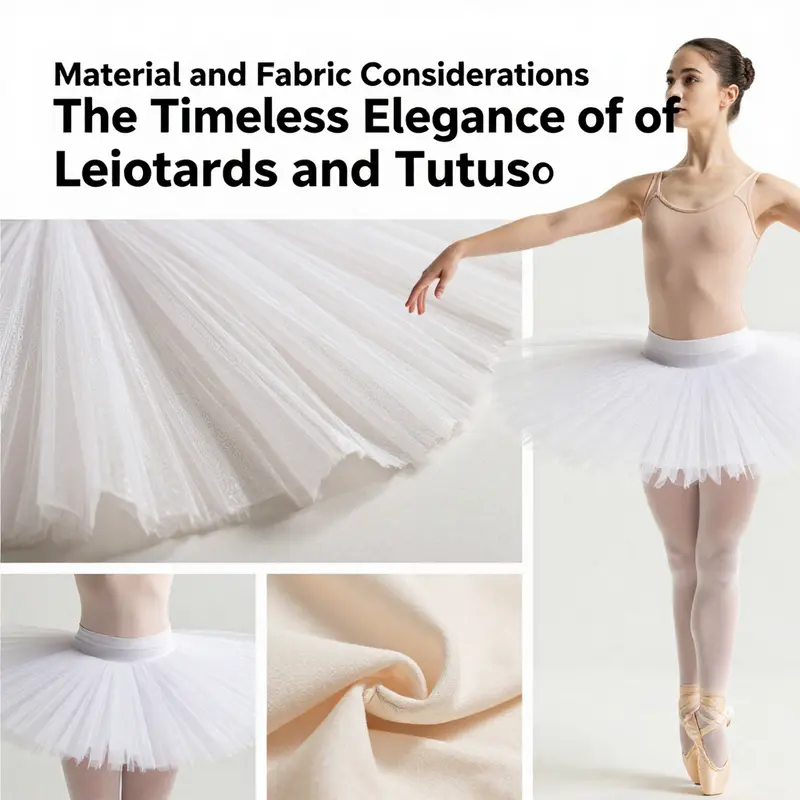
Fabric is more than a backdrop for movement in the world of dance; it is an active partner. The body’s energy, the light on stage, and the dancer’s breath all weave together with the fabric to create form, line, and illusion. In the classic pairing of a leotard and a tutu, the choice of materials can elevate a routine from mere technique to expressive storytelling. When designers and makers select fabrics with care, they are not only shaping comfort and durability; they are shaping potential—the range of motion a dancer can claim, the way lines read to an audience, and the sparkle or hush that accompanies every subtle turn of the wrist or a grand port de bras. The choreography may demand high mobility and resilience, yet it also calls for a surface that catches light in a way that flatters the lines of the body. In this balance of function and artistry, material science and craft come to life on stage.
For tutus, the heartbeat is structure. The tutu has long been a symbol of classical ballet, its silhouette a study in shape and era. The most effective tutus for modern performance rely on a balance of stiffness and flexibility, ensuring the famous bell or disc shape holds its form through turns, leaps, and quick changes in direction. Textured flocked mesh tulle has emerged as a preferred choice for many ensembles because it provides the necessary rigidity to maintain volume while remaining light enough to flutter with motion. The texture of flocked mesh—often with a dotted surface—interacts with stage lighting to create a dynamic shimmer as the dancer moves. This texture helps reflections dance across the fabric, enhancing the perception of depth and movement as the dancer spins or travels across the stage. The result is a tutu that reads clearly from audience seats far away and still feels comfortable and responsive to a performer at close range.
The tutu’s role is as much about geometry as about fabric. The tiered layers must hold their shape without looking stiff or artificial as the dancer shifts weight, raises a leg, or lands from a jump. The stiffness is carefully engineered into the fabric rather than achieved by rigid petticoats or heavy linings alone. A good flocked mesh tutu maintains its silhouette under lighting and perspiration, yet remains soft enough to avoid abrupt edges that could snag or restrict movement. It is a careful orchestration: the fabric provides structural backbone while the dancer’s technique supplies the artistry. Dancers who rehearse with this kind of material often speak of a sense of confidence, a knowing that the costume will respond in kind to their choices on stage rather than fight them.
Leotards, by contrast, demand a very different conversation between fabric and form. The base fabric must stretch with the body, recover after each turnout and stretch, and endure the friction of repeated flexion, extension, and floor work. Polyester blends have become a standard for high-performance leotards because of their durability, color fastness, and moisture management. In intense training or competition settings, a polyester base can resist wear and tear, even with frequent laundering and long practice hours. The moisture-wicking properties of these fabrics help keep skin dry, reducing irritation during extended exertions and hot studio sessions. This is not merely about staying comfortable; it affects how a dancer can maintain focus and line throughout a routine. When a fabric handles sweat efficiently, the dancer can sustain powerful extensions without the distraction of discomfort or damp cling.
Where durability is valued, flexibility and feel are not sacrificed. Cotton blends offer a softer touch and enhanced breathability, which some dancers prefer for longer performances or for those who seek a more natural feel against the skin. They may, however, yield slightly less abrasion resistance than pure polyester blends. The key is to match the fabric’s properties to the intended use. In aerobic pieces or long sequences where heat and humidity build, a slightly more breathable blend can be a lifeline for stamina and comfort, even if it means a trade-off in edge-of-movement durability. This is a reminder that fabric choice is rarely a single answer; it is a spectrum of compromises aligned with the dancer’s discipline, the piece’s demands, and the expected lighting and venue conditions.
A central thread that runs through leotard construction is the role of stretch fibers, those small yet powerful constituents that grant the body freedom without loss of support. Spandex, or other similar elastic fibers, is a common component in modern leotards because of its exceptional stretch and recovery. When blended with polyester, spandex helps the garment cling to the body for a smooth silhouette while allowing full range of motion. The right ratio prevents sagging under repeated movements and keeps the neckline and armholes clean and precise. Modern design also includes options with varied sleeve lengths—from cap sleeves that preserve warmth and coverage to long sleeves that welcome a sculpted line and added modesty for certain performances. These configurations are not merely aesthetic; they influence warmth, friction, and the dancer’s comfort as they pivot, twist, and leap.
Along with stretch and durability, designers consider the way fabric interacts with light and texture. In elite competition or on stages where lighting changes rapidly, the fabric’s surface treatment matters. Some leotards employ metallic or reflective accents integrated into the fabric in a way that preserves elasticity and washability, while rhinestone applications are added with care to maintain both sparkle and performance. The challenge is to anchor embellishments so they stay secure through a dozen or more wash cycles and countless spins without sacrificing the garment’s flexibility, shape, or breathability. The best pieces balance embellishment with the fabric’s own ability to move. In effect, the garment becomes a partner in choreography rather than a static layer that merely sits on the body.
For those new to the world of tutus and leotards, a practical note about selection and care helps preserve the fabric’s performance. Tutus require careful handling to preserve their poise. They respond well to gentle cleaning and storage that supports their silhouette, away from compressive folds that could distort the shape. Leotards demand meticulous laundering that preserves elasticity and color. Turning the garment inside out before washing, using cold water, and avoiding high heat in drying can extend the life of both fabric and fit. The goal is to maintain the garment’s integrity so that it continues to read cleanly on stage, month after month and season after season.
In the broader creative process, fabric choice is inseparable from the dancer’s development. A student who grows into a performer will experience how different textures, stretch, and weight influence movement quality. A tutu that maintains lift and a leotard that holds a line can free the dancer to explore new shapes without compensating for costume limits. As studios seek cost-effective options that still honor performance standards, many fashion and fabric specialists emphasize scalability and durability. The best materials support not only a single show but a progression of training, rehearsal, and performance.
For dancers who are charting a personal path in ballet or contemporary forms, a visit to a familiar or curated catalog can reveal the range of options available within a single category. A simple starting point might be found in a basic tutu category, which offers an affordable, dependable entry into the world of classical silhouette and movement. Explore options at the basic tutu category to see how simple designs can still capture the essence of motion and tradition while you develop a taste for how fabric texture and structure influence your practice. basic tutu category.
As the body learns to trust its clothing, the audience receives a more truthful depiction of technique and artistry. The leotard’s stretch and moisture control keep the performance comfortable, while the tutu’s volume and texture catch light in ways that amplify the dancer’s lines. Material choices thus become a quiet, constant partner in the choreography, helping to translate intent into visible form. In rehearsals and on stage alike, the best fabrics do not shout; they listen—to the dancer’s reach, to the tempo of the music, and to the moment when a line becomes a story. This partnership between fabric and movement embodies why the study of materials matters as much as the steps themselves.
External resource for further exploration of fabric structure and performance considerations is available here: https://www.dancefabricsource.com/technical-guide-leotard-fabrics
Threads of Transformation: The Long Arc of Leotard and Tutu Styles Through the Ages
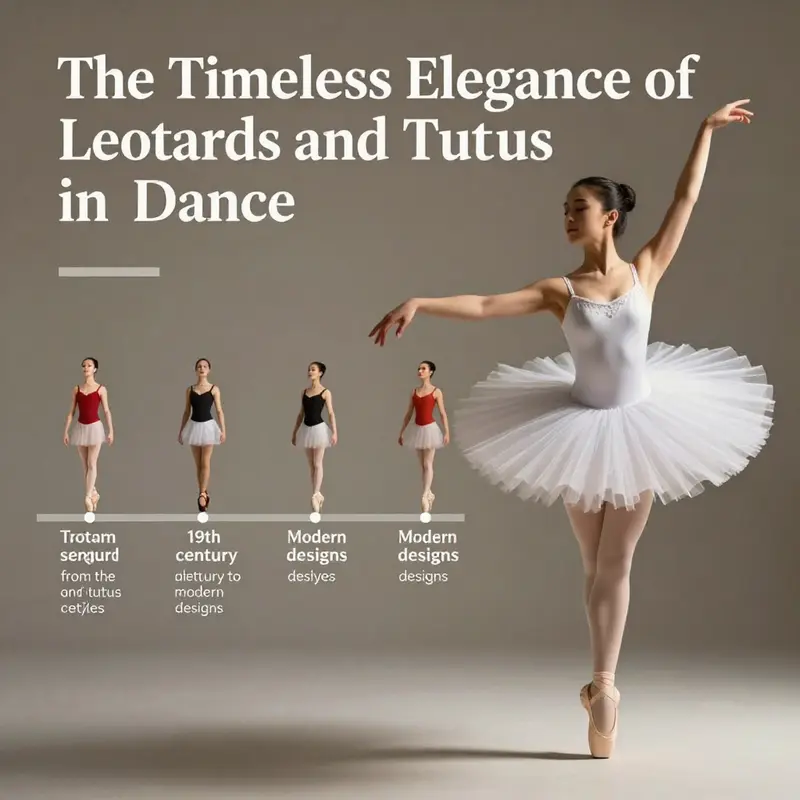
The stage lights hit the dancers with a quiet immediacy, and what we see first is not merely movement but a language woven into fabric. The leotard and tutu, paired in countless performances, function as more than clothing; they are the skeleton and skin of a discipline that layers history, technique, and artistry. To follow their evolution is to trace a thread through time—one that moves from utilitarian necessity to expressive spectacle, from disciplined geometry to liberated form. In this long arc, the leotard and tutu reflect broader shifts in fashion, performance art, and cultural aesthetics, while also shaping the way bodies move and audiences perceive grace, effort, and identity on stage.
The leotard’s early years were less a fashion statement than a practical answer to a demanding vocabulary of movement. In the first decades of the twentieth century, acrobats and circus performers wore garments that prioritized function over flair. A basic leotard, often rendered in a muted palette, served as a second skin, allowing the limbs to extend through space with minimal restriction. The description of these early designs—dark, hatched silhouettes with white chest accents and fluffy warmers—speaks to a world where visibility of line and control of temperature and wind resistance mattered as much as appearance. Yet even within that pragmatic frame, designers experimented with cut and fit, setting the stage for a future where the garment would be tailored to the demands of specific disciplines, from tumbling to plié.
By the 1930s, the buffer between function and form began to tilt. Leotards were redesigned to be more form-fitting and streamlined, a shift that paralleled advances in athletic training and stage technique. The garment ceased to be merely a utilitarian canvas and became a precise instrument for the performer’s body. The new emphasis on clean lines and secure fit enabled more intricate movements, better alignment, and a visual clarity during rapid sequences of turns and leaps. The aesthetic of the era balanced discipline with a growing interest in performance as a crafted science. Costuming, once secondary to technique, started to carry information about the dancer’s role, the tempo of the piece, and the style of the choreography.
The late twentieth century brought a theatrical flamboyance that still recognized the leotard’s core purpose: to free the body while signaling character and mood. The example often cited—an image of a white feathered leotard paired with a falcon-shaped headdress—illustrates a moment when performance design embraced the extraordinary. The leotard became a vehicle for character, fantasy, and narrative intensity. It was not simply about how the body moved but about how the body looked while moving, how light caught fabric, how color and ornament could heighten the perception of speed or weight. The 1980s, with its appetite for spectacle, proved that technical mastery and visual drama could coexist within a single garment. Yet the backbone remained the same: a close-fitting base layer that allowed maximum mobility and minimal distraction from the line of the spine, the sweep of an arm, the precise angle of a leg.
In contemporary times, the leotard has become a high-tech canvas. Fabrics are engineered for wicking, compression, four-way stretch, and breathability, while designers experiment with bold patterns, bedazzled details, and a spectrum of color—from stark monochromes to electric, high-contrast prints. The modern leotard does not just accommodate movement; it amplifies it. It can be seamless or panelled, matte or glossy, and often features stitching and seam lines that accentuate muscle groups in performance video and live viewing alike. This evolution mirrors not only advances in textile technology but the broader cultural shift toward personal expression within athletic and dance communities. The garment quietly negotiates between the desire for uniform precision and the impulse to distinguish each dancer’s identity through colorways, embroidery, and silhouette adjustments.
The tutu, perhaps more than any other element of ballet costume, carries a history of ritual and idealized beauty. Its origins lie in the nineteenth century, when dancers wore a short, stiff skirt made of layers of tulle. This construction created a striking silhouette and a remarkable effect on stage movement: the fabric’s stiffness unfurled into a precise plenum of air and light as the dancer pirouetted and leaped. The tutu signified more than elegance; it was a visual instrument that declared the dancer’s focal point—the ports and pivots of ballet technique. Over time, the tutu evolved in relation to the evolving vocabulary of ballet itself. Classical productions favored the long, sculptural lines of the Romantic tutu and its later variants, which emphasized verticality, extension, and the illusion of effortless lightness.
Yet the tutu did not remain fixed in a single frame. Contemporary developments have seen the tutu pushed toward shorter, more practical variations that nonetheless retain a sense of ceremony. Minimalist, cropped versions give way to sculptural forms on the edge of performance art, where movement is choreographed to reveal the architecture of the body. The tutu now appears beyond the traditional tableau of classical ballet; it enters contemporary dance and even pop culture, where it is reimagined as an icon of whimsy, rebellion, or nostalgia. The fabric that once meant risk of restraint now becomes a tool for redefining what it means to press against gravity, to suspend breath, to catch light, and to tell stories with a single swish of tulle.
If the leotard is the baseline for physical possibility, the tutu is the stage’s punctuation. Together, they form a duet that has learned to speak in multiple voices. The leotard anchors the dancer in motion, offering a stable, adaptable surface. The tutu, with its folds and stiffness, frames that motion and makes it legible to an audience. Their evolution—through early circuses, through the rigorous theaters of the 20th century, to contemporary studios and performance spaces—speaks to an ongoing negotiation between practicality and poetry. This is not a simple story of changing fashion; it is a narrative about how performance regimes shape bodies and how bodies, in turn, reconfigure garments to suit new forms of artistry and athleticism.
The journey of these garments is inseparable from the technologies that enable them. Innovations in fabric science, seam construction, and dyeing techniques have allowed designers to push the boundaries of what a leotard or tutu can endure during high-speed footwork, gravity-defying leaps, and demanding sequences of turnout and extension. At the same time, aesthetics—color, texture, and ornament—have become more sophisticated and more personal. Dancers and choreographers alike use the silhouette of the leotard or the outline of the tutu to communicate mood, period, and character. The result is a vocabulary of dress that is as much about storytelling as it is about physics.
For readers curious about the tangible spectrum of tutu variations and to get a sense of how a single category can encompass a range of styles, the costume-theme page offers a window into the broader world of design possibilities. See the costume-theme collection to explore how designers interpret the same foundational garment across different moods and narratives. This page highlights how conceptual shifts—whether romantic, avant-garde, or culturally specific—manifest in the cut, finish, and ornament of tutu-inspired forms.
As this evolution continues, the leotard and tutu stand as enduring symbols of identity, artistry, and innovation in performance. They carry with them echoes of the past—the disciplined lines of the 1930s, the theatrical flamboyance of the late twentieth century, and the resourceful experimentation of today—while also pointing toward a future in which technology, global aesthetics, and individual expression shape what it means to move with grace. The garment is not static; it breathes with each rehearsal and each premiere, adapting to new choreographies, new audiences, and new ways to tell a story with the most intimate instrument the dancer wears: the body.
For a broader view of how the leotard has developed within athletic performance over the decades, see The Complete Evolution of the Gymnastics Leotard: From the 1930s to Today. This external resource offers a historical lens that parallels the insights traced here, illuminating how form and function converge in the lived experience of movement.
In weaving together the histories of the leotard and the tutu, we glimpse not only a wardrobe of breakthroughs but a continually renewed conversation about what it takes for a body to translate rhythm into form, distance into line, and memory into motion.
Final thoughts
Leotards and tutus represent more than just costume pieces in dance; they embody a rich history and cultural significance that enhances the art form. Understanding their design, functionality, and material considerations allows dance studio owners and apparel manufacturers to appreciate their role in performance and education. By investing in quality garments, business owners can support the artistry and passion of dancers, ensuring they move with confidence and grace. The timeless appeal of leotards and tutus will continue to inspire generations of performers.