
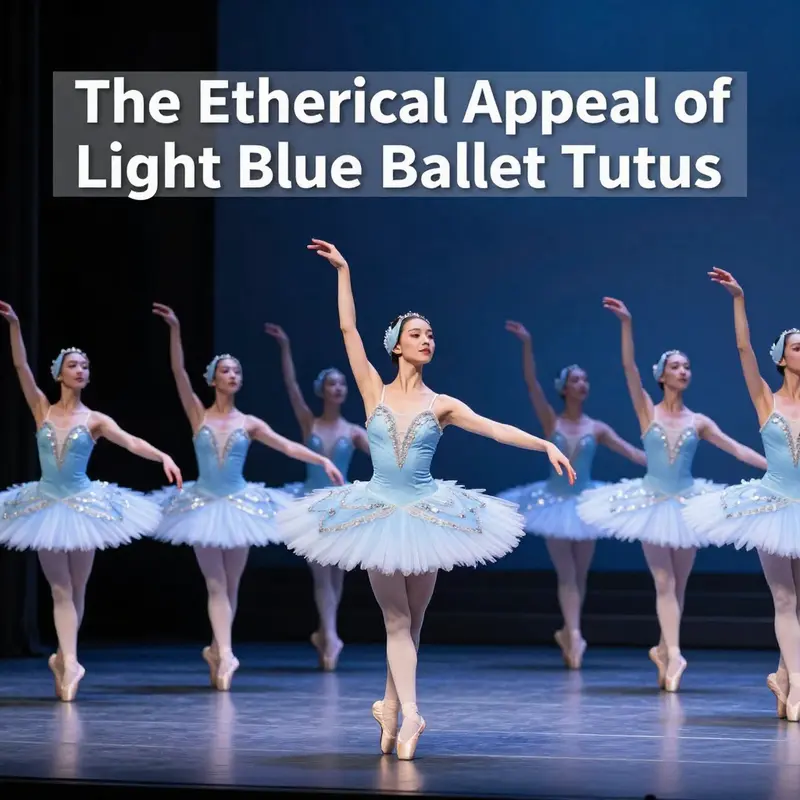
In the world of ballet, the light blue tutu transcends mere costume; it is an esteemed symbol of grace, artistry, and tradition. This article delves deep into the multifaceted nature of light blue ballet tutus, investigating their design intricacies, market dynamics, cultural importance, performance specifications, and the craftsmanship involved in their creation. Each chapter builds on a comprehensive understanding of how these garments are not just functional attire but significant artistic expressions that accentuate the beauty of ballet performance. By examining these aspects, business owners can gain insights into the trends and demands of this unique niche within the performing arts industry.
Choreographing Light: The Design Language of a Light Blue Ballet Tutu
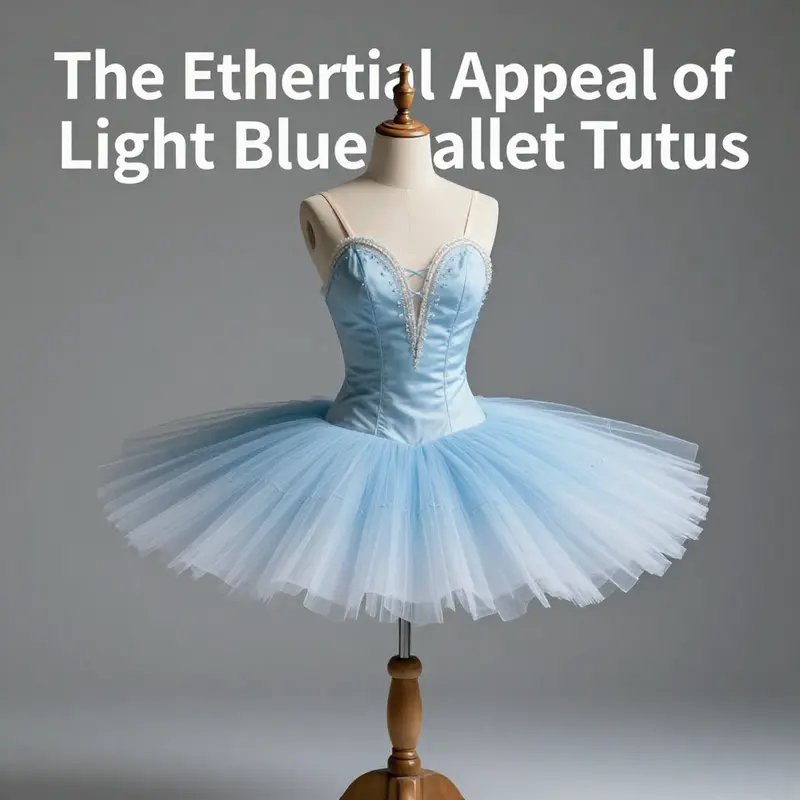
In the quiet hush before a curtain rises, the color of a dancer’s costume can seem almost a breath rather than fabric. The light blue ballet tutu is more than a garment; it is a signaling device for mood, movement, and meaning. Its pale hue carries a particular charge. It evokes a sense of innocence, a whisper of the sky, and a lightness that mirrors the lift of the body as it travels through space. When a dancer executes a plié or a grand jeté beneath soft blue translucence, the costume appears to become an extension of the dancer’s breath—a visual echo of breath and beat moving together. This is not accidental. The design of a light blue tutu is a careful conversation between aesthetics and physics, color psychology and performance demands, tradition and innovation. It is a narrative written in fabric and light, one that seeks to honor classic ballet values while inviting modern performance possibilities to unfold in real time on stage.
The choice of color drives much of the design conversation. Light blue, as a color family, sits between the visible and the implied. It offers a gentle contrast to a dancer’s skin tone, yet does not overpower the silhouette. In traditional terms, ballet aesthetics prize simplicity and focus on movement; the tutu’s color should illuminate rather than steal attention from the dancer’s line. The hue chosen for a light blue tutu often leans toward a slightly desaturated, almost misty shade, a shade that reads well under stage lighting and camera fluorescence alike. It communicates gentleness and grace while still holding its own in a crowded dance world where the strongest effect often arises from restraint. When a body arcs through the air, the blue seems to cradle the motion, catching the light at the precise angles that make every arc and extension read clearly to an audience, even from the back row.
The materials selected for a light blue tutu balance two core priorities: freedom of movement and durability. A typical design relies on lightweight, high-stretch fabrics such as tulle, spandex, and satin blends. Tulle dominates the outer layers for its characteristic buoyancy, which enhances the perception of lift and float in a dancer’s every gesture. The tension of the tulle, like a taut sail, works with the leg lines to delineate the precise shapes the choreographer envisions. Underneath, a satin blend or a soft stretch lining provides the necessary support, ensuring that the tutu remains comfortable through long rehearsals and high-energy performances. The result is a garment that can endure the rigors of dynamic movement—from plié to battement tendu to grand jeté—without losing shape or compromising a dancer’s range of motion. Reinforced seams and non-slip waistbands are typical but essential upgrades that stabilize the silhouette during rapid turns and quick direction changes. The fabric choice, then, is not merely about color; it is a technical decision that determines how the tutu behaves as the dancer spins, lands, and recharges for the next phrase.
In the context of contemporary productions and youth recitals, the light blue tutu also serves a symbolic function. Its color can signal character, mood, or narrative intention without a single spoken word. In fairy-t themed pieces, for instance, the pale blue helps conjure visions of frosty glades or celestial beings; in modern ballets, it offers a canvas that can be read as otherworldly or dreamlike, depending on lighting, choreography, and stage design. The tutu thus becomes a living part of storytelling, a garment that responds to the music and the director’s conceptual framework as if it had a heartbeat.
The chapter of design that intertwines textiles with performance becomes even more dynamic when technology enters the scene. The fusion of fabric with illuminated elements pushes the practical envelope beyond mere fabric construction. Embedded LEDs and programmable lighting systems bring new possibilities for synchronized storytelling. A light blue tutu can be outfitted with a glow that responds to musical cues or specific moments in the choreography. This is not simply an added flourish; it is a new expressive layer. The glow patterns can mirror the tempo of the score, intensify during climactic phrases, or soften during intimate passages. The effect is both cinematic and intimate, allowing audiences to experience light as a companion to movement rather than a separate spectacle. From a director’s standpoint, such integration enables storytelling that is richer, more immersive, and more precisely timed to the choreography.
Safety and quality standards play an indispensable role when technology enters the costume. LED components must comply with international safety norms, including certifications that attest to electrical safety and material flame resistance. The steps are not optional; they ensure dancers perform with confidence, limiting risk during high-energy sequences where arms and legs cut through space with force and precision. The rise of electronic controls inside a tutu also invites a careful balance between control and comfort. The electronics are typically activated through discreet interfaces or wireless triggers, allowing a choreographer to adjust the lighting in a live rehearsal or performance without interrupting the flow of movement. The dancer’s comfort remains paramount—the objective is to enhance expression without becoming a distraction or an encumbrance. The safest approaches also consider heat dissipation and the placement of components to avoid any interference with the tutu’s movement or the dancer’s skin. When these conditions are met, the light blue tutu can become a stage partner as reliable as a well-tuned ballet blade.
From a craft perspective, the tutu’s silhouette remains a primary design concern. In many classic forms, the tutu’s silhouette can be described as a delicate balance between a voluminous skirt and a slender waist, producing a line that reads clearly from every vantage point. The light blue color, combined with the tutu’s ruffled layers, can accentuate or soften the line, shaping the dancer’s perceived height, reach, and presence on stage. The design challenge lies in preserving the tutu’s iconic posture—rigid enough at the right points to maintain form, yet flexible enough to keep the dancer’s articulation unimpeded. Thus, while the color and LED elements contribute new layers of meaning, the fundamental principles of silhouette, balance, and proportion guide every seam and hem. Designers often experiment with the density and placement of outer layers to tune how light dances across the fabric as the dancer moves. Subtle variations in layer length can alter the visual cadence of a performance, creating a sense of momentum that mirrors the music.
Economics also shape how light blue tutus arrive at stages around the world. Pricing structures reflect craftsmanship, customization, and the integration of advanced features. A basic design may be accessible to schools or community groups, while higher-end versions with custom sizing, embroidery, and embedded lighting command premium prices. The market for these costumes is as much about storytelling as stitch work. Clients seek garments that can withstand repeated wear, withstand the rigors of a busy season, and contribute to the magic of performance. The light blue tutu, with its timeless hue and contemporary capabilities, sits at a sweet spot where tradition and innovation meet. It offers a tactile reminder that ballet costume design is not merely about covering a dancer; it is about enabling expression, supporting stamina, and heightening the emotional resonance of a performance.
For designers and choreographers, the path forward lies in balancing timeless aesthetic with the tools of today. The light blue tutu invites experimentation while preserving the core dancer’s experience. It engages with lighting designers, stage managers, and wardrobe teams to translate a choreographic arc into a visible, tangible journey for the audience. The textile foundation—the soft, breathable, and durable blends—ensures comfort and longevity; the color palette ensures mood and symbolism; the integrated lighting ensures presence and drama. Each element supports the other, producing a cohesive whole that is greater than the sum of its parts. And in this synergy, the tutu ceases to be a mere costume and becomes a narrative engine. It becomes a partner in performance, a soft-glowing conductor guiding the eye along every gesture and turn.
Within the broader ecosystem of ballet costume design, the light blue tutu also functions as a bridge between school recitals and professional production. Its accessible color and adaptable construction make it an ideal platform for teaching and experimentation. Students learn about body alignment, weight distribution, and how fabric responds to movement, while instructors observe how color reading under varying lights affects choreography perception. When LEDs illuminate the skirt with carefully timed brightness, learners witness the direct relationship between stage technology and motion. This hands-on exposure demystifies equipment and encourages responsible, creative use of new tools. In turn, this fosters a generation of designers who can translate classical forms into contemporary stories without sacrificing the discipline that defines ballet.
For readers who seek further pathways into this domain, the broader catalog of ballet costumes offers inspiring possibilities. Designers who wish to explore similar blue-toned explorations and high-end craftsmanship can consult the catalog that highlights blue-golden high-end options as a starting point for comparison and study. This consultative approach helps ensure that a light blue tutu remains rooted in tradition even as it stretches toward new methods and aesthetics. To connect with this broader resource, consider exploring the professional dance costumes for ballet blue golden high-end collection, which provides additional context for color, cut, and finish while remaining aligned with the discipline’s standards and expectations. professional dance costumes for ballet blue golden high-end.
As the art form continues to evolve, the light blue tutu stands as a concise statement of how design choices shape performance. Its color, its materials, and its embedded technology fuse into a single instrument for expression. The dancer becomes the score, and the tutu—a transparent, shimmering line of light—becomes the conductor that helps people feel what the performer feels. In this sense, the design of the light blue ballet tutu is not a static craft but a dynamic practice, a living conversation about how we see movement, how we hear it in sound and light, and how we remember it after the curtain falls. The chapter thus remains a testament to the enduring power of color and craft to elevate the art of ballet, to surprise both the eye and the heart, and to remind us that performance is, at its core, a shared, luminous dialogue between body, fabric, and stage light.
External resource: The evolution of LED-integrated dance costumes and their safety considerations is documented in industry references and supplier insights. For a practical overview of LED elements used in illuminated performance attire, see: https://www.alibaba.com/product-detail/Professional-New-Design-LED-Light-up-Ballet-Tutu_1600734758908.html
Weaving Light and Movement: The Market, Craft, and Innovation of the Light Blue Ballet Tutu
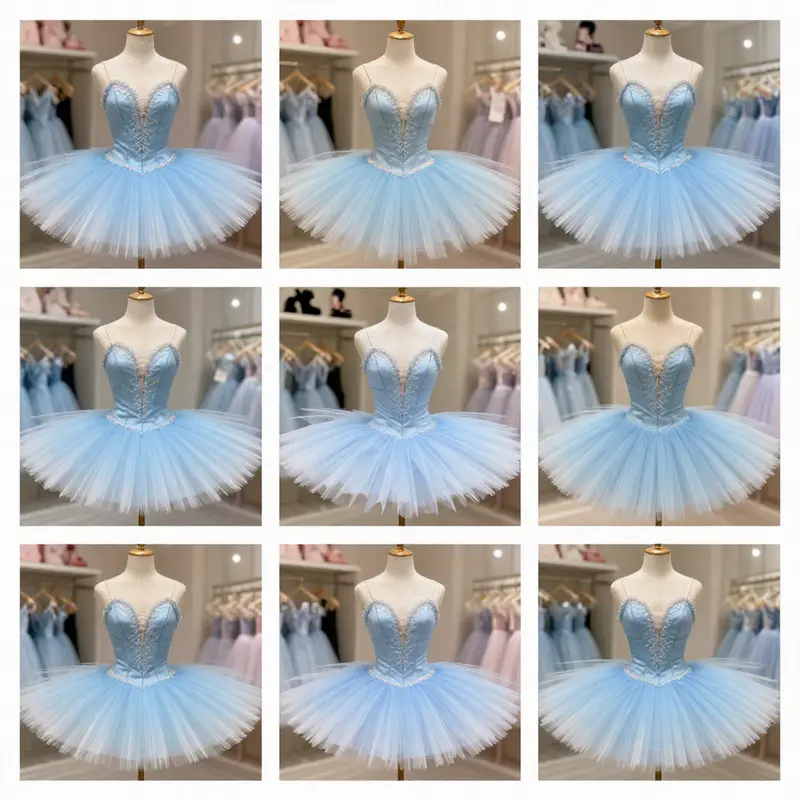
In the wings and under the glare of stage lights, a light blue ballet tutu seems to hover between gravity and grace. Its shade, pale and serene, signals more than color; it signals intention. The tutu functions as mood as well as garment, guiding attention to the dancer’s breath and to the moment when air becomes motion. Fabric choice matters as much as cut: delicate tulle that holds volume without heaviness, layered skirts that flare with a dancer’s spin, and light, flexible underlayers that let the leg path unfold. When the dancer moves, the skirt catches the air to reveal a choreography of elevation and surrender that would falter in a stiffer design. The light blue hue enhances this effect, catching the stage lighting and turning movement into sculpture. This color and silhouette trace a long tradition while inviting new possibilities, a marriage of ritual and invention.
Today the market for light blue tutus is not simply about replicating a standard pattern but about tuning size, color shade, and texture to individual bodies and productions. Bespoke options demand precise measurements and color matching to production aesthetics. Suppliers on global platforms offer customization for professional performances, allowing a dancer or a choreographer to tailor the tutu to body type, show theme, and stage requirements. The result is a garment that feels as if it were grown for the performer, not merely purchased off a rack. In formal contexts such as classical works where silhouette matters, every centimeter of length, flare, and seam can influence line and balance. This demand for fit and appearance fuels a market that values craft, precision, and coordination with the rest of the cast and lighting design.
Technology is shifting the boundaries of what a light blue tutu can do on stage. LED light up tutus are becoming part of contemporary practice, with programmable colors and brightness controls that can be synced to music, cues, or the choreography itself. In such designs, the core fabric remains lightweight and breathable, typically a blend that includes tulle with stretch underlayers, so the performer can execute leaps and turns without obstruction. The LEDs are placed to illuminate the edges and layers without creating heat or bulk, and the control systems can be tucked discreetly into the waistband or an inner liner. The visual effect is not mere flash; it is narrative, turning the tutu into a moving light sculpture that can shift from pale blue to a deeper cobalt or pulse in time with a pas de deux. This integration supports performances that seek standout moments while maintaining an elegant line.
Material innovation also extends the everyday comfort dancers require during long rehearsals. While traditional tulle remains essential for volume and grace, designers now explore breathable, anti wrinkling, quick drying fabrics that cooperate with stage conditions and touring schedules. Sustainable options are increasingly favored, with blends designed to reduce environmental impact while preserving elasticity and shine. The classic silhouette stays recognizable, but the fabric chemistry behind it evolves so the garment remains fresh after hours of practice and several changes of costume. In this environment, the light blue tutu becomes not only a standout on stage but a practical tool that supports the dancer during a demanding sequence of movements. The balance between aesthetic softness and technical performance is what keeps this color story relevant in a market that values both tradition and responsibility.
It is also a story of accessibility. Retailers and studios serving a spectrum of dancers—from little ones in early classes to seasoned professionals—offer options that fit different budgets and needs. A low minimum order quantity and a broad size range make it possible for small studios and families to acquire a single piece or a few pieces for a production rather than a bulk investment. The market recognizes that a tutu is not a one size fits all item; it is a tool that must accommodate a growing body, a variety of stage temperatures, and the energy of rehearsal schedules. The result is a distribution ecosystem that supports experimentation and collaboration with designers, choreographers, and educators. In practice, contemporary buyers look for combinations of fit, color fidelity, and durability, ensuring that a light blue tutu can travel across studios and stages without losing its essential character.
Behind the scenes, economic and production realities shape what is available and at what price. Global supply chains, especially those rooted in large manufacturing hubs, supply a spectrum of options from basic designs to multi layer, couture influenced pieces. The pricing landscape reflects craftsmanship, customization, and speed of delivery. For professional or competitive contexts, consumers can expect higher end pieces with tailored sizing, embellishments, and perhaps unique trims. In broader release markets, mass produced options offer affordability without sacrificing essential silhouette and color. The research notes price ranges that illustrate the spectrum, with lower tiers around one hundred dollars and professional level pieces that can exceed several hundred dollars, depending on added features and the precision of fit. The ability to blend cost efficiency with customization continues to push suppliers to differentiate through safety certifications, distinctive design details, and reliable turnarounds. It is a marketplace where time, fit, and finish are as critical as color.
Color in performance is never neutral, and blue carries a cultural resonance that designers and dancers actively harness. It evokes calm, clarity, and a refined elegance that aligns with the poised breath and measured steps of classical movement. Yet blue also reads as open sky and water, a mantle that can become electric under stage lighting through subtle shifts in shade. When light blue is used in a production, it invites a narrative that can swing from solemn to playful, from undersea grace to a fairytale dawning. This dual character makes the tutu an ideal canvas for both the dancer and the production team, who choreograph timing with lighting cues, backdrops, and the tempo of the orchestra. The result is a seamless dialogue among fabric, light, and motion, where the tutu feels both historic and current, a link between centuries of technique and a contemporary appetite for spectacle.
For designers and performers, the choice of a light blue tutu becomes part of the storytelling. The decision to pursue a bespoke cut, a color patch, or a tech integrated tutu is not merely a shopping choice but a shaping of the dancing body in space. In a theater where every seam can whisper a line of movement, the tutu helps define lines and angles, and the color can guide an audience’s gaze as it follows the leg through a jump or an extension. The interplay of fabric weight, seam placement, and ventilation under lights matters as much as the choreography itself. In such contexts, a well crafted light blue tutu can stabilize a line, create a sense of buoyancy, and amplify the dancer’s presence. It is here that tradition meets innovation, and the garment becomes a partner in the art.
Professional options for custom fit and finish are among the most powerful signals of market maturity. When a production seeks a specific shade, trim, or silhouette to align with a choreographic concept, a tailored tutu can be created to fit the production’s exact needs. The dialogue between costume shop and dancer centers on measurements, labelling, and drape; the aim is to achieve an envelope around the body that feels natural and unrestrictive. For those who want a direct connection to design ideas, a reference point can be found in professional options that illustrate the range of finishes available, including a silver or white high end look. professional-ballet-clothes-tutu-silver-fairy-white-high-end-t0422. This link exemplifies how a single design decision can become a touchstone for the production process, guiding choices from fabric weight to closure style and even the type of embellishment that signals a narrative beat on stage.
Ultimately, the light blue ballet tutu remains a revealing measure of the dance world itself. It embodies the tension between the enduring beauty of classical design and the restless curiosity of modern theater technology. It travels with dancers, travels between studios and stages, and travels through markets that respond to shifting tastes, budgets, and audiences. As productions evolve and audiences expect more dynamic visual experiences, the tutu must keep pace without losing its essential elegance. The color stays recognizable, but its potential expands with new fabrics, new constructions, and new lighting ideas. The chapter of light blue tutus is thus not a single act but a long, unfolding repertoire in which tradition and invention rehearse, refine, and reappear on the stage with renewed grace.
External resource: for further context on pricing dynamics and availability, see external resource at the following URL: https://www.amazon.co.uk/s?k=light+blue+ballet+tutu
null
null
Winged Light on Stage: Performance Imperatives for the Light Blue Ballet Tutu
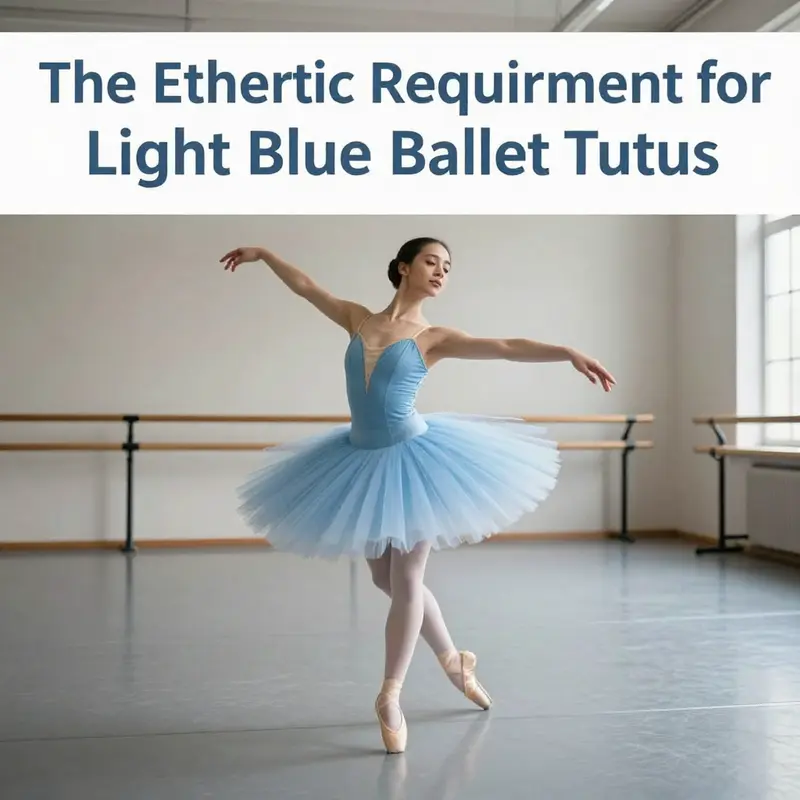
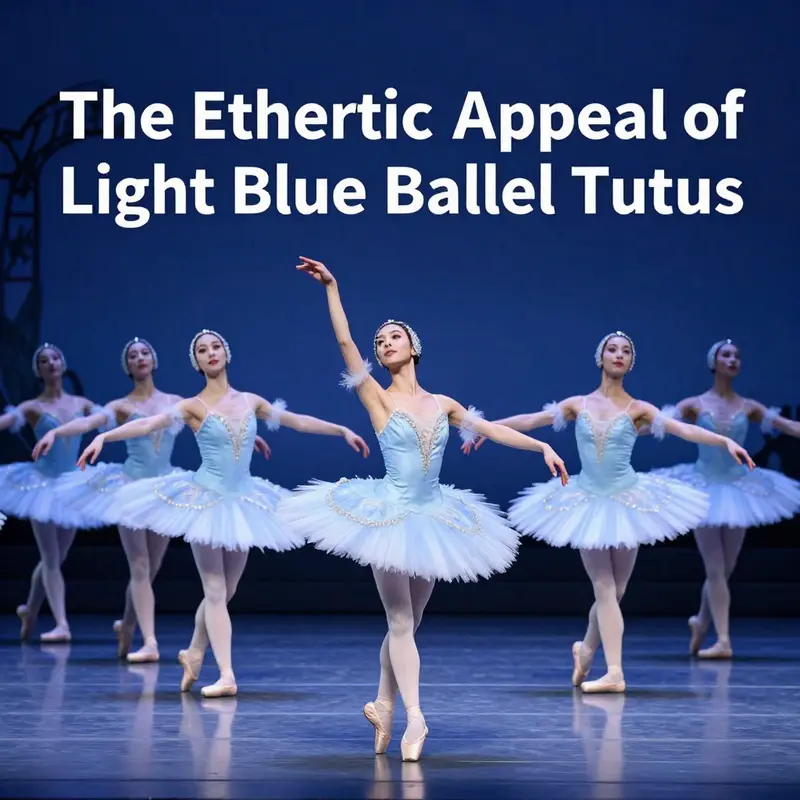
The light blue ballet tutu stands at the interface of artistry and engineering, a garment that must translate the dancer’s breath into a visible, luminous geometry on stage. It is not merely a costume but a calibrated instrument that shapes perception as surely as the leg lines and port de bras do. In professional ballet, where audiences read a silhouette from the far gods of the audience chamber to the close, intimate footlights, the tutu’s role is to preserve a precise, recognizable profile across a spectrum of movements, lighting conditions, and backstage rituals. A tutu’s success hinges on its ability to retain its form while the dancer sacrifices neither ease of motion nor comfort. The interplay between structure and suppleness becomes the drama of the garment itself, and the light blue hue adds a quiet poetry that deepens the audience’s sense of grace without shouting for attention. The color’s resonance with calm and elegance is more than mood; it is a visual semantic that helps the eye track lines, accentuates the dancer’s port de bras, and supports the leg’s pronunciation during everything from a warm-up sauteur to a full sequence of entrechats on a polished stage floor.
A typical professional-grade light blue tutu embraces a multi-layered tulle architecture, often anchored by a discreet internal wire or fabric hoop. This approach creates a stiff, horizontal skirt that projects outward in a flat, circular halo around the waist, ensuring a constant silhouette even when the dancer twists, spins, or falls momentarily out of balance. The engineering behind such a design is not simply about rigidity; it is about responsive stability. The layers of tulle, when dusted with just the right stiffness, catch stage light and cast delicate shadows that emphasize the dancer’s leg lines without flaring into distracting bulk. In environments where follow spots illuminate every ripple of fabric, that balance becomes the difference between a tutu that looks perfumed with air and one that reads as a dull plane against the boards. The result is a garment that communicates the music and the choreography with a quiet, almost architectural clarity.
Material choices matter as much as the silhouette. The bodice often relies on luxurious fabrics like blue velvet to deliver durable, supportive structure, anchoring the torso with a sense of regal composure. This density contrasts with the ethereal light blue tulle that floats above, carrying breathability and motion. The described breathability, roughly thirty percent more than standard cotton-based underlayers in some modern analyses, translates into real comfort during long hours of rehearsal and extended performances. That comfort is not incidental; it allows the dancer to sustain precise posture, keep turnout consistent, and maintain a graceful axis through demanding sequences. Lightweight yet reinforced materials can contribute to about a fifty percent increase in mobility during complex choreography, a spec that matters when sequences demand rapid changes of direction, tight pirouettes, and leaps that must be executed with pristine form. The integration of such materials embodies a philosophy: the tutu should enable motion, not hinder it, while preserving a luminous surface that becomes a stage partner in every sense.
The performance demands placed on the light blue tutu also include considerations of lighting and special effects. In contemporary productions, designers may weave subtle electronic accents into the costume, such as programmable LED elements that produce a glow with an Abyss Mirror Effect, or other controlled lighting cues that respond to the score. This addition, while visually arresting, must be harmonized with the dancer’s thermal and motion profile so that electronics remain safe and unobtrusive. From a safety standpoint, compliance certifications become essential, particularly when children or high-intensity activity are involved. CPC certifications for children’s products and CE marks for electronic components help ensure that the tutu meets safety and quality standards across environments—from rehearsal studios to the brightest proscenium arcs. The choreography’s tempo and the dancer’s endurance are matched to a garment that won’t abrade skin, heat excessively, or shift during a grand jeté so that form and function stay synchronized throughout the performance.
Fit and customization play a pivotal role in performance readiness. Corset-style lacing on the bodice offers approximately twenty percent more flexibility in sizing compared to fixed-bodice designs, a practical advantage when dancers of varying shapes and heights step into the same tutu for a run of performances, tour stops, or company showcases. The fit must support posture, with the bodice tightening around the torso to keep the upper body elongated while the tutu’s hoop maintains the silhouette’s outward memory. Such tailoring must be precise, not punitive; it should allow minor micro-adjustments between acts, perhaps after a long backstage period involving steaming, wardrobe touch-ups, and routine checks. The backstage ritual that accompanies the tutu—steaming to relax fibers, quick reshaping with a gentle hand, and a final ring-out through a mirror lit by warm bulbs—reflects a professional culture that treats garment and dancer as a unit. The dancer’s ease of motion, the ease of breath around the chest, and the confident, upright posture all begin with a well-fitted bodice and a hoop that holds shape without pinching or restricting movement.
Color consistency remains a core challenge, especially when a production may change lighting angles, color temperature, or even set designs between scenes. The light blue hue, chosen for its tranquil and elegant aura, must hold its tone under a spectrum of stage lighting—from the crisp whites of a modern ballet to the warmer amber of a classic fairytale tableau. Some designs explore gradient blends that mimic oceanic depth or a softly shifting dusk, adding visual interest but requiring careful management of pigment stability and lighting angles. The goal is not just a color that looks right in isolation but a hue that remains true as the dancer travels from stage left to stage right, as spotlights sweep, and as shadows dance across the fabric. The performance truth here is that color is a dynamic property in live theatre; it remains most effective when it is predictable, controllable, and integrated with lighting cues so that the tutu’s color reads as a coherent part of the storytelling rather than a static object.
The narrative of performance also intertwines the tutu with the choreography’s timeless grammar. In classic repertoires like Sleeping Beauty or contemporary fairy-themed works, the tutu’s shape and color act as a visual shorthand for the character’s temperament and role within the story. The light blue hue can imply serenity, delicacy, and a kind of otherworldly grace that supports the dancer’s movements without overpowering them. This alignment between costume and technique helps audiences receive a more legible performance, where the silhouette and hue reinforce the leg line, the turnout angle, and the dancer’s line across the floor. Even subtle details—the way a hoop holds a flat, outward plane, or how light threads through layers of tulle to catch a breeze during a quick spin—contribute to a sense of botanical lightness and mechanical precision that is essential to professional ballet.
For designers and performers, the tutu’s performance requirements extend into practical, day-to-day considerations. The bodice’s lacing system, the hoop’s rigidity, and the fabric’s breathability align with the dancer’s need to sustain energy over long rehearsal days and to peak during the curtain call. A well-conceived light blue tutu supports endurance and posture, enabling the dancer to stay balanced while the feet rhythmically press through the floor, and the arms unfold with a precision that only comes from countless hours of practice wearing the same silhouette. The garment should feel earned, not imposed; it should disappear as a barrier to expression, letting the artist’s line, breath, and intention ride atop a surface that looks almost weightless yet is, in truth, engineered for resilience.
In conversations with designers and performers, the tutu is often treated as a living component of the performance, one that requires ongoing care, inspection, and refinement. The chapter’s details—multi-layered tulle, wire hoop, bodice materials, breathability percentages, mobility gains, and safety certifications—form a map of what makes a light blue tutu function at the highest levels. The best designs anticipate backstage realities: steam to relax fibers, quick adjustments between acts, and a silhouette that reads consistently under varied lighting. They honor tradition by preserving a silhouette that supports classical technique while embracing contemporary upgrades that enhance comfort, durability, and stage presence. The tutu becomes a partner in the dancer’s craft, amplifying the artistry rather than competing with it. In this sense, the light blue tutu embodies a philosophy of performance that values elegance, clarity, and technical fidelity as inseparable from color and form.
For readers wishing to explore a contemporary example of this balance between rigidity and airiness, the field offers designs that epitomize the synergy between engineering and aesthetics. In particular, a notable reference point exists in the context of color-specific, competition-level tutus that articulate a clear, luminous silhouette while maintaining the dancer’s freedom of movement. See the discussion of the blue professional ballet tutu competition level for a practical illustration of how designers translate these performance imperatives into a wearable, stage-ready garment. blue professional ballet tutu competition level.
As this exploration circles back to the broader article, the light blue tutu emerges not merely as a visual motif but as a disciplined instrument of performance design. Its success rests on a convergence of material science, craft craftsmanship, and dramaturgical intent, all under the discipline of safety, comfort, and color control. The chapter’s synthesis, drawn from the detailed performance requirements, presents a garment that can satisfy both the eye and the body, allowing dancers to deliver the ethereal, precise, and powerful storytelling that makes ballet a timeless art. The tutu’s lightness is a cultivated certainty: it carries the choreographer’s intent, frames the leg and line with clarity, and allows the dancer’s timing to unfold in a space where color and fabric become a single, responsive organism. This is the shared language of performance that links design to movement, material to memory, and color to command on stage.
External resource: https://en.wikipedia.org/wiki/Ballet
null
null
Final thoughts
The light blue ballet tutu is more than just a costume; it encapsulates the elegance of ballet, the demands of performance, and a deep-seated tradition in the arts. By understanding its design elements, market dynamics, cultural significance, performance requirements, and the craftsmanship behind it, business owners can better appreciate the virtues of this garment. As ballet continues to evolve, light blue tutus will remain integral, symbolizing beauty and grace on stage. Venturing into this niche with a clear perspective can lead to informed decisions, whether in design, marketing, or sales.