
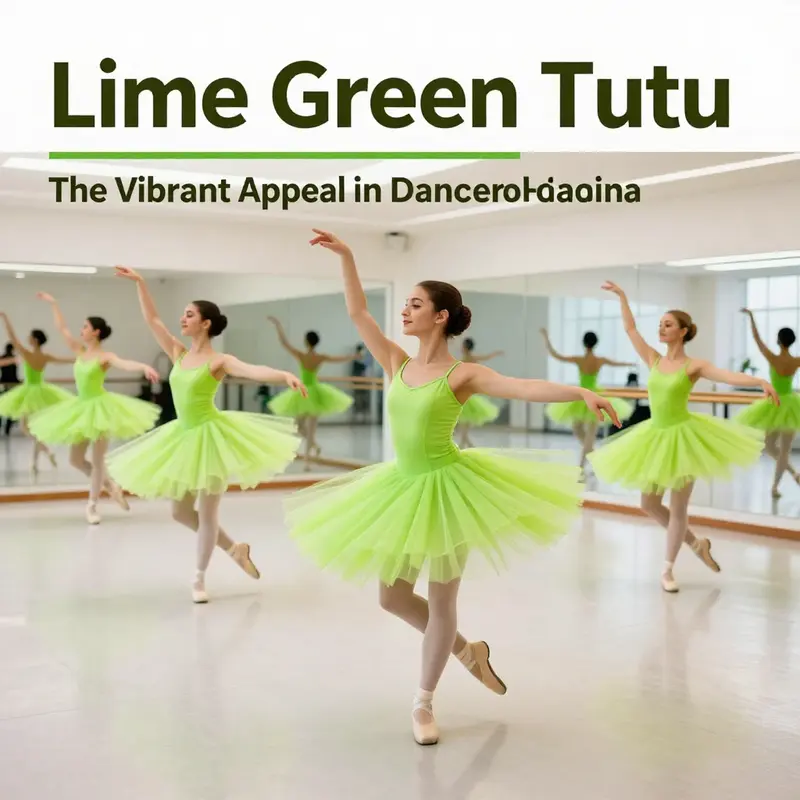
The lime green tutu has emerged as a vibrant expression of individuality in various festive and performance contexts. Not only does it stand out visually with its striking color, but it also holds significant cultural relevance in celebrations such as Mardi Gras and Halloween. Its popularity among dancers and revelers alike underscores its importance in both art and daily fashion. This article delves into the multifaceted allure of the lime green tutu through four chapters: its role as a fashion statement, its cultural significance in festivals, the technical aspects of materials used in production, and emerging market trends shaping its future. Readers will gain a holistic view that enriches their understanding of this unique garment.
Lime Green Tutu: Color as Movement, Identity, and Celebration on Stage and in Parties
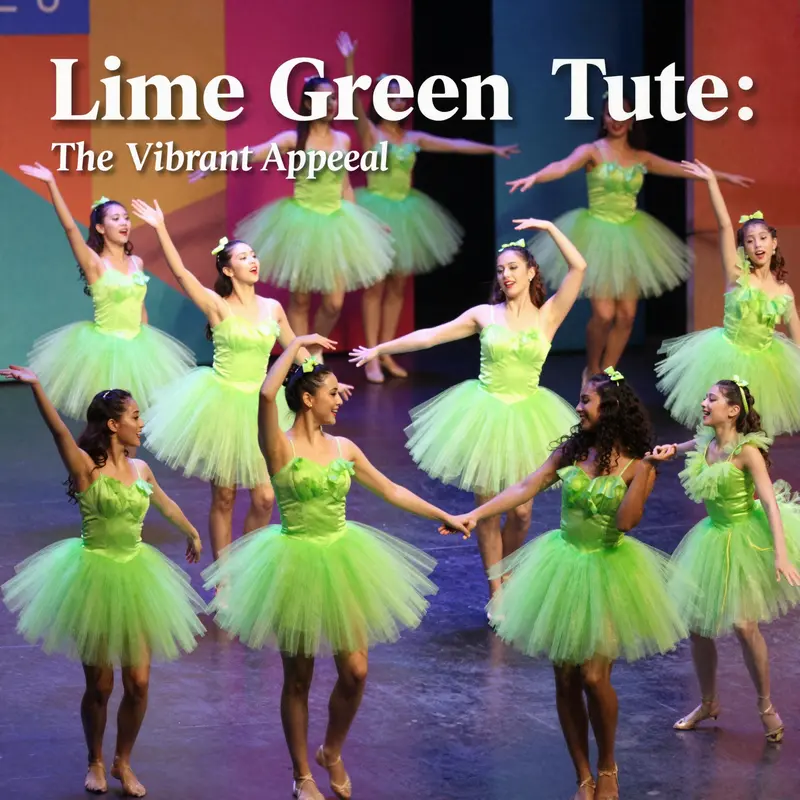
Lime green is not merely a color. In a tutu, it becomes a voice. When a dancer steps onto a stage wearing a lime green tutu, the fabric seems to answer the tempo of the music before the dancer’s feet touch the floor. The shade has energy baked into it, a brightness that makes even a quiet gesture appear bold. It is a color that invites the audience to lean in, to watch the elbows arc a little wider, to follow the path of a turn the moment the fabric catches a stray beam of light. The tutu’s job is not to hide the body but to reveal its possibility; lime green does this with a flourish that is both playful and precise.
The design of the lime green tutu often features multiple layers of light, airy mesh or tulle, each layer catching micro-shadows and glints as the dancer moves. The result is a silhouette that breathes with the body, turning every step into a ripple of color. The layers create volume without heaviness, so the dancer can spring, leap, or glide with a sense of buoyancy. In performance, that buoyancy translates into the impression of effortless effort, a dancer who appears to float on air even during a challenging sequence. The color itself acts like a spotlight that is always on, even when the house lights dip. It gathers attention not through a loud shout but through a well-timed shimmer that follows the rhythm of the music.
In terms of craft, the lime green tutu is a study in materials and structure. The core idea is simple: many thin layers of mesh that pile up into a cloud of fabric. But the execution matters as much as the hue. The elasticity of the waist, the alignment of the layers, and the evenness of the hem all contribute to how the tutu moves. A well-cut waistband sits close to the body, allowing the layers to do the flying. When the dancer spins, the fabric fans out, creating a skirt that reads as a moving sculpture. In a well-lit studio, with overhead spots and side lighting, the lime green tilts and shifts with every turn, catching the color in a way that makes the dancer’s posture look more confident and more controlled.
Color psychology plays a crucial role here. Lime green is a color of growth and renewal, of vitality and spontaneity. It signals a willingness to stand out, to present oneself without apology. On a stage or at a party, the lime green tutu becomes a flag of individual expression. It is not shy, and it does not blend into the background. This is the point, of course: the tutu invites an audience to remember the moment, to recall the exact shade at the most expressive beat of a routine. The hue’s brightness can sharpen lines and soften curves at the same time, depending on the lighting. In dimmed, moody lights, it remains a beacon; under bright spotlights, it can become a meteor of color that arcs with the dancer’s movements.
The popularity of lime green tutus is broad and surprisingly flexible. They resonate with children who want their costume to match the energy of a birthday party or a school recital. They work well for early-stage performances where confidence is built through spectacle as much as technique. For young dancers, a lime green tutu provides a clear, recognizable identity on stage. The color makes it easy for small audiences to follow a performer’s route across the stage, especially when the choreography includes a sequence of fast footwork and quick turns. Parents often notice how the color makes a moment pop in photos and videos, turning a routine into a vivid memory for the child and for friends and relatives watching online or in the hall. For a broader sense of how tutus are marketed to different dancers, see Pink Girls Women Performance Ballet Tutu.
Yet the lime green tutu is not limited to children’s performances. It has built a place in adult dance and party fashion as well. In studios and on stages, adult dancers appreciate the color for its confidence-boosting effect. The tutu becomes part of a persona—bold, festive, a touch rebellious in the best sense. It is a versatile canvas for performance designers who want to experiment with stage lighting, backdrops, and even unconventional choreography. A lime green tutu can accompany a classical ballet number, especially when paired with a simple black or white leotard to let the color do the talking. It can also accompany modern, jazz, or contemporary pieces where the costuming is as much an expressive instrument as the dancers’ bodies. In these contexts, the color helps signal mood shifts and heightens the audience’s emotional response to tempo changes and dynamic contrasts.
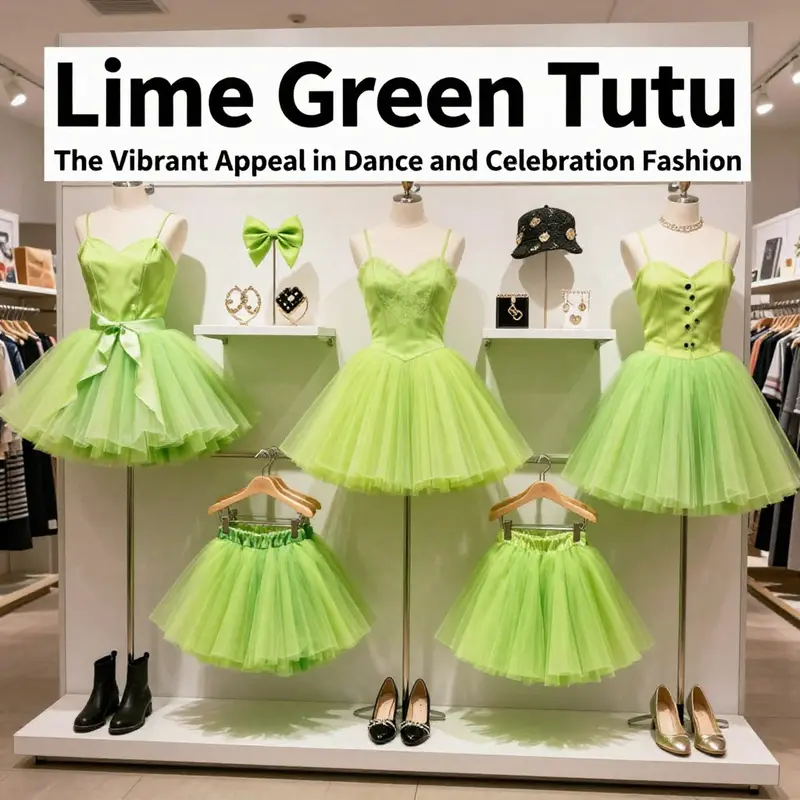
From a design perspective, the tutu’s appeal lies partly in its adaptability. The lime green shade reads differently in daylight, studio lighting, or evening performance. In daylight, the color feels fresh and almost citrus-sweet, a reminder of spring air and dew on grass. Under stage lights, the same hue can take on a fiery edge, its chroma nudged toward yellow or toward emerald depending on the lamp’s color temperature. Designers leverage this variability to match lighting plots and music cues. A choreographer may choose a sequence where the lime green becomes a focal color at one point and then recedes in another, allowing other colors in the ensemble to come forward without losing the piece’s overall unity. The tutu can be worn with black ballet slippers for a classic silhouette, or with metallic shoes and accessories that echo the bright hue and turn the outfit into a party-ready costume.
The broader cultural context also matters. Bold color palettes like lime green have become shorthand for contemporary identity in fashion and performance. They mirror a post-quiet, post-minimal aesthetic where impact is sought through color as much as through form. The lime green tutu becomes a garment of intention—a wearable statement about daring to be seen and to belong to a space where audacity is celebrated. In festival environments, this color is especially potent. A glittering mask or a sequined waistband can play off the lime green with a sense of carnival frivolity, while a more restrained studio piece can use the color as a counterpoint to grey or navy stage décor, producing a visual dialogue between tradition and reinvention.
The craft of lime green tutus also invites reflection on how dancers learn to work with fabric. When a young dancer first experiences the way the layers brush the thighs during a plié or how the tutu flares as a pirouette begins, there is a tactile memory that accompanies the visual memory. The sensation of the fabric as a living, responsive partner reinforces discipline and timing. The dancer learns to control breath, to guide the body’s center of gravity, and to trust the fabric to carry some of the weight of a leap or a lift. In this sense, the lime green tutu is more than a costume; it becomes a training ally in the practice of performance. The color reminds the wearer that art is about rhythm and resilience, about turning a sometimes unsteady moment into a deliberate and luminous movement.
Cultural storytelling emerges as another layer of meaning. A lime green tutu can be a bright symbol in revisited fairy tales, a modern reinterpretation of a character whose courage or whimsy is underscored by the color’s energy. It can translate cultural memory into an immediate, sensory experience for audiences who may have limited exposure to certain dance traditions. When used thoughtfully, the color helps audiences identify the emotional path of a story—joy at a victory, relief after a challenge, anticipation before a climax. The tutu’s shape, with its quintessential silhouette, supports these moments by lending a classic frame for contemporary energy. This is the paradox that makes lime green so effective: it fuses familiar form with vibrant immediacy, creating a bridge between the heritage of ballet and the current appetite for fearless expression.
Practical considerations shape how lime green tutus are chosen and used in different settings. For school recitals, where space may be limited and the audience close to the stage, a tutu with a moderate amount of volume often reads clearly from the front row and translates well to video. In larger theaters, the same garment can provide a stronger presence when paired with a simple, solid backdrop and powerful stage lighting. The fabric’s translucence, the layering density, and even the weight of the skirt all influence how the color is perceived under varied acoustics and brightness. In formal dance productions, costuming departments balance the need for a vivid color with the requirements of quick changes and durable materials. A well-constructed lime green tutu will resist wrinkling, hold its shape through multiple turns, and maintain its glow even after a long performance night.
The social life of the lime green tutu extends beyond the stage. In party settings, the garment becomes part of a scene—a moment of photogenic joy that can anchor a playful, celebratory mood. A lime green tutu works beautifully for birthday bashes, school festivals, or community gatherings where color and movement create shared memory. The act of donning such a tutu can be part of a ritual—an activation of imagination that invites participants to step into a different persona for a while. In this sense, the garment does more than clothe the body; it becomes a gateway to collaborative play, a way to invite friends and family into a shared moment of exuberance. The lime green hue, in its very brightness, asks observers to suspend disbelief and to engage with the moment as if the boundaries between ordinary life and performance were intentionally porous.
Styling the lime green tutu involves careful attention to monochrome balance and color pairing. If the goal is a clean, stage-ready look, designers often lean on black, white, or nude tones to frame the lime green and let it pop without clashing with other hues. A sleek black leotard and simple dance tights provide a modern, high-contrast look that makes the color appear crisper and more defined. For a more festive effect, metallics—gold or silver—complement the lime green by catching light and echoing the sparkle of a dance floor or a carnival float. Accessories such as a scarf, a belt, or a subtle headpiece can extend the color narrative without overwhelming the garment. In more experimental settings, choreographers may pair lime green with other bright tones like cobalt or fuchsia to stage a color dialogue that mirrors a dynamic musical score. The result is a visual tapestry in which color, texture, and movement speak in unison.
In sum, the lime green tutu stands as a vivid example of how color, form, and performance intertwine in contemporary dance and festive dress. It is not merely a piece of clothing, but a strategic tool for communication, a canvas for personal or collective storytelling, and a reliable ally for those who want to push the edges of what a costume can do. For dancers, teachers, choreographers, and party-goers alike, this garment offers a kind of portable stagecraft: a way to walk into a room and announce with confidence that something exciting is about to happen. The lime green tutu asks for attention, yes, but it also asks for imagination. It invites the wearer to claim space, to shape the moment with color, and to trust that movement and hue together can create an experience that lingers long after the final bow.
Maintenance and longevity considerations also shape how a lime green tutu is chosen for a production. The bright color can fade with repeated washing or exposure to direct sun, so many performers choose gentle detergents and cold water. Air drying helps preserve the crisp edges of the mesh, while avoiding heat prevents shrinking or warping of the waistband. Storage matters, too: hanging the tutu by the waist avoids folding lines that could mar the pile of tulle. When the piece is not in use, a light dusting of fabric freshener and a gentle steamer can refresh the fibers without weakening them. Dancers come to understand that color retention is not just an aesthetic preference; it is a practical concern that speaks to the piece’s longevity in a busy performance schedule. The more a tutu endures, the more it becomes a trusted collaborator in an artist’s practice, a silent partner that supports technique with color and poise.
Carefully maintained, a lime green tutu can remain vibrant across seasons, performing with consistent energy and visual impact. It becomes less a one-off costume and more a reliable element in a repertoire of stories told through movement. In that sense, the garment offers a kind of lineage: an artifact of technique, a memory of performances, and a symbol of courage for new dancers choosing to take center stage. The scent of stage lights, the feel of mesh against the skin, and the rhythm of the music all fuse in the moment when the lime green hue comes alive. It is then that the tutu reveals its true power—not just as something pretty to wear, but as a tool for connection, a bridge between performer and audience, and a reminder that color, when used with intention, can choreograph meaning as deftly as any footwork.
External reference:
https://www.alibaba.com/product-detail/Lime-Green-Tutu-Skirts-for-Every-Little-Girl_1600527839484.html
Vibrant Signals and Shared Itineraries: The Lime Green Tutu’s Ecologies of Festival Color, Movement, and Identity
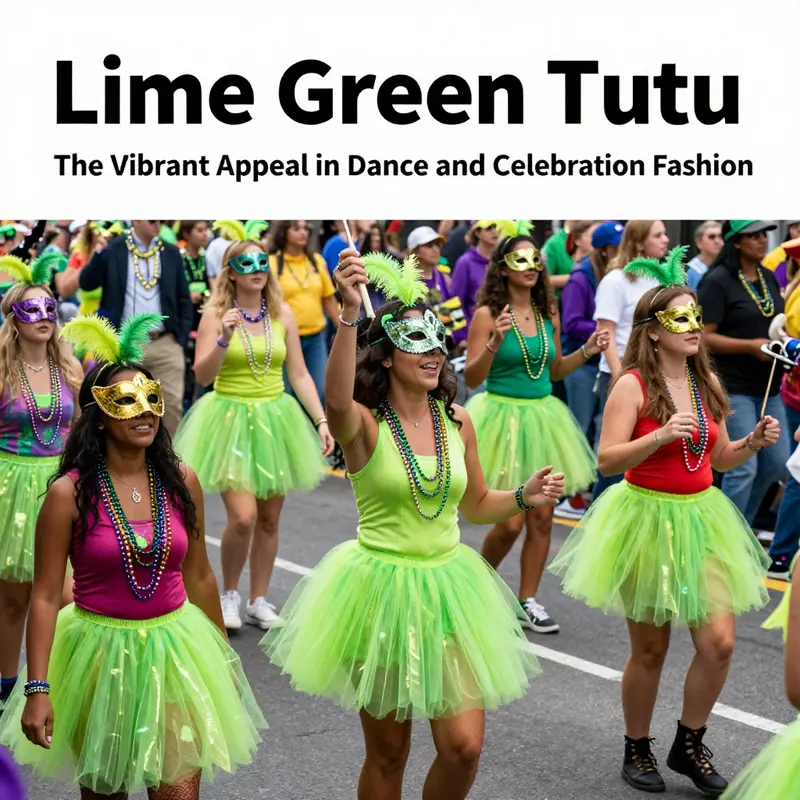
Bright color has a way of naming landscapes in crowded moments. In the bustle of festivals, the lime green tutu acts like a living beacon, a portable flare that draws the eye, directs attention, and invites spectators to look again. It is more than decoration; it is a small but potent instrument of communication. The lime shade—an electric, sunlit tint—possesses kinetic energy. When layered into the airy geometry of a tutu, the color seems to pulse with every step and twirl that dancers summon. This is not merely fashion but a temporary, participatory sculpture that choreographs movement and mood in spaces where sound, light, and bodies meet. The lime green tutu becomes a portable icon understood across communities as a signal of play, audacity, and communal celebration.
To imagine why this shade matters, picture the tutu in motion under festival lighting. The fabric catches light in layers, so the skirt seems to glow from within as it lifts and settles with the dancer’s breath. The bright hue ensures visibility, enabling performers to read their own trajectories in the air around them. A single swirl can transform a street into a ribbon of color, a leap into a comet of lime. This visibility matters culturally as well as aesthetically. In many festival cultures, participants seek to be seen, to be recognized as active agents of joy. The lime tutu offers a clear message: energy, renewal, and a readiness to engage with others in a shared moment.
Color psychology helps, but meaning accrues through social practice. Lime green is often associated with freshness, growth, vitality. In festive contexts it translates into a vow to celebrate life, to seize the present, and to welcome the new with a grin and a dance. The tutu’s layers amplify this promise. Each layer catches the breeze and amplifies the dancer’s leg line, turning small movements into a visible language. The effect is performative: it invites the audience to suspend disbelief long enough to share in a communal spectacle. In that sense, the lime green tutu operates like a chorus line in color—a recurring refrain that marks a moment as distinctly celebratory.
The social ecology of festival costumes helps explain why lime green tutus endure beyond a single performance. In parades and processions, color acts as shorthand for belonging and role. A lime skirt can signal a dancer who is part of a larger group, a lead performer, or someone embodying a theme such as renewal or playful mischief. The same garment can also carry a deeply personal meaning. For a wearer who has chosen lime as a signature hue, the tutu becomes a wearable declaration of individuality within a crowded social space. It grants permission to stand out, to share a personal narrative with strangers, and to connect with others through a shared, immediate aesthetic.
The arenas in which lime green tutus appear are diverse: music festivals, Pride parades, cultural celebrations like St. Patrick’s Day—though varied in tone—share a denominator: the space invites improvisation, improvisation invites visibility, and visibility invites storytelling. The tutu’s color acts as a narrative tool. It says, without words, that a moment here is special, that the body is a site of expressive potential, and that spectators are invited to become co-creators of the scene. The garment thereby helps democratize performance, turning spectators into participants who can respond with their own bodies, cameras, cheers, or whispered conversations about what the color means in a given neighborhood.
In shaping the future of lime green festival costumes, designers and performers are mindful of sustainability, accessibility, and inclusivity. The tutu itself—made of lightweight mesh or synthetic fibers—offers opportunities to explore recycled materials or fabrics designed for easier care and longer wear in outdoor conditions. The vision extends beyond the garment to rituals around it: choreography adaptable for different ages, events, and venues; makeup and hair harmonizing with the lime narrative without overpowering the dancer; and community-led workshops that invite people to experiment with color, movement, and storytelling in safe, inclusive spaces. When lime green becomes a shared language, it deepens the sense that festivals are not merely moments of spectacle but ongoing projects of cultural expression in which everyone has a voice and a role to play.
As this exploration unfolds, it also invites reflection on how color choices shape online and offline repertoires. In a world where images circulate rapidly across platforms, the lime green tutu can function as a recognizable symbol in a digital landscape that prizes immediacy and impact. A single sway of lime can become a thumbnail for a performance clip, a motif viewers immediately identify with joy, resilience, and communal exuberance. The garment thus becomes an anchor for memory in the dense flow of festival media, a reminder that color and motion together form a durable footprint in our collective imagination.
In conclusion, the lime green tutu aims to enable, energize, and connect people in a shared moment of celebration. The lime hue is more than a shade; it is an invitation to participate boldly, to let go of hesitation, and to join with others in a simple act of moving together. The tutu makes space for improvisation within tradition, for personal choice within communal ritual, and for a future in which color remains a central instrument of cultural expression. In this sense, the lime green tutu stands as a vivid testament to how color, fabric, and performance can animate public life—turning streets into stages and strangers into a chorus of observers and participants united by the joy of color in motion.
Dye, Drapes, and Dance: The Material Anatomy of a Lime Green Tutu
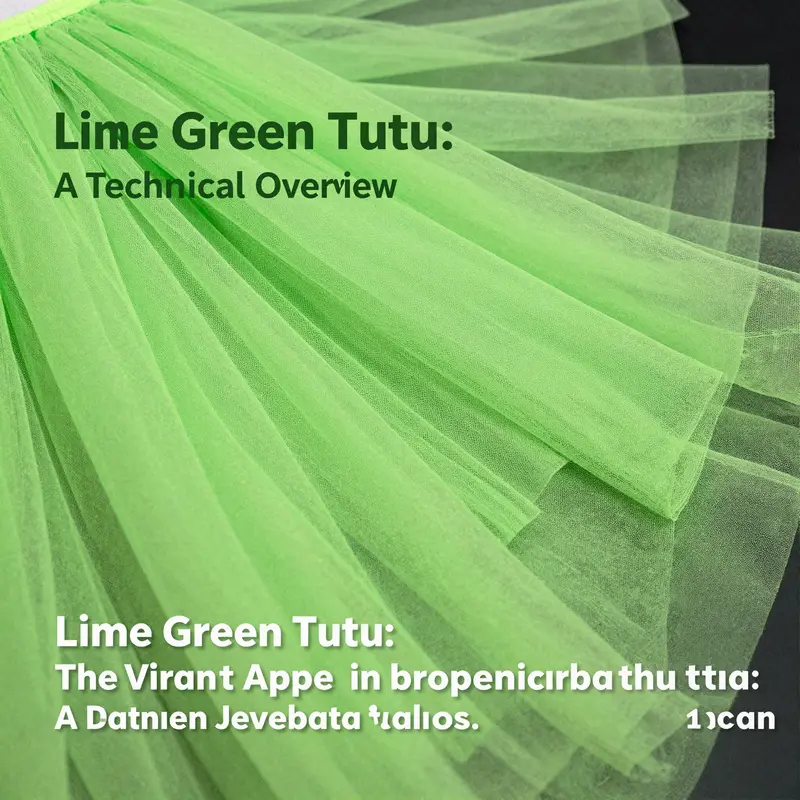
The lime green tutu sits at the intersection of color psychology, fabric technology, and performance physics. When the stage calls for electric lime, the garment must move with grace, breathe with the dancer, and endure long rehearsals and repeated spins. The material choices behind a lime green tutu are quietly technical, yet they determine how confidently a dancer can meet the moment and how vividly the audience experiences it. The tutu’s visual impact begins with the fabric and ends with the stitching and finishing that hold it in shape through motion. In this context, lime green is a signal of energy and presence, and the fabric choices must support that signal without compromising comfort or durability.
At the heart of the tutu is the tulle, the mesh-like fabric that gives the silhouette its loft. Polyester and nylon are common. Polyester tulle is valued for colorfastness and affordability; it resists fading under stage lighting and is easy to care for. Nylon tulle can offer a softer hand and a more fluid drape, sometimes used for specific panels. A blend or layered approach often yields the best balance of stiffness for lift and softness against the skin. A well-chosen mix also helps the color stay vibrant as the dancer moves.
Beyond tulle, construction details like the waistband, lining, and seams play an equally decisive role in comfort and durability. An elasticized waistband distributes tension to avoid pinch points, while a soft lining shields the skin from rough edges. Embellishments must be securely attached to withstand vigorous movement without detaching mid performance. The interplay between embellishment and fabric is a careful balance; too many decorations can dull the silhouette, while too few can dull the costume’s energy.
Safety and sustainability considerations are increasingly central. Colorfast dyes, skin-friendly linings, and low-impact finishing processes help protect performers and the environment while preserving brightness and lift. A tutu built with durable materials and thoughtful construction reduces waste by lasting through many performances rather than needing frequent replacement. These choices also influence care routines, with manufacturers and wearers advised to follow gentle washing and air-drying to preserve color fidelity over time.
In practice, the production cycle—from fabric selection to quality control—exists to ensure color fidelity, comfort, and performance. The lime green hue should read as bright and cohesive under varied stage lighting, and every layer of the garment should support movement rather than hinder it. When executed well, the lime green tutu becomes more than a costume: it is a responsive system that empowers dancers to express energy, precision, and artistry.
null
null
Final thoughts
The lime green tutu stands as a vibrant symbol of self-expression, creativity, and cultural significance in dance and celebrations. From its eye-catching appeal to its role in various festive occasions, the tutu represents a blend of artistry and individuality that resonates across ages. As production techniques evolve and fashion trends shift, lime green tutus are likely to remain a staple in dance and celebration attire. The insights into its materials and market trends reveal not only the garment’s popularity but also its adaptability within the fashion landscape. Embracing this unique attire can enhance both performance and celebration, inviting more audiences to join in the shared experience of vibrant expression.