
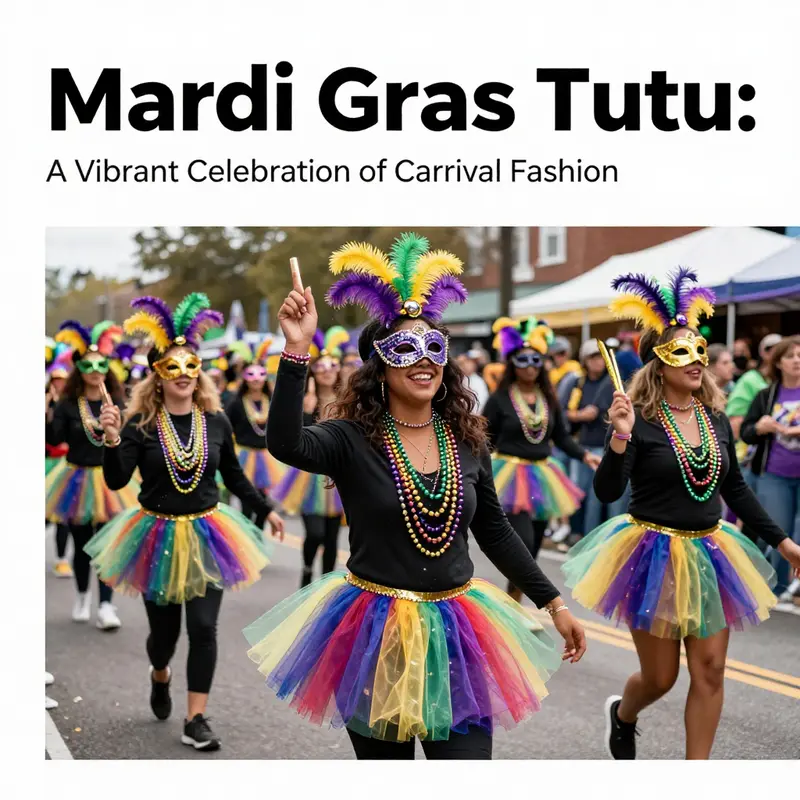
Mardi Gras, the joyous festival known for its vibrant parades and festive costumes, holds a special place in the hearts of many, where the Mardi Gras tutu has emerged as an essential piece of carnival fashion. These colorful skirts not only enhance the celebratory spirit of the event but also provide unique business opportunities for retailers and entrepreneurs looking to capitalize on the demand for festive attire. This article explores the essence of Mardi Gras tutus, popular accessory combinations and trends, their cultural significance, and the current market availability, empowering business owners to tap into this exciting niche.
null
null
Tulle, Color, and Carnival Spirit: Crafting the Mardi Gras Tutu as a Complete Parade Look
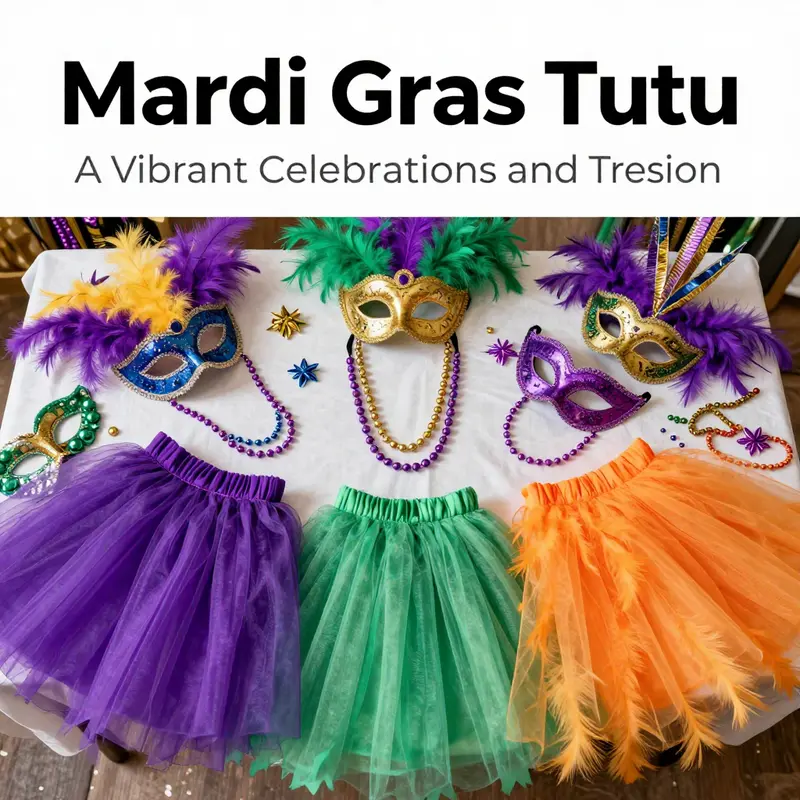
The Mardi Gras tutu has emerged as more than a simple costume piece. It is a portable carnival, a moving mosaic of color, texture, and movement that invites the wearer to participate in the spectacle rather than merely observe it. At its core, the tutu is a voluminous skirt made from layers of lightweight tulle, catching the light with every step and giving the wearer a buoyant, childlike bounce that mirrors the echoing rhythms of brass bands and street drums. The fascination with these tutus lies not only in their silhouette but in the way they function within a larger ensemble. For many, a tutu becomes the anchor around which an entire carnival persona is built. The combination of fabric, color, and accessory makes a statement that is both playful and expressive, transforming participants into walking canvases of Mardi Gras joy.
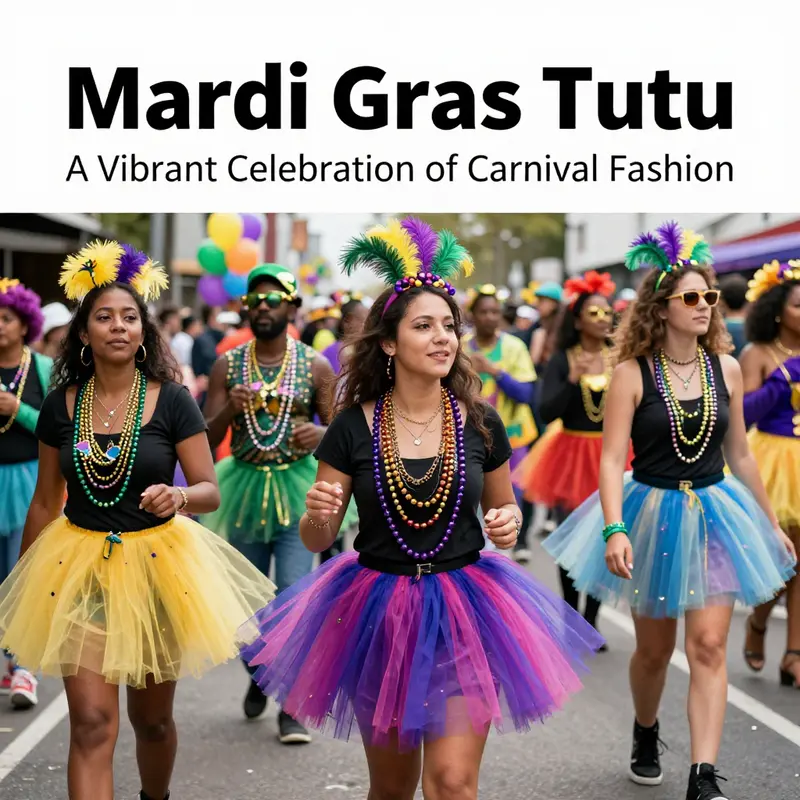
Color is the first language of this look. The classic Mardi Gras palette—purple, green, and gold—appears across tutus as a deliberate, symbolic code. Purple has long stood for justice, green for faith, and gold for power. When these hues are layered in sheer tulle, sequins, and beads, the effect is not merely cheerful but meaningful, a nod to the festival’s history and to the communities that bring it to life year after year. Yet color logic is not rigid. Modern interpretations of the tutu often blend traditional tones with unexpected accents—plums, teals, or luminous iridescences—that catch the eye under streetlights or in parade floats. This openness to variation invites wearers to tailor their look to personal histories and moods, turning a standard carnival silhouette into a personal expression of celebration.
The silhouette of the tutu is more than a trend; it is a functional design for movement. The layers of tulle create a buoyant sway with every step, a kinetic poetry that harmonizes with marching bands and dance routines. The fabric’s translucence creates a playful interplay between color and air, so a tutu reads differently from head-on as opposed to from the side or from the back. In motion, the layers catch the breeze, and the wearer can choreograph micro-mudras of texture—twists and flicks that reveal flashes of underlayers, beads, or sequins. This is where the costume ceases to be purely decorative and becomes a performance device. It allows the wearer to participate more fully in the overall energy of Mardi Gras, turning a public celebration into a personal theatre.
Accessory choices are the glue that binds the tutu to a complete ensemble. The most common companions include a faux feather headband, a decorative mask in a complementary shade or pattern, a feather boa for an extra flourish, and an abundance of beads that can be layered in multiple strands around the neck or wrist. The headpiece and mask serve a dual purpose: they enhance the carnival vibe while offering a sense of mystery and play. The mask, in particular, frames the face in a way that accentuates expression as the wearer communicates through gesture, smile, and movement rather than through speech alone. The feather boa, when chosen in matching tones, adds a tactile counterpoint to the soft drape of the tutu, its texture fluttering with each stride and giving the overall silhouette a dynamic, almost cinematic presence. Beads, the timeless stamp of Mardi Gras, do more than ornament; they conspire with the tutu to create a chorus of color that travels with the wearer through crowds, reflects off storefront windows, and glints off the glow of lanterns and confetti.
For many revelers, a ready-to-wear accessory set provides a careful balance between originality and practicality. These sets typically bundle the essential pieces into a cohesive package: tutu, headband, mask, beads, and a feather accessory that can be swapped or layered. The advantage of this approach is not only convenience but also cohesion; when each piece is designed to harmonize in color and texture, the wearer’s look reads as intentional rather than improvised. In a parade environment, where dozens of costumes compete for attention, a well-coordinated ensemble helps the wearer stand out without appearing overdone. In addition to ready-made sets, there is a growing trend toward customization. DIY embellishments—added sparkles, stitched patches, or hand-applied sequins—permit individuals to imprint personal meaning onto the uniform carnival language. A small patch that nods to a favorite memory or a name written in glitter can transform a standard tutu into a personal banner, a portable memory carried through the crowd.
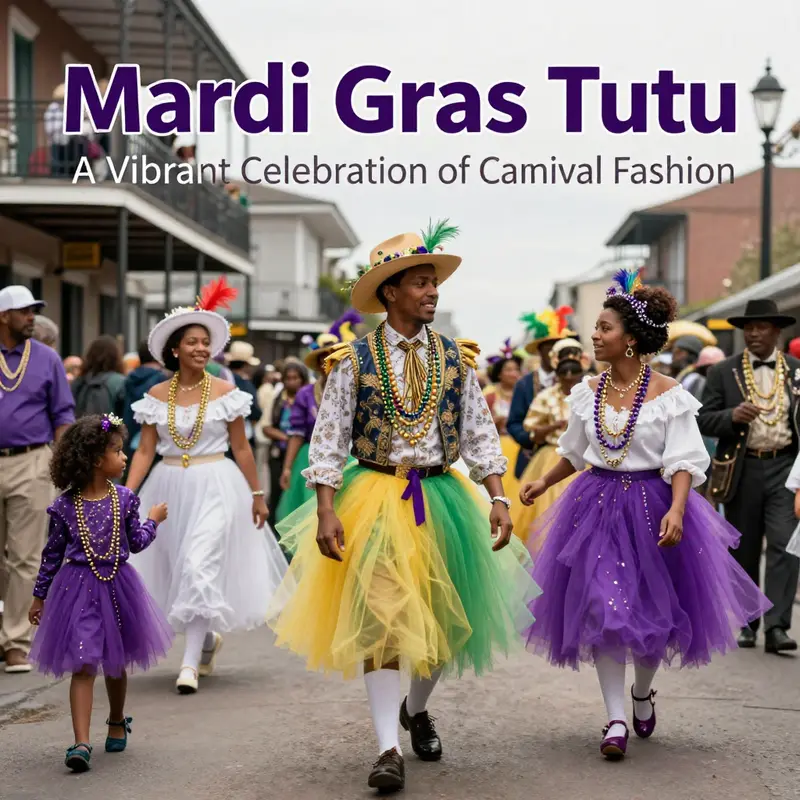
Inclusivity has become a central thread in the evolving Mardi Gras tutu narrative. The celebration has historically embraced a wide range of participants, and modern tutu culture reflects that breadth. The tutu is no longer a children’s accessory or an exclusively feminine costume; it appears across ages and identities, offered in sizes and styles that invite people of all genders to join the procession. This openness aligns with broader cultural shifts toward self-expression and community celebration. The tutu, in its forgiving silhouette and forgiving materials, provides a canvas that respects variation in body types and comfort preferences. For some, the tutu becomes a statement of solidarity, a way to signal belonging while joyfully imitating the exuberance of the carnival. DIY options help accommodate diverse accessibility needs, enabling wearers to adjust length, layer counts, or closure types so the outfit is not only visually striking but also comfortable for long hours of celebration.
The trend toward personalization does not erase tradition; it reinforces it by letting people engage with the same carnival vocabulary in fresh ways. Glitter and rhinestones, for instance, have moved from mere surface decoration to a language of light and texture. Glitter accents can highlight the hemlines or accent the waist with a ring of sparkle that catches the flash of streetlights as the parade moves along. Rhinestones stitched into the bodice or scattered across the tutu add a refined gleam that reads as premium but remains within reach for party-goers who want to invest in drama without sacrificing comfort. Patchwork accents with sequins can echo the beads worn by friends and family, creating a visual rhythm that travels along the street as a collective chorus rather than a solo performance. The result is a coordinated but personal array of embellishments that elevates the mood of the entire group while allowing each wearer to tell a distinct story through color, texture, and placement.
The practical side of assembling a Mardi Gras tutu ensemble involves a few careful considerations. Fabric choice matters; tulle remains a practical backbone because it holds shape while remaining light enough for long hours of wear. Layers should be balanced to maintain volume without restricting movement. The waistband and closure system must be secure yet comfortable, since a long day in crowded streets can test durability. Accessories should be chosen with consideration for weather and proximity to crowds; feather pieces, while dramatic, can become cumbersome in humid or windy conditions if not attached securely. Similarly, masks should offer enough visibility to navigate trails and street corners safely while still contributing to the overall silhouette. Striking the right balance between spectacle and comfort is the key to a Mardi Gras tutu that can bear the test of time during a parade, a party, or a late-night gathering.
A practical touchstone in this culture of embellishment is the pink-girls-women-performance-ballet-tutu, a reference point for how color, silhouette, and finish translate across tutu design. pink-girls-women-performance-ballet-tutu. This example demonstrates how the tutu’s length, the density of the layers, and the choice of finishing touches influence the overall effect. While it is not a Mardi Gras piece itself, it provides a useful lens for understanding how a tutu’s shape and surface treatment can harmonize with a broader accessory set, whether for a staged performance or a festive street event. A note on the broader ecosystem of accessory ecosystems shows how retailers frame coherent looks through curated bundles. A wearer can select a base tutu that provides the right velocity and volume, then layer in a headpiece, a mask, a boa, and a handful of beads that echo the primary colors of the outfit. In some cases, those pieces are sold as a single unit to ensure color continuity, while in others, wearers mix and match from different sources to produce a highly personalized result.
The marketplace around Mardi Gras tutus is as varied as the wearers themselves. Some participants lean toward a glittering, high-drama aesthetic that defies subtlety, while others favor a softened, more approachable shimmer that reads as festive without overwhelming the crowd. The best ensembles can do both: they command attention at a glance and reward closer inspection with thoughtful touches. This dual appeal explains why the tutu remains a central element of Mardi Gras fashion across informal street parties, family gatherings, and more expansive carnival environments such as themed resort events or public parades. It is not merely decoration; it is a portable expression of collective joy, a chance to participate actively in a public ritual while also wearing a personal banner that communicates mood, intent, and memory.
In this broader arc, the tutu’s adaptability emerges as its strongest attribute. It is a canvas that invites age and experience into the carnival frame. From young revelers discovering rhythm to elders recounting stories of past celebrations, the tutu becomes a shared metaphor for renewal and community. The trend toward customization ensures that this symbol remains relevant across generations, with current makers encouraging wearers to imprint identity onto a shared icon. Whether a wearer favors a dense, saturated look or a lighter, airier composition, the result is the same: the tutu becomes a moving reminder that Mardi Gras is a festival of color, sound, and inclusivity—an event where everyone can join the parade and invent their own small, personal ritual within the larger, spectacular parade of life.
External resource: https://www.amazon.com/dp/B0CZ7V5Q9P
null
null
Color in Carnival Motion: Navigating the Mardi Gras Tutu Market and the Consumer Pulse
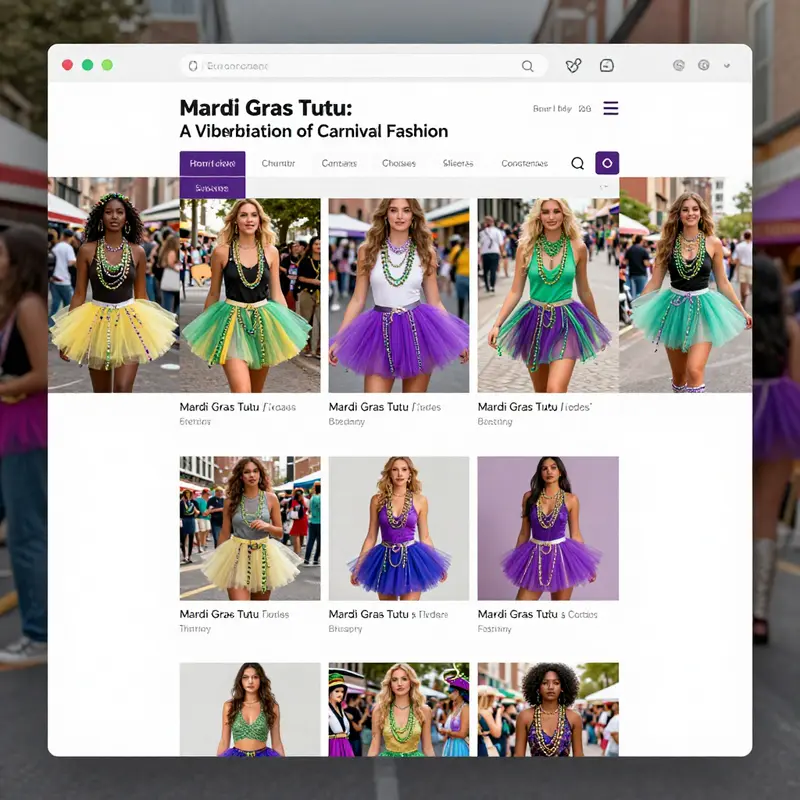
The Mardi Gras tutu has emerged from a simple prop to a symbol of carnival energy, a tiny garment with the power to shift mood, color, and confidence in a single twirl. In the heart of the season, it becomes more than fabric; it is a wearable invitation to participate in a shared ritual of joy, laughter, and community. The tutu’s appeal rests on how easily it communicates festivity. Layers of tulle catch the light, and bright hues—from regal purples to gleaming golds and vivid greens—echo the festival’s most recognizable palette. Subtle embellishments like sequins, ribbons, or feather accents turn a basic silhouette into a statement. Yet behind the sparkle lies a robust marketplace that responds to seasonal demand with a blend of accessibility and novelty. Shoppers move through options as if sampling a parade route: online catalogs reveal an array of styles, sizes, and accessory combinations, while physical shops tucked into party-supply aisles offer immediate gratification. The result is a market that looks simple at first glance yet rewards careful looking, because the right tutu is not just about color; it is about fit, texture, and the way it pairs with a complete ensemble for a night of celebration.
Most buyers begin with availability. During Mardi Gras, inventory across major retailers and specialty stores expands to meet a surge in demand. Online platforms often present a spectrum: multi-piece sets designed for quick assembly, single-layer tutus for comfort, and more elaborate, multi-tier options intended to maximize drama under the parade lights. The common thread is a promise of easy styling. A typical outfit package might include a tutu skirt paired with a complementary headpiece, a mask, a beaded necklace, and a feather boa. This combination is especially appealing to hosts and party-goers who want a ready-to-wear look that still lets personal taste shine through. The practical benefit is clear: when time is limited, a coordinated set reduces decision fatigue and ensures a cohesive appearance that photographs well in crowded, celebratory spaces.
Seasonal patterns also shape how consumers evaluate value. With Mardi Gras concentrated in late winter, shoppers tend to buy in advance of peak dates, seeking options that ship quickly or qualify for expedited delivery. The presence of free or fast shipping, especially for Prime members, often tilts decisions toward online purchases. In this climate, stock resilience becomes a key driver of consumer trust. A tutu that is readily in stock—especially in a range of sizes from kids to adults—emerges as a safer bet, while limited-time drops or exclusive designs at theme-park outlets can create a sense of urgency. This urgency is not merely about scarcity; it reflects a broader shopper mindset that aims to secure a festive look before the celebration peaks and retailers pivot to new seasonal offerings.
The design language of Mardi Gras tutus echoes the broader carnival aesthetic. Beyond the basic silhouette, materials play a crucial role in perceived quality and wearability. Nylon or tulle layers create volume without heaviness, while satin trims or metallic threads add a touch of polish. The color story typically centers on three iconic hues—purple, green, and gold—yet the market happily experiments with color harmonies that feel modern and fresh. Some ensembles lean into gradient effects or iridescent finishes that catch the light as the wearer moves. For many shoppers, the decision hinges on how the tutu will interact with other elements of the outfit: the feathered accents in a headband, the sparkle of a necklace, or the glow of LED-enhanced beads for a night-time procession. The tactile experience matters, too. A tutu that feels soft against the skin, with stable waistbands and neat seams, supports longer wear during parades and dances, while a design that clumps or tangles can undermine comfort and confidence when the celebration lasts several hours.
Even as people gravitate toward the basics, there is a noticeable appetite for accessory-led variations that can elevate a look without requiring a full wardrobe overhaul. LED Mardi Gras beads, for example, have gained traction as a complementary or alternative option to traditional strings of plastic beads. These illuminated accents offer a modern twist that suits masquerade balls, late-night parades, and photo-friendly moments. A few well-placed LEDs can turn a straightforward outfit into a focal point under city lights, drawing attention to movement and texture. The technology is unobtrusive enough to wear comfortably for extended periods, yet designed to deliver a playful, performance-ready vibe that aligns with the carnival’s exuberance. For some shoppers, the addition of light-up beads is less about novelty and more about safety and visibility in crowded venues, ensuring that celebrants feel seen and engaged as rhythmic drums and trumpets echo through the night.
In parallel with mass-market options, destination venues and theme parks have carved out a niche for limited-edition pieces that capitalize on the festival’s enduring popularity. At a well-known entertainment complex, the Mardi Gras season brings a dedicated tribute store that curates event-specific merchandise. While not exclusively focused on tutus, these shops curate items that speak to the festival’s spirit—colorful costumes, beignet-inspired plushies, and unique apparel that can only be found during the celebration window. The allure here is twofold: first, the sense of exclusivity that accompanies limited availability, and second, the opportunity to own a piece of memorabilia that marks a specific moment in time. For fans and families planning trips around the festival, this creates a compelling incentive to purchase early and participate in the seasonal ritual of collecting signifiers from the event itself, rather than simply assembling an outfit from generic pieces.
The consumer decision-making process in this market is not merely about color selection. It involves weighing the trade-offs between price, quality, and practicality. A budget-conscious shopper might prioritize a tutu with a forgiving stretch waist and a durable tulle that resists tearing, knowing that active participation in parades and dances can stress fabric and seams. A more discerning buyer might inspect the layering and finish of the tutu, looking for uniform trim, secure stitching, and consistent color payoff across all layers. The size range is another critical factor. Availability in both adult and children’s sizes expands market reach, enabling families to coordinate looks for an entire group. When packages are sold as complete sets, the perceived value often increases, particularly for first-time Mardi Gras participants who want a turnkey outfit that reduces the mental load of coordinating multiple accessories. The potential downside, of course, is that bundled sets may lack the flexibility to tailor the look to individual tastes. Savvy shoppers often browse as if shopping two aisles at once: a straightforward tutu option for everyday use and a higher-end, statement piece for a special night.
Color psychology also plays a subtle but meaningful role in consumer choices. Green, purple, and gold carry symbolic weight, reminding wearers of the festival’s heritage and its attendant myths of luck, spirituality, and opulence. Yet the market rewards experimentation. Some shoppers mix neon greens with metallic golds for a postmodern carnival effect, while others layer complementary accessories such as feather boas and glitter masks to craft a narrative around the wearer’s personality. The tactile and visual interplay of color and texture helps explain why some outfits feel instantly cohesive while others require additional pieces to bridge aesthetic gaps. In this sense, the tutu becomes a canvas on which personal style can be expressed in the context of a collective celebration, a reminder that fashion at Mardi Gras blends individual preference with communal festivity.
Looking at the shopping journey through the lens of experience design reveals how retailers and creators shape consumer choices. Easy-to-find product pages with clear size guides, generous return policies, and detailed fabric descriptions build trust. For many shoppers, the ability to read reviews or view quick-fit videos reduces the uncertainty that often comes with online purchases. Visuals matter: seeing how a tutu moves in motion, how the layers catch light, and how the waistbands behave when sitting versus dancing informs a decision in ways words cannot. This is why the best marketplace offerings balance descriptive text with practical imagery, offering both aspirational styling and concrete, measurable details. The result is a buying path that feels intuitive and satisfying, even when a shopper explores a crowded catalog laden with options.
As with any seasonal fashion category, timing remains a critical variable. The window for securing the most coveted looks narrows as the festival date approaches. Stock levels can shift quickly in response to social media buzz, influencer looks, or spontaneous group purchases for parties and parades. This reality reinforces a broader truth about Mardi Gras tutus: they perform not only as clothing but as catalysts for shared experience. A well-chosen tutu helps a wearer feel connected to a larger audience, to the music and movement greeting the parade routes, to the moment when strangers smile at a color that resonates with the city’s rhythm. In this sense, the tutu’s value lies not only in its fabric or its price but in the emotional resonance it carries during a night of public celebration.
For readers curious about how tutu silhouettes and trims influence the overall look in festive contexts, consider exploring a curated example from a pink ballet costume collection that pairs a lightly gilded edge with delicate tailoring. This reference offers insight into how subtle design choices translate into carnival-ready style, highlighting how trims and color balance can harmonize with bold accessories. pink ballet costumes for sale—Sleep Beauty gilded edge. The example serves as a reminder that knowledge of related costume traditions—such as ballet-inspired elements—can inform Mardi Gras styling in a way that respects both movement and aesthetics.
For readers seeking broader shopping guidance beyond the catalog, a practical starting point is to browse a representative online listing that embodies the season’s core appeal: affordable, eye-catching, and easy to wear. The market offers options designed to be worn with confidence in crowded streets, dance floors, and parade routes. The right choice balances budget with comfort, ensuring that the wearer can participate fully in the festivities without constant adjustments. This balancing act is central to successful consumer choices during Mardi Gras, where the goal is to feel vibrant and free rather than constrained by fashion compromises. The tutu, in this story, becomes a bridge between personal expression and a shared celebration, a small fragment of fabric that carries the wearer through the glow of lights, the hum of music, and the laughter of friends and strangers.
External resource for readers who want a concrete example of a current market listing and its seasonal availability can be found here: https://www.amazon.com/dp/B0CQJZKX2F. This link offers a snapshot of how a typical Mardi Gras tutu item appears in a major online marketplace, including color variety, sizing options, and delivery expectations that align with the seasonal shopping cycle. While shopping, readers should also keep in mind lead times, ship-to policies, and potential regional shipping limitations that can affect delivery timing before celebrations begin.
In sum, the Mardi Gras tutu market is characterized by its blend of accessibility and flair. Market availability is broad enough to satisfy casual celebrants while still supporting collectors and enthusiasts who seek exclusive or elevated pieces. Consumer choices are driven by more than color; they are shaped by fabric quality, fit, and the confidence a complete outfit provides. The season’s urgency nudges shoppers to decide with purpose, but it also invites experimentation. The tutu becomes a vehicle for personal celebration, a flexible canvas on which tradition meets modern brightness. It invites participants to move with the street rhythms, to glow under festoon lights, and to share in a carnival memory that lasts far beyond the final brass note of the night. As markets respond to this energy, shoppers gain not just a piece of clothing but a passport to participate in the collective magic of Mardi Gras.
Final thoughts
Mardi Gras tutus hold a unique position within the carnival fashion landscape, serving not only as a symbol of festivity but also as an attractive product line for retailers. By understanding the essence, trends, cultural significance, and marketability of these vibrant garments, business owners can successfully engage with consumers looking to enhance their Mardi Gras experience. Whether optimizing accessory offerings or curating collections that resonate with the holiday spirit, the Mardi Gras tutu represents an outstanding opportunity to drive sales and cultivate brand loyalty in the festive attire niche.