
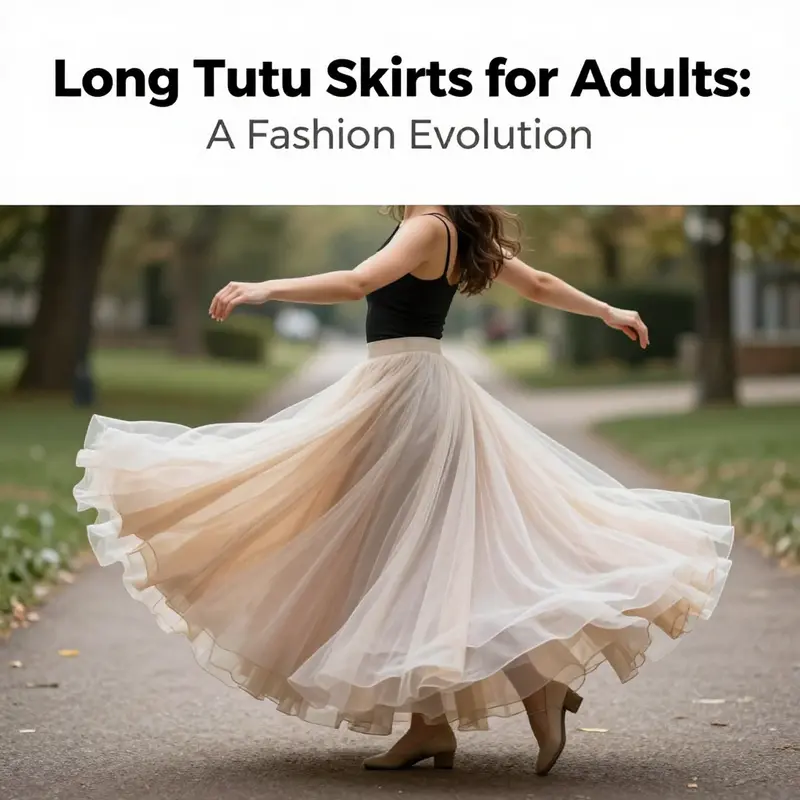
Long tutu skirts have redefined contemporary fashion, transitioning from ballet to the everyday wardrobe. This captivating garment blends the whimsical elegance of ballet with modern styling, appealing to diverse tastes. As business owners explore opportunities in this growing niche, understanding its trend dynamics, material choices, and versatility becomes essential. The forthcoming chapters delve into the exploration of styles and trends, the comfort and durability of fabrics, the myriad occasions suitable for these skirts, sizing considerations, and a buying guide to ensure the perfect selection. Together, these insights provide a comprehensive view of how long tutu skirts can enhance fashion offerings while meeting market demands.
Whimsy Refined: The Continual Evolution of Long Tutu Skirts for Adults
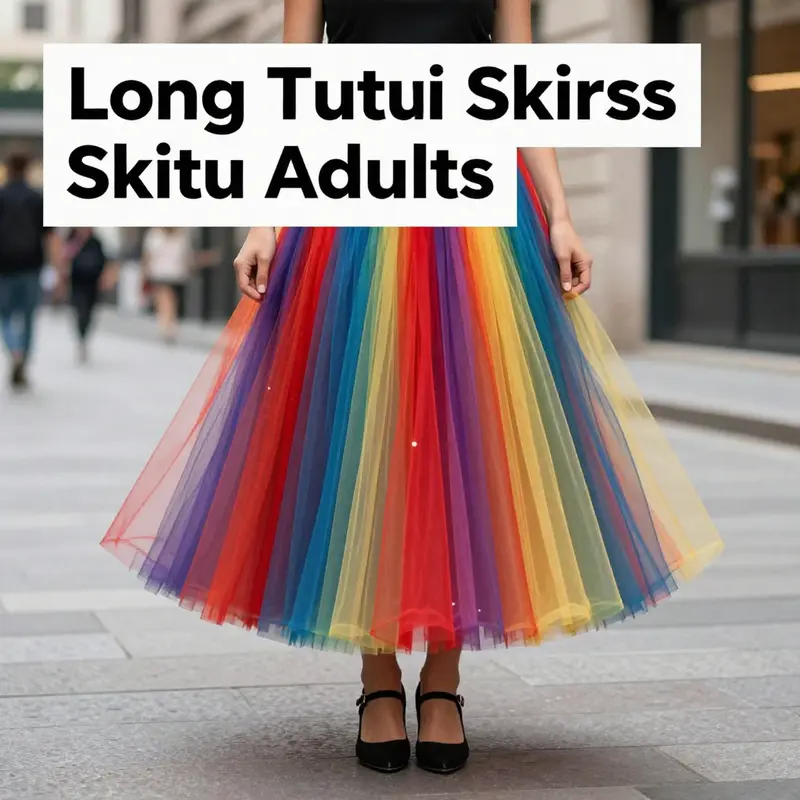
The appeal of long tutu skirts for adults rests in a delicate paradox: something that began as a stage silhouette has matured into a versatile wardrobe staple that can feel ethereal in daylight and radiant at night. Rather than a costume, these skirts have become a form of expressive attire, a way to carry a sense of playfulness into everyday moments without sacrificing polish. The modern long tutu skirts acknowledge the ballet lineage while embracing a broad spectrum of fabrics, fits, and silhouettes. They invite a wearer to sculpt her silhouette, to catch light in layered edges, and to move with a softness that reads as both dreamlike and deliberately contemporary. What makes this garment endure is not merely novelty but a careful blend of comfort, structure, and styling potential that resonates across different body types and life occasions.
At the core of the design is the signature volume created by layered tulle, often paired with subtle organza sheen or a satin lining that gives the skirt a confident drape. The effect is less about peacocking and more about a controlled, breathable drama. The fabric choices are more than texture; they are about how breathability, movement, and warmth coexist. Breathable tulle mixes with soft-knit or velvet accents to extend wearability through transitional seasons. A long length—typically floor to near-floor—encourages a statuesque line, especially when paired with high waist lines that elongate and refine the torso. The waist is where modern craft really shines. Elasticized waists, drawstrings, or hidden zippers offer a customizable fit that honors different torso lengths and comfort preferences. High-waisted designs have emerged as particularly flattering: they not only streamline the silhouette but also create space for layering tops, belts, or cropped jackets, transforming the tutu into a curated outfit rather than a single-piece statement.
The silhouette is often engineered to flatter a broad range of body types while preserving that characteristic buoyancy. Multi-layered skirts bring volume without bulk, because the layers can be cut with varying degrees of stiffness and translucence. The pleating detail, frequently seen in longer styles, adds texture and movement, catching light as the wearer shifts—an effect especially noticeable in soft, pastel palettes that echo spring gardens or moonlit evenings. Even when the color story veers toward deeper tones for autumn and winter events, the layering technique keeps the fabric from feeling heavy. The result is a garment that can glide from casual daytime activities to more formal occasions without requiring a complete wardrobe overhaul.
Seasonal sensibilities have expanded the stylistic repertoire of long tutu skirts. Spring and summer favor light, airy tones that read as delicate and approachable, while fall and winter welcome deeper hues and richer textures. This year’s blends emphasize the versatility of the skirt—its ability to be worn with a simple tee for a festival look, or paired with a tailored blazer and sleek boots for a refined evening ensemble. The pleated detailing, when used, serves a practical purpose as well: it helps the fabric resist wrinkling under daily wear and lends a durable, durable finish that can endure repeated movement on crowded streets or dance floors. The overall effect is a garment that feels intentionally designed for a modern, social lifestyle rather than a solitary stage moment.
Styling a long tutu skirt for adults becomes a conversation between whimsy and restraint. Pinterest, as an ongoing source of real-world styling inspiration, highlights several approaches that have influenced mainstream choices. The ideas span layering with crop tops or snug sweaters, pairing with boots for an edgy twist, or dressing up with structured blazers for a more sophisticated silhouette. These ideas illustrate a broader point: the tutu’s charm lies in its adaptability. It can be playful and daring, or polished and professional, depending on the accompanying pieces and the context of wear. A practical tip that echoes this flexibility is to think in terms of balance. If the skirt is voluminous, keep the upper half streamlined with a fitted top or a blazer. If the top is more generous, a simpler, cleaner bottom keeps the look from overwhelming the frame. Accessories—belts, delicate jewelry, or a slim belt bag—can tailor the mood without upstaging the skirt’s own storytelling.
The contemporary market for long tutu skirts reflects both accessibility and aspirational design. Consumers discover these skirts across major online retailers and global marketplaces, where adjustable waists and multiple layers are commonly offered, along with varied color ranges. The emphasis is on inclusive sizing and adjustable features that make the garment approachable to a wider audience. The material story shifts subtly here as well. Market-ready designs may feature blends that improve breathability for all-day wear, alongside texture-rich trims such as lace edges or satin bands that elevate the finish. The fabric mix supports a wearer who might need to transition from a daytime event to an evening function, without a heavy wardrobe change. In practice, the long tutu skirt becomes a reliable groundwork layer for a versatile outfit, a kind of canvas that invites personal expression through color, texture, and silhouettes.
Aesthetic nuance lives in the decision to choose a floor-length or a knee-to-floor cut, and the choice often hinges on the wearer’s height, leg confidence, and the intended occasion. Floor-length designs tend to evoke drama and elongation when paired with a carefully chosen boot heel or stiletto and a fitted top. Midi-length options, by contrast, lend a vintage, retro mood that complements cropped jackets or loose-knit turtlenecks. The decision to implement a high waist can further enhance the leg-lengthening effect, creating an uninterrupted vertical line that is both flattering and dramatic. For those who prefer a subtler silhouette, a softer volume with a few more layers can preserve the tutu’s signature glow without the overt ballooning effect. The resulting looks can be both editorial and wearable, a rare blend that speaks to both fashion risk-takers and practical dressers.
The crossover between performance-inspired design and everyday fashion is one of the long tutu skirt’s most compelling aspects. In spaces like weddings, proms, festivals, and themed parties, these skirts are celebrated for their ability to refuse the ordinary while still allowing the wearer to participate in the moment. Yet the same piece can anchor a weekday outfit, grounding a look with a touch of whimsy that feels intentional rather than gimmicky. What ties these uses together is a thoughtful tailoring approach and a respect for movement. The wearer should feel as if the fabric is buoyant, not burdensome, and as if every step is a little choreography of its own. The texture and weight of the fabric matter here; even when the garment looks voluminous, the construction is designed to minimize drag and maximize ease of motion. Comfort, after all, is a facet of style that tends to amplify confidence, and confidence is a crucial element for any look to feel complete.
In choosing how to accessorize, the tutu skirt becomes a platform for personal storytelling. A simple belt can cinch the waist and anchor the waist-to-hem proportion, a choice that helps the eye read a clean, elongated line. A tailored blazer can transform the piece from festival-ready to office-appropriate, while a cropped knit can soften the silhouette for a casual daytime outing. Shoes matter: without overpowering the layer, a dancer-inspired flat or a modest heel can complete the line. The palette choice can range from soft pastels that whisper rather than shout, to bold tones that make the wearer stand out in a crowd. The design invites experimentation, but the most enduring looks tend to be those that respect the tutu’s origin as a sculptural, kinetic garment while celebrating the wearer’s present moment and setting.
As with any evolving fashion niche, consumer dialogue shapes the trajectory of long tutu skirts for adults. Designers listen to how real people move and live in their garments, and the feedback translates into practical refinements: improved waist adjustability, more durable seams, and finishes that resist pilling or snagging through daily use. The result is a product that remains relevant beyond a single trend cycle. It is a clothing item that honors both nostalgia and modernity, a rare combination that helps explain why it continues to grow in popularity across diverse markets and settings. When a person slips into a long tutu skirt, they carry with them a sense of possibility—the chance to rewrite what a “skirt” can be and to rewrite how joy, movement, and fashion coexist.
For readers exploring tangible examples of how these ideas translate into real garments, a curated catalog of tutu-inspired pieces showcases the kinds of construction and styling details that breathe life into the concept. One page worth noting highlights a high-quality white ballet tutu with Swan Lake-inspired details, a design that foregrounds both elegance and technical finish. This reference point offers a helpful visual sense of proportion, layering, and restraint—the sort of balance that translates well to many modern color stories and seasonal palettes. See the high-quality white ballet tutu page here: https://luneballet.com/product/high-quality-white-ballet-costume-tutu-swan-lake-t0596/.
In sum, long tutu skirts for adults have matured into a flexible, expressive option that remains anchored in a storied lineage while growing with the aesthetics of contemporary wardrobes. They are not merely costumes but canvases—spaces where craft meets personal style, where fabric weight and seam geometry support movement, and where a person can step into a room with a sense of wonder that is never out of place. The chapter of contemporary fashion that these skirts inhabit is still being written, and yet their core appeal—soft drama, inclusive fit, and everyday wearability—has already become a durable part of the modern wardrobe. For those who want a single garment to carry both whimsy and polish through a range of events, the long tutu skirt offers a remarkably steady, endlessly adaptable centerpiece.
External inspiration: https://www.pinterest.com/ladiesofvisionevents/tutus-for-adults/
Weaving Comfort and Durability: The Material Truths Behind Adult Long Tutu Skirts
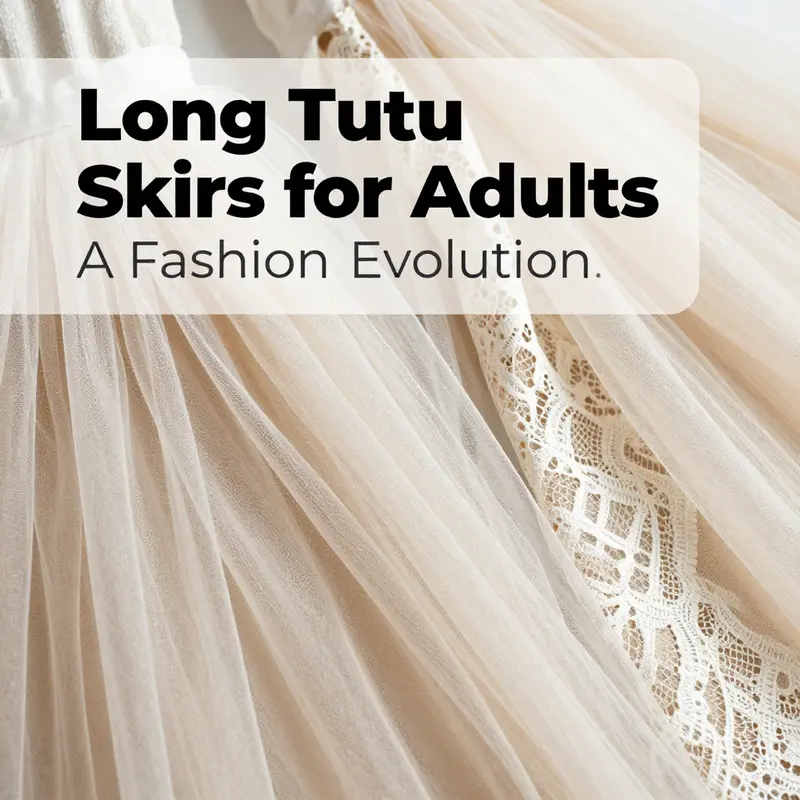
Long tutu skirts for adults sit at an intriguing crossroads between performance gear and everyday fashion. They embody a playful nod to ballet while offering practical versatility for festivals, parties, and even casual streetwear. The story of these garments begins with the materials chosen to shape their silhouette, their feel against the skin, and their ability to endure the rhythms of real life. At the core of most long adult tutus is polyester tulle, a fabric that has become almost synonymous with tutu aesthetics. Polyester tulle is lightweight enough to float with every movement, yet sturdy enough to resist the snagging, stretching, and wrinkling that can plague lighter synthetics. Its stretch and resilience help the skirt recover its full, buoyant shape after each step, twirl, or pose, preserving the intended volume without requiring constant adjustments from the wearer. This compatibility with repeated wear and washing makes it a practical choice for photo sessions, performances, and regular fashion experimentation alike. The cotton-backed or lined variants often heighten comfort by creating a barrier between the tulle and the skin. A lining can reduce friction, absorb some moisture, and soften the initial touch, which is especially welcome for anyone who plans to wear a tutu skirt for extended periods. The result is a more forgiving fit that minimizes chafing and irritation, letting the wearer enjoy the movement and the look without distraction. In many collections the lining also contributes to a cleaner drape, helping the layers settle in a way that looks intentional rather than merely stacked. A notable example in the broader market can be seen in the catalog entry professional-costumes-in-ballet-golden-trims-fit-blue-bird-t0432, which demonstrates how a refined lining interacts with multi-layer tulle to produce a polished silhouette suitable for stage and refined leisure alike.
Nylon is another fabric that frequently appears in adult tutu skirts, prized for its smooth texture and breathability. When blended with tulle, nylon can soften the overall hand while retaining a crisp, airy feel. For wearers who seek a more skin-friendly option without sacrificing structure, a nylon blend can offer a welcome balance between softness and resilience. A positive side effect of nylon and similar synthetic fibers is their improved resistance to pilling and fuzzing over time, which contributes to durability in everyday use. Among consumer models these blends often align with mid- to high-end constructions, where a more carefully controlled weave translates into a skirt that holds shape under dynamic movement—from a slow, gliding walk to a rapid, celebratory spin. A characteristic often observed in higher-quality offerings is the way the fabric breathes with the body; the texture stays comfortable on the skin, reducing the likelihood of overheating or dampness during warm-weather wear. Viscose and cotton blends also make appearances, valued for enhanced breathability and a softer hand. These blends can reduce static in dry environments, an effect that supports a smoother flow of the fabric as the wearer moves. Yet true viscose-containing fabrics may be less durable in the long run than sheer polyester or nylon blends if not carefully finished, especially under frequent washing or folding. When durability is prioritized, designers often favor combinations where a robust synthetic core provides structure, while a softer, breathable layer adds comfort for extended wear.
The number of layers is a defining factor in how a long tutu skirt feels and behaves in real life. More layers increase fullness and drama, but they also introduce weight and bulk that can influence wearability. Six or more layers often yield a crisper, more sculpted silhouette that reads strongly on camera and on stage, yet the added fabric requires careful attention to balance and fit. This balance matters because a heavier, multi-layer skirt can pull at the waist or hips if the waistband is not well designed. Elastic waistbands are common because they offer a forgiving range of fit, especially when the wearer’s measurements sit near the edge of a standard size. A properly designed waistband distributes pressure evenly, allowing the layers to hang correctly and avoiding that tugging sensation that can make even the most beautiful garment feel impractical after a short while. The interplay between layers, weight, and movement is a crucial part of the material story, shaping both aesthetics and comfort. It also informs how a tutu responds to long days of wear, from rehearsal to a late-night event, and why some designers reserve the heavier fabric for evening affairs while using lighter, more flexible constructions for daytime wear.
Static and odor retention are practical considerations tied to fabric choices. Dry climates or heated indoor spaces can promote static cling, particularly with certain synthetic blends. To counteract this, many skirts rely on blends that include moisture-friendly fibers or incorporate a lining that helps dissipate static charges. Odor retention is another reality when fabric is layered and worn for long durations without ventilation. Proper ventilation across the layers—facilitated by carefully engineered gaps and breathable linings—helps keep the garment feeling fresh. These concerns are not merely technical; they inform the wearer’s experience. A tutu that feels slightly stiff, sweaty, or clingy can undermine the sense of ease that makes long tutu skirts appealing beyond performance contexts. The solution lies in mindful material choices that pair comfort with durability: a high-grade polyester or nylon blend with a thoughtful lining and a design that promotes airflow. It is not unusual for makers to introduce a light, breathable secondary layer near the skin, while keeping the outward shell crisp and voluminous. The goal is a garment that feels both sturdy and gentle to the touch, able to hold its form through motion and multiple wearings yet soft enough to be comfortable during long events.
Care considerations accompany any discussion of durability. Even the best fabrics require respectful handling. Washing instructions that preserve fiber integrity are essential, and the choice of washing method can influence how long a tutu skirt remains vibrant and full. Cold or lukewarm water, gentle cycles, and air drying help maintain shape and minimize stretching or shrinking. Avoiding high heat is particularly important for tulle, where heat can distort the delicate edges of the fabric and reduce the loft created by layered construction. When a lining is present, it benefits from similar care, though it can sometimes tolerate a slightly more robust washing approach if the manufacturer’s recommendations permit. Storage method matters as well. Loosely hanging the skirt or laying it flat prevents creases that would otherwise require steaming or pressing, which could affect the integrity of the layers or the lining. If odors do appear after storage, airing the garment in a well-ventilated space and allowing time for the fabric to breathe can restore freshness without aggressive washing. The practical combination of robust outer fabrics with a comfortable inner layer enables long tutu skirts to perform across settings—from bright festival afternoons to choreographed stage routines and relaxed gatherings.
In designing or selecting a long tutu skirt, the relationship between fabric and silhouette becomes central to the wearer’s experience. A well-chosen material set supports a silhouette that remains intentional throughout wear. A skirt built with a sturdy polyester tulle base coupled with a smooth nylon blend for the outer face can maintain crisp edges while avoiding a stiff feel against the body. This pairing contributes to a flattering line that elongates the torso and enhances the drama of the movement. A high-waisted design often uses a robust waistband to ensure that the layers stay evenly distributed as the torso bends or twirls. When combined with an appropriate lining, the result is a garment that feels secure and comfortable, even during extended performances or celebrations that last deep into the evening. The relationship between layers and weight is not merely aesthetic; it is practical. Heavier skirts demand more deliberate movement, but with careful fabric selection, the wearer experiences a kind of buoyancy that makes the body appear lighter and more expressive. The technical material choices translate into emotional outcomes: confidence in movement, ease in posing, and the willingness to experiment with shapes and colors that might otherwise feel out of reach.
For anyone exploring long tutu skirts as a personal style anchor, the materials you choose become a form of self-expression. The right fabric blend can lull the mind into a sense of ease while the silhouette commands attention. It is possible to find options that speak to a playful, theatrical impulse without surrendering everyday practicality. When a wearer feels comfortable—when the fabric caresses the skin, moves with the body, and remains durable through days of wear—the tutu ceases to be merely a costume. It becomes a canvas for everyday fantasy, a garment that invites experimentation with color, texture, and pairing. The layering itself can become part of the style narrative, with belts or decorative tops adding personal flair while the fabric carries the weight of the design. The modern long tutu skirt thus lives at the intersection of art and function, where materials shape both the aesthetic and the mood.
In considering the broader ecosystem of long tutu skirts for adults, it helps to recognize the role of material science in the evolution of this niche fashion. The emphasis on comfort and durability reflects a market that values longevity and ease of use alongside visual impact. A well-constructed skirt that uses high-grade polyester or a nylon blend, with an effective lining and a thoughtful number of layers, offers a reliable platform for creative expression. Whether worn for a high-energy performance or a casual festival outfit, the garment is likely to respond well to the wearer’s movements and the rhythm of the event. This harmony between fabric, cut, and fit is what differentiates a garment that looks good in a showroom from one that feels good in real life. The precision in material choice also supports a sustainable approach to fashion, encouraging consumers to invest in items that endure rather than items that require frequent replacement due to wear or discomfort. In this sense, the long tutu skirt serves as a bridge between imaginative style and practical attire, anchored by fabrics that deliver both delight and durability.
External reference on fabric availability can provide additional context on commercial options and the kinds of finishes designers seek. For a broader sense of material availability, consult this external supplier page: https://www.alibaba.com/product-detail/High-Quality-Top-Selling-Womens-Tulle-Multi_1600479229765.html?spm=a2700.1.women-s-kids-clothing.1.5a3e5f1dWwBQYR. The page illustrates the range of tulle-based options that inform contemporary tutu constructions, offering insight into layer counts, finishes, and associated trims that might influence both price and performance. The material possibilities described here echo the real-world variety seen in adult tutu skirts, where durability and comfort are balanced with aesthetic ambitions. The blend of technical specification and creative intention is what makes long tutu skirts for adults a living, evolving piece of fashion rather than a static costume. The ongoing dialogue between textile science and personal style continues to shape how these garments are made, bought, worn, and appreciated.
Whimsy That Works: The Seamless Versatility of Long Tutu Skirts for Adults Across Everyday and Special Occasions
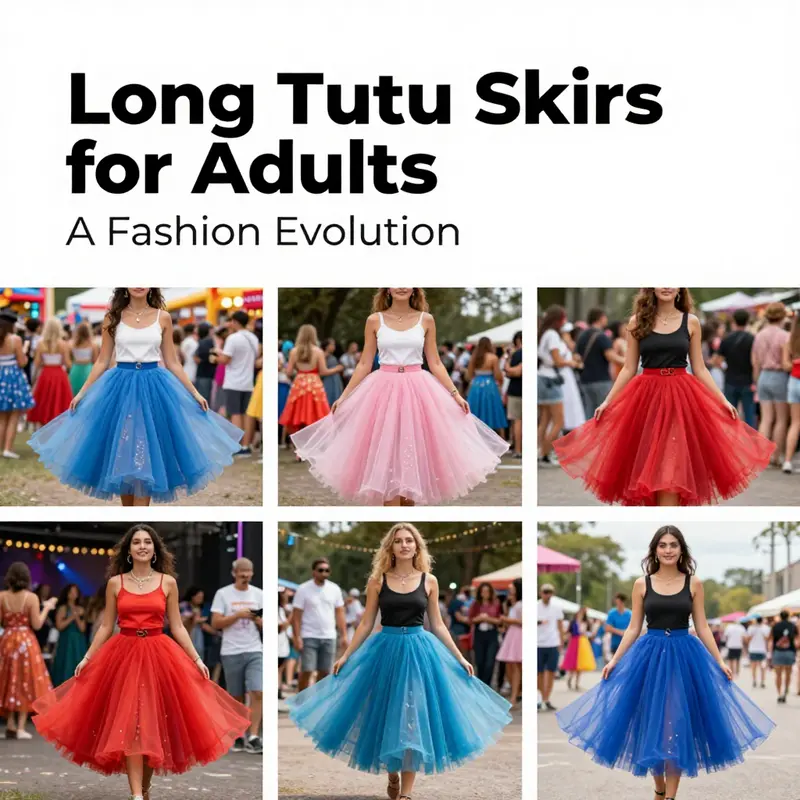
In the evolving landscape of contemporary fashion, long tutu skirts for adults stand as a rare bridge between childhood wonder and adult confidence. They are not mere costumes or novelty pieces; they are wardrobe fundamentals that invite playfulness without sacrificing polish. The iconic silhouette—the full, layered cascade of tulle or netting—reads as romantic motion in motion, a visual reminder that clothing can be as much about movement and feeling as it is about form. The appeal lies in more than volume. It is the way a long tutu can anchor a mood, signal a season, and absorb the tone of an occasion with a single, stylish shift. When designers and everyday wearers approach this garment with intention, the result is a versatile tool that can anchor everything from casual brunches to formal gatherings, from quiet personal moments to stage-driven performances. In short, the long tutu skirt has transitioned from a strictly performative object to a practical skews of modern dressing, ready to adapt to a range of contexts without losing its inherent whimsy.
The fabric story behind these skirts is essential to understanding their adaptability. Layers of lightweight tulle or organza create the skirt’s signature buoyancy, while occasional trims—satin, lace, or subtle metallic threads—add texture and a touch of elegance that translates beyond the dance studio. The choice of fabric does more than dictate appearance; it governs comfort, weight, and how the skirt interacts with the wearer’s body and climate. A skirt built from multiple soft layers floats with the wearer’s movements, catching light and catching the eye in a way that feels both timeless and contemporary. For days when the air is cooler, designers and wearers alike layer the tutu over tights or leggings, turning it into a warm, kinetic sculpture rather than a single, standalone piece. In warmer months, a lighter layer count can preserve breathability, letting air circulate and the skirt maintain its dramatic swing without becoming overpowering. The result is a garment that performs with the season rather than against it.
Construction details reinforce the long tutu’s practical flexibility. Elastic waistbands provide a forgiving, customizable fit that accommodates different body types and fluctuating sizes without sacrificing silhouette. Multiple layers not only elevate volume but also create a forgiving drape that suits various heights and proportions. When the design leans toward a higher waist, the elongating line can transform the wearer’s look, producing a slender, leg-lengthening effect that works well with both heeled and flat footwear. Conversely, a lower waist or mid-rise design can offer retro or playful vibes, depending on how it is styled. Length variations—from knee to floor—enable a spectrum of moods: a knee-length version can feel retro-chic and casual, while a floor-length style leans into elegance and drama. The modern interpretation often blends these dimensions with practical touches like reinforced seams and hidden pockets, ensuring the tutu remains functional for performance, travel, or daily wear. The design ethos that emerges is one of balance: maintain the garment’s distinctive silhouette while embedding features that maximize comfort, durability, and everyday usability.
Color and palette have grown as important as fabric and cut in shaping how adults wear long tutu skirts. Seasonal shifts—pastels in spring and summer, deeper intensities in autumn and winter—mirror broader fashion currents while still honoring the tutu’s playful core. A mature palette can temper whimsy without dulling it, enabling the skirt to pair with structured tops, tailored jackets, and even luxury fabrics like satin or velvet for evening events. High-waisted skirts in single tones or subtle ombrés can elongate the body and create a refined backdrop for accessories, while multi-layered tutus in complementary shades open opportunities for bold, theatrical styling that still feels intentional and tasteful. Accessories are the finishing strokes that complete or entirely reimagine the look: a slim belt can cinch the waist for definition, a delicate headpiece or simple pendant adds narrative, and a tailored blazer can anchor the ethereal silhouette in a setting that leans formal. The skirt thus becomes a canvas—versatile enough to accept a range of styling cues without surrendering its essential character.
From a styling perspective, the long tutu skirt excels because it invites a range of pairing strategies that feel both fresh and respectful of its heritage. For casual wear, pairing a long tutu with a clean crop top, a sleek tank, or a chunky knit can create a playful, Instagram-worthy ensemble that remains approachable for everyday life. The softness of the fabric contrasts with the structure of a simple top, producing a balanced silhouette that flatters many body types. The whimsical mood is accentuated by footwear choices, from white sneakers that keep the look grounded and comfortable to ankle boots that inject a hint of edge. The key is to let the skirt do the talking; the top should complement rather than compete, allowing the layers and movement to draw the eye.
In more formal and semi-formal settings, the tutu skirt steps into an elegant, almost couture zone. A tailored bodice or a structured jacket worn over the skirt creates a juxtaposition that feels refined and fashion-forward. The fabrics shift the tone further: satin, lace, or metallic threads can elevate the ensemble, making it suitable for weddings, galas, or black-tie events where a gownhouse alternative might be desired. The tutu’s volume remains a feature to be celebrated, but the styling cues can be stronger and sharper, with clean lines and carefully chosen accessories. In these moments, the long tutu becomes a declaration of confidence—an intentional blend of artistic whimsy and adult sophistication that communicates a sense of personal narrative rather than mere costume.
Festive and holiday occasions provide another dimension to the long tutu’s versatility. The silhouette’s drama aligns naturally with seasonal color schemes and celebratory atmospheres. Think of bold jewel tones, glitter accents, and festive trims that resonate with holiday décor and party lighting. The tutu supports playful character work too, making it a popular option for themed gatherings or family photo shoots where self-expression feels essential. Here again, the ability to layer with tights, add a belt, or top with a decorative blouse ensures the garment remains adaptable to a wide array of festive moods. The performance history of the tutu lingers in the background, but the wearer’s intent takes the foreground: this is about celebrating personal style with a nod to tradition rather than replicating a specific ballet role.
Dance and performance remain a powerful touchstone for the long tutu skirt, reminding us why the silhouette exists in the first place. The practical evolution—the integration of reinforced seams, stretchable waistbands, and even hidden pockets for small necessities—ensures that movement reads as fluid rather than restricted. These design refinements translate beautifully into non-performance contexts, letting wearers experience the same sense of effortless glide on a crowded street, at a gallery opening, or during a quiet evening out. The tutu’s ability to capture light and air in motion makes it an enduring catalyst for expressive, confident self-presentation. Performance wear has always influenced street fashion, and the adult tutu is a prime example of that cross-pollination now finding comfortable, everyday relevance.
Beyond fabric and fit, the tutu’s adaptability reaches into the realm of personal storytelling. Every choice—the length, the layering, the color, even the moment of pairing it with a single pair of shoes—becomes an element of narrative. A high-waisted, floor-length version in a deep hue can suggest vintage glamour, while a knee-length, pastel ensemble paired with a chunky sweater signals whimsy with warmth. The long tutu is not about dressing to conform to a single ideal; it is about dressing to express a mood, a season, or a memory. This is why the garment has resonated so strongly in 2026 and beyond: its paradox of lightness and drama mirrors the contemporary appetite for fashion that is both joyful and intentional. The tutu’s transformation from stage prop to wardrobe staple reflects a broader cultural shift toward clothing as an instrument of personal storytelling rather than a rigid uniform.
For readers curious about how such silhouettes translate across different contexts, a reference point for the stage-inspired side of this look can be found in high-quality white ballet tutus designed for classical performances. See the High-Quality White Ballet Tutu for Swan Lake.
As with any transformative garment, the long tutu skirt invites experimentation and personal adaptation. It rewards thoughtful styling: pairing it with the right top, footwear, and accessories can shift the entire impression from whimsical to sophisticated or from casual to ceremonial in a seamless, almost instantaneous way. The garment’s versatility is not a license to abandon taste but a push toward more expressive, deliberate dressing. In that sense, the long tutu skirt becomes a vehicle for confidence, a way to carry the buoyant spirit of dance into the rhythms of daily life, while still honoring the craft and history that gave birth to its iconic silhouette. The shift toward broader adult adoption—across workplaces, social gatherings, and creative scenes—speaks to a growing belief that fashion can accommodate joy without sacrificing polish. The tutu’s enduring charm lies in this dual capacity: to enchant with its movement and to ground with its line, to be at once a playful nod to a performance and a versatile instrument for contemporary wardrobe storytelling.
For readers who want to explore this landscape further, the broader fashion conversation around the tutu’s reinvention is captured in contemporary trend coverage that frames 2026 as a moment when whimsy and wearability finally found common ground. Vogue’s discussion of the 2026 tutu trend underscores how these pieces moved beyond the stage, becoming expressions of personal identity and creative confidence in everyday life. External resource: https://www.vogue.com/fashion/trends/2026-tutu-skirt-revolution
Sizing and Fit in Long Tutu Skirts for Adults
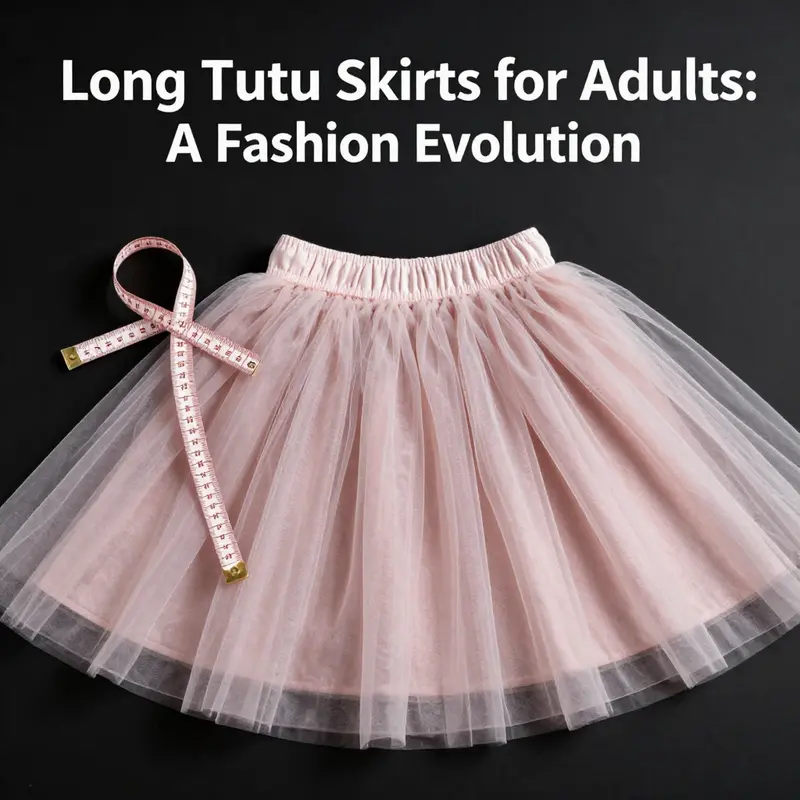
Sizing and fit are the quiet gears behind any visible flourish in long tutu skirts for adults.
A piece that looks effortless on a hanger can feel unexpectedly restrictive when worn for hours, or it can vanish into the wrong silhouette and lose its drama entirely.
When you tie the garment around your waist and let the layers bloom, the way it measures, drapes, and moves becomes the story you tell with your stance, your stride, and the lightness of the fabric.
The core idea is simple: the fit should honor your body while amplifying the skirt’s signature buoyancy. Yet because brands design with different models, sizes, and stretch in mind, there is no one perfect measurement. The better approach is to think in terms of proportion, adjustability, and deliberate choice about how the layers perform in motion. The result is not just a skirt but a wearable moment, one that reads as confident and playful at once and adapts gracefully from a quiet day at a festival to a staged performance or a themed gathering.
Waist measurements set the stage for comfort and function. Most adult tutu skirts rely on elasticized or adjustable waistbands that promise a customizable fit without buckles and pins, which can snag or restrict movement during a long event. The key is to strike a balance between snug security and freedom to shift with the body. If the waistband is too tight, you will notice it with every breath and step, especially when you are standing for extended periods or moving through a dance sequence. If it is too loose, the silhouette may shift, causing the tutu to ride up or slide down, reducing the dramatic flow that makes the style so captivating. In practical terms, a well-fitting waist allows you to breathe, bend slightly at the hips for a spin, and feel as though the garment is an extension of your own line rather than a boundary between you and your moment on stage or at the party.
Length is the next measure of proportion. Long tutu skirts for adults typically span from roughly forty to sixty centimeters, though the exact range can vary with design and purpose. A shorter long tutu—closer to the forty-centimeter end—tends to read more contemporary and can work well for individuals who want a sense of lift without overwhelming their frame. Taller wearers will often gravitate toward the longer end to preserve the proportion between torso and skirt, ensuring the hemline lands at a flattering point that harmonizes with their height. Shorter stature, conversely, benefits from thoughtful mid-length options that avoid swallowing the leg line while still delivering the voluminous, floaty effect that defines a tutu. The length interacts with footwear and movement: a stage scenario with high-energy turns can demand slightly longer layers to maintain a balanced silhouette as the skirt swirls, while a casual, floor-length illusion may suit a more modest hem when you’re strolling through a venue.
Fullness and layering determine how the skirt holds its signature cloudlike shape. Tutus are not one-layer wonders; their magic comes from multiple tulle or organza tiers that create structure without weight. The art here is to achieve enough bulk for a dramatic, flowing silhouette while preserving mobility. Too much bulk near the hips or thighs can dampen movement or cause friction against the legs, interrupting a smooth, unlabored spin or a simple walk. Designers often address this with strategically graded fullness—more volume at the midsection and lighter layers toward the hem—so the skirt reads as a generous, airy halo around the body rather than a heavy sheath. The interplay of layers also affects how the fabric drapes as you move. The drape should be lively enough to ripple with even a gentle stride, yet stable enough to maintain the skirt’s intended shape in photos and under stage lights. In practice, testing a few motions in front of a mirror helps you gauge whether the fullness supports your preferred style, whether you feel buoyant and unencumbered, and whether the layers align with footwear and posture.
Fabric and stretch contribute to both comfort and athletic ease. The most common materials—lightweight tulle and polyester blends—offer a wonderful balance of airiness and resilience. Their inherent stretch helps the waist flex and the layers unfurl with your body, but the lack of structural stiffness can make the shape less predictable if the fit isn’t right. Some skirts incorporate subtle understitching, a soft lining, or a partial slip to prevent cling and enhance movement while preserving an ethereal outward look. The texture, weight, and hand of the fabric determine how the tutu behaves when you move: it should glide rather than cling, bowing outward with each step and then settling softly into a rounded silhouette as you pause. If a fabric feels too slippery or too stiff, it can distort the intended shape and complicate attempts to choreograph even casual, everyday wear with the same sense of ease you’d want on stage.
The practical process of choosing a long tutu skirt is more nuanced than picking a color or an ornament. Measuring carefully before purchase helps you navigate the variability across brands. Start with the waist, then consider your natural rise and how you want the silhouette to sit. If you carry more weight in the hip area or prefer a particular fit around the abdomen, a waistband with adjustable elasticity or drawstring can be a decisive advantage. Length should be weighed against your height and the desired proportion. For someone of average height, a mid-length long tutu can offer a universally flattering balance; for tall wearers, opting for a longer cut supports the elongating line, while petite individuals may find a mid-to-short long tutu more harmonious with their frame. The fullness you choose should harmonize with your mobility goals—whether you want a skirt that performs large, dramatic swirls or one that sits closer to the body with a gentle, champagne-like shimmer as you walk.
In this context, it helps to visualize the garment as a living extension of your intention. A well-fitted tutu should feel like it’s enhancing your posture rather than constraining it. If you are preparing for a performance, you might lean toward slightly more fullness and a length that ensures the hem remains visible even with a few spins. For casual or themed events, a more relaxed fit with an adjustable waist and a forgiving length can deliver comfort without sacrificing the tutu’s whimsy. The careful balancing of waistband, length, fullness, and fabric behavior makes all the difference; the same skirt that looks luminous in a studio photoshoot can lose its charm if it behaves awkwardly in a crowded room or during a long afternoon of celebration. By approaching sizing as a suite of interdependent choices rather than a single number, you create a foundation for expression rather than a constraint.
Internal link reference: For a couture-oriented reference that demonstrates how fit and proportion are considered in professional tutu design, explore this catalog entry on a high-quality white ballet costume tutu with Swan Lake-inspired detailing: high-quality-white-ballet-costume-tutu-swan-lake-t0596.
External resource: For a practical, broadly applicable sizing reference, see a general sizing guide often used by consumers when evaluating elastic-waist skirts and layered tutus: https://www.amazon.com/Amazon-Basics-Womens-Tulle-Tutu-Skirt/dp/B07YJQKX5H
Grace in Gossamer: Selecting and Styling Long Tutu Skirts for Adults
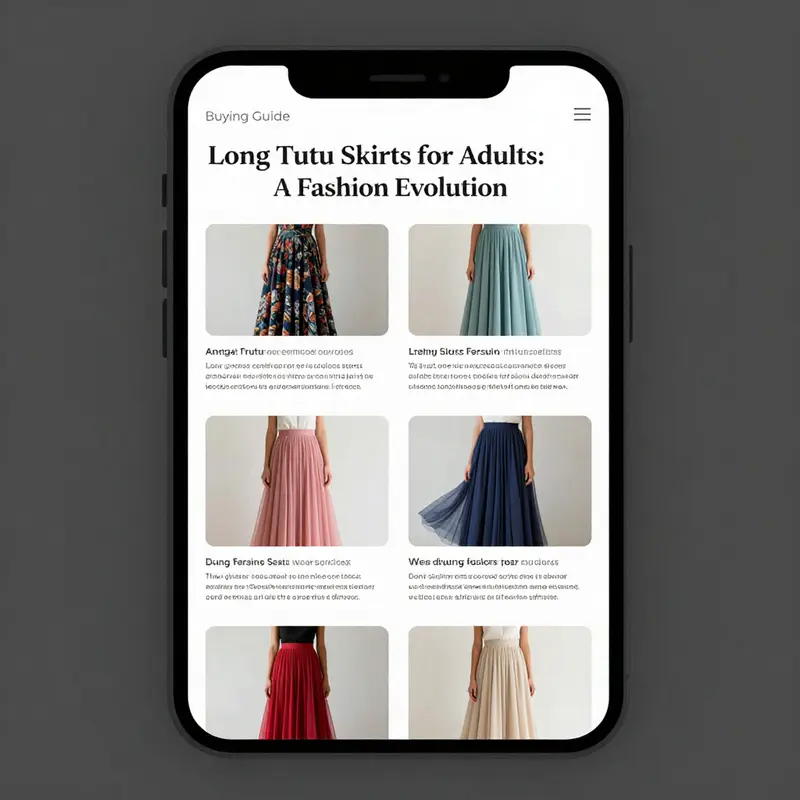
In contemporary wardrobes, the long tutu skirt for adults has settled into a surprising niche: it functions as both a statement piece and a versatile wardrobe staple. Its buoyant movement and sculpted silhouette invite a sense of whimsy, yet the right cut, fabric, and finish can render it as polished as any formal dress. This chapter threads together fabric psychology, construction, occasion, and care so that a long tutu becomes more than a novelty—it becomes a reliable vehicle for personal expression. Far from being solely costume fare, these skirts embrace the everyday with a practiced elegance, adapting from a festival stage to a dinner party, a chic urban street look, or a creative-craft-inspired photoshoot. The core idea is simple: choose a piece that harmonizes with your body, your lifestyle, and the mood you want to convey, and you unlock a mode of dressing that is both dramatic and practical. The result can feel transformative, as if you briefly step into a broader sense of possibility every time you move.
Fabric quality sits at the heart of this transformation. Most long tutu skirts rely on layers of tulle or a tulle-blend that can offer structure while remaining soft to the touch. A well-made skirt uses multiple layers to create volume without heaviness, allowing the fabric to catch light and sway with ease. Some designers blend sheer organza for a bit more sheen, or incorporate satin trims and delicate lace edges to imbue a refined, high-contrast finish. The goal is to achieve movement that reads gracefully from a distance and up close reads as carefully crafted. Breathability matters, too. A breathable base fabric prevents overheating during longer wear, especially in warm weather or crowded venues. The better the balance between stiffness and softness, the more the tutu retains its silhouette while permitting fluid, dancer-like motion.
Within this fabric framework, construction details matter almost as much as the choice of fabric. A long tutu skirt can be imagined as a layered sculpture, where the waistband anchors the form and the layers build the bloom. An elasticated or drawstring waistband offers adjustability for different body shapes and fluctuating measurements, which is essential for comfort during extended wear. A true long tutu should sit securely on the waist, without riding up or sliding down with movement. Length is deeply personal and should harmonize with height and leg proportion. For many adults, a length that falls just below the knee or mid-calf creates a balanced line that feels elegant rather than overpowering. A lining or lightweight petticoat adds structure, provides modesty, and helps the outer layers maintain their shape. When these elements—elastic fit, layered volume, and a thoughtful lining—come together, the result is a tutu that feels like an extension of the wearer rather than an accessory strapped on top.
The question of occasion shapes how one selects color, finishes, and overall polish. For formal events—galas, theatre receptions, or intimate evenings—a refined version leans toward subtle color palettes and restrained detailing. Think soft neutrals, muted pastels, or dusky metallic tones, with clean lines and careful seam finishes. The silhouette remains dramatic, but the details are understated, allowing the wearer to move with ease and confidence. In contrast, casual or performance contexts invite bolder color stories, experimental patterns, or even neon accents. A tutu can be a playful overlay to a comfortable knit top, a belted waistline to define the torso, or a splash of color to brighten a festival mood. The versatility is precisely what makes long tutu skirts compelling: they can anchor a refined ensemble or spark an exuberant, street-ready look, depending on how they’re styled. Seasonal color psychology can guide choices as well—pastels in spring and summer to reflect lightness, deeper jewel tones in autumn for depth, and metallics in festive settings for a touch of drama.
Care and maintenance, often overlooked, are the practical guardians of longevity. Durable care starts with gentle handling. Tulle can snag easily, so following fabric care instructions is essential. In most cases, hand washing or a gentle machine cycle with cold water preserves the integrity of the layers. Harsh detergents can dull the fabric’s finish or cause fraying at the edges. Drying should be laid flat or hung to air-dry, avoiding direct heat that could warp the layers. Storage is another protective step. Hanging the tutu can help preserve its silhouette, while careful folding and storage in a breathable garment bag keeps the layers from becoming crushed. If a piece includes delicate trims—beading, lace, or satin piping—extra care during wear can prevent catching on jewelry, accessories, or hardware. The goal is to maintain the tutu’s shape and softness across seasons, so that every movement remains as effortless as the first day it was worn.
Shopping this category is as much about fit as it is about form. A thoughtful approach considers how the skirt sits on the body, how it moves with stride, and how it pairs with other wardrobe elements. The waistband construction matters most for comfort. An adjustable waistband—whether elastic with a stretch panel or a tie-waist design—accommodates different waists and allows the wearer to tailor the fit for longer wear. Length should be proportionate to height; for most adults, stacking the layers so the hem lands just below the knee or mid-calf provides balance and elegance. A true long tutu often benefits from a light lining or inner layer to ensure coverage without sacrificing volume. If you plan to perform or engage in more active uses, test the fabric’s give in movement and ensure the layers can keep their form without appearing too stiff or too flimsy.
When it comes to styling, the long tutu skirt invites a broad spectrum of looks. For formal environments, pairing a sleek, fitted top with a long tutu can preserve a refined silhouette. A tailored blazer or a structured cardigan can add a modern, sophisticated edge while keeping the whirling movement intact. For casual wear or creative performances, a cropped or tucked-in top can reveal the waistline and highlight the skirt’s volume. Belts or decorative tops can introduce personal flair without overwhelming the design. Footwear choices also influence the overall vibe: elegant, heeled sandals or ankle boots can elevate the ensemble, while clean sneakers can ground the look in street-ready energy. Accessories—whether a delicate necklace, a bold belt, or a coordinating shawl—should echo the color story of the skirt and avoid clashing with the fabric’s texture. The aim is to let the skirt be the star while the rest of the outfit supports, rather than competes with, its dramatic motion.
For readers seeking practical buying guidance, the buying process often benefits from examining the options through a lens of fit, fabric, and occasion. Look for skirts that emphasize layered volume with a comfortable rise, and verify that the liner and seam finishes are resilient. If an elastic waistband is used, test the stretch and ensure it sits smoothly without digging in. When in doubt, consider a design with the possibility of layering a lightweight petticoat or slip underneath to tailor the fullness and opacity. The market offers a spectrum from understated practice pieces to more elaborate, fashion-forward interpretations, and the right choice depends on how the skirt fits into daily life as well as special moments. To illustrate how a listing can translate these principles into real-world options, you can explore a listing that foregrounds fit and finish in a white ballet-inspired design: the high-quality white ballet tutu listing. This kind of page often highlights how layered structure, waistband design, and fabric weight come together to produce a piece that can serve as both performance attire and a striking everyday garment.
In buying this kind of garment, one also learns to assess the broader market dynamics—the way color palettes shift with seasons, the way volume can be tailored to body type, and how the notion of a ‘performance’ piece has become a flexible, modern fashion statement. The long tutu skirt is not just a costume; it is a vehicle for personal storytelling. It can anchor a bold personal style, invite playful experimentation, and yet remain approachable enough for daily wear when styled with consideration. The best options are those that feel both intentional and comfortable—garments that invite movement rather than constrain it. The best wardrobes surrounding these pieces become a choreography of textures, tones, and silhouettes that reflect the wearer’s mood, personality, and daily routine.
As you consider how to incorporate a long tutu into your own style, remember that the goal is to create harmony between the garment and your life. A long tutu offers a stage for self-expression without demanding a rigid performance. It rewards thoughtful tailoring, careful fabric selection, and deliberate styling. If you approach the purchase with a clear sense of when and where you will wear it, you’ll find that the skirt becomes less a costume and more an evolving part of your personal wardrobe narrative. The result is a look that feels both imaginative and dependable, a rare combination that makes fashion feel immediate and alive. For readers who want a deeper dive into structured buying criteria and practical comparisons beyond fabric and fit, external resources can provide broader perspectives on how to evaluate long tutu skirts across brands, prices, and finishes. External guide
Final thoughts
Long tutu skirts for adults embody a rich blend of elegance and versatility that appeals to a wide audience. As business owners, tapping into this evolving fashion trend offers the opportunity to reach a diverse customer base seeking both comfort and style. By understanding the various trends, materials, and practical buying considerations, retailers can enhance their collections and provide valuable choices to consumers. Long tutu skirts are not merely a passing fashion statement; they represent a joyful expression of individuality and creativity in attire, ensuring strong demand and robust sales potential.