
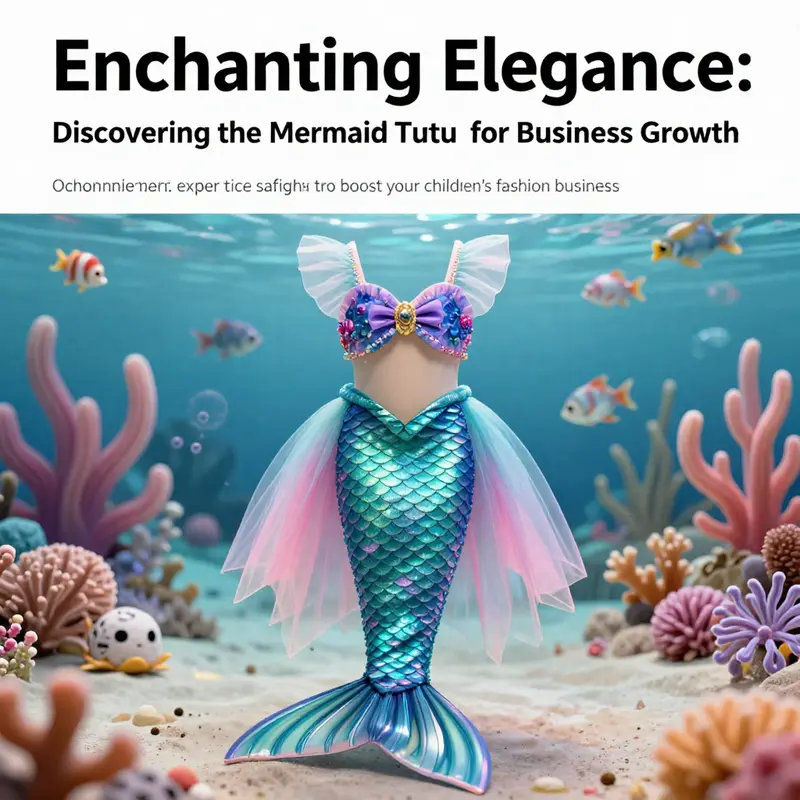
The mermaid tutu dress stands out as a captivating blend of whimsy and practicality in children’s fashion. As business owners in the children’s apparel sector, understanding the allure of this delightful garment can inform better product offerings and design strategies. This article delves into the enchanting features of the mermaid tutu dress, highlighting its core design elements, suitable occasions for wear, essential comfort and safety considerations, and the accessories that can elevate the overall appeal. Each chapter builds on these thematic insights, delivering essential knowledge that can be applied directly to enhance your collections and meet the demands of imaginative play and special occasions.
null
null
From Ocean-Themed Celebrations to Everyday Wonder: How Mermaid Tutu Dresses Shape Play, Pride, and Celebration
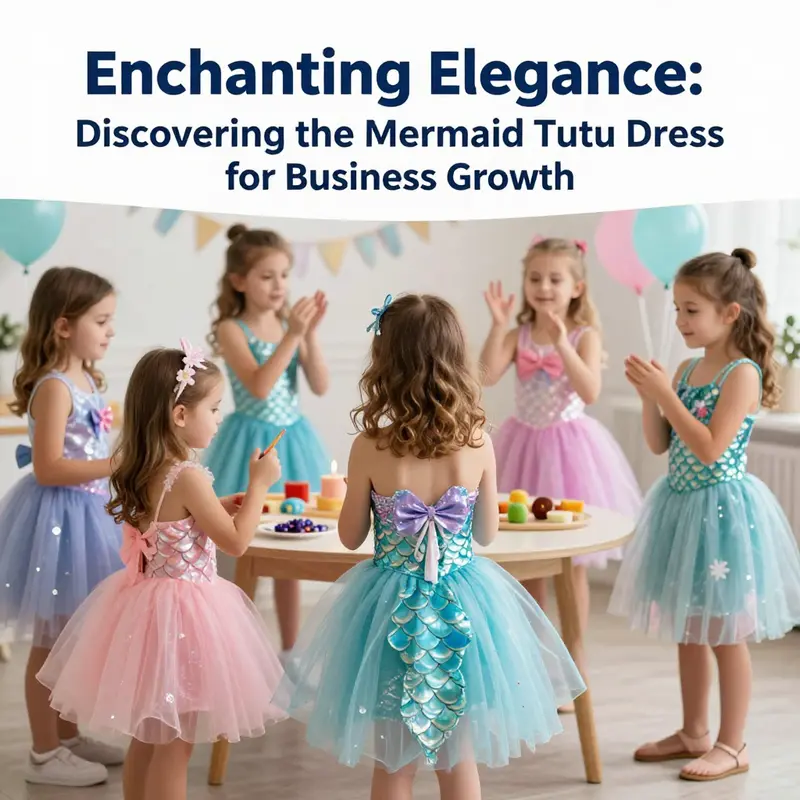
Mermaid tutu dresses are more than costumes. They invite a child into a rounded, shimmering world where play becomes storytelling. The silhouette—the signature flared skirt layered in soft tulle—mimics a living sea flower, a tail, and a breeze all at once. For caregivers, the dress offers a practical balance of whimsy and movement. The layers provide volume that catches light and invites curious eyes, yet the fabric remains gentle against small, bustling bodies. The result is a garment that can ride from a sunny park to a birthday party with grace. It relies on comfort as much as ceremony, recognizing that a range of movements—from twirls to sprinting across a yard—must be possible without constant adjustment. This blend of fantasy and function makes mermaid tutu dresses a reliable companion for everyday pretend play and special moments alike. The question then becomes not whether to wear them, but when and how to use them to enrich the child’s world.
Common occasions where these dresses shine include birthday parties with princess or ocean themes; the fit and flair elevate the atmosphere and give the birthday child a central, confident presence. The dress becomes a prop for storytelling, inspiring sea-captain quests or royal coronations under a canopy of streamers. For holiday celebrations, the shimmer of sequins and the brightness of saturated colors translate into festive energy. A Christmas gathering becomes a little aquarium of color, with cousins swapping stories while the tree lights sparkle on sequins and satin. Beyond formal events, mermaid tutu dresses hold up to casual wear with surprising ease. They can be worn for family photos, park outings, or a simple weekend pretend banquet at the living room table. When used informally, the choice is often about comfort and durability; some versions emphasize easy care, reversible layers, and forgiving fits that accommodate growing bodies. In addition, many children enjoy wearing them during spontaneous adventures that turn a driveway into a coral reef or a playground into a sunlit bay, proving that a well-made dress can be both reliable attire and a catalyst for open-ended imagination.
For more formal settings—such as theatrical performances, school recitals, or themed dinners—the dress can be styled to lean toward vintage or fairy-tale elegance. In these contexts a modest accessory kit can transform a child’s look without overpowering the costume. A delicate bracelet or a small clutch, paired with a tidy hairstyle, can elevate the overall effect while preserving comfort and range of motion. A careful balance between sparkle and simplicity helps prevent sensory overload during longer events, ensuring the wearer remains engaged and joyful rather than distracted by fit issues or heavy embellishments. The versatility of the mermaid tutu lies in its ability to be both stage-ready and everyday-appropriate, to be surprising at a party and practical at a family gathering, all while letting the child narrate the moment with their own voice. The dress becomes a passport to shared moments—photosque, dynamic, and personal—where movement is a letter and light is the ink.
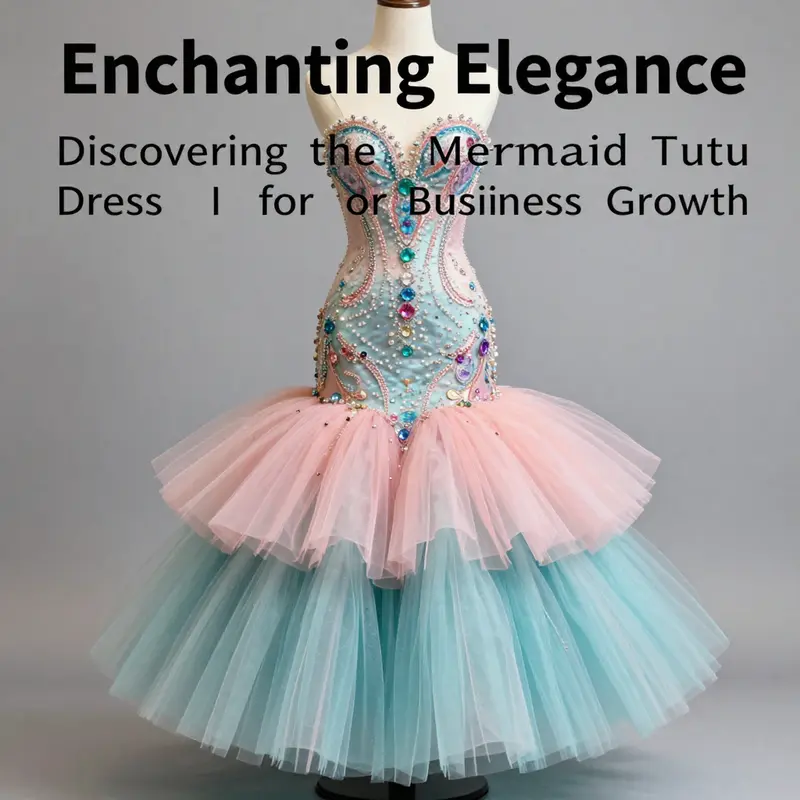
Design variations often reflect the needs of different events and bodies. The traditional mermaid tutu dress features a full, multi-layered tulle skirt that cascades outward from the waist, creating a dramatic silhouette that feels like a crown of the sea around the hips. For families who value more freedom of movement, a fishtail hem with split layers at the waist offers the tail appearance without restricting walking or running. These designs frequently rely on stretchy fabrics, elasticized waistbands, and soft linings to accommodate varied sizes and to prevent digging seams during long wear. Yet even with elasticity, fit matters. A waist that is too tight can pinch and hinder movement, while a waist that sits too loosely can shift during active play and require constant adjustments. The best choice often involves trying a few sizes and checking how the dress behaves when the child sits, stands, bends, and spins. The balance between structure and stretch is the art of designing for kids; it preserves the dress’s magical line while honoring real-world needs.
Embellishments such as sequins, pearls, or glitter add a sense of underwater treasure, but they also pose maintenance questions. When a dress is loved through dense play, loose sequins can become small hazards or get caught on furniture. Secure stitching and reinforced seams help prevent such issues, turning a potentially delicate ornament into a lasting detail. Parents find it helpful to choose pieces with well-sewn edging and reinforced waistbands, so the garment endures repeated washings and continuous wearing across seasons. In this light, the mermaid tutu becomes more than a momentary costume; it becomes a reliable layer for imaginative life, a wardrobe piece that can be styled up for a party or styled down for a day at the beach or the aquarium-themed school day. The practicality of the design—careful selection of fabrics, thoughtful construction, and clear labeling of care instructions—supports longevity, which matters to families seeking value and sustainability in children’s clothing.
The adaptability of these dresses often goes beyond the dress itself. Some outfits are offered with accessory sets that extend the fantasy into a complete scene: crowns, scepters, necklaces, and other small items that turn a simple party costume into a memory-making ensemble. While such kits can broaden the narrative, they should be chosen with an eye toward non-obtrusive play. Lightweight, low-profile pieces that won’t snag or poke are ideal for active children. In practice, this means matching the mood of the event with the dress’s level of shimmer and weight. A birthday celebration may welcome the glittery abundance of a fully layered tutu, whereas a park visit might benefit from a lighter, more breathable option that preserves airflow and comfort. The wearer’s imagination remains the center of gravity; the dress functions as a stage on which the child can step forward, explore, and become someone else for a few hours. The magic comes from the dialogue between fabric and world, not merely from the brightness of color or the length of the skirt.
To connect the idea of versatility with a tangible example, consider a versatile option that mirrors the idea of a complete fantasy set. For a versatile example of a tutu set, see this option: pink-tutu-ballet-costume-sleep-beauty-high-end-t0578. This nod toward a fuller look underscores how a single garment can carry a story across different scenes—birthday photos, Christmas cards, and playful backyard parades—without changing the core piece. The child carries the story forward; the dress becomes a bridge from one playful scene to the next, a wearable invitation to notice color, movement, and light in a way that feels both personal and universal.
Care and longevity are practical threads woven through the life of a mermaid tutu dress. Careful washing, gentle handling, and proper storage extend its life and preserve the sparkle for future occasions. Most multi-layer tulle skirts respond best to a light hand wash and air drying, while the elastic waistbands benefit from minimal tension during laundering. Parents can also help by guiding the child to use gentle movements during dressing, avoiding rough snagging on furniture or rough play with twigs and branches that could catch on delicate edges. Drying away from direct sun helps maintain the brilliance of dyed colors and the integrity of sequins. When a dress is cherished as a keepsake, families may invest in a simple garment bag that protects the fabric from dust and snagging between uses. Such care not only keeps the garment looking bright; it also reduces waste by extending the number of times it can be worn and treasured.
In terms of gifting, mermaid tutu dresses are often chosen to mark milestones—birthdays, first holidays, or the moment a little one announces a new chapter of pretend play. The dress anchors a memory that families revisit in photos and stories. Because children grow quickly, adjusting the fit can be more important than replacing the entire garment. Some designs offer adjustable features, such as elasticized waists or stretch panels that accommodate growth across a season or two, making the dress a long-term friend as a child’s imagination evolves. The emotional resonance of a well-chosen piece matters as much as its appearance. A child who feels seen and celebrated in a dress may approach the world with greater confidence, a sense that their own voice can shape the story they tell through play. This is the quiet power behind what might seem like a simple costume: a tool for self-expression that travels with a family through seasons of celebration and ordinary days alike.
The wardrobe choices around mermaid tutu dresses also touch on broader questions of sustainability and value. When a single piece serves many events, it becomes a costume that travels across life stages rather than a one-off costume used only once. The dress may be passed down, gifted to cousins, or kept as a cherished memory, a tangible thread weaving together birthdays and holidays. In this light, the mermaid tutu dress holds a unique place in children’s fashion—a garment that blends beauty with practicality and story with movement. The wearer becomes a small curator of moments, curating time not by photography alone but through the lived, active experience of play. The dress, in its own glittering way, teaches that imagination can be both bright and sustainable when treated with care and respect, turning every opportunity to wear it into a small, deliberate celebration of childhood.
External resource: https://www.aliexpress.com/item/1005003487287962.html
Safe Seas, Soft Silks: Comfort and Safety in Mermaid Tutu Dresses for Little Dreamers
The mermaid tutu dress is a doorway to underwater fantasy, yet the true magic of these imaginative garments rests on comfort and safety that feel as natural as a child’s breath. When parents and caretakers choose a dress that looks extraordinary, they should also seek a garment that lets a toddler move with ease, breathe freely, and explore with confidence. A mermaid tutu is not merely a costume; it is a wearable story that accompanies a child through party games, storytelling moments, and joyful pretend play. The aim is to balance enchantment with practical design so that the wearer can swim through games of make-believe, chase bubbles, or pose for photos without distraction or distress. Achieving that balance begins with understanding how fit, fabric, and finish work together to support comfort and safety in everyday use.
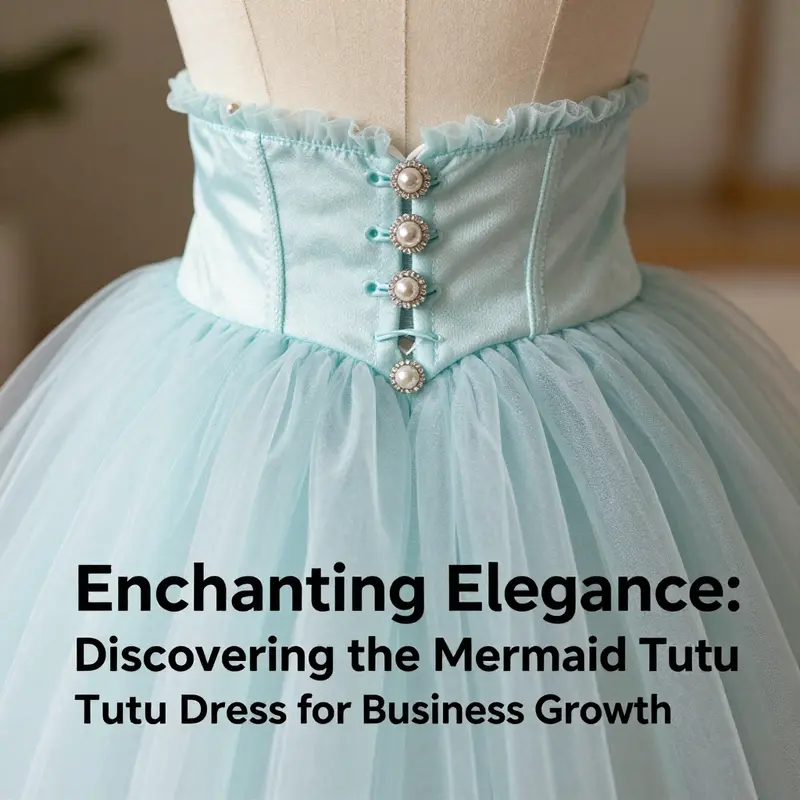
Foremost, fit governs almost every other factor. A dress that fits too tightly around the waist or hips can pinch, restrict movement, and remind a child of discomfort at the very moment when imagination is supposed to take flight. In practice, this means favoring elastic waistbands and, where possible, adjustable straps. An elastic waistband accommodates growth spurts and a widening waist after meals or active play, reducing the need for frequent rescans of the closet and remakes of costumes. Adjustable straps are equally valuable, letting caregivers fine-tune the upper fit as the torso length changes with height or when layers are added for warmth. A well-fitted mermaid tutu should feel secure but never restrictive, like a gentle hug rather than a clamp that fights every step.
The fabric choice then threads through every moment of use. Lightweight, breathable materials are essential for all-day wear at events or in warm rooms, where layers of tulle can trap heat if the lining sits too close to the skin. A soft, skin-friendly lining paired with a gentle outer tulle keeps little arms and legs free to swing, reach, and tumble with comfort. Layering, while visually stunning, can magnify bulk. The best designs strike a balance—enough fullness to evoke a sea-flower or a shimmering tail, but not so much volume that it weighs down the hips or drags at the feet. In cooler weather, soft undergarments such as leggings or a long-sleeve undershirt can add modesty and warmth without creating a bulky silhouette underneath the skirt. The eye-catching outer layers should be supported by comfortable underlayers that reduce friction and prevent skin irritation during hours of play.
Among the most critical comfort considerations is the interaction between the dress and the child’s skin. Sequins, beads, and glitter catch the light and add sparkle, yet they can also rub or irritate if poorly secured or overly heavy. This is why honest construction quality matters. A mermaid tutu dress that prioritizes comfort will feature reinforced stitching at stress points, smooth seams, and securely attached decorations that minimize snagging and shedding. If decorations are present, they should be firmly fixed with backing or stitching that resists ordinary play activities like reaching, turning, and gentle tugging during dress-up. In other words, the look must endure the excitement of a party without turning into a source of discomfort or a safety concern.
Movement should feel natural, not ceremonial. The fullness of the tutu can be a visual delight, but it should not become a barrier. Some mermaid designs incorporate a fishtail-inspired hem with a split at the waist or a strategically placed opening that allows walking, bending, and running without tripping. These design choices acknowledge a child’s need to explore space—running across a room, climbing a few steps, or reaching for a treasure chest during a game—without the dress catching or dragging. When such features are present, the fabric should drape gracefully and recover quickly after movement, maintaining the dress’s buoyant silhouette while still letting the legs carry the child forward with agility. The fabric’s stretch also matters. A touch of elastane or a similarly flexible fiber in the lining or even the outer layers can help the dress move with the child rather than against them.
Durability and safety are inseparable in the minds of parents who intend to keep a mermaid tutu as a keepsake. A well-made tutu resists the inevitable roughness of holiday gatherings, photo sessions, and backyard adventures. Durable construction does not have to mean heavy or stiff; rather, it means secure seams, well-attached trims, and a clear sense that the dress was designed with real, active children in mind. When shopping, caregivers should inspect for loose threads, weak seams, or decorations that could detach with a tug. A practical approach is to observe how the dress behaves during a brief test wear: how it sits when the child sits, stands, or bends, and whether the fullness of the skirt drapes evenly as they move. A good mermaid tutu should hold its shape as the child plays, returning to a stable profile after each movement, rather than collapsing into a lump that could trip a foot or snag on a chair.
Careful selection of materials also protects against skin sensitivity and irritation. Breathable fabrics, natural linings, and a gentle hand in finishing are signs of thoughtful design. For parents who want to emphasize safety, a model with fewer detachable pieces reduces the likelihood of misplacement, choking hazards, or loose adornments. In sum, comfort and safety emerge from a chain of decisions—from waistband design, to fabric weight, to stitch integrity, to the way the dress meets the body during real play. The best mermaid tutu dresses reflect a philosophy that beauty and practicality can coexist without compromise.
Beyond fit and fabric, the interplay of surrounding garments and the environment can influence the wearer’s experience. In cooler rooms or outdoor settings, layering remains a wise strategy. A soft undershirt beneath the dress can help prevent skin-to-fabric friction, and leggings can preserve modesty while enabling more dynamic movement. The full effect of the dress comes alive when the child can switch between quiet moments of storytelling and high-energy play without hesitation. A well-considered design supports transitions—from posing for photos to racing a pretend ocean current—without weighty adjustments or discomfort pulling focus away from the story being told. This is where design philosophy meets real-life use: materials, construction, and fit are not abstractions but the backbone of daily joy in a mermaid-inspired moment.
An important practical note concerns the risk of embellishments during active play. Even when securely attached, small pieces can pose choking hazards if a child mouths or pulls at them. For this reason, many families opt for streamlined adornments or removable decorations that can be safely set aside during vigorous games. When in doubt, choose a design that favors sturdier construction with fewer fragile elements, especially for infants and toddlers who love to explore with hands and mouths. This emphasis on safety does not diminish glamour; it simply redirects attention to features that keep the moment magical while preserving health and well-being. The result is a mermaid tutu dress that invites imagination, supports movement, and stands up to the wear and tear of a child’s day.
To illustrate how durable construction and thoughtful materials can align with movement, consider guides from reputable sources on tutu longevity and fit. For example, a reference that demonstrates how professional-grade fabrics balance movement and structure can provide a useful benchmark for home wear as well. See the example model linked here: high-quality-white-ballet-costume-tutu-swan-lake-t0596. While this is a ballet-tutu context, the underlying principle remains consistent: quality fabric, careful finishing, and a design that honors both the child’s flexibility and the costume’s ornamental intent create a superior, safer wear experience. Keeping this standard in mind helps caregivers assess mermaid tutu options that combine starry looks with practical comfort.
Ultimately, the responsibility of choosing a mermaid tutu dress with comfort and safety at the forefront translates into a more confident, expressive child. A dress that feels like a second skin—soft, breathable, and forgiving—enables a youngster to inhabit the character fully. The instant a child forgets the garment and becomes a sea princess in motion is the moment that a costume has truly succeeded. When comfort and safety are woven into the fabric from the outset, the dress becomes less a costume and more a companion in the journey of play. It is in that partnership—the trust between fabric and body, design and movement—that a mermaid tutu dress earns its place as a timeless favorite in a child’s imaginative wardrobe.
External resource for further reading on materials and selection can be found here: https://www.alibaba.com/short/article/1207394865/how-to-choose-the-best-mermaid-dress-for-girl-kids
Sea-Sparkle in Motion: Accessories and Enhancements for Mermaid Tutu Dresses
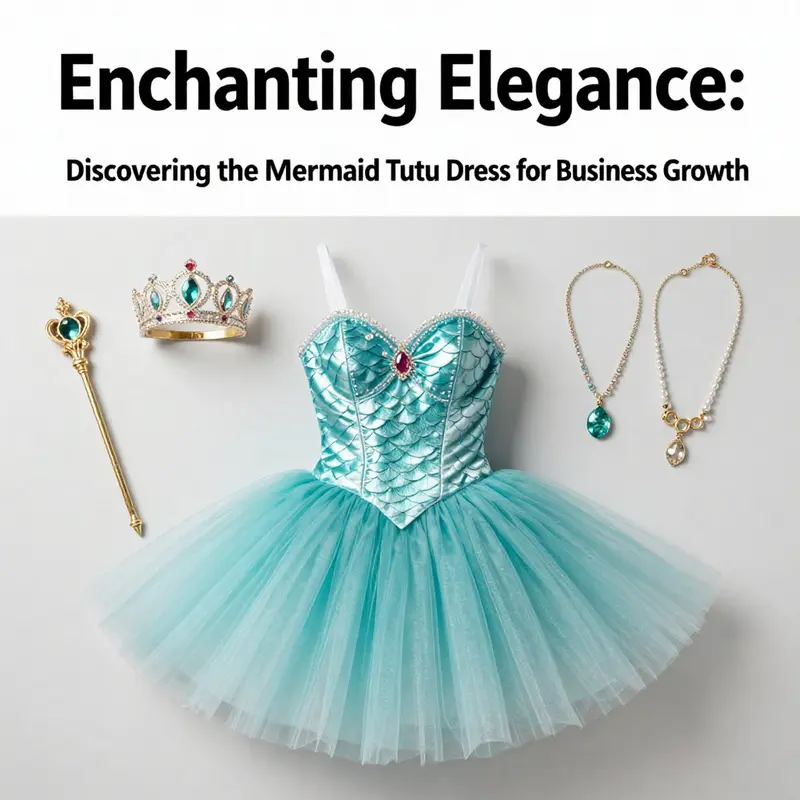
Mermaid tutu dresses are already a small tidal wave of whimsy in a child’s wardrobe. They invite a child to pretend, to imagine a sea-born crown upon a head full of soft curls, and to move with a freedom that mirrors water’s own flow. Yet the magic of these dresses really comes to life when a careful, thoughtful layer of accessories and enhancements is added. The best enhancements act like a gentle current that lifts the whole scene without dragging it down. They should sparkle and charm, of course, but they must also respect the child’s comfort and safety. This balance—between enchantment and practicality—defines how accessories can transform a mermaid tutu dress from a delightful costume into a cherished, versatile costume-turned-experience. When done with care, these enhancements encourage spontaneous storytelling, photography moments that feel candid rather than posed, and memories that endure beyond the party or the parade. The key is to treat each accessory as a narrative cue, an invitation for a child to continue the story of their underwater royalty while keeping movement unrestricted and the sensation of the fabric gentle against the skin.
Footwear provides the first, most visible stage for a mermaid-inspired look. The right shoes anchor the outfit while preserving mobility. Sparkly sandals or tiny ballet flats can add a touch of glamour without constraining little feet. Shoes with flexible soles and a secure fit let a child sprint to greet a friend, chase bubbles, or dance to a favorite tune without the fear of pinching straps or slipping on a slick floor. The sparkle on the footwear can echo the sequins or glitter already present on the dress, creating a cohesive, oceanic glow from head to toe. The goal is harmony between glitz and comfort, so that the wearer can move as freely as a fish through water. The mermaid silhouette deserves a balance between volume and ease of motion, and the right footwear helps preserve that balance rather than undermine it.
Jewelry, when chosen with care, can be the piece that completes the look without overloading it. Lightweight rhinestone necklaces, glittery earrings, or a small bracelet can instantly transform a mermaid tutu into a celebratory ensemble. The safest routes are small, secure pieces that sit comfortably on the neck or wrist, and are designed with child use in mind. Elongated necklaces with a soft, flexible chain reduce the risk of pulling on the dress or snagging on tulle. Earrings should be studs or tiny hoops with a kid-friendly backing to prevent loss during active play. The overall effect should be a delicate sparkle that reads clearly in photos yet remains unobtrusive during a story-dress moment, a quick twirl, or a timed game at a party. Accessories that catch light without heavy jangling tend to be the most reliable, letting the focus stay on the dress’s signature layers while still signaling a special occasion mood.
Outerwear is a practical and stylish way to extend the mermaid look into cooler moments. A sequined bolero, a satin blazer, or a lace cardigan can frame the dress for an early-evening event or an outdoor celebration when the air has a hint of salt and wind. The outer layer should be lighter than the dress in weight yet rich in texture—think a shimmery overlay, a soft matte contrast to the tutu’s gloss, or a trim that echoes the dress’s color palette. Layering not only adds warmth but also provides a narrative turn: a sea-queen who dons a cape of stars or shells, a protector of the underwater realm, stepping into the light of a lantern-lit room. When selecting outerwear, consider mobility. A fit that’s too tight at the shoulders or around the waist can restrict arm movement or create tugging at the tutu’s layers. Tailoring with elasticated cuffs or a gently open front can preserve the drama of the silhouette while ensuring the child can reach for a birthday cake, pose for a family photo, or simply glide across a carpeted floor with confidence.
Hair accessories are where the mermaid vibe can be most whimsically reinforced. A tiny crown, a seashell clip, or a pearl-studded headband can tie the whole look together without distracting from the dress’s dramatic tutu. The aim is to complement rather than overpower. A clip that slides easily into soft curls, or a headband with a gentle snap to hold it in place, helps maintain comfort for longer celebrations. For a more cohesive underwater theme, consider mermaid-inspired motifs such as starfish, tiny fish charms, or a clip shaped like a spiral shell. These details—often overlooked—provide visual anchors for storytelling, inviting a child to narrate their own ocean tale while waiting for a moment to blow out candles or float through a backdrop of bubbles in a photoshoot. A well-chosen hair accessory can make a simple portrait feel like a page from a fairy-tale sea diary.
Handheld accessories offer another layer of interaction and memory-making. A small, decorative clutch or purse can be a playful prop that gives little hands something to hold during photos or a party game. Even a lightweight shell-shaped bag can echo the mermaid influence while giving a practical place to tuck a small treasure or a note from a friend. These items should be light and easy to manage, so the child can position it, carry it, or set it aside without help. The act of choosing and carrying a prop becomes a moment of personal expression, a way for a child to participate in the event rather than simply be present in it. The most memorable accessories are those that invite play—sparks for a story about collecting treasure from the sea floor or preparing for a royal ocean banquet—without becoming a distraction from the dress’s silhouette.
In addition to these wardrobe pieces, the mermaid tutu’s enchantment can be enhanced through subtle surface details and coordinated embellishments. The dress already relies on a layered tulle silhouette that blooms outward from the waist, reminiscent of a sea flower or a gleaming tail. Accessories can mirror the dress’s color story or offer a gentle contrast to accentuate movement. For example, a belt or sash that cinches the waist slightly can help define the silhouette if the tutu feels overly voluminous. A light, translucent shawl or cape, perhaps in a complementary pastel shade with a soft shimmer, can give the child a sense of drama during a performance or a formal photo moment, while remaining easy to remove if the child grows restless. The balance is delicate: too many layers or heavy embellishments risk restricting the flutter of the skirt or collecting in the folds of the fabric. The best enhancements feel almost invisible when the child is in motion, but when viewed in a still moment, they reveal a richer, more complete narrative.
Coordination with color is an important thread in this tapestry. Mermaid-inspired looks thrive on iridescence, pearlescence, and the glow of soft watercolor tones. The tutu may be pink, lavender, seafoam, or a delicate blue, and the accessories should either harmonize with those hues or provide a purposeful contrast that reads well in photographs. When the dress contains sequins or glitter, choose accessories with a more matte or subtly shimmering finish to avoid a visually overwhelming effect. The goal is a cohesive scene in which every element—dress, shoes, jewelry, outerwear, and hairpieces—speaks in the same gentle language of whimsy. In this way, the mermaid’s wardrobe becomes not a collection of items but a curated performance of color and texture.
The use of accessories also invites a gentle conversation about safety and durability. Because little ones are often active, it’s wise to choose pieces that are secure by design, not by force. Clip-on earrings should be avoided in favor of studs, for instance, to minimize the risk of the piece coming loose during a tumble or a twirl. Velcro or elastic-backed jewelry can hold fast without pinching. Shoes should be chosen for grip and comfort rather than sheer height, and any jewelry or decorative elements near the waistline should not create pressure points on the skin. When the dress itself features delicate embellishments—sequins, beads, or appliqués—parents may elect to remove some accessories during vigorous play to reduce potential snagging or loss. The mermaid tutu’s magic persists best when the wearer can move freely, breathe easily, and feel unencumbered by the very items intended to heighten the spectacle.
Beyond safety and comfort, accessories can deepen the storytelling potential of the mermaid look. Consider a small, thematic prop that aligns with a narrative the child enjoys—perhaps a shell or a faux pearl pendant that can be introduced in a moment of pretend play, or a lightweight cape that becomes a sea-wind influence during a photoshoot. A narrative approach to accessorizing—that is, choosing pieces that suggest a moment in a larger sea tale rather than simply adding shimmer—helps a child engage more deeply with the moment. The result is a living, breathing character rather than a static outfit. The mermaid tutu dress thus becomes a stage on which imagination can perform, and accessories are the supporting cast that helps the main character shine without overshadowing them.
It’s worth noting how these enhancements translate across occasions. For birthdays, photoshoots, and themed gatherings, accessories can be dialed up to emphasize celebration, while for everyday pretend play, simpler pieces keep the look practical and comfortable. A birthday party might call for brighter accents—glittery bracelets, a sparkling headpiece, and a pair of comfortable, eye-catching shoes—whereas a weekend lemonade stand in a sunlit yard might benefit from a softer, more relaxed combination that still nods to the mermaid world. By treating accessories as adjustable elements, parents and caregivers can extend the lifespan of a mermaid tutu dress as a versatile wardrobe piece rather than a one-off costume. The same outfit can accompany a child from a small backyard party to a family photo session and a stroll through a neighborhood festival, changing the mood with a few well-chosen pieces rather than a complete wardrobe swap.
To close the loop between the dress and its enhancements, consider the tactile experience of the materials themselves. Tulle catches light and moves with a buoyant, almost musical swish. The sparkle of glitter, the softness of satin, and the cool touch of shells or pearls all contribute to a sensory story that enriches play. Accessories should be chosen with an eye toward tactile comfort just as much as visual appeal. A well-balanced set of add-ons will not irritate sensitive skin, snag on the dress’s layers, or become a distraction during a moment that matters—whether it’s a family portrait, a party game, or a quiet moment of storytelling with a parent.
In practical terms, one effective approach is to choose a small, cohesive set of accessories that can be worn together or separately. Start with footwear that supports movement and a clean silhouette. Add a delicate hairpiece that can be easily removed if the child grows tired, followed by one or two lightweight jewelry pieces and a simple outer layer if weather requires. A handheld prop can be introduced for photos or during a performance, then set aside for free play. This modular approach makes it easier to adapt the look to the moment, ensuring the mermaid tutu remains the centerpiece while its enhancements remain complementary accents. As with any children’s fashion, the joy comes from participation—the child feeling involved in the process of selecting and wearing the accessories, rather than being carried by them.
Finally, for parents who want to explore a refined finish that still respects the child’s comfort, there is a resource-based path. For a refined finish that resonates with the mermaid vibe while maintaining softness against the skin, consider options like a subtle, coordinated fabric family such as the lace-white ballet costumes with golden trims. This example illustrates how a poised, cohesive look can emerge from thoughtful pairing rather than a flood of competing elements. It’s not about matching every possible accessory to the dress, but about guiding attention to a single, shimmering narrative thread that travels from head to toe. In this way, the mermaid tutu dress becomes a living costume that supports imaginative play, while its accessories become gentle signposts for storytelling that can be revisited again and again.
For readers seeking deeper inspiration or tangible selections, see related examples that showcase how accessories can elevate a tutu without eclipsing the child’s natural movement. While the realm of mermaid-inspired fashion invites a playful abundance, the most lasting enhancements are those that respect the child’s ease of movement, the dress’s layered charm, and the simple, joyful spirit of a child who believes that the ocean’s magic belongs to them. The mermaid tutu dress with the right accessories becomes not just a costume, but a vehicle for memory-making—an everyday treasure that captures the wonder of early childhood in motion. The sea, after all, is always present in the frame when imagination leads and comfort follows, and accessories are the gentle hands that guide that dance from story to life.
Final thoughts
Understanding the captivating aspects of mermaid tutu dresses offers valuable insights for business owners looking to enhance their children’s fashion lines. By focusing on design features, recognizing the dress’s suitability for various occasions, emphasizing comfort and safety, and enhancing with appropriate accessories, you create not just garments but magical experiences. As you strive to engage the imagination of young wearers, your offerings can reach new heights, ensuring a delightful experience for both children and parents alike.