
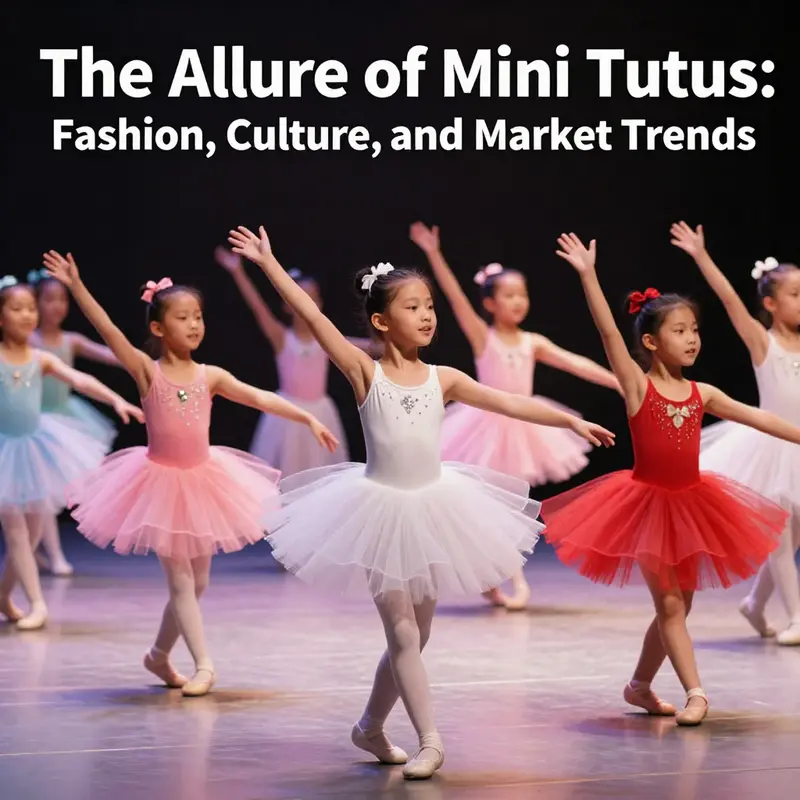
Mini tutus have become a playful staple in the world of children’s fashion, offering whimsical styles that delight both kids and parents alike. These miniature ballet skirts not only embody elegance but also represent creativity and joy in childhood. As businesses explore this niche, understanding the various facets of mini tutus—such as fashion perspectives, notable designs, cultural significance, influence in performance arts, and market trends—becomes essential. Each chapter delves deeper into these aspects, providing insights that can guide business owners in tapping into this vibrant market.
Mini Tutu Unfolded: The Playful Thread Between Ballet Heritage and Everyday Style
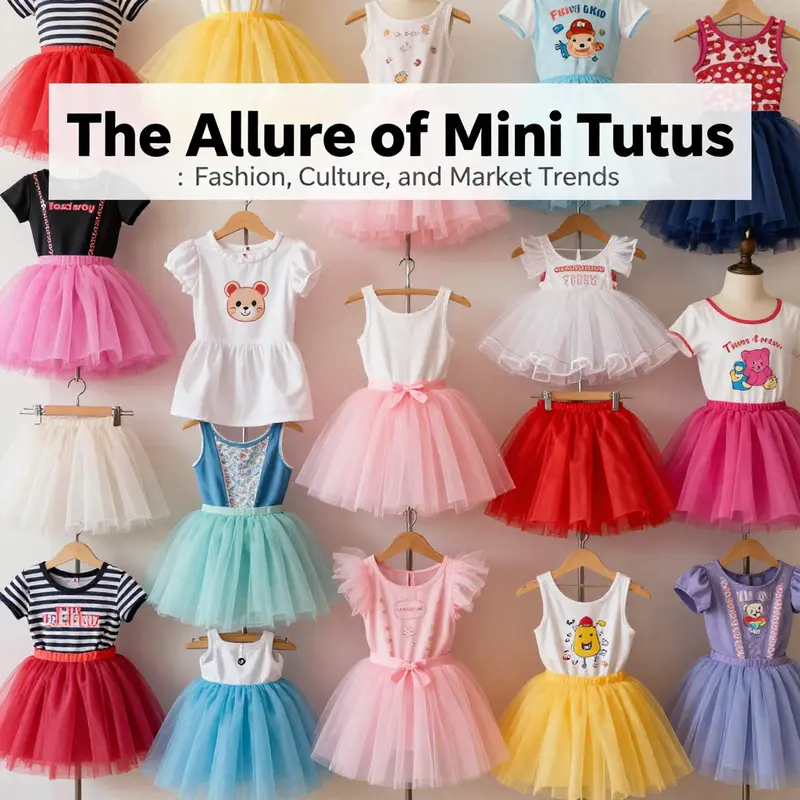
The mini tutu stands at an intriguing crossroads where the discipline and theater of ballet meet the spontaneity of daily wear. It is a contemporary reinterpretation of a century-old silhouette, a compact ripple of volume that fits beneath ordinary layers rather than rising into a grand curtain. In its compact form, the mini tutu preserves the essence of the traditional tutu’s movement, its floating texture, and its capacity to dramatize the body, while translating those elements into something more versatile and accessible. The result is a silhouette that invites play, performance, and personal storytelling. It can be worn as a gift of whimsy for a child’s everyday adventures or as a bold, fashion-forward statement for someone who wants to carry a sense of stage magic into a street or classroom setting. The appeal lies not just in the shape but in the emotional resonance—the memory of stage lights and music, the instant association with the doll-like poise that ballet has long promised, now reimagined as a wearable mood rather than a fixed identity.
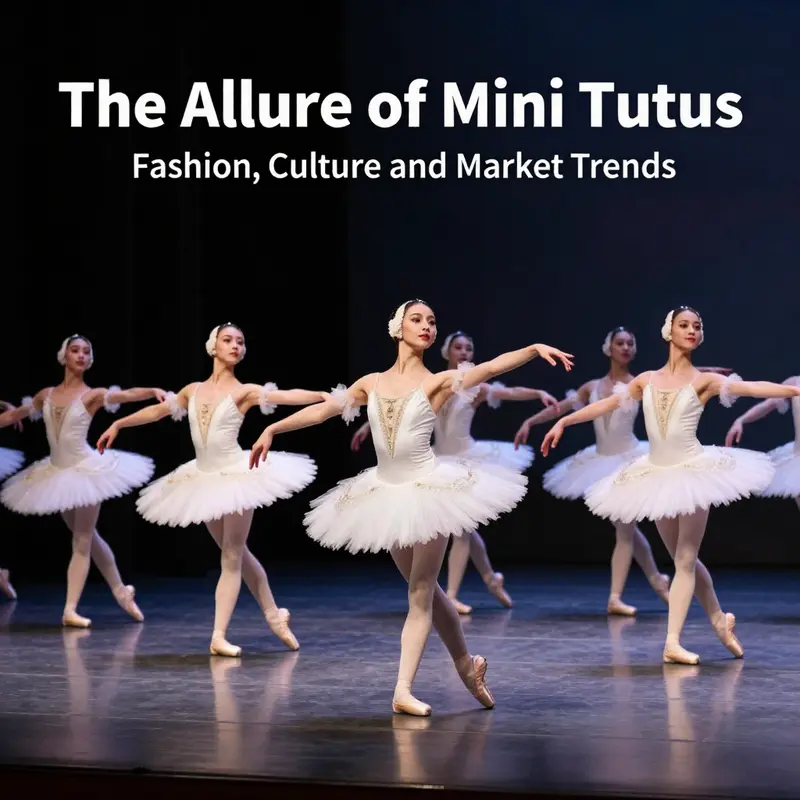
Historically, the tutu grew from the elaborate costumes of 19th-century Romantic ballet, evolving from rigid, ceremony-like skirts to the lighter, more voluminous structures that dancers rely on today. The term tutu itself travels with a hint of whimsy and doll-like charm, suggesting a kind of miniature theater in fabric form. While the grander, floor-sweeping versions anchored on the stage, the mini tutu borrows the same vocabulary of layers and texture but scales it to a human-scale practicality. It is as if the curtain’s energy is distilled into a compact crystallization of movement. In fashion, this distilled energy has traveled beyond studios and stages. Designers began to lampoon or homage the tutu aesthetic, translating the volume into wearable volume at a length that does not impede sitting in a chair, climbing stairs, or dancing through a park. The result feels both nostalgic and forward-looking, a bridge between memory and modernity.
The emergence of the mini tutu as a distinct fashion iteration occurred around the turn of the millennium and gathered momentum in the following decade. It did not simply shrink the classical tutu; it reinterpreted the silhouette’s logic. Shorter hemlines, a focus on waist definition, and the layering of sheer, fluttering textures created a playful yet practical look. The modern mini tutu often trades the maximum blast of volume for a more controlled buoyancy that still reads as a celebration of fabric and form. Children gravitate toward lighter, breathable materials that maintain twirl and bounce, while older wearers are drawn to the way the piece transforms everyday outfits into something stage-ready without demanding a full commitment to a costume wardrobe. The mini tutu’s appeal lies in its dual ability to be a prop for imagination and a fashion item that holds up to daily life.
From a design perspective, the mini tutu balances several considerations. Fabric choice matters as much as length. Lightweight tulle or mesh creates the signature float that catches air and catches the eye when a wearer moves. Layers are often arranged to maximize both volume and comfort, so the silhouette reads as soft rather than stiff, inviting gentle sways and spins rather than rigid, unyielding structure. The waistband is crucial because it anchors the shape and supports movement. A well-cut waistline can define the wearer’s proportions, making the legs appear longer and the torso more grounded, which in turn amplifies the visual effect of the skirt’s tiers. Color is another expressive tool. While classic pastels and candy-bright hues dominate, the mini tutu also thrives in textures that catch light—from pearlescent threads to iridescent finishes. Even within a single design, the play of color and light across the layered fabric creates a kinetic, living surface that changes with the wearer’s motion.
The mini tutu also embodies a broader cultural shift toward playful self-expression in fashion. In a wardrobe landscape that often leans toward minimalism or utilitarian dressing, the mini tutu offers a deliberate contrast: it foregrounds texture, movement, and a sense of childlike possibility. It invites wearers to reframe the body not as a fixed form but as a stage for storytelling. This is where psychology intersects with aesthetics. The garment’s volume around the hips and thighs can visually sculpt an hourglass silhouette, even in casual contexts, and the extra tiers of fabric create a dynamic that rewards movement. When a child or young person swirls or trots, the skirt’s flutter seems to respond in kind, forming a shared, almost cinematic moment between wearer and fabric. That social and emotional resonance is a major part of the mini tutu’s charm, a reminder that clothing can be a form of narrative rather than simply a cover for the body.
In contemporary fashion ecosystems, the mini tutu has traveled far beyond the dance studio. It appears in school events, festival looks, and even some runway explorations where designers test the boundaries of proportion and texture. Its adaptability is a major factor in its staying power. A mini tutu can be styled with sneakers and a simple tee for a casual, street-smart look; it can be layered under a denim jacket or paired with a structured blazer to strike a more eclectic, almost editorial tone. The flexibility of the piece makes it a canvas rather than a costume, a framework within which a wearer can assert personality. The cultural resonance of the tutu—a garment that evokes both discipline and delight—gives the mini version a particular magnetism. It is at once a nod to heritage and a statement of contemporary taste, merging the ritual of dance with the spontaneity of daily life.
Looking at sustainability and ethics adds another layer to the conversation. The appeal of a mini tutu aligns with current concerns about ethical production, fabric longevity, and the reuse of garments in children’s wardrobes. When designers and brands explore responsible textiles, durable construction, and circular design strategies, the mini tutu becomes more than a fleeting trend. It turns into a conscientious choice that can be enjoyed for longer periods, shared among siblings or friends, and adapted as a child’s interests evolve. The practical reality is that a well-made mini tutu can endure years of play, repeated washings, and the rough-and-tumble life of a curious child who loves to tumble and twirl. This longevity respects both the resource constraints of our era and the desire for garments that carry emotional value beyond a single season.
The social dimension is equally significant. Mini tutus are often part of play, performance, and celebration. They become vehicles for imagination at birthday gatherings, school recitals, or family photo moments. The garment’s sense of ceremony—without requiring a full costume budget—means it can be embedded in family storytelling. The tutu’s ability to cue a sense of occasion, even in everyday moments, reinforces the idea that fashion can be a daily ritual of possibility. In this sense, the mini tutu is not merely a garment; it is a portable tableau, a small stage on which a child or young adult can improvise a moment of confidence or whimsy.
For those who study fashion history, the mini tutu offers a microcosm of how cultural memory travels. It shows how a studio-bound heritage can be democratized, how a symbol of grand performance can become part of streetwear, how a garment designed for demanding choreography can adapt to the rhythm of school corridors and playgrounds. The trajectory reveals fashion as a feedback loop: the past informs the present, present sensibilities reshape the past, and a new, hybrid form emerges that resonates across ages and contexts. In this light, the mini tutu is less a single trend and more a continuing conversation about how we balance tradition with personal expression, how we honor technique while inviting play, and how a seemingly simple garment can carry a layered, evolving story.
To readers who want a concrete touch point in a world saturated with styles, the mini tutu remains a signal of possibility. It asks us to consider how we dress not only to cover the body but to articulate mood, identity, and memory. It invites caretakers, designers, and wearers to curate looks that respect the tutu’s theatrical roots while embracing the practicality of modern life. As we move through seasons of fashion and shifts in cultural appetite, the mini tutu maintains a playful edge that never fully relinquishes its sense of magic. It is a reminder that clothes can be a form of lightness, a way to pause and notice the small moments that make up daily life, and a prompt to celebrate the imaginative spark that still blazes inside the little dancer or the child at heart.
For those curious how this idea translates into tangible pieces, one can explore a variety of interpretations that lean into the same core: volume, movement, and a sense of wonder. In many cases, designers blend soft fabrics with sustainable practices, ensuring the garment feels as good on the body as it looks to the eye. The wardrobe becomes a stage where playfulness and practicality share the same spotlight. This is the enduring appeal of the mini tutu—a compact garment that carries a big, luminous memory and a forward-looking sense of possibility. In every swirl, it invites another act, another moment of lightness, another reminder that fashion can be a friendly doorway into the imagination.
For readers seeking a closer, lifestyle-oriented link that mirrors the everyday applicability of the mini tutu, consider this example from a related collection that centers on pink, soft-hued ballet-inspired pieces designed for daily wear. pink-tutu-ballet-costume-sleep-beauty-high-end-t0578.
External reference for a broader historical view of the tutu and its modern reinterpretations can be found in a detailed fashion history resource: https://www.vogue.com/article/tutu-skirt-history-fashion
Mini Tutu Skirts: Notable Brands and Designs
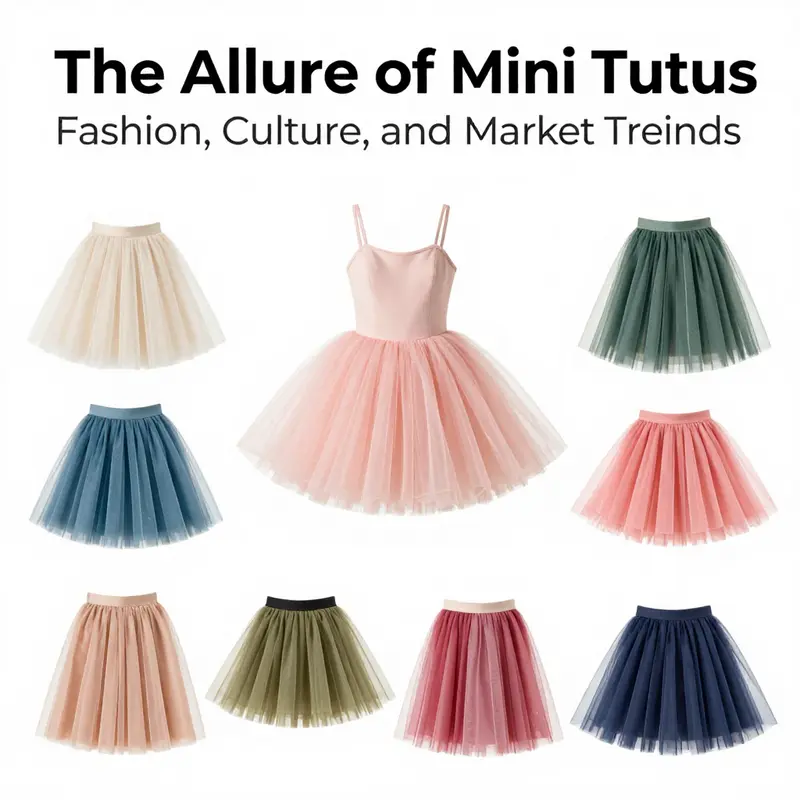
The mini tutu skirt, in its most enduring form, is a small revel in volume and whimsy. It folds the drama of a classical ballet silhouette into a compact, wearable shape that suits tiny legs just as well as grown-up fantasies of performance. What makes these tiny tutus interesting is not merely their fluff or their color, but the careful balance designers strike between comfort, durability, and an unmistakable sense of play. A skirt built around a cascade of tulle, with a softly elasticized waist and a few well-placed bows or folds, can become a stage for imagination, a reliable outfit for birthdays, or a dependable everyday dance accessory. The line between costume and everyday wear blurs here, and that ambiguity is exactly what keeps the mini tutu relevant across ages and occasions. In discussing the recent landscape, the conversation naturally gravitates toward the kinds of brands and design philosophies that have become visible in this niche—brands that emphasize kid-friendly comfort, easy care, and the kind of whimsy that invites a quick twirl or a slow, practiced swish of fabric under a child’s giggle or a dancer’s rehearsal light.
Within this sphere, a few threads recur across brands and platforms. One thread centers on material and structure. The tutu’s signature look rests on soft, layered tulle that can catch light and movement without becoming stiff or uncomfortable. A practical elastic waistband is more than a convenience; it is a safety feature, ensuring that the skirt fits a growing child without pinching or constant adjustment. Designers who prioritize child comfort lean toward gentle edges, breathable blends, and hypoallergenic finishes that reduce irritation on delicate skin. The result is a garment that can be worn for hours at a time—from a home recital to a weekend outing—without turning function into a nuisance. The same principle applies to adult versions, where the silhouette remains thrilling but the construction must withstand longer wear, frequent washing, and more demanding movement.
Another thread is the balance between performance and play. A mini tutu designed for a stage or recital often incorporates extra fluff for on-camera impact and a silhouette that remains legible in motion. Yet the best designs won’t sacrifice comfort. A cleverly placed lining, a slightly stretchier elastic, or a reversible layering approach can help a tutu keep its shape during spins while remaining gentle on the wearer. Brands that emphasize performance fabrics, quick-drying properties, and secure closures also acknowledge the realities of costumes used in schools, studios, and community performances. In practice, these choices translate into garments that work for a crowded stage, a long rehearsal, or a sunny day at the park.
On the retail side, the landscape expands through platforms that offer both curated lines and broad assortments. A boutique-style line focused on children’s wear tends to foreground safety, durability, and a design language that feels timeless rather than overly trendy. The color narratives often lean toward gentle pastels, soft pinks and blues, or more energetic palettes for celebrations and holidays. Ruffles and bows appear as accents rather than in overwhelming quantities, preserving a sense of proportion that suits the mini scale without sacrificing charm. Beyond single-brand offerings, marketplaces open the door to a wider spectrum: multi-pack options for growing families, or wholesale access for studios and event organizers who need reliable, repeatable pieces in bulk. The variety is part of the appeal, but the core remains the same: a small garment that makes a large impression through shape, texture, and movement.
In this spectrum of brands and designs, it is useful to think of the mini tutu as a canvas of expressions rather than a fixed formula. A child in a soft lavender tutu with a satin bow may simply be ready for class or a birthday, while another in a bright multi-layered version with multiple bows and a touch of glitter might be preparing for a school performance or a photo session. The ability to customize—whether through adjustable waists, color choices, or the density of tulle layers—gives studios and families a way to tailor the garment to the wearer’s proportions and preferences. Such customization is often offered through wholesale platforms that connect buyers with manufacturers, enabling quick adaptation to different sizes, colorways, and branding requirements. In practice, this means a tutu that can travel from early years into adolescence with the same fundamental silhouette, keeping the design language intact while growing with the wearer.
The design discourse also attaches to materials and certifications. When a tutu is marketed toward children, the question of safety is never far away. Where possible, brands that communicate airtight manufacturing standards and material safety tend to reassure buyers. Some suppliers advertise compliance signals such as standard certifications, which, in a broader sense, align with expectations around product safety and quality in the garment sector. It is not merely about the fabric’s feel but about the entire ecosystem that makes a garment suitable for repeated wear and for the occasional rough treatment from enthusiastic youngsters who test seams and hems with the same curiosity they bring to ordinary play. A well-made mini tutu becomes less a one-off costume and more a practical garment in a child’s wardrobe, able to transition from dance class to birthday party with ease.
The market’s breadth also means different entry points for different kinds of buyers. For parents shopping directly for children, the emphasis is often on comfort, sizing, and ease of care. Durable stitching, non-irritant finishes, and the ability to machine wash without color bleed or fabric distortion become selling points. For studios and organizers purchasing in bulk, the priorities shift toward consistency, supply chain reliability, and the capacity to customize. In this space, wholesale suppliers offer features like adjustable elastic waists and a range of adjustable sizing options that help ensure a proper fit across ages and body types. Quick-dry fabrics and lightweight interlinings might appear in more performance-oriented lines, where savings in weight and drying time can matter during long rehearsal days or back-to-back performances.
This blend of child-centered comfort, performance readiness, and scalable design makes the mini tutu a uniquely adaptable garment. It is not just a costume; it is a wardrobe piece that travels with a child through the rituals of learning to move, the confidence built on stage, and the simple joy of twirling. The silhouette invites play while the construction invites trust: parents can rely on seams that won’t unravel under a spirited leap, fabrics that won’t irritate delicate skin, and closures that stay secure during a full-speed spin. In this sense, the mini tutu supports a broader narrative of childhood as a stage for exploration, where dress-up and daily dress can merge into one expressive outfit. The best designs honor that balance without forcing the wearer to choose between fantasy and function.
For readers seeking a concrete sense of what a well-curated line looks like in practice, one can imagine a collection that blends gentle pastel tones with a few bright accents, all anchored by versatile base pieces. A child-ready option might keep the waist comfortable with a modest stretch, while a more elaborate variant could feature a detachable bow or a reversible tulle layer that allows for two different expressions in a single garment. The practical beauty of such pieces lies in their ability to be worn again and again, not as a fleeting costume, but as a familiar garment that carries memories of dances, birthdays, and shared moments of play. The idea is simple and powerful: a mini tutu that respects a child’s body, supports a dancer’s effort, and still holds the promise of wonder with every spin.
To connect this panorama to the broader shopping landscape, consider how a well-curated storefront on a major kids’ fashion platform presents a range of tutu skirts. The emphasis remains on the same trio—comfort, performance readiness, and a timeless silhouette—while offering buyers a spectrum of textures, colors, and decorative details. The platform acts as a bridge between the quiet devotion to craft and the exuberant impulse of fashion play. It makes visible the fact that even a small garment can carry a surprising amount of intentionality when design, materials, and user experience align. As families browse, they encounter not only the option to purchase but also the invitation to imagine: a child stepping into a world where movement and fabric become one joyful act. In that moment, the mini tutu transcends its size and becomes a shared ritual of growth and expression.
For readers who want to explore specific interpretations that emphasize stock-and-supply versatility, a curated catalog on a well-known fashion platform offers a representative snapshot. It showcases how a single silhouette can support a range of looks—from a simple, everyday dance outfit to a more festive, stage-ready ensemble—without losing the gentle, child-friendly character that makes the mini tutu so enduring. In this sense, the mini tutu is not a single design but a family of garments, each member offering a slightly different take on the core idea: a light, buoyant skirt that makes movement feel a touch more magical. If you’d like to explore a curated selection, you can discover a notable lineup on a major kids’ fashion hub, which aggregates a variety of options and presents them with clarity for parents and studios alike. shop-by-brand/mimi-tutu-skirts
As the chapter moves toward a broader reflection on the chapter’s thread, it is worth acknowledging how the mini tutu’s ongoing appeal has much to do with its capacity to translate dancing’s discipline into everyday charm. The design principles—soft edges, adjustable fit, layered translucence, and the quiet confidence of a garment that looks both effortless and intentional—are often the same values that thread through the best children’s wear and performance pieces alike. The tutu’s form invites the wearer to imagine, to practice balance, to enjoy the craft of movement, and to do so within a garment that feels light and safe on the body. The result is a timeless silhouette that remains adaptable to new styles, new fabrics, and new expectations around comfort and safety.
In the end, the mini tutu is about more than a moment of dress-up. It is a practical instrument for childhood movement, a canvas for self-expression, and, for many families, a reliable key to a joyous performance day. The best designs are those that honor this dual purpose: they invite play and they preserve the integrity of the wearer’s body and spirit. The discussion of notable brands and their design choices is less about naming names and more about tracing the values that shape a garment meant to travel with a child through stages of growth and learning. When a skirt can be both a daily friend and a stage-ready companion, it earns its place in a child’s wardrobe and in a family’s memory. The mini tutu, with its soft sway and its innocent grandeur, remains a small but meaningful emblem of movement, creativity, and a sense of possibility that begins in the tiny studio of a child’s room and extends toward the larger stage of life.
External resource: https://luneballet.com/product/classical-ballet-tutu-pink-costumes-golden-trims-nutcracker-cost-effect-t0469/
null
null
null
null
null
null
Final thoughts
The mini tutu represents more than just a stylish garment for children; it embodies creativity, expression, and a joyful celebration of childhood. Its significance spans various domains, from fashion to performance arts, reflecting cultural values and trends. As businesses navigate this enchanting sector, understanding the historical context, notable brands, market dynamics, and cultural impact of mini tutus will be key in leveraging their potential effectively. Embracing this innovative yet timeless piece can lead to enriching customer experiences while capturing the hearts of children and their families alike.