
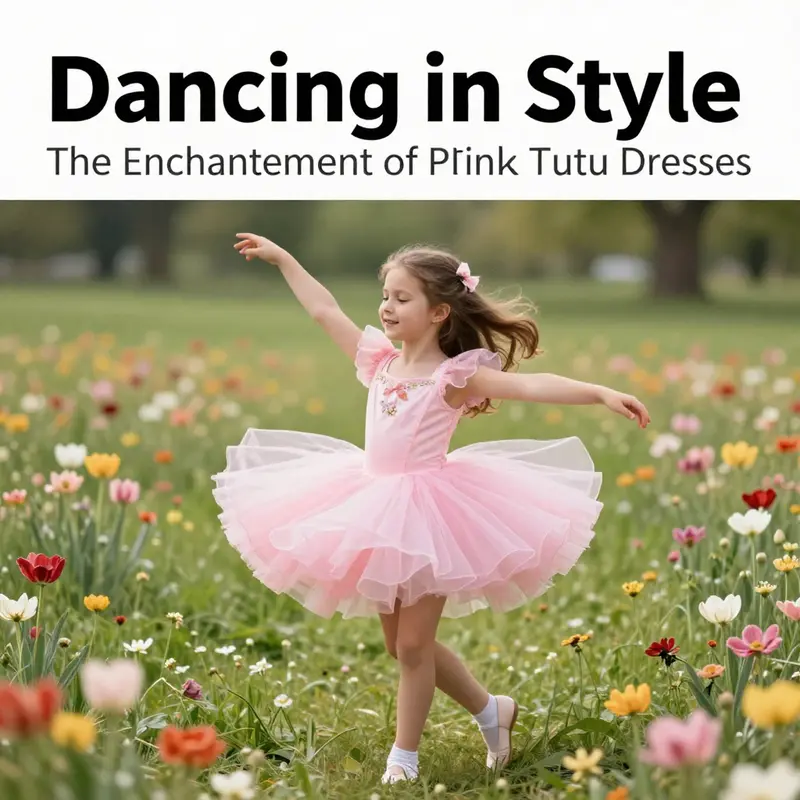
The pink dress with a tutu is a magical blend of style and function, perfect for children’s performances and celebrations alike. With its lightweight tulle layers and eye-catching allure, it serves as a go-to choice for parents selecting outfits for dance recitals, birthday parties, or any special occasion. Understanding its design spectrum—from ballet costumes to party dresses—provides valuable insight for business owners looking to excel in the children’s fashion market. Each chapter systematically unpacks the charm of these dresses, pairing them with suitable accessories, exploring fabric choices, and examining current market trends, ultimately guiding owners toward informed business decisions.
Pink Tulle on Stage: The Pink Dress with a Tutu as a Stage for Young Dancers’ Recital Dreams
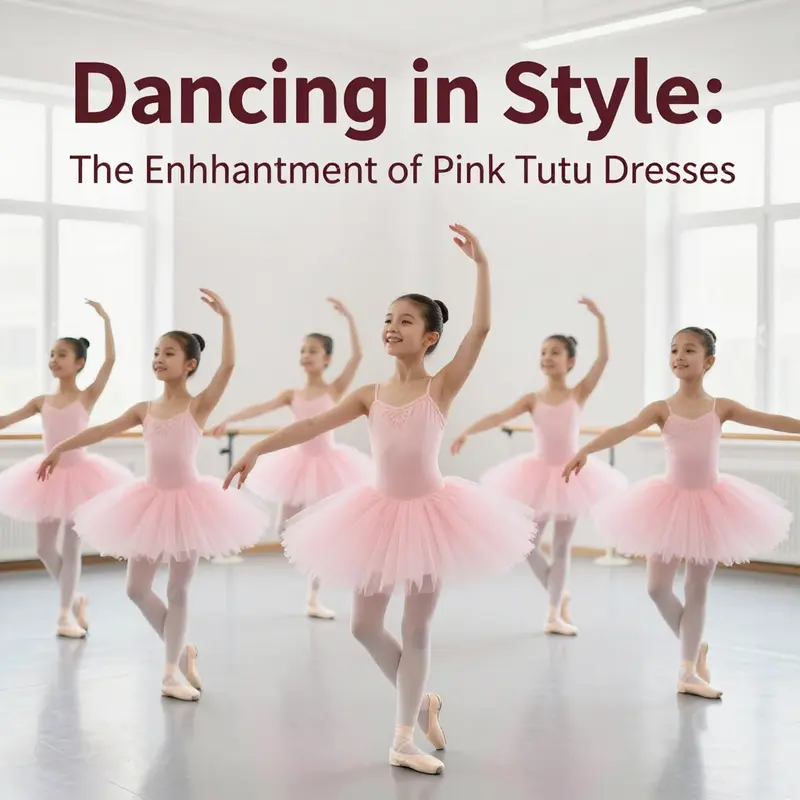
A pink dress with a tutu is more than a costume; it is a doorway to a dancer’s first experiences with performance, a tangible link between practice room discipline and the hush of a waiting audience. In many studios, the color itself carries meaning—the soft, candy-like hue signaling innocence, focus, and the promise of growth. But the real magic lies in how the pink dress with its voluminous tutu becomes a partner to a young dancer: a lightweight ally that supports movement, heightens line, and catches light in a way that makes small gestures feel larger than life. When a child puts on the leotard-style bodice and the layered skirt, shoulders relax, posture lifts, and breath shifts from the rhythm of rehearsal to the breath of the stage. The costume is not a mere wrapper; it helps sculpt performance confidence, guiding the dancer to align her body with music, to feel the space around her, and to translate practiced steps into a living, moving story.
The backbone of the ensemble is the delicate balance between function and fantasy. The leotard-style bodysuit—often in a classic pink that mirrors traditional ballet aesthetics—clings to the torso to reveal the spine’s alignment and to offer a full range of motion. Its snug fit is more than a preference; it is a practical choice that keeps the shoulders free for port de bras, allows clean lines through the arms, and prevents fabric from catching on the little feet as they pivot, glide, or leap. Paired with a tutu skirt that commands attention through its silhouette, the effect is both ethereal and precise. The tutu’s volume is earned from layers of tulle or chiffon that rise and sway with every movement, tracing the dancer’s path through a sequence of relevés, pliés, and sautés with a lightness that feels almost cinematic. On stage, this fluttering halo of fabric reframes gravity, inviting the eye to follow the dancer’s intention rather than the dancer’s every inch of effort. In this way, the pink dress with a tutu becomes a choreography partner, translating a dancer’s internal rhythm into a visible, shared language between performer and audience.
The materials chosen for this classic costume matter as much as the choreography itself. Breathable fabrics in the bodysuit—often a cotton-spandex blend or a soft nylon weave—offer comfort during long rehearsals and repeated performances. They wick moisture, stretch with ease, and resist irritation where fabric meets skin. The tutu skirt, with its structured yet airy presence, relies on sturdy yet lightweight tulle to preserve volume without weighing the dancer down. This is not about fashion alone; it is about functionality that respects a child’s energy, avoids overheating, and maintains freedom of movement across a range of temperatures in rehearsal rooms and theaters alike. Reinforced stitching at the shoulders, waist, and seam lines is a quiet assurance that the costume can withstand the energy of a live recital, where missteps are learning moments and not costume failures. The stitching also protects the edges of delicate trims and any subtle embellishments meant to catch the light. The result is a garment that endures through endless practice, multiple washings, and the small, inevitable adventures of a child’s stage journey.
Design details sit at the intersection of magic and practicality. Subtle sparkles, gentle lace trims, or understated embroidery can elevate a performance without compromising mobility. The sparkle must stay secure enough to avoid loose glitter shedding onto the stage—nobody wants a glittery floor that distracts the audience or creates safety hazards for the dancers. Lace edging along the tutu’s layers can add a touch of elegance, but it must remain supple so it does not pull at the skin or interfere with leg lines. The color story—its pink hue, its shading under stage lights, and its compatibility with tights and hair accessories—plays a crucial role in how the performance is perceived. The stage lights can turn a seemingly simple shade into a luminous partner that highlights a dancer’s posture and line. The result is a costume that communicates mood as clearly as a facial expression, contributing to the recital’s narrative with a soft glow rather than loud spectacle.
In the recital context, the pink dress with a tutu is a vehicle for both artistry and growth. For many young dancers, performing a routine is their first extended exposure to an audience beyond family and friends. The costume contributes to this milestone by offering a sense of ceremony—a ritual that signals a shift from practice room to performance space. The child learns to move with a costume that demands attention to both precision and expression. The bodysuit’s secure fit and the tutu’s generous silhouette encourage a dancer to maintain clean line while also letting personality emerge through the arms, head, and breath. This balance helps cultivate stage presence, an awareness of one’s own silhouette against the backdrop, and an understanding of how timing and musicality translate into visual storytelling. The tutu’s generous volume can be a theatrical ally, signaling moments of elevation or transition in a routine. It frames jumps and turns with a soft halo that audiences intuitively read as grace, even before the feet lift off the ground.
Choosing the right costume for a child’s recital is about more than choosing color or style. Fit becomes the anchor for comfort and confidence. A well-fitted bodysuit supports the dancer’s alignment, ensuring that the hips sit square, the spine remains extended, and the shoulders stay relaxed. A tutu that is too long or too stiff can hinder leg lines or impede turnout, turning a simple plie into a struggle rather than a showcase of control. Conversely, a tutu that moves with the dancer—without riding up or catching on tights—invites more expressive arm movement and more dynamic use of the torso. Parents and instructors often consider the child’s age, experience level, and the specific choreography when deciding on the costume’s layers and embellishments. A younger dancer might benefit from a slightly lighter, more flexible tutu that emphasizes ease of movement, while an older child preparing a technical routine could appreciate a bit more structure to support precise lines.
Beyond fit and function, the practical realities of acquiring a pink tutu dress come into play. Some studios and families prefer budget-friendly options that deliver dependable performance without unnecessary ornamentation. Others opt for premium, custom-tailored costumes designed to fit a dancer perfectly, with color matching, size customization, and durable trims that stand up to several recital seasons. The growing market offers a spectrum of possibilities, and many manufacturers today emphasize comfort and safety as much as aesthetics. With ongoing developments in fabric technology and garment construction, a well-made pink tutu can be both affordable and resilient, adapting to a child’s growth and changing recital needs. Customization, in particular, has become a meaningful option, allowing studios to maintain a cohesive look across a company while supporting individual fit for each dancer.
For families seeking a straightforward starting point, a basic tutu option can provide reliable performance without overcomplicating the aesthetic. This approach lets a dancer focus on technique and expression during the first recitals, while keeping the ensemble visually aligned with the recital’s broader theme. To explore such a starting point, consider a simple tutu collection that emphasizes comfort and mobility, offering a clear path into the more elaborate recital wardrobes that come with experience. This is not a compromise on beauty; it is a practical step that honors the dancer’s body and the audience’s experience, letting each rehearsal and performance be a story told through movement rather than through excess fabric.
The journey from rehearsal to recital is a shared one, threaded through the studio’s routines, the parent’s support, and the child’s own curiosity about the stage. The pink dress with a tutu remains a symbolic entry into that world—a world where careful material choices, thoughtful design, and a gentle, informed approach to sizing and care can shape a child’s early performances into lasting memories. When the curtain rises and the lights warm the pink satin and pale tulle, it is not the fabric alone that shines. It is the combination of fit, movement, and heart—the dancer’s own story, unfolding in the glow of a stage that has welcomed her, if only for a few minutes, into a circle of applause and wonder.
For readers seeking a practical starting point within this broader landscape, a basic tutu option offers a reliable foundation. You can explore a simple collection that emphasizes fit, comfort, and balance between movement and aesthetics by visiting a curated basic tutu category. basic tutu collection.
External reference: for broader context on materials and design considerations in children’s ballet costumes, you can consult industry resources and marketplace catalogs that document fabric performance and safety features in recital wear. External resource: https://www.aliexpress.com/item/10050028376479.html
Petal-Sky Silhouettes: The Allure of Pink Tutu Dresses for Special Occasions and Performance
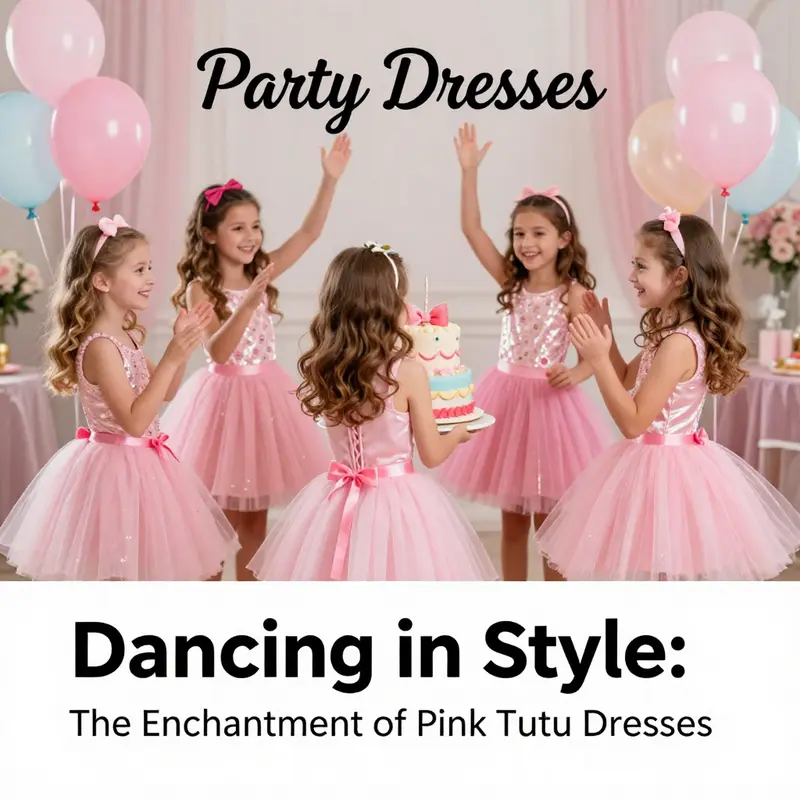
The pink tutu dress is more than a garment; it is a small vessel that carries a child into moments of wonder. Its fame rests on a simple truth: movement becomes music when fabric and form join in a soft, buoyant embrace. The tutu, with its multiple layers of delicate tulle, rises like a cloud around a child as she steps into the light. In these dresses, the world seems to zoom into the present moment, where the steps of a little dancer or the laughter of a party guest are the only story that matters. The color pink amplifies this effect. It is a language of warmth and play, a shade that invites shy smiles to bloom into confident gestures, and it travels easily from birthday parties to backstage recitals. In this space, a pink tutu is not merely about looking pretty; it is about feeling poised and unafraid as the day unfolds. When you observe a child in a tutu, you witness a blend of poised stillness and unbridled motion, a paradox that makes the dress simultaneously ceremonial and everyday wearable.
The architecture of a pink tutu dress follows a quiet logic. The skirt is the heart, created from several layers of fine tulle that catch air and illuminate every subtle movement. Each layer adds volume without weight, a key feature that keeps the dress playful rather than cumbersome. The bodice, often fitted, anchors the silhouette. It may be sleeved or sleeveless, with lines that echo ballet costumes while offering comfort for a party setting or a school performance. The choice of fabric goes beyond color; it determines breathability, skin contact, and ease of wear. A well crafted pink tutu balances softness with structure, ensuring that the wearer can glide across a stage, spin at a party, or simply wander through a gallery of birthday balloons with equal ease. The result is a garment that reads as both costume and everyday joy, a rare crossover that parents and designers chase with every season.
In the realm of occasions, pink tutu dresses are extraordinarily versatile. They are the preferred option for princess themed celebrations, where the dream of a royal party begins with a dress that says yes to imagination. They also shine in recital contexts, where the tutu frames a dancer in motion and reinforces the choreography through its clarity of line and airiness. For these settings, designers often choose options that strike a balance between sparkle and comfort. Subtle sequins scattered across the bodice, or a faint shimmer threaded into the tulle, can elevate the garment without overwhelming the child with glare. The presence of long sleeves or a structured top can add an element of formality for milestone events, yet the overall silhouette remains unmistakably youthful. The social life of a pink tutu dress mirrors the rhythms of a child’s calendar—birthdays, talent shows, family gatherings, and end-of-school recitals all become potential stages for this garment to shine. And because the color pink itself carries cultural associations of sweetness and tenderness, it often carries memories along with the wearer—memories of applause, of a first solo dance, or of a party where laughter lingered long after the candles were blown out.
From a design vantage point, the ethos behind a pink tutu dress is often a blend of performance readiness and party charm. Even when the dress is intended for home use, the fabric choices matter. The soft texture of tulle against the skin must feel light and gentle, with edges finished to prevent irritation. The lining plays a crucial role in comfort and hygiene, ensuring that the dress remains pleasant to wear for extended periods. Many designers consider the sequence of events a child will attend, imagining the dress moving through a choreography of hugs, twirls, and photo moments. The result is a garment with an implied itinerary: it is made to endure the bustle of a party, the discipline of a recital, and the spontaneous joy of impromptu dancing in a living room. In every case, the pink hue is chosen with intention, balancing the emotional stage of a gathering with the physical demands of the wearer.
The market for pink tutu dresses in recent years has diversified, expanding beyond the strictly choreographed stage into a broader playground of style. For families seeking a sense of premium quality without sacrificing practicality, there are options that pair a plush yet light bodice with a voluminous skirt created from premium tulle. The aim remains to deliver an ensemble that can be worn with ease, vigorously cleaned between wears, and stored without trouble. This alignment of ease and elegance is no accident. It reflects an industry response to the realities of children’s wear: frequent washings, active play, and the need for safe fabrics that meet health standards. As a result, many dresses in this category emphasize gentle elastic closures, seam finishes that minimize bulk at the waist, and linings that reduce friction during movement. Such considerations may seem small, yet they contribute significantly to the wearer’s experience, allowing a child to feel free rather than restricted as she moves through a day filled with songs, games, and party chatter.
The appeal of the pink tutu dress is also culturally resonant. Pink has long stood as a symbol of softness, youth, and tenderness in many communities, and this resonance can deepen the emotional impact of a dress chosen for a special event. Yet the garment also invites a broader conversation about color and identity. In the context of a party or recital, pink can serve as a unifying thread among different participants, tying together themes of celebration and togetherness. It invites photographers to capture light in a way that makes the child look as if she walks inside a painting, while the parent or guardian witnesses a memory in the making. The tutu becomes a vehicle for storytelling, a wearable chapter that families can revisit in albums and later retell in conversations about the day when the child learned a new step, or greeted a crowd with practiced poise. Such stories reinforce the value of investing in a design that is not just fashionable, but meaningful in its own right.
In this landscape, customization and production capability play a pivotal role. The shift toward flexible manufacturing and responsive delivery means families can pursue a pink tutu that matches a specific theme or color tone without sacrificing fit or safety. The option to tailor the dress for color depth, length, or sequin density can transform a routine party garment into a bespoke keepsake. At the same time, it remains essential that the production standards emphasize fabric health and fit. Breathable linings, non toxic dyes, and careful seam finishing are not mere luxuries; they are the baseline that makes a pink tutu dress a viable choice for everyday wear and long events alike. The market also responds to the practical side of celebration, offering ready to wear pieces that strike a balance between affordability and durability. For families planning a milestone celebration, the possibility of coordinating the pink tutu with accessories such as a tiny crown, a sparkling headband, or a delicate wrap with metallic accents can create a cohesive party theme that both children and adults will recall fondly.
For those who want a straightforward option that still carries the essence of the pink tutu aesthetic, a simple, classic cut offers a timeless appeal. The basic tutu category provides a clean canvas that can work across various ages and occasions. It enables children to move with ease while keeping the silhouette light and airy. If you are exploring the options, consider how the dress will perform in different environments and how easily it will integrate with the rest of the party or performance wardrobe. It is often the simplest choice that yields the most enduring memories, the one that lets the child be seen without distraction and allows the moment to be told through her own steps and smiles. For reference to a broader catalog that leans into this idea, the basic tutu category is a good starting point to explore minimalism with maximum charm. basic tutu category.
As the chapter moves toward its close, the recurring truth emerges: a pink tutu dress is a celebration of movement and memory. It invites a child to become part of a story that does not require words to be understood. The dress, with its cloudlike skirt and its gentle pink glow, helps sculpt a moment in time where a small performer or party guest feels both special and capable. The fashion of childhood often travels through rooms and stages, from a living room floor to a school auditorium, from a birthday table to a backstage corridor. In every setting, the tutu serves as a quiet companion, encouraging a sense of bravery and ease as the child explores the world with bright eyes and a ready smile. The dress may be a product of a factory floor and a brand’s design brief, yet once it is worn, it becomes a stage for personal narrative. The wearer writes the next lines in the story of celebration, turning fabric into memory and color into feeling. And in that transformation lies the true allure of pink tutu dresses for special occasions and beyond: they are not just clothes, but quiet acts of encouragement that let a child move through the world with a little more light on every step.
External resource: Amazon search for pink tutu dress for girls party
Whispered Sparkle: Harmonizing Accessories for a Pink Dress with a Tutu
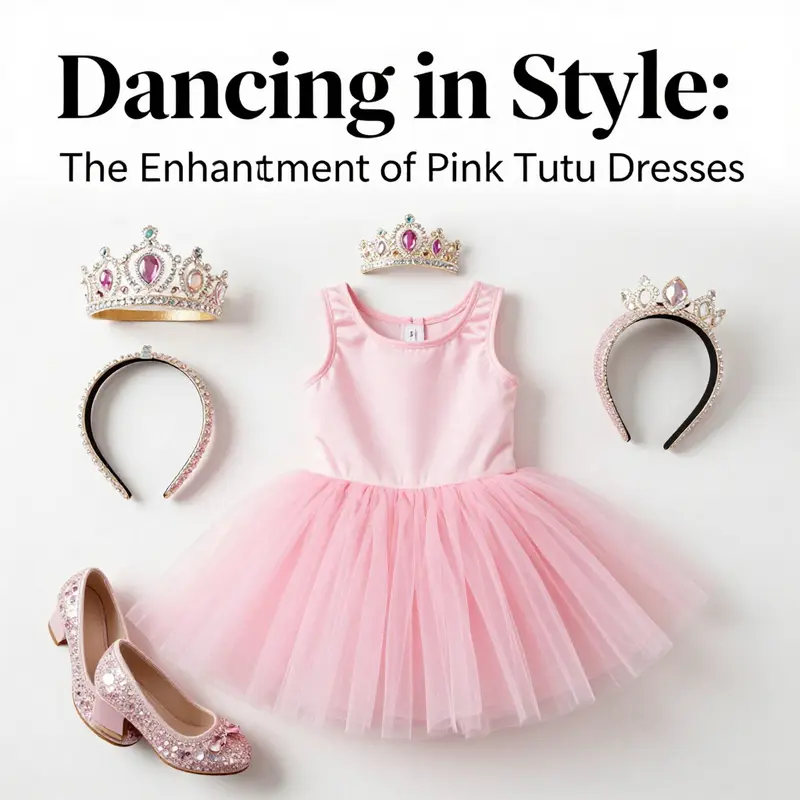
A pink dress with a tutu carries the memory of all the performances, birthdays, and little celebrations tucked into a single fluttering silhouette. The fabric catches the light as if tiny stars have decided to rest on every seam, and the layers of tulle ripple like soft waves when a girl twirls. In such moments, accessories are not just additions; they are narrative enhancers. They can lift a look from charming to memorable, from everyday wear to stage-ready presence, without stealing the spotlight from the dress itself. The principle that runs through all successful styling of a pink tutu is balance. The dress is the star, the accessories are the supporting cast, and the overall effect should read as cohesive, not overworked. The practical art lies in choosing pieces that echo the dress’s softness while adding texture, shine, or a whisper of color that deepens the mood of the ensemble.
Color theory offers a quiet map for this task. Do not chase a perfectly matched palette to the last shade; instead, seek tonal harmony and complementary accents that elevate the pink without turning the wearer into a walking costume. A soft pastel pink tutu, for instance, often sings when paired with gold or rose-gold elements. A lightweight headband or hair clip in gold can add warmth and a touch of elegance, while ivory or cream shoes and tights ground the look in sophistication. When the dress leans toward a deeper blush or magenta, silver or pearl accents can evoke a fairytale glow that feels timeless rather than flashy. This approach aligns with expert guidance on coordinating accessories with themed outfits, where the goal is a unified aura rather than a parade of identical hues. The essence is to create a visual cadence where each piece speaks a compatible language, rather than competing notes.
Headwear has long been the crown jewel of the pink tutu look. A headband is not merely a decorative accessory; it is a framing device for the face and the hairstyle, steering the eye toward the dress without overpowering it. For a whimsical birthday party or a photo shoot, a matching pastel pink headband reinforces the narrative of sweetness and light. If the occasion calls for a touch of sparkle, a headband embellished with rhinestones, pearls, or delicate floral motifs can lift the ensemble into something regal yet approachable. Those aiming for a more modern or couture-inspired vibe might opt for a velvet ribbon headband in a complementary shade like dusty rose or lavender. The idea is to harmonize the top line of the outfit with the dress’s personality while keeping the overall silhouette soft and approachable. A well-chosen headband can also serve as a practical frame for a short hairstyle, enabling a neat, polished look that photographs beautifully.
In the realm of jewelry and layering pieces, restraint often yields the most enchanting results. Delicate jewelry—a tiny heart-shaped necklace or a crystal hair comb—can add a touch of sparkle without stealing attention from the dress’s tulle artistry. Bangles or charm bracelets in subtle gold or silver can introduce gentle movement and catch light as the child gestures during a dance or a party game. For a stage performance, consider additional accents that echo the dress’s texture, such as tiny rhinestone pins or tulle-inspired earrings that wink with every spin. The key is to reserve glitter for accents rather than saturating the look; a single, well-placed gleam can outshine several smaller distractions. This philosophy echoes broader advice in festive styling: accents should support the fantasy, not overwhelm it. When in doubt, imagine the little girl’s smile in a moment of the performance—the right necklace or hairpiece should enhance that moment, not distract from it.
Footwear and legwear anchor the entire presentation. Pink ballet flats are a natural pairing for everyday wear or dance class, especially when they echo the dress’s softness and movement. If the weather demands warmth or coverage, ivory or nude tights provide a clean, elongated line that keeps attention on the tutu’s volume. In winter, neutral-toned boots can be a practical alternative, ensuring the ensemble remains cohesive while the wearer stays comfortable. The winter styling principle extends beyond tights and shoes. A coat or outer layer in a neutral or tonal shade—cream, beige, or soft blush—can act as a seamless frame for the pink dress, preventing any outerwear from jarred color clashes while maintaining an elegant silhouette. In this way, outerwear becomes another piece of the composition rather than a visual interruption. A well-chosen cardigan or lace shawl in ivory or blush adds a touch of softness that harmonizes with the tutu’s airy feel.
Seasonality naturally invites thoughtful adjustments. In spring or summer, a lightweight cardigan, a delicate lace shawl, or a sheer wrap can lend subtle layering and modest warmth without altering the dress’s delicate charm. For fall and winter, a longer coat in beige, gray, or a gentle pink can preserve the dress’s focal point while providing warmth. The objective remains the same: avoid bold contrasts or prints that fight for attention. Instead, prefer textures and materials that harmonize—soft knits, fine lace, or a touch of matte satin—that amplify the gown’s gentle drape. When planning a photoshoot or a recital, consider how the chosen outerwear complements both the posture of the girl and the light in the room. The ensemble should look deliberate in motion and stillness alike, with every layer contributing to a coherent story rather than competing for the viewer’s eye.
For those who want a practical jumping-off point to build or refine a pink tutu look, it helps to view the basic tutu as a resilient foundation. A simple, clean base allows accessories to register clearly. If you’re curious about expanding into broader sets or seasonal variations, the basic tutu category offers approachable options that can be dressed up or down with one or two well-chosen pieces. Basic tutu category serves as a quiet prompt to consider how a simple silhouette can become a stage for a telltale moment of style. By starting with a straightforward base, you gain flexibility to experiment with elements that carry meaning for the child—perhaps a tiny crown for milestone celebrations, a glittering hairpin for a recital, or a soft shawl that invites a parent’s gentle storytelling as the child spins.
The tactile qualities of the materials also deserve attention. Fabrics in a pink tutu set the emotional tone—tulle’s lightness invites movement and play, while satin trims or velvet ribbons can ground the look with a touch of luxury. When selecting accessories, think about how the textures interact. A delicate pearl or crystal piece will catch the light differently from a matte satin bow; the contrast between gloss and softness creates visual interest without overwhelming the dress’s inherent charm. Even the way a headband sits on the head matters: too tight, and it distracts the wearer; too loose, and it can slip during a lively performance. Gentle adjustments and soft sizing solutions help keep the overall line clean and anchored to the dress’s silhouette.
Ultimately, the magic of styling a pink dress with a tutu lies in telling a story of togetherness—where every element speaks softly but clearly in the same language. The tutu’s fluffy layers suggest whimsy, but the accessories add nuance: warmth from gold tones, sparkle from crystals, and a sense of occasion from a carefully chosen silhouette. A cohesive look respects the child’s mobility and comfort, ensuring gait is unimpeded and confidence is unshaken. When the ensemble is assembled with intention, the girl’s movements become a choreography of light and texture. Photos capture that moment; the memory lingers in the glow of eyes bright with pride and the subtle shimmer of a well-chosen necklace or a perfectly positioned headband. In the end, a pink tutu is not merely clothing; it is a stage for imagination—the right accessories merely help it sing.
External reference: https://www.tutudumonde.com/products/pink-tutu-dress-with-matching-accessories
Material Insights: Understanding the Fabrics Used in Pink Dress with Tutu Designs
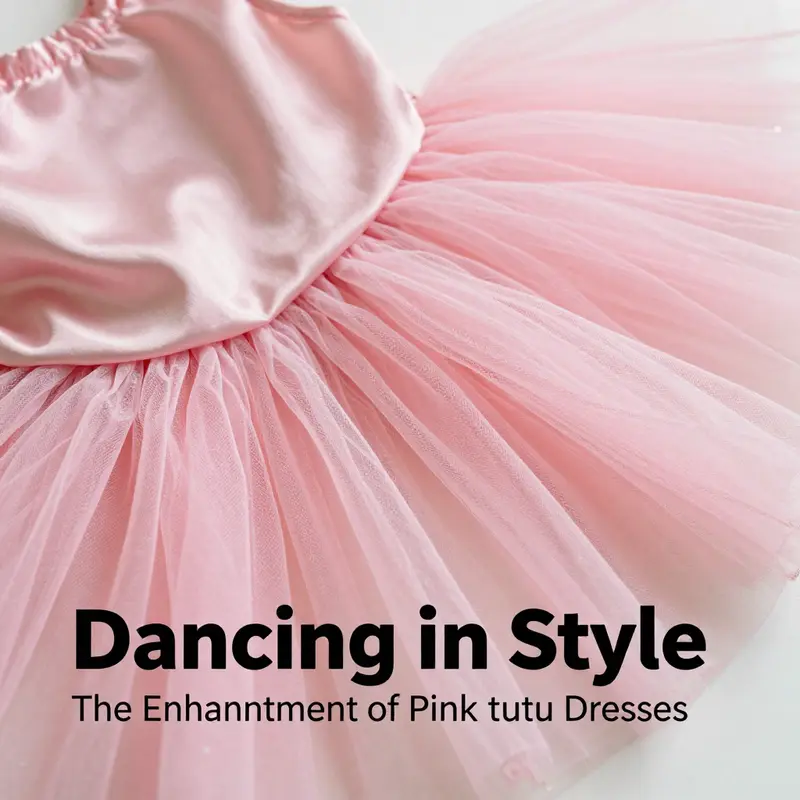
The pink dress with a tutu is more than a visual symbol of celebration; it is a carefully engineered combination of texture, weight, and touch that makes movement feel effortless for a child. The fabric language behind this silhouette centers on one thread: softness without sacrificing structure. At the heart of most designs lies soft tulle, a lightweight, sheer netting that creates the iconic volume of a tutu. This fabric is typically synthetic—predominantly polyester or nylon—because these fibers deliver durability, resilience, and ease of care. They hold their shape after wiggles, spins, and countless smiles, which is essential for a garment that will likely be worn again and again across performances, parties, and daily dress-up play. The magic of pink emerges not only from color but from how the tulle interacts with light, movement, and the eye of a child who believes in its capacity to transform ordinary moments into something magical. When families talk about comfort, they are really weighing how the dress feels on the skin and how freely a child can move. Here, the tulle’s lightness must be paired with a skin-friendly companion near the body: a breathable lining that cools and cushions without adding bulk. The lining is often cotton or a cotton blend, selected for its gentle touch and its capacity to wick moisture away from the skin. In this pairing—the airiness of multiple tulle layers against the soft, breathable underlayer—the dress becomes more than a pretty shell; it becomes a wearable space where a child can dance, leap, and twirl with confidence. Designers give careful attention to where the skin touches fabric. Non-irritating seams and precise finishing prevent the kind of chafing that can turn a thrilling moment into discomfort halfway through a performance. The construction philosophy is clear and practical: beauty must be supported by safety and comfort, especially for young wearers who test the limits of a costume with every new motion. The waistband, a key interface with the child’s body, receives thoughtful design as well. An elasticized waist can accommodate growth and a range of body shapes, while a soft edge binding—often satin or a satin-like ribbon—keeps the transition from torso to skirt smooth and unobtrusive. This balance of fit and featherlight fabric invites long wear during events that stretch into hours of celebration, while preserving a silhouette that feels effortless rather than constrained. The result is an outfit that reads as a dreamlike layer of pink, yet performs with the steadiness of something designed with real-world use in mind. The interplay of layers is where the tutu reveals its true character. The fullness of the skirt comes from stacked layers of tulle rather than a single sheet. Each layer adds depth, helping the skirt catch and refract light as the child moves. The lining below acts as a quiet anchor, ensuring the volumetric scene remains elegant rather than unruly when a breeze flits through a crowded room or a spotlight settles on the stage. The nuance matters: pink can appear iridescent depending on the layer density, the weave of the tulle, and the way light travels through the fabric’s sheer surface. In some designs, a whisper of sparkle or a delicate thread of lamé is woven into the tulle, a choice that catches the eye without competing with the wearer’s expression. Other designs favor a matte finish that emphasizes form over flash, allowing the garment’s architecture—the tutu’s silhouette—to tell the story. The fabric selection thus supports a spectrum of moods: from courtly elegance to playful whimsy, each with its own texture and tone, all anchored in the same core materials. Beyond aesthetics, the fabrics used in pink tutu dresses reflect a broader market dynamic. Modern production often accommodates customization—OEM or ODM capabilities—that enable families and studios to tailor the base fabric to a chosen palette of pinks, adjust the skirt length, or swap the lining for enhanced breathability. This flexibility is not merely a matter of taste; it translates into practical outcomes like better washability, longer garment life, and more reliable colorfastness across multiple wears and washes. The option to customize supports a wide range of events, from formal performances to themed parties, and even to milestone celebrations where a color story is part of the memory being created. For readers who want a concrete sense of foundational options before exploring more elaborate designs, a practical touchpoint is the basic tutu collection. This range prioritizes the essentials: a solid tulle base, a breathable lining, and clean finishes that prioritize comfort and ease of care. You can explore such foundational choices here: basic tutu collection. This anchor invites a closer look at how a simple layering approach becomes the canvas for countless party-ready transformations. The fabric story also connects to broader educational and care considerations. Parents and caregivers often want to understand how to maintain the dress’s appearance over time. Polyester and nylon tulle respond well to gentle washes and air drying, preserving the dress’s shape and the crispness of the layers after repeated wear. The cotton lining, while sturdy, benefits from gentle washing to avoid shrinking or pilling, and it breathes to keep the wearer comfortable during longer events. In practice, management of heat and moisture becomes part of a larger ritual—preparing for a party or performance, selecting complementary accessories, and ensuring that the fabric’s behavior under different lighting and temperatures matches the child’s activity level. The fabric itself becomes a partner in this ritual, helping to set a stage where movement feels buoyant, not burdensome. The tactile experience matters too. Children respond to texture with instinctive feedback. A soft, breathable lining remains cool against the skin, while the tulle’s delicate surface invites gentle finger tracing, a small but meaningful moment in a child’s relationship with clothing. When a dress performs well, the magic of a child’s twirl is amplified: the skirt lifts with a quiet, almost wind-driven energy, and the pink hue glows with a gentleness that feels both timeless and contemporary. Designers recognize that this emotional resonance is as important as any technical specification. The goal is to deliver a garment that invites participation—dance steps, party games, and spontaneous storytelling—without demanding rest from a child’s body. In sum, the material core of a pink dress with tutu is an elegant compromise: enough structure to preserve a full, fairy-tale shape; enough softness to keep contact with the skin serene; and enough resilience to endure the lively world in which children dress up. The fabric narrative thus becomes a living guide for families selecting costumes that will accompany children through performances, birthdays, and countless moments of imaginative play. It invites readers to consider not just color and silhouette, but the fibers, threads, and seams that make a moment of dressing feel, in its own way, timeless. For readers who want to deepen their understanding of fabric fundamentals beyond fashion, a concise resource on materials and care is available at BBC Bitesize, which offers a clear overview of how fabric choices affect comfort and performance in children’s clothing: https://www.bbc.co.uk/bitesize/guides/z3v2g82/revision/4.
Petals and Spotlight: Market Currents Driving the Pink Dress with Tutu in Modern Children’s Fashion
The pink dress with a tutu sits at the intersection of whimsy, ceremony, and childhood self-expression. In today’s market, pink and tutu combinations signal celebration, movement, and imagination. Designers emphasize soft-but-volume silhouettes built from layered tulle and satin bodices that balance comfort with drama. Color palettes expand beyond traditional pink to include warm magentas, blush tones, and iridescent accents. Customization via OEM/ODM allows retailers to tailor shade, layer count, length, and trims, meeting regional and event-specific needs. This flexibility supports birthdays, photos, recitals, and daily play while preserving practicality with durable fabrics and easy closures. Layered tulle creates buoyant volume, while breathable linings and safe fastenings ensure all-day wear. The market rewards versatility: one dress can anchor a party look, a costume, and a daily favorite. Retailers curate themed collections and basic tutu lines to offer cohesion across seasons. The result is a garment that feels special yet approachable, enabling a child to move freely and families to create lasting memories.
Final thoughts
The allure of the pink dress with tutu transcends basic fashion elements; it’s a symbol of joy, creativity, and celebration in childhood. As a business owner, leveraging the popularity of this garment can result in meaningful engagements with your target market. Whether you focus on ballet costumes or festive party dresses, the key insights shared—such as styling advice and understanding fabric choices—can enhance your product offerings. By aligning with market trends and ensuring quality in fabrication, you can cultivate a reputation for excellence, receiving both admiration and loyalty from your customers. A well-chosen pink tutu dress is more than just clothing; it’s an experience that brings delight to children and ease to parents.