
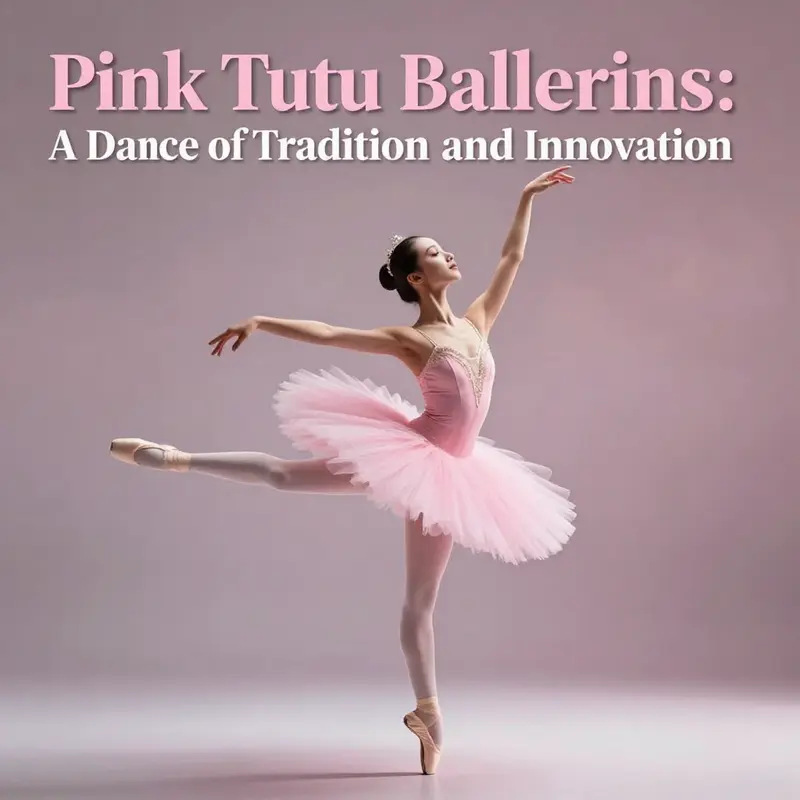
The pink tutu ballerina embodies a unique blend of elegance, history, and cultural significance in the world of ballet. This whimsical yet iconic garment has transcended generations, appealing to children and adults alike. As business owners consider the opportunities in this realm, understanding the multifaceted implications of the pink tutu becomes crucial. This exploration will delve into the cultural significance of the pink tutu, its fashion evolution in performances and events, the materials and craftsmanship involved in its creation, and its vital role in dance education. By examining these aspects, we can appreciate how the pink tutu not only defines ballet aesthetics but also opens avenues for business ventures.
Floating Grace, Visible Identity: The Pink Tutu Ballerina as an Evolving Icon of History, Youth, and Empowerment
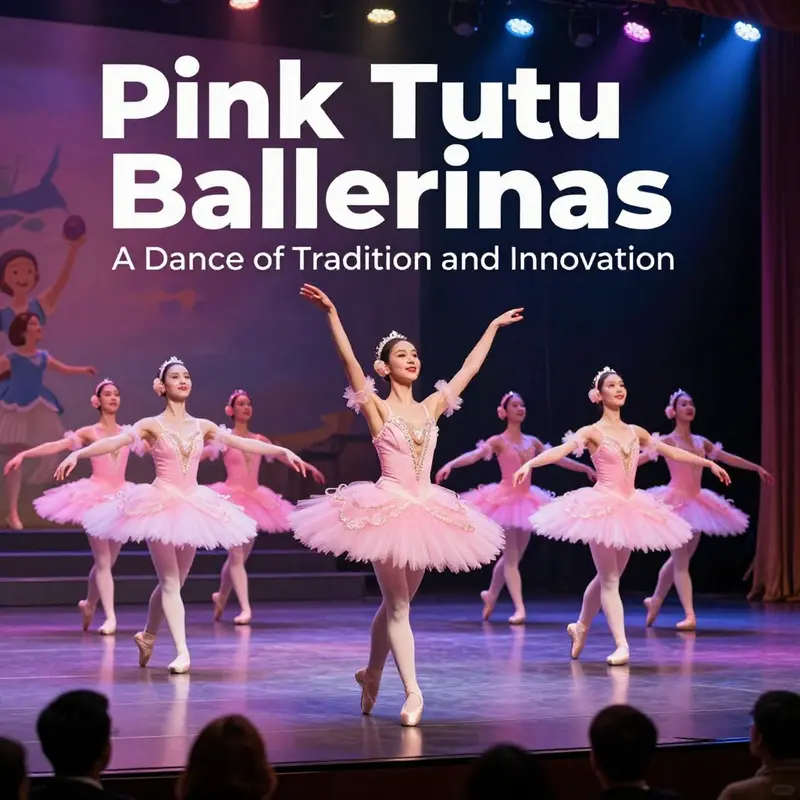
The pink tutu ballerina stands at once as a visual emblem and a living archive, a garment that has traveled through centuries of dance, fashion, and collective memory. Its ascent from the wings of the Romantic stage to the center of contemporary imagination reveals not only a costume’s enduring appeal but also a culture’s changing ideals about femininity, grace, and the capacity for self-making. The pink tutu, with its short, stiff silhouette of layered tulle, is more than fabric; it is a coded language that translates movement into meaning. When the dancer lifts an leg into a high développé or a perfect battement, the pink haze of the skirt catches the light and frames the leg line in a way that makes the body seem almost buoyant. This is a visual effect born of history as much as of technique, a blend of material discipline and myth that has shaped how audiences see the dancer and what they expect from her art.
In the Romantic era, ballet sought to conjure another world—one where almost nothing of hard reality intrudes on the dream. The tutu, then a more modest, often white or pale-hued sign of purity, became the instrument through which illusion could be made tangible. The famous works La Sylphide and Giselle crystallize this aspiration: the ballerina appears weightless, gliding as if she has escaped gravity, and the skirt helps create that illusion. The pale tones of the early tutus amplified the sense of ethereality, a visual cue that the dancer was not merely an athlete but a creature of air, light, and longing. The pink version of that era’s ideal—soft, luminous, and almost shy in its charm—emerged as a particularly resonant color, connoting not only delicacy but a form of youthful invitation. The silhouette—short, stiff, and layered with netting—was designed to highlight the leg lines and the dancer’s extension, making every kick, turn, and leap legible to spectators. In this sense, the pink tutu acts as a translator, converting the ballet’s abstract ideals of grace and transcendence into a kinesthetic experience audiences could read and respond to with immediacy.
Over time, the pink tutu migrated from the stage to the broader cultural landscape without losing its essential meaning. It retained its association with innocence and girlish charm, but the modern world expanded what those associations could signify. Today, a pink tutu may still signal a child’s first encounter with dance, a recital where every bow and curtsey is a small victory over fear and self-doubt. Yet the motif has also become a canvas for broader expressions of identity and community. In classrooms, community performances, and festival spaces, pink tutus are worn as joyful symbols of participation, courage, and the right to imagine one’s own future. The image persists because it speaks to a universal impulse: to feel seen, celebrated, and unafraid to show one’s inner light. The pink hue, in particular, offers a paradox that only enriches the symbol—soft enough to suggest tenderness, bright enough to declare presence, familiar enough to welcome newcomers, and flexible enough to accommodate countless personal narratives.
Design-wise, the pink tutu has never been a single fixed form. It is a field of experimentation within tradition. Classic tutus remain stiff and architectural, projecting a pristine, upright line that frames the dancer’s legs and feet for precise, clearly read movement. There is also room for softer, circle-cut tutus that allow greater mobility and flow, enabling more expressive, expansive turns and spins. Contemporary designers and choreographers play with contrasts: pale pinks in combination with sheer layers, or pinks interwoven with other hues in graduated or rainbow-tinted configurations. Even when the color remains the same, the mood shifts with the cut and the fabric’s density. A tutu that uses multiple layers of tulle, perhaps arranged in a way that creates a playful sense of depth or a shimmer as the dancer moves, can transform a performance into a celebration of energy as well as of technique. The enduring appeal of pink lies not in uniformity but in its adaptability—how it can be a quiet whisper of tenderness in one moment and a bright declaration of personality in the next.
The pink tutu’s cultural resonance has also broadened through its adoption beyond the concert hall. In schools, parties, theatrical workshops, and even casual photo shoots, the garment becomes a site where children and adults negotiate ideas of play, performance, and possibility. It invites imaginative play while offering a tangible entry point into the discipline of dance. The archetype is thus double-edged in the best possible way: it anchors expectation—this is how a dancer looks, moves, and breathes—while it invites experimentation with self-presentation. A pink tutu is, in effect, a wearable invitation to shine, to test boundaries of posture and expression, and to discover the ways in which one’s body can tell a story under light and with music.
Yet the pink tutu’s meaning is not static. It shifts as new voices enter the stage, as audiences become more diverse, and as the arts world actively seeks to broaden who is represented and how. In many contemporary contexts, the tutu becomes a vehicle for empowerment, a symbol that a person can embody both tradition and innovation in the same moment. Designers have explored layered constructions that reference the era’s lineage yet speak to today’s demand for inclusivity, accessibility, and personal meaning. In this reframing, the pink tutu morphs into a flexible emblem of confidence and self-expression rather than a sole marker of a particular age or role. The badge of youth remains, but so does a broader invitation: to dance, to imagine, to belong, and to define one’s own myth at the center of the stage.
For those who want to explore the era’s sensibility in modern terms, the romantic tutu category offers a contemporary reimagining. Romantic tutu category provides a sense of how designers draw on historical silhouettes while reinterpreting them for current performance contexts and personal expression. The modern approach respects the legibility of the original form—how the tutu encodes movement—while allowing for new textures, colors, and configurations that make room for different bodies and different stories. This ongoing dialogue between past and present is what keeps the pink tutu from becoming a museum piece. It remains a living artifact, continually reframed by dancers, designers, educators, and communities that use it to mark milestones, celebrate achievements, and affirm a shared commitment to artistic risk and joy.
In scholarship, the tutu’s cultural project is not merely about aesthetics. It is about how a garment helps shape a dancer’s public persona and how audiences interpret that persona. The tutu contributes to a larger narrative about the ballerina as a figure of disciplined beauty and inner resilience. It plays a role in the myth-making that surrounds the art form, inviting viewers to project ideals of purity, transcendence, and grace onto a living performer. As theories about performance and costume history suggest, the tutu operates at the intersection of technique and symbolism, where what the eye sees on stage becomes part of what the dancer feels and believes about herself. The pink version, with its particular warmth and vitality, can intensify that effect, producing a sense of emotionally buoyant presence that lingers in memory after the curtain falls.
Even as the tutu anchors these associations, it is never simply an echo of the past. It is a site of negotiation and experimentation. Contemporary performers test the balance between tradition and personal agency by choosing designs that honor historical lines while foregrounding contemporary sensibilities—silhouette, material, and color chosen to fit the artist’s voice. A pink tutu can be a quiet, intimate piece in a solo, a bold, declarative statement in a group piece, or a playful prop in a staged collaboration that mixes dance with theater, storytelling, and visual art. The garment is thus a dynamic instrument, capable of shifting scale and meaning with the moment. The result is a cultural pattern that honors the discipline of ballet while expanding its possibilities for participation, narrative, and self-definition.
As audiences, we respond not just to the shape of the tutu but to what the dancer does within it. The pink tutu becomes the frame for the body’s dialogue with space, gravity, and time. It is a reminder that elegance is rarely a static quality; it is a practiced, breath-led practice of choosing to move in a way that communicates intention. The tutu makes visible the dancer’s choice to inhabit a moment fully, to refuse to shrink or fade into the wings, and to offer the audience a glimpse of what it means to live in the art of motion. In this sense, the pink tutu ballerina embodies a living philosophy: that beauty and strength can coexist, that youth can be a source of power and discipline, and that a single garment can carry a nation’s oldest aesthetics and a personal vow to keep growing.
From the stage to the street, from pedagogy to performance, the pink tutu remains a sign that the art of ballet belongs to a wide circle of people who want to participate in its language. It invites both reverence for history and curiosity about what comes next. The tutu’s durability lies in its adaptability—the way a soft hue can carry both tenderness and tenacity, the way a stiff silhouette can still allow for the dancer’s individual voice to shine through. It is, ultimately, a celebration of the human impulse to choreograph a life with beauty, to learn through repetition and risk, and to share that learning with others who are watching, learning, and dreaming alongside us. In that shared attention lies the ongoing cultural significance of the pink tutu ballerina: a symbol that continues to teach, transform, and delight.
External resource and further reading: for historical context on how the tutu helped shape the image of the dancer during the Romantic period, scholarly work offers deep insight into this cultural project. https://press.uchicago.edu/ucp/books/book/chicago/C/CP05427823.html
From Romantic Silhouettes to Spotlight Moments: The Pink Tutu Ballerina on Stage and in Celebration
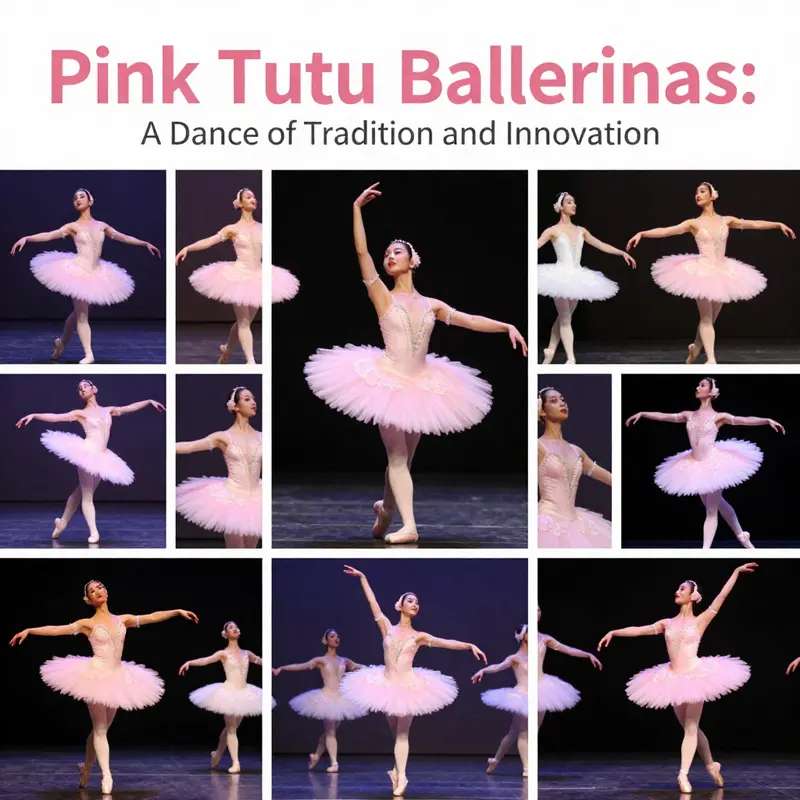
The pink tutu ballerina sits at a crossroads of history and spectacle, a living tableau of how costume can carrying movement, memory, and meaning. To trace its fashion evolution is to watch memory braid with invention: the soft, bell-shaped romance of early ballet on the nineteenth-century stage, and the bold, expressive configurations that fill modern theaters and festive events. The pink tutu, in particular, has proved especially pliant to change, not merely surviving but thriving as a symbol of grace, whimsy, and personal expression. Its journey reveals a broader arc in performance culture, where tradition and experimentation meet to create something that feels both timeless and utterly contemporary. The layers of tulle that define the garment are more than fabric; they are a language. They translate the dancer’s intention into a visible rhythm, catching light and air as feet rise and descend, and turning each gesture into a deliberate sculpture. In this sense, the pink tutu is less a costume than a dynamic instrument, shaping how a body moves and how an audience experiences a moment of choreography, celebration, or portraiture.
Historically, the lineage begins with the romantic tutu, a silhouette designed to evoke ethereal, otherworldly ascent. In the romantic era, ballet sought to transcend the ordinary by suggesting the dancer’s ascent into dreamlike spaces. The tutu’s shape—soft, abundant, and just enough stiffness to flare against a slow, sweeping movement—became a visual shorthand for that elevation. Pink, as a color, layered meaning into the image. It signaled tenderness, youth, and a certain sweetness, all of which aligned with the era’s aesthetics. Yet pink was never merely decorative. It interacted with the dancer’s line, catching the stage lights in a way that amplified leg articulation and ankle work. The result was an ideal harmony: the tutu framed the leg, while the leg’s movement mediated the tutu’s silhouette. This reciprocal relationship has persisted as designers and choreographers reinterpreted the garment for new audiences and new settings.
The term tutu itself travels through language and history. Derived from French slang, it hints at the garment’s original function to accentuate a dancer’s form at the bottom edge of the silhouette. That etymology matters today because it reminds us that the tutu began as an aid to visibility—an aid that remains central to how pink tutus function in performance and events. When designers reimagine the pink tutu, they are not discarding a tradition; they are conversing with it. They speak to the old grand ballets, to contemporary concerts, to festival stages, and to the more intimate spaces where pictures are made or birthdays are celebrated. The pink tutu thus becomes a bridge between eras, a textile instrument through which movement, mood, and moment are composed together.
In contemporary practice, the pink tutu has shed nothing of its curb appeal by becoming more utilitarian. Modern textile technology has softened the line between art and comfort. Lightweight, breathable tulle and reinforced, skin-friendly linings make extended wear feasible for young dancers during recitals and for adults during festivals, photoshoots, or themed gatherings. The fabric is engineered to wick away moisture, reduce overheating, and preserve the tutu’s buoyant, almost buoyant, airiness even after hours of wear. This technical refinement dovetails with artistic aims: the skirt remains visually buoyant on a still frame, yet responds fluidly to a performer’s every movement. As a result, the pink tutu is no longer a fragile relic of the past but a robust option for a broad spectrum of performances and celebratory contexts.
Designers have also expanded the color language within the pink family. The spectrum ranges from soft blushes to saturated fuchsias, allowing performers and coordinators to tailor the garment to lighting, venue, and character. Subtle shifts in hue can alter the mood of a piece—the blush can feel romantic and intimate, while the brighter pink can evoke playfulness and energy. Within these color choices, decorative elements have multiplied. Satin bows, rhinestones, and embroidery decorate the nap of the tutu without undermining its airy truth. Each ornament tends to interact with light and motion, catching attention at a moment when a dancer’s leg becomes the focal point of perception. In events beyond formal ballet, such embellishments signal celebration and whimsy, inviting participants to adopt a freer, more expressive posture. The pink tutu thus travels beyond the proscenium, becoming a prop of storytelling for parties, photo corners, and themed gatherings alike.
Wholesale pink tutu sets illustrate the practical side of this evolution. Designs vary in density and structure to suit different needs. Soft, flowing layers give a sense of continuous motion and ease, ideal for expressive contemporary dance, celebrations, or family-stage moments where comfort is paramount. In contrast, dramatic, voluminous configurations demand attention and create a stage presence that can anchor a production or a lavish photo shoot. The range mirrors a broader cultural shift toward versatile event attire that blurs the line between costume and fashion. A pink tutu is not simply a costume piece; it can be a centerpiece of composition, lighting, and narrative in both performance halls and celebration spaces.
Beyond construction, the pink tutu’s adaptability has opened doors to contexts once considered distant from classical ballet. The garment’s symbolic charge—soft beauty meeting strength—resonates with audiences of varied ages and backgrounds. For young dancers, it offers a dreamscape in which technique and self-expression grow together. For adults, it becomes an emblem of whimsy, self-empowerment, or nostalgia, suited to themed parties, festivals, or personal creative projects. In photography sessions, the tutu helps to choreograph lines and silhouettes that photograph well under studio lighting, while in community performances, it fosters a sense of shared memory and collective celebration. The pink tutu’s presence in such settings echoes a larger trend: costumes that once served a narrow artistic function now function as universal signals of joy and possibility.
The evolution I have described rests on a simple yet powerful observation: the tutu is a frame for movement and a canvas for imagination. The pink choice has carried particular resonance because it pairs immediacy with poise. It invites an audience to read grace into a series of steps while simultaneously inviting the dancer to project personality through posture, tempo, and timing. This dynamic has made the pink tutu a dependable anchor in performances that must convey clarity, even at a distance, and in events that require a visual focal point for participants who are not on stage. The garment’s enduring appeal lies in its capacity to be both intimate and spectacular, a dual identity that aligns with how contemporary performances and celebrations strive to balance nuance with spectacle.
In practical terms, this evolution is visible in how productions and event planners approach costumes. The pink tutu is no longer relegated to the back of the wardrobe in favor of more generic or utilitarian garments. It has earned a place in curated wardrobes that consider choreography, lighting design, and audience sightlines. Designers think about how the tutu interacts with stage rugs, risers, and spotlights, and they anticipate how movement will unfold across a space. In a world where the camera is always present—whether in a recital hall, a city square, or a studio photo set—the tutu remains a reliable way to communicate a moment of grace. The garment’s silhouette, color, and texture help to anchor a narrative without requiring words. It is, in short, a language that audiences instantly understand.
The ongoing relevance of the pink tutu also lies in its ability to evolve while staying recognizable. The romantic tutu, with its lineage of lightness and air, still inspires modern designers who seek to preserve the essence of that silhouette while adding contemporary flair. For those who curate costumes for events, the tutu offers a robust toolkit: density adjustments for movement, color selections aligned with lighting palettes, and embellishments that elevate the visual impact without sacrificing comfort. The result is a spectrum of possibilities, from the most delicate recital piece to the bold centerpiece of a high-profile celebration. In every case, the pink tutu remains a conduit for artful imagination, a thread that connects performers, designers, and audiences across generations.
For readers curious about how contemporary designers navigate the continuum from tradition to novelty, the romantic lineage offers a useful map. See the romantic tutu category for more on how these strands continue to inform today’s designs and event-ready ensembles. romantic tutu category
An external resource offering a technical overview of wholesale pink tutu standards can provide additional insight into how fabrics, densities, and finishes are selected to meet performance and event needs. See https://www.example.com/wholesale-pink-tutu-standards for a broader technical baseline that complements the narrative above.
The Making of a Pink Tutu Ballerina: Materials, Craft, and the Quiet Engineering of Grace
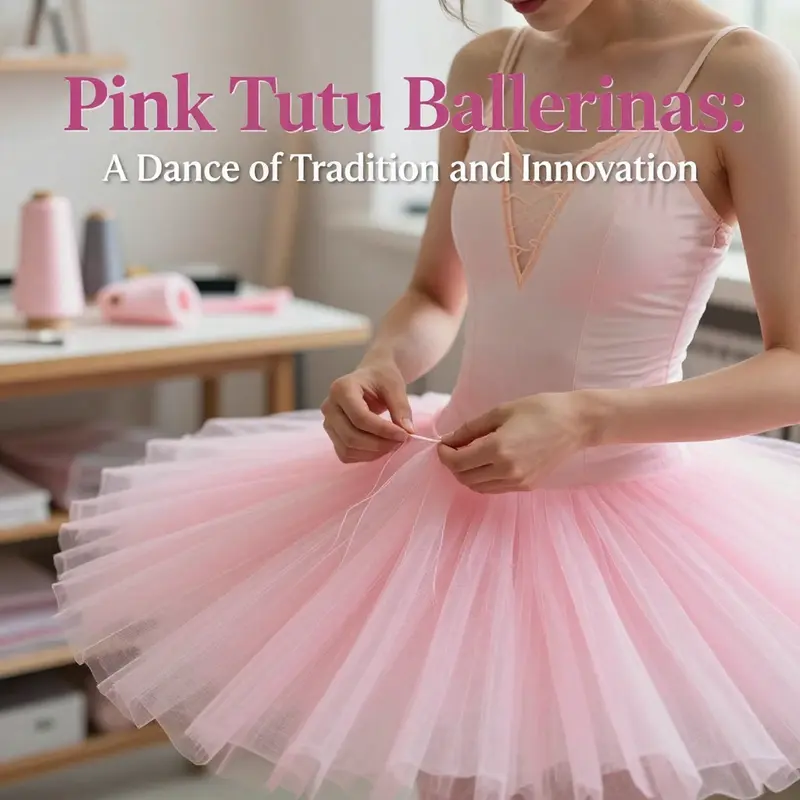
A pink tutu ballerina is more than a costume. It is a living object of design, capable of transforming a dancer’s line into a flight of color and air. In the dim light of a rehearsal studio, the tutu becomes a sculpted halo around the body, capturing the eye as it catches a beam of stage light and releasing it into the space with every delicate movement. The image of a pink tutu conjures both nostalgia and modern artistry—the delicate mystery of tulle, the precision of a waistband, the disciplined layering that builds volume, and the subtle engineering that makes beauty perform. To understand the pink tutu is to understand how a garment marries aesthetics with function, how a seemingly light skirt can be both a stage prop and a partner in technique. It is in this balance that the tutu earns its enduring status in ballet and beyond, continuing to enchant audiences when tradition and invention walk hand in hand.
The core of this craft rests on a careful choice of materials and a workflow that respects the dancer’s needs as much as the audience’s gaze. Material selection begins with tulle, the fabric that defines the tutu’s silhouette. High-quality tulle is typically a sheer, lightweight mesh made from polyethylene or polyester. It is chosen not only for its capacity to create fullness and volume but also for its durability and resilience against the compression and rapid movement that define a ballet performance. A typical professional project uses about three to four yards of tulle, each layer contributing to the tutu’s signature halo while remaining light enough to permit swift, clean leg lines free from drag. The thickness of the tulle, its weave, and the choice of fiber all influence how the tutu crinkles, settles, and rebounces after each leap. A stiffer, crisper tulle can hold the classic cartwheel of a traditional Nutcracker moment, while a softer version can drift with a dancer’s spin, offering a different but equally expressive range of motion. The pink hue, whether pale blush or saturated rose, is chosen with care to interact with lighting and skin tone, ensuring the color reads as a luminous cloud rather than a flat plane on stage.
Beneath the fluttering outer layers lies the waistband, a vital anchor that must be both precise and forgiving. The dancer’s comfort and range of motion hinge on a waistband that fits snugly without pinching or binding. Elastic forms the base, but it is reinforced with lining or interfacing to preserve shape during dynamic performances. A well-constructed waistband resists elongation and deformation through repeated wear and washing, maintaining a consistent fit across a long run of shows. It is not merely a elastic loop; it is a structural element that helps the tutu retain its intended silhouette, enabling the tiers above to sit in the correct place on the hips and align with the dancer’s posture. The interface material inside the waistband helps distribute tension evenly, reducing stress on any single stitch line and extending the garment’s life under the rigors of daily rehearsals and long performance sequences.
Layering is where the tutu earns its signature “fluffy” identity. In professional practice, the number of layers and how they are attached determine the wheelhouse of motion and the costume’s silhouette on stage. The traditional professional tutu often features multiple tiers, each carefully gathered and distributed to create even fullness around the skirt. Some designs employ hand-tied techniques for precise placement, while others rely on machine stitching to secure the layers with consistent density. The layering process must balance several forces at once: gravity, airflow, and the dancer’s kinetic energy. Too much weight at the edges can fatigue the hip joints; too little can rob the silhouette of the dramatic breadth that makes a grand battement read within the orchestra pit. The tiers are not simply piling of fabric; they are calibrated masses whose distribution is tested under both static poses and dynamic sequences. In the best examples, a moderate core supports a sweeping cloud of tulle around it, producing a silhouette that satisfies both the eye and the body.
Craftsmanship extends beyond the seams to the nuanced craft of hemming, reinforcement, and subtle support structures that help the dancer maintain posture and alignment. Seam allowances are trimmed with care, and hems are sealed in a way that prevents fraying without stifling movement. Stress points—those corners where the waistband meets the elastic, or where layers converge near the hip—receive reinforced stitching to resist the kind of wear that accumulates during long runs of performances. Some tutus incorporate lightweight internal supports or corseting features to aid posture. These are not visible on stage, but they play a vital role in enabling the dancer to achieve an upright carriage while maintaining an effortless line through the torso, pelvis, and legs. The craft is as much about invisible engineering as about visible beauty. Each stitch serves a function; every layer contributes to a seamless, buoyant effect when the dancer jumps, spins, and lands. The final piece is an instrument of performance—an engineered sculpture that helps storytelling unfold with both grace and resilience.
Alongside this technical artistry lies a historical awareness that anchors the modern tutu in time. The term tutu itself has a lineage that traces back to French usage and the playful slang from which it emerged. A modern pink tutu is a living link to centuries of design choices, theatrical conventions, and evolving aesthetics. Yet the technical requirements remain consistent: the garment must be lightweight enough to feel almost invisible to the dancer, robust enough to withstand the rigors of a live show, and visually striking enough to command attention from the audience. This intersection of history and technique gives rise to pieces that can be used in traditional stage settings, as well as in contemporary performances that push the boundaries of form and color. In the studio, these considerations translate into decisions about density, weight distribution, and how the fabric will respond to the energy of rehearsal—how it will sway, catch the light, and frame a line in motion.
The practical standards that govern the manufacture of pink tutus speak to a broader world of performance garments. The mechanical performance of these costumes—specifically their ability to retain shape after repeated wear and washing—is essential, particularly when many units are produced for an entire company or theater. The design philosophy behind the tutu emphasizes resilience without sacrificing flexibility. The shape must endure compressive forces during quick departures from the stage and smoothing actions when the dancer resets for the next sequence. In the quiet intervals between cues, the tutu is checked, steamed, and adjusted to ensure it keeps its airy silhouette. The work involves a cross-disciplinary collaboration among designers, seamstresses, and stage technicians who understand how a garment behaves under light, air, and motion. The outcome is a trusted, repeatable performance garment that can be worn night after night while still feeling fresh and responsive to the dancer’s intent.
Color and fabric choices are continually refined to align with lighting technologies and show design. The pink hue is often calibrated in paint and light alike, because stage lighting can shift tonal readings. A tutu that reads softly on one moment might glow with more intensity under a different beam. The layering strategy supports this variability. With additional layers, the color can soften and diffuse into a luminous halo; with fewer layers, it can strike with sharper contrast under spotlights. This malleability is a strength, allowing designers and performers to tailor the same fundamental garment to a range of productions—be it a classical gala, a contemporary piece, or a themed reinterpretation where the tutu still anchors the dancer’s form amid new movement vocabularies. The modern pink tutu can even emerge in bold, transitional styles, such as pink and black combinations that merge femininity with an edgier aesthetic for certain festivals or shoots. Yet even in these experiments, the core principles of fit, fullness, and movement remain central.
For those exploring this craft further, the world of tutu-making is not merely about selecting fabric and stitching; it is about engaging with a living body of practice. It involves thoughtful consideration of how a garment will live on stage: how it will breathe with the dancer’s breath and how it will hold its place in space as the performance unfolds. The professional tutu category offers a snapshot of this craft in action, highlighting how designers balance the tried-and-true with the modern, how tradition is honored without inhibiting growth. In the realm of practice, the tutu becomes a dynamic collaborator rather than a static adornment. Designers continually refine the balance of lightness and structure to accommodate ambitious choreography and to preserve the dancer’s ease of movement. If you want a window into contemporary decisions around materials and finish, the professional tutu collection provides a vivid example of how today’s designers negotiate the same timeless challenges with fresh tools and updated techniques.
This fusion of artistry and engineering also invites readers into a broader conversation about how costumes are chosen, built, and cared for. Not every tutu in every theater is identical, yet every one carries a shared language: the language of volume that does not suffocate; the language of color that speaks under varied lighting; and the language of fit that honors the body’s essential mobility. The tutu is the visible expression of a dancer’s discipline. It encases and liberates in equal measure, allowing the leg to extend in a line that seems to hover, while the body remains grounded and precise. The result is a moment of grace, when a pink cloud of tulle becomes a narrative device as potent as gesture or gaze.
Within this continuum of making, a single decision about material can ripple across the entire performance. Choosing a slightly stiffer tulle can yield a longer, more defined silhouette that grabs the audience’s eye in a series of quick steps and leaps. Selecting a softer tulle, by contrast, can produce a flexible, almost suspending effect that emphasizes the dancer’s fluid motion. Each option carries implications for how the tutu will feel to wear, how it will respond to the floor, and how it will respond to the gaze of the crowd. In rehearsal, designers observe how the fabric behaves under the stress of a full run, how the tiers settle when the dancer points the toe, and how the color shifts as the lights pivot. They adjust thread types, stitch density, and the weighted balance of layers to craft something that is not merely beautiful, but also resilient when put to the test night after night.
In the end, the pink tutu is a product of countless small choices, each with a purpose that serves the whole. It is a garment built to move with a dancer, not to impede. It is a sculpture that breathes with performance, one that shifts with tempo yet holds a steady, recognizable silhouette. The tutu’s success lies in its ability to disappear into the dancer’s motion—the audience experiences the elegance of the movement, not the garment itself. Within this quiet engineering, the tutu becomes a trusted ally. It is a soft force that supports storytelling, frames the legwork, and allows the artistry of ballet to unfold with clarity and lightness. When done well, the pink tutu is less a costume than a partner in the choreography, a companion that makes the performer’s gravity seem lighter and the music resonate with a more lucid, luminous glow.
For readers curious about the current landscape of tutu design in the professional sphere, a glimpse into the contemporary options and finishes can be found in the professional tutu collection. This resource illustrates how modern designers balance heritage with invention, preserving the tutu’s iconic silhouette while exploring new textures, densities, and color stories that respond to evolving stagecraft. The dialogue between the old and the new lives in every seam and every gathered tier, a testament to the craft’s enduring relevance. As the studio lights rise and the first notes of a score begin, the pink tutu stands ready—not merely as a pretty costume, but as a carefully engineered instrument of grace, a collaborative partner in movement, and a beacon of color that names the art of ballet in the body’s most expressive language.
External resource: For further technical standards and performance considerations, see https://www.example.com/wholesale-pink-tutu-standards.
Silhouette, Scale, and Sense: The Pink Tutu Ballerina as a Pedagogical Beacon in Classical Ballet
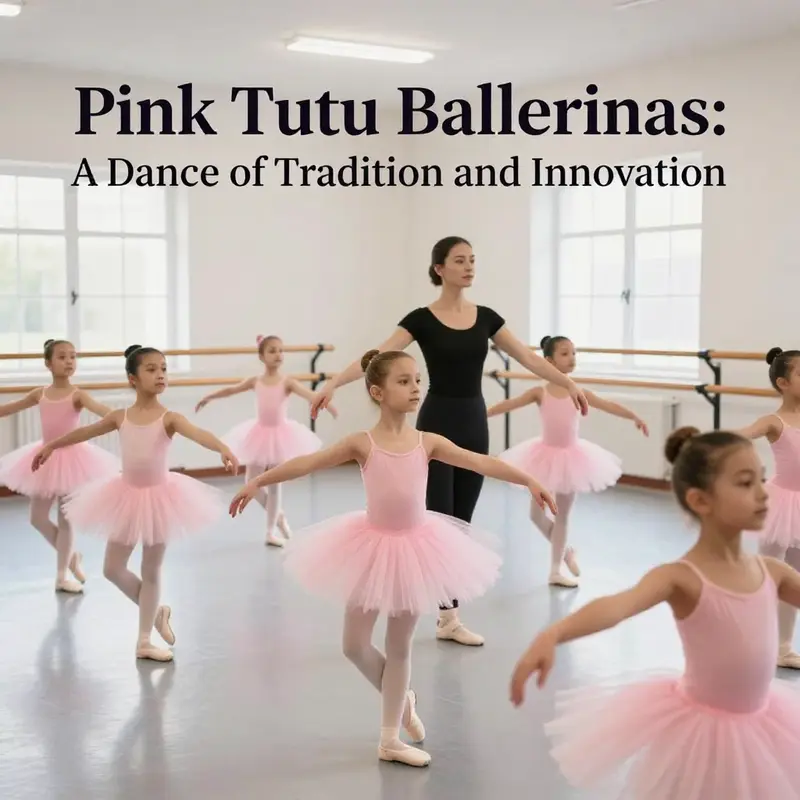
The image of a pink tutu ballerina has long carried more weight than color or texture alone. It is a running thread through studios and stages, a visual shorthand for discipline, history, and the art of listening to the body. In the classroom, this garment is not a mere costume but a precise instrument that teachers use to illuminate technique, tempo, and line. The tutu’s short, stiff silhouette, built from layers of tulle, does more than catch the light; it frames the dancer’s legwork in a way that makes movements legible to the observer. The eye travels along the line from hip to toe, and in that journey the tutu acts like a measuring tape, amplifying the subtle shifts in turnout, the control of the knee, and the extension of the foot. For the novice, this is not vanity; it is pedagogy—an efficient, nonverbal feedback loop that helps students hear what the teacher is asking of them even before the verbal cue lands.
Technique lives in the details of posture and alignment, and the pink tutu supports those details with clarity. In a beginner class, instructors watch for the straightness of the spine, the square of the shoulders, and the freedom of the pelvis to rotate in a controlled, outward direction. The tutu’s stiff silhouette makes deviations more conspicuous, not in a punitive sense, but as an immediate signal that a dancer needs to recalibrate. The shortness of the skirt draws the eye to the leg itself, making it easier to assess the line from the hip through the thigh to the ankle and toe. This is especially important in early training, when a dancer is learning to translate intention into movement. When a dancer steps into fifth position or executes a clean passé, the tutu’s presence helps both student and teacher verify that the leg is properly lifted, pointed, and aligned with the overall line of the body. In this way, the pink tutu becomes a pedagogical scaffold rather than a decorative element.
Beyond the mechanical function, the tutu offers a shared vocabulary that helps cultivate a sense of belonging within the ballet community. Wearing the same silhouette creates a visual identity that transcends individual differences in size, background, or preference. It standardizes appearance during rehearsals and performances, reducing distractions and helping groups synchronize their collective energy. This uniformity can be especially meaningful in a school setting, where students from diverse walks of life come together to study a demanding discipline. The tutu becomes a visible symbol of common purpose, a reminder that every movement is part of a larger, rehearsed conversation about form, phrasing, and phrasing in time. In this sense, the pink hue doubles as a cultural signal: it is both a nod to tradition and a flexible canvas that suits a range of personal expression when paired with musical interpretation and stage presence.
The tutu also anchors a dancer’s progression. When a student transitions from a basic, soft approach to a more refined, classical technique, the tutu marks that evolution with a tangible milestone. In many studios, wearing the pink tutu during certain weeks of training signals readiness for more formal examinations, stage opportunities, or company-style rehearsals. This isn’t simply about costume; it is about cultivating a sense of responsibility for one’s technique, presence, and performance timing. The garment becomes a ceremonial marker of growth, a cue that the dancer is ready to translate the clarity of technique into artistry. From the first plié to the last arabesque, the tutu helps codify a dancer’s journey in a way that peers, instructors, and audiences can discern. And because the tutu is light and adaptable, it supports progression rather than hindering it, allowing for the free initiation and completion of movement across a spectrum of speeds and dynamics.
There is a subtler, more psychological layer to the pink tutu’s educational role. The color itself carries cultural associations—femininity, grace, and delicacy—while the stiff construction communicates structure, discipline, and control. This combination invites students to inhabit a particular aesthetic vocabulary while also testing their physical capacity. The tutu’s form invites a kind of disciplined play: dancers learn to balance the tension between softness and resilience, between the surrender of gravity and the precision of turnout, between expressive intention and the technique that anchors it. In this dynamic, the tutu acts as a mirror, reflecting both the dancer’s current skill level and the next horizon where technique, artistry, and interpretation converge. Teachers often frame this horizon in terms of line, port de bras, and musicality, reminding students that the pink tutu does not replace technique; it showcases it with heightened visibility.
A further layer of meaning emerges when we consider the historical lineage of the tutu itself. The short, stiff silhouette that so many associate with classical ballet has evolved through generations of design, innovation, and performance practice. Early tutu constructions favored an emphasis on leg visibility and the sculpted line of the dancer, a principle that persists in the way modern studios evaluate alignment. The tutu’s etymology—rooted in a playful development of a word from a slang term for the buttocks—speaks to the garment’s original function: to reveal the dancer’s form in motion. This history is not trivia; it frames a pedagogy that respects lineage while inviting contemporary interpretations. To wear a pink tutu is to acknowledge a continuum of technique, from the codified steps of the classical repertoire to the more exploratory, modern expressions that sit at the edges of traditional technique. The garment is a beacon in that continuum, signaling both continuity and the room for innovation.
In practice, the tutu’s utility extends to settings beyond the studio floor. It designs not only a child’s recital moment but also a day when a student’s studio becomes a stage for photography, family celebrations, or themed events that celebrate movement. The tutu’s lightweight construction supports quick, fluid movement and effortless changes of direction, which are essential for dynamic pieces and for the quick tempo shifts that mark a student’s growing versatility. It is well suited to the kind of recital choreography that blends classical lines with contemporary phrasing, and its silhouette makes the dancer’s legs legible at a glance, which is invaluable during group work where timing and spacing matter as much as individual expression. While some discussion in broader fashion contexts has explored pink tutus as symbols of whimsy, in education they remain integral to technique and discipline. The garment guides the eye and thus guides learning, turning the room into a living, breathing score where every plié, relevé, and relevé-fouetté-like idea can be observed and refined.
For educators, the pink tutu’s educational value can be seen in the careful balance it preserves between visibility and mobility. A well-made tutu allows for unencumbered turnout and arm movement while maintaining the visual cadence of the dancer’s lines. Instructors interpret this balance as a cue to encourage a dancer to seek effortless control: to move with authority in the space, not to fight against a structure that could hamper the leg’s reach or the spine’s alignment. The tutu’s energetic buoyancy helps cultivate a sense of lightness at the core of classic ballet technique, where the body’s center governs the distribution of weight and the chiaroscuro of movement across the stage. This is not a matter of aesthetics alone but of kinetic literacy: the ability to read the relationship between spine, ribcage, pelvis, and limbs as a unified instrument rather than a collection of separate parts.
As the chapter on training unfolds, readers will recognize how a single garment can anchor a wide range of pedagogical practices. The pink tutu becomes part of a classroom’s shared ritual: the way students arrive, adjust their skirts, and align their bodies before stepping into a first position. The ritual sets a tone of attentiveness and respect for the craft, which in turn supports a calmer, more focused learning environment. In rehearsals, the tutu’s silhouette helps the group synchronize their lines during complex sequences, and it serves as a simple, universal cue for spacing and timing. It also shapes the teacher-student dialogue, offering a visible ground upon which technique can be discussed. Rather than a long explanation, a single glance at the line of the tutu often crystallizes the correction: roll the shoulders, lift from the core, rotate the leg, or soften the knee. This rapid feedback loop accelerates mastery while sustaining motivation through clear, observable progress.
To connect theory and practice, consider the idea of a beginner’s first serious recital. The pink tutu, once a symbol of the studio’s color-coded hierarchy, now stands as a bridge to a broader performance consciousness. It invites the dancer to inhabit a mature stage persona without losing the playfulness that underpins early training. The tutu’s presence in such moments helps guardians, teachers, and fellow dancers witness a dancer’s commitment to technique and artistry alike. It offers a shared frame through which achievements can be celebrated and challenges acknowledged, reinforcing a culture of mutual support and striving. In classrooms and on stages alike, the pink tutu is a communicator: it says that growth is possible, that lines can be refined, and that consistent practice can translate subtle inner work into visible, expressive motion.
Scholarly and pedagogical reflections reinforce the practical observations teachers make daily in studios. The tutu is repeatedly cited as a tool for visual assessment of technique, and its use aligns with broader pedagogical goals: cultivate discipline, build technique, and nurture an enduring appreciation for ballet’s history and craft. Cambridge English Corpus notes in its overview that such terms and concepts shape how learners internalize and articulate their knowledge of language and practice within the discipline. While the corpus itself sits outside the dance studio, the parallel remains clear: the tutu acts as a concrete anchor for a set of abstract competencies—posture, coordination, musical timing, and expressive interpretation—that define a dancer’s growth. As students hear the music and feel the floor, the tutu helps them hear and feel technique more precisely. In this way, the pink tutu does not just hang in a corner of the studio; it travels with the dancer through time, serving as a constant reminder of where technique begins and how artistry evolves.
For readers seeking a tangible starting point within the broader landscape of costume choices, consider exploring the basics of tutu construction and its educational function through resources like basic-tutu. This reference point can illuminate how a well-designed, foundational tutu supports both classroom learning and stage performance, reinforcing that a costume, when thoughtfully made and worn, becomes a partner in training rather than a distraction. When approached with this mindset, the pink tutu reveals itself as a living element of dance education, part garment, part pedagogy, and an enduring symbol of the journey from beginner to artist.
External reference for further context on language, pedagogy, and performance discourse can be found at the Cambridge English Corpus, which offers insights into how descriptive choices and terminology shape learners’ understanding of discipline and practice: https://dictionary.cambridge.org/.
Final thoughts
The pink tutu ballerina not only symbolizes the grace and beauty inherent in ballet but also serves as a vital element in the education and training of dancers. Understanding its cultural significance, fashion evolution, and craftsmanship unlocks potential for business ventures in dancewear and education. For business owners, engaging with the pink tutu’s multifaceted role can lead to innovative opportunities in fashion, performance, and educational programs.