
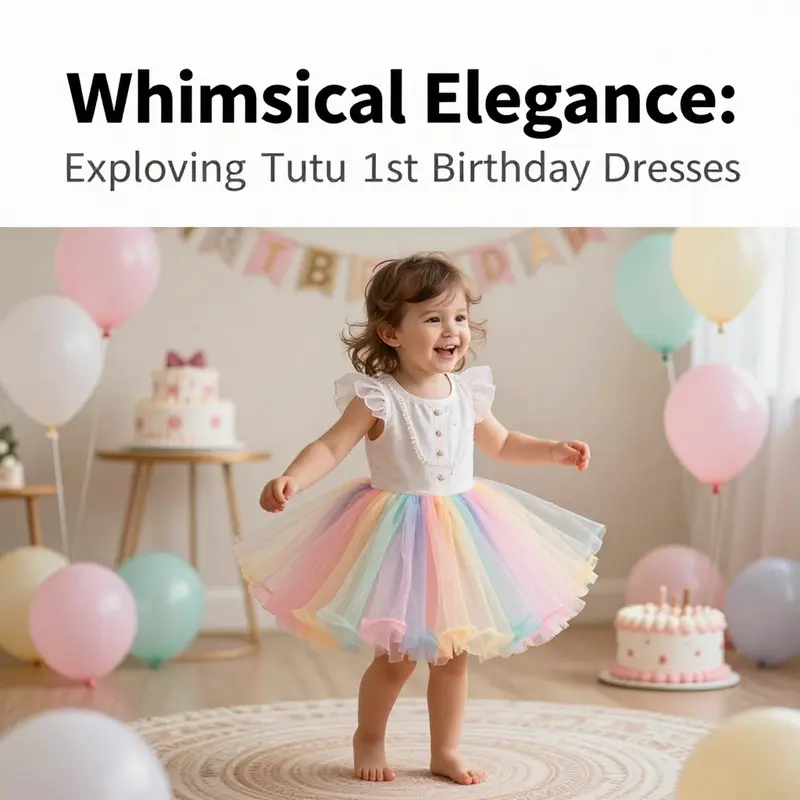
A child’s first birthday is a monumental occasion, deserving of celebration and special attire. Tutu 1st birthday dresses have stood the test of time, blending whimsical elegance with the practicalities needed for a busy celebration. From classic, ruffled silhouettes to modern variations such as tutu rompers, these dresses cater to diverse preferences and themes. Understanding the latest trends and styles is critical for business owners in the children’s apparel segment. This article will guide you through unique styles and trends, provide an essential buying guide, and inspire you with creative DIY ideas, enriching your offerings and appealing to parents eager to celebrate this milestone in style.
From Vintage Charm to Modern Customization: The Evolving World of Tutu 1st Birthday Dresses
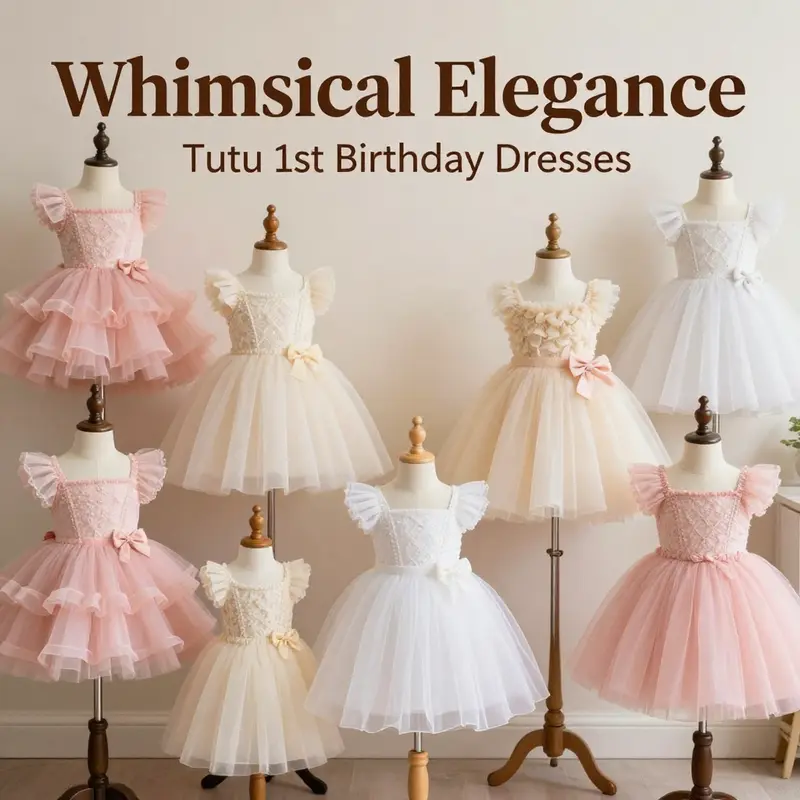
The first birthday is a milestone that invites a quiet awe as much as a burst of celebration. It marks a year of tiny triumphs, first smiles, and the ongoing discovery of what it means to grow in a world full of bright colors, soft textures, and photographs that archive the moment in a single frame. In this context, tutu dresses for a child’s first year have evolved beyond mere costume-like attire into expressive, practical, and emotionally resonant garments. They embody whimsy and elegance at once, a marriage of fairy-tale drama and everyday wearability that makes them a natural centerpiece for cake-smash sessions, family portraits, and those informal moments when the camera appears unexpectedly and the child’s personality emerges in the blink of an eye. The enduring appeal of tutu 1st birthday dresses lies not only in their voluminous ruffles or their soft, dreamlike hues, but in how they capture the tenderness and energy of early childhood while remaining adaptable to a range of settings, seasons, and sensibilities. This chapter delves into the unique styles and trends shaping these dresses, tracing a path from vintage-inspired charm to contemporary customization, sustainable choices, and the multi-use versatility that has emerged as a defining feature of modern tutu wear. It is a narrative of design choices that reflect how parents, photographers, and little wearers themselves make a celebration look timeless and personal rather than merely fashionable.
The evolution of tutu dresses can be appreciated by tracing the threads that connect the past to the present. Traditional tutu silhouettes—full, layered skirts that create a cloud of movement as the child toddles forward—still offer the fairy-tale silhouette that parents and photographers adore. But today’s designs bring a set of nuanced refinements that broaden the appeal while maintaining the essential whimsy. There is a palpable shift toward fabrics that balance softness with breathability, a concern that grows more pressing as events lengthen into longer afternoons of photographs, games, and cake. Parents want outfits that stay comfortable in the glare of studio lights or warm garden sun, that do not rub or irritate delicate skin, and that can endure the inevitable mess of a first birthday celebration. This has meant embracing materials such as breathable blends and soft knits, which are gentle on skin and easier to care for than some traditional tulle-only options. Yet even as comfort gains ground, the allure of a lush, multi-layered tutu remains, a visual echo of childhood’s opulence and imagination.
Vintage-inspired designs have become a particularly evocative strand in the modern tutu story. These dresses fuse lace trims, heirloom-style embroidery, and muted pastel hues with contemporary tailoring to produce a look that feels both nostalgic and freshly contemporary. The charm of a vintage touch lies not in replicating a bygone yardage of fabrics but in translating its spirit into modern silhouettes and micro-details that photograph well. Lace accents, delicate stitching, and embroidery motifs that nod to garden flowers or classical motifs can elevate a standard tutu into something that feels heirloom-worthy while still live and comfortable for a child’s use. The resulting aesthetic often reads as a garden-party-ready ensemble—soft, romantic, and quietly sophisticated—perfect for spring and summer occasions, family gatherings, or themed celebrations that call for an atmosphere of gentle elegance rather than sheer exuberance. The retro-chic influence appeals to parents who want something more than a flashy novelty; they seek a piece that can anchor a story, a theme, or a family memory.
The modern universe of tutu dresses is not merely about adherence to a single style. Customizable design features have become a central selling point, inviting a degree of personalization that makes every dress feel built to fit a particular child’s proportions and the family’s mood. Adjustable satin ribbon belts, for example, add both a practical function and a decorative flourish. They allow the waistline to be cinched or loosened as the child grows, which matters when long afternoons of photoshoots or multi-day celebrations demand flexibility. Intricate embroidery serves as a personalized signature on a garment that can otherwise feel mass-produced. When a family can choose embroidery motifs—floral initials, a favorite animal, or a small, symbolic design—the dress gains a sense of personality and intention that can be carried through multiple photographs or family albums. The capacity to adjust the silhouette through simple, well-crafted elements translates into up to two times more design flexibility than a standard, fixed-cut dress. It is not only about fit; it is about the garment becoming a keepsake that continues to look right as a child reaches new milestones within the same celebration year.
Another forward-thinking trend in tutu dresses is the shift toward eco-conscious materials and sustainable fashion practices. This is not a superficial concern but a substantive change in how designers approach the construction of what is, at its core, a delicate, front-and-center garment worn by a baby. Breathable, eco-friendly polyester blends and mesh fabrics offer a lighter, cooler feel while remaining robust enough to hold up under the kind of activity a one-year-old tends to engage in during a party. Breathability matters because first-year celebrations often extend over several hours, and little ones are active—cruising the dining room, chasing balloons, and sampling cake with arms that may reach toward the edges of a wide, fluttering skirt. A fabric that reduces heat retention and minimizes moisture build-up can significantly improve comfort and reduce fussiness on camera. Beyond breathability, there is a growing emphasis on low-maintenance fabrics that resist staining and are easier to clean, which is a practical blessing for families who want to preserve memories without the burden of high-maintenance care. This alignment of sustainability and practicality resonates with parents who seek responsible choices that still deliver the magic of a fairy-tale wardrobe.
The discourse around versatility has become a decisive factor in choosing tutu dresses. No longer is the dress a single-use item reserved for a single party. Instead, the same tutu can accompany a child to various life events—weddings, family portraits, or other formal celebrations—while maintaining a sense of playful wonder. The classic A-line silhouette with voluminous tulle layers has proven to be a multi-purpose design, offering a formal feel suitable for a ceremony and a playful, dress-up potential that suits photoshoots and intimate moments alike. This multi-use appeal translates into a practical value for families who want to maximize the life of a garment and reduce clutter. The interface between design and function here is delicate: a dress must feel special enough for a photo and durable enough to endure cake-smeared fingers and frequent washes. Achieving that balance requires thoughtful layering, careful construction, and attention to details that enhance durability without sacrificing the dress’s celebratory aura. As a result, a single tutu can sound like a simple purchase but function as a versatile wardrobe anchor across multiple occasions—the kind of garment that grows with a family’s storytelling across the year.
Within the broader palette, color and pattern have grown more expressive. Pastel tones—blush pinks, mint greens, lavenders, and butter yellows—continue to be staples for spring and summer. Yet there is a noticeable appetite for bold hues that command attention: coral, cobalt blue, and fuchsia, which can anchor a party theme or add a striking focal point in photographs. Patterns such as floral prints, polka dots, and delicate animal motifs offer a playful counterpoint to solid colors, ensuring a sense of whimsy even in more restrained palettes. The ability to mix and match with accessories—coordinating capes, mini crowns, headbands, and sibling-themed outfits—further extends the dramatic narrative a family can construct around the birthday celebration. Themed ensembles thus become a collaborative product of fabric, trim, color, and accessory choices, enabling parents to curate a complete aesthetic that feels cohesive and personal rather than generic.
A practical dimension that often accompanies stylistic trends is the careful selection and care of the dress. When parents choose a tutu dress that promises both beauty and practicality, they are also evaluating sizing, fit, and the ease of layering. The best designs allow a child to move freely: to crawl, stand, and reach to the cake without feeling restricted or overheated. This requires attention to how layers are gathered, how seams are reinforced, and how interior linings support comfort against sensitive skin. A thoughtfully designed tutu may include reinforcing seams in the skirt’s edge to withstand the occasional snag during a playful swish or a quick, celebratory spin. Likewise, the interplay between layers—tulle over satin or tulle over a mesh underskirt—can influence both the look and the movement of the dress. The way the dress catches light as it sways, the softness of the fabric against the skin, and the weight of the garment on a one-year-old’s frame all contribute to an experience that is as much about the moment as about the garment itself.
The cultural and seasonal rhythms that shape these dresses add another layer of meaning. A garden party or a spring celebration can lend itself to muted, nature-inspired palettes that feel timeless. In fall and winter, long-sleeve smocked tutu rompers become particularly popular, harmonizing coziness with the theater of dressing up. The design language here is practical as well as aesthetic: heavier fabrics, snug fits, and long sleeves that suit cooler weather while preserving the garment’s dreamlike silhouette. In this way, tutu dresses become adaptable to the environment and to the family’s rituals. They can participate in a holiday snapshot, a seasonal family photo, or a birthday party held in a favorite outdoor space. The continuum from seasonal styling to personal storytelling is what transforms a simple dress into a carrier of memories that will be revisited in photo albums, shared stories, and future conversations about that first year.
In addition to the garment itself, the ensemble surrounding the dress plays a crucial role. The current ecosystem of tutu wear emphasizes themed accessories and photo-ready props that complement the dress without overshadowing the star—the child. Coordinating capes, delicate headpieces, and small, thoughtful embellishments create a cohesive look that photographs well and feels intentional. Some families lean into coordinated siblings’ outfits or matching props to craft a narrative—one that speaks to togetherness and celebration. The idea is not to overpower the dress but to extend its mood and story through complementary silhouettes, textures, and colors. When done with care, these add-ons reinforce the sense that the first birthday is a chapter worth commemorating, a moment in which style, comfort, and narrative converge to form a single, enduring impression.
The backward- and forward-looking dimensions of these dresses—the vintage influence and the push toward customization and sustainability—interact with the present-day desire for simplicity and ease. Parents increasingly value options that remove friction: garments that are easy to dress, easy to wash, and easy to maintain while still offering a luxurious feel. In practice, that means selecting designs with durable zippers or secure closures, reinforced seams at stress points, and stain-resistance features that survive the cake-and-cream environment of a smash ceremony. It also means embracing multi-piece ensembles that can be disassembled for easier changes or combined for more dramatic effect during a photoshoot. The conversation around what makes a tutu dress truly worthwhile has shifted from “how pretty is it?” to “how well does it serve the moment, and how many moments can it bless?” The answer is framed by quality stitch work, thoughtful fabric choices, and the kind of long-term value that makes a first birthday dress feel like a family heirloom in the making.
For those who want to explore the breadth of possibilities beyond a single dress, understanding the broader ecosystem is essential. The trends described here are supported by a growing interest in sustainable practices, thoughtful design, and a philosophy that values the child’s comfort as much as the garment’s beauty. In practice, this translates into a curated approach to dressing a child for a first birthday: choose a silhouette that flatters movement and photo opportunities; select colors and patterns that harmonize with the party’s theme and the family’s taste; and complement the look with accessories that enhance the mood without creating distraction or discomfort. The best ensembles are those that feel effortless—the result of careful choices that align with the date, location, and personal story of the family. When a designer threads vintage charm with modern flexibility and ecological mindfulness, the dress becomes less about a momentary fashion statement and more about a living artifact that captures the essence of a year filled with tiny discoveries, big smiles, and the promise of many more birthdays to come.
As the chapter closes on this exploration, it is helpful to hold in mind the threefold promise of today’s tutu dresses: beauty and whimsy, practicality and comfort, and sustainability and adaptability. The vintage-inspired elements provide a sense of rooted charm, the customizable components offer a personal fit and a story unique to each child, and the eco-conscious fabrics and multi-use design deliver durability for families who value both responsibility and joy. The result is a garment that can anchor a family’s memories across multiple occasions, not just a single party, and a wardrobe staple that grows with the child’s stage while remaining faithful to the dreamlike aura that makes tutu dresses feel magical in the moment. For families planning the first birthday, the choice of dress is an invitation to craft a small, luminous world where a child can be free to explore, a photographer can capture the light, and a family can look back with warmth on a day that feels both fleeting and forever.
Tulle and Milestones: Designing a Dreamy Tutu Dress for a Baby’s First Birthday
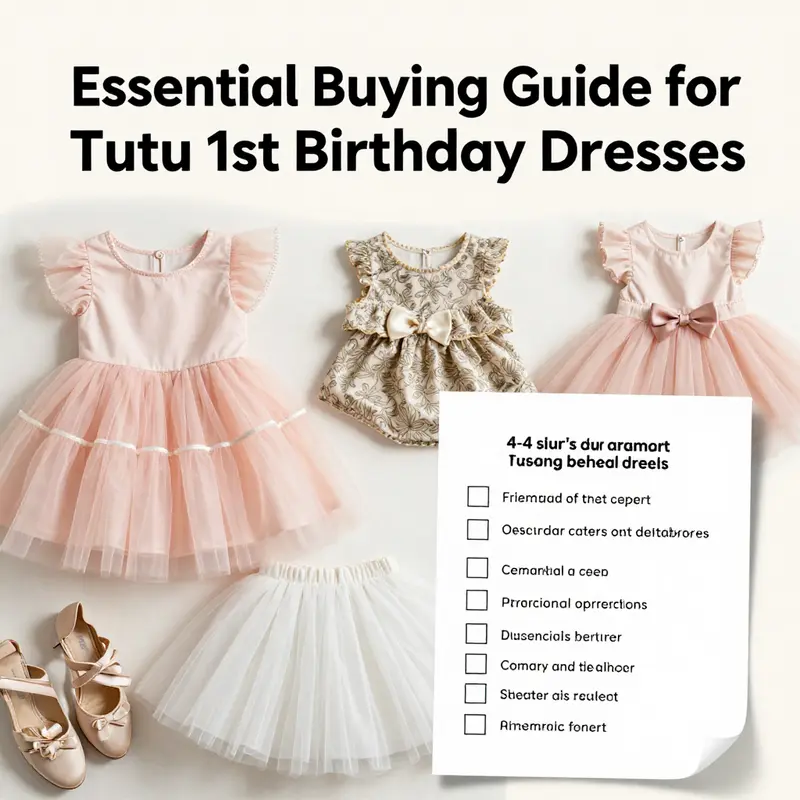
The first birthday is more than a party, more than cake and balloons. It is a moment when time seems to pause on a tiny day and stretch into a memory that the family will revisit in photos and stories for years to come. In that suspended moment, what the child wears matters as a quiet, tactile memory-maker. A tutu dress, with its fluttering layers of soft fabric and a silhouette that feels almost magical, can become the centerpiece of those memories. But the very appeal of a tutu dress—its whimsy, its fairy-tale presence—can also pose practical questions for parents who want the look to be as comfortable and safe as it is photogenic. The good news is that the best tutu 1st birthday dresses marry elegance with everyday practicality, weaving together textile choices, fit, and care into a single, thoughtful garment that can carry a day’s celebrations and the many photos that follow. The chapter that follows is less a shopping checklist and more a grounded exploration of how to approach the process with a sense of purpose, balance, and a touch of imagination.
From the outset, the balance between style and comfort guides every decision. The central idea is simple: a well-chosen tutu dress should make a baby feel free to crawl, roll, or even attempt a wobbly first-steps, while still looking as if a book of fairy-tale illustrations could have stepped off the page and onto the party stage. This principle aligns with the evolving trends in tutu dress design, where classic charm sits comfortably alongside modern twists. The quintessential tutu silhouette remains beloved for its full, ruffled layers that create a voluminous, almost ethereal glow when a camera catches it in the light. Yet modern iterations add practical shapes and materials that support a busy, curious day—whether the baby is giggling at a cake, chasing a pet, or peering at family members from the safety of a grandparent’s lap. In many households, a tutu dress is not just clothing; it is a storytelling prop, a symbol of innocence and potential, a piece of fabric around which a moment can be organized and reimagined in dozens of photographs.
The practical thread that runs through every good tutu decision is fabric. The soft, breathable nature of the fabric is non-negotiable. Babies’ skin is delicate and easily irritated, so the inner lining should be gentle and well-fitted to avoid cling or chafing. The outer layers, typically tulle, add that buoyant, cloud-like silhouette, but the choice of tulle matters as well. Lightweight, airy tulle produces that signature floaty effect without weighing the dress down or turning it into a heat trap under a sunlit afternoon. In that regard, a growing body of guidance emphasizes breathable inner linings and a careful distribution of layers. A cotton lining beneath the tulle offers a breathable plane between baby and fabric, a small but meaningful detail that can influence comfort across hours of party revelry and a long, sunlit photoshoot. The idea is not to pare back the drama but to ensure drama happens without discomfort, so the baby remains content rather than restless as the camera clicks away.
Within this fabric philosophy, adjustable features emerge as the unsung heroes of fit. A tutu dress should neither pinch nor slip during the day’s lively activities. Adjustable straps and elastic waistbands are a modest luxury that makes a huge difference. They accommodate growth and movement, which is essential in a day filled with movement, snacks, and possibly a cake smash. The benefit of such features is not merely convenience; it is safety. When a dress remains securely in place, there is less risk of tripping or tugging at the fabric, less likelihood of the delicate underlayers getting tangled with hands or furniture, and more opportunity for the baby to enjoy the moment with confidence. This is especially important for the 1st birthday, an event that can be long, potentially tiring, and full of touches that invite a baby to pause, examine, and respond with a smile that becomes a memory in a frame. The modern approach to tutu dress construction recognizes that growth spurts during the first year are rapid enough to require an adaptable fit, and the best designers—whether they craft a classic tutu or a contemporary romper variation—build this adaptability into the garment’s DNA.
Choosing the length and structure of the tutu is another careful calculation. The skirt should be short enough to allow crawling, standing, and a confident pivot toward cake or cake smash traditions, while still being full enough to deliver that iconic, ethereal puff of color when photographed from the right angle. The layers need to be soft and lightweight; a heavy, bulky fabric will simply hinder a baby’s mobility and can dampen the gleam of the moment. A well-structured tutu, with its multiple layers, can create the glow that makes a baby look as if they are stepping out of a storybook scene, yet its construction should be such that the baby’s movement remains unhindered. For photographers and parents alike, the layering is a balance between matinee charm and practical ease. Layered tulle can be paired with a satin overlay for a touch of sophistication that does not overwhelm the sweet simplicity of a first birthday outfit. The modern touch here is that this balance can be achieved without compromising the baby’s comfort or safety, opening a world where style and functionality walk hand in hand.
Care and practicality are not afterthoughts; they are the framework that ensures the dress remains a treasured piece long after the party. First birthday outfits often see a spectrum of mess—the inevitable juice spill, the cake’s crumbly sweetness, and the odd muddy handprint brought inside from a game of chase. When a dress is easy to care for, the celebration can be more joyous and less burdensome for parents. Machine-washable fabrics, stain-resistant surfaces, and robust construction become essential features. The ability to toss the dress into a washing machine, with a gentle cycle and a cool rinse, reduces the post-party scramble and allows families to preserve the memory without the stress. A well-designed tutu dress can withstand repeated wears, or at least a handful of photo sessions, which makes it more economical and environmentally considerate in households seeking longevity from a single, carefully chosen garment. The upshot is that a dress should not be fragile; it should be resilient enough to survive a day of giggles and cake and to remain usable, perhaps as a keepsake, for a younger sibling or for a future photo album.
Style choices are anchored in color and pattern, which set the tone for the day and the photos that will follow. Pastel hues—blush pink, mint green, lavender, and butter yellow—continue to be a reliable anchor for spring and summer celebrations. They offer a soft, timeless look that photographs beautifully in natural light and blends harmoniously with floral backdrops and garden party settings. Yet this is a moment when bold, saturated hues also find their audience. Coral, cobalt blue, and fuchsia speak to parents who want a statement piece—an outfit that pops in a family’s album or in social media highlights. The patterns that accompany these hues range from delicate florals to playful polka dots and subtle animal motifs. These patterns offer a range of personalities: the gentle romantic, the energetic explorer, or the whimsical dreamer. A well-curated selection can reflect the child’s temperament, the family’s tradition, or the party theme without feeling forced or out of place. The goal is to harmonize the dress with the celebration, rather than letting the dress wear the moment on its own.
Thematic coordination extends beyond the dress itself to the accessories that complete the look. Coordinating capes, tiny crowns, and headbands are popular ways to accent the tutu dress without overburdening the ensemble. Theming is often about storytelling as much as aesthetics; a crown may hint at a prince or princess role, while a cape might suggest a magical motif. Sibling coordination is another thoughtful layer. Some outfits come with themed onesies for siblings or simple props designed for family photos, enabling a cohesive narrative for the day that can extend into the album and the wall display. The result is a visual story that captures not just the baby’s appearance, but the mood, the setting, and the affection surrounding the day.
Within this creative space, safety remains paramount. The most careful dress choices feature secure fastenings, sturdy seams, and the absence of small parts that could detach and pose choking hazards. Snaps, ties, or elastic adjustments should be reliable and comfortable. The temptation to embellish with beads or tiny decorative elements must be tempered by the reminder that adorning a baby’s dress with fragile components can distract from a stress-free day. A dress that someone can fasten securely on their own, without requiring adult manipulation during a cake smash or a photo, reduces disruption and preserves the baby’s flow of curiosity. The sense of safety translates into peace of mind for parents, which in turn translates into more relaxed, joyful moments captured on camera.
The practical, aesthetic, and safety considerations weave together to form a philosophy of selectivity. Parents are invited to ask not only how beautiful a piece looks, but how it feels to wear. Does the baby appear comfortable? Can the dress move with them as they crawl, stand, and perhaps take a cautious first step? Are the materials breathable and the seams durable enough to endure a day of celebration? These questions guide the decision in a way that honors the baby’s comfort while preserving the magic that a tutu dress can offer. In this sense, the selection process becomes a medley of sensorial considerations: the softness of the fabric against the skin, the gentle rustle of layered tulle with every flutter of the baby’s motion, the subtle gleam of a satin overlay catching the light as the family gathers for photographs.
The journey toward the ideal tutu dress is, at heart, a storytelling exercise. A dress is chosen not simply to adorn the day, but to participate in the day’s narrative—supporting the baby’s expressions, echoing the season’s mood, and aligning with the party’s theme. The story begins with a base choice—the basic silhouette and the core fabrics—that will then be layered with personality: a pastel palette for a garden party, a bold hue for a milestone moment, or a pattern that mirrors a family’s favorite lullaby or memory. If we imagine the baby in a dreamy pink-tulle pastiche with a lace trim and a subtle embroidery along the hem, the dress becomes more than fabric; it becomes a sentiment, a memory that will be recalled with warmth as the child turns two, then three, and beyond. It is the same idea behind the modern tutu romper trend, where the fluffy skirt is married to a snug bodice or romper base. This design is especially practical for cake smash photoshoots and other messy celebrations, as it offers the freedom of movement while keeping the core of the look intact. A long-sleeve smocked tutu romper, offered in seasonal colors such as peach pink, has gained traction for its cozy, adorable look that suits fall and winter events. The romper design acknowledges how a baby’s day unfolds, letting the photographs capture the moment with less concern about diaper changes and wardrobe adjustments.
In the end, the choice of a tutu dress is a reflection of a family’s values and tastes, expressed through textile craft and thoughtful construction. It is a tiny garment that carries large meaning: it frames a child’s first-year milestones, invites treasured photographs, and becomes a gentle, wearable reminder that childhood is by design a time of wonder and delight. The dialogue between fabric and form—soft, breathable layers; adjustable fit; practical care; color and pattern; accessories for storytelling—transforms a simple outfit into a personal archive. The best dresses are not merely beautiful; they are intelligent in their simplicity, balancing flair with function so that the day can unfold as freely as the child’s own curiosity allows.
For readers seeking a practical springboard that blends versatility with a refined sense of whimsy, exploring a basic tutu category can be a wise starting point. A curated selection that focuses on classic, adaptable silhouettes gives families a reliable canvas to which they can add personality through color choices, accessories, and thematic props. A good approach is to start with a versatile base and then layer in elements that echo the party’s mood and the child’s temperament. Think of the base as a clean stage on which a family’s story can unfold; the embellishments and accessories then become the chorus and chorus of the day’s celebration. The result is not merely a look but a memory being shaped with every giggle, every crumb of cake, and every blink of a camera lens.
To explore the wide range of core options, one practical avenue is to consider a few reliable sources that curate foundational tutu styles. A straightforward way to begin is to review the basic tutu category, which tends to emphasize timeless silhouettes and durable construction that can accommodate growth and activity. This approach helps families avoid overfitting to a single, fleeting trend and instead invest in a garment with lasting charm and dependable wear across similar occasions. For a closer look at foundational options, readers can browse the basic tutu category at this link: basic tutu category. The emphasis here is not merely on a single dress but on a foundation that invites personalization through color, accessories, and seasonal touches. The concept remains consistent across the broader tutu universe: the dress should respect the child’s comfort while enabling a day full of smiles, slow-turned cake moments, and cherished portraits.
As the day draws near, the family can let the dress choice become part of the preparation ritual rather than a last-minute scramble. The ritual is a way to honor the moment and to invite a sense of calm into a day often punctuated by excitement. Parents may find it helpful to lay out a simple care routine the night before—gentle washing for any smudges, a quick iron or gentle steam to freshen the fabric, and ensure that the fastenings are easy to reach for when the moment comes to dress the baby for photos or the cake scene. A calm approach to dressing can minimize stress and maximize the chance that the baby appears in a moment of serene, natural joy—an image that will be treasured in photographs and memory albums. In the end, the tutu dress is not simply a fashion choice but a conduit for a family’s celebration, a garment that can help translate a year’s worth of tiny steps into a single, luminous image of a child at one.
External resources can provide deeper technical guidance on what to look for in a first birthday outfit, including nuanced considerations about fabric choices, safety features, and care instructions. For a broader, expert perspective on birthday dress selection, you may explore this external resource: https://www.babymag.com/baby-first-birthday-dress-guide. This guide offers a thoughtful compilation of practical tips, real-life insights from parenting communities, and perspectives on balancing aesthetics with the demands of a busy, joyful day. It complements the hands-on, fabric-focused approach outlined here and underscores the shared goal of creating a celebration that looks as good as it feels for the baby and the people who love them.
In sum, a tutu 1st birthday dress, when chosen with intention, can be more than a garment. It can be a vessel for memory, a partner in the day’s choreography, and a source of comfort for the baby as they navigate the milestones of their first year. The wisdom lies in selecting fabrics that breathe and move, adopting adjustable features that grow with the child, appreciating the lightness of layers without sacrificing structure, prioritizing care that preserves the garment’s beauty after the day is done, and embracing color and pattern as tools to tell a story that is as unique as the child wearing it. The result is a day that feels both timeless and personal—a moment captured not just in pictures but in the soft, shared breath of family, in the gentle rustle of tulle as a baby claps or coos, and in the quiet, lasting memory of a child’s first birthday.
Tulle, Time, and Tiny Milestones: Crafting the 1st Birthday Tutu Dress
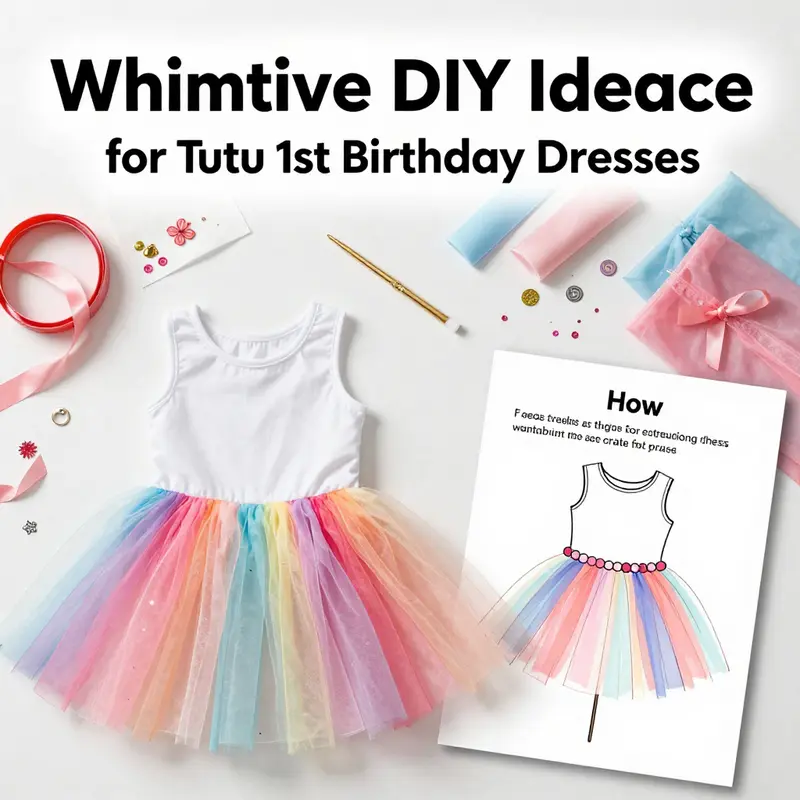
When a baby turns one, the moment feels small and expansive at the same time. The tutu dress becomes more than clothing; it is a stage for movement, light, and memory. This chapter considers why tutu dresses endure: softness and breathability in fabric, the balance between whimsy and practicality, and the joy of making something by hand for a milestone.
The design approach starts with comfort. A simple bodice that sits smoothly against the skin, a waist that stretches to accommodate a diaper, and layers of soft tulle that swirl with every wiggle. Color stories favor gentle pastels, but a single bold accent can celebrate a personality. The layering of tulle is where the dress gains its magic: multiple tiers can create a fairy tale silhouette while remaining light enough for a child in motion. Personal touches such as a small name tag, initials, or a favorite ribbon convert a garment into a keepsake.
Materials matter for both feel and care. Natural fibers and breathable blends are preferred, and many families explore eco friendly options like recycled trim or upcycled fabric scraps. The construction emphasizes durability so the dress can survive cake messes and repeated wear, yet remains gentle on delicate skin. Care tips include gentle hand washing or machine washing on a delicate cycle, and air drying to preserve fullness.
The process invites collaboration. A parent or caregiver guides the color story, selects textures, and adds subtle details that echo a theme or room decor. For some, a ready made bodice paired with a few tiers of tulle is enough; for others, a full handmade set including a lining and reinforced seams is a cherished project. In all cases the aim is a garment that photographs beautifully, moves with the child, and keeps its shape through laughter and cake.
Beyond technique, the tutu is a symbol. It marks a year of growth, a turning point in family life, and a memory that will travel through albums for years to come. The chapter invites readers to approach dress making as a mindful craft rather than a verdict on style, and to view the first birthday outfit as a living keepsake that can be passed along or adapted for future celebrations.
If you are new to sewing, start with a simple base and let the layers build over time. A basic tutu with a soft underskirt provides a reliable canvas, while a few decorative touches such as tiny bows, a line of tiny flowers, or a satin ribbon at the waist offer the opportunity for personalization without overwhelm. The most important guideline is comfort first: let movement be free and fabric feel gentle against skin.
Final thoughts
As businesses cater to the cherished milestone of a child’s first birthday, offering a variety of tutu dresses can elevate your product line and attract parents seeking the perfect outfit. The blend of enchanting styles, practical considerations, and the charm of DIY projects creates a holistic approach to this market. By staying attuned to trends and offering personalized options, you can not only celebrate a significant moment in a family’s life but also solidify your brand’s reputation as the go-to source for children’s special occasion attire.