
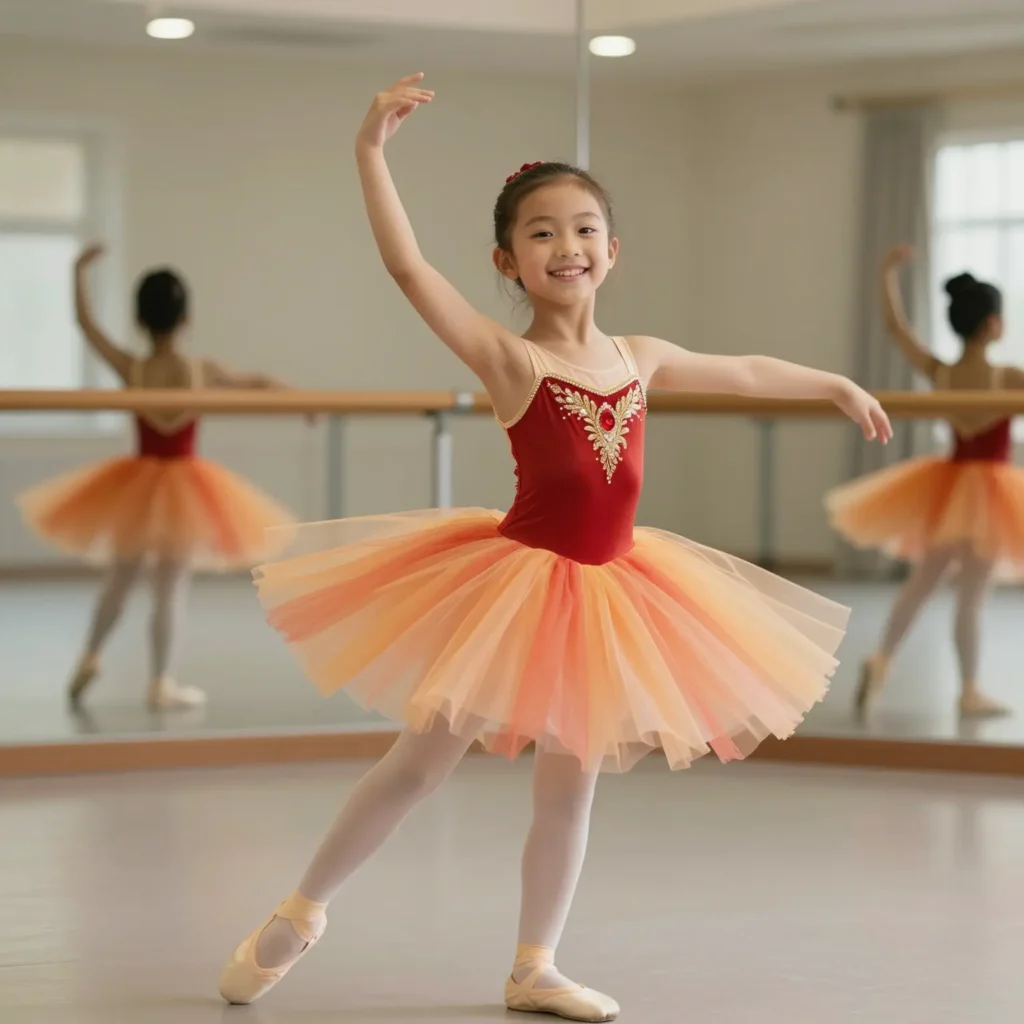
Introduction to Tutu Dresses for Baby Girls
In the enchanting world of dance, a tutu dress for baby girl emerges not only as a symbol of elegance but also as a critical element in nurturing young dancers’ passion for ballet. These delightful garments serve as a canvas for creativity, enabling little ones to express themselves through movement while adorned in soft tulle and vibrant colors. For business owners in the dancewear industry, understanding the significance of quality and comfort in these outfits is paramount. A well-crafted tutu dress offers not only aesthetic appeal but also the essential support for budding ballerinas, allowing them to twirl, leap, and pirouette with ease and confidence.
When selecting tutu dresses, the delicate balance between style, comfort, and durability cannot be overlooked. Parents seek attire that not only sparkles on stage but also withstands the wears of adventure and playtime. This is where quality craftsmanship comes into play; a tutu dress that flows gracefully while ensuring the utmost comfort encourages a love for dance from an early age. For insight into professional selections, explore our collection of professional tutus or discover creative themes with our costume themes. As we delve deeper into the array of tutu dresses available, you’ll find that each piece not only tells a story but also plays a crucial role in the development of future stars of the ballet world.
Comparing Materials for Tutu Dresses
When selecting materials for tutu dresses, it’s essential to consider comfort, style, and durability. Below is a table comparing three commonly used fabrics: tulle, organza, and cotton.
| Material | Comfort | Style | Durability | Pros | Cons |
|---|---|---|---|---|---|
| Tulle | Lightweight and airy | Soft and romantic | Moderate | – Very breathable – Ideal for layering – Often more affordable than organza |
– May not hold shape as well – Can be delicate and prone to snagging |
| Organza | Crisp and structured | Elegant and formal | High | – Holds shapes well – Sheen provides a polished look – Durable for events |
– Stiffness may reduce comfort – Generally more expensive |
| Cotton | Soft and comfortable | Casual and versatile | High | – Comfortable for extended wear – Easy to wash and maintain – Breathable |
– Not as voluminous as tulle or organza – Limited in structural designs |
This comparison highlights how each material serves different purposes in tutu dress construction. For more options in tutu styles, explore Lune Ballet’s professional tutus or check out our basic tutus for more affordable choices.
By understanding the differences between these fabrics, business owners can make informed decisions when designing and purchasing tutu dresses for their collections.
The History of Tutu Dresses
Tutu dresses hold a significant place in the world of ballet and children’s fashion, tracing their rich history back to the early 19th century. Originally inspired by the wide skirts of fashionable ballgowns, the first tutus emerged in the 1830s, becoming a staple for dancers and symbolizing grace and elegance on stage.
Evolution in Ballet
The classical ballet tutu evolved considerably through the 19th century. By the mid-19th century, the traditional bell-shaped tutu made its debut, characterized by layers of lightweight tulle, which allowed for freedom of movement while showcasing the dancer’s legs. This design was paramount for ballerinas, enabling them to execute intricate footwork and poses required in classical ballet performances.
As the 20th century progressed, tutu dresses underwent further transformations. Shorter versions became popular as contemporary ballet emerged. These innovative designs showcased various lengths and styles, leading to the modern interpretations we see today, which are often embellished with diverse materials and textures. Sources like Anna Pavlova’s Swan costume & the evolution of tutus highlight how this costume has adapted over time, echoing cultural shifts in both fashion and ballet aesthetics.
Tutu Dresses in Children’s Fashion
In children’s fashion, tutu dresses have maintained a parallel significance. They are not only a hallmark of childhood play but also a popular choice for dance classes and performances. The whimsical nature of tutus caters to a child’s imagination, making them beloved garments for dress-up and themed occasions. According to a guide on children’s tutu dresses from Ballet Land, these skirts can transform any event into a magical experience, whether for casual play or formal dance recitals.
Relevance Today
Today, tutu dresses remain as relevant as ever, not just in ballet but in everyday children’s fashion. They are commonly worn during dance performances, particularly for young ballerinas, making them a fundamental part of dance wear. Many brands are now incorporating tutu elements into casual wear for children, reflecting their enduring popularity. The latest collections, showcased at major retailers, emphasize both fashion and functionality, catering to the needs of active kids. This adaptability ensures tutu dresses resonate with current trends, commanding a consistent presence in wardrobes of both young dancers and fashion-savvy children.
From their iconic origins in ballet to their prevalent presence in children’s daily attire, tutu dresses continue to evolve while captivating hearts across generations.

| Year | Design Evolution | Key Features/Changes | Source |
|---|---|---|---|
| 1830s | Origin of the Tutu | Inspired by wide skirts of ballgowns | Georgina Butler |
| Mid-19th | Classical ballet tutu emerges | Bell shape, layers of tulle | Fire It Up Taco Truck |
| 20th Century | Shortened tutu styles for contemporary ballet | Development of various lengths and styles | Britannica |
| 21st Century | Modern interpretations and fashion adaptations | Incorporation of diverse materials and designs | Harpers Bazaar |
This journey highlights the timeless appeal and versatility of tutu dresses, solidifying their place in both ballet and modern children’s fashion.
Tutu Dress Styles for Baby Girls
When it comes to adorable outfits for little girls, tutu dresses are a popular choice. These dresses come in various styles, colors, and embellishments that can suit any occasion-from birthday parties to casual outings. Below are some examples of popular tutu dress styles:
Tutu Dress Styles:
| Style/Design | Color | Embellishments |
|---|---|---|
| Tulle Tutu Dress | Purple | Birthday-themed |
| Adorable Tutu Dresses | Various | Walmart Exclusive |
| Fashion Color Trends | Feminine Colors | Tulle Skirt |
| Light LED Party Dress | Various | Costume |
| Chubby Baby Girl in Tutu | Black & White | None |
Explore our collection of professional tutu dresses and romantic tutu dresses to find the perfect outfits for your little ones!
The Importance of Comfort and Fit in Tutu Dresses for Baby Girls
When it comes to selecting tutu dresses for baby girls, comfort and fit are of utmost importance, particularly for those engaging in dance. The right fit allows for freedom of movement, enabling young dancers to express themselves fully without the restraint of poorly fitted clothing. A well-fitted tutu dress not only enhances the overall aesthetic but also plays a crucial role in a child’s performance during dance classes or presentations.
Enhanced Movement
Comfortable tutu dresses are designed to allow ease of movement. Materials that stretch and breathe are essential as they help little dancers execute leaps, spins, and turns effortlessly. If a tutu dress is too tight or constraining, it can impede a child’s ability to dance confidently and fluidly. According to insights from the Kew School of Dance, feeling comfortable in one’s outfit fosters greater self-expression and enjoyment in dance lessons.
Influence on Performance
The impact of comfort on performance cannot be overstated. Tutu dresses that fit well can boost a child’s confidence, allowing them to focus less on their clothing and more on their movements. As noted in several articles, including one from Simbatango, the right clothing promotes better performance through proper support and fit. Young dancers who feel secure in their attire are more likely to take risks and explore new dance elements, enriching their overall learning experience.
Building Confidence
Additionally, a comfortable fit can also play a role in reducing anxiety. Children who are comfortable in their clothing are more likely to perform better and enjoy their dance classes. It’s essential for parents and business owners offering dancewear to prioritize these factors. The importance of comfort in children’s activities extends beyond just physical ease; it contributes significantly to emotional well-being and self-esteem.
In conclusion, when selecting tutu dresses for baby girls, it’s vital to ensure that comfort and fit are prioritized. This focus not only affects the practical aspects of dance but also shapes a child’s confidence and overall enjoyment in their dancing journey.
Tips for Choosing the Right Tutu Dress for Baby Girls
Selecting the perfect tutu dress for baby girls involves balancing style and functionality to ensure customer satisfaction. Here’s a guide for business owners on important factors to consider:
-
Age Appropriateness: Consider the age of the child. For infants, look for soft, lightweight fabrics that allow for movement. For older toddlers, choose designs that reflect their personality while being versatile for various occasions.
-
Sizing Matters: Accurate sizing is crucial. Refer to size charts that include measurements like waist size and dress length to ensure a good fit. It’s important to offer a range of sizes from newborn to toddler. Check size guides.
-
Fabric Selection: Choose fabrics that are breathable and comfortable. Soft modal or cotton blends tend to be the best options, as they prevent irritation while allowing ease of movement. Avoid materials that are too stiff or heavy.
-
Occasion Focus: Consider the occasion for which the dress is intended-be it casual play, a birthday party, or a special event like a wedding. Tutu dresses should be stylish but also functional enough for toddlers who require comfort during play. Explore various styles.
-
Style Versatility: Aim for designs that can be used for multiple occasions, perhaps with interchangeable accessories. This increases the dress’s usability and boosts sales potential.
-
Safety Features: Pay attention to safety details, like secure fastenings and non-choking hazards, which are especially important for younger children. Make sure that any embellishments are securely attached and pose no risk.
-
Balancing Functionality with Aesthetics: While a tutu should be a fun and whimsical piece, it also needs to be practical. Consider dresses that are easy to care for (washable and durable), ensuring they stand up to the wear and tear that comes with active little ones.
These tips will help you choose the right tutu dresses that are both stylish and functional, attracting customers looking for quality attire for their little girls.
Conclusion
By keeping these key factors in mind, you can meet your customers’ needs while also celebrating the beauty and joy that tutu dresses bring to special moments in a little girl’s life.
Care Instructions for Tutu Dresses
Tutu dresses are whimsical and charming garments, perfect for little ballerinas. However, maintaining their beauty and integrity over time requires proper care. Here are essential washing, drying, and storing tips to ensure the longevity of tutu dresses.
Washing Tips
- Hand Wash: It is advisable to hand wash tutu dresses in cold water. Gentle agitation will help lift dirt and debris without damaging the delicate fabrics. Using a gentle detergent designed for delicate garments is key. This approach avoids the harsh conditions of a washing machine, which can cause wear and tear.
- Avoid Fabric Softeners: Fabric softeners can affect the tutu’s stiffness, which is crucial for its shape. Instead, opt for a mild detergent that does not compromise the fabric’s quality. Experts recommend washing satin and similar materials in a gentle cycle if machine washing is necessary. Learn more about washing delicate fabrics here.
Drying Methods
- Air Dry: After washing, lay the tutu flat on a clean towel to absorb excess water, then hang it to air dry. Avoid wringing or twisting the fabric, as this can damage its structure and embellishments. Never place the tutu in a dryer, as the heat can shrink or warp the fabric.
- Avoid Heat Sources: Keep the tutu away from direct sunlight and heat sources to prevent discoloration and fabric degradation. For embellishments like glitter, do not iron directly on them.
Storing Tips
- Use Tutu Bags or Hang on Hangers: When it’s time to store the tutu, use specially designed tutu bags or clip hangers that help maintain shape while keeping them dust-free. Storing tutus flat with tissue paper layers can also help protect delicate fabrics from creasing.
- Protect Embellishments: When storing, ensure that decorations do not rub against each other to avoid fraying or damage. Proper storage is crucial for preserving the exquisite details that make these dresses special. For more insights into effective tutu storage, check this guidance on tutu care.
Why Proper Care is Essential
Proper care for tutu dresses not only keeps them looking beautiful but also extends their lifespan. Delicate materials and embellishments, common in many tutu dresses, require careful handling to prevent damage. By following these care instructions, business owners can help ensure that their inventory remains visually appealing and structurally sound, ultimately leading to higher customer satisfaction and sales.
Maintaining a tutu dress’s integrity reflects the quality of the ballet experience offered to customers. With the right care methods, tutu dresses can continue to inspire joy and elegance for years to come!
Customer Preferences for Tutu Dresses for Baby Girls
Understanding the preferences of customers when it comes to tutu dresses for baby girls is crucial for business owners targeting this niche market. Here’s a chart illustrating the user preferences based on age, color choices, and style trends. This data can help you make informed decisions in your business strategy.

Data Breakdown
| Age Group | Color | Style Trend | Percentage |
|---|---|---|---|
| 0-1 years | Pink | Elegant | 35% |
| 0-1 years | Purple | Playful | 25% |
| 0-1 years | Blue | Affordable | 20% |
| 0-1 years | Others | Trendy | 20% |
| 1-2 years | Pink | Elegant | 40% |
| 1-2 years | Purple | Playful | 30% |
| 1-2 years | Blue | Affordable | 15% |
| 1-2 years | Others | Trendy | 15% |
| 2-3 years | Pink | Elegant | 45% |
| 2-3 years | Purple | Playful | 25% |
| 2-3 years | Blue | Affordable | 20% |
| 2-3 years | Others | Trendy | 10% |
This visualization of customer preferences illustrates not only what colors and styles are trending but also how preferences shift across different age groups. For more information about tutu options available for your customers, check out the professional tutu collection or explore the romantic tutu collection.
Future Trends in Children’s Balletwear
As the balletwear industry continues to evolve, quality and style will take center stage. According to insights from various industry experts and reports, parents are increasingly seeking dancewear that not only looks good but also supports their children’s active lifestyles.
“The demand for children’s balletwear is particularly influenced by health and fitness consciousness among parents, driving increased sales of stylish yet functional outfits. Customization and sustainably sourced materials will play a crucial role in the future of this market.” – Dance & Balletwear Industry Report
Investing in quality products such as those found in Lune Ballet’s professional tutu collection will ensure that retail offerings keep pace with these emerging trends.
Conclusion
In conclusion, selecting high-quality and comfortable tutu dresses for baby girls is not just about aesthetics; it plays a crucial role in enhancing their overall performance and confidence. Fashion is a way for young children to express themselves, and the right tutu dress can make a significant difference in how they feel during performances or special occasions. These dresses are designed not only to look beautiful but also to provide ease of movement, ensuring that little girls can dance freely and with joy.
Research suggests that comfortable clothing directly impacts children’s focus and confidence. For instance, articles highlight how attire influences children’s development, fostering their engagement and performance in both academic and fun activities. When children feel good in what they wear, their confidence grows, allowing them to shine in different environments. Tutu dresses tailored for comfort and style can significantly enhance a child’s self-esteem, as seen in real-life experiences shared by parents and retailers alike-when little girls don their beautiful dresses, they not only look like young princesses but often feel like one, too.
Moreover, quality tutu dresses made from breathable materials can keep toddlers comfortable while providing sensational looks, ensuring that they enjoy both playtime and special moments without feeling restricted. It is evident how wearing the right clothes, particularly well-made, stylish outfits such as those found in Lune Ballet’s collection, facilitates better performance and mental well-being for our children.
In light of these considerations, we encourage parents and business owners to explore quality tutu dresses that will empower young girls, boost their confidence, and allow them to express their individuality. For those interested in finding the perfect tutu for little dancers, look no further-visit dada tutu for a stunning selection that combines comfort and style in one delightful package!