
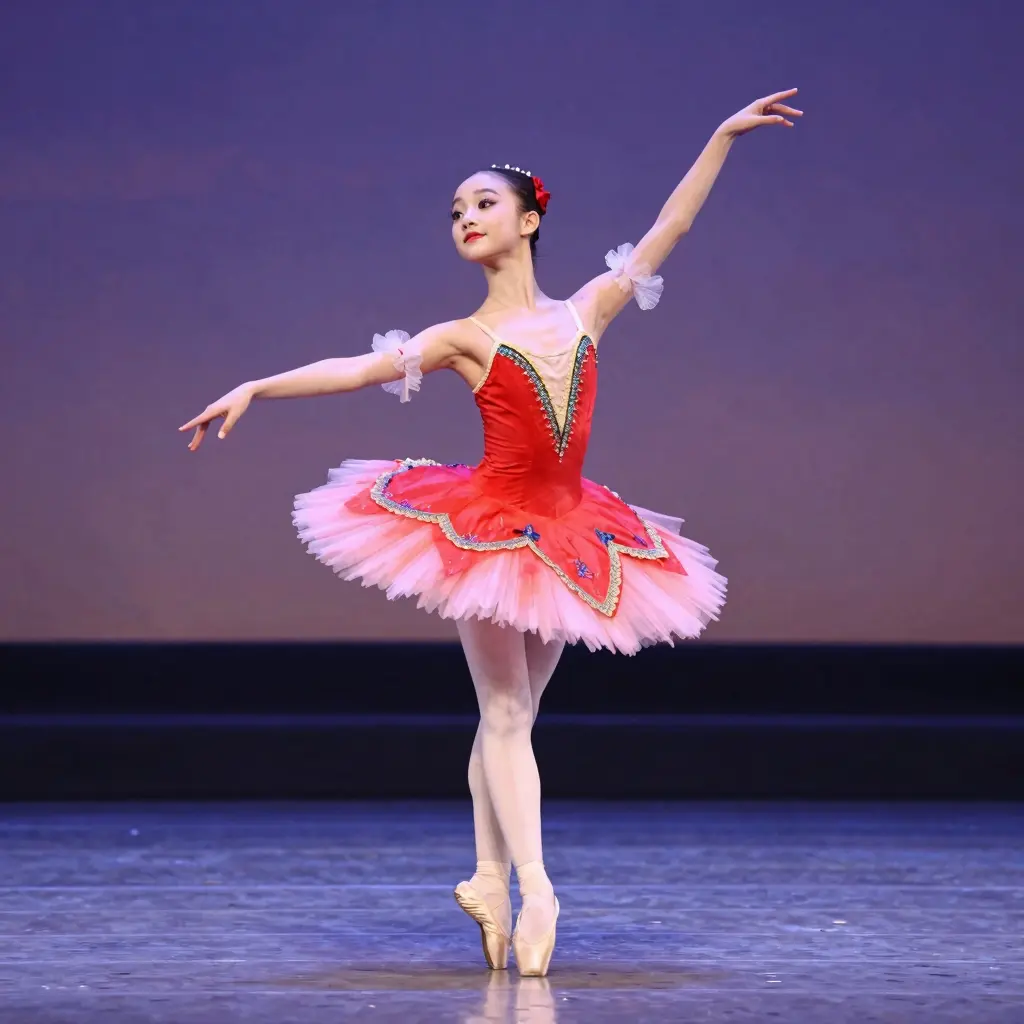
Tutu dresses are more than just garments; they embody a world of grace, discipline, and empowerment for young dancers. The tutu dress girls wear in ballet transcends mere aesthetics, offering a blend of functionality and beauty that is crucial in dance performances. Rooted deeply in the tradition of ballet, these dresses enhance a dancer’s movements, creating an enchanting visual experience for both the performer and the audience. Studies illustrate that wearing a well-fitted tutu allows dancers to enjoy freedom of movement while projecting elegance and poise, which is essential for performances. The layered design of these tutus contributes to not only the overall aesthetic but also the psychological state of young girls, increasing their confidence as they step onto the stage.
The cultural significance of tutu dresses cannot be understated. They symbolize femininity and the art of ballet itself, playing a crucial role in developing a child’s identity within the dance community. When girls dress in tutus, they step into their roles as ballerinas, fully embracing the character they portray. This transformation can ignite a passion for dance, instilling confidence that extends beyond the stage. Furthermore, tutu dresses serve as a fundamental piece of dancewear and balletwear, making them an indispensable element in any aspiring dancer’s wardrobe.
At Lune Ballet, we offer a variety of tutu options designed to empower young dancers at every performance. Discover a range of styles that not only enhance performance but also build confidence, ensuring every girl has the opportunity to shine on stage. Explore our collection of professional and romantic tutus, and witness how these beautiful garments can transform the dance experience for young girls.
The Historical Background of Tutu Dresses
The tutu dress for girls, a staple of ballet attire, has a rich history that traces back to the origins of ballet itself. The evolution of tutu dresses is deeply intertwined with developments in dance and fashion over centuries.
Origins in Ballet
The ballet tutu first emerged in the early 19th century during the Romantic era of ballet, which was characterized by a focus on expressiveness and emotion. Dancers began wearing skirts that allowed for fluid movement, giving way to the classic romantic tutu. This version featured long, flowing skirts that often extended to the ankles, allowing for graceful movements while still highlighting the dancer’s technique.
Marie Taglioni, one of the most famous ballerinas of her time, is credited with popularizing this style. Her performances in romantic tutus set a standard for aesthetic beauty in ballet performances. As the art form evolved, so did the tutu, transitioning into structured skirts that became shorter and more bell-shaped, leading to the iconic ballet dress we see today.
Evolution Over the Years
The late 19th century saw the emergence of the classical tutu, which is typically stiff and short, allowing for greater mobility and the showcasing of a dancer’s footwork. This marked a pivotal change in ballet costumes, as it facilitated more technical choreography.
By the early 20th century, tutu designs became simpler, focusing on the essence of movement and less on elaborate forms. Bright colors and innovative fabrics emerged in the mid-20th century, reflecting broader fashion trends and enabling choreographers to experiment with visual storytelling through costume design. Today, contemporary styles have evolved to include diverse fabrics and designs, blending traditional features with modern aesthetics. Dancers now can express their individuality through various styles of tutu, from classical ballet costumes to themed designs for performances.
Insights into Construction
Making a tutu involves meticulous craftsmanship, typically requiring layers of stiff tulle to create the desired shape. Tutus are designed with an emphasis on structure-key for a dancer’s performance-ensuring that they hold their form while allowing for ease of movement. The waist is fitted and often includes embellishments for visual appeal.
Tutus are essential not just as fashion statements but also for their vital role in the performance. The right tutu enhances a dancer’s movements, offering a visual story that complements the choreography. As articulated in Dada Tutu’s blog, the tutu remains symbolic of grace and artistic expression.
Importance Across Dance Forms
While pivotal in ballet, tutu dresses have made their mark in various dance genres, including contemporary dance and themed performances. For example, themes such as Nutcracker, Swan Lake, and Esmeralda showcase distinctive tutu styles that convey the narrative of each story vividly. Dancers often feel a deep personal connection to their costumes, marking milestones in their dance journey. As discussed by Georgina Butler, tutus empower performers and symbolize the dedication required in dance, making them dream affirmations for aspiring dancers.
Conclusion
In summary, the tutu dress for girls is more than just a costume; it’s an emblem of the evolution of dance itself. From its rich historical roots in ballet to its modern permutations, the tutu has undergone remarkable transformations while retaining its core significance in dance. Whether for professional performances, competitions, or recreational dancing, the tutu dress girls continue to inspire and enchant audiences. For those looking to explore a range of tutu options, you can check out professional tutus or romantic tutus suitable for different occasions.
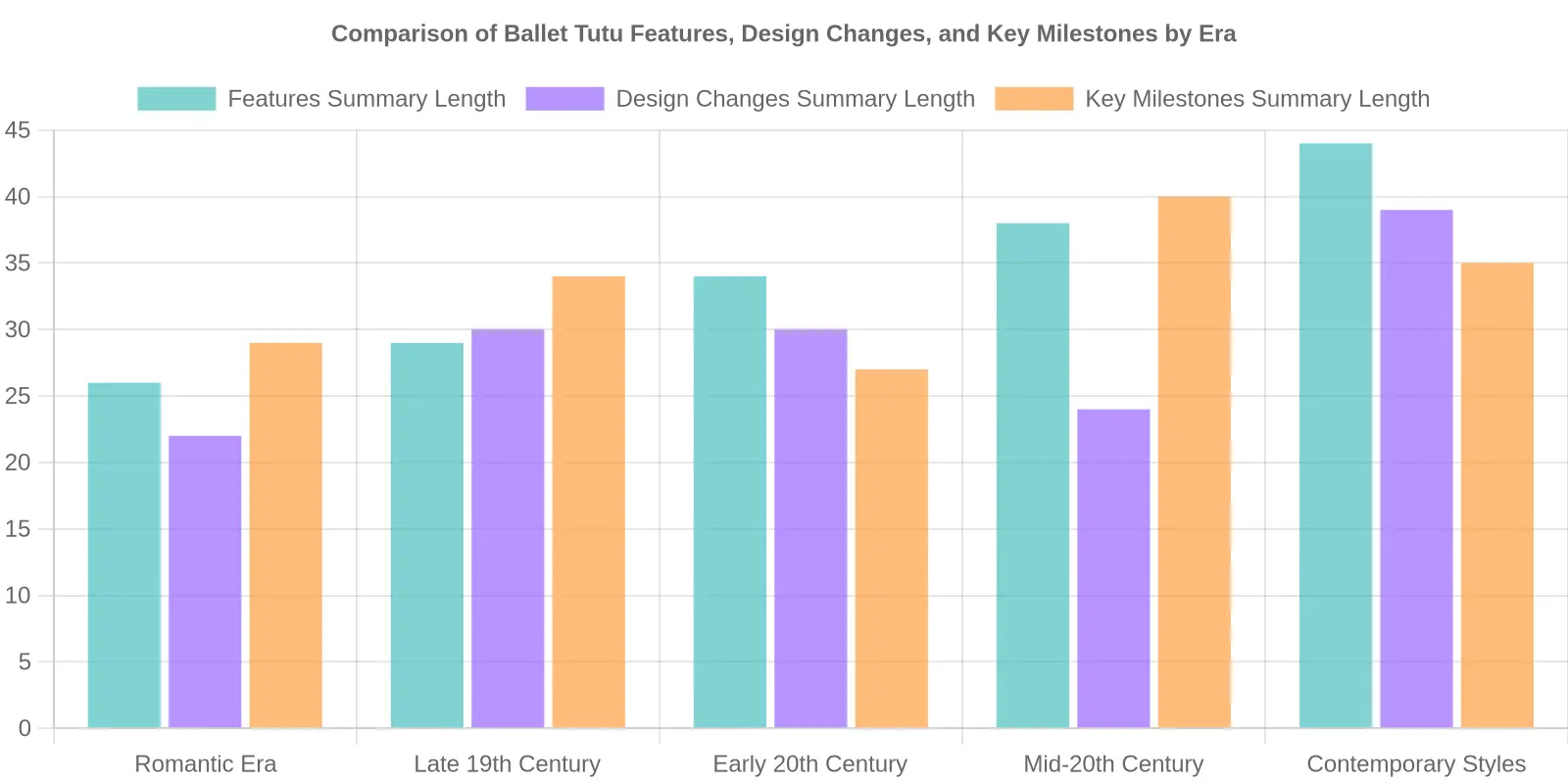
Comparison of Ballet Tutu Features, Design Changes, and Key Milestones by Era
Key Milestones in Tutu Evolution
| Era | Features | Design Changes | Key Milestones |
|---|---|---|---|
| Romantic Era | – Full skirts, delicate designs | Introduced layers of tulle | Development of the tutu in ballet (1830s) |
| Late 19th Century | – Shorter lengths, more structured | Transition to a bell-shaped silhouette | The emergence of the ballet tutu (late 1800s) |
| Early 20th Century | – Simplified designs, focus on movement | Streamlined shapes, use of less fabric | Introduction of the classical tutu (1900s) |
| Mid-20th Century | – Use of brighter colors and varied fabrics | More experimental designs | Popularization in professional ballet companies |
| Contemporary Styles | – Diverse styles, incorporation of modern fabrics | Fusion of traditional and avant-garde | Modern adaptations for various dance genres |
The tutu’s enduring presence in the ballet and dance community emphasizes its significance as both a practical costume and artistic expression, showcasing the journey of an iconic garment through time.
Customer Testimonials
Our tutu dresses at Dadatutu have been making a significant impact in the world of dance, and here’s what some satisfied customers have to say:
“I bought my daughter a tutu from Dadatutu, and it has completely transformed her dancing! Not only is it beautifully made, but it’s also incredibly comfortable. She moves freely and confidently on stage!”
- Emily R., Passionate Dance Mom
“The quality of the tutus is unmatched. My daughter feels like a princess every time she wears hers. The soft fabric allows her to dance without restrictions, and she’s received so many compliments!”
- Sarah T., Satisfied Customer
These testimonials reflect the commitment to providing quality and comfort, ensuring every dancer can shine in their performances. If you’re looking to enhance your dance costumes, don’t forget to check out our professional tutu collection.
Top Features of Tutu Dresses for Girls
Tutu dresses are a popular choice for young dancers and can serve as both a functional dancewear option and a delightful costume. The right tutu dress can greatly enhance both performance and comfort. Here are some of the top features that make a tutu dress ideal for girls:
- High-Quality Fabric: Look for materials that combine softness and durability. Cotton blends, tulle, and stretch fabrics are preferred because they allow for ease of movement while maintaining a structured appearance.
- Comfort Fit: Comfort is a priority for dance instructors. Tutu dresses should have adjustable straps, elastic waistbands, or breathable linings to accommodate various body types and movement styles, keeping the dancer at ease during practice and performances.
- Design Elements: The best designs feature layers of tulle that create a voluminous skirt while being lightweight. This balance helps in executing jumps and spins, which are essential in ballet and dance routines.
- Versatile Colors and Styles: Unique color combinations and themes, such as those found in Romantic Tutu Collection, allow for creativity and help in expressing the dancer’s personality. Dance instructors often prefer simpler patterns for formal performances to not distract from the dancer’s movements.
- Support for Movement: Tutu dresses should allow full range of motion. Instructors often recommend dresses that feature additional underlayers or supportive bodices to ensure the dancer can perform without restriction.
- Durability for Training: A quality tutu dress is crafted to withstand rigorous training sessions. Instructors seek dresses that maintain shape and style, even with repetitive movements.
- Easy Care: A dress that can be easily washed and maintained is essential for regular use. Many preferred fabrics are machine washable, making them practical for busy young dancers and their parents.
In summary, investing in a well-made tutu dress for girls contributes to their confidence and performance capabilities. Dance outfits that prioritize quality and comfort can make a significant difference in a dancer’s training and stage presence. For a variety of professional options, you can check out our selection of professional tutus to align with your dancewear needs.
Selecting the Right Tutu Dress for Girls
When it comes to choosing the perfect tutu dress for girls, business owners can play a crucial role in helping customers find options that best suit different body shapes and dance styles. Here are some practical tips and considerations to guide their selection:
Understanding Body Shapes
-
Identify the Body Shape: Customers may have various body shapes such as pear, apple, hourglass, or athletic. Familiarizing yourself with these shapes can help you suggest flattering tutu designs. For example, a-line tutus tend to balance wider hips, while a fitted bodice can accentuate an hourglass figure. Consider using a body shape calculator to assist customers in understanding their shape better.
-
Comfort and Fit: Ensuring the tutu dress fits correctly is paramount. Business owners should advise customers on checking the waist, bust, and length – all essential measurements. Tutu dresses often come in various sizes and fits, so make sure you provide a range including options for plus sizes and adjustable designs.
Dance Style Considerations
-
Ballet vs. Contemporary: The style of dance can greatly influence the type of tutu dress to select. Ballet dancers usually prefer classic shapes with structured skirts, while contemporary dancers might opt for more fluid and flexible options. Understanding the difference in requirements for different dance forms can help guide your recommendations effectively.
-
Material Matters: Suggesting fabrics that allow freedom of movement combined with breathability is essential for comfortable balletwear. Materials like cotton blends are ideal for practice, while costume-grade fabrics might be perfect for performances. Direct customers to options using comfortable balletwear that combine style and functionality.
Enhancing Appearance and Confidence
-
Color and Style: Encourage customers to pick colors that inspire confidence and express personality. Soft pastels can be lovely for younger girls, while bold colors can make a striking statement on stage. Let them know about various styles, such as classic tutus or romantic tutus, to broaden their choices.
-
Costume Themes: Depending on the performance theme, specific designs like the fairy doll from the Fairy Doll costume theme may resonate better. Providing a variety of costume-themed options can make the selection process more enjoyable and engaging.
By offering these personalized tips and insights, business owners can facilitate a smoother shopping experience and ensure girls find the perfect tutu dress that flatters their figure and enhances their dance performance alongside comfort and style.
The Importance of Comfort in Dancewear
Dance is not just a form of art; it is an expression of emotion, a physical journey that requires the utmost from performers. Comfort in dancewear is essential for dancers to fulfill their potential. The attire they choose significantly impacts their performance, especially in disciplines like ballet where the tutu dress girls wear plays a pivotal role.
Why Comfort Matters for Dancers
Comfort in dancewear influences various aspects of a dancer’s performance:
- Mobility and Flexibility: Comfort allows dancers to move freely without restriction. Tight or poorly fitted clothing can hinder their movements or even lead to injuries. As noted by Max’s Harvest, appropriate dancewear is crucial for facilitating movement during performances, which is vital for achieving maximum expression and technique.
- Focus and Confidence: When dancers wear comfortable clothing, they are less likely to be distracted by discomfort. A study highlighted by Pizzazz Ballroom Dancewear emphasizes that a comfortable wardrobe supports movement and enhances overall performance, directly contributing to a dancer’s confidence and success.
- Injury Prevention: High-quality dancewear often incorporates features that support the body, something that dancer’s bodies require during rigorous practice. Built-in support in dancewear can reduce the risk of injuries, allowing dancers to concentrate on their craft rather than their attire, as pointed out by Doppelganger Dance Collective.
The Role of Quality Attire: The Tutu Dress Girls
For young dancers, the tutu dress is not merely an aesthetic choice but an essential part of their performance gear. Investing in premium balletwear ensures that the attire meets the physical demands of ballet.
- Material Quality: Quality fabrics allow for breathability and stretch, which are essential for fluid movements. Cheap materials can lead to discomfort and restrict motion. As stated in Why Quality Matters in Dancewear by Showtime Dancewear, high-quality dancewear is made to endure rigorous dancing, providing comfort that helps dancers to focus on their movements.
- Fit and Style: A well-fitted tutu dress allows for graceful movements while still being supportive. This aspect is crucial during competitions or performances where every detail counts. The tutu is designed to highlight a dancer’s form, and when it fits seamlessly, it amplifies the beauty of their performance.
Conclusion
In summary, the importance of comfort in dancewear cannot be overstated. The right attire significantly influences a dancer’s ability to perform optimally. For business owners in the dance apparel industry, understanding these aspects is crucial for catering to dancers’ needs. By providing quality products like premium tutu dresses, you not only enhance dancers’ experiences but also foster a culture of excellence in the art of dance. If you’re interested in exploring more about how to boost your inventory with quality options like professional tutu dresses or romantic tutus, make sure to check them out.
Latest Trends in Children’s Dancewear: Tutu Dress Girls
As 2023 unfolds, the world of children’s dancewear continues to evolve, particularly in styles favored for young girls. The tutu dress, a staple in ballet and dance, is experiencing vibrant trends that reflect a blend of functionality, aesthetics, and comfort. Here are the noteworthy developments in this area.
Popular Styles
In the current market, the demand for tutu dresses reflects a diversity of styles, catering both to formal ballet presentations and casual wear. Key trends include:
- Romantic tutu dresses which combine soft cotton bodices with full tulle skirts, perfect for occasions beyond the studio. These designs, like the one from Babyshop, emphasize a blend of classic ballet aesthetics and modern flair.
- Pancake tutus are also highly sought after for their classic design, making them ideal for ballet recitals, as seen in offerings like the one at StoresRadar.
Material Selections
Materials play a critical role in the comfort and functionality of tutu dresses. Current trends are leaning towards:
- Breathable and stretchable fabrics that allow for ease of movement. Popular choices include woven cotton and tulle, which provide both durability and comfort, as highlighted in resources like Prima Dancewear UK.
- Seasonal shifts in colors emphasize vibrant hues like electric blues and enchanting greens, aimed at energizing performances and engaging young dancers, as mentioned by Stretch Dance.
Market Insights
The children’s dancewear market is witnessing significant growth, expected to reach USD 2.6 billion by 2033 with a compound annual growth rate (CAGR) of 4.9% from 2024 to 2033. This reflects an increasing consumer interest in high-quality, functional dance apparel. The market is fuelled by:
- The pursuit of stylish yet comfortable attire suitable for various dance forms.
- An ongoing trend towards innovative and sustainable fashion solutions.
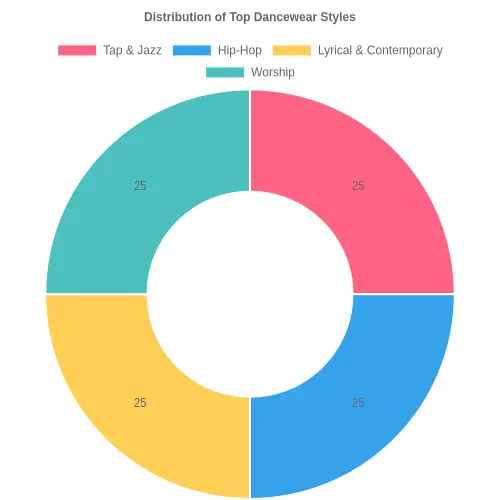
A chart depicting the distribution of popular dancewear styles showcases the balance between traditional ballet styles and contemporary forms, highlighting a burgeoning interest in genres like Hip-Hop and Contemporary, along with classical options.
Conclusion
For business owners in the children’s dancewear market, focusing on the latest designs, materials, and consumer trends will be essential in attracting buyers. By embracing vibrant colors, innovative materials, and versatile styles, retailers can capture the interest of parents and young dancers alike. Exploring collections within Lune Ballet’s professional and romantic tutus can provide storefronts with a trendy inventory aligning with current market demands.
| Vendor Name | Price Range | Materials Used | Customer Rating | Link |
|---|---|---|---|---|
| Lune Ballet | $50 – $150 | Tulle, Satin, Polyester | 4.7/5 | Lune Ballet |
| Bums & Roses | $45 – $120 | Quality Tulle, Cotton | 4.8/5 | Bums & Roses |
| Walmart | $30 – $70 | Polyester, Tulle | 4.5/5 | Walmart |
| Amazon | $25 – $100 | Lycra, Sequin, Mesh | 4.3/5 | Amazon |
| MYER | $40 – $90 | Jersey Top, Tulle | 4.1/5 | MYER |
Conclusion
In summary, tutu dresses remain a quintessential piece in the world of dance, particularly for young girls. They blend functionality with aesthetic appeal, enabling dancers to move freely while captivating audiences with their elegant designs. Made from lightweight materials like tulle, these dresses are not only visually stunning but also support a dancer’s form, encouraging confidence as they perform. As the dance costume market is projected to grow significantly, with a CAGR of 15.24% from 2023 to 2031, now is the perfect time for business owners to enhance their offerings with beautiful tutu dresses.
By selecting high-quality tutus from Lune Ballet, you can provide your customers with costumes that elevate their dance experience. These dresses are designed for comfort and style, making them an excellent choice for various performances, including those inspired by iconic classics like Swan Lake or The Nutcracker.
Don’t miss out on this opportunity to stand out in the competitive dancewear market. Visit dadatutu.com now to explore our range of tutu dresses that can transform a young dancer’s performance experience and boost your sales. Elevate the dance journey for your customers with stunning outfits that inspire joy and confidence!