
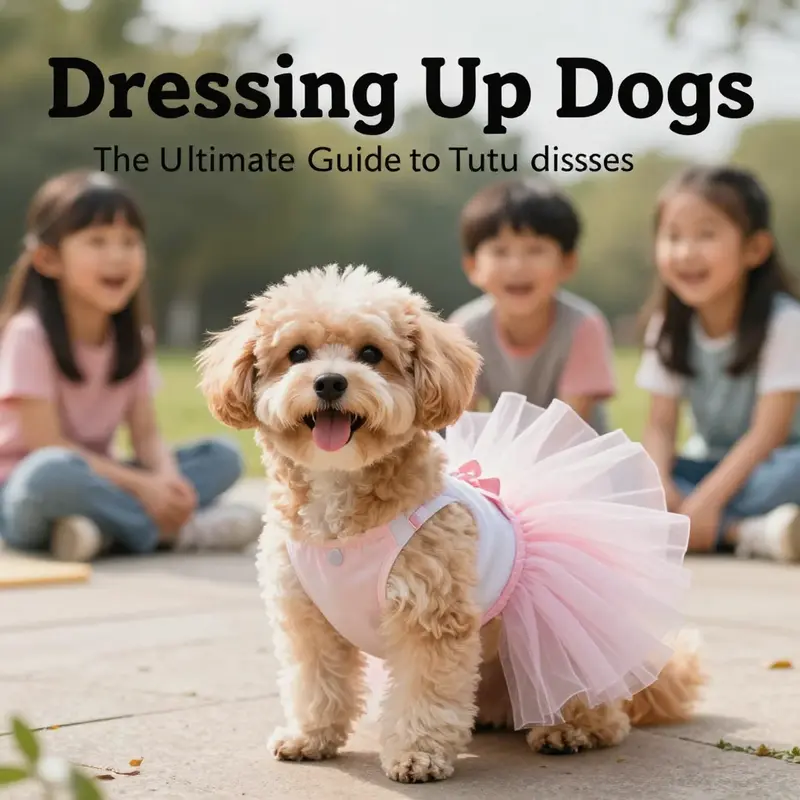
Tutu dresses for dogs have moved from simple novelty items to symbols of love and personal expression among pet owners. These enchanting outfits not only add style but also highlight the personality of our furry friends. As the trend grows, so does the responsibility of understanding how to choose the right tutu dress, the considerations in design for their comfort and safety, and the appropriate maintenance for their longevity. Each chapter will delve into these topics, providing essential insights that will empower business owners in the pet apparel market to cater effectively to their customers’ needs.
Fit, Freedom, and Flair: Choosing the Right Tutu Dress for Dogs

A well-fitting tutu dress can highlight a dog’s personality while keeping comfort as the priority. The key is accurate measurements, adjustable designs, and breathable fabrics that move with the dog rather than against it.
Start with three measurements: neck circumference, chest girth behind the front legs, and the length from the base of the neck to the tail. Measure when the dog is calm and standing, not excited or post-activity, to avoid tightness or fullness that mismatches the dog’s natural gait.
Choose soft, lightweight materials such as tulle with a cotton or satin lining to prevent itching and overheating. Look for elastic waists or adjustable fastenings to accommodate changes in posture and activity.
Ensure the neckline and skirt do not restrict breathing or movement, and avoid pieces with small detachable parts that could pose a choking hazard.
Always supervise wearing times and remove the outfit if signs of stress occur. With careful fit and mindful design, a tutu can be a joyful expression of a dog’s personality that supports comfort during walks, photos, and play.
Fabric, Fit, and Safe Sparkle: Designing Dog Tutu Dresses for Comfort and Cheer
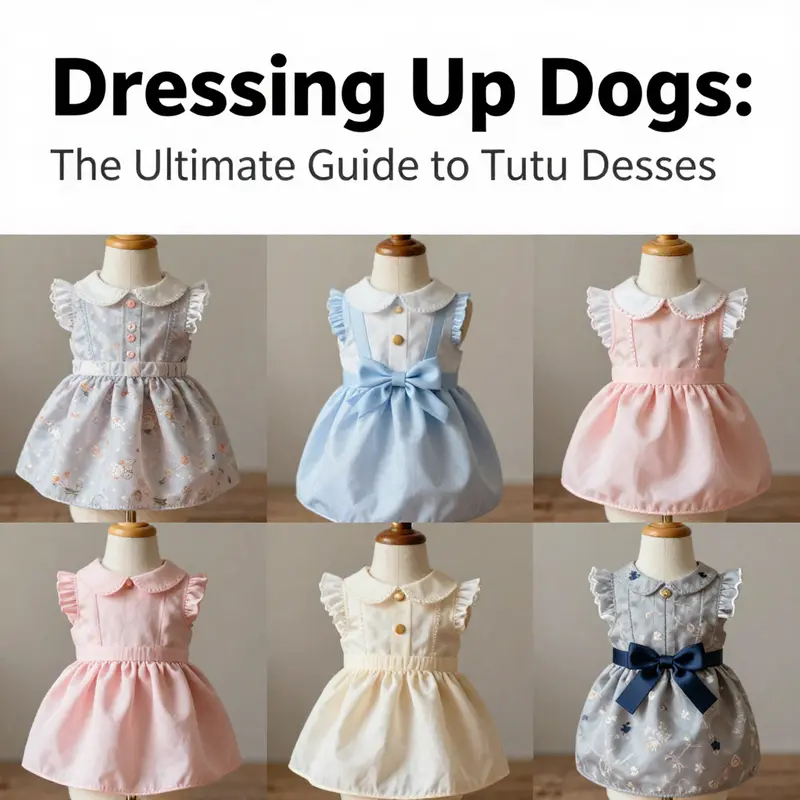
The charm of a tutu dress on a small dog is more than just visual whimsy; it’s a careful marriage of sparkle and comfort, of movement and mood. When designers and pet guardians think about outfits, the fabric is not simply a surface layer. It is a living part of the experience, shaping how the dog breathes, moves, and enjoys a moment that might be captured in a photo, remembered at a birthday party, or celebrated during a themed gathering. In this chapter, the focus turns to how fabric choices and design details influence safety and comfort, and how those choices, when made with intention, enable the outfit to enhance a dog’s natural personality rather than impede it. The goal is not to overwhelm with festival whimsy but to support the dog’s well‑being while providing a touch of enchantment that shines through in every wag and tilt of the head. This is where the science of comfort meets the artistry of dress, and the result is a tutu that feels less like a costume and more like a natural extension of a dog’s own charm.
Fabric choice begins with breathability and moisture management. The ideal tutu fabric palette blends softness against the skin with enough openness to vent heat and allow air to circulate during movement. Cotton blends stand out for their skin‑friendly softness and their ability to wick moisture away from the body in warmer moments. They are gentle on sensitive areas and can be integrated with a lining made from cotton or a satin for a smooth feel against the coat. Tulle, the signature element of a tutu, contributes volume without excessive weight. When layered with chiffon, the dress gains a whisper of movement that reads beautifully in photographs, but the layers must remain light and airy to prevent overheating or overburdening the dog’s chest. Beyond these classics, bamboo fabric has gained interest for its natural hypoallergenic properties and its moisture‑wicking tendencies, which can be a boon for dogs prone to skin irritation or heat sensitivity. The unifying thread is evident: fabrics should actively support breathability rather than trap heat. In practice, this means favoring natural fibers or blends that encourage air flow and minimize bulk around the chest and neck. Conversely, fabrics that trap heat or create stiffness are less than ideal. Polyester and nylon, though sometimes chosen for their shine or structural integrity, can hold static and reduce ventilation, making active dogs feel lumbered or warm after even light exercise. The choice, then, is not simply about what looks lovely in a photograph but about what the body experiences as the dog prances, sniffs, or settles into a moment of pause.
The relationship between fabric and temperature is especially important for dogs with dense coats or thick undercoats. A layered outfit that includes multiple fabrics can escalate heat retention, while for dogs with low body fat or those built for speed, such as sighthound types, a breeze of air through the fabric can be a relief. In cooler weather, a lightweight layer underneath the tutu can provide warmth without constraining motion. The design should anticipate these needs: a dog that is comfortable will engage more fully with its surroundings, wag its tail freely, and approach interactions with curiosity rather than retreat. When the wearer is a brachycephalic breed, the challenge shifts from warmth to airflow and neck comfort. Ensuring that the neckline and chest bands are forgiving but secure becomes essential so that a short muzzle or broader chest does not lead to restricted breathing or pressure points around the collar area. The designer’s task is to craft something that sits softly on the neck, skims the chest without pinching, and remains visually elegant even as the dog leans into play. A well‑designed elasticized band at the neck and chest is crucial here. It should stretch to accommodate movement but not so loosely that the dress shifts, rides up, or slips during a spirited chase after a ball or a quick dash across a lawn. Durable construction comes next. The safest tutu is one that endures without distress under the stress of normal dog activities. Reinforced seams, especially at stress points where fabric might rub against joints or twist with the dog’s movements, help prevent chafing and tearing. This is not a cosmetic detail but a practical safeguard that keeps the dress intact through turns, sits, and the occasional accidental tug when a collar tag catches on a stray thread. A common pitfall to avoid is layering a tutu dress over a harness. The interaction between the dressing and the harness clips can create entanglement, misalignment, or a shift that compromises control. If a dog needs more control for a special moment—perhaps a wedding photo or a staged event—the recommended approach is to wear a matching concealed harness under the tutu. A decorative collar can provide visual balance while the harness maintains safety and control. This pairing keeps the structure intact and respects the dog’s postural alignment, ensuring that the dress does not intrude on breathing or gait. In this context, the materials themselves become part of the safety system. A fabric that slides and drapes gracefully reduces tugging against skin and fur, while a lining that is smooth but not slick minimizes friction against coat while blocking sweat buildup in the same area. The safest designs couple a breathable outer layer with a soft inner layer that acts as a moisture barrier without reducing airflow. As Dr. Lena Matthews, DVM, emphasizes, clothing should never interfere with a dog’s natural posture, gait, or ability to regulate body temperature. If a dog stops wagging its tail or begins scratching excessively, it’s time to reassess the outfit and return to the drawing board with a new balance of comfort and style.
Beyond the fundamental choice of fabrics, a tutu’s safety depends on thoughtful structural features. An elasticized neck and chest band should fit snugly but not restrict breathing or movement. The fit is a dynamic one, adjusting as the dog shifts posture from a calm stand to a playful sprint. A well‑fitted bodice distributes pressure evenly and avoids digging into armpits, which can cause discomfort or anxiety. In smaller dogs, even minor pressure can translate into a big change in mood, so the edges of the bodice should be softly finished and edged with a gentle seam to prevent irritation. Reinforced seams across the seams and along the waistline ensure the tutu holds its shape against rough play and frequent bending. A flat, evenly stitched hemline prevents snagging on furniture legs or rug fringes, which can happen during everyday activities. The design should also consider the possibility of fur catching on loose threads or embellishments. Every ornament, be it sequins, beads, or glitters, should be securely attached using robust stitching or non‑toxic adhesives with appropriate setting times. Dangling or bulky adornments are a hazard; they can snag on collars, toys, or play equipment and become a choking risk. In practice, the safest approach is to keep embellishments small, firmly anchored, and flush to the fabric so they remain visible but unobtrusive during movement.
The question of whether to include features like pockets or additional layers often arises in discussions about dog tutu design. While pockets can be sweet for carrying small items in theory, in a costume designed for dogs they frequently create clutter at the hind end or interfere with tail movement. The same caution applies to extra layers that add visible volume but trap heat or restrict hip rotation. The elegance of a tutu lies in its ability to catch the light as the dog moves, yet that beauty should not come at the cost of mobility or comfort. This is where the designer’s restraint becomes a virtue: thoughtful minimalism that preserves air flow and ease of movement while still delivering the sparkle that makes the ensemble special. When a design minimizes hindrance, the dog can participate in the moment with confidence, tail up, ears alert, and eyes bright. The wardrobe becomes an amplifier of the dog’s personality rather than a constraint on it. For guardians exploring options, the route toward a well‑matched tutu begins with a clear sense of the dog’s temperament, activity level, and typical environment. Indoor photos at a low energy level demand different fabric considerations than outdoor adventures on a windy day. The bones of the design—elastic bands, reinforced seams, safe embellishments—remain constant, but the layering and fabric weight can be adjusted to suit the context.
Care and maintenance are an integral part of the design philosophy. A tutu that lasts beyond a single wear requires mindful care to preserve both its sparkle and its structural integrity. Hand washing is strongly recommended for most delicate tutus, particularly those with sequins or glued‑on glitter. Gentle pretreatment of stains with a mild detergent or a pet‑safe stain remover, applied with a light dab rather than vigorous rubbing, protects the delicate fibers from snagging. Machine washing, hot water, and dryer cycles should be avoided because heat can degrade elastic, weaken seams, and distort tulle or chiffon. After washing, air drying on a flat surface helps maintain the dress’s shape. For dogs that shed, a light brushing of the coat before dressing can help reduce loose hair clumps that would otherwise snag on the fabric and create friction points. Storage matters too: keep the tutu in a cool, dry place, away from direct sunlight, and avoid folding it along stiff seams that could create creases. A gentle reshape after storage, followed by a quick check for any loose threads, helps ensure the next wearing experience is as comfortable as the first. The care routine must reflect a respect for the dog’s comfort and the garment’s longevity, recognizing that how a costume is cleaned and stored is as important as how it is cut and sewn.
Finally, the overarching aim of a dog tutu is to celebrate personality without testing boundaries of comfort or safety. A happy, comfortable dog is the most beautiful one of all, and a tutu should enhance that happiness rather than distract from it. To achieve this, guardians should approach wardrobe moments as opportunities to observe, learn, and adapt. If a dog shows signs of stress—excessive panting, yawning, tremors, or attempts to remove the garment with teeth or paws—it is wise to remove the outfit and return to it later when the dog feels more at ease. The bond between pet and guardian thrives when style and care coexist. In the end, a tutu that fits well, breathes easily, and moves with the dog’s body enables the personality to shine through in a way that feels natural. This balance between fashion and function, between sparkle and safety, is the essence of responsible design in tutu dresses for dogs. For guardians who are curious to explore beginner options while keeping safety at the forefront, a practical starting point is the basic tutu category, which offers simple, breathable silhouettes that are easier to fit and adjust as you learn your dog’s preferences. It’s a sensible stepping stone toward increasingly refined designs that still honor the animal’s well‑being and delight. See the basic tutu collection to begin the journey with designs that prioritize comfort while delivering the playful magic that makes these outfits so beloved. basic tutu category. As you advance, you can gradually experiment with more elaborate textures, but the foundational principles of fabric choice, safety features, and mindful fit remain the compass guiding every thoughtful decision. The next chapter will consider how to tailor tutu designs to different occasions, from a casual birthday party to a formal photo shoot, always keeping the dog’s comfort and joy at the center of every choice.
Glamour Preserved: A Gentle, Practical Guide to Caring for Your Dog’s Tutu Dress

A tutu dress for a dog is more than a playful accessory; it is a small statement of personality, a moment of celebration, and a chance to capture a memory in photographs or at a party. But beauty without care is fleeting. The sparkle comes from delicate fabrics, careful stitching, and thoughtful design, all of which deserve respect through mindful maintenance. When you treat a tutu dress as you would treat a favorite garment for yourself, you extend not only its life but also your dog’s comfort and happiness. The goal is simple: keep the dress soft, safe, and salvageable so it remains a source of joy rather than a burden after each wear. Understanding the materials and how they respond to care is the first step in achieving that balance. Tulle layers, often nylon or organza, form the signature puff. They are light and airy, but they can snag easily when caught on furniture or outdoor foliage. The underskirt or lining is usually cotton or a polyester blend that rests against the skin, helping prevent irritation. Embellishments such as sequins, ribbons, or small bows are typically hand-sewn, which means they can loosen with rough handling or aggressive play. Elastic waistbands provide flexibility but can stretch if exposed to heat or harsh cleaners. With these realities in mind, cleaning and upkeep become acts of protection: you’re shielding the dress from damage while preserving its soft touch for your dog’s next adventure. Care begins with a routine you can trust. After a session of wearing or a small spill, inspect the dress in good light. Look for snagged threads, loose sequins, or any fabric that has thinned at the surface. If you find issues, address them before storing the garment. A quick repair, such as trimming a loose thread or re-tacking a frayed edge, can prevent larger tears and keep the fit comfortable for future use. If you notice any strong odors after wearing, address them promptly with a gentle clean rather than letting odor linger, which can attract dirt and make future washes more challenging. A calm approach to care is essential; rushing through cleaning increases the risk of snagging or misshaping the tulle. The most reliable approach to cleaning a tutu dress is hand washing, paired with careful drying and proper storage. The recommendation here is to treat the dress as a delicate item, not a heavy fabric that can withstand harsh cycles. When you choose to wash, go slow, and keep temperature cool. A dog’s skin tends to be more sensitive than human skin, and repeated exposure to hot water or rough detergents can strip away softness and even irritate sensitive areas. The process becomes a ritual of respect for your pet’s comfort as well as for the fabric itself. The steps below are designed to work together as a cohesive routine rather than a set of isolated tips. Start with pre-treatment for any visible stains. Use a mild detergent or a pet-safe stain remover, and apply with a soft cloth or sponge. Dabbing, not rubbing, preserves the fabric’s texture and minimizes the risk of catching a thread. For stubborn stains, a brief cold soak—about 15 minutes—can help to loosen the grime without weakening the tulle or the lining. After soaking, gently swirl the dress in cool water. The goal is to lift dirt with minimal agitation, which keeps the skirt’s layers from tangling or warping. Rinse thoroughly under cool running water until no soap residue remains. Detergents can attract more dirt if they remain on the fabric, so a complete rinse matters. When you remove the dress from the rinse, press the water out gently rather than wringing or twisting. The elastic waistband can deform if squeezed too aggressively, and the delicate layers may shift out of alignment. Lay the tutu flat on a clean towel, then roll the towel to blot and remove excess moisture. You can shape the skirt while it’s damp to maintain its original silhouette and volume. Do not hang the dress to dry, as the weight of water from the tulle can stretch the waistband and distort the layers. Side-by-side air drying is best. Place the dress on a flat surface or a padded surface in a cool, shaded area. Direct sun or heat can melt synthetic fibers or cause shrinking, so keeping it out of direct light is important. Once completely dry, gently re-fluff the tulle by hand. A light shake can help restore volume, but avoid vigorous manipulation that could snag the delicate fibers. When it comes to storage, give the garment room to breathe. Fold it neatly in a cool, dry place or hang it on a padded hanger to prevent crushing the tulle. Avoid plastic bags, which trap moisture and can encourage odor. If you expect extended storage, consider placing a soft tissue layer between folds to prevent pressing marks and to keep the pastel tones from transferring to adjacent fabrics. A well-kept tutu should emerge from storage with the same softness it had when first worn. Beyond the cleaning itself, there are daily considerations that help preserve both comfort and style. The fit matters, and the fit matters most when the goal is wear comfort and long life. If the bodice digs or the neckline feels tight, it not only causes discomfort but also increases the likelihood of snagging as the dog moves. The ideal fit allows for natural movement, a relaxed gait, and a balance between coverage and freedom of breath. For dogs with longer bodies, such as certain terrier mixes or dachshunds, a snug yet flexible waistline prevents the dress from sliding forward or catching on the hind legs. For dogs with broader chests, a design that incorporates adjustable straps and a slightly more forgiving bodice helps avoid armpit rubs or fabric pinching. When the dog is active, the skirt should not hinder running or jumping; the layers must flow rather than resist. The best styles typically combine a stretchy, elastic waist with a simple, adjustable shoulder or chest strap. The goal is to preserve the dog’s natural posture and gait while still delivering that delightful silhouette. It’s not only about keeping the dress in good shape; it’s about ensuring your dog feels secure and unimpeded by the outfit during play. If a dog begins to show signs of discomfort, such as tail-tracking, pawing at the dress, excessive scratching at the back, or a change in breathing rhythm, remove the garment immediately. The moment something signals distress, safety becomes the priority over fashion. In practice, this means making a habit of supervising wear time, especially during outdoor walks or high-energy play sessions. A well-supervised outfit exchange—for example, swapping the dress for a lighter layer during a hot day or for a simpler piece when the dog is tired—helps preserve enthusiasm for costuming without compromising welfare. When you do decide to re-wear the dress, you’ll be repaid by the continued presence of soft touch against the skin and the lingering luster of the embellishments, provided you approach maintenance with patience and gentleness. It’s worth noting the value of selecting pieces designed with accessibility in mind. Breathable linings, soft edges, and carefully stitched seams reduce friction against the skin and lower the risk of irritation during wear. Fabrics should feel smooth to the touch and not rough or scratchy, even after repeated washes. The care manual you develop for your dog’s wardrobe becomes a personal routine that reinforces the bond you share with your pet. A routine approach to care also helps you avoid common pitfalls, such as assuming machine washing is safe for all pieces. The delicate network of tulle layers and embellishments rarely withstands the stress of a home washing machine. Machines can tangle, shrink, or snag, leading to distortions in the skirt shape or tears along seams. The hand-wash philosophy is not merely a precaution; it is a practical strategy that pays dividends in the long term by maintaining form, texture, and color. When you consider the larger picture, caring for a tutu dress reflects a broader ethic of pet wardrobe stewardship. The goal is to keep your dog’s clothing a joyful, safe, and comfortable extension of their personality. If the dog’s mood shifts—perhaps they seem more restless, or the costume appears to weigh them down—it is a cue to re-evaluate the outfit. Perhaps a lighter design is needed for that day or a piece with fewer embellishments that could snag on a fence or sofa. The approach should be flexible, attentive, and attentive to your dog’s signals. If you want to explore more options that emphasize breathable construction and soft finishes, you can browse the basic tutu category, which often features pieces designed with everyday wear in mind. This collection tends to offer simpler silhouettes that still capture a sense of whimsy without sacrificing comfort or durability. For those who want to expand their celebration wardrobe, consider styles that balance charm with practicality. A well-chosen tutu can be an opportunity to celebrate a milestone, such as a birthday or a family photo, without turning the occasion into a stressful event for the dog. The design choices should favor light weight, flexible seams, and gentle closures that minimize the risk of chafing. In addition to the care guidelines, a practical mindset helps you approach costuming as a celebration with safeguards in place. Keep a small kit handy with a mild detergent, a soft brush, a few spare buttons for repairs, and a tiny bottle of fabric-safe sealant for edge reinforcement if needed. Those tools can make the difference between a single spirited event and a wardrobe that supports a lifetime of joyful appearances. The process of caring for a tutu dress also invites reflection on the relationship between style and welfare. A tutu dress celebrates a dog’s personality and brings warmth to memories captured in photographs and videos. But style is meaningful only when it aligns with the dog’s welfare. A garment that remains comfortable across seasons and activities is a garment that truly honors the bond between pet and owner. The best outfits are those that can be worn with pride and ease. If your dog’s plan for the day involves a playful sprint or a relaxed cuddle on the sofa, the clothing should support that plan rather than disrupt it. The heart of maintenance is the same whether the dress is used for a special event or for everyday moments: protect the fabric, protect the dog, and celebrate the relationship you share by ensuring every moment remains safe, comfortable, and sparkling. For those who want a quick reminder, think of your tutu as a friend you dress with care rather than a costume you force upon an eager pet. A friendly, patient approach makes all the difference, turning dressing into a shared ritual rather than a challenge. And when you leave the house together, the memory you create will be wrapped in softness, lightness, and the calm confidence that comes from knowing you treated your dog’s tutu dress with the respect it deserves. External resource: for a veterinarian-informed approach to cleaning delicate dog costumes, consult the guidance offered by The Spruce Pets at https://www.thesprucepets.com/how-to-wash-a-dog-tutu-4769074.
Final thoughts
Tutu dresses for dogs bring joy and character to our pets’ lives, making them an adorable addition to any pet wardrobe. As business owners in the pet fashion industry, understanding the fit, design, and maintenance of these dresses ensures that our customers can celebrate their pets’ uniqueness without compromising comfort and safety. By prioritizing these factors, we not only enhance the shopping experience for pet owners but also foster happier, more confident dogs adorned in stylish tutus.