

The demand for stylish dog apparel, particularly tutus, is rising among pet owners who want to express their dogs’ personalities. This guide emphasizes balancing aesthetics with comfort and well-being, covering material choices, sizing, and gradual acclimation to ensure a positive experience for every dog.
舒适胜于时尚:理解狗狗的个体差异在穿着tutu中的核心地位
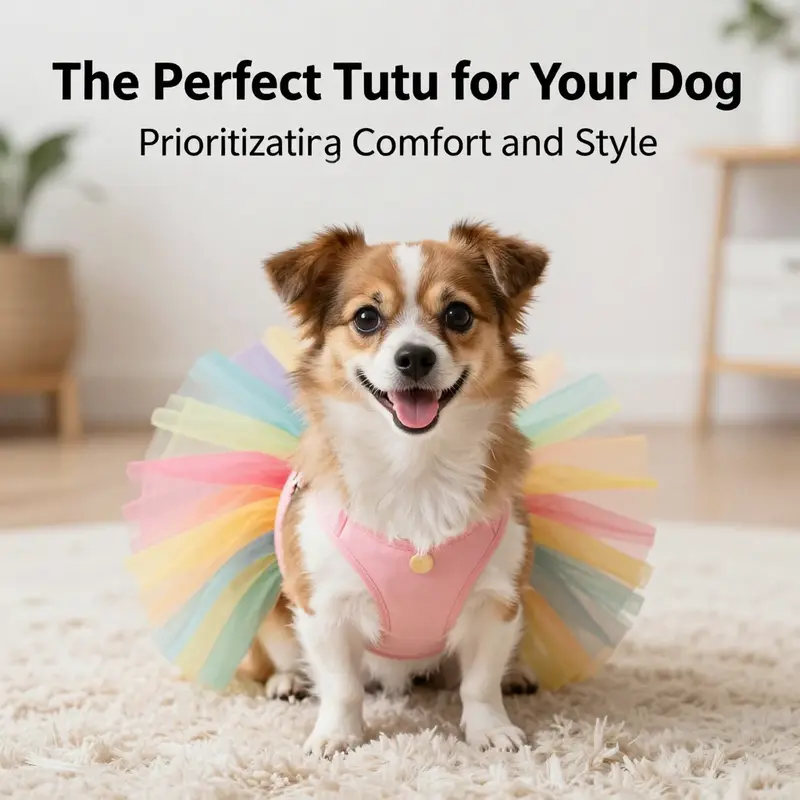
在结尾处,我们回到一个简明的结论:穿 tutu 的核心价值,来自对狗狗个体需求的尊重与对健康的保护。这不仅是关于外观的讨论,更是关于怎样让爱与关怀在日常照护中具体化的实践。若你愿意把这份关心落实到具体的行动上,先从自我评估开始:你的狗狗愿意参与吗?它的动作是否流畅、尾巴是否活跃地摇摆、呼吸是否平稳?如果答案是肯定的,你们之间的信任就已经在这件简单的裙摆上得到印证。若答案是否定的,那么请相信,减少穿着的频次、降低裙摆的长度或重量、选择更柔软的材料,往往能在短时间内带来明显的改观。最重要的是,保持开放的沟通:让狗狗知道,你的关心不是强迫,而是共同探索一个更舒适、快乐的生活方式。这种态度本身,就是对它的最大尊重。为了帮助你在实践中保持科学与温柔的平衡,以下是一个可供参考的外部资源,提供关于宠物穿着的健康性与安全性更全面的观点。您可以在需要时查阅:https://www.avma.org/resources/pet-owners/pet-care/choosing-appropriate-clothing-accessories-pets。此外,若你希望在初次尝试时获得一个友好且直观的选项,建议先查看基础款的类别,以便在不增加额外负担的前提下尝试狗狗对裙摆的接受程度。相关选项可在基础款蓬蓬裙的分类中找到:基础款蓬蓬裙选项。通过这些资源与自我观察的结合,你们的穿衣旅程将更加稳妥,也更可能成为彼此之间温柔互动的美好记忆。最终,真正的美丽来自于彼此之间的信任、尊重与关爱——而不是单纯的视觉效果。
透气与柔软并行:为狗狗 tutu 精挑细选的材料之道

为狗狗挑选 tutu 时,材质往往决定了这件小衣裳能否成为愉快的日常体验,而非仅仅是一种外观上的点缀。可爱的外表固然重要,但对它们来说,穿着的舒适、呼吸的顺畅以及体温的稳定,才是服装的核心功能。研究和专业意见都强调,优先考虑透气、柔软的材料,避免高密度、易闷热的面料与刺激性质地。只有在这样的前提下,孩子般的兴奋和尾巴的自然摆动,才会与主人在镜头前的笑容共同留存。关于 tutu 的材料选择,本文聚焦两类被广泛认可的方案:透气棉布与透气网孔针织布料。这两种材料在触感、透气性和耐用性之间取得了平衡,既能保护皮肤,又能让小家伙在活动中自由呼吸。市场上常见的合成网纱若处理不当,可能带来过热感和皮肤刺激,因此在设计时必须避免让它成为热量的陷阱。透气性并非仅仅是“空气流动”那么简单,它还意味着面料应在接触皮肤的区域降低摩擦,避免因持续刺激而引发红疹、瘙痒或出现逃脱意图。将透气性与柔软性结合起来,等于是给狗狗提供一个舒适的呼吸空间,同时让裙摆在运动时不会像硬物那样限制体态。对于初次尝试 tutu 的主人来说,理解材料的科学性,远比盯着颜色和闪光装饰更为重要。若要从根本上提升穿着体验,优先选用两类材料中的任意一种,辅以合理设计,使裙摆不过于厚重、结构不过于紧实。此举不仅有助于降低高温下的中暑风险,还能减少皮肤摩擦对健康造成的潜在影响。为了避免混淆,我们可以将材料选择看作一个从自然到人工、从贴身到外观的连续体。自然材料如透气棉布在皮肤亲和度上往往更高,能在较温和的夏季环境中提供稳定的舒适感;而透气网孔针织布料则通过更细的孔隙结构,提升整体的气流交换,特别是在活动量较大或温度偏高时,能更有效地排汗与散热。重要的是要记住,透气并不等同于“薄弱”或“易撕裂”,因此在剪裁和缝制时,仍需保持结构的合理性,确保裙摆在狗狗奔跑、转身时不易变形,且腰部与胸部的贴合处不过分紧绷。研究与实务结合的建议是,在腰带与内衬部分使用柔软、低摩擦的材料,以缓解腹部区域的压力与摩擦。透气棉布作为腰带的衬里,能显著减小腹部的摩擦带来的不适;透气网孔布或轻质欧根纱则在视觉效果与透气性方面表现出色,兼具美观与舒适的平衡。与此配套的设计原则,还包括避免在衣物上使用粘合装饰、金属丝线或粗糙标签等可能刺激皮肤或划伤的元素。这些细节看似微小,却直接关系到狗狗对衣物的耐受度与情绪反应。对主人而言,选择材料时应把“健康优先、舒适为先”作为出发点,权衡视觉效果与功能性的关系,而非单纯追求时尚感。正如兽医行为专家所强调,宠物服装的目标不是限制自然动作,而是应当与自然姿态相辅相成,帮助狗狗在日常生活中保持自由、放松与尊严。理解这一点,能让你在拍照、散步、游玩等场景中,看到的不再是紧绷的衣物,而是狗狗自信的步伐与灵动的尾巴。为了帮助主人把握材料的选取与实际应用,经验的积累往往来源于对个体差异的尊重。就像同一品种的狗狗,其体型、肌肉分布和皮肤敏感度都可能不同,甚至在同一只狗身上,不同季节的毛量变化也会影响穿着体验。正因如此,逐步尝试、观察并调整,是实现“美观与健康并存”的关键步骤。对许多主人而言,裙摆的长度、材质的重量以及腰带的松紧,都是需要实地感知的变量,而不是凭空想象的理想值。合适的尺码、恰当的裁剪和柔软的腰部设计,能让裙摆在运动中顺滑摆动,而不会牵扯到毛发与皮肤的摩擦,也不会阻碍狗狗排泄或自然奔跑的节奏。为了确保尺码的准确,本文在前文也强调,不能仅凭单一尺码表就做决定。即使是同一品种,胸围、背长、颈围的差异也可能导致“看起来合适却实际不舒适”的尴尬场景。因此,实际测量仍然是王道:颈围、胸围和背长三项关键尺寸,需在狗狗放松状态下进行测量,确保在颈部留出两指的空间,在胸部最宽处留出适度余量,以便裙摆不压迫胸腔而影响呼吸。背长的测量则决定裙子覆盖的程度,过长会影响行动,过短则可能露出腹部或限制尾巴的摆动。即使狗狗已成年,建议每次购买衣物前都重新测量,因季节变化、体重波动和毛发长度的改变都可能改变体型比例,从而影响穿着舒适度。对于初次尝试 tutu 的主人,这一点尤为重要,也更能帮助你避免不必要的返修与浪费。如果愿意进一步了解不同款式的基础结构与内里的材料差异,最近的网上资源中有一个专门聚焦于基础 tutu 的分类页面,那里以清晰的结构帮助新手理解不同裙摆长度、衬里与腰带设计之间的关系。你可以通过以下链接浏览:
Precision in Sizing: How Accurate Measurements Make a Dog’s Tutu Truly Comfortable
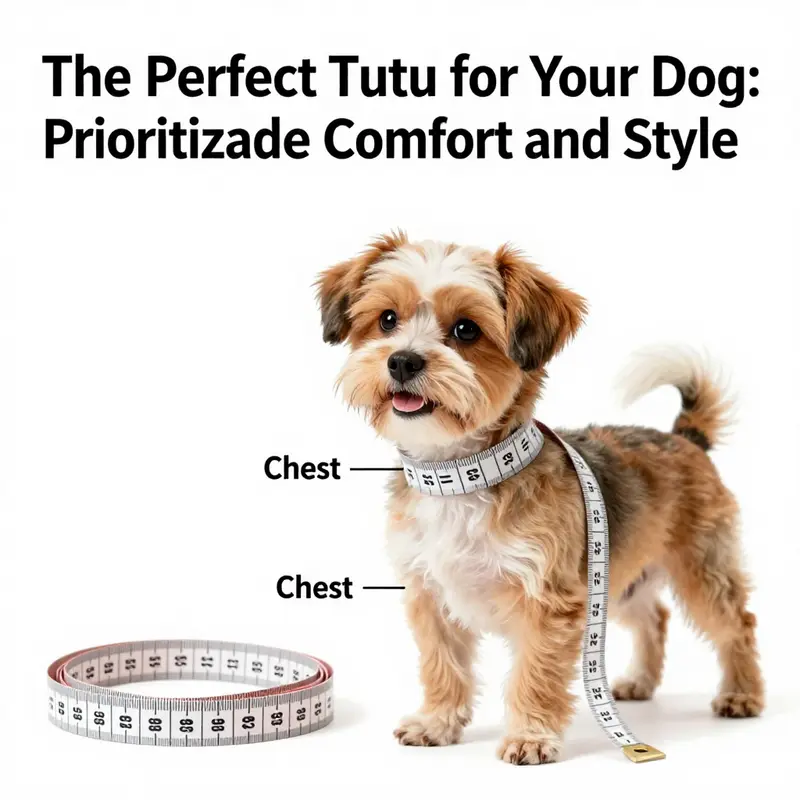
Choosing a tutu for a dog goes far beyond fashion. It begins with a careful, almost intimate understanding of the animal’s body, movement, and comfort. In the rush to capture a perfect photo or a festive moment, size is the quiet gatekeeper between adorable presentation and real discomfort. The central idea of this chapter is simple but transformative: precise measurements unlock a tutu that respects the dog’s physiology, breath, and energy, allowing the wearer to move naturally rather than merely pose. This is not about squeezing a doll into a costume; it is about aligning cut, fabric, and fit with the dog’s anatomy, habits, and moment-to-moment needs. When done with care, measurement becomes a pathway to trust and joy, not a hurdle to overcome for the sake of appearance.
Every dog is a unique blueprint. Even within the same breed, the skeleton may tilt toward a different silhouette, the chest could be deeper, the back a touch longer, the necks more compact, or the waist more pronounced. The guide you will follow combines established veterinary and behavioral wisdom with practical tailoring insight, all aimed at a tutu that feels like a natural extension of the dog rather than a foreign object attached to it. The premise remains constant: comfortable, well-measured clothing reduces anxiety, supports healthy thermoregulation, and preserves mobility. The first and most important step is measurement, done with patience, accuracy, and a watchful eye on the dog’s responses. If the dog shows even small signs of stress—excessive panting, trembling, attempting to flee, or a stiff gait—pause, remove the garment, and reassess.
The practical essence of accurate sizing lies in three core measurements: the shoulder height, the body length, and the chest girth. Each yields critical information about how a tutu will sit along the torso, how much coverage the skirt should provide, and how loosely or tightly the belt should clasp around the abdomen. Shoulder height, measured from the highest point of the withers straight down to the ground, informs whether the tutu’s top portion will sit properly over the shoulders and whether the belt should rest comfortably behind the ribcage rather than pressing into the armpit region. Body length, measured along the spine from the back of the neck to the base of the tail (excluding the tail itself), determines how far forward and backward the skirt will extend. If the belt sits too far forward, it can hinder the forelegs; if it sits too far back, the waistline shift might tug on the skirt and restrict movement. Chest girth, measured around the widest part of the chest just behind the front legs, is perhaps the most practical anchor for sizing, because it directly affects how much room the blouse-like portion of the tutu belt will have to breathe without compressing the lungs.
A truly careful measurement session begins with a calm, natural standing posture. The dog should stand as it would during a normal walk or rest, not forced into a rigid pose. This is essential because many dogs display a temporary tension when they know they are being measured, and that tension can distort the numbers. A repeatable measurement protocol helps to counteract that reflex. The rule of thumb is simple: measure more than once, ideally two or more times, and compare the results. Subtle variations—perhaps the dog shifted weight or the hair around the neck brushed against the soft tape—can produce small discrepancies. In the end, the goal is to capture a snapshot of the dog’s true silhouette in a moment of stillness that doesn’t involve pinning, pressing, or squeezing. Never press along the fur or compress the coat; let the soft tape lie gently along the body’s contour to reflect the actual body shape beneath the hair.
To make the process practical, imagine a conversation between the measurement tape and the dog’s needs. The shoulder height tells you how far the tutu’s top edge should sit from the withers to avoid pulling at the neck. If a dog has a pronounced withers and a shorter neck, you may find a belt that sits slightly lower along the chest to avoid slippage and to prevent the skirt from riding up when the dog moves. The body length guides the skirt length and the belt’s reach across the back. If the back length is short, a longer skirt can look charming but may bunch up when the dog crouches or twists; conversely, a very long back often benefits from a tutu with a shorter, neater skirt to keep the hind legs free and visible. The chest girth is a live counterpoint to the belt’s diameter. A belt that is too tight risks restricting breathing, while one that is too loose can slip during a quick turn or a wag of the tail. Extra consideration should be given to the belt’s closure—Velcro or adjustable ties work well because they accommodate minor fluctuations in body condition due to weather, activity, or the shedding cycle.
For dog owners who want a practical starting point, the measurement routine can be summarized in a simple, repeatable cadence. First, measure shoulder height with the dog standing naturally. Record the distance in inches or centimeters, and then move to the body length by placing the starting point at the base of the neck, just behind the occipital bone, and tracing a straight line to the tail base—do not include the tail in the measurement. Finally, wrap the soft measuring tape around the chest at the widest part just behind the front legs. Ensure the tape passes over the shoulder blades in a straight line and lies flat against the skin without squeezing the fur. These three numbers become the backbone of the sizing decision.
An important practical nuance is that fit is not just about measurement; it is about how the garment interacts with movement, breathing, and heat exchange. The dog’s coat, skin sensitivity, and general tolerance for clothing influence how the tutu should be built. If the dog’s coat is thin or a low-chill breed requires warmth, you might prioritize a belt with a breathable cotton lining and a waistband that distributes pressure evenly rather than concentrating it in a narrow band. If you live in a warmer climate or anticipate light activity, a tutu with airy tulle may seem visually delightful, but it can trap heat if the fabric doesn’t have sufficient ventilation. In such cases, selecting a design that substitutes synthetic tulle with a breathable mesh or organza-like fabric can provide similar visual appeal while preserving comfort. The weave, the texture, and the finish around the waist all contribute to whether the dog feels cozy or encumbered.
A useful way to think about the design is to prefer adjustable, modular elements over fixed, rigid structures. A belt with adjustable Velcro gives you the latitude to fine-tune the fit after the dog has worn the tutu for a few minutes. If you find that the chest measurement lands near the edge of a size category, you should consider choosing the next size up and then adding a carefully placed belt or waist insert to secure the fit. This avoids the risk of a waistband that rides up into sensitive areas or a skirt that drags the hind legs because the belt is too short. The most mindful designers and guardians also evaluate the tutu’s overall weight. A light-weight waist band and a skirt that settles just above the hock can help prevent the dog from tripping on the hem or getting caught on the furniture during a playful moment.
The measurement session is only the first part of a broader care plan. As with any clothing put on a dog, the aim is to reinforce a positive association. You can begin the process with a quiet, indoor introduction where the dog can explore the garment while it rests on a plush mat. The dog should be able to sniff, investigate, and retreat as needed without pressure. Then proceed to a short trial wearing, perhaps five to ten minutes in a familiar room while you offer praise and a small reward. Increase the time gradually, watching for any sign of distress—exaggerated panting, a stiff body, ears laid back, or a tail tucked. The moment you observe distress signals, pause and reduce the duration. The goal is to create a calm, pleasant association with the costume, not to coerce a reaction or “perform.” If the dog refuses to settle, you may need to reassess the design, perhaps opting for a simpler belt or a shorter skirt until confidence grows.
There is a subtle but essential connection between measurement and daily life. The tutu should not obstruct the dog’s ability to urinate, defecate, or stretch out for a comfortable nap. Dogs rely on tail movement for balance and communication; a skirt that tangles with the tail or blocks the tail’s natural arc can disrupt these essential cues and contribute to anxiety. The gloss of appearance must never override welfare. A well-measured tutu respects the body’s needs, supports the dog’s freedom to move, and honors the dignity of the animal while still allowing the human companion to enjoy the moment of charm.
When it comes to sourcing the garment, you will encounter a spectrum of options designed for comfort and style. Some designs feature a soft cotton waistband paired with a breathable outer layer, while others lean on a more decorative, less forgiving fabric. You can think of the best choice as one that aligns with three values: comfort, mobility, and ease of care. Comfort means the belt is snug but not constricting, the fabric is gentle on the skin, and the skirt does not overwhelm the dog’s hindquarters. Mobility means the skirt’s length and weight permit free walking, jumping, and lying down without pinching or snagging. Ease of care means the garment can be cleaned with minimal effort and withstand repeated wear and washings without losing shape or color. While it is tempting to chase novelty, the most dependable pieces are those that honor the dog’s well-being through a balanced design.
As you consider the range of options, it can be worthwhile to consult an accessible resource that helps translate measurements into a fit that truly works for your dog. The Basic Tutu category provides a practical starting point for evaluating different silhouettes, size ranges, and adjustment features. You can browse that collection to get a sense of how belts are shaped, where skirts begin and end, and how the overall silhouette interacts with different body types. By looking through a curated set of options, you can better imagine how your measurements map onto a real garment and how the guardrails of size charts translate into a comfortable, aesthetically pleasing fit. Basic Tutu category can be a useful reference as you plan a trial. This approach keeps the focus on comfort and function while still allowing for the joy of styling and adorning your canine companion.
Ultimately, precise measurement is a gift you give your dog. It is the foundation for a tutu that stays in place during movement, breathes well, and respects the dog’s individuality. It is also a reminder that the cutest moment is the one where the dog is relaxed, wagging, and fully present in the life you share. The measure of success is never the photograph alone; it is the quiet, unforced behavior—the tail that wags with delight, the ease in the body when the tutu moves with the dog, and the sense that the garment exists to enhance the dog’s experience, not to restrict it. As you embark on this journey, carry with you a patient, observant mindset. Take your time with each measurement, test, and adaptation. The result will be a tutu that feels like a natural part of your dog, not an ornament forced onto it.
For additional context on securing comfort through mindful design and careful measurement, external guidance reinforces the principles discussed here. Experts emphasize that clothing should never alter the dog’s posture, gait, or thermoregulation in a way that could create distress or health risks. To explore thorough expert tips on safety and comfort, consider reviewing the following resource: https://www.dogtime.com/dog-health/41235-how-to-keep-your-dog-safe-and-comfortable-while-wearing-a-tutu-dress-expert-tips. This external reference echoes the core tenets of careful fit, gentle introduction, and ongoing observation, which together safeguard the dog’s well-being while allowing the joy of dressing and posing to shine.
In the end, the art of measuring for a dog tutu is less about achieving a flawless fit on the first try and more about cultivating a respectful, collaborative process with your canine companion. The right measurements arrive not only as numbers on a chart but as a deepened sense of trust between you and your dog. With patience, small adjustments, and mindful attention to movement and comfort, you create a shared experience that celebrates beauty and well-being in equal measure. And if the moment arrives when the dog’s tail stops wagging or the dog begins to scratch more than usual, it is a sign to step back, reassess, and choose a path that preserves the dog’s happiness above all else. The true charm of a tutu is measured not by the clip of a camera shutter but by the relaxed, confident stride that follows a well-fitted garment—and in that simple alignment, both dog and guardian discover a more meaningful, mutually respectful kind of adorable.
循序渐进地适应:为狗狗穿上 tutu 的温和、科学训练之路
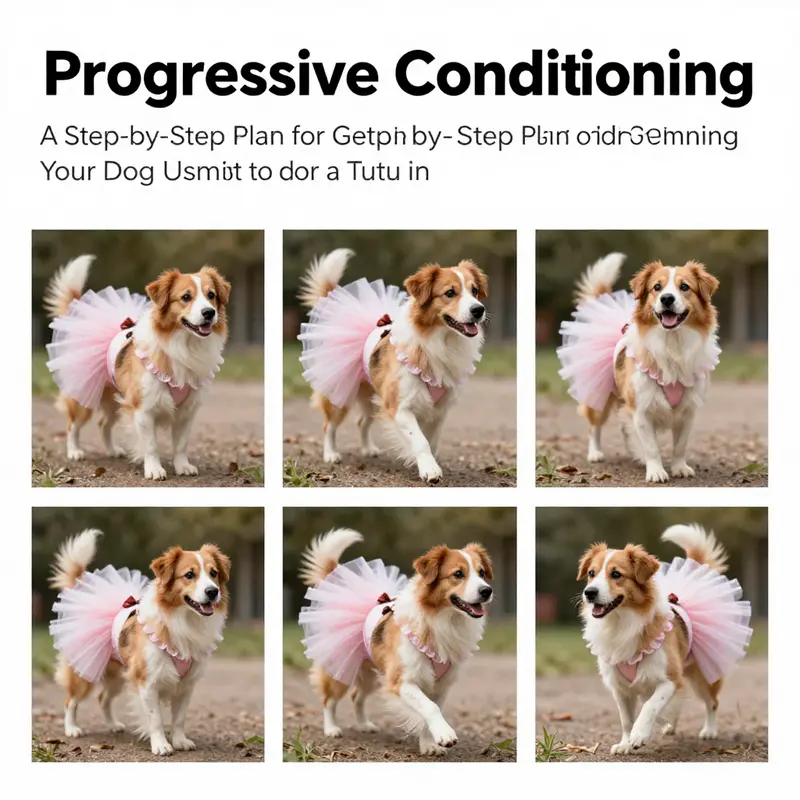
把对可爱外表的向往放在第一位,真正的关怀是让狗狗在穿着 tutu 的过程中感到舒适、安全、自在。围绕“循序渐进地适应、以积极体验为核心”的训练路径展开,我们需要理解个体差异、精选材质与尺寸、建立积极联结、逐步增加穿戴时间,并始终关注身体信号,将穿衣变成共享、愉悦的经历。下面给出一个可落地的生活框架,帮助你和你的狗狗在日常生活中共同探索 tutu 的可能性,而不是一次性、以美为唯一目的的尝试。
Final thoughts
The appeal of dog tutus goes beyond their looks; they can bring joy when designed with a dog’s wellbeing in mind. By selecting soft, breathable fabrics, taking precise measurements, and pacing gradual acclimation, business owners can produce products that blend fashion with comfort, creating positive experiences for dogs and their owners.