
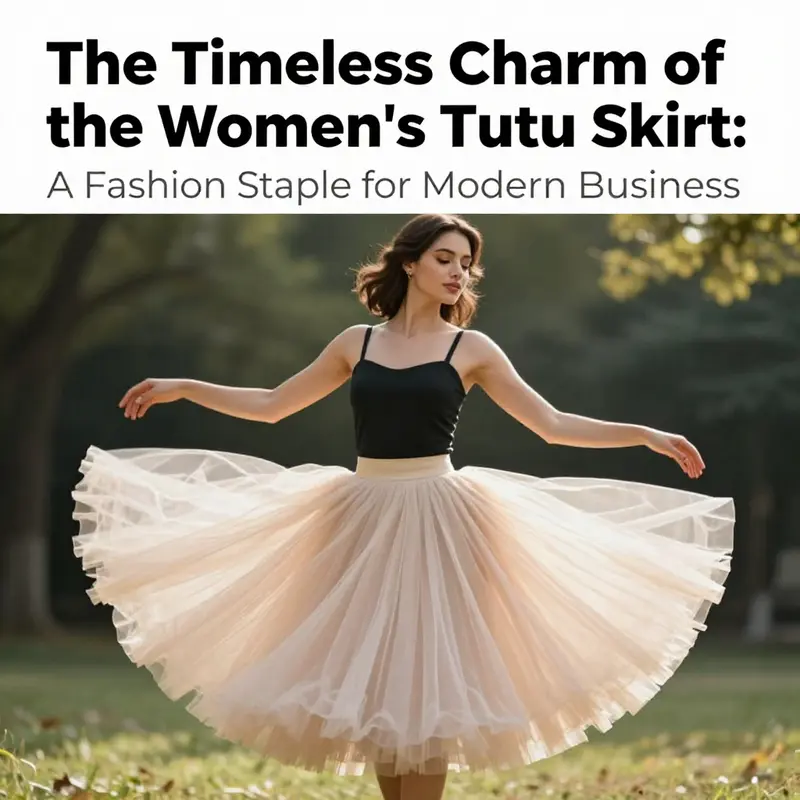
The women’s tutu skirt, once a hallmark of classical ballet, has transcended its decorative origins to become a versatile clothing staple in contemporary fashion. This article investigates the journey of the tutu skirt, its modern interpretations, practical features, cultural impact, and advice on choosing the right one. Through these chapters, business owners can gain valuable insights into how this charming garment can be an asset in their product offerings, contributing to both fashion aesthetics and customer satisfaction.
From Stage Whimsy to Everyday Glamour: Modern Interpretations of the Women’s Tutu Skirt
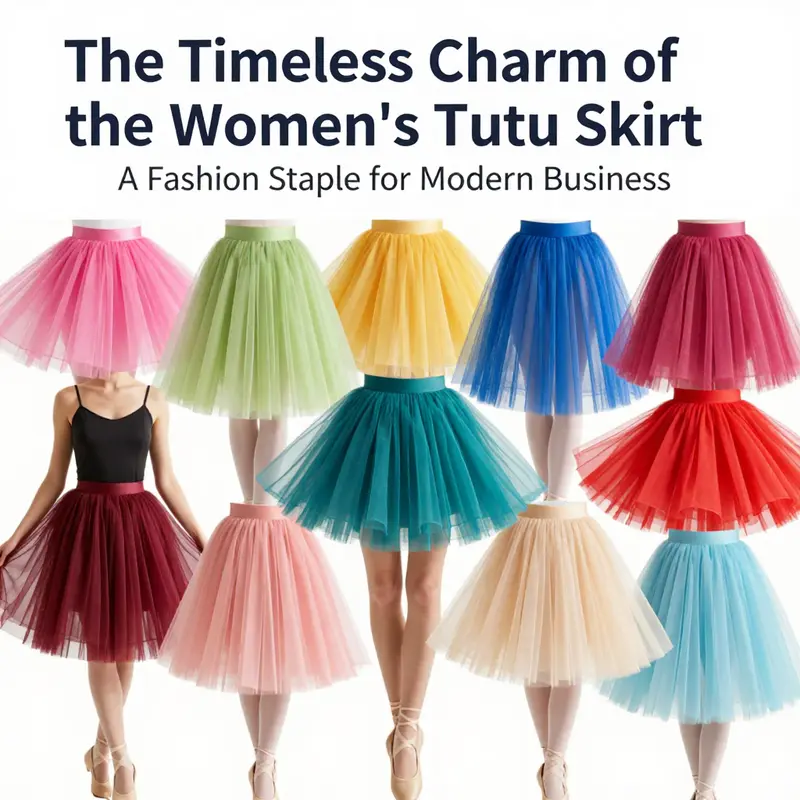
The tutu skirt has traveled a long, animated arc from the practiced poise of ballet to the unscripted tempo of daily dress, and today it resonates with a kind of contemporary whimsy that feels both theatrical and approachable. Its signature volume, created by layered fabrics that flare away from the body, once spoke in the specific cadence of a stage, where every movement was choreographed to read from the back of a room. Now, in streets, studios, weddings, and weekend gatherings, the same silhouette translates into a statement that moves with the wearer rather than dictating a precise pose. Modern interpretations acknowledge the tutu’s heritage while inviting it to flex with modern fabrics, new textures, and a broader palette of wearability. The result is a garment that can shimmer at a festival, partner with a slim knit for a quiet evening, or play a pivotal role in a contemporary wedding without losing its signature lift and sense of fun. And as with any fashion evolution, the change is less about abandoning origin and more about recombining it with the needs and rituals of present life. The tutu skirt has become a canvas that captures movement as a form of expression, not merely a costume, and that distinction matters when the garment is pulled into daily routines rather than saved for a performance.
Materials have become a primary channel through which modern designers redefine the tutu. Traditional stiffness gave way to softer, stretchable tulle and blended net fabrics that maintain fullness while granting the wearer more control over fit and comfort. The classic body-skimming fit of a bodice, once paired with rigid layers, now often integrates elasticized waists and flexible linings. The result is a silhouette that retains its dramatic flare yet feels approachable enough for long outings, dances, or photo-ready moments. Designers frequently combine tulle with mossy textures of lace, the smooth sheen of satin, or the airy breath of soft mesh. This textural play invites light to glide across the surface in a way that makes the skirt feel like a living sculpture rather than a fixed sculpture. The eye travels across multiple planes of fabric, and each angle offers a new shimmer as the wearer moves. The fabric choices matter not only for aesthetics but for behavior: stretch tulle breathes with the body, mesh adds another layer of flexibility, and delicate overlays deliver a whisper of elegance without sacrificing the ease needed for everyday wear.
Design innovations have also expanded the tutu’s vocabulary beyond the conventional round silhouette. Hemlines are no longer uniformly even; asymmetrical layers or slightly varied lengths give a sense of unruly charm that still respects the tutu’s core drama. Textural contrasts are used to signal different moods: a lilac haze atop a soft, matte base can feel romantic, while a black or jewel-toned layer might ground the look with a more modern, city-ready edge. Color palettes have widened correspondingly—from the familiar pastels to bold, saturated neons that catch light from unexpected angles. In practical terms, designers are balancing visibility with wearability. A tutu that reads as festive in daylight can still pair with a sleek blouse for a city night; a shorter version can feel playful without crossing into costume. The result is a spectrum of options rather than a single silhouette, all preserving the tutu’s essential attribute: a capacity to amplify movement and mood in ways that feel almost cinematic.
The way these skirts are styled has shifted in tandem with production changes. Modern tutu skirts frequently appear in casual ensembles that emphasize ease and playfulness. A mini tutu paired with a simple crop top creates a youthful, energetic vibe that can read as both streetwear and night-out fashion, depending on accessories and footwear. On the other end, larger, more voluminous versions sit comfortably with oversized sweaters or structured jackets, offering a contrast that reads as deliberate and chic rather than overly theatrical. In this balance between whimsy and poise, the tutu becomes a versatile layer rather than a focal point that demands a specific kind of top or shoes. And for those embracing bridal fashion, contemporary tutu-inspired silhouettes offer a soft, romantic alternative to more traditional wedding gowns. Reception ensembles, in particular, can borrow the tutu’s airy drama without overwhelming the overall look; a subtle skirt with a refined bodice can feel both formal and festive, aligning with the celebratory tone of the occasion while preserving a sense of personal whimsy.
What makes the modern tutu a true wardrobe staple is its adaptability across settings and bodies. The silhouette’s visual trick—the way voluminous layers cinch the waist and elongate the legs—remains its most flattering note. When paired with the right top and shoes, the same skirt can skim the line between playful and polished. The wearer’s stance, stride, and even breath become part of the design language, as the layers respond to tension and release in a way that a more rigid garment cannot. This responsiveness is particularly welcome in eras of casual chic, where comfort and character must coexist. The tutu’s presence in seasonal collections is less about rebranding a classic and more about reimagining the drama in a way that doesn’t require a stage. It is a reminder that fashion can honor history without being captive to it, and that a garment born to reveal movement can become the engine of new kinds of personal expression.
Material and construction choices are as much about wearability as aesthetics. The modern tutu often relies on softer, more forgiving constructions that still honor volume. The elasticated waistband, a fixture of many contemporary designs, anchors the garment with ease and security, while inner linings prevent clinginess and contribute to smooth draping over the hips. The layering may be fewer in number than in a traditional stage piece, but the layers are cut with an eye toward flow and bounce. This gives the fabric room to move with the wearer, which is crucial when the garment is intended for day-to-night use. It also means the tutu can be machine-washed more reliably than older, stiffer counterparts, a practical advantage for families and busy adults alike. The shift toward practicality does not diminish its theater; it democratizes it. The result is a garment that invites experimentation—mixing with casual basics during the day and pairing with more polished pieces for evening events—without asking for a separate, ritualized wardrobe ritual.
In discussing the modern tutu’s place in a contemporary closet, it’s useful to think of it as a flexible tool for storytelling through clothing. A tiny tutu skirt can translate a look from a casual urban scene to a festival setting, while a longer version can add graceful volume to a formal gathering without feeling out of place among tailored fabrics and minimalist accessories. The allure lies in its capacity to amplify a moment—whether that moment is a snapshot of street style, a portrait at a wedding, or a candid celebration with friends. The texture and color choices invite the wearer to narrate a mood; a pale, sheer overlay might whisper romance, while a glossy satin layer can shout confidence. The tutu, therefore, becomes less about a single identity and more about a flexible character that can evolve with the wearer’s ambitions for an outfit.
To explore the possibilities that align with everyday life, the basic tutu category offers a straightforward entry point for those curious about the silhouette’s contemporary iterations. For a sense of the everyday range, explore the basic tutu category.
As fashion continues to blur the boundaries between performance gear and streetwear, the tutu skirt stands as a compelling example of how a historical silhouette can transform when designers prioritize movement, comfort, and versatility. The modern tutu is not a relic of the proscenium but a living, breathing piece that can be worn with almost anything, in almost any setting. Its fullness is not a constraint; it is a canvas for color, texture, and motion. The garment invites wearers to step into a space where whimsy meets practicality, where drama can be tempered by ease, and where the personal narrative of style can unfold with every step. In this way, the tutu’s evolution mirrors a broader shift in fashion: the move from fixed silhouettes to adaptable wardrobes that celebrate movement, individuality, and the art of dressing with intention. The result is more than a trend; it is a repertoire piece that people can reach for again and again, adding a touch of theatrical charm to everyday life while honoring the roots that gave it its distinctive lift.
External resource for further context and material trends can be found here: https://www.alibaba.com/product-detail/Tutu-Skirt-for-Women-Circular-Voluminous-Garment-Constructed1601435927864.html?spm=a2700.galleryofferlist.poffer_list.1.6b1f1e3dLqoHgX&urlShow=true
From Brunch to Ball: The Art of Styling the Women’s Tutu Skirt Across Occasions
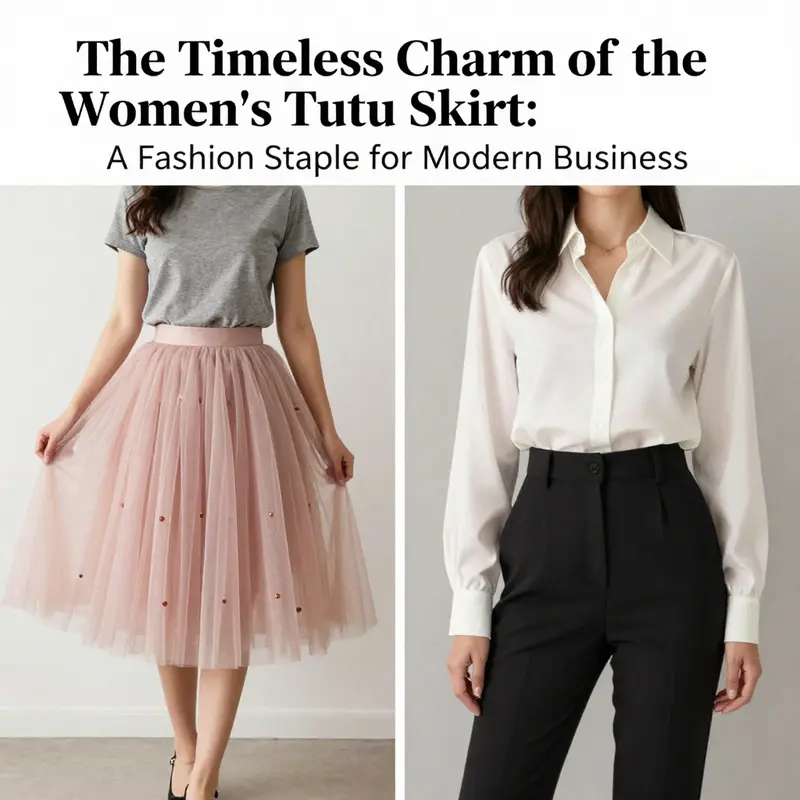
A tutu skirt carries the memory of stages and the spark of street corners in equal measure. Its layered silhouette, built from fluttering tulle or light mesh, has a way of catching light and air at once, creating a halo around movement. The ballet origin is not a gimmick; it is a design principle: volume that reads as motion, a frame that celebrates every step. When you translate that energy from a theater to a cafe or a ballroom, the key is proportion. The same fabric that swirls with a dancer’s spins can become a quiet veil of texture when paired with the right top, the right shoes, and the right mood. This chapter follows that logic, drawing a through line from fabric construction and silhouette to styling choices that suit daytime errands, formal gatherings, and the spaces in between. The tutu, in its modern avatar, asks for thoughtful restraint even as it invites expressive flair. It asks for a balance between whimsy and polish, gesture and restraint, drama and ease. And it offers a visual shorthand for how a single garment can narrate multiple stories across a calendar of occasions. In practice, this means recognizing that the skirt’s body is a canvas. Its tulle layers create volume, but the way you cut and line those layers determines whether the result reads as ready-to-wear whimsy or poised sophistication. The waistband, too, matters. A snug, elasticized waist holds the silhouette steady, while a subtle lining keeps the look from collapsing into sheerness. The result is a flexible foundation that supports a wide spectrum of ensembles without demanding radical wardrobe changes. If you’re exploring this silhouette for everyday wear, starting with the Basic Tutu collection gives you a reliable baseline to gauge how scale, fabric, and color interact with your own proportions. Basic Tutu collection. This is not a prescription but a starting point—an invitation to test how the skirt sits, how it moves, and how far you can push the look before it loses its core identity: a garment that communicates energy through shape.
The casual daybreak moment is a practical laboratory for the tutu. A soft, pale shade in a mini length feels approachable when anchored with a fitted top and simple footwear. The trick is to let the skirt do the talking while the rest of the outfit remains quiet. A graphic tee, slightly mischievous but not loud, can pair with the tutu to signal playful confidence. A denim shirt, tied at the waist, adds structure and touch of casual ease. The aim is to keep the eye moving: the eye travels from the fabric’s surface to the body’s line, then returns to the fabric as it catches the light with each stride. Footwear anchors the tone—white sneakers for innocence and ease, or a low ankle boot for a touch of urban chic. Minimal jewelry—a delicate pendant, small hoops—prevents competing with the volume of the skirt and preserves the sense that the silhouette itself is the focal point. These daytime looks are less about runway drama and more about how a tutu can translate into a confident, comfortable personal style that travels easily through errands, meetups, and casual workdays. The beauty is in how the layers respond to movement: a walk to the market becomes choreography in slow motion, a casual venturing into a city square becomes a living canvas where color and texture switch places with each step.
When evening approaches, the tutu skirt reveals a different facet. The same layers can glow with a more refined energy if chosen with the right fabrics, colors, and attention to proportion. Rich jewel tones or metallic sheens lift the look into a formal register without erasing the whimsical core. A high-waisted silhouette enhances posture and creates a clean vertical line, balancing the skirt’s volume and keeping the waist visually defined. A structured blazer or a sleek satin camisole can anchor the outfit, offering a counterpoint to the tutu’s buoyant energy. In a formal setting, the fit around the bodice matters: a tailored top that drapes close to the body avoids overwhelming the eye with bulk, allowing the skirt to remain the stage’s star. For footwear, strappy sandals with a modest heel or pointed-toe pumps continue the elongation of the leg while maintaining elegance. Accessories should be considered as punctuation rather than a chorus. A pair of statement earrings or a sculptural clutch can punctuate the look, but they should never compete with the skirt’s silhouette. The overarching aim is clarity: the tutu reads as a single, confident gesture rather than a mosaic of competing parts.
The tutu’s versatility also extends into work and professional environments, where the aim is to fuse creativity with polish. In creative industries, a tutu skirt can be paired with a crisp blouse in a restrained color, or with a knit shell that hugs the torso and allows the skirt’s volume to breathe. A cropped or tailored blazer can reframe the lower half into a disciplined shape, while keeping the legs free to move. Neutral tones—charcoal, navy, taupe, or deep forest greens—offer sophistication without sacrificing the skirt’s light, airy feeling. The trick here is to maintain a clean line: no excessive frills, no sheer overlays that complicate the practicalities of a workday. A built-in lining gives the skirt its confidence, and a modest length keeps movement appropriate for office settings while still delivering the character of the silhouette. The tutu in a professional context becomes less a costume and more a statement necessity, a reminder that style can be practical and expressive at once. Layering a fine-knit top or a structured shell over the tutu skirt is a strategy that respects both form and function, letting the garment transition from brainstorming sessions to after-hours events without losing its core charm.
Seasonal transitions offer another lens through which to view styling. In colder months, the tutu invites textures that add warmth and depth. Opaque tights, knee-high boots, and a heavy coat or long cardigan can turn the look into a frosty editorial while preserving the skirt’s lightness. In warmer weather, the skirt benefits from airy fabrics and breathable tops—tank tops or light blouses—that reveal less coverage while maintaining a sense of ease. The secret is to balance coverage with scale: if the top is slender, the tutu can be fuller; if the top bears volume, a sleeker lower half creates harmony. Body shape and proportion play a critical role in these choices. A higher waist cinches the midsection and helps balance broader hips, while someone with a longer torso might opt for a shorter skirt to keep the line of the leg elongated. Conversely, those seeking drama may embrace a longer tutu with fewer layers, creating a more streamlined silhouette that still captures movement. The fabric’s texture can also guide weight distribution: a stiffer tulle holds its shape more dramatically, while a softer mesh invites a softer, more fluid drape. These subtleties matter because they influence how a person feels wearing the garment—and how others perceive the balance between whimsy and poise.
A complete look isn’t only about the skirt and top; it’s about the story told by the accessories and the way the outfit supports movement through space. Shoes that align with the skirt’s energy—minimal but purposeful for daytime, refined and elegant for evening—are essential. Jewelry should echo the silhouette’s narrative: delicate, reflective pieces that catch the light as you move. Bags, too, should be chosen with care, leaning toward sleek, structured shapes that don’t toss off visual weight. The tutu can carry a strong fashion message without shouting. Its voice is soft at the edges—an echo of romance, an imprint of confidence.
Ultimately, the modern woman’s tutu skirt is a versatile instrument for self-expression. Its value lies not in adhering to a single rule but in understanding how fabric, cut, and color collaborate with your own body and your plans for the day. The skirt teaches a fundamental fashion lesson: the way you piece together garments speaks as loudly as the garments themselves. The goal is to honor the garment’s history while embracing contemporary practicality, so the tutu remains not a costume but a companion for daily life. When you approach styling with curiosity, you discover new ways to move—through conversations, through work, through a night out—without losing the garment’s essential charm. External readers can explore practical perspectives on tutu styling from contemporary style voices, which offer fresh ways to interpret volume, proportion, and color. For further reading, you can consult resources that translate runway ideas into wearable guidelines. Style guides of this kind emphasize how a tutu skirt can be a flexible foundation for various contexts while maintaining a sense of whimsy that remains appropriate to the moment. External resource: https://www.stylecaster.com/tutu-skirt-styling-guide/.
Movement in Layers: The Practical Craft Behind the Modern Women’s Tutu Skirt
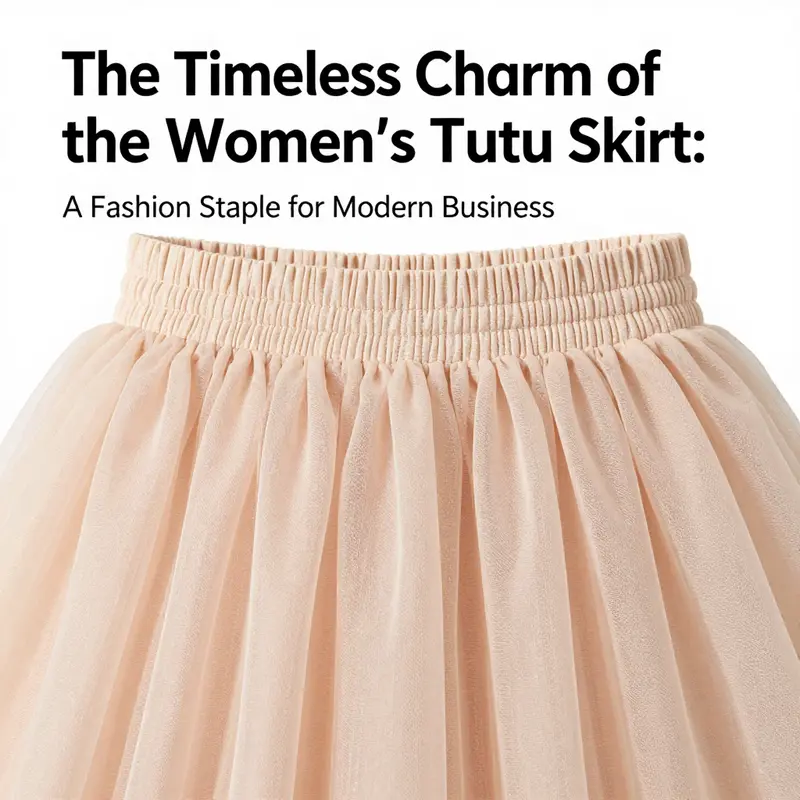
The tutu skirt, in its most functional sense, is a study in how form and function can dance together. Its short, layered volume is not merely a visual flourish; it is a carefully tuned design that enables freedom of movement while preserving a silhouette that feels whimsical, polished, and deliberately dramatic. The practical features of this garment arise from a thoughtful balance between lightweight material, structured layering, adaptable fit, and enduring comfort. When these elements come together, the result is a garment that reads as both performance-ready and everyday wearable. The modern tutu skirts that appear in fashion scenes, stage productions, and street-style photos convey a sense of playfulness without sacrificing practicality. They are designed to be light on the body, easy to move in, and resilient enough to withstand frequent wear and multiple wash cycles. The layers of fabric—primarily a fine, net-like material—are chosen not only for their buoyant effect but for breathability and quick recovery. Each layer contributes to a halo of volume that catches light and movement, yet the fabric remains flexible enough to bend and sway with the body rather than cling or restrict. The result is a garment that invites motion, emphasizing the wearer’s posture, stride, and expression with minimal effort. The practicality behind this effect begins with the fabric choice. Tulle and related mesh-like materials are celebrated for their lightness and airiness, but modern tutu skirts refine this base by selecting weaves that resist excessive fraying and resist pilling. They hold their shape through repeated wear and washing while staying comfortable against the skin. A well-made tutu keeps its airiness without becoming fragile, a crucial consideration for anyone who plans to dance or move vigorously in the skirt. The layers, usually several, are cut and layered with precision so that the hemline remains even, the outermost layer reads as pure motion, and the inner layers offer a gentle base that supports the silhouette without adding weight. This multi-layered construction achieves a delicate balance: the outer surface reads as buoyant and dramatic, while the inner layers provide stability and comfort. The effect is harmonized by an elasticized waistband or an adjustable closure that lets the garment adapt to a wide range of body types. The waistband is not an afterthought; it anchors the piece and ensures that the volume remains consistently positioned around the waist, allowing the skirt to skim the hips and flare outward with every step. Adaptability is built into the garment through simple, practical features. An elasticized seam or adjustable fastening can accommodate growth, seasonal weight fluctuations, or changes in layering with tops and jackets. This flexibility is especially appreciated by people who want a piece that can span several occasions—from casual days that call for an effortless, festive look to performances that demand a more controlled silhouette. The practicality of the waistband also intersects with care. A skirt that offers gentle stretch and a cinched fit typically travels well, holds its shape after air-drying, and resists twisting during machine washing when properly secured. In essence, the practical design choices around fit translate into confidence for the wearer. When a tutu skirt fits well, it becomes a kind of second skin that invites movement rather than demands restraint. Durability is another cornerstone of practical tutu design. High-quality tulle, when cut and finished with care, resists tearing under typical use and can withstand frequent handling during fittings, dress rehearsals, or festival moments. The layers are typically stitched to a soft lining or bodice that reduces friction and protects the more delicate outer fabric from rough contact with skin or accessories. This alignment of texture and construction is more than cosmetic; it is a tested approach that supports longevity while preserving the light, airy feel that defines the tutu. Care instructions are a practical concern for anyone who wants to invest in a garment that will endure. The most common guidance focuses on gentle washing, low heat, and air drying, which help maintain the translucence and resilience of the fabric. The presence of a durable yet breathable underlayer can make machine washing feasible for some designs, particularly those with a simple, stable structure and a protective lining. Of course, care varies with fabric quality, the density of layers, and the specific weave chosen by the maker. The modern tutu skirt therefore embodies a nuanced approach to textiles: it uses air and lightness as the primary carriers of form, while reinforcing structure through stitching, waistband engineering, and layering that keeps the piece intact after repeated movement. The practical features also extend to styling flexibility, a key factor in making the garment fit modern wardrobes. The silhouette can be easily tempered or amplified through pairing with different tops, jackets, or accessories. A basic tee tucked into the waistband offers a playful, casual energy, while a structured blouse or a tailored jacket can transform the tutu into a chic, polished statement. The volume created by the layers is forgiving and flattering on many body types, visually cinching the waist and elongating the legs as the fabric floats outward with each step. The versatility of the tutu skirt is further enhanced by the range of lengths commonly available. Shorter versions evoke a flirtatious, festival-ready vibe, ideal for dancing or celebratory occasions. Longer iterations can lend a more formal air, suitable for weddings or gala moments when paired with the right top and accessories. In both cases, the lines of the garment are designed to remain airy rather than heavy, preserving ease of movement even when the overall look feels more dramatic. The interplay between simplicity and spectacle is a defining feature here. The practicality of the tutu lies in how it translates into everyday life. For someone who seeks to make a bold sartorial statement without sacrificing comfort or ease of wear, the tutu offers a bridge between whimsy and practicality. It invites playful styling ideas without demanding elaborate preparation. And for performers, the garment becomes a reliable partner, aligning with choreography and stage dynamics while maintaining comfort and durability under bright lights and demanding routines. The practical features—lightweight design, multi-layered structure, adjustable fit, and durable construction—work together to support a broad spectrum of use. They enable movement that is unimpeded, ensure comfort through careful fabric choice and fit, and offer longevity through thoughtful construction. In embracing these features, the modern wearer can explore a wide array of looks, from casual to ceremonial, while keeping a focus on how the garment supports the body in motion. For readers curious about starting with a silhouette that embodies this blend of practicality and whimsy, consider exploring the basic tutu category to understand how core elements come together to shape this timeless form. the basic tutu category This exploration can illuminate how designers translate lightness into structure and how simple design choices, such as an elastic waistband or a clean lining, anchor style in everyday wear. As with any garment built around movement, the proof of practicality lies in real-world wear. The tutu skirt remains a dynamic testament to how fashion can celebrate motion without sacrificing comfort or durability. To learn more about the craftsmanship behind tutu skirts, it helps to consult established dance apparel resources that analyze materials, fit, and construction with an eye toward both performance and daily life. External research confirms that the balance of layers, weight, and seam engineering creates a garment that stands up to repeated use while preserving the delicate, ethereal silhouette that has made the tutu a lasting icon. For practitioners and enthusiasts alike, the practical features of the tutu skirt are not just technical details; they are the backstage work that makes the visible magic possible. External resources provide deeper dives into the materials, construction, and performance considerations that define the modern tutu as both a stage-ready piece and a wearable artifact of whimsy and control. BalletCo offers an in-depth look at the materials, fit, and suitability of tutu skirts for performance and daily wear, illustrating how the design choices translate into real-world use.https://www.balletco.com/learn/dance-styles/tutu-skirts
Tulle as a Language: The Global Rise and Cultural Conversation of the Women’s Tutu Skirt in Fashion
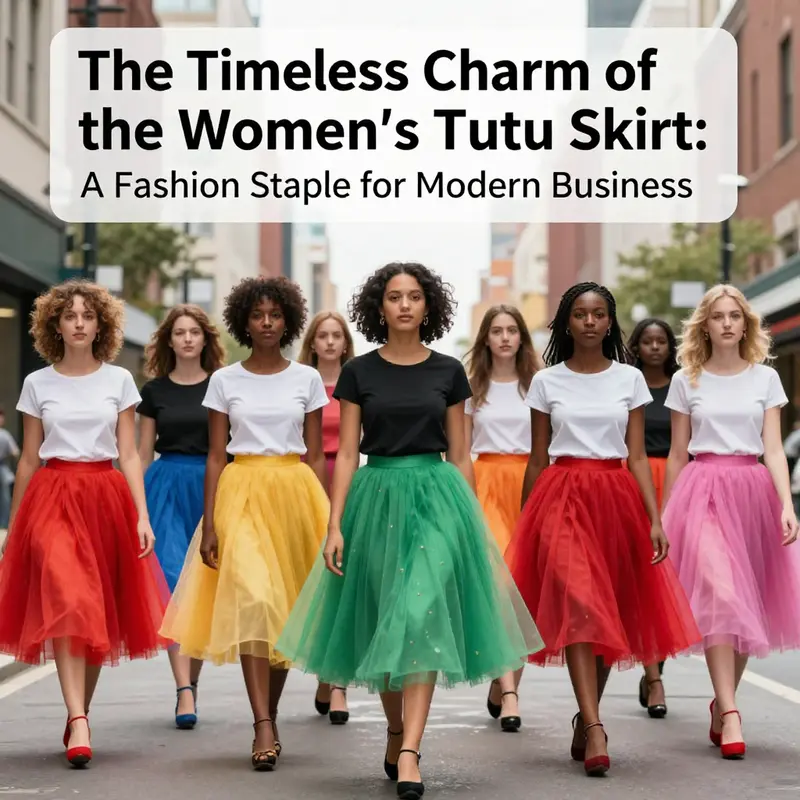
The tutu skirt began as a stage whisper and grew into a global conversation about texture, movement, and meaning. Its origin lies in the disciplined elegance of Romantic ballet, where a stiffly layered skirt of tulle was less a garment than a visual instrument. The silhouette allowed dancers freedom of leg motion while projecting a spectacular presence to an audience. The layers rose and fell with each step, catching light and air in a way that made movement feel musical. Yet, as soon as the garment left the theater and entered daily life, its language began to shift. The tutu ceased to tell only a dancer’s story and started to tell anyone who wore it a story about possibility, whimsy, and the courage to stage oneself in public with theatrical drama. Over time, this small piece of fabric traveled far beyond studios and stage wings, becoming a fixture in streets, editorial spreads, and on runways around the world. The evolution wasn’t merely about length or fabric; it was about how a garment designed to reveal motion could also reveal identity and mood in fashion’s wider dialogue.
In the contemporary wardrobe, the tutu skirt acts as a portable stage for self-expression. Designers reinterpret its core elements—volume, transparency, and a crisp waistline—through a spectrum of fabrics, from airy tulle to more substantial organza and mesh. These choices extend the tutu’s reach from childhood fantasy to adult fashion, enabling it to be styled as playfully modern or ceremonially refined. A simple top or a tailored blazer can anchor a tutu’s whimsy, producing outfits that feel both approachable and audacious. This adaptability makes the tutu a versatile pick for a broad audience: it can be pared down for casual events or elevated for formal celebrations, and it can be styled to flatter many body types by visually cinching the waist and elongating the legs. The appeal lies not only in the silhouette but in the aura of motion that the fabric preserves—every step becomes a minor performance, every turn a reminder of dance’s influence on everyday elegance.
The cultural resonance of the tutu skirt extends beyond the stage and into the fabric of everyday life. It has become a symbol of femininity that can carry different meanings in different contexts. In some settings, the tutu signals youthfulness and innocence; in others, it embodies transformation, a willingness to embrace drama as a form of personal agency. This expansion of symbolism aligns with broader shifts in fashion toward expressive silhouettes that celebrate body confidence. The tutu’s voluminous layers, when properly shaped, can visually sculpt the torso and legs, offering a dynamic counterpoint to pared-back garments. This contrast—soft volume against crisp, tailored lines—has become a recurring motif in modern styling, appearing in editorial narratives and at social gatherings where fashion is a form of storytelling. Its presence in both high fashion and street style underscores how a garment born in a particular discipline can acquire new meanings as it circulates through different cultures, markets, and generations.
Alongside its aesthetics, the tutu skirt evokes broader conversations about cultural roots and artistic borrowing. The silhouette has inspired reinterpretations across fashion capitals, sometimes triggering debates about homage versus appropriation when historical motifs are reimagined without acknowledgment. In some high-profile moments, the conversation has centered on how designers borrow from traditional dress codes or folk aesthetics while reframing them for new audiences. The ethical questions are not only about attribution but about responsibility to the history from which inspiration is drawn. The tutu’s layered spectrum—ranging from sheer romance to graphic, statement-making forms—offers a case study in how fashion negotiates global influences. It invites observers to consider not just the beauty of fabric and cut, but the complexities of cultural memory, respect, and innovation woven into every seam.
The tutu’s journey through fashion history also mirrors changing attitudes toward performance and body confidence. As styles evolved, the tutu stopped being a costume worn exclusively by young dancers and began to function as a serious fashion tool for a broader demographic. Contemporary iterations—whether bandage-inspired shapes, A-line reinterpretations, or minimalist silhouettes with a breeze of tulle—reflect a heightened interest in celebrating form rather than limiting it. The modern tutu encourages experimentation with proportion, color, and texture, inviting wearers to explore how movement can be harnessed to alter perception. In this sense, the tutu is less a fixed garment and more a living object—an artifact through which designers and wearers articulate ideas about femininity, empowerment, and individuality. Its versatility is renewed as designers couple the skirt with soft jersey, structured blazers, or delicate lace, producing ensembles that read as both accessible and aspirational.
The social and cultural conversations surrounding the tutu are also a mirror of how fashion interfaces with performance spaces, ceremonies, and even popular media. The garment’s popularity at themed events, dance-inspired performances, and editorial shoots demonstrates its enduring appeal as a mood board for whimsy and theatricality. Yet it remains grounded in practical concerns as well: comfort, durability, and ease of care matter to everyday wearers who want something that feels special without requiring specialized maintenance. The shift toward easy-care fabrics and adjustable waistlines has broadened the tutu’s reach, allowing it to be enjoyed by those who want a bold, expressive silhouette without sacrificing practicality. In effect, the tutu’s cultural ascendancy is as much about the democratization of glamour as it is about its aesthetic drama.
For those beginning to explore the world of tutus, the basic version offers a gentle entry point into this richly symbolic garment. A simple, wearable form demonstrates how the silhouette can translate from a stage-ready piece into an everyday item that still carries an emotional charge. Those curious about how to experiment can discover a spectrum of styles by visiting a channel that highlights accessible options, such as a basic tutu category that emphasizes versatility and ease of use. This pathway invites beginners to understand how volume and motion interact with different tops, shoes, and outer layers, enabling a gradual immersion into more elaborate interpretations. When one starts with a foundational tutu, the path to more complex looks becomes a natural progression rather than a daunting leap. The education embedded in this transition mirrors fashion’s broader arc: a continuous dialogue between history, technique, and personal expression.
Within this dialogue, the tutu’s global reach has helped shape conversations about inclusivity and representation in fashion. The garment’s adaptability encourages designers and wearers to consider varied body types and aesthetic preferences, fostering a broader sense of belonging in fashion’s storytelling. The silhouette can be scaled up or down without sacrificing its signature movement, allowing it to be embraced by audiences who seek both dramatic presence and comfort. In many contemporary looks, the tutu becomes a vehicle for celebrating diversity—an invitation to experiment with color palettes, textures, and layering that respond to cultural contexts and personal identities. As fashion continues to evolve, the tutu’s resonance remains a testament to how a single garment can traverse boundaries—between dance and dress, between tradition and experimentation, between spectators and participants in a shared spectacle of style.
The conversation surrounding the tutu is inseparable from its history as a dancing garment and its evolution into a cultural artifact. It embodies the tension between reverence for technique and the hunger for personal vision. It invites viewers and wearers to consider how a piece of clothing can carry memory, motion, and meaning all at once. The tutu’s enduring appeal lies in its ability to function as both a costume in motion and a canvas for contemporary self-engineering. It is a testament to how fashion can translate the intensity and poetry of performance into a wardrobe that supports everyday life while still inviting the wearer to stage a little drama, a moment of fantasy, a gesture of creative freedom.
For readers who wish to explore the discourse further, museum archives and scholarly discussions illuminate how mounting interest in historical costume informs modern practice. The British Museum’s collection on ballet costumes offers a nuanced window into how this garment was designed to communicate both narrative and technique, providing context for today’s reinterpretations. The journey from stage to street to runway is ongoing, and the tutu skirt remains a dynamic emblem of femininity, performance, and expressive possibility.
From Puff to Poise: A Fresh Guide to Quality and Style in Women’s Tutu Skirts
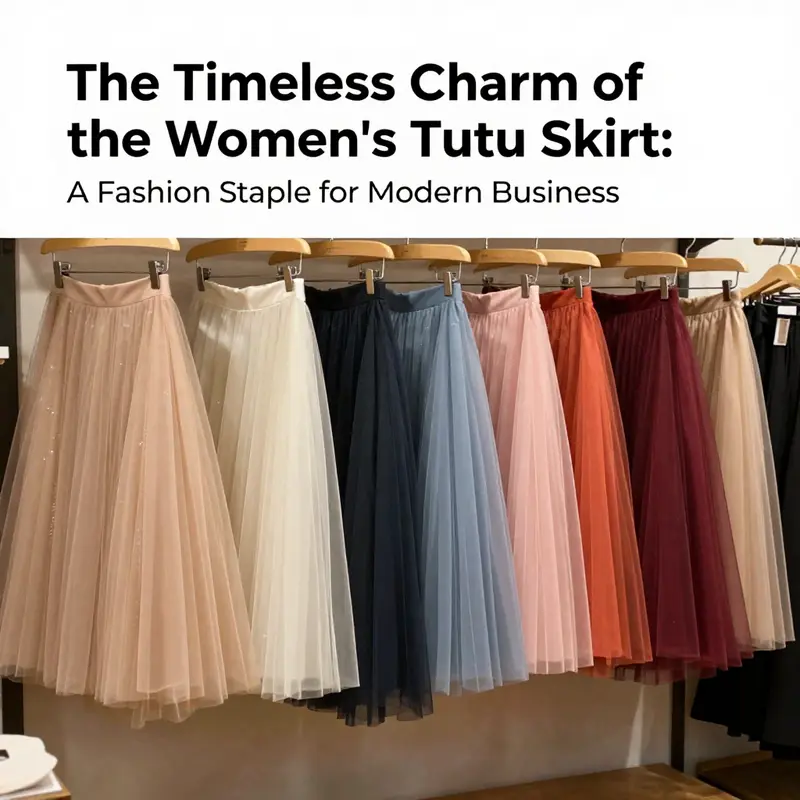
The tutu skirt has traveled a remarkable arc from its origin on a reshaped stage to a living, breathing piece of everyday style. It remains a garment defined by movement, lightness, and a hint of whimsy, yet contemporary interpretations push its silhouette beyond the theater and into weddings, photoshoots, and casual streetwear. To understand what makes a tutu not just charming but enduring, one must look beyond the drama of its volume and zoom in on the quiet decisions that determine how it feels to wear it, how it moves with the body, and how it endures the rhythms of daily life. The journey toward choosing a tutu that feels right begins with a simple but decisive compass: quality balanced with personal style. That balance rests on three intertwined pillars—fabric integrity, construction, and fit—each influencing how the skirt behaves when you walk, bend, or tilt your head to catch a reflection of your own smile in a storefront window. Quality is not a gloss of glamour alone; it is the quiet assurance that the layers will hold their shape through hours of wear, that the waistband will stay comfortable without digging in, and that the tulle will resist snagging while catching light with a soft, almost iridescent glow. When a skirt is well made, its fullness reads as intentional, not fussy; the layers align with one another rather than bunching into unsightly uprisings at the hem. The result is a tutu that requests attention not through stiffness but through a natural, buoyant rhythm. In a fabric universe that can feel overstuffed with options, knowing what to feel for helps separate the momentary trend from the lasting piece. One practical starting point is to consider the texture and drape of the tulle itself. High-quality tulle offers a forgiving hand—a softness that still retains volume, a slight stiffness that helps the skirt spring back into its signature puff after every step, and an edge that resists fraying when the fabric is tugged or caught on a ring of jewelry or a decorative shoe strap. The best tulle does not collapse into a sheet when you move; it holds its silhouette with a measured resilience. Beyond the surface, the way layers are cut and stacked matters as much as the top layer’s gleam. Multiple tiers create the classic halo of fullness, but the number of layers should be chosen with intention. Too few layers can look flat and dull on a stage or in photographs; too many can overwhelm a smaller frame or feel heavy in a casual setting. The expertise is in how those layers interact with the wearer’s shape. Layering should be even, with each subsequent tier slightly shorter than the one above to preserve a balanced, round silhouette. In best-case scenarios the layers are stitched with a careful hand, the seams are reinforced, and the edges are finished without roughness that might irritate skin or snag other fabrics present in an outfit. Underneath, a soft, sometimes satin or jersey lining can add comfort and help the tulle glide over clothing and skin. The role of construction cannot be understated. A tutu skirt that seems sumptuous in the display glare reveals its true character when you test its seams and waistband. A robust waistband—often elasticated in a way that stretches without losing its grip—embraces the natural contours of the waist and distributes tension evenly across the midsection. This is crucial for comfort during long wear, whether you are dancing, posing, or simply moving through a crowded venue. A well-sewn seam line that runs cleanly along each layer reduces the risk of fluttering or misalignment as you stride. Reinforcement where layers meet the waistband is also essential; it prevents the skirt from developing gaps that could compromise fullness or shifting during movement. Where possible, look for linings that minimize friction, particularly at the hip and thigh where fabric may rub against clothing. Some higher-end interpretations bring subtle luxury through underlayers in silk, satin, or a luxe blend, cultivating a refined feel that enhances the garment’s drape and sheen without overpowering the airy quality fans expect from a tutu. The choice of fabric weight and underlayers speaks directly to the intended use. For performance—think dance studios and stages—durability and flexible movement take center stage. The skirt should tolerate sudden rises of speed, quick spins, and repeated leaps without fatigue. For weddings, formal events, or editorial shoots, the aesthetic story takes precedence. Here, a dancer’s rehearsal skirt may yield to a couture-inspired piece featuring delicate embroidery, lace, or a gradient of color. The balance between aesthetics and practicality will tilt according to the role the tutu is asked to play in the wearer’s life. Style is the second pillar, and it blooms from the wearer’s sense of self as much as from the garment’s design. A tutu skirts its way into a wardrobe when it can harmonize with various tops and accessories, bridging a playful vibe with a more polished look. A simple tee or tank becomes the canvas for a youthful, carefree path, while a structured blouse and a tailored jacket can give the silhouette a more refined edge suitable for a formal photoshoot or a themed event. The silhouette itself is a language. The shorter, more exuberant versions radiate charm and energy, inviting movement and spontaneous joy; longer, layered designs offer drama and elongation, ideal for a striking presence in a room or on a stage. In this language the wearer’s height and proportions matter. A higher waistband can visually stretch the legs, while a hemline that falls just above the knee creates a balanced line for many body types. Trying on a tutu in different lengths becomes a practical exercise in learning how your body type interacts with fullness. It is not merely about size; it is about proportion. A skirt that sits at the waist or slightly higher can help create a longer leg line, especially when paired with heels or sleek flats. A mid-thigh or shorter cut, by contrast, can play up a playful, energetic energy that aligns with casual occasions or themed gatherings. Each wearer discovers a personal preference through trial and observation, and the most successful choice often lies at the intersection of fit, comfort, and the wearer’s intention for the garment’s use. In addition to fit and silhouette, color and detailing expand the tutu’s expressive range. A classic, single-tone tutu can serve as a versatile base—an adaptable canvas that can be styled with almost any top, accessory, or outer layer without clashing. Subtle color gradients, soft ombres, or gentle sparkle can transform the skirt into a focal point of an outfit without overpowering the overall look. Embellishments—lace trims, delicate embroidery, or a dusting of sequins—should feel purposeful rather than gratuitous. The best detailing enhances the garment’s narrative, whether that story is ethereal, romantic, or modern Avant-garde. Caring for a tutu skirt is a craftsman’s responsibility, and the approach should reflect the fabric’s delicacy while acknowledging real-world wear. Most tulle skirts benefit from gentle handling. Dust and light stains can be addressed with a careful surface wipe or delicate spot cleaning; deeper cleaning may require hand washing in cool water with a mild detergent, followed by careful air drying away from direct heat. Drying flat helps preserve the volume and shape, preventing the layers from collapsing or sticking together. Storage requires a light touch as well. The ideal display or storage approach keeps the tutu out of crushing folds, enabling the fullness to breathe. Some wearers choose a dress form or hang the skirt from a sturdy hanger with a wide shoulder to preserve the waistline’s integrity. While the care specifics can vary by fabric composition, the guiding principle remains: treat the tutu as a evolving garment rather than a disposable costume, and its character will endure across many seasons of wear and countless occasions. Transitioning from care to daily practice, the choice process becomes less about chasing a single perfect piece and more about building a capsule that supports a spectrum of moments. The right tutu skirt for one person may be too bold or too delicate for another, yet the core idea stays constant: a tutu is a celebration of movement that looks effortless because its makers have anticipated both comfort and grace. This is why the decision-making process benefits from both practical checks and imaginative dreaming. When evaluating options, consider not only the garment in isolation but how it fits into your broader wardrobe and life. If you rarely attend formal events but enjoy playful styling, a shorter, fuller version with a forgiving elastic waistband may offer the best blend of ease and charm. If you present yourself often in front of a camera or on a stage, a slightly longer line with a refined finish can deliver the dramatic impact you seek while maintaining comfort through long shoots or rehearsals. As you weigh these choices, a useful anchor is to examine a tutu’s category in a well-curated collection. For a practical starting point, exploring the basic tutu category can anchor your search and provide a reliable reference for what constitutes core quality in this garment. basic tutu category. This label signals a focus on essential structure and durable fabric without overwhelming ornamentation, a sensible baseline from which you can explore more specialized styles if your aim grows into couture-inspired textures or performance-ready design. The beauty of the tutu lies in its adaptability. It remains one of the few garments that can be reimagined across contexts without losing its fundamental charm. A single piece can be styled for dance rehearsals, a whimsical wedding moment, or a fashion-forward editorial look, simply by adjusting the top, footwear, and outer layers. The conversation around choosing the right tutu for a given wearer is really a conversation about confidence. When a skirt sits well and flows with the body, it invites movement and expression. The wearer feels more present in each step, and the room responds to the glow of the fabric as it catches the light. In this light, the tutu ceases to be a fixed object and becomes a partner in creative life, a friend that lightens the air with a flutter of tulle and a wink of sparkle. As you prepare to purchase or borrow a tutu skirt, remember that the best piece helps you move through the world with ease, dignity, and a little spark of mischief. It supports your posture, flatters your form, and blends into your wardrobe with surprising versatility. The tutu’s enduring appeal lies less in its novelty and more in its ability to adapt to your changing days—the dance class, the wedding celebration, the casual photo session, or the quiet moment when you simply decide to wear something that makes you smile. That adaptability, married to thoughtful construction and quality fabric, ensures that a tutu skirt remains not only an accessory but a trusted companion in a life that loves movement as much as style. For further reading on balanced selection and nuanced styling, a comprehensive buying guide offers broader perspectives and practical tips that complement the insights shared here. For external guidance, see How to Choose Tutu Skirts for Ladies: A Complete Buying Guide.
Final thoughts
The women’s tutu skirt has made a significant impact on modern fashion, combining elegance with functionality. As the garment continues to evolve, understanding its various styles, practical features, and cultural significance is crucial for business owners. By incorporating high-quality, stylish tutu skirts into their product lines, businesses can cater to a wide audience seeking both versatility and flair. This timeless piece not only allows for creative expression but also promises an engaging style statement for all occasions.