
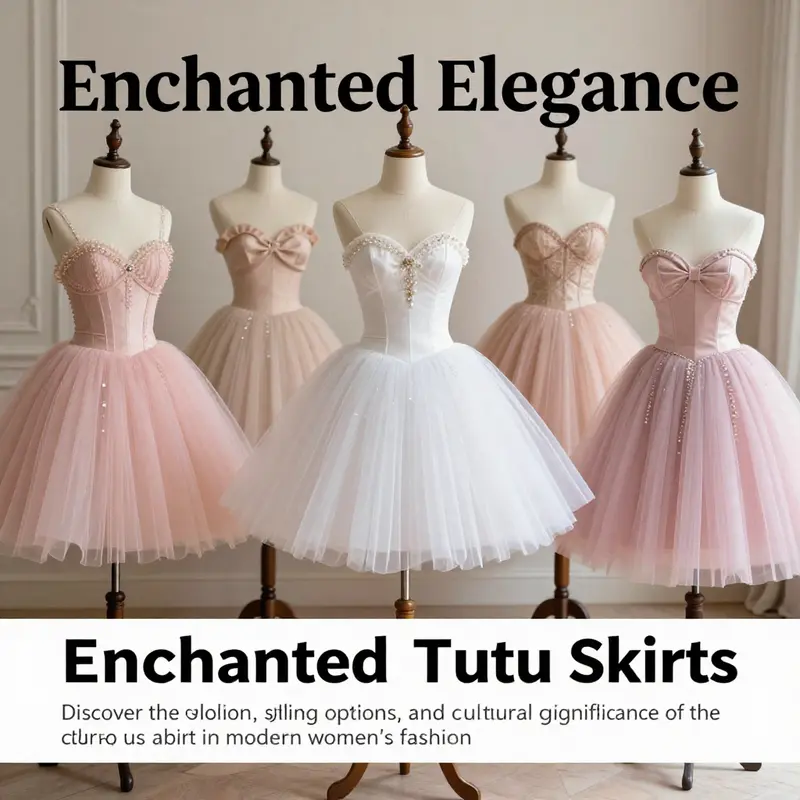
The women’s tutu skirt, once reserved for ballets and royal balls, has transformed into a dynamic piece in contemporary fashion, appealing to a diverse range of consumers. This article delves into its evolution from the glimmering stages of ballet to the vibrant streets of urban fashion, highlighting how this garment has become emblematic of creativity and self-expression. We will explore its versatility across different occasions, its flattering nature for various body types, the innovative materials and designs that define modern tutus, and the cultural trends that keep this garment relevant. Each chapter aims to provide business owners with insights on how to market tutu skirts effectively in today’s fashion landscape.
From Stage to Street: The Living Journey of the Women’s Tutu Skirt
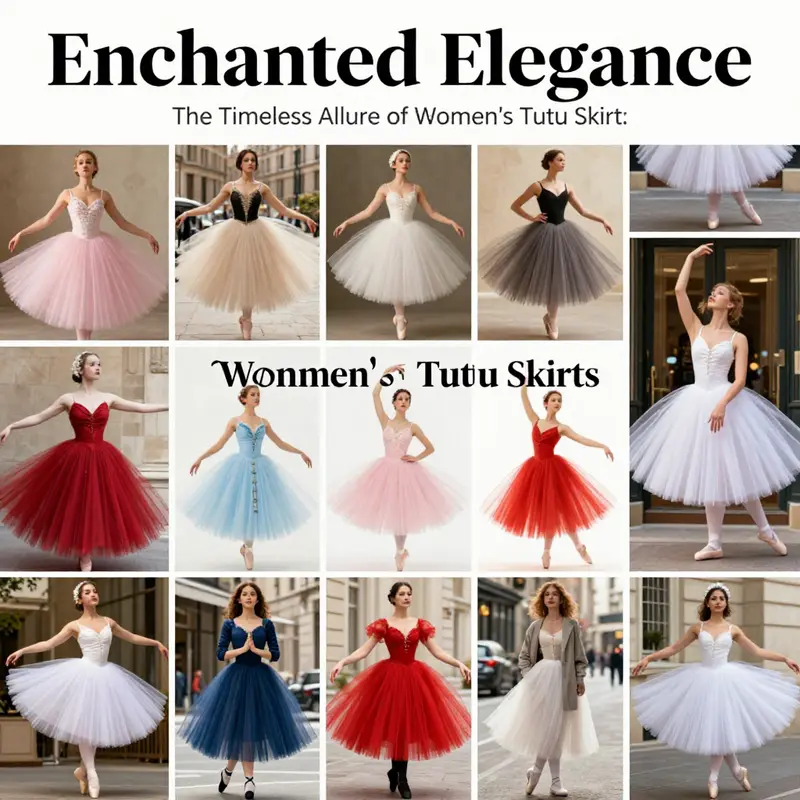
The tutu skirt, once the crown of a dancer’s wardrobe, has sneaked its way into the daily rhythms of modern wardrobes, turning sidewalks into runways and casual moments into a small tragedy of whimsy. It is not merely a garment but a narrative of movement, memory, and reinvention. The evolution from a tightly choreographed stage silhouette to a flexible, street-ready piece captures a larger story about how fashion absorbs art, reshapes it, and makes it legible in everyday life. In this journey, the tutu begins as a prism—the layered, airy build of tulle that creates a halo around the waist and hips—and ends as a living, adaptable form that can be styled for quiet confidence or bold declaration. The core of its appeal rests in its paradox: something delicate and theatrical that can also be worn with ease, paired with a simple tee or a tailored coat, and still feel distinctly purposeful.
Historically, the tutu was born in the theaters of 19th-century Romantic ballet, where it served both function and spectacle. Dancers wore multiple layers of light fabric, each layer catching a fraction of the stage light and turning movement into luminous blur. The silhouette was designed to emphasize the leg line and the precision of the dancer’s form, yet it did so without sacrificing the freedom necessary for a seamless pirouette or a daring leap. In those ballets, the tutu was more than costume; it was a visual language that spoke of ethereal beings and otherworldly precision. The tutu’s density, its stiffness, and the way it framed the waist were all chosen to sustain a sense of glide and lift, turning the wearer into a figure of poetry as much as a worker of steps.
As fashion began to loosen in the early 20th century, the tutu shed some of its theatrical armor and found a new home in everyday wardrobes. Designers who moved away from rigid silhouettes began to borrow the tutu’s spirit—its suggestion of movement, its flirtation with volume—while discarding the need for absolute uniformity. The tutu became a blueprint for how to wear movement rather than merely stage it. This shift was less about copying a stage costume than about translating its essence: fullness without heaviness, drama without rigidity, and a waistline that could anchor a broader silhouette. At this moment, the tutu’s legacy was reframed as an idea rather than a fixed shape, a concept that allowed it to infiltrate the realm of ready-to-wear without losing its signature sense of whimsy.
In the subsequent decades, the tutu’s image traveled through popular culture and fashion discourse, migrating from backstage buzz to street-ready experimentation. It began to appear on city streets not as a strict reenactment of ballet but as an attitude—a wink to the dancer’s discipline paired with the spontaneity of everyday life. The transition was gradual, yet unmistakable: aquired textures, mixed fabrics, and strategic tailoring transformed the tutu into a versatile piece that could be dressed up for evenings or styled down for casual afternoons. The aesthetic broadened to accommodate a spectrum of identities and occasions, demonstrating that the tutu’s appeal lies in its capacity to be both playful and refined. The silhouette could be softened with a gentle, soft-puff effect or sharpened with structured lines, proving that the core idea—a waist-emphasizing, hip-flaring volume—could coexist with modern demands for comfort and practicality.
Today’s tutu skirts are less a single uniform than a family of silhouettes, each retelling the same brief: a fuller lower body that creates a counterpoint to a defined waist. Contemporary designs often orbit around lightweight fabrics like tulle and mesh, which catch the light and flutter with every step, while still offering options that feel substantial enough to wear through a busy day. The modern tutu is frequently a convertible garment, a wrap-style skirt or an adjustable panel piece that can morph from a knee-high poise to a mid-length flare. This adaptability is not cosmetic vanity but a response to how people live—busy, multi-tasking, and often commuting between different social settings within the same day. A single skirt can become an outfit by changing a top, swapping a belt, or reimagining the length with a simple hem adjustment. These practical innovations honor the tutu’s theatrical origins while acknowledging the demands of a life that moves from work to leisure to celebration in quick, stylish shifts.
The color stories of the modern tutu have widened far beyond pure white or pale ivory. The palette now chases the soft, romantic notes of balletcore—blush pinks, creams, taupes, and muted neutrals—and it also ventures into the playful and the bold. A tutu can be the soft counterpoint to a black leather jacket, a stately counterpart to a tailored blazer, or the centerpiece of a delicate, romantic ensemble. The texture mix is equally varied: feathers, embroidery, or subtle lace detailing can elevate a tutu into formalwear, while straightforward tulle layers and a clean silhouette can make it suitable for daytime chic. The result is a piece that remains distinctly feminine yet utterly adaptable, a garment whose presence is felt as much in the attitude it encourages as in the body it frames.
One of the most compelling truths about the tutu’s evolution is its democratization. The silhouette’s dramatic effect has always been flattering to many body types, but contemporary versions emphasize comfort and proportion. The full, flowing bottom can visually elongate the legs and slim the waist, offering a flattering balance for pear shapes or curvier figures. Yet designers also experiment with lengths and volumes to suit different personalities: longer, regal silhouettes for formal occasions, or shorter, flirtier cuts that convey youthfulness and ease. The tutu’s ability to adapt across contexts—weddings, galas, festivals, casual meet-ups—underscores its enduring relevance. It becomes a canvas for personal expression rather than a fixed standard of elegance. When paired with a high-waisted top, the tutu emphasizes the waist in a way that yields a sculptural silhouette, while pairing it with a cropped top can create a playful, contemporary energy. In each pairing, the tutu both frames the body and liberates it, allowing movements and gestures to become a crucial part of the outfit’s impact.
Within this spectrum of design, the concept of the “soft puff” offers a gentle, more wearable alternative. A high-waisted A-line base with delicate ruffles or whispered tucks can evoke the tutu’s essence without overwhelming the frame. This approach preserves the spirit of volume while prioritizing everyday comfort. It is a reminder that the tutu’s magic does not require an all-or-nothing commitment; it can be expressed in subtler forms that still nod to the original structure. The modern tutu, then, becomes less about a single heroic statement and more about a family of silhouettes that can be blended with belts, jackets, and shoes to create moods—romantic, bohemian, polished, or streetwise.
The cultural resonance of the tutu in today’s fashion imagination is no accident. Its arc mirrors a broader cultural flirtation with dance-inspired fashion—an ongoing dialogue between movement, art, and personal style. The rise of balletcore in recent years crystallizes this sentiment, embracing soft-toned palettes and airy fabrics as a daily wearable language rather than a theatrical one. Trends cited in fashion discourse and trend reports point to a growing curiosity about hybrids: mesh-paneled tops with tutu-like silhouettes, convertible wraps that promise adaptability, and layers that can be adjusted in real time to alter the garment’s volume and presence. The tutu’s journey from stage to street has thus become a case study in how fashion reinterprets performance aesthetics for daily life, how texture and silhouette can communicate emotion without sacrificing practicality.
For readers who want a tangible sense of how a tutu can live in the wardrobe, a gesture toward a classic combination proves illuminating. A long, softly structured tutu can read as regal when worn with a tailored coat and high-heeled boots, yet it can also feel unexpectedly grounded when paired with a simple tee and clean sneakers. The reverse is equally true: with the right top and accessories, a compact, mid-length tutu can become a tiny, portable theatre, a fragment of art you carry through a city day. The key lies in proportion and rhythm. Balance the tutu’s volume with more streamlined lines on top, and let the accessories be restrained rather than excessive. This avoids visual competition and preserves the garment’s intrinsic poetry. The result is a modern look that nods to both its origins and its future, a contemporary uniform for anyone who wants to move through life with a touch of theatrical grace.
In this sense, the tutu skirt is not a relic but a living archive. It records memory—the discipline of the dancer, the glamor of the stage, the improvisation of street style—and it codes a modern way of dressing that respects comfort, versatility, and individual expression. It invites wearers to interpret its volume not as obstruction but as an amplifier of presence. The silhouette becomes a stage on which personal identity can perform without sacrificing ease. The tutu’s evolution, then, is less a linear story than a dialogue across eras and contexts: a conversation that continues as designers reimagine the fabric, texture, and drape to suit the tempo of contemporary life. For those drawn to its magic, the path is clear: learn its lines, honor its history, and let its fluttering layers choreograph your everyday moments.
For further reading and a tangible sense of contemporary tutu wear, consider exploring related pieces that showcase how the classic silhouette can be reinterpreted with modern textiles and finishes. The path toward a modern tutu that remains faithful to its roots is paved with experimentation—lightweight meshes, soft edgings, and adjustable panels that allow the wearer to play with volume as needed. The conversation around ballet-inspired dressing is not about replication but reimagination, and that reimagining is precisely what keeps the tutu relevant in a fashion world that values movement as much as form. As fashion language continues to evolve, the tutu’s enduring charm rests in its ability to be both timeless and timely—an emblem of joy, grace, and individuality that can travel from rehearsal hall to café, from gala to playground, and from one season to the next.
For a curated glimpse into the more artistic, fashion-forward expressions of the tutu, you can explore high-quality, white ballet tutu options linked here: high-quality white ballet costume tutu Swan Lake. This example preserves the purity of a classical silhouette while hinting at the modern versatility that makes the tutu a perennial favorite across age groups and styles. And as the conversation about dress and movement continues to unfold, the tutu remains a living artifact—one that speaks to the artistry of the body and the ingenuity of the designer, inviting everyone to move with both intention and delight. In that sense, the tutu’s journey from the stage to the street is not just a trend but a continuous dialogue about how we inhabit space, how we express ourselves, and how a single, airy layer of fabric can carry a world of meaning.
External resources reflect a broader interest in ballet-inspired fashion and the evolving hybrid pieces that blur the line between costume and everyday wear. For readers seeking an external perspective on the current balletcore movement and its influence on street style, see the discussion of recent trends and hybrid designs in contemporary fashion resources. This broader context helps to situate the tutu within a global conversation about movement, texture, and identity, illustrating how a garment born on a dancer’s stage can become a flexible, everyday tool for self-expression. As this chapter connects with the broader arc of the article, it underscores how the tutu’s modern incarnation is less about abandoning heritage than about reframing it for a world that values mobility, comfort, and personal storytelling in equal measure.
Dancing Through Days: Styling the Women’s Tutu Skirt for Any Occasion
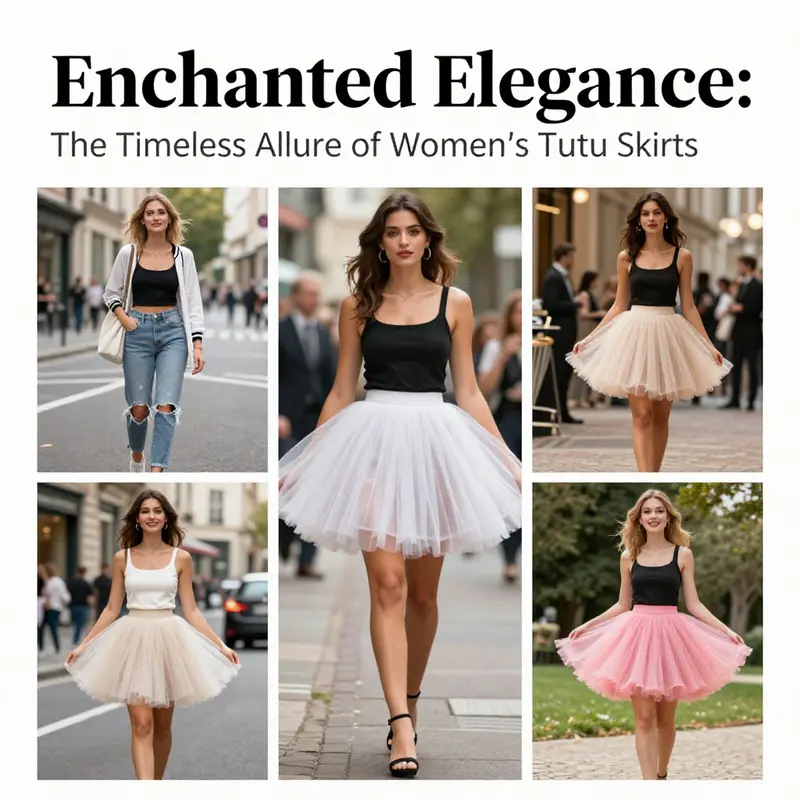
The women’s tutu skirt has shed its exclusive ballet air to become a wearable language of mood, memory, and personal stance. It remains the kind of garment that invites a moment of breath and a decision about how to present oneself to the world. Modern tutu skirts are not merely theatrical prop; they are canvases that capture whimsy, romance, and even a touch of rebellion. Designers and wearers alike have learned to balance volume with restraint, texture with simplicity, and color with cut, so that the tutu can read as playful during a casual daytime moment and as commanding as a formal statement under a gala ceiling. The journey from stiff layers of tulle to the soft, personal interpretations we see now is the story of fashion expanding its vocabulary to fit real life. A tutu can skim the body and still whisper confidence, or it can billow dramatically and declare a mood that feels almost cinematic. The key is not simply choosing a silhouette but embracing the tutu as a flexible instrument—one that earns its place by flattering the wearer’s frame while supporting the tone of the occasion. When this is understood, the tutu stops feeling like a costume and starts feeling like an invitation to express a season of days without changing who you are beneath it.
Color, texture, and construction play a decisive role in how a tutu reads in any given moment. The modern tutu comes in an array of colors—from serene ivories and soft pastels to jewel tones and metallics—that can tilt an entire look toward sweetness, sophistication, or exuberance. A multi-layered tulle design can appear sheer and airy, but it demands a top with clean lines to counterbalance its volume. Some tutus feature a built-in lining or a stiff underskirt that helps preserve a defined silhouette, even when the outer layers are dancing with light. These structural differences matter: a sheer, floating tutu invites a more grounded top, while a densely lined version can be paired with more fluid, draped tops. In styling, the choice of layer count and fabric weight becomes as important as color pairing, because it dictates how a single piece will interact with the wearer’s movements, light, and surroundings.
Casual daytime looks offer a playful, approachable entry point into tutu dressing. A soft pink or ivory tutu mini skirt can pair beautifully with a fitted graphic tee, or you can soften the effect with an oversized denim shirt tied at the waist. The balance here is essential: volume on the bottom needs a counterpoint on top that doesn’t overwhelm. Footwear should ground the look without dulling its cheer—crisp white sneakers or flat ankle boots preserve ease while a crossbody bag and minimal jewelry keep the focus on the skirt’s shape. The aim is to create a sense of effortless charm rather than a painstaking costume. The result is an outfit you can imagine wearing on a weekend brunch or a city stroll where you want to feel a touch magical without seeming overdone. For those exploring a youthful pink option, see pink-girls-women-performance-ballet-tutu. Its soft hue and lighter construction illustrate how color alone can shift the look from bold to buoyant, proving that color choice is not merely decorative but a narrative decision.
When evening or more formal occasions beckon, the tutu earns its weight as a vessel of poise. Layering with a tailored blazer or a sleek satin camisole grounds the volume while elevating the mood to refined glamour. Heels—whether a chunky block for modern edge or a slender stiletto for classic drama—serve as the final element that lengthens the leg line and maintains proportion with the skirt’s spread. A statement earrings pair or a sleek clutch can contrast or harmonize with the tutu’s texture, ensuring the overall effect is cohesive rather than chaotic. For festival or party settings, the tutu can be a stage for contrast: a sequined or velvet texture against a leather jacket or a cropped knit, with makeup that mirrors the moment’s intensity. In this way, the tutu becomes a chameleon—the same garment shaping an unstudied festival look one day and an elevated evening ensemble the next.
The tutu’s ability to flatter diverse bodies is one of its most enduring appeals. The silhouette tends to elongate the legs and can visually trim midsection width when paired with the right top and accessories. Body types determine the approach, not the limitation. Apple-shaped figures may benefit from a high-waisted tutu that encourages the eye to rise and waist to anchor the shape. Petite wearers often opt for shorter lengths to keep the proportions harmonious, ensuring the skirt doesn’t overwhelm their frame. Hourglass figures may enjoy form-fitting tops that skim the torso while the tutu flares, underscoring curves without overloading the silhouette. It is a reminder that the aesthetic goals of the tutu—grace, balance, and movement—belong to everyone when the styling supports natural form rather than fighting it.
Beyond color and length, the tutu’s structure invites thoughtful layering. If the outer layers are airy and see-through, a top with clean lines—such as a tailored blazer, a satin camisole, or a structured knit—provides balance and prevents the outfit from feeling weightless in a way that reads unfocused. Conversely, a tutu with a built-in stiff underskirt can hold its shape under more fluid or oversized tops, offering a silhouette that remains clearly defined as you walk, sit, and turn. The choice between a longer, regally draped tutu and a shorter, flirtier version also informs material choices. A long-length tutu tends to pair with shoes that read formal or formal-cantilevered, like heeled sandals or pointed pumps, while a mini or knee-length tutu invites daytime practicality with ankle boots or clean sneakers. These decisions are not merely about fashion rules; they are about cultivating a look that moves with you, not against you, through the day’s tempo.
Seasonality subtly shapes the styling map too. In warmer months, sheer fabrics and lighter hues pair well with minimal layers and airy hairstyles, allowing the tutu to be the star of the ensemble. In cooler seasons, tights, opaque leggings, or velvet textures can be integrated to preserve warmth while maintaining the garment’s dramatic silhouette. A leather jacket or a cropped knit can add edge without sacrificing the tutu’s romance. The trick is to treat the skirt as a constant and let the outerwear and accessories change with the weather, so each season feels like a new chapter in the same story. Accessories quickly become punctuation marks in the sentence the outfit constructs: a thin belt in a color that echoes the skirt, a delicate chain that follows the line of the waist, or a ribbon tied at the hip to reinforce the garment’s buoyant energy without overpowering it.
Care and practical care rituals also matter. Tutus require mindful handling to preserve their shape and texture. If you favor a multi-layered, floating look, store the piece with gentle tissue at the outer edges to maintain the fluff without crushing it. For everyday wear, choose a lining that minimizes skin friction and reduces itching or discomfort during long events. Cleaning tends to favor delicate dry-cleaning methods or hand washing in cold water for more robust constructions, followed by drying flat to avoid stretching the tulle. The science of care mirrors the aesthetic: the tutu thrives when it is treated with intention, allowing it to retain its buoyant silhouette and its soft, romantic aura for seasons to come.
The tutu’s enduring charm is inseparable from the confidence it fosters. When styled to respect the wearer’s body and the occasion’s mood, it becomes less a costume and more a statement of personal timing—an expression of who you are at this moment. The magic lies in the details: the balance between top and bottom, the choice of color as mood, the texture that gives breath to movement, and the way the garment transforms a single moment into a memory of movement and light. In this spirit, the tutu remains a versatile instrument—capable of turning a simple day into a moment of ceremony, a casual outing into a small celebration, and a formal affair into a memory you wear with pride.
For broader styling guidance beyond the specifics of color and silhouette, many fashion outlets emphasize the value of tailoring the look to one’s own identity. A practical takeaway is to treat the tutu as you would any expressive piece: start with the silhouette and color that feels most true to you, then test a few top options to discover which balance you prefer. The more you begin with fit and proportion, the more room you have to experiment with textures, layers, and accessories. This approach keeps the tutu from feeling gimmicky and ensures it remains a wearable, personal certainty in your wardrobe. As you build looks for different occasions, you will likely find that the tutu’s language—of joy, grace, and independence—resonates just as strongly now as it did when it first emerged from the stage into the street.
External resource for broader styling tips: Refinery29 offers a practical guide to styling a tutu skirt for various occasions and body types, expanding on the ideas presented here. See https://www.refinery29.com/style/tutu-skirt-styling-tips for additional inspiration and context.
Contours in Motion: The Women’s Tutu Skirt and Flattering Proportions for Every Figure
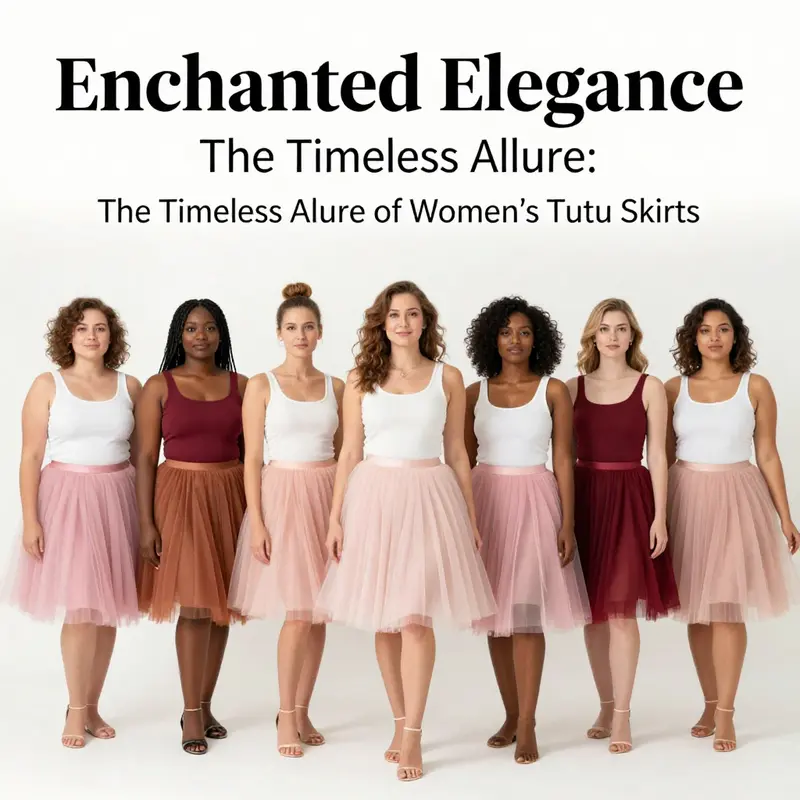
The women’s tutu skirt, with its full, layered silhouette and a precise high waist, acts as a living instrument for shaping perception. Its magic does not rely on a single trick but on a choreography of proportion, movement, and texture that can elevate many body types without erasing individuality. The tutu’s volume creates a deliberate counterpoint to the upper body, inviting the eye to travel along a line that starts at the narrowest point of the torso and expands outward in a controlled, graceful flare. In this sense, the skirt becomes a visual amplifier that can soften angles, elongate the leg line, and reframe the silhouette in a way that feels both generous and intentional. Rather than hiding what a body already carries, the tutu emphasizes balance—an equilibrium between waist definition, hip breadth, and the generous cascade of tulle that follows.
For hourglass figures, the tutu fits like a tailored embrace. The defined waist is the hinge that unlocks the full potential of the silhouette. When the waist is cinched and the volume rests over the hips, the natural curves appear amplified in a way that feels harmonious rather than oversized. The trick lies in keeping the bodice clean and fitted while allowing the skirt to speak. A gentle, layered fullness over the hip line attends to the curves without concealing them. The result is a look that feels poised and playful, tracing the body’s natural harmony rather than negating it. In this context, a high-waisted tutu can celebrate proportion by highlighting the waist while giving the hips a controlled, rhythmic bloom that moves with ease.
Pear-shaped figures often gain their most flattering balance from the tutu’s dramatic flare. The design’s high waist draws the eye upward, toward the face and shoulders, while the voluminous lower half adds volume where the hips are widest. This optical shift can reduce emphasis on the lower torso by distributing attention along the vertical line of the waist into the fuller skirt. The result is a silhouette that reads as elongated and buoyant, with the upper body taking visual priority and the lower body becoming a graceful, music-like extension of the torso. The key is to avoid overwhelming the frame with too many layers at once; a multi-layered but evenly distributed volume tends to balance the proportions more effectively than a single, overly dense layer.
Apple-shaped figures can also find flattering potential in the tutu’s structure. A high waist helps to define the narrowest part of the torso, while the layered skirt distributes volume away from the midsection. The effect is a slimming illusion that broadens the range of motion and ease of wear. When the top is kept relatively streamlined, or even slightly cropped, the emphasis rests on the waist and the vertical line created by the skirt’s fall. The tutu then becomes a joyful statement about posture and movement rather than a cloak for the midsection. The goal is to create a balanced visual weight that readies the eye to travel from the head through the torso to the feet in a gentle, unforced arc.
Inverted triangle shapes—broader shoulders or busts paired with narrower hips—can benefit from the tutu’s capacity to widen the lower half. The fullness at the bottom anchors the frame, producing a more equitable silhouette from shoulder to toe. The skirt’s high waist plays a crucial role here, serving as a stabilizing anchor that keeps the look from top-heavy tendencies. When the upper body remains sleek, perhaps with a fitted blouse or a simple knit, the overall impression stays buoyant and balanced. The skirt’s weight and volume create a counterpoint to the upper body’s breadth, enabling a more harmonious distribution of visual mass.
Beyond the basic body-type framework, there are practical styling choices that heighten the tutu’s flattering potential. The fit of the top matters as much as the skirt’s volume. A fitted top or a cropped silhouette at the waist emphasizes the waistline and anchors the eye where you want it. This pairing is particularly effective when the skirt has multiple layers or when the tulle is slightly stiff; the contrast between a snug upper and a voluminous lower creates a crisp, leg-lengthening line. Fabric choice also matters. Stretchy or lightly structured tulle can offer comfort and movement, ensuring that the skirt maintains its shape as you walk or dance.
Length plays a decisive role in how flattering a tutu appears across different frames. Longer tutus convey regal elegance and can gracefully skim the floor or hover a few inches above it, creating a lengthening effect that suits taller figures or anyone seeking a more formal, ceremonious look. Shorter variants radiate a younger energy, ideal for daytime events or casual outings, while still preserving the essential silhouette: a high waist and a generous flare. The choice between a soft, translucent shimmer and a denser, opaque layer changes how the light plays across the fabric, subtly altering the perceived proportions. A lighter, airy tutu tends to soften the body’s contours, while a deeper, more opaque underlayer can sharpen the waist definition in a striking way.
Color and texture further influence the tutu’s ability to flatter. A monochrome palette with clean lines can heighten the waist’s emphasis and make the piece read as elongated and elegant. Adding lace appliqués, embroidery, or a touch of delicate trim can draw the eye along defined pathways, guiding it away from potential broad zones and toward the torso’s center and the skirt’s arc. Even the simplest trims, when placed thoughtfully, can affect how proportions register. For some bodies, a soft puff effect—created by subtle fullness at the hip or a gently curved hem—offers a gentler alternative to fuller layers. This approach preserves the tutu’s spirit while dialing down the volume to suit more understated preferences.
The tutu’s capacity to flatter also hinges on how it is worn in everyday life, not just for stage or formal occasions. The silhouette reads as a bold statement, yet it adapts to casual aesthetics when paired with a simple T-shirt or a cropped top and a tailored jacket. The juxtaposition of a pared-back upper half with a dramatic lower half creates a modern, chic balance that suits a wide range of personalities. The trick is not to overload the look with competing details. Clean lines on top, coupled with the skirt’s voluminous rhythm, offer clarity and legibility of form. When the occasion calls for function and comfort, the tutu can still perform its flattering role by choosing a fabric with a touch more stretch and a waist that sits smoothly without pinching.
In practice, the tutu’s flattering effect emerges most clearly when one considers the body as a dynamic surface that benefits from rhythm, proportion, and movement. The skirt’s layers respond to the body’s shifts as you walk, sit, or stand with intention. This dynamism is not about masking flaws but about inviting grace through controlled volume. It is a reminder that fashion can be a tool for confidence, offering a way to articulate personal style through silhouette rather than simply covering the frame.
Weaving Light and Structure: Materials and Design Innovations in Modern Women’s Tutu Skirts
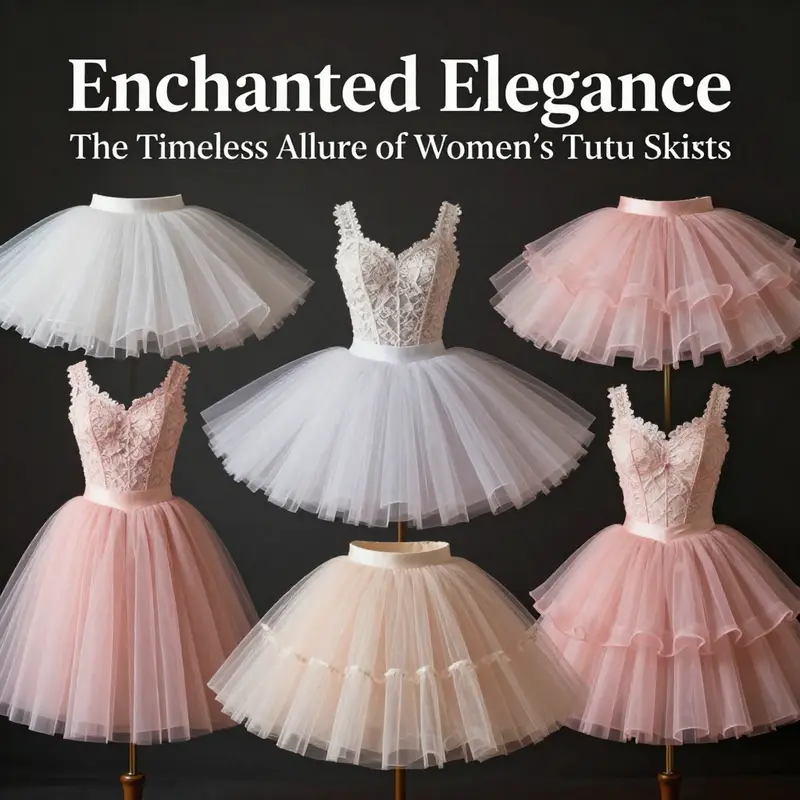
Across the spectrum of fashion history and the discipline of dance studios, the modern women’s tutu skirt sits at a quiet crossroads of endurance and whimsy. It is a garment designed to hold its shape under lights and motion, while still allowing the wearer to move with ease. In this chapter we trace how modern tutu skirts achieve that balance through a thoughtful marriage of materials and design innovations. The aim is not only to describe fabrics or silhouettes, but to illuminate how each choice—fabric, layer, diameter, and cut—shapes the way a tutu moves, flatters, and reads on the body.
At the heart of the modern tutu is a core family of materials designers return to: polyester stands out as durable, lightweight, and able to hold a deliberate shape. A tutu built with polyester layers can maintain crisp volume that reads bold from across a room or stage. This is the backbone of the silhouette, the structural breath that keeps the skirt from collapsing under movement. Yet the polyester story rarely stands alone. In contemporary builds it is combined with other fabrics to modulate weight and drape, ensuring buoyancy without stiffness. When a tutu is meant to twirl, lift, or glide on camera, a carefully chosen polyester blend sustains the choreography and the visual drama alike.
Mesh enters the conversation as a friend that adds breathability, flexibility, and a touch of airy lightness to the design. It lets air pass through without compromising volume, so a dancer can rehearse long hours or a model can pose without overheating. Mesh also contributes a subtle texture that catches light differently from smooth fabrics, enhancing the visual layering of the skirt as it moves. In daily wear or on the red carpet, mesh panels can moderate opacity of underlying layers while preserving the iconic tutu silhouette. The result is a skirt that feels buoyant and lively, not heavy or inert.
Voile and organza provide the ethereal whisper that many observers expect from a tutu. These fabrics are prized for their sheer quality and gentle translucence, which allow light to filter through the upper layers. The effect is almost ghostly in the best sense: a soft halo that frames the legs and waist while preserving the dramatic volume below. The texture of voile and organza adds a delicate luster that can elevate a tutu from costume to couture, especially when paired with careful edge finishing and subtle embroidery. The interplay between opaque underlayers and sheer outer layers creates depth of field in motion, a key factor in how the garment photographs and reads on stage or in editorials.
Layering is where material science and design philosophy converge. A seven-layer approach, as seen in layered-tulle constructions, amplifies volume while preserving movement. Each layer can be a different fabric or finish, tuned to respond to light, air, and the wearer’s movements. This multi-layer strategy allows designers to sculpt the silhouette with precision—creating a dramatic flare at the hips that softens into a luminous train toward the bottom. The craft point is that layer count controls motion: more layers offer greater circle and bounce, but they must be balanced against comfort and wearability. In contemporary practice, the fabric choice for each layer might be tuned to the skirt’s intended use—whether for fashion, performance, or a photo shoot—so the tutu meets aesthetic and functional needs.
Design innovations extend beyond fabric choices into the geometry of the skirt itself. Pleated designs add texture and vertical rhythm, bringing controlled movement and referencing familiar sartorial elements while staying within the fantasy of a tutu. Circle-cut designs push the boundaries of fullness by using circular panels that unfold into near-perfect sweeps as the wearer twirls. The circle-cut configuration offers maximum fullness and an uninterrupted flow, producing a swaying line that travels with the body. Tiered designs layer varying lengths and fabrics to craft a more intricate, cascading effect. Tiering can heighten playfulness or sophistication, especially when the tiers are finished with trims or subtle embroidery that catches the light with every movement.
Practical considerations shape how the tutu wears across body types. A rising number of modern skirts use high-waisted or elastic-waist designs, fusing comfort with a flattering fit. The high waist visually elongates the torso, creating a balanced line that can emphasize a slim midsection while allowing the lower body to move freely. Elastic waistbands add ease of wear, accommodating a broader range of figures without sacrificing crispness at the top. These choices matter because the tutu’s dramatic flare is most effective when it sits at the right vertical axis on the body. When a skirt sits too low, the waist’s line is lost; when it sits too high, movement can feel restricted. The right combination of waist design and layered volume makes the tutu accessible for daily fashion as well as performance contexts where the wearer must feel poised and supported.
Care, durability, and cost also shape how designers think about materials and design. Polyester and mesh withstand frequent wear and washing, a practical advantage for everyday use. Voile and organza, while wonderfully light and luminous, require careful handling to preserve their edges and prevent snagging. The care cycle—gentle washing, line drying, or steam pressing—affects the skirt’s longevity and its ability to maintain a pristine, theatrical look after repeated wear. The cost equation follows suit: more layers, more fabrics, and more finishing details translate into higher price points and longer production times. Yet even with high-end finishes, modern tutu skirts balance artistry with practicality by choosing fabrics that offer a respectful compromise between drama and real-world use. This balance enables the tutu to move from the stage to the street with ease, inviting a broader audience to experience its whimsy without sacrificing comfort or durability.
From a design lens, the tutu’s enduring appeal lies in its ability to flatter a range of body types while inviting a wide spectrum of styling possibilities. The full, flaring silhouette can visually slim the waist and lengthen the legs, an optical effect rather than a single tailoring trick. For pear-shaped figures or those seeking to balance fuller hips, the outward curve of the skirt creates a harmonious silhouette by distributing visual weight toward the lower half of the body. This principle makes a tutu a go-to option for formal events or dynamic photo sessions, where the aim is to achieve a poised presence without overpowering the wearer’s natural lines. Yet there is room for subtlety as well. Soft puff effects—achieved with lighter underlayers, modest tucks, or restrained ruffle detailing—offer a more understated nod to the tutu’s essence. In this way, the same family of garments can embody both bold celebration and quiet sophistication, depending on how it is engineered and worn.
If the chapter leans toward the tactile and the tangible, it also leans toward the imaginative. The tutu’s design language speaks to a broader curiosity about how clothing can choreograph human movement. It invites designers to explore the relationship between fabric, structure, and motion, and to ask how many layers are necessary for visual impact without sacrificing ease of wear. A seven-layer approach is a telling example, not because more is always better, but because it demonstrates a deliberate, modular way of composing volume. Each layer adds a texture, a drip of light, or a new stream of air that makes the entire silhouette feel alive as the wearer moves. When such a methodology is combined with a carefully considered waist construction and purposeful edge finishes, the tutu becomes less about a single moment of drama and more about a season of expressions—whether on a ballroom floor, a fashion runway, or a street corner where a playful, couture-inspired look meets daily life.
For readers who want a tangible point of reference into these layers, textures, and cuts, a practical example can be found in classic tutu silhouettes with richly finished edges and multi-layer volume. For a tangible reference to the tactile effect of a multi-layered tutu, consider the classic look described in this tutu piece: classic ballet tutu pink costumes with golden trims. The link points to a specific high-visibility interpretation of the layered tutu in a performance-ready structure, illustrating how the careful pairing of fabric choice and seam engineering yields a product that reads as both artful and functional. The example foregrounds the same principles that drive broader design practices: choose materials that support volume, layer thoughtfully to control bounce and flow, and finish edges in ways that catch light and maintain integrity under movement. The goal remains consistent—create a garment that can perform, photograph, and be worn with confidence, while still embodying a sense of whimsy that defines the tutu across generations.
In the broader arc of fashion and dance, these design decisions—the choice of polyester for shape retention, the addition of mesh for breathability, the ethereal touch of voile and organza, and the strategic layering that yields dramatic yet wearable volume—signal a robust fusion of artistry and engineering. Modern tutu skirts are not relics of a bygone era; they are evolving canvases that can host everything from archival elegance to contemporary streetwear. They invite designers to imagine new silhouettes, while offering individuals a garment that makes the ordinary feel extraordinary. The tutu remains a symbol of joy, grace, and individuality, capable of greeting a crowd with theatrical flair or turning a casual day into something that feels almost ceremonial. In this sense, the materials and designs of the modern tutu are less a set of rigid rules and more a language of movement—one that speaks to the wearer’s ability to express herself through fabric, fold, and light, again and again.
External resource: https://www.folobe.com/products/womens-tutu-skirt-midi-tulle-skirts-7-layers
The Tutu Across Eras: From Ballet Stage to Everyday Style
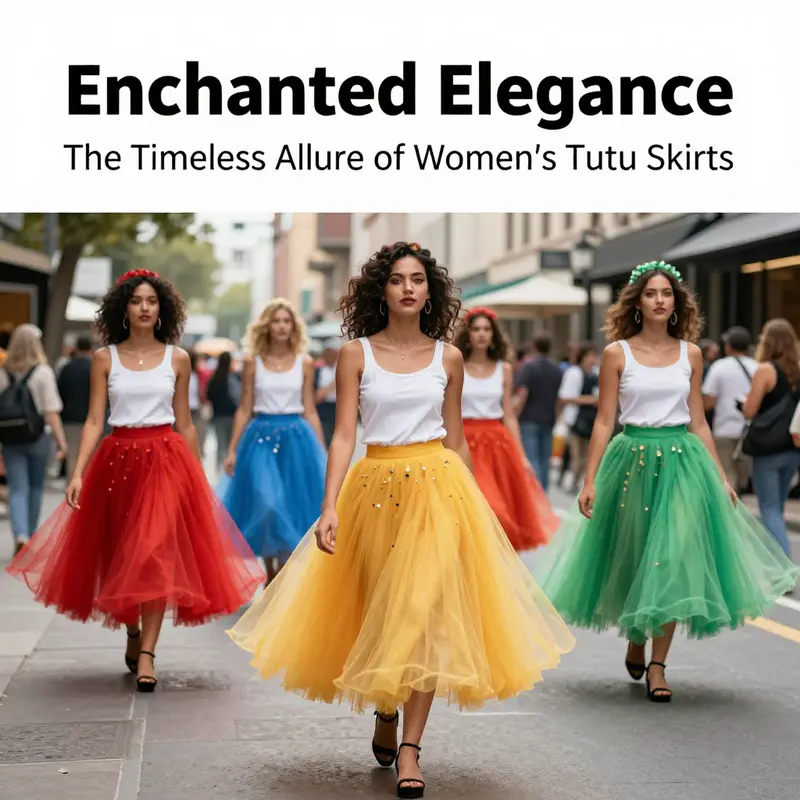
The tutu has moved beyond the concert hall to become a versatile symbol of movement and possibility. From the Romantic stage to contemporary streetwear, its volume and lightness invite a dialogue between history and modern life. Early tutus were long and sheer, designed to reveal the leg line and to frame a dancer’s ascent toward ethereal grace, while later versions shortened and reinforced the silhouette to support dynamic storytelling on stage.
In couture and ready-to-wear alike, designers translate the tutu’s core ideas into garments suited for daily life. The result is a spectrum of expressions, from softly frothy skirts paired with crisp tailoring to bold, sculptural interpretations that celebrate whimsy while maintaining polish.
As fashion broadens its invitation to diverse body types, the tutu’s appeal endures because it can be scaled and customized. Modern makers emphasize comfort, breathable fabrics, and responsible production, ensuring the silhouette remains legible while respecting wearers and the planet.
Beyond aesthetics, the tutu acts as a cultural instrument, a canvas for personal storytelling, a reminder of discipline and play, and a symbol that people can move through the world with confidence and joy. Its history is not a single tale but a living conversation that continues to unfold whenever someone twirls, layers a skirt, or pairs tulle with a new texture or color.
Final thoughts
As the women’s tutu skirt continues to sway between traditional elegance and modern flair, it remains a staple in the wardrobes of women seeking to express their individuality. Business owners can leverage the skirt’s versatile styling, flattering fit, and cultural significance to create compelling marketing strategies that resonate with customers. Understanding the evolution of the tutu skirt not only enriches the narrative of fashion but also highlights its adaptability and enduring charm in a rapidly changing industry.